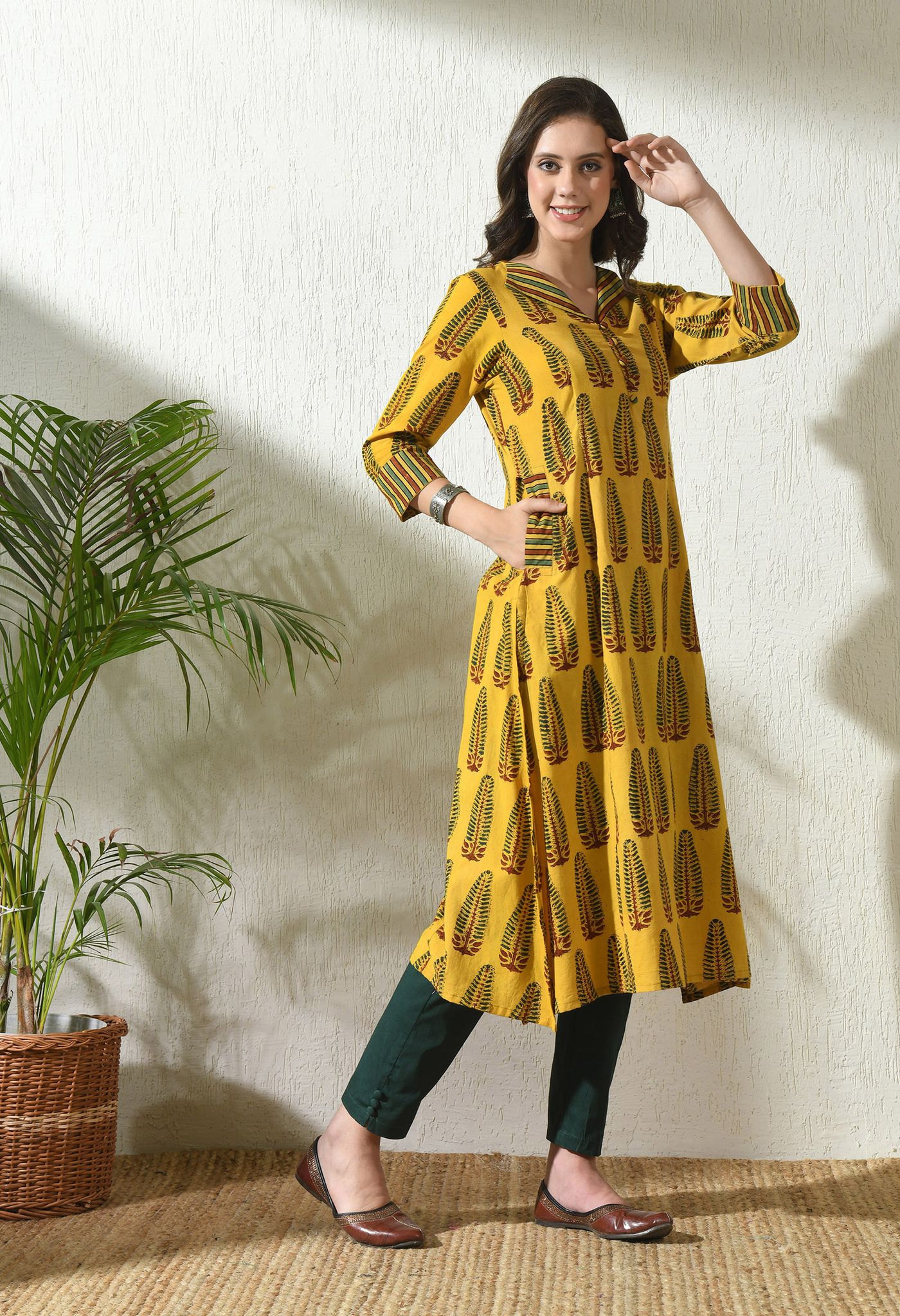
Everyday dressing
Build a cotton kurta outfit for a humid commute
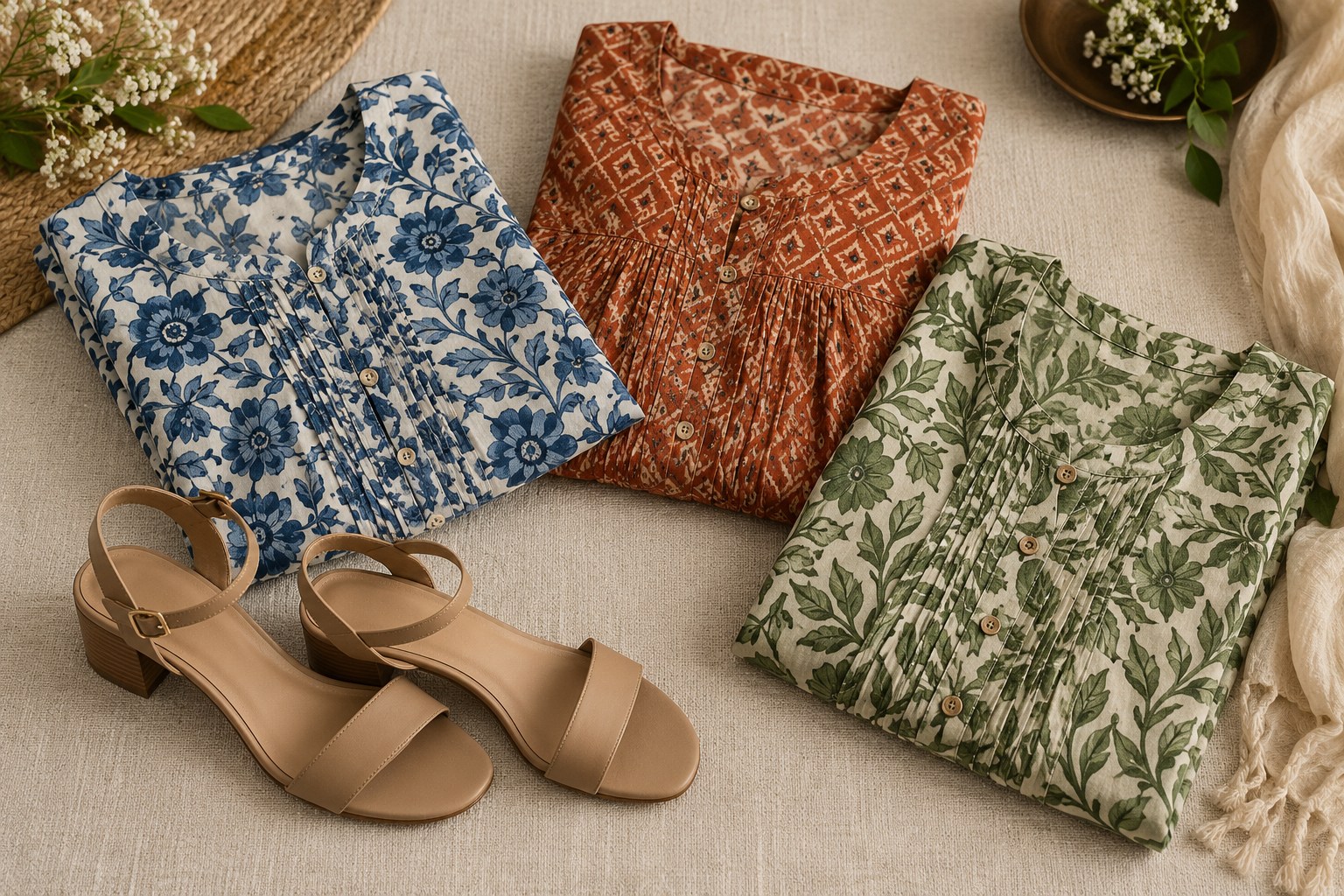
Build around an easy cotton kurta, then check trouser clearance, bag placement and the layer you will need indoors.
Clothes, accessories & the ways to wear them
MavenChic / 163 articles
Explore outfit ideas and the decisions behind clothes, accessories and wardrobe care.
163 articles
Everyday dressing
Build around an easy cotton kurta, then check trouser clearance, bag placement and the layer you will need indoors.
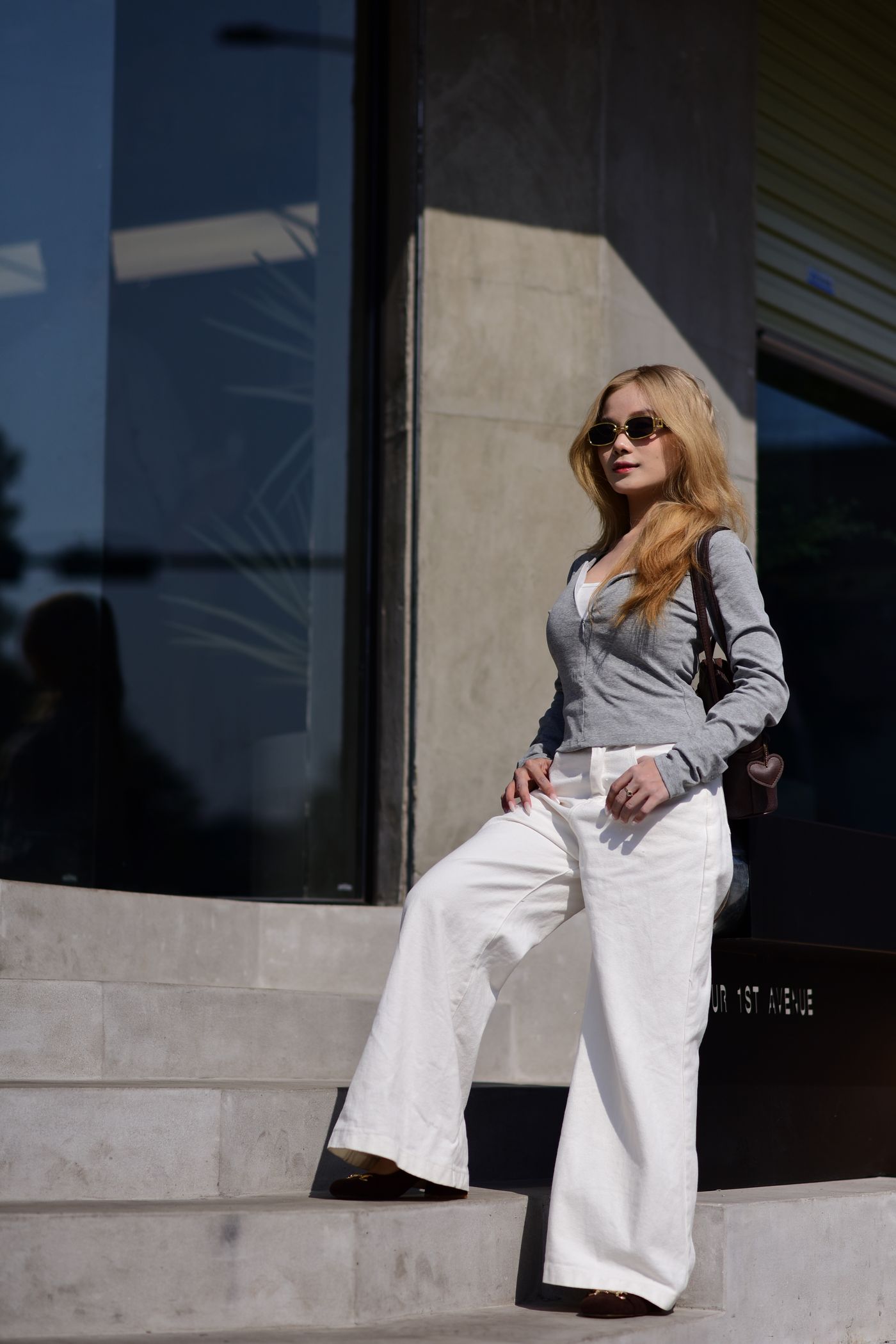
Everyday dressing
Use the waistband, upper layer and hem to control an outfit’s balance without treating your body as a problem to correct.

Everyday dressing
Choose a removable office layer by checking sleeves, desk movement and how it travels in your bag.
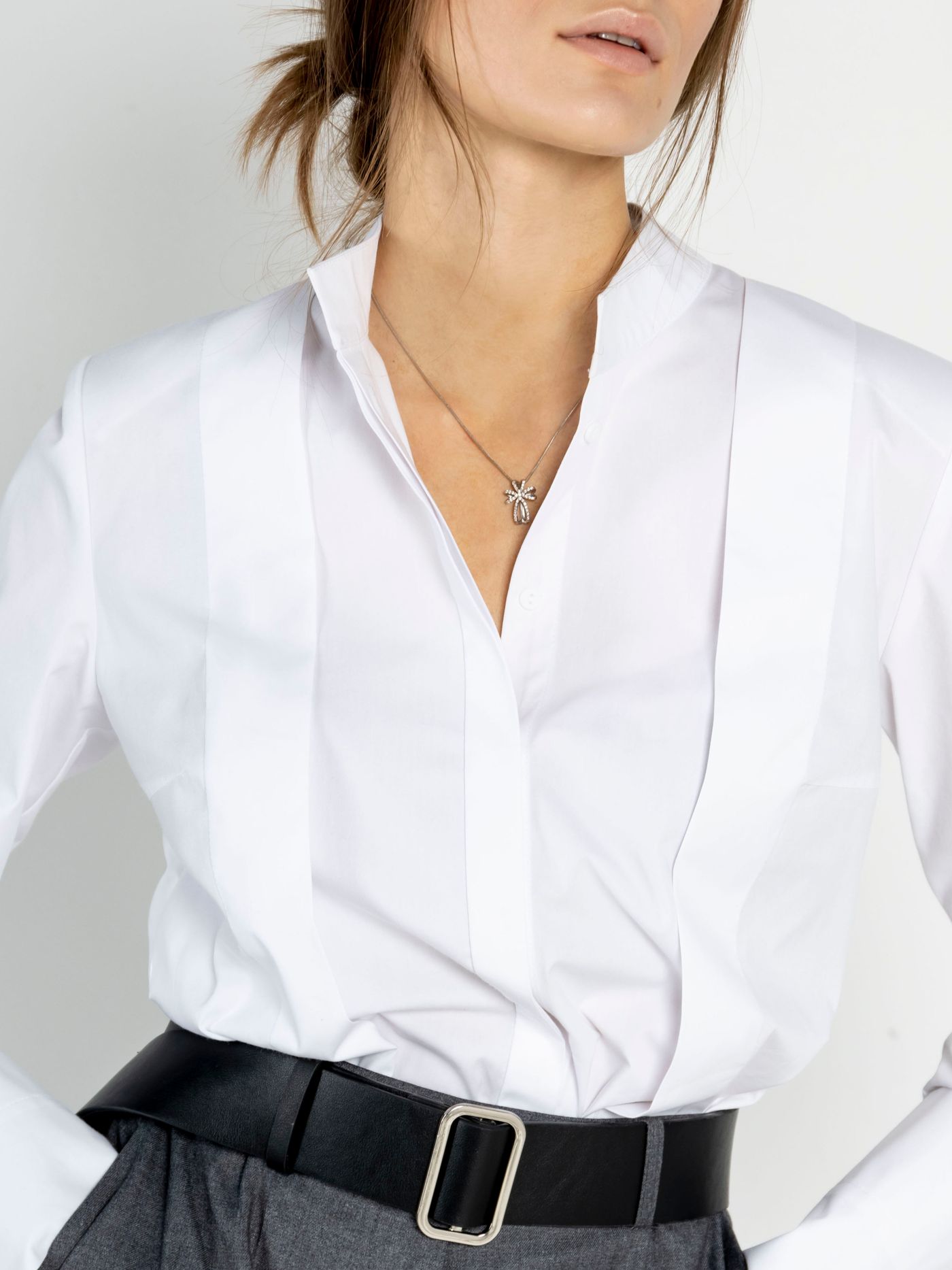
Everyday dressing
Decide how much transparency you want, then compare underlayers and button spacing in daylight.
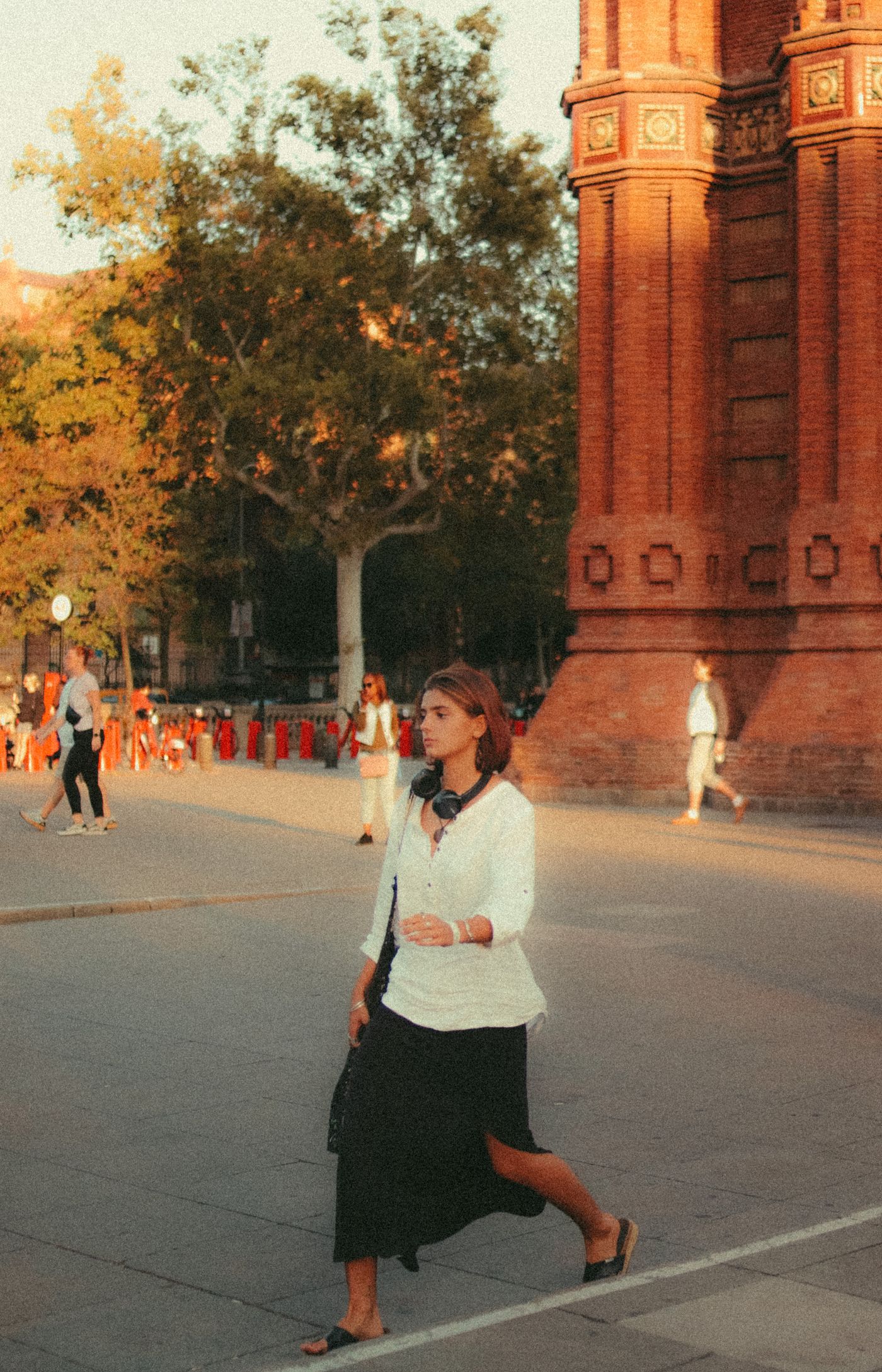
Everyday dressing
Match the skirt’s movement and hem to flats you can walk in, then adjust the top rather than defaulting to heels.
Everyday dressing
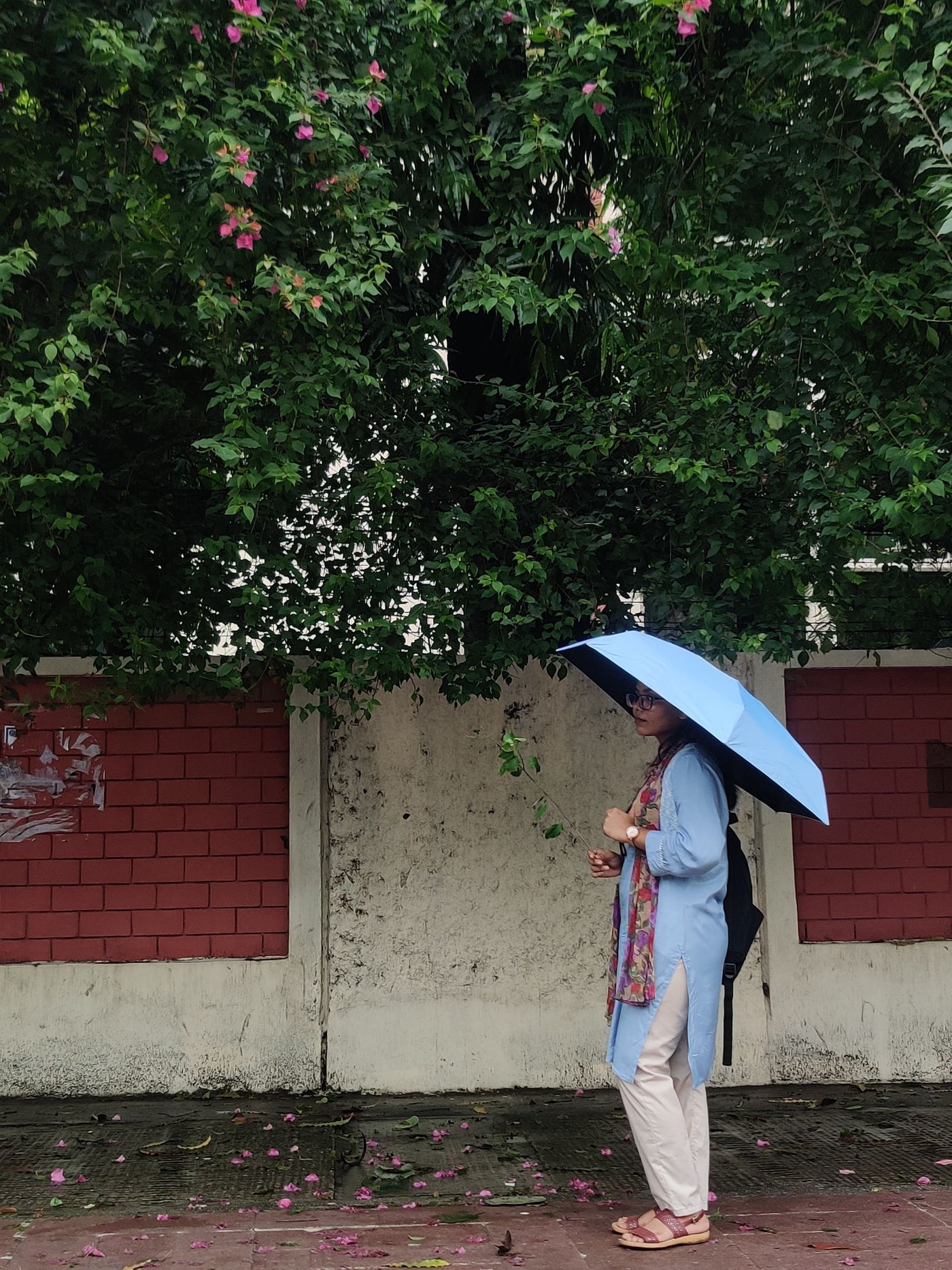
Plan a rainy commute around hem clearance, manageable layers and somewhere to put wet items.
Everyday dressing
Look beyond a fibre name and check the lining, cut and openings of the garment you will actually wear.
Everyday dressing
Change the setting of a printed dress through shoes, bag structure and one accessory colour.
Everyday dressing
Use shoulder placement, sleeve width and the shirt’s hem to make an oversized shape feel intentional.
Everyday dressing
Pair the sleeve and neckline of an outer layer with the coverage and movement you want from a sleeveless top.

Everyday dressing
Choose the shoes and top around your weekend plans, then let dark jeans provide the common base.
Everyday dressing
Separate two blues through depth, texture or a small neutral detail rather than chasing an exact match.
Everyday dressing
Use the necklace’s resting position to choose a neckline that leaves its shape visible and comfortable.

Everyday dressing
Check the meeting point between trouser hem and shoe instead of using one fixed rule for ankle-length trousers.
Everyday dressing
Make small, visible choices in fit, finishing and accessories while keeping the ease of a T-shirt.
Everyday dressing
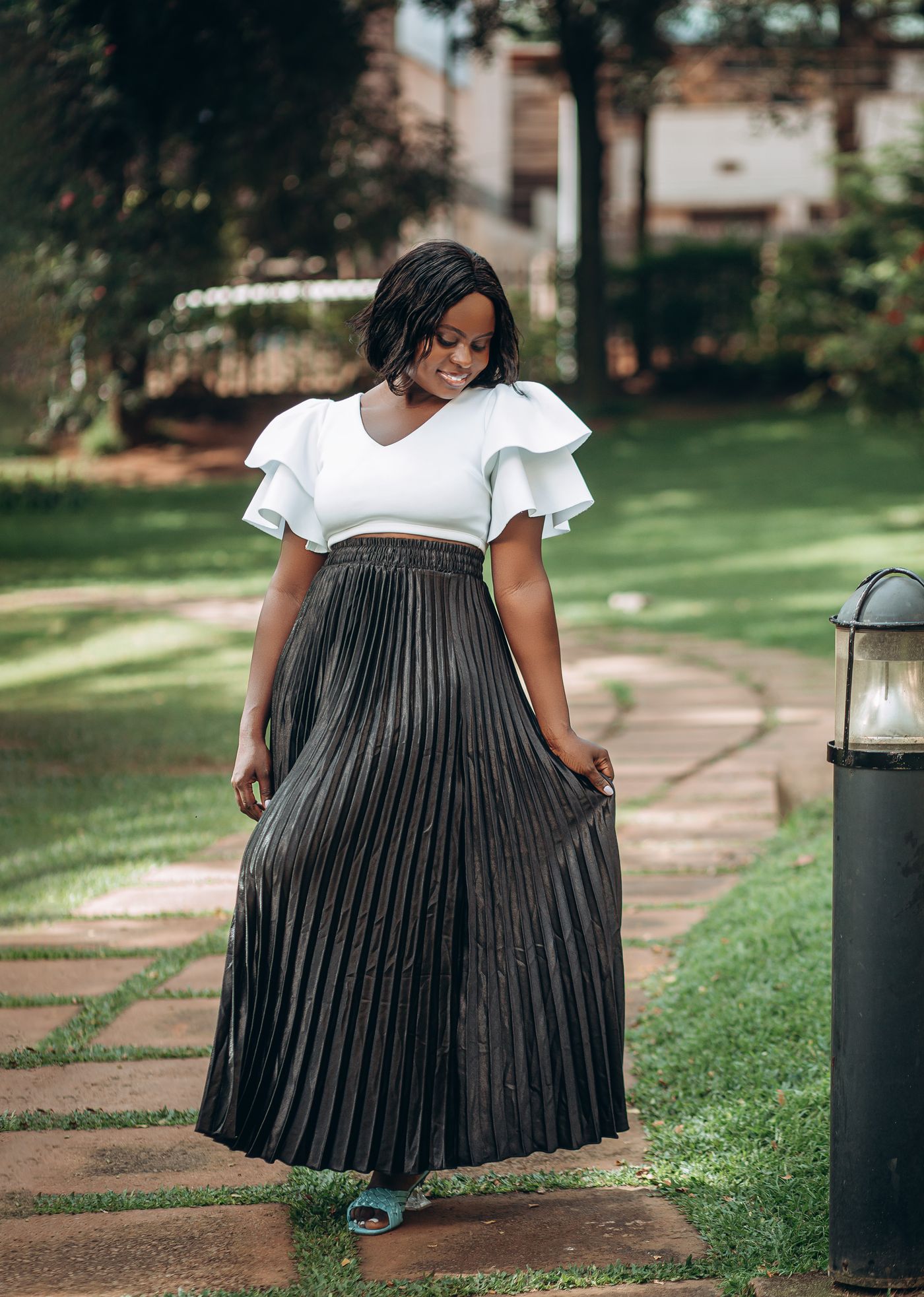
Check the skirt’s stride, waistband and clearance with the shoes and bag you will carry all day.
Everyday dressing
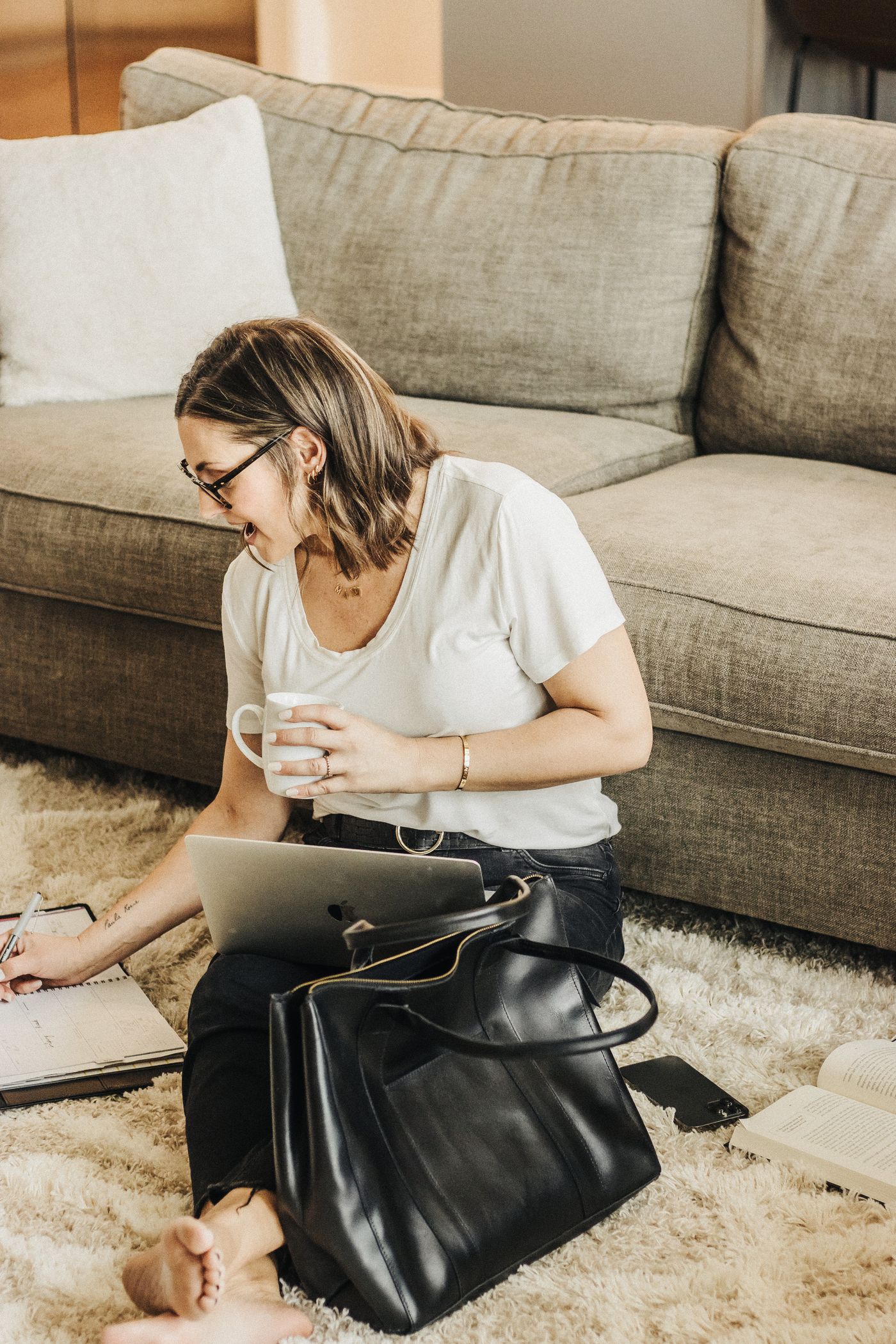
Choose the bag’s capacity and carrying position first, then use colour and structure to connect it with your clothes.
Everyday dressing
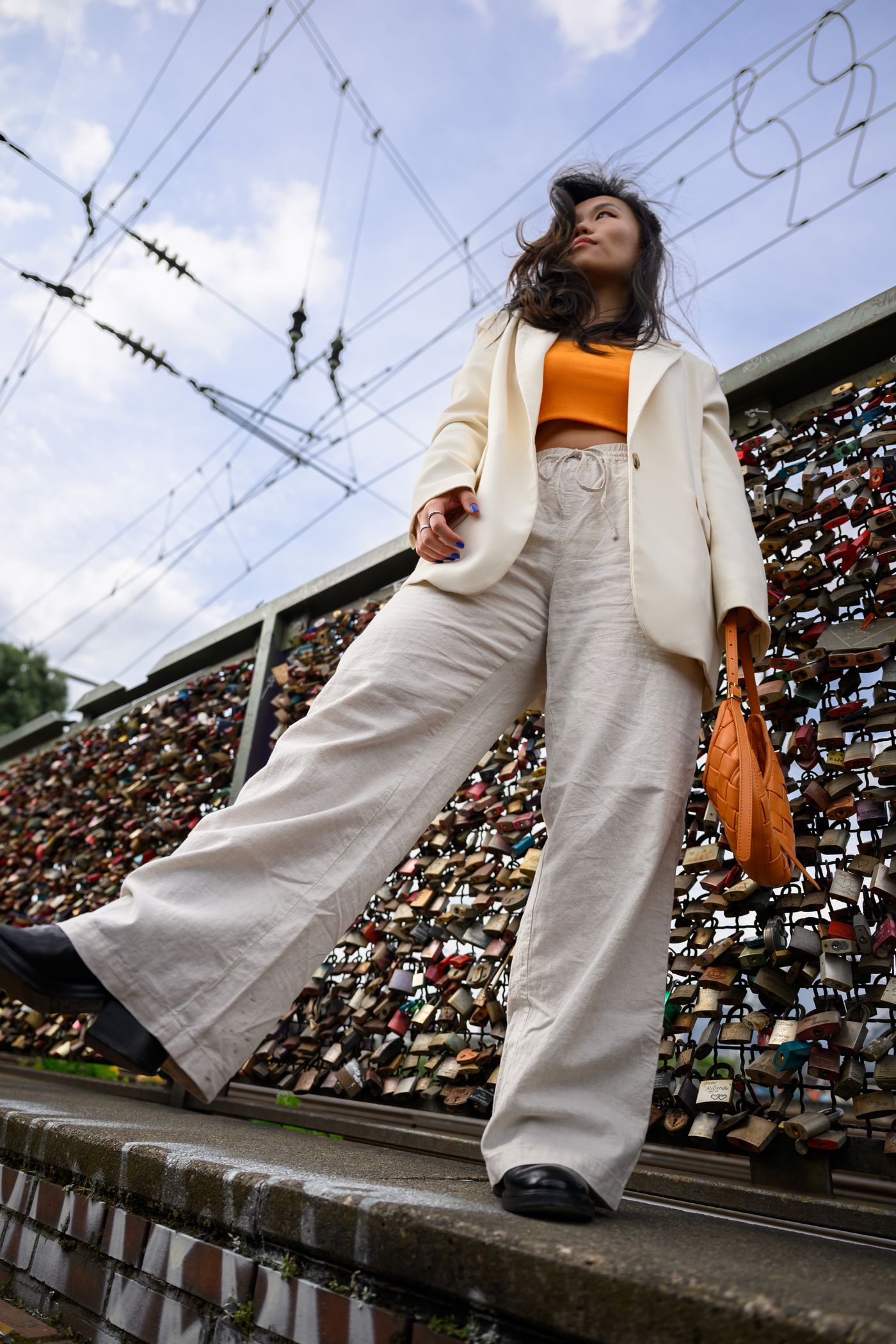
Build a weekday palette from clothes you wear repeatedly, then test it against laundry, weather and actual outfit gaps.
Everyday dressing
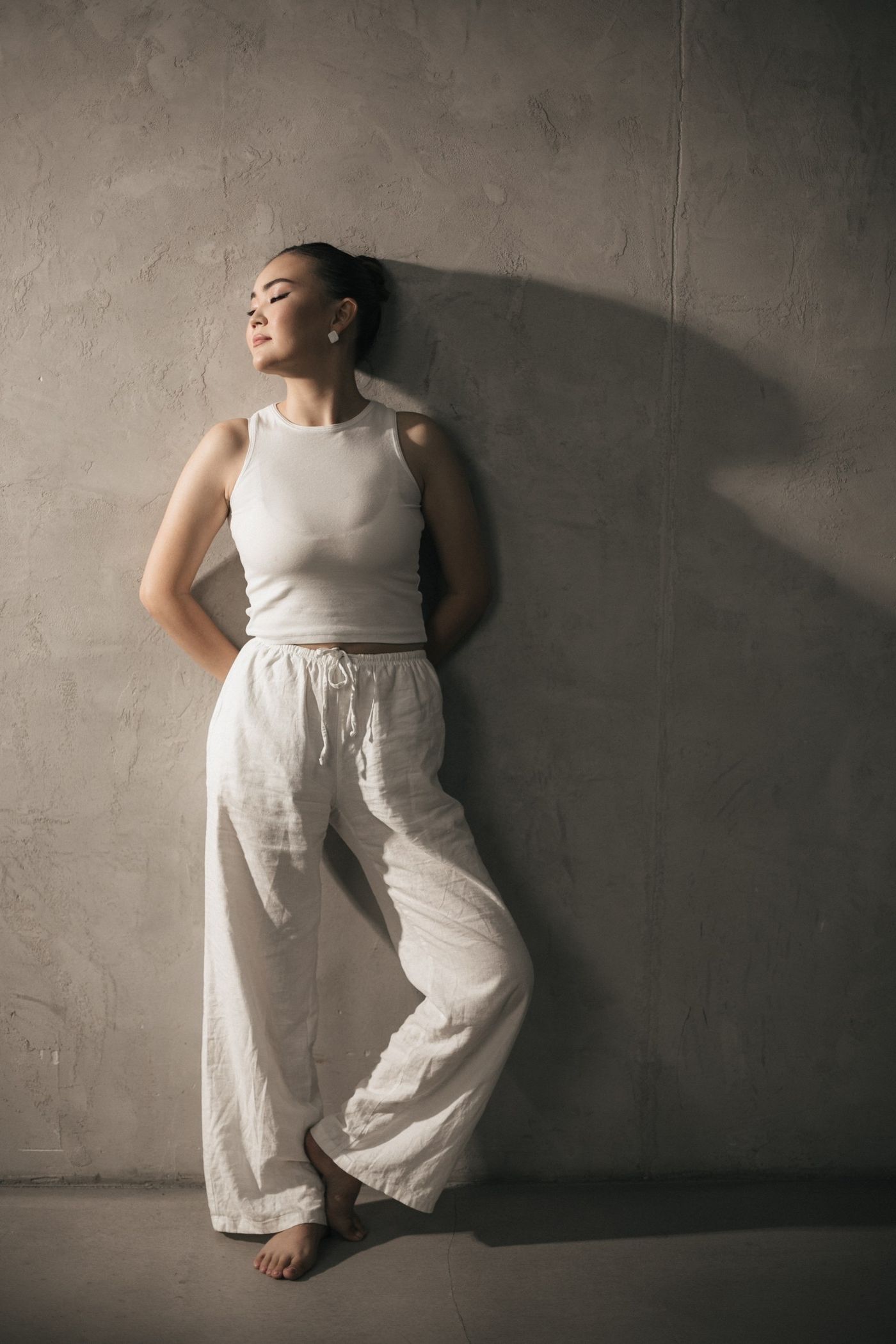
Treat linen’s visible creases as part of the outfit while checking fit, opacity and the care label separately.

Everyday dressing
Use the jacket’s lower edge as a deliberate break, then check how the longer layer falls underneath it.
Everyday dressing
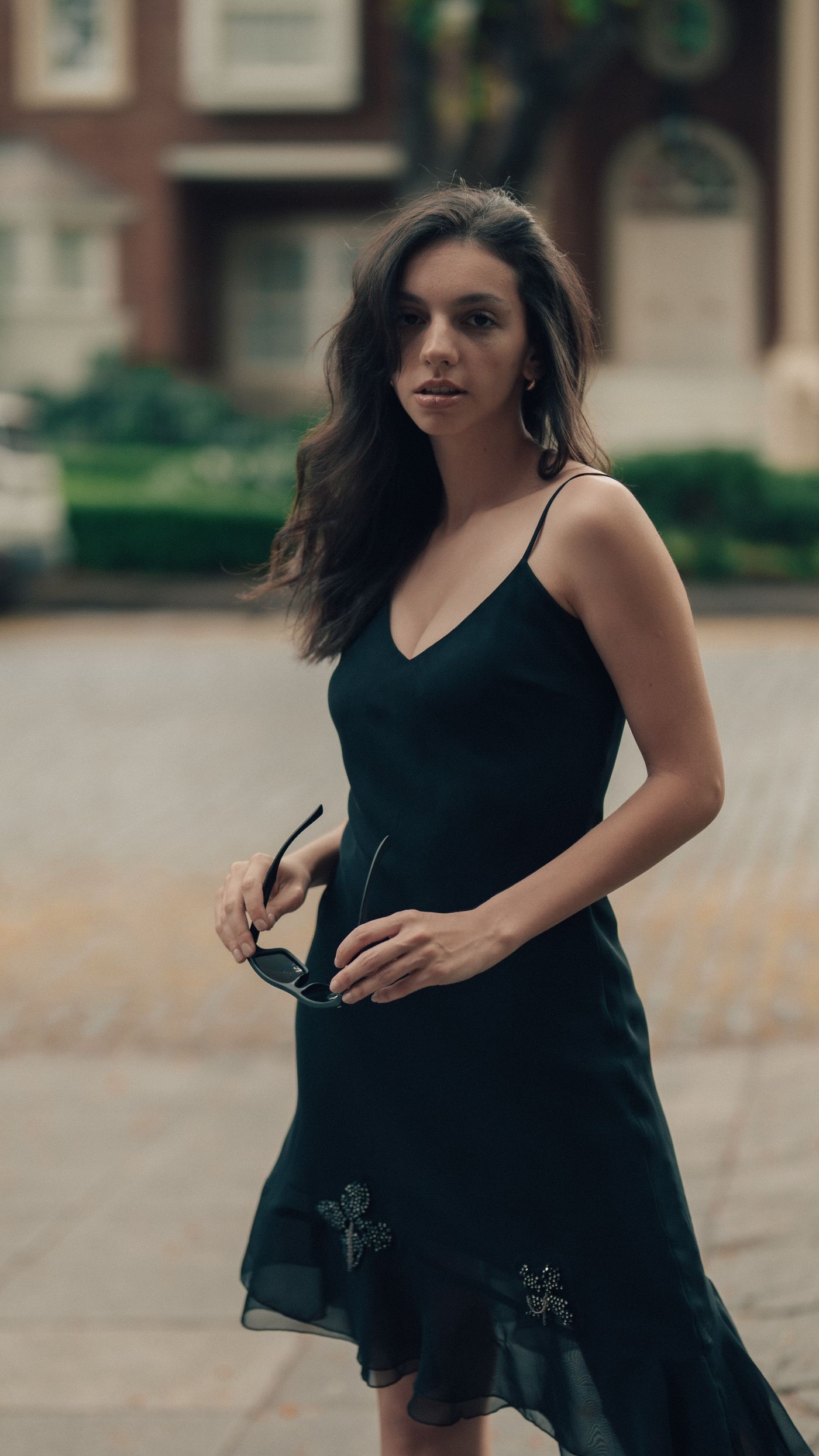
Change a black dress’s daytime character through footwear, texture and the amount of shine you add.

Everyday dressing
Plan for desk time, shared rooms and the journey between them rather than copying a formal office uniform.
Everyday dressing
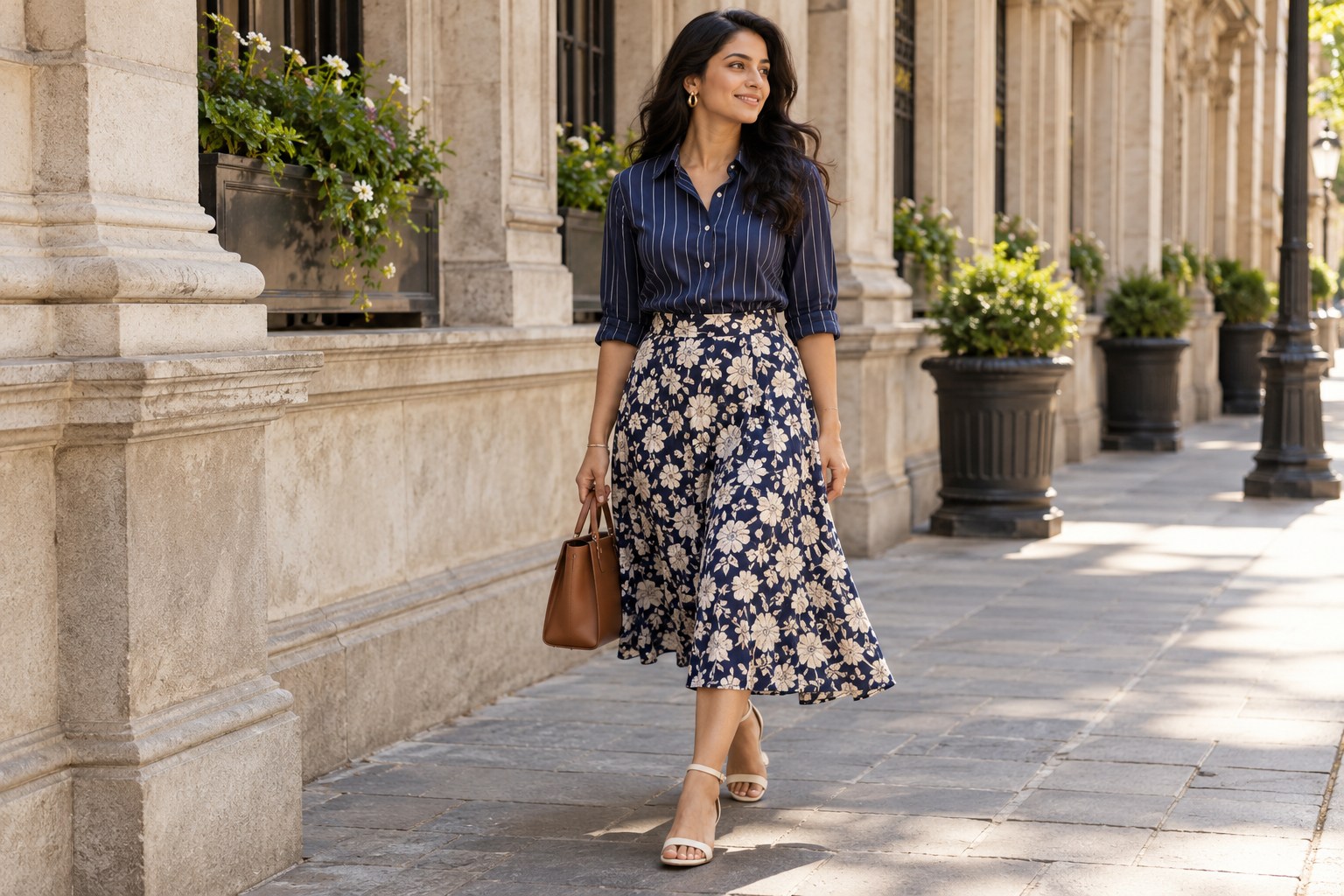
Connect stripes and florals through one shared colour while letting their scale or placement differ.
Everyday dressing
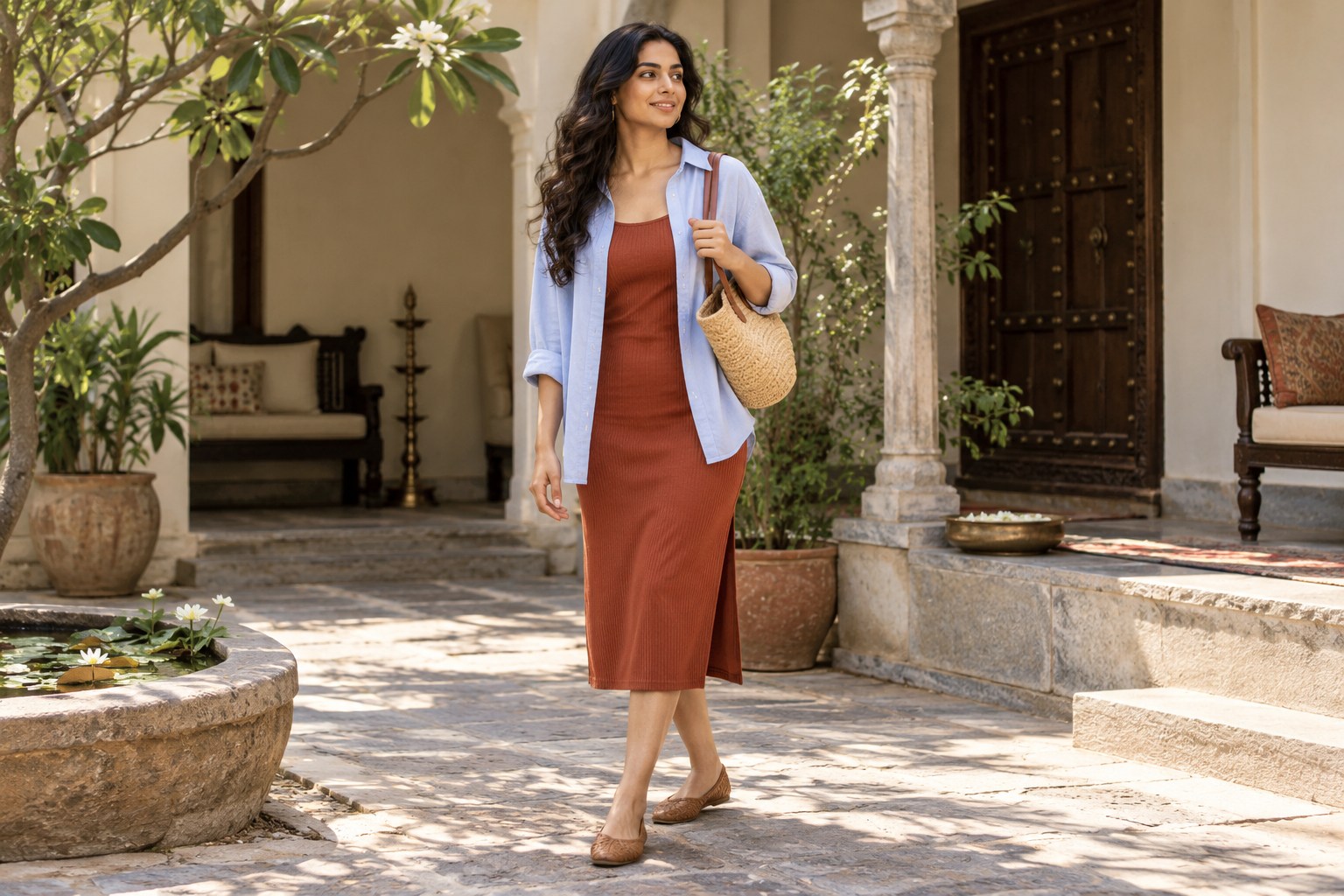
Choose an open, tied or partly buttoned shirt according to how the dress moves underneath it.
Everyday dressing
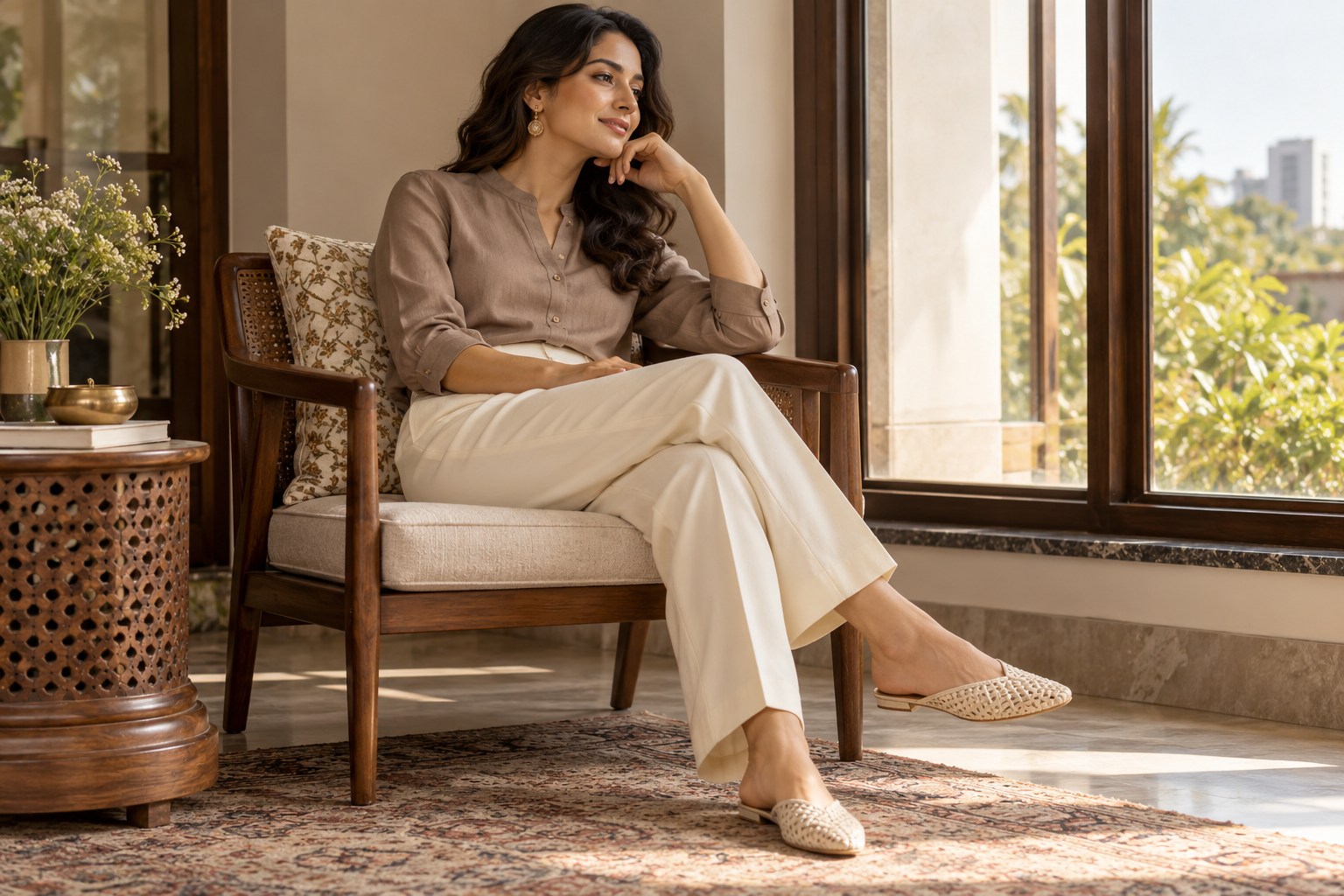
Check opacity, pocket outlines and the waistband before deciding which top belongs with pale trousers.
Everyday dressing
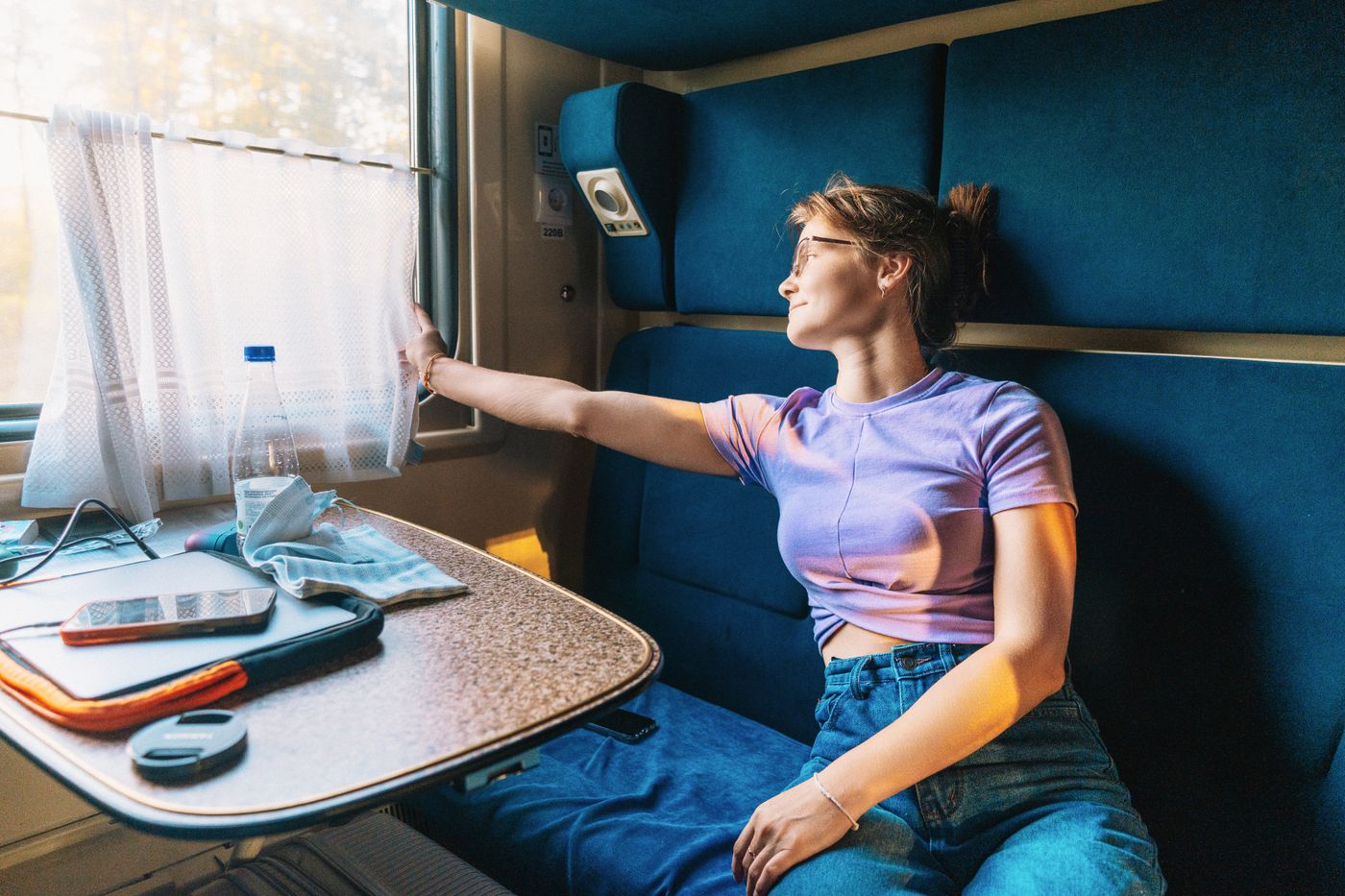
Choose a train outfit around seated comfort, changing temperatures and access to the things you will need.
Everyday dressing
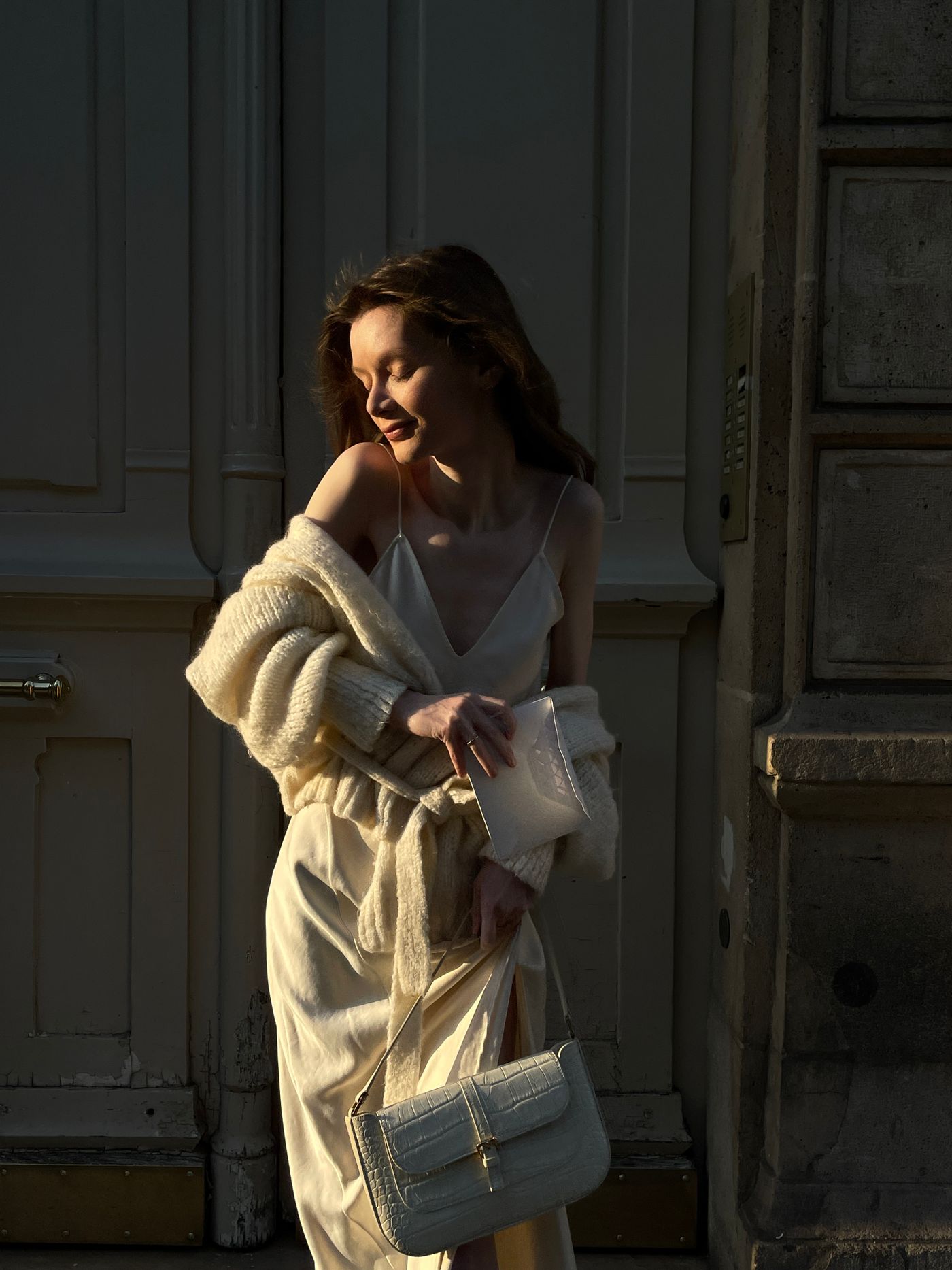
Keep the base outfit comfortable for work and make the evening change small enough to carry.

Everyday dressing
Pair a denim shirt with a different lower-half texture and decide whether it acts as a shirt or an outer layer.

Everyday dressing
Change a loose dress’s outline with a belt only where the fabric can gather comfortably.

Everyday dressing
Choose the scarf’s job and folding method before adding it to an already layered neckline.
Everyday dressing
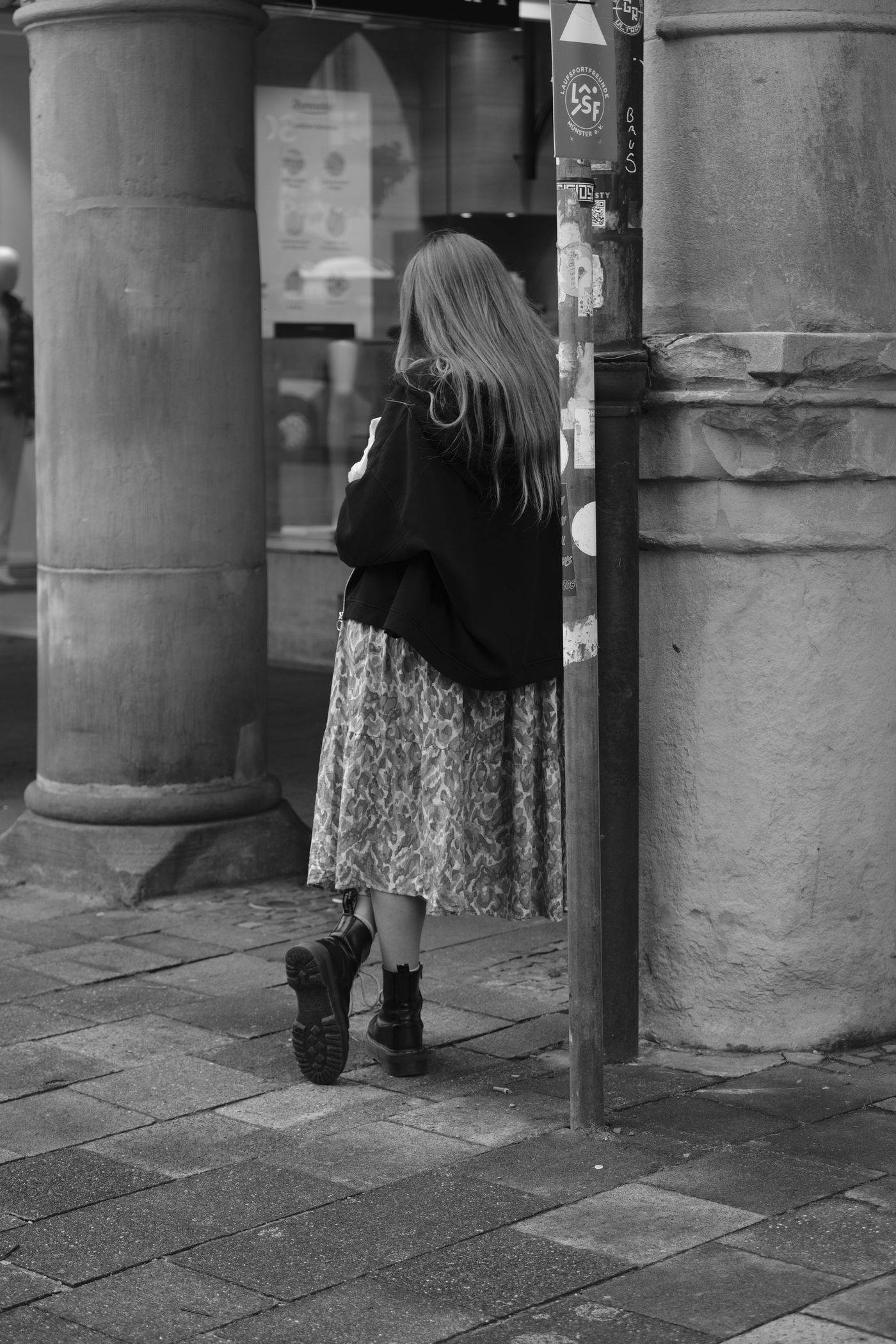
Compare cardigan hems against the skirt’s fullness and waistband rather than choosing by skirt length alone.

Everyday dressing
Use rust and cream in unequal amounts, then choose texture and accessories to set the mood.
Everyday dressing
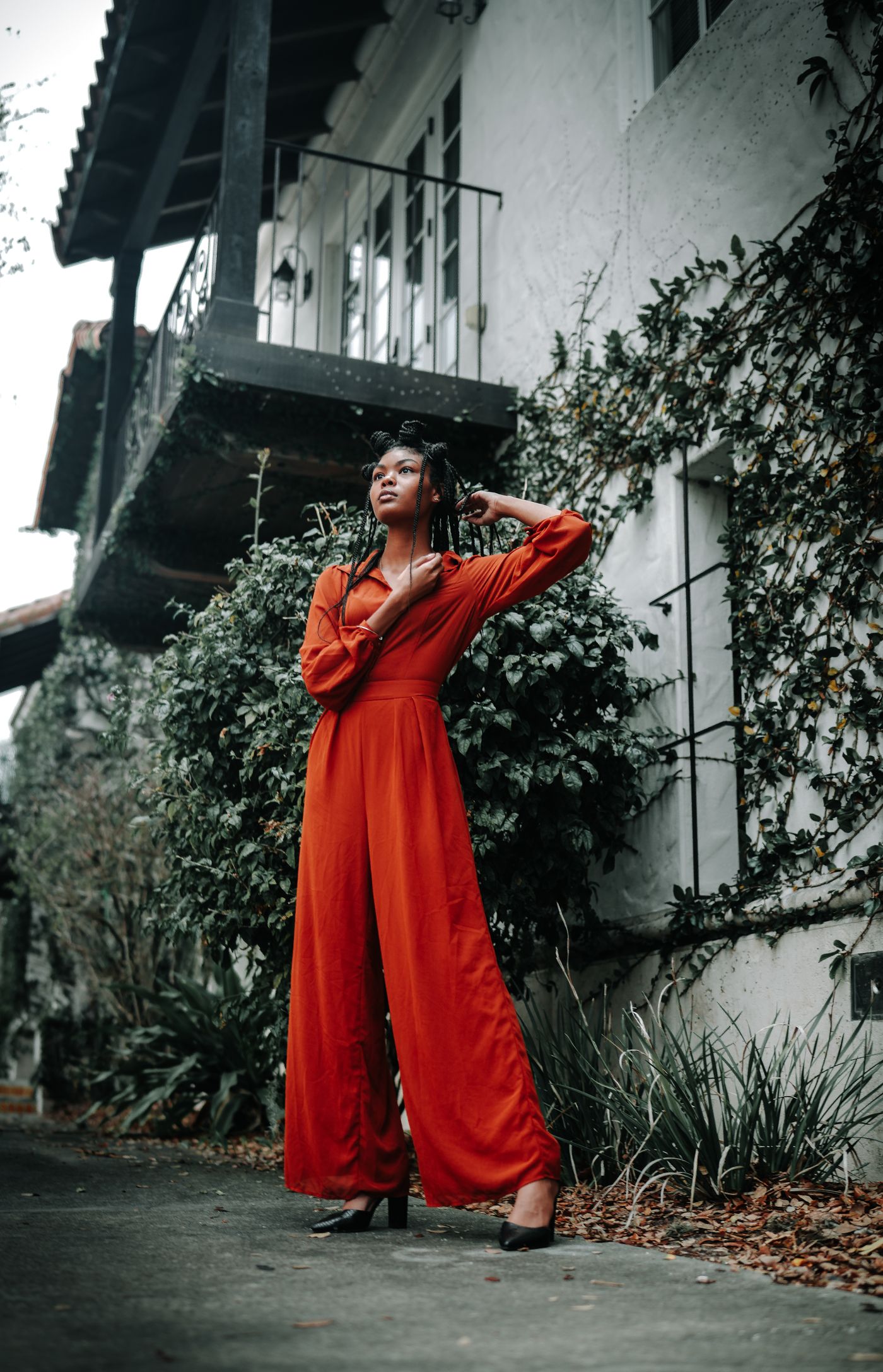
Test a jumpsuit’s torso length, closures and bathroom practicality before styling it for a busy day.

Everyday dressing
Check sleeves, neckline and fabric bulk beneath the blazer before deciding whether the top works.
Everyday dressing
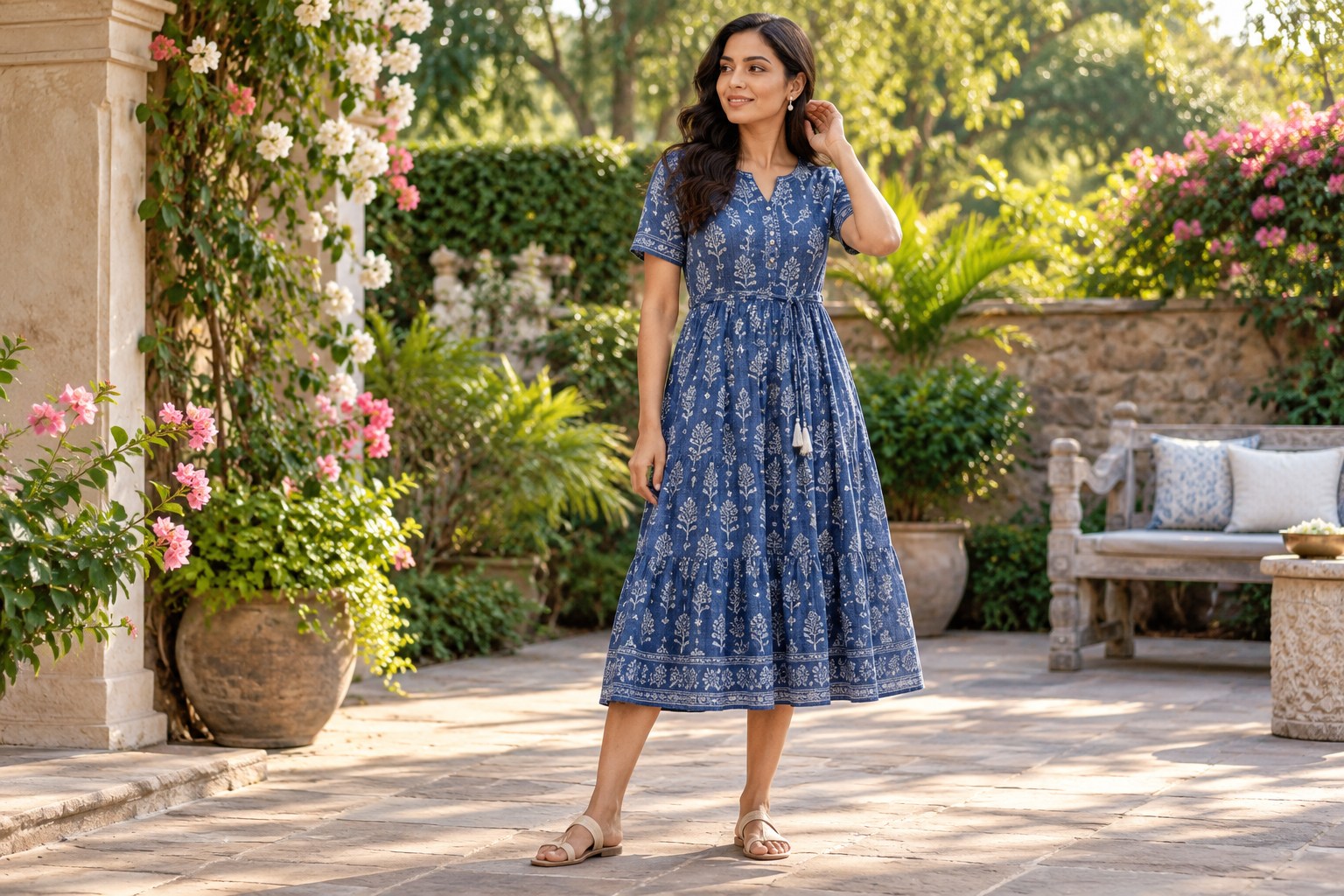
Let the dress’s sleeves and shape provide the detail, then add only the accessories the day needs.
Everyday dressing
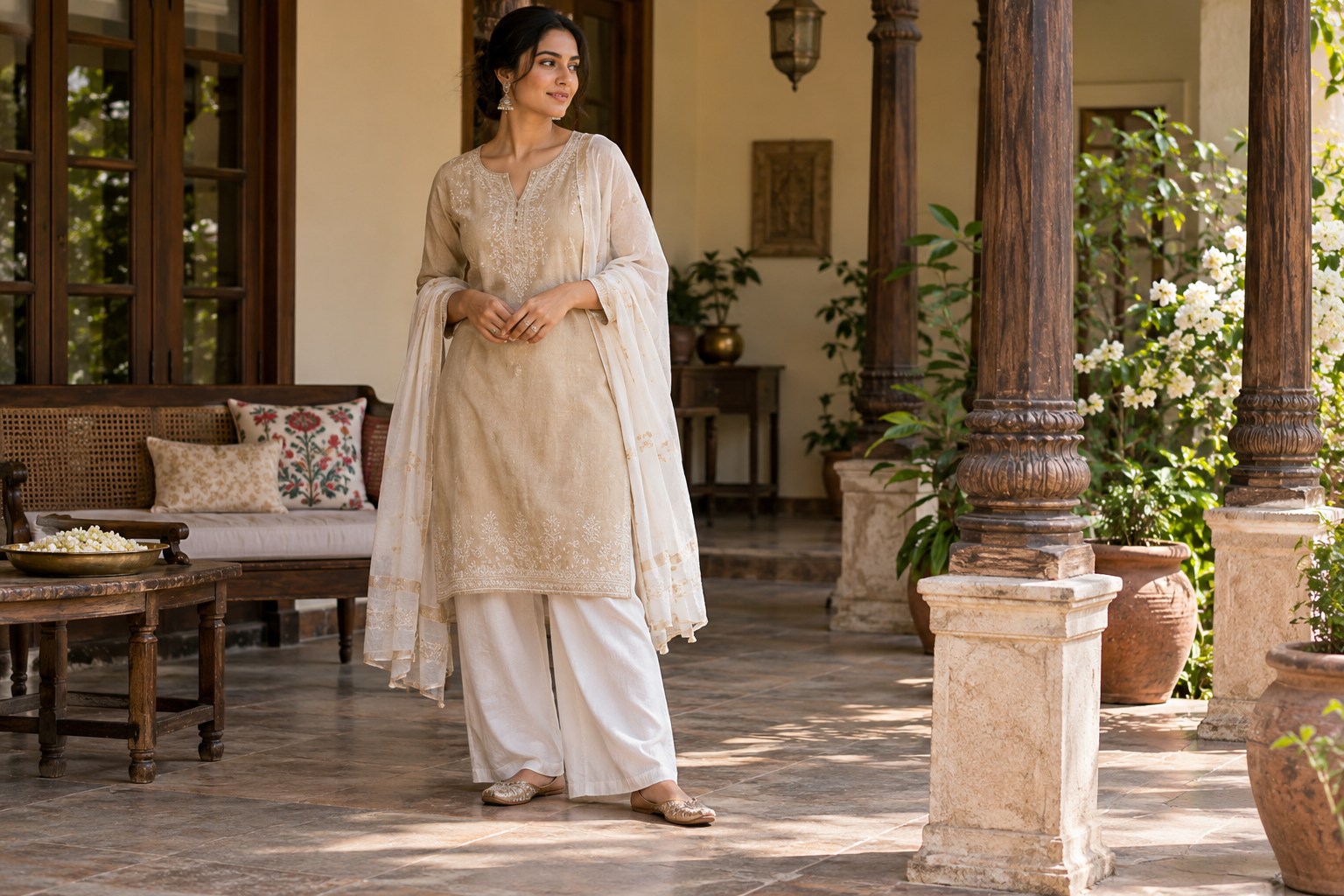
Define your preferred coverage first, then reduce unnecessary overlaps without treating modest dressing as one fixed formula.
Everyday dressing
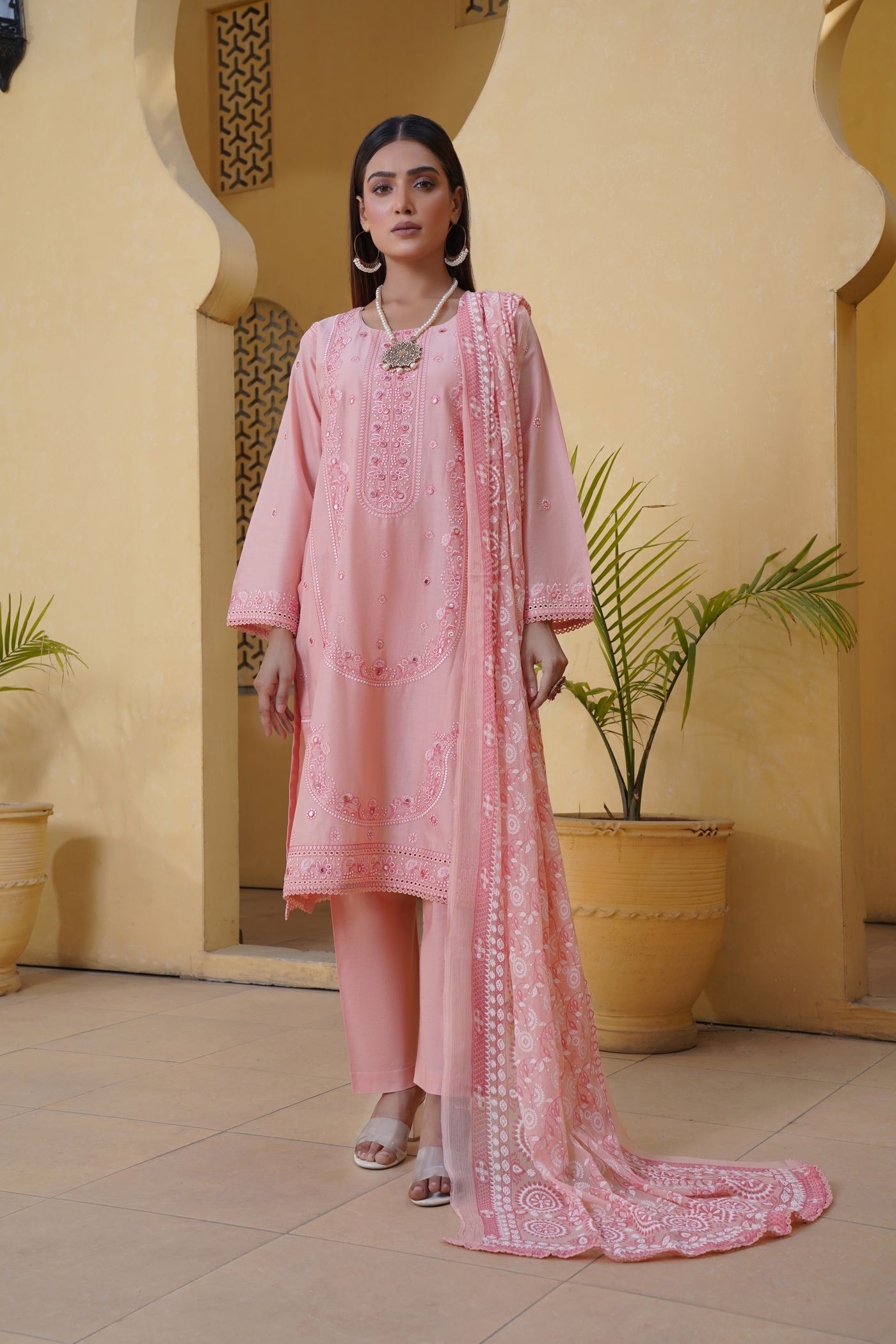
Check the space between tunic hem, trouser opening and shoe when combining two shorter or longer proportions.

Everyday dressing
Separate the top and bottom of a matching set into complete outfits using pieces already in your wardrobe.

Everyday dressing
Use the role, venue and stated expectations to choose an interview outfit that lets you concentrate on the conversation.
Indian wear & mixing
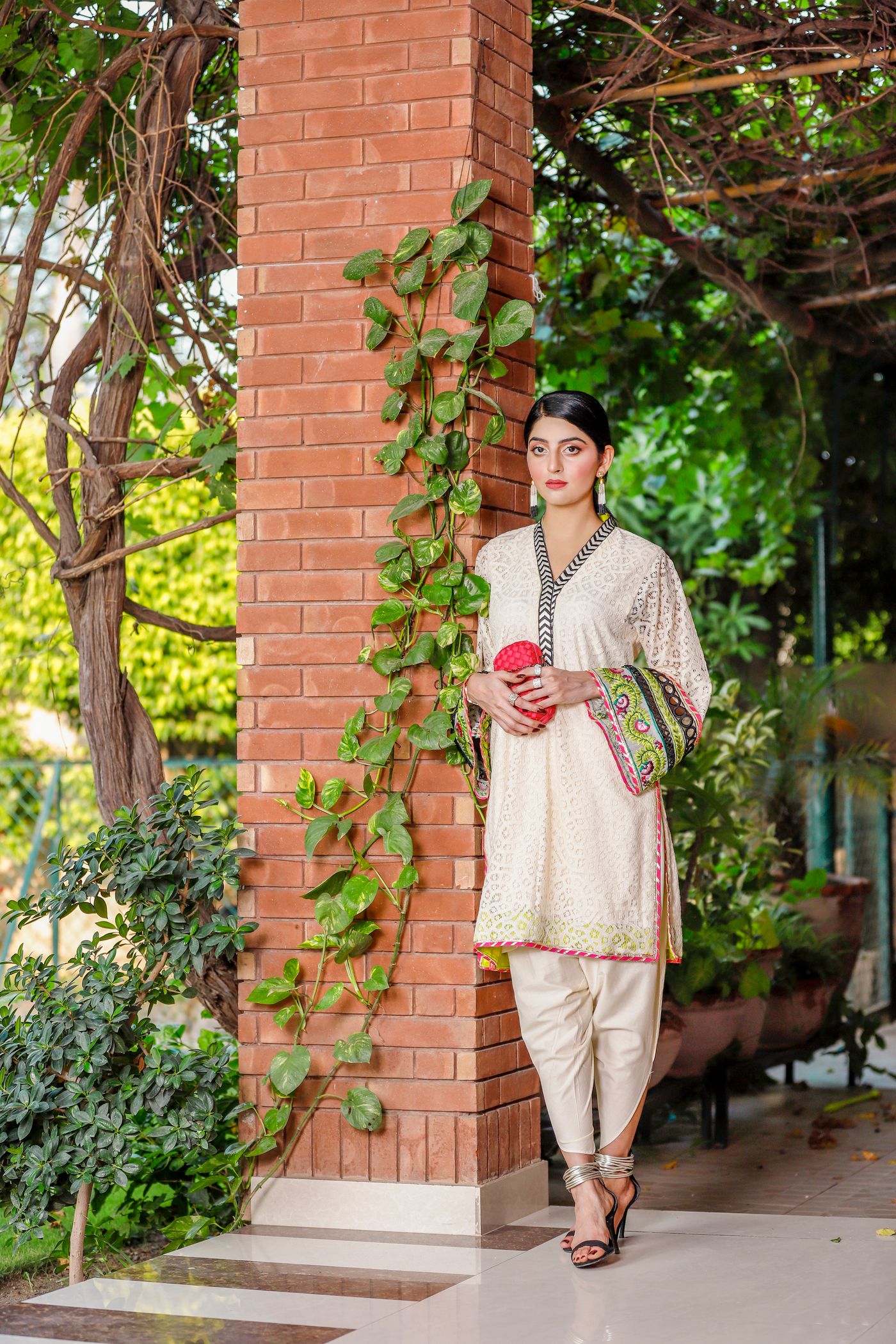
Check the kurta’s side openings and the trouser taper so the two shapes move comfortably together.
Indian wear & mixing
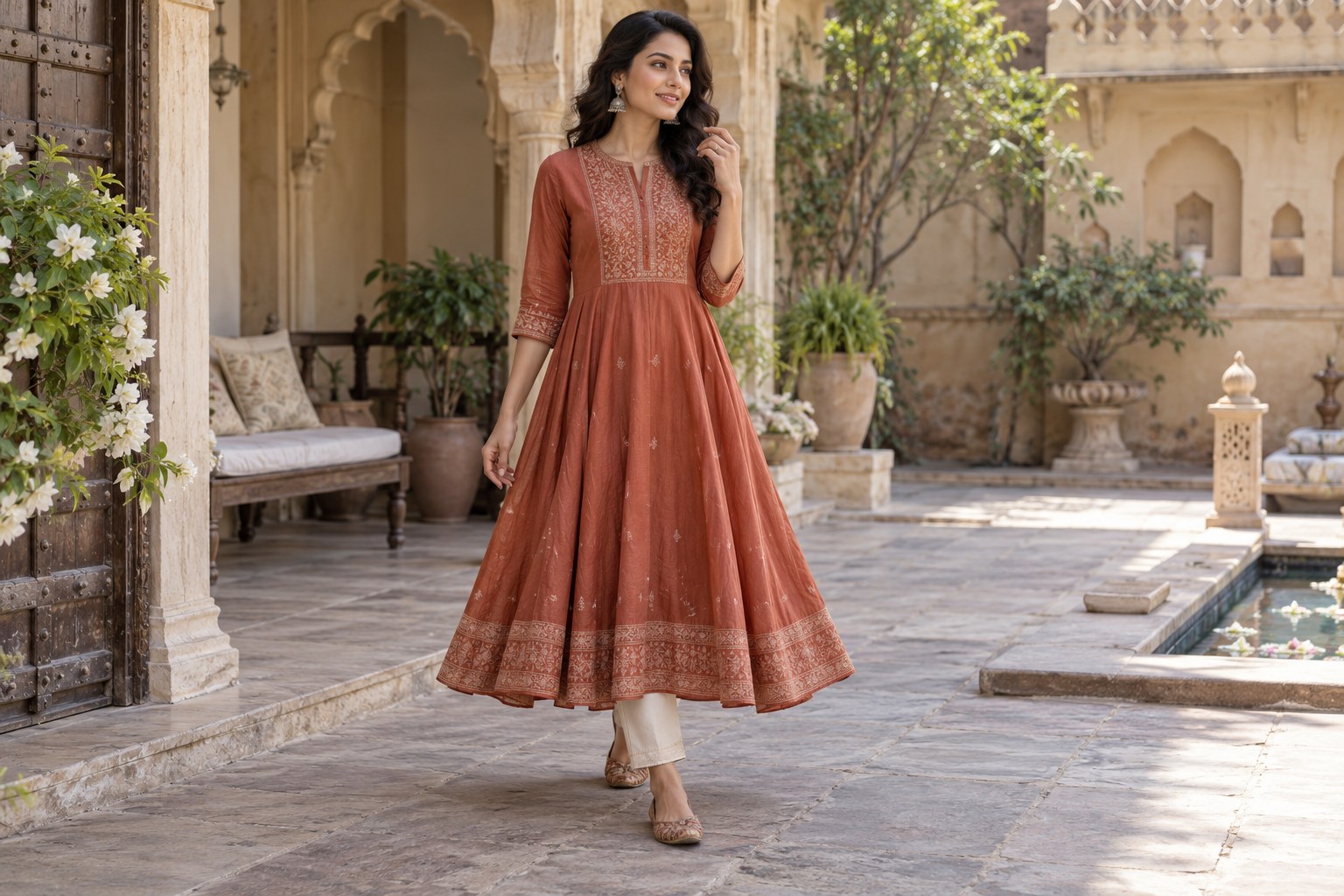
Let a flared kurta move freely above a narrower trouser shape, with enough room at both waist and thigh.
Indian wear & mixing
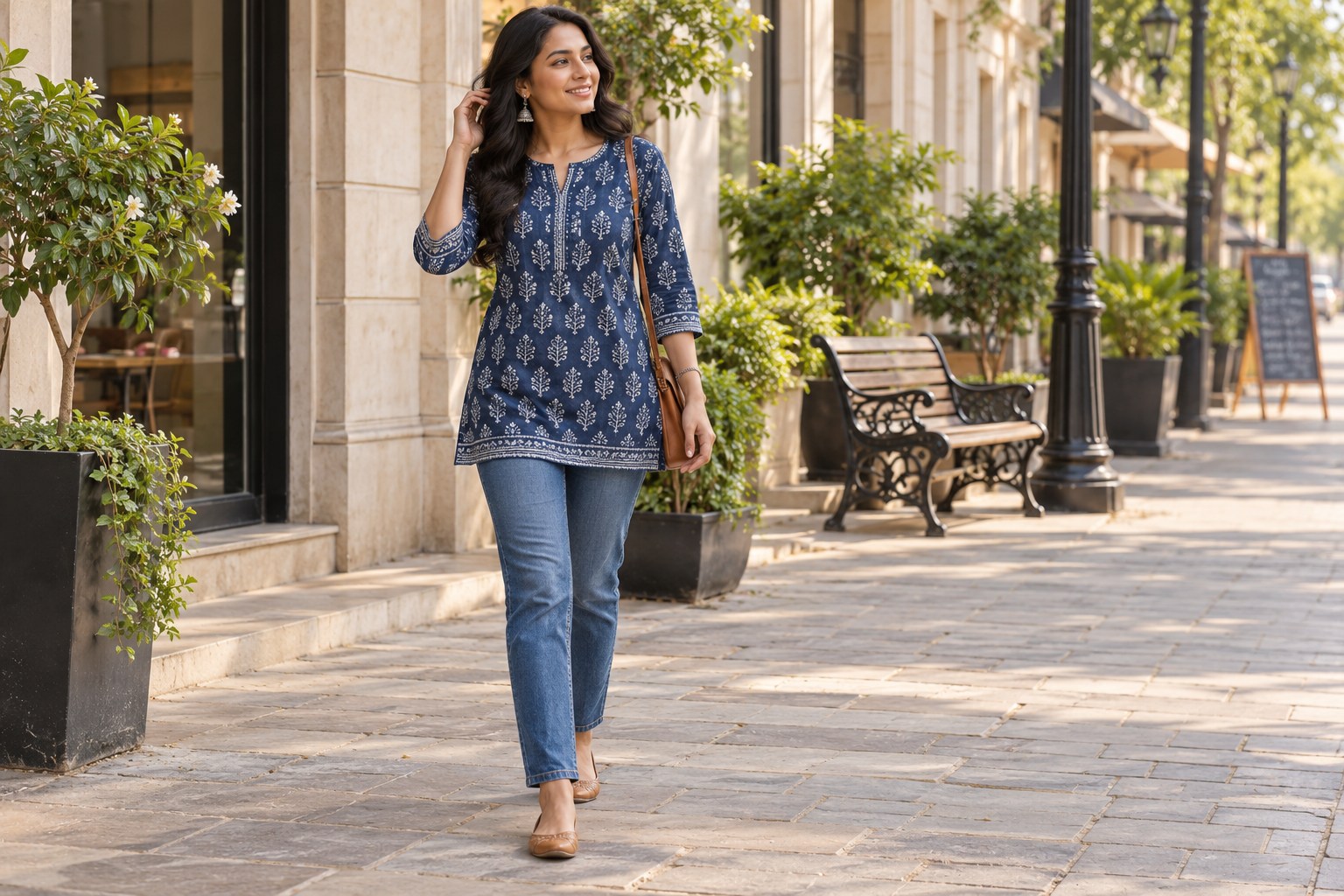
Choose the kurti length and jean rise together, then check how the hem behaves over pockets and waistbands.
Indian wear & mixing
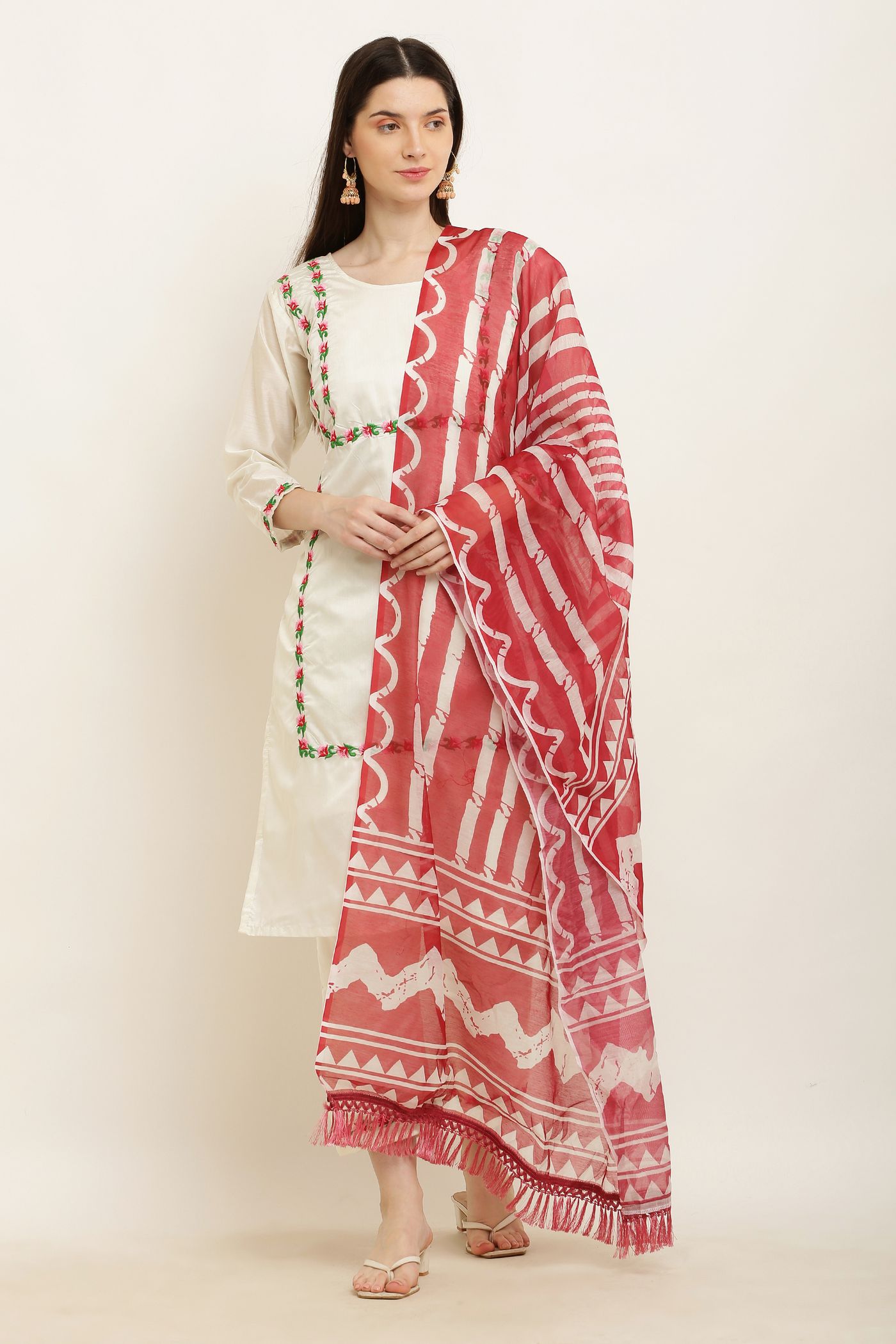
Choose a dupatta by its colour, border and weight, then see how it changes the plain set you already own.
Indian wear & mixing
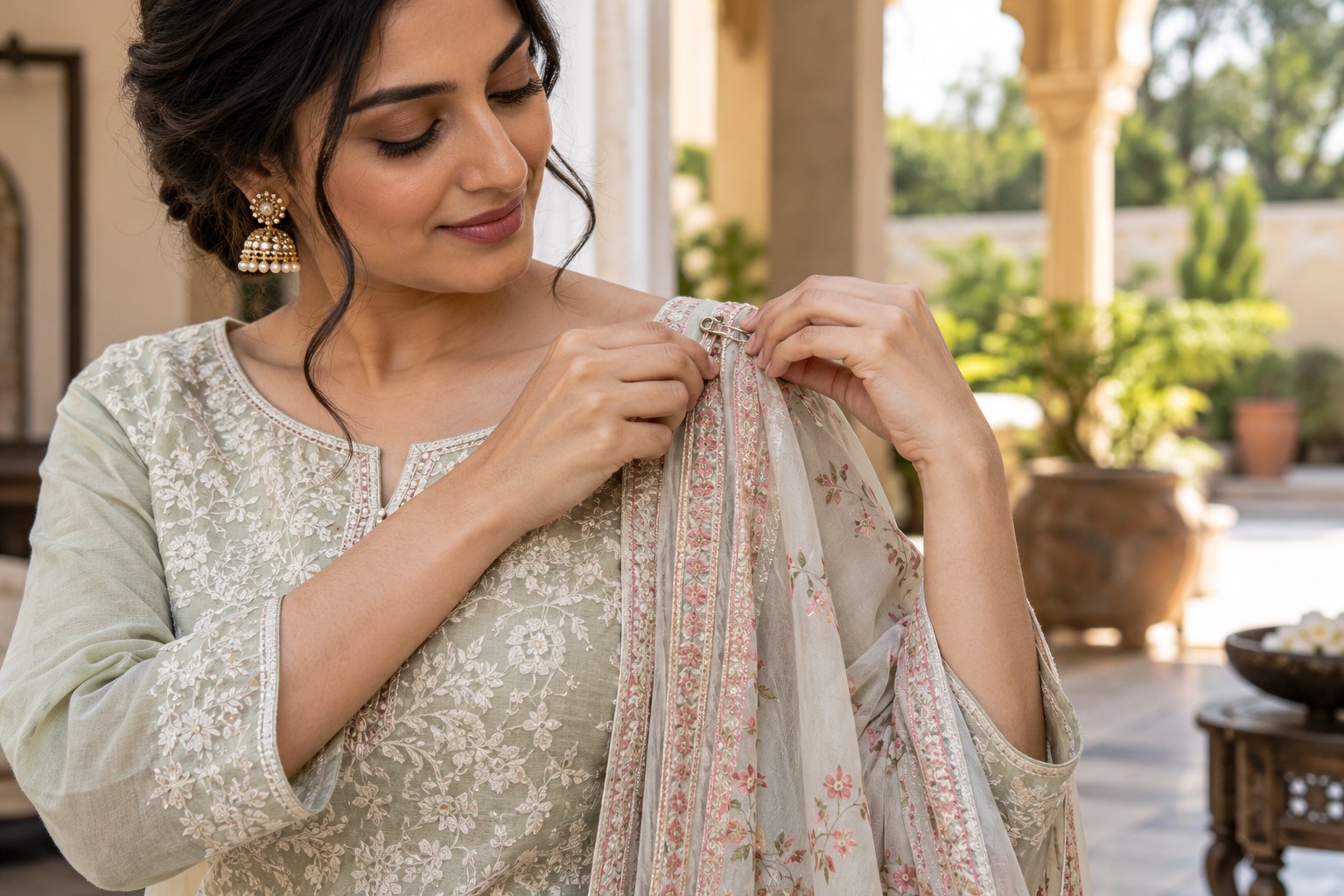
Choose a contained drape, test it with your bag and use any fastening without putting delicate fabric under strain.

Indian wear & mixing
Connect two prints through colour or scale and keep their physical overlap easy to manage.
Indian wear & mixing
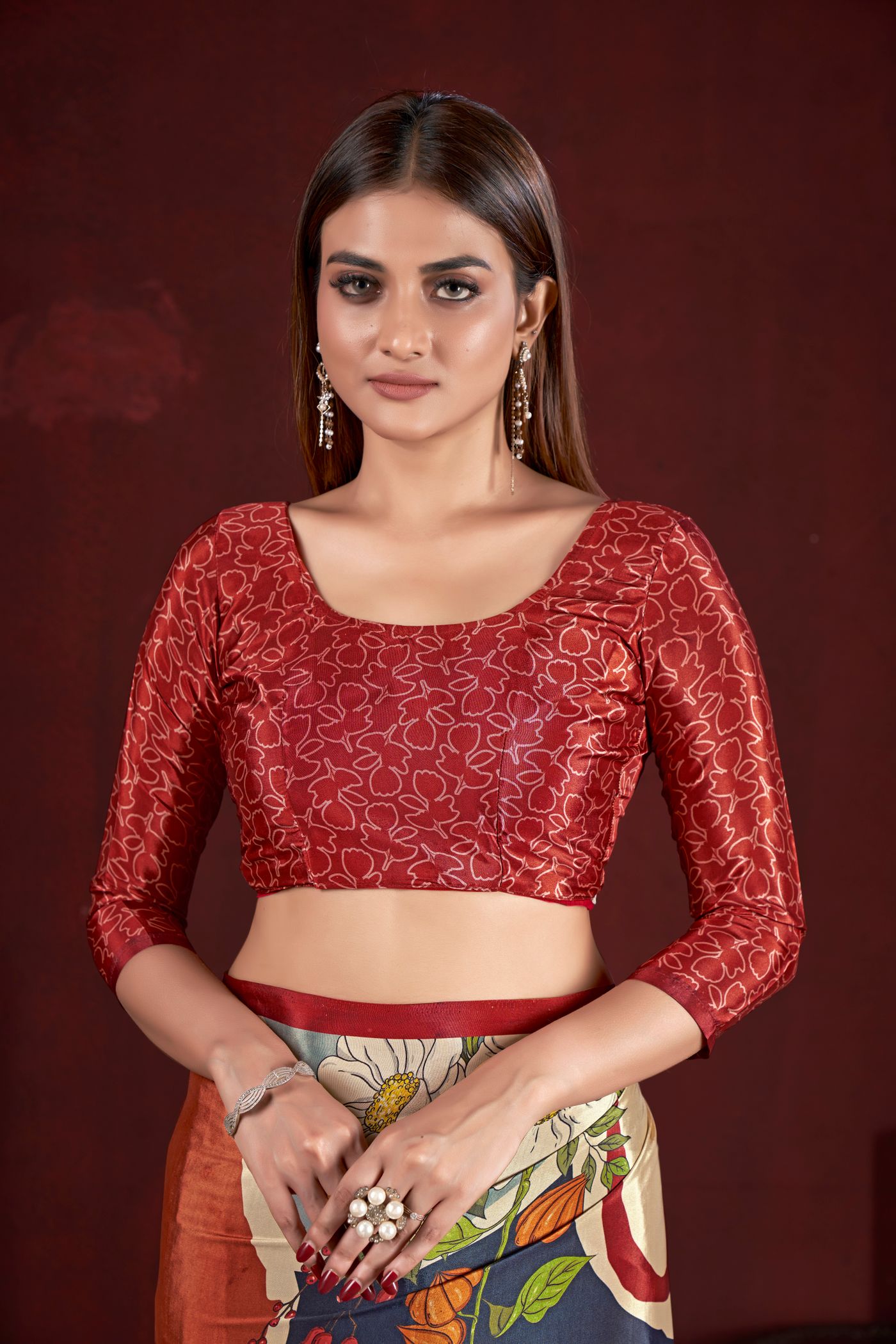
Let the saree’s pattern guide how much additional neckline detail you want, while checking the blouse’s fit and coverage.
Indian wear & mixing
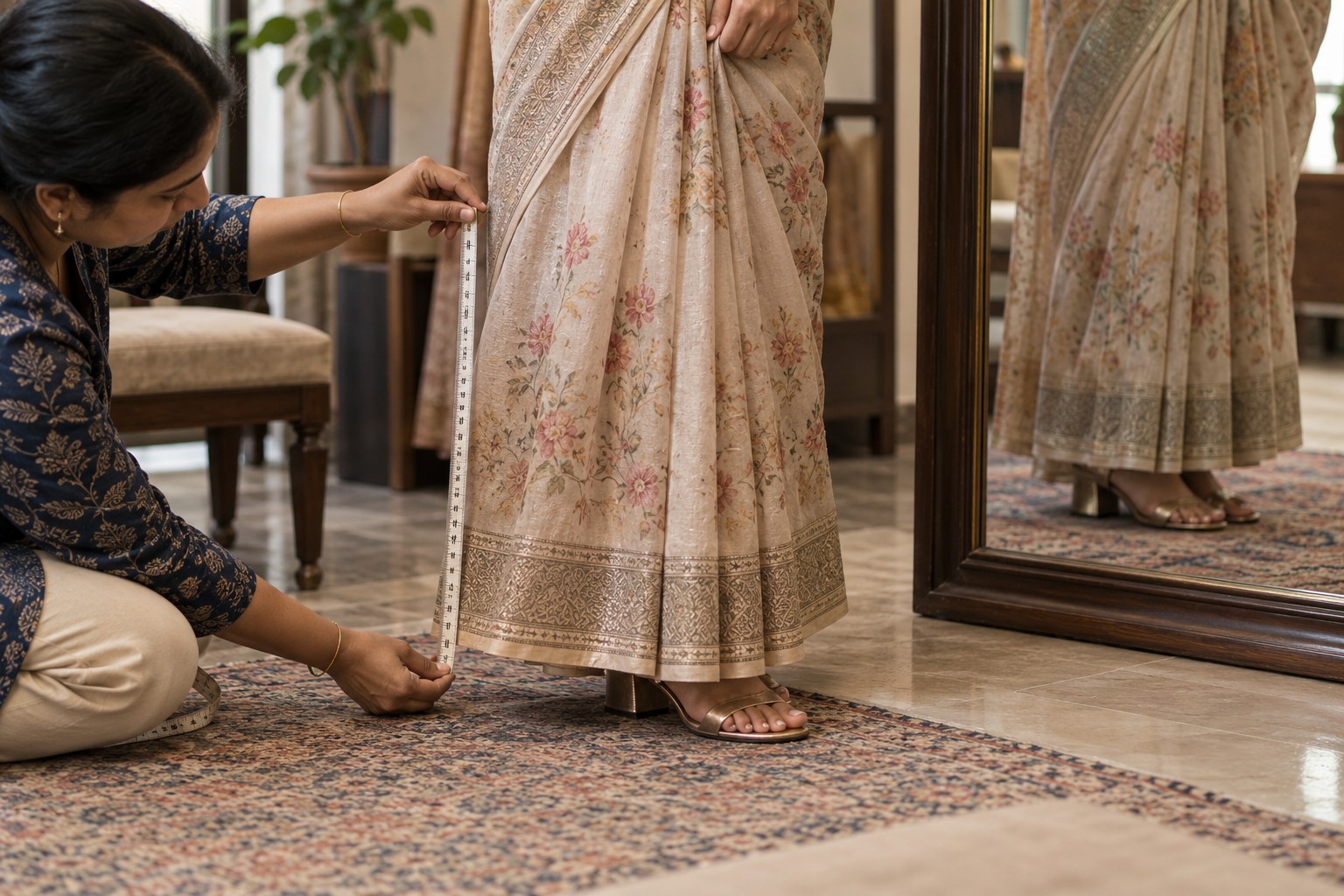
Set the saree’s lower clearance with the footwear you will actually use, then test steps and seated movement.
Indian wear & mixing
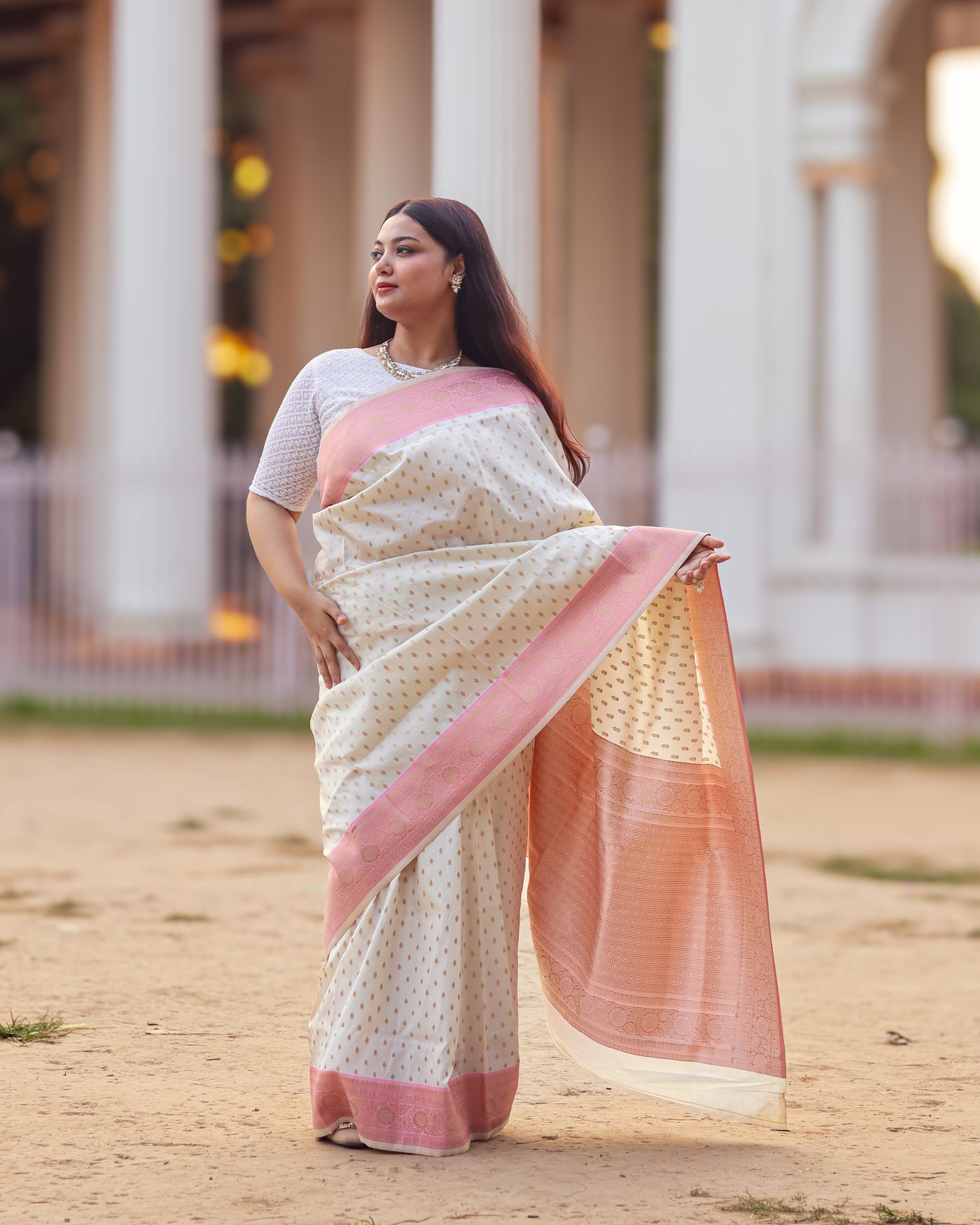
Assess the waistband, pleats, blouse and pallu as a seated outfit before choosing a saree for a long event.
Indian wear & mixing
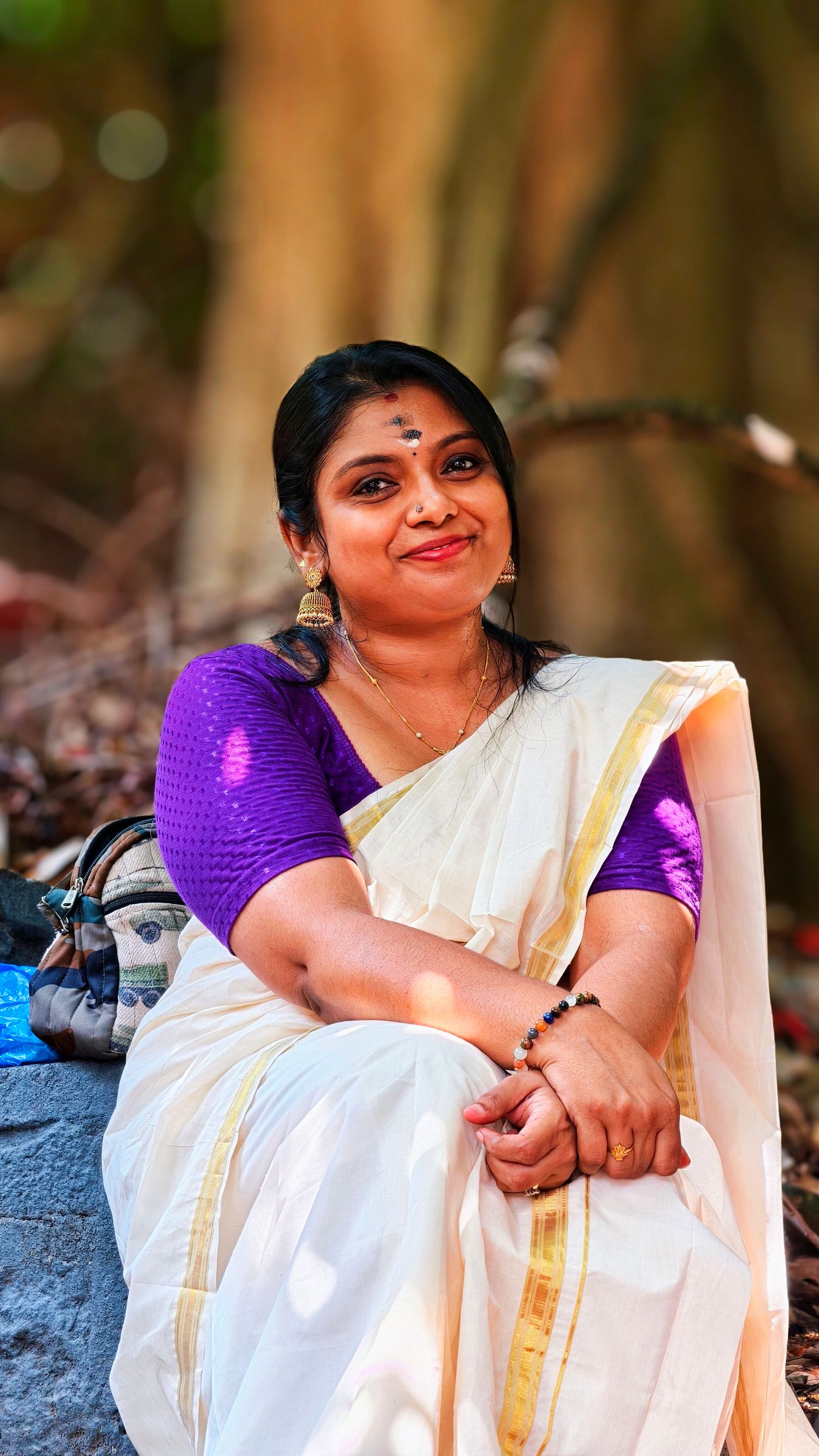
Use the cotton saree’s texture and border as the starting point for a daytime outfit, then choose manageable accessories.
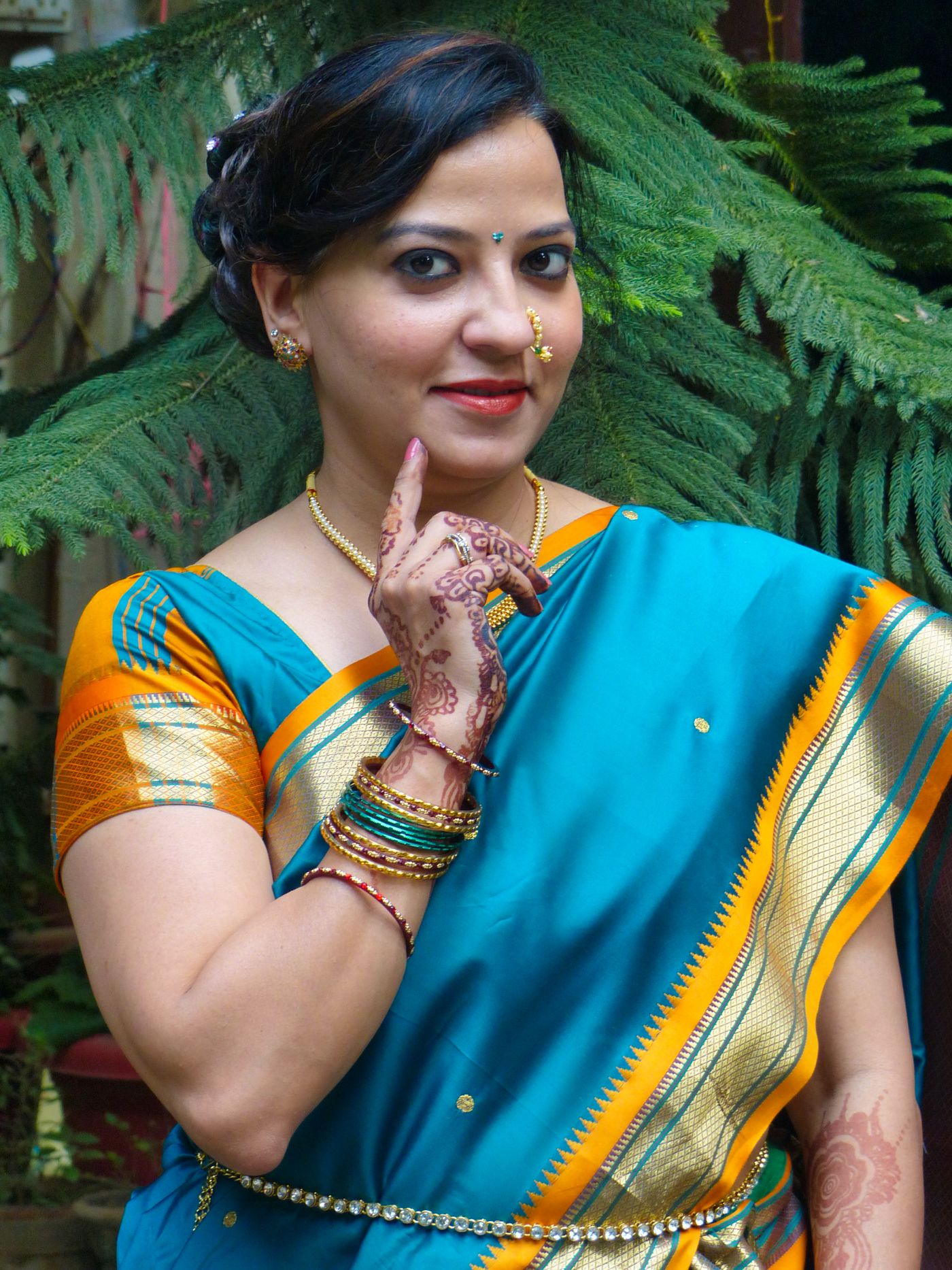
Indian wear & mixing
Choose whether the saree border or the jewellery leads, then check their overlap in the finished drape.
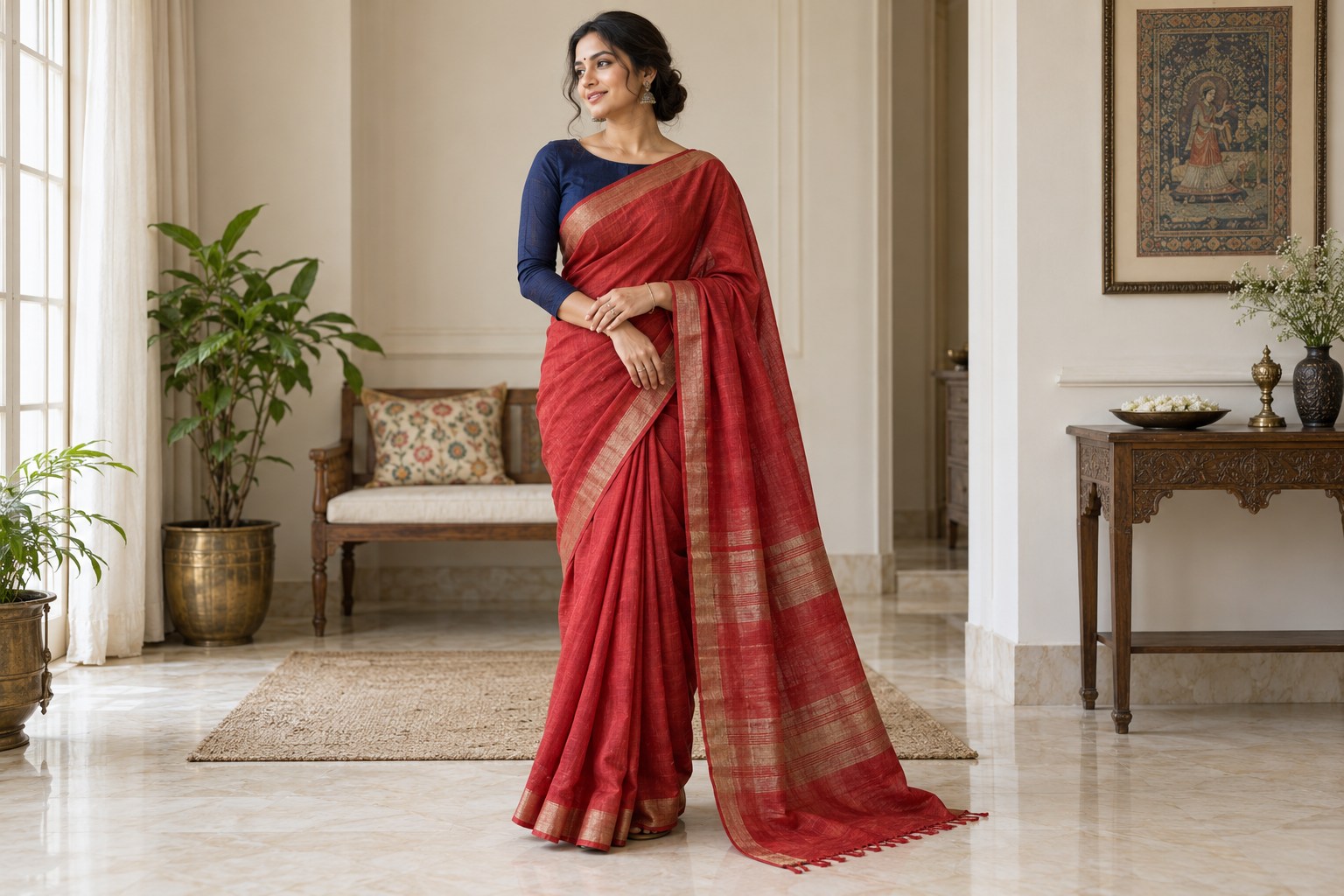
Indian wear & mixing
Use the long sleeve as part of the saree’s outline and check the cuff, shoulder and pallu together.
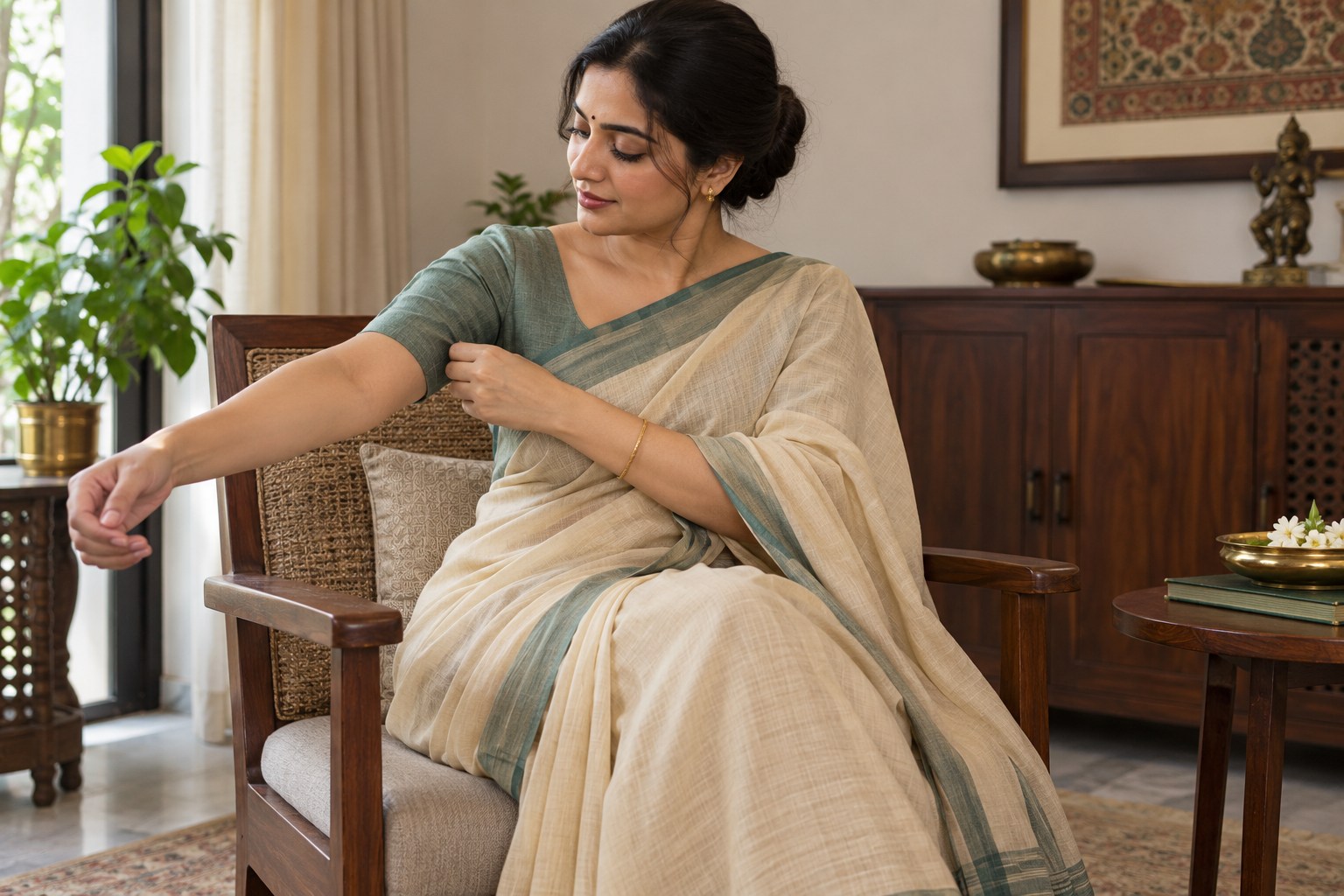
Indian wear & mixing
Use a seated movement check to identify blouse tension before deciding what adjustment to request.
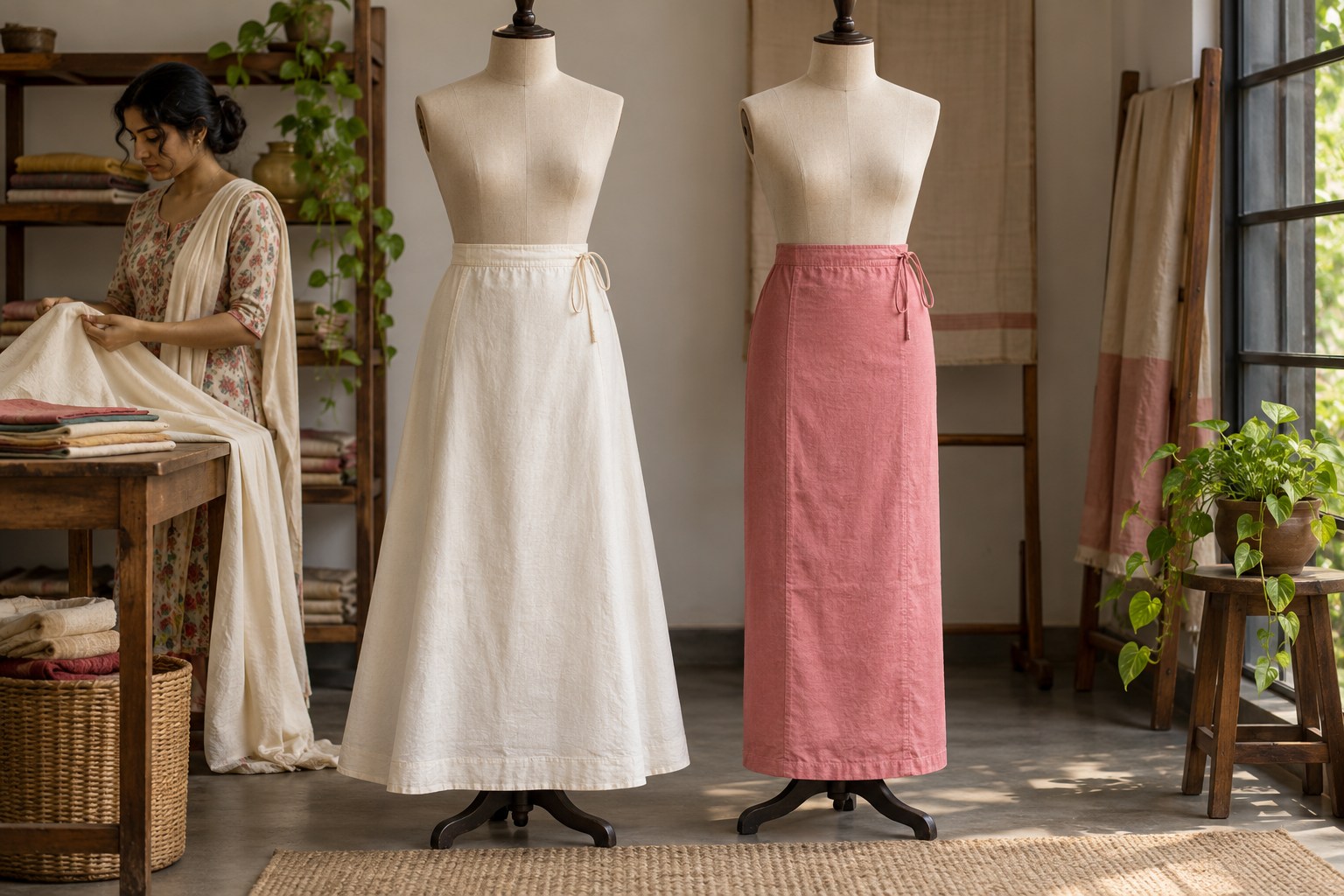
Indian wear & mixing
Choose the saree underlayer around the drape, movement and fastening you want, rather than one supposedly universal shape.
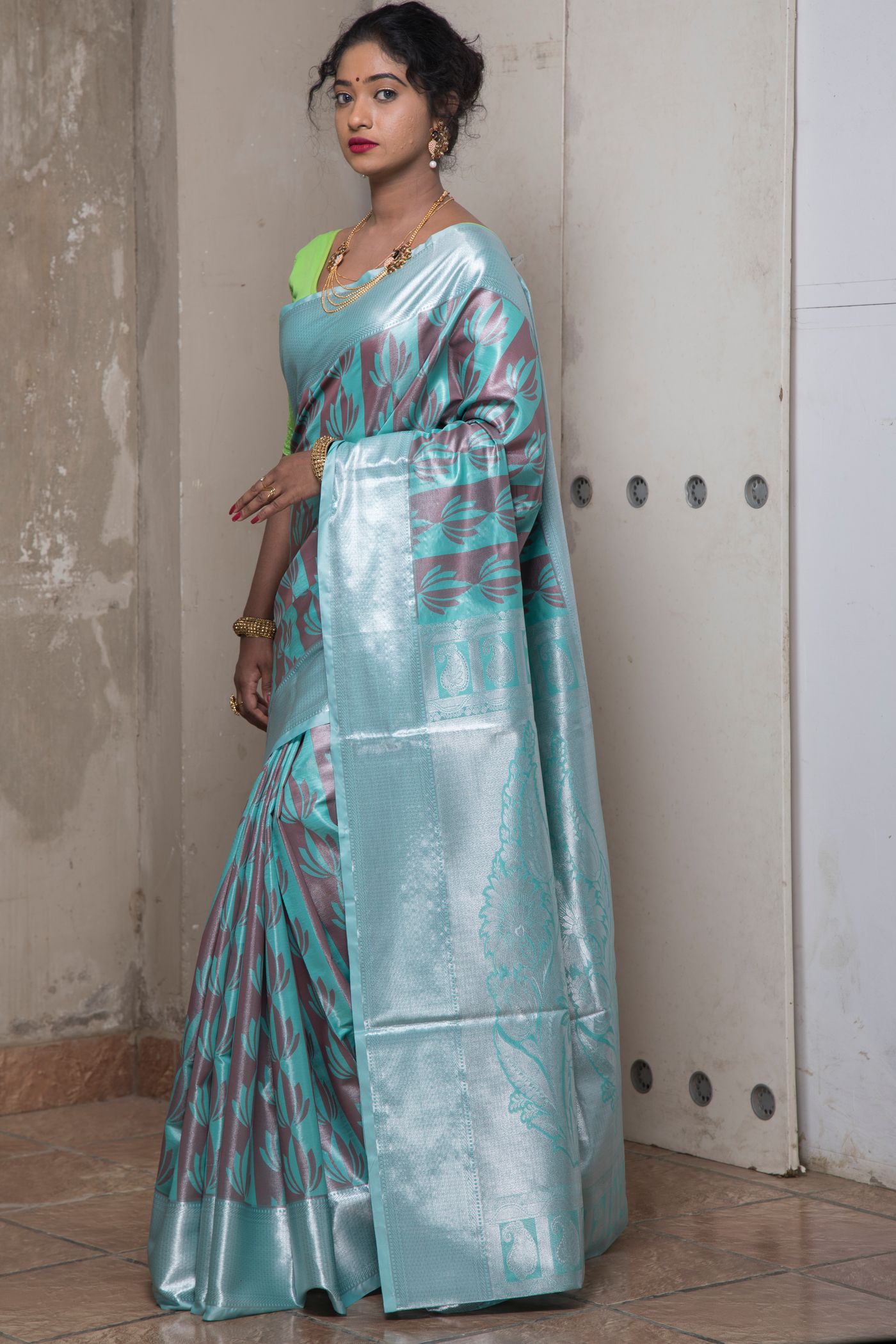
Indian wear & mixing
Distinguish a glossy surface from fibre content, then decide how much additional shine the outfit needs.
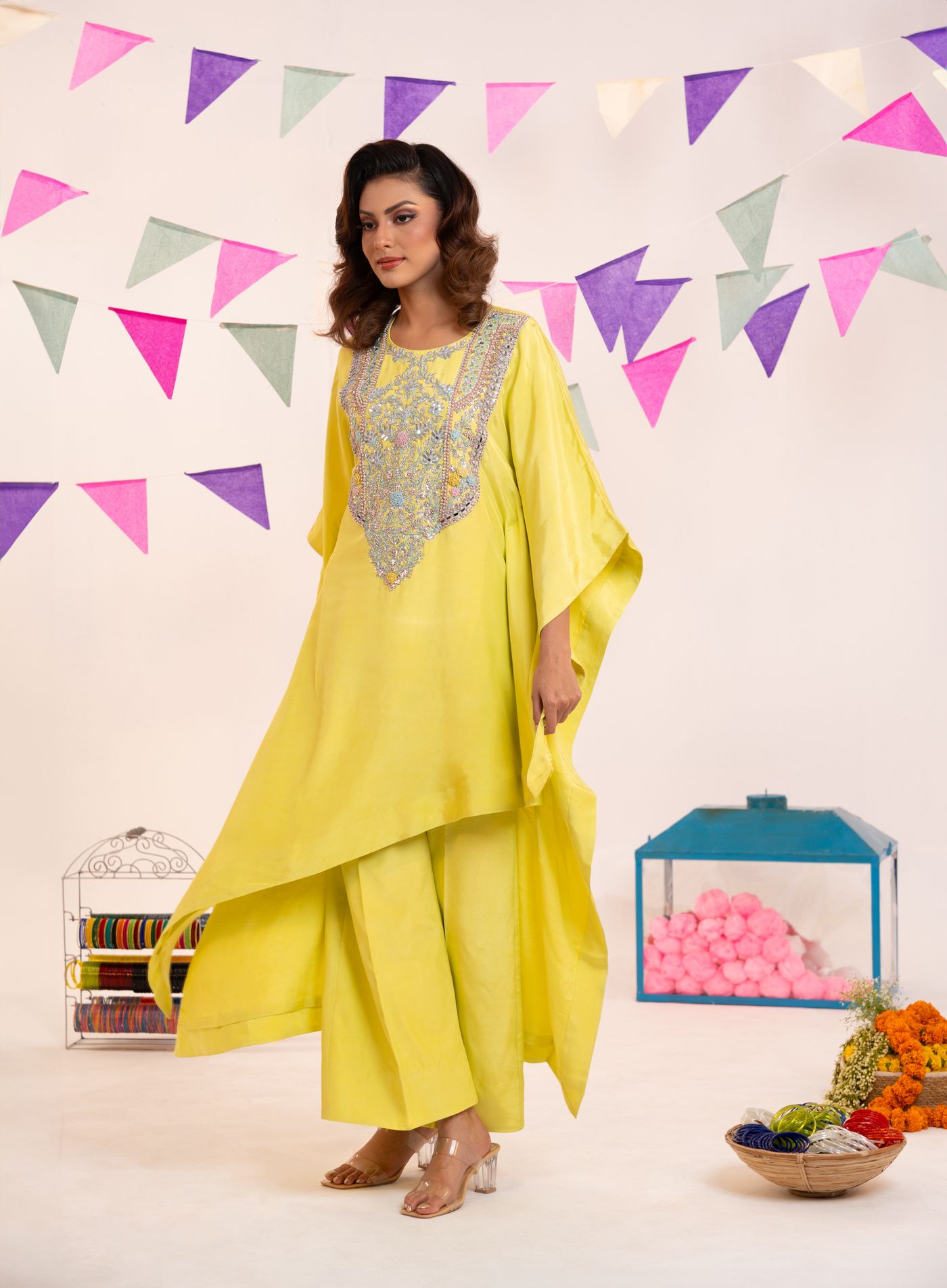
Indian wear & mixing
Compare kurta hem, side openings and palazzo fullness as a complete moving silhouette.
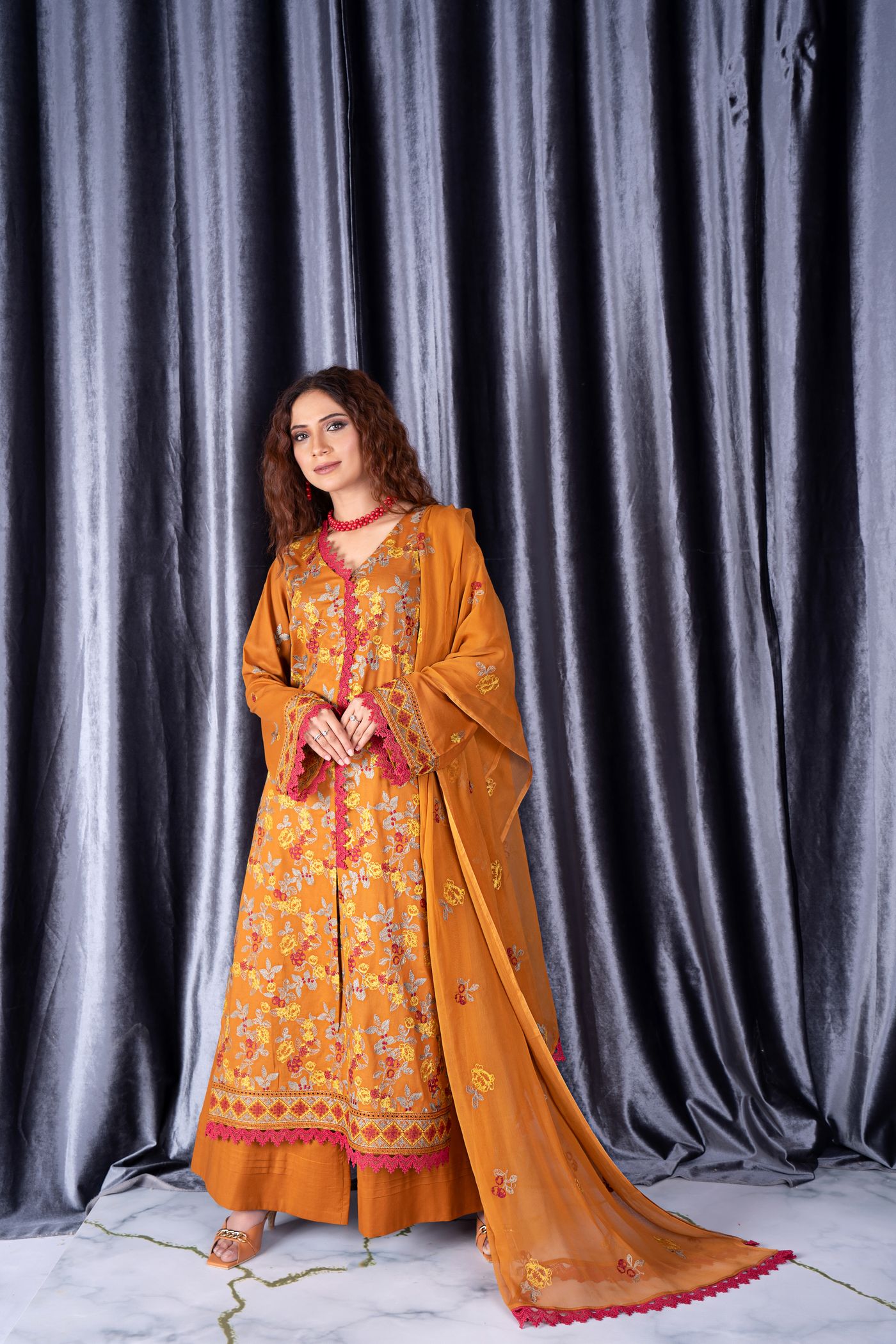
Indian wear & mixing
Give embroidery enough space to be seen, while checking the places where jewellery, straps and cuffs might catch it.
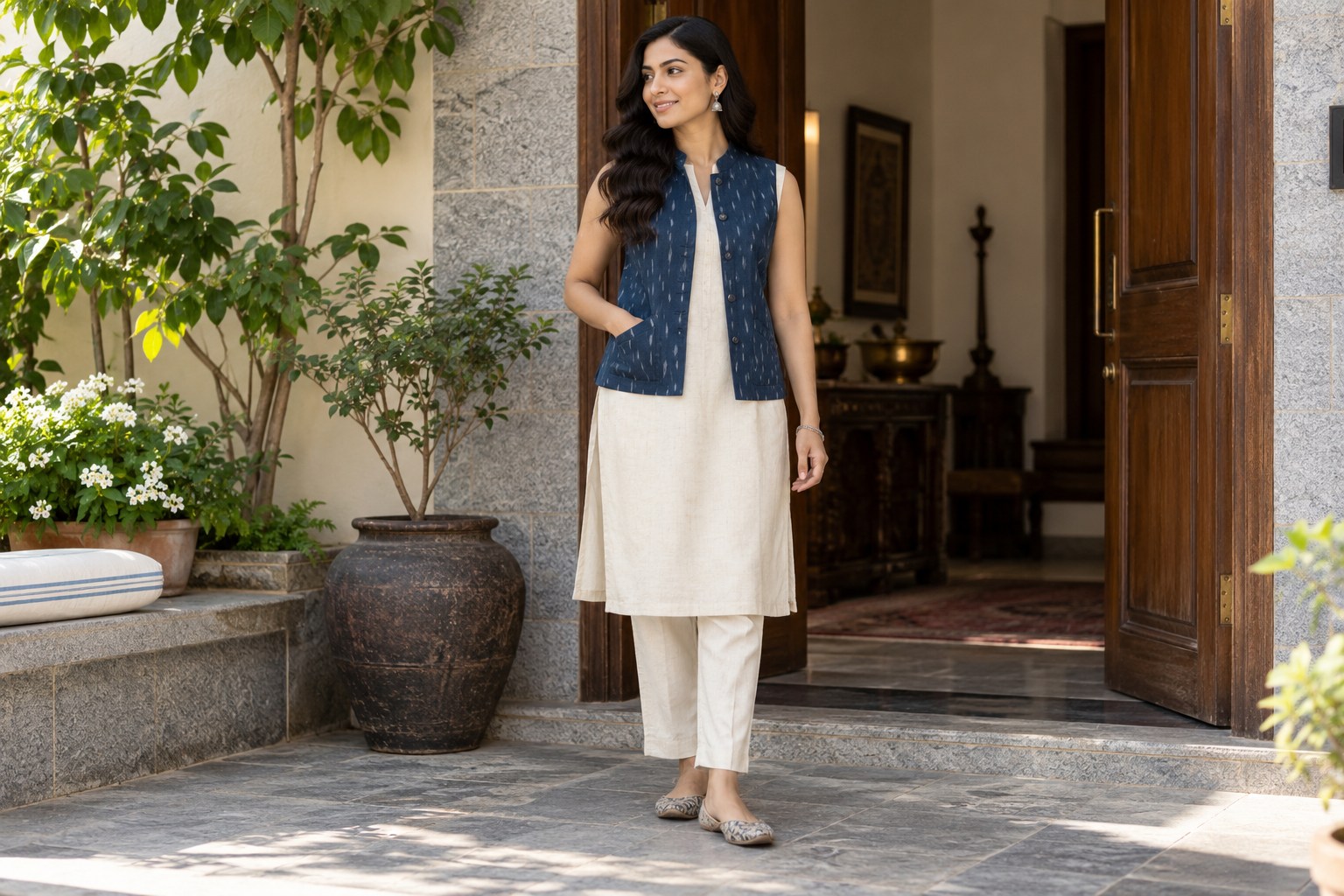
Indian wear & mixing
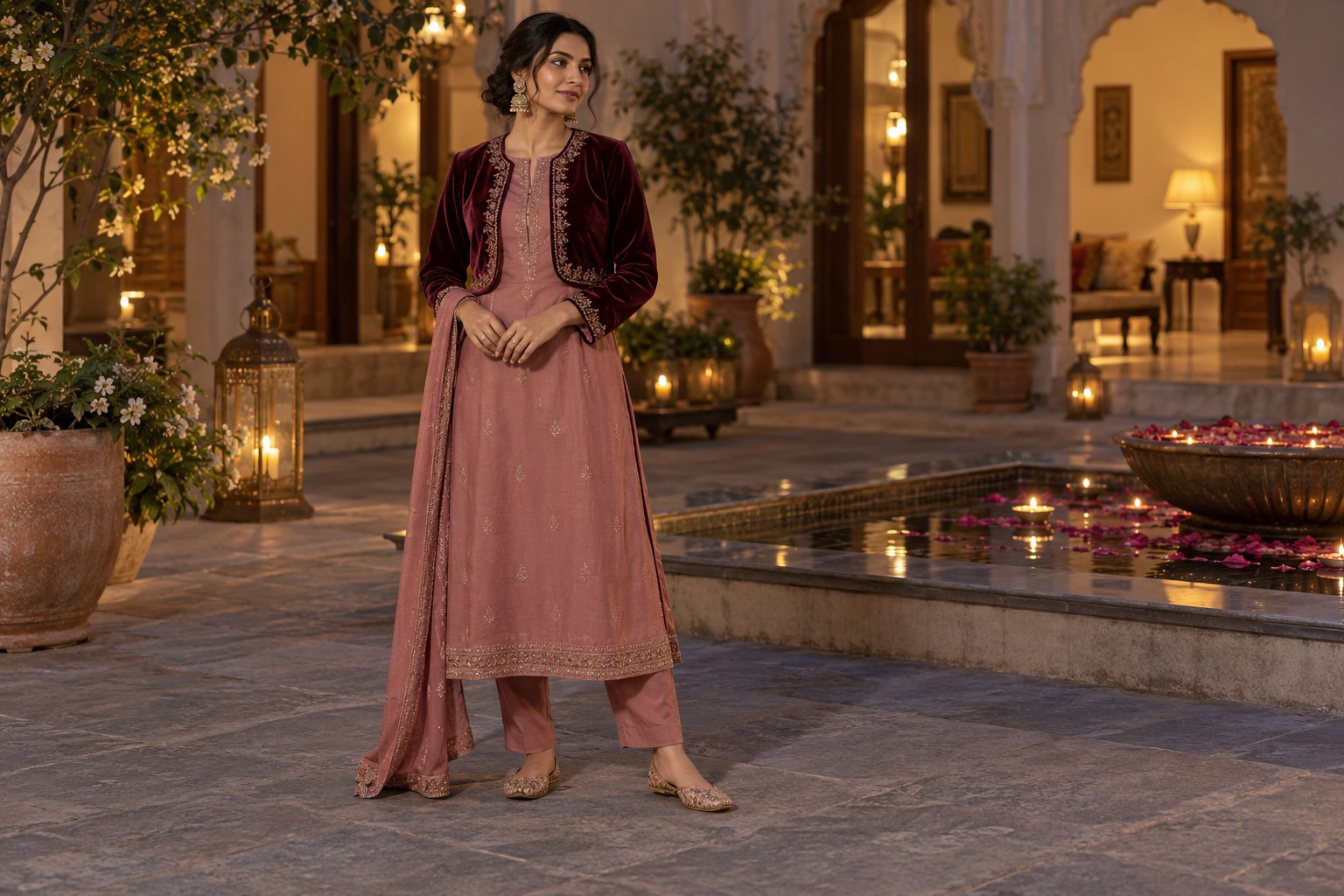
A waistcoat can change a kurta's outline; its armholes, closure and hem need to work with the layer underneath.
Indian wear & mixing
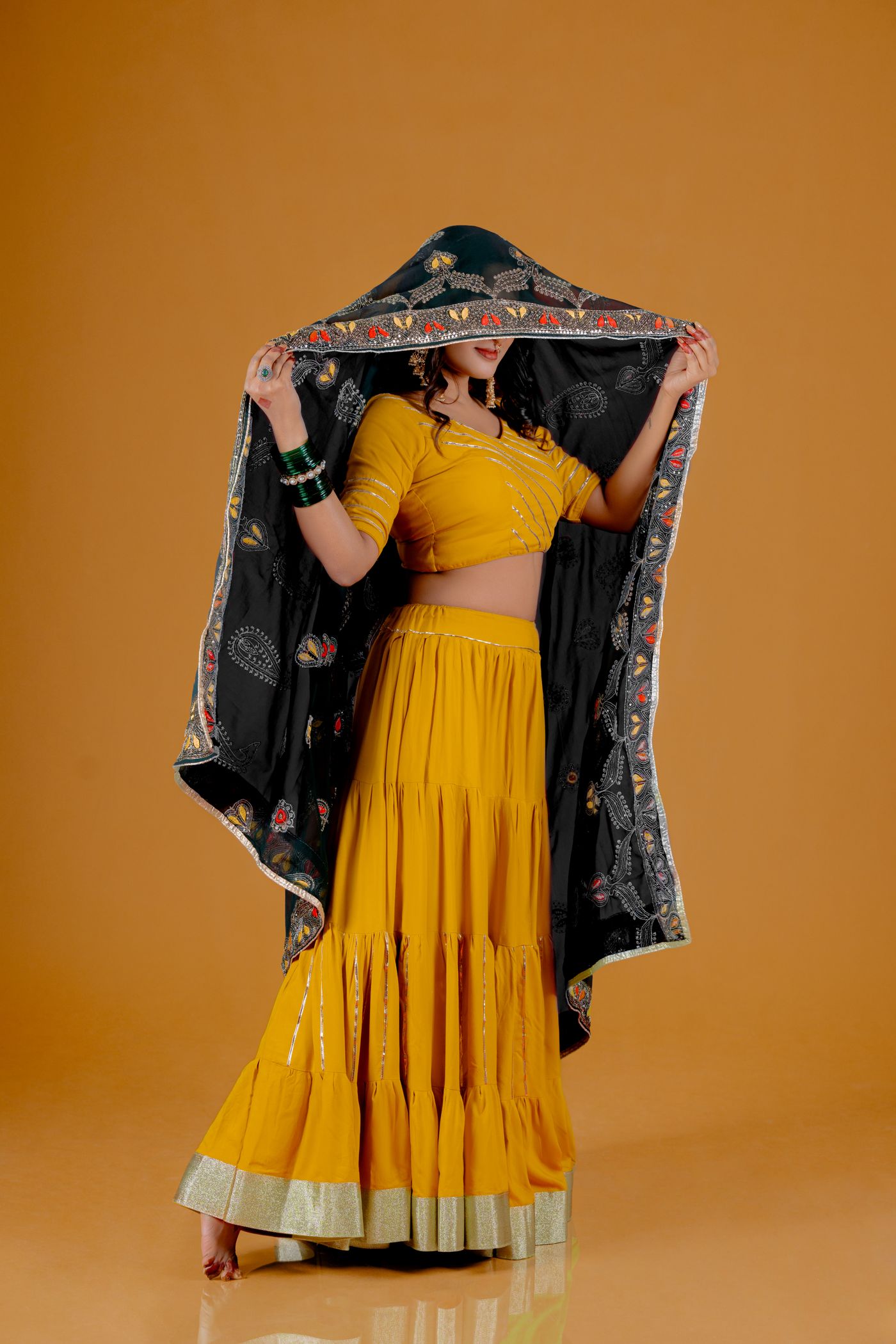
Choose an evening jacket by its sleeve space, hem and closure rather than colour alone.
Indian wear & mixing
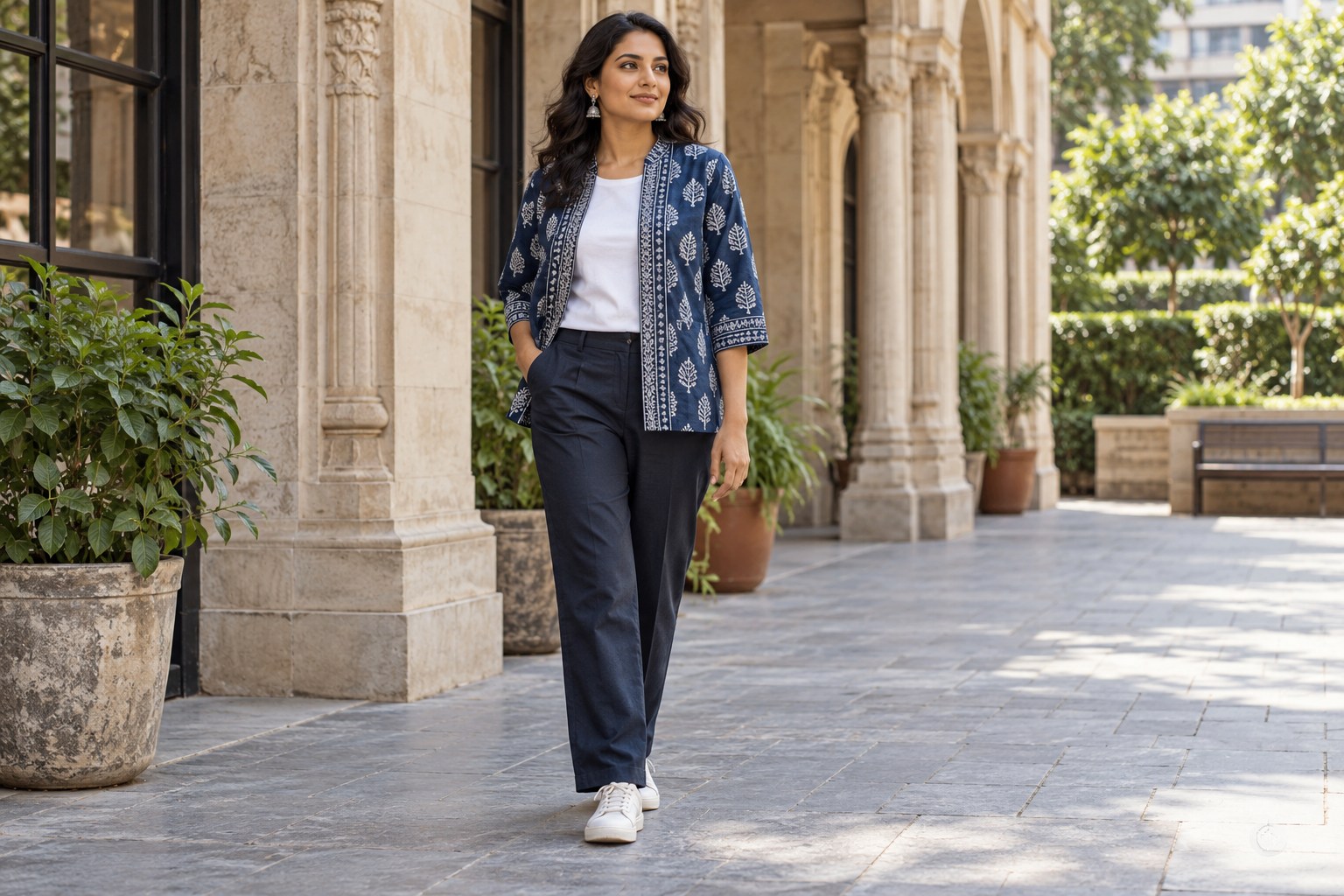
Use the skirt's waistband, pattern and weight to decide what a plain blouse needs to do.
Indian wear & mixing
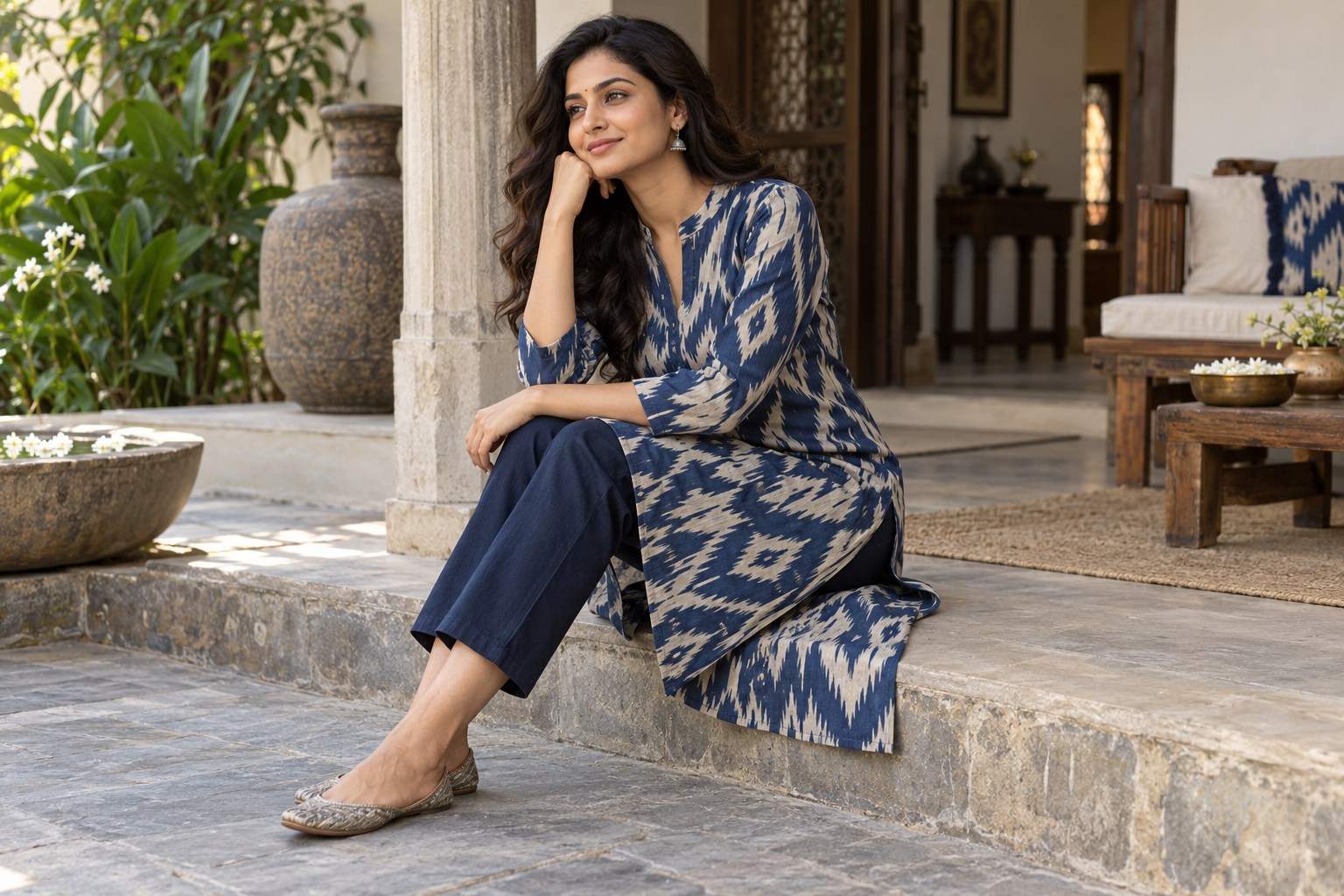
Bring a traditional textile into a contemporary outfit without losing sight of its scale, construction and care needs.
Indian wear & mixing
Let the scale and placement of an ikat pattern guide the rest of the outfit.
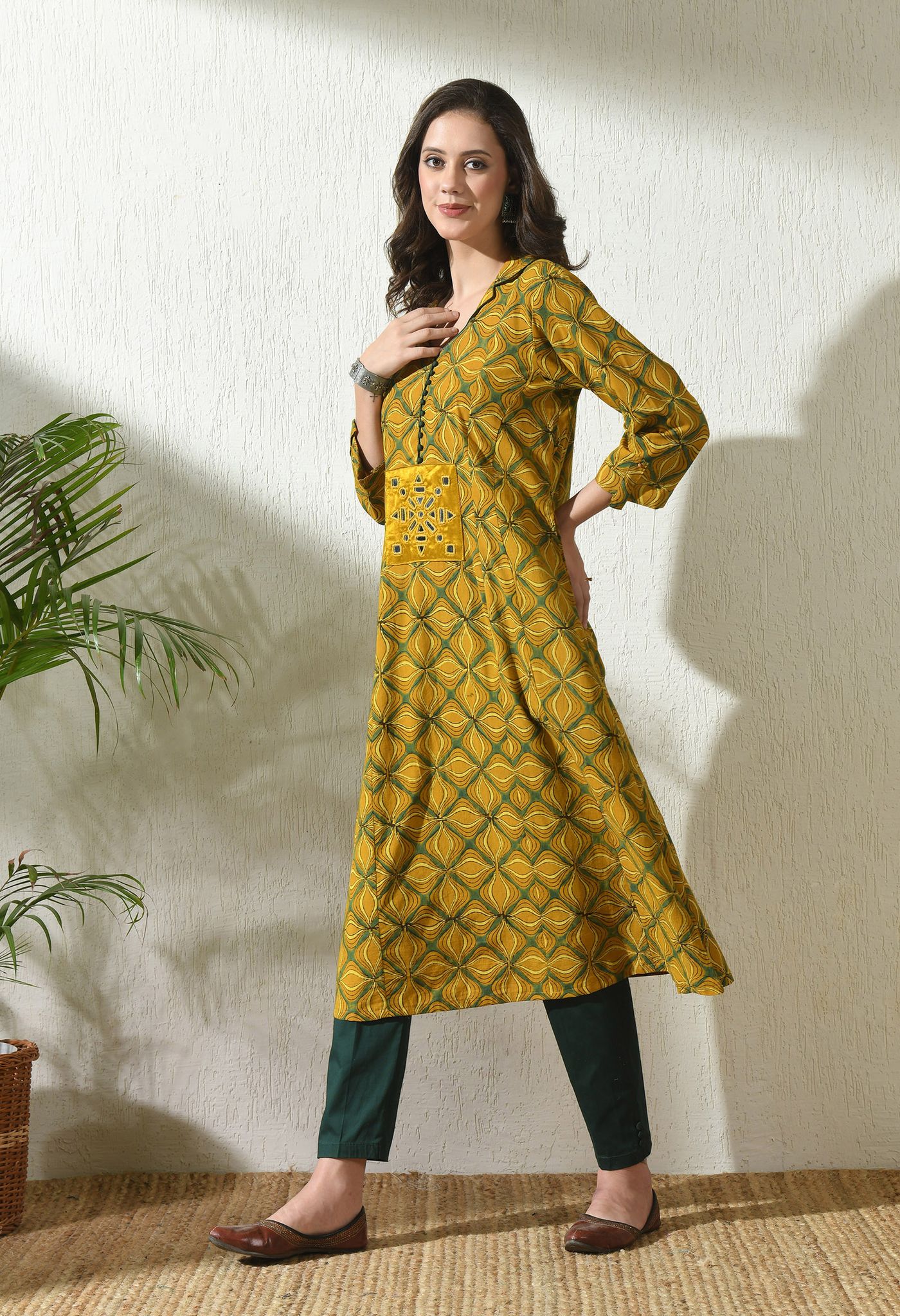
Indian wear & mixing
Choose accessories that relate to a block print's colour and spacing without copying every motif.
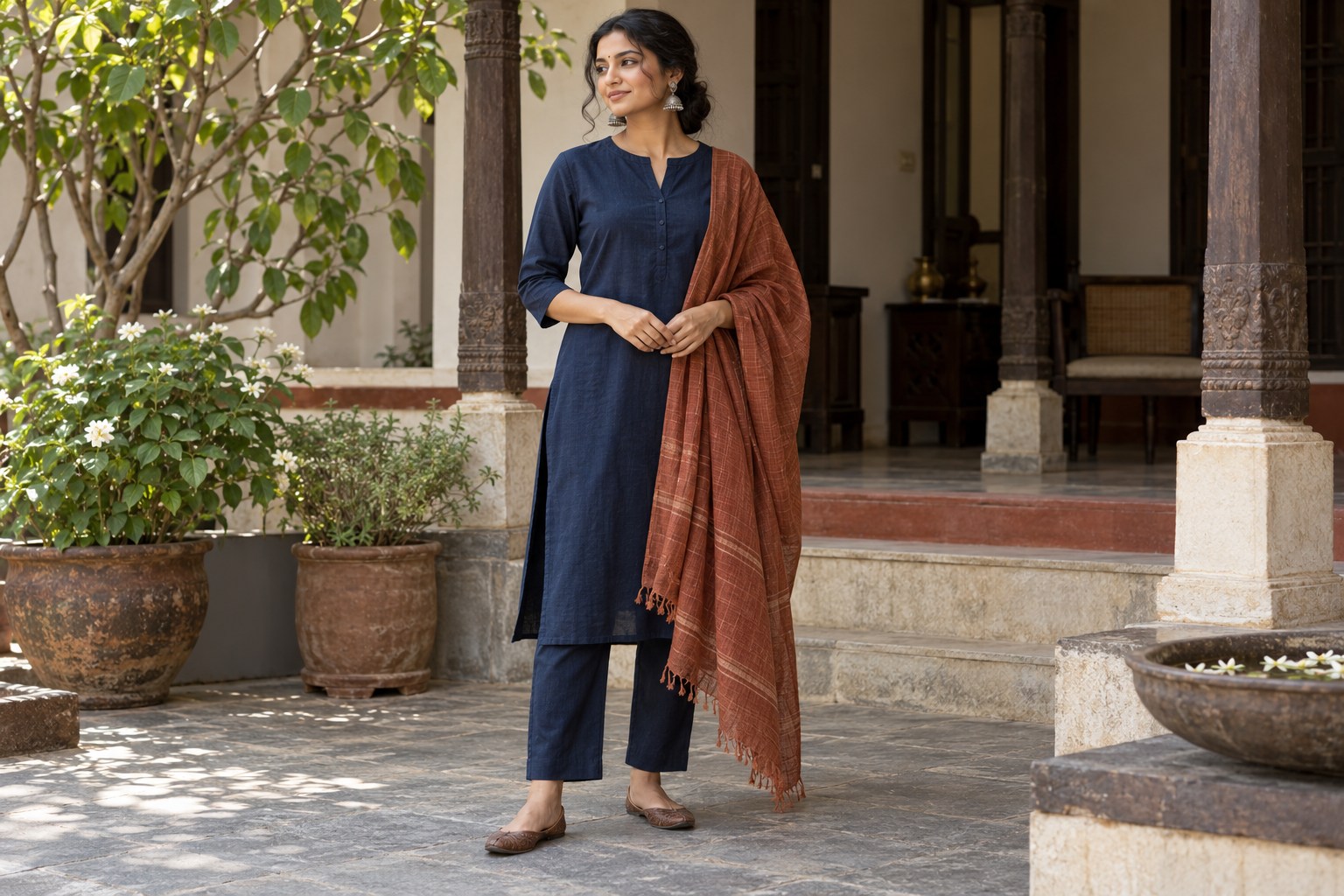
Indian wear & mixing
Use a handloom cotton dupatta's width, border and texture to shape the outfit around it.
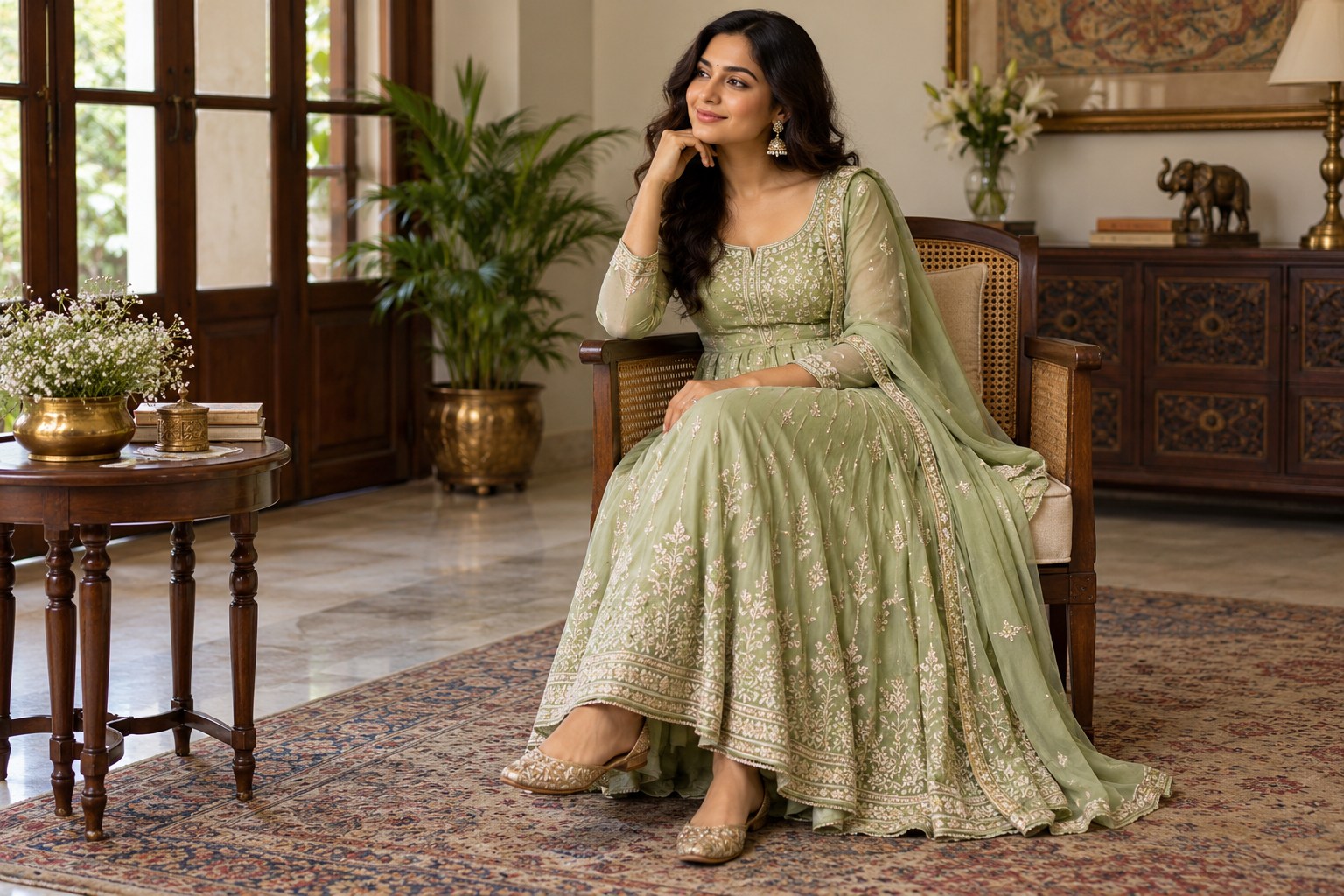
Indian wear & mixing
Check an anarkali at the waist, under the seat and around the hem before committing to a long seated event.
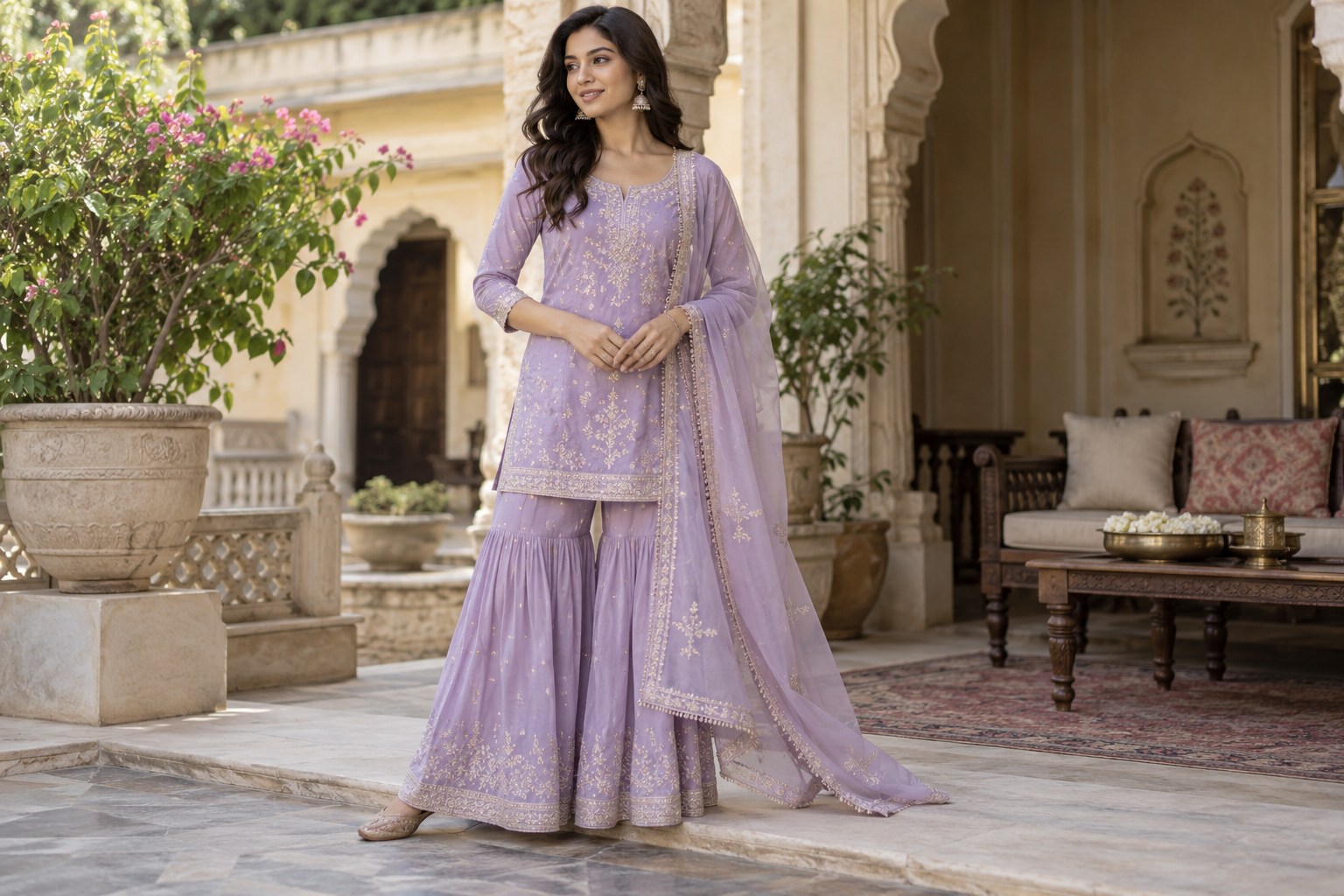
Indian wear & mixing
Decide where a sharara outfit should carry volume, then test how the layers move together.
Indian wear & mixing
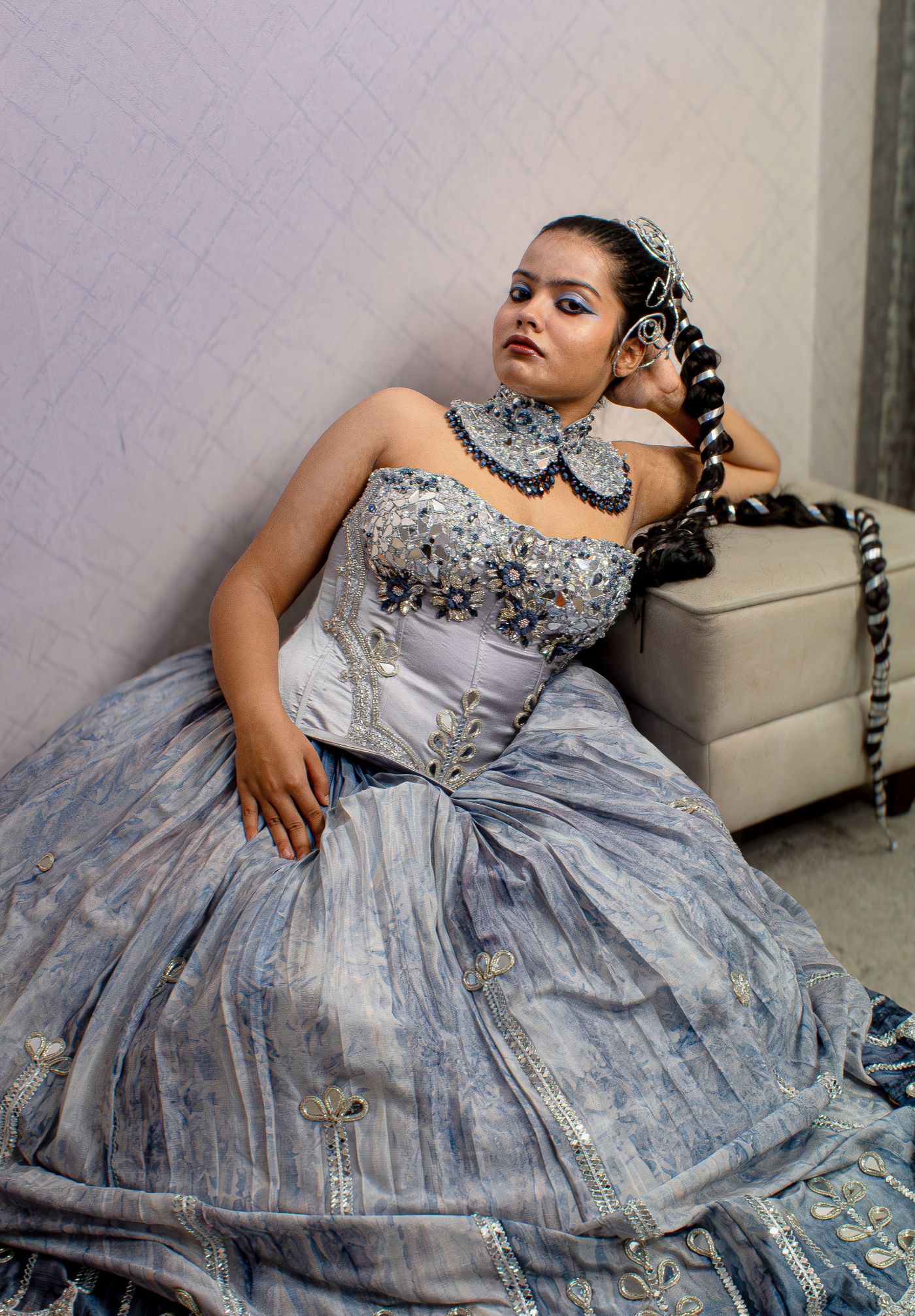
A second blouse can make a lehenga useful for more invitations, provided the fit and waistband connection are considered first.
Indian wear & mixing
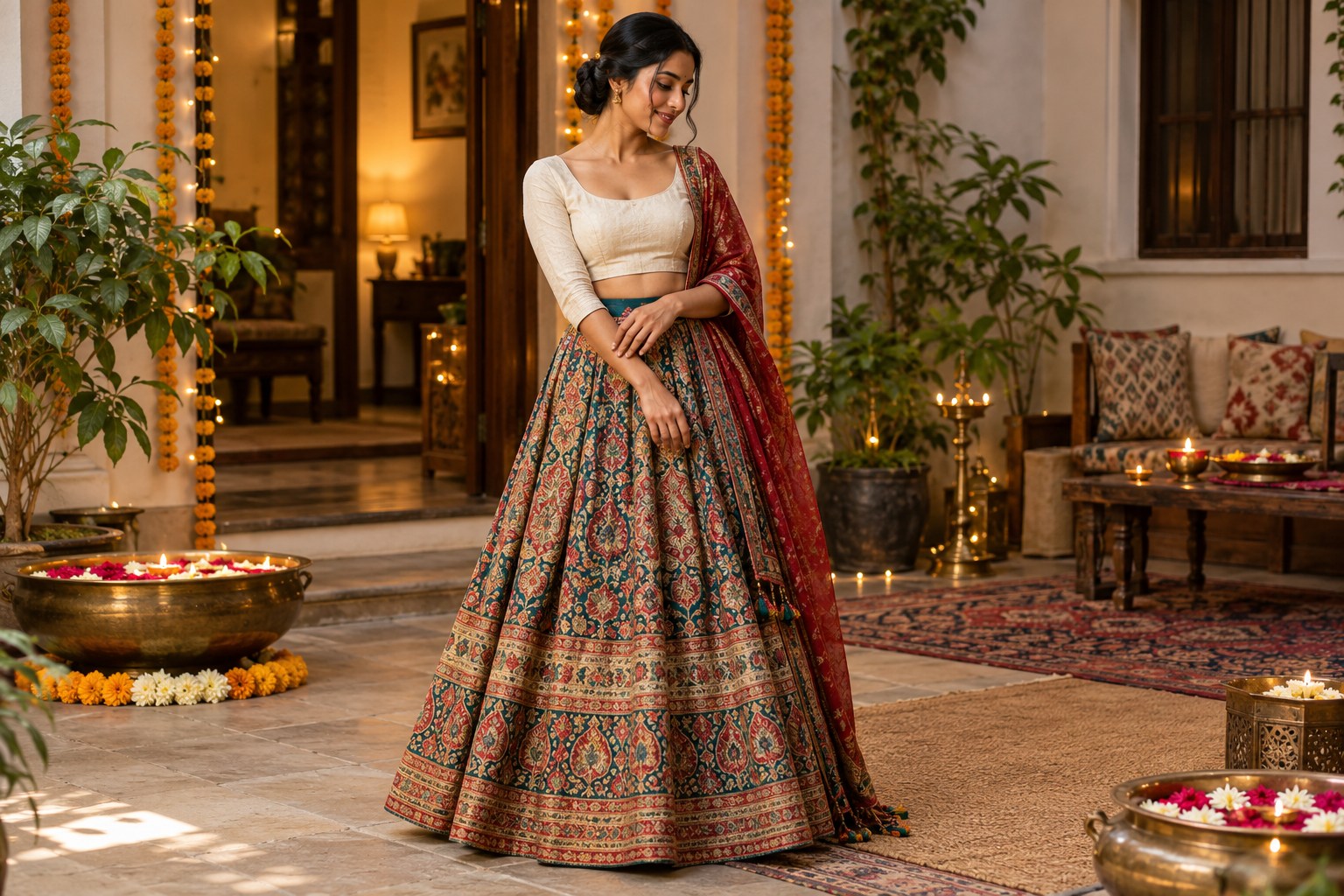
Reduce the formality around a lehenga skirt while keeping its weight, hem and decoration in view.
Indian wear & mixing
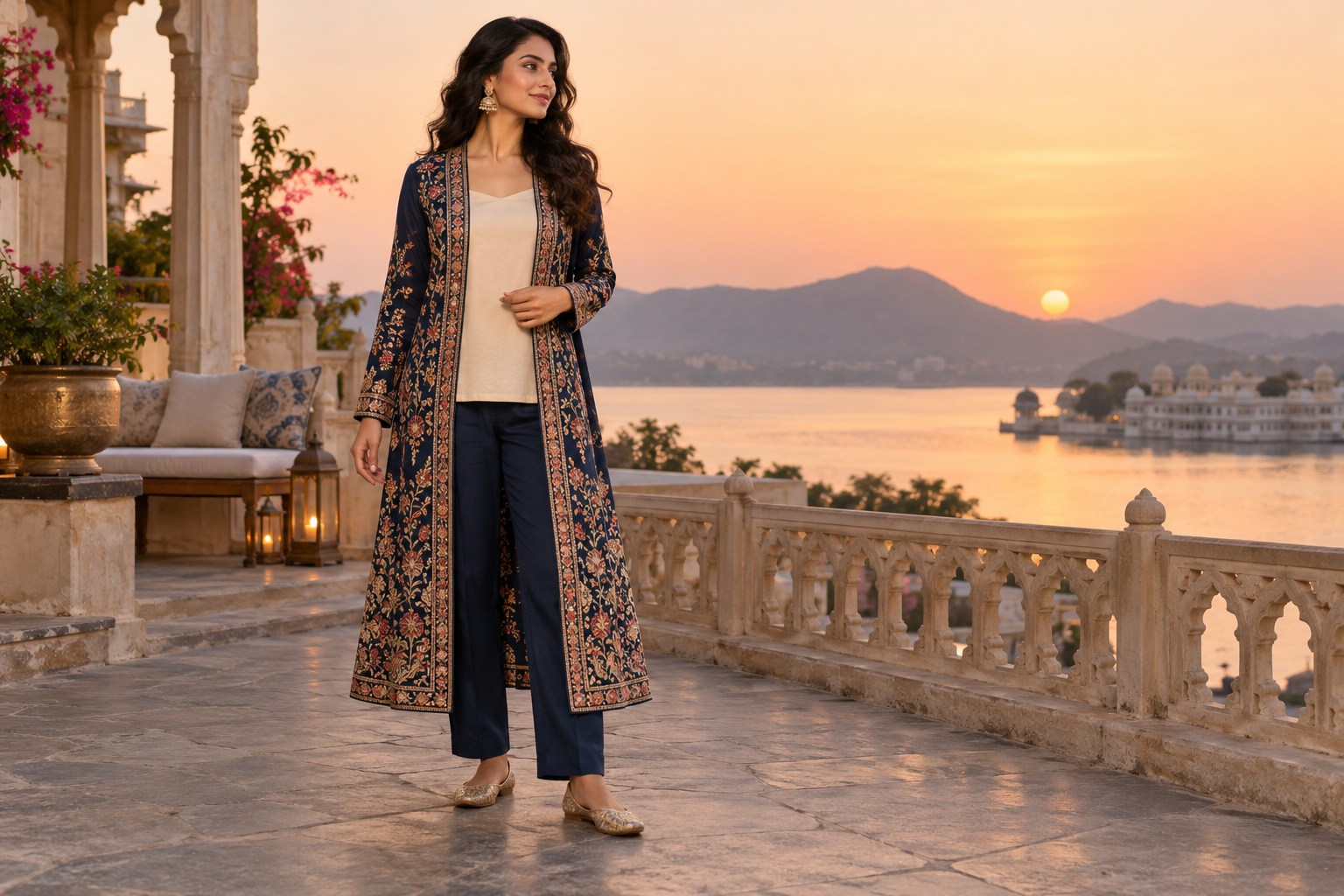
Give a long jacket enough room at the hip and choose trousers that make its side openings work.
Indian wear & mixing
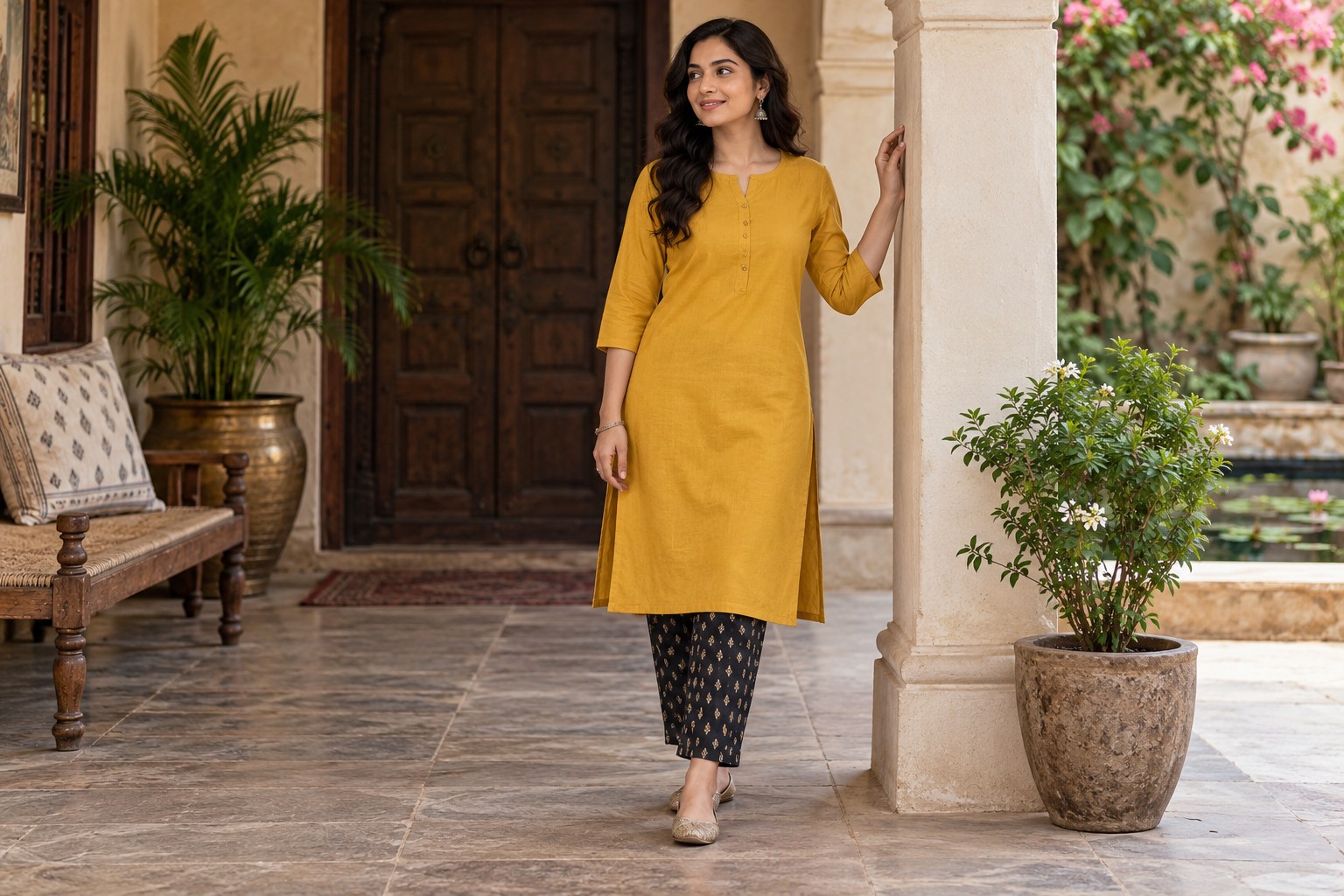
Use the printed trousers' scale and waistband position to select a solid kurta that does not hide the whole idea.
Indian wear & mixing
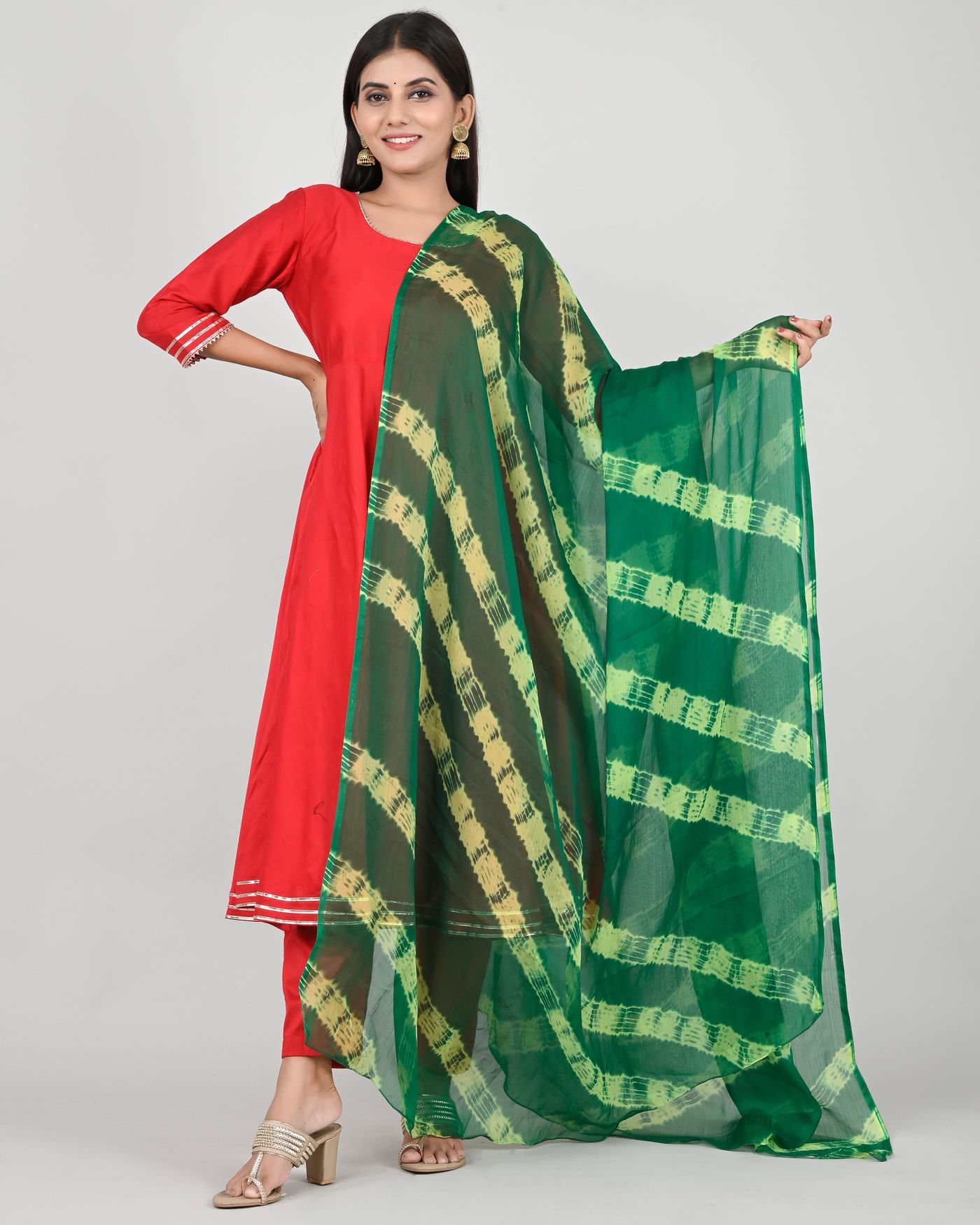
Let a contrasting dupatta do the visual work before introducing more strong colours or decoration.

Indian wear & mixing
Use differences in weave, sheen and drape to give a tonal outfit definition without adding another colour.
Indian wear & mixing
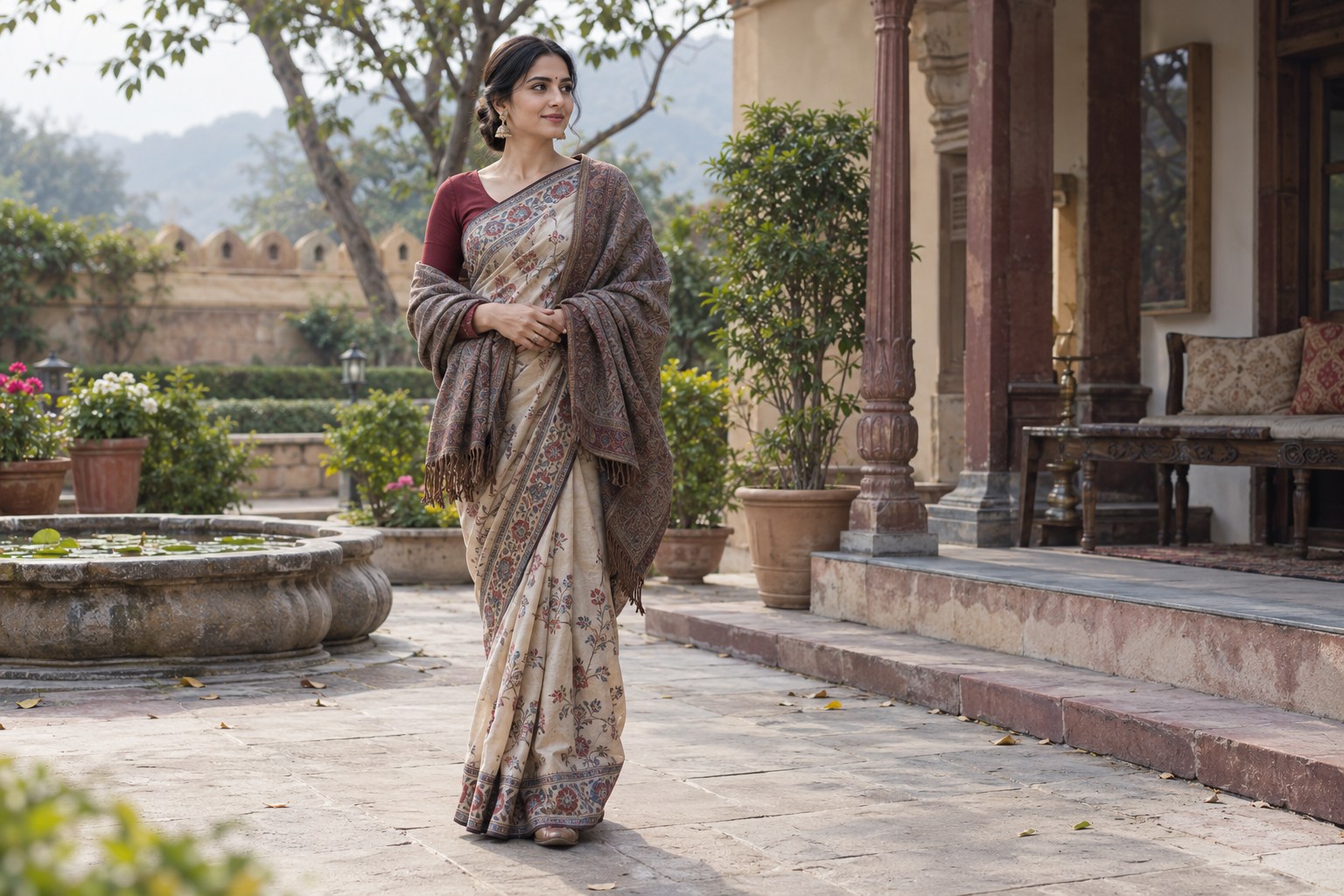
Plan warmth beneath and around a saree while keeping the drape, fastening and footwear workable.

Indian wear & mixing
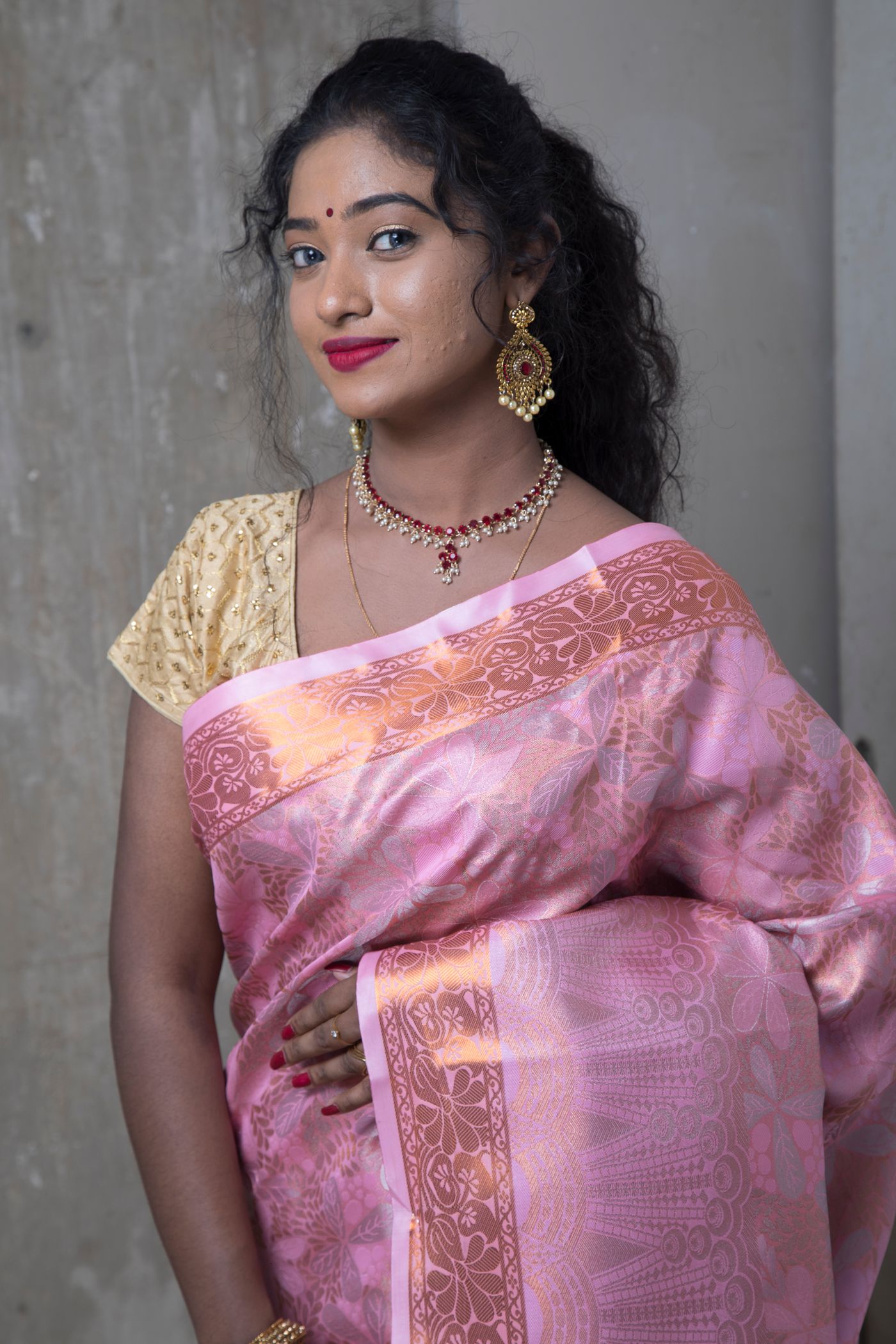
Choose a family-lunch outfit around sitting, serving and the setting, with as much decoration as the invitation calls for.
Occasions & travel
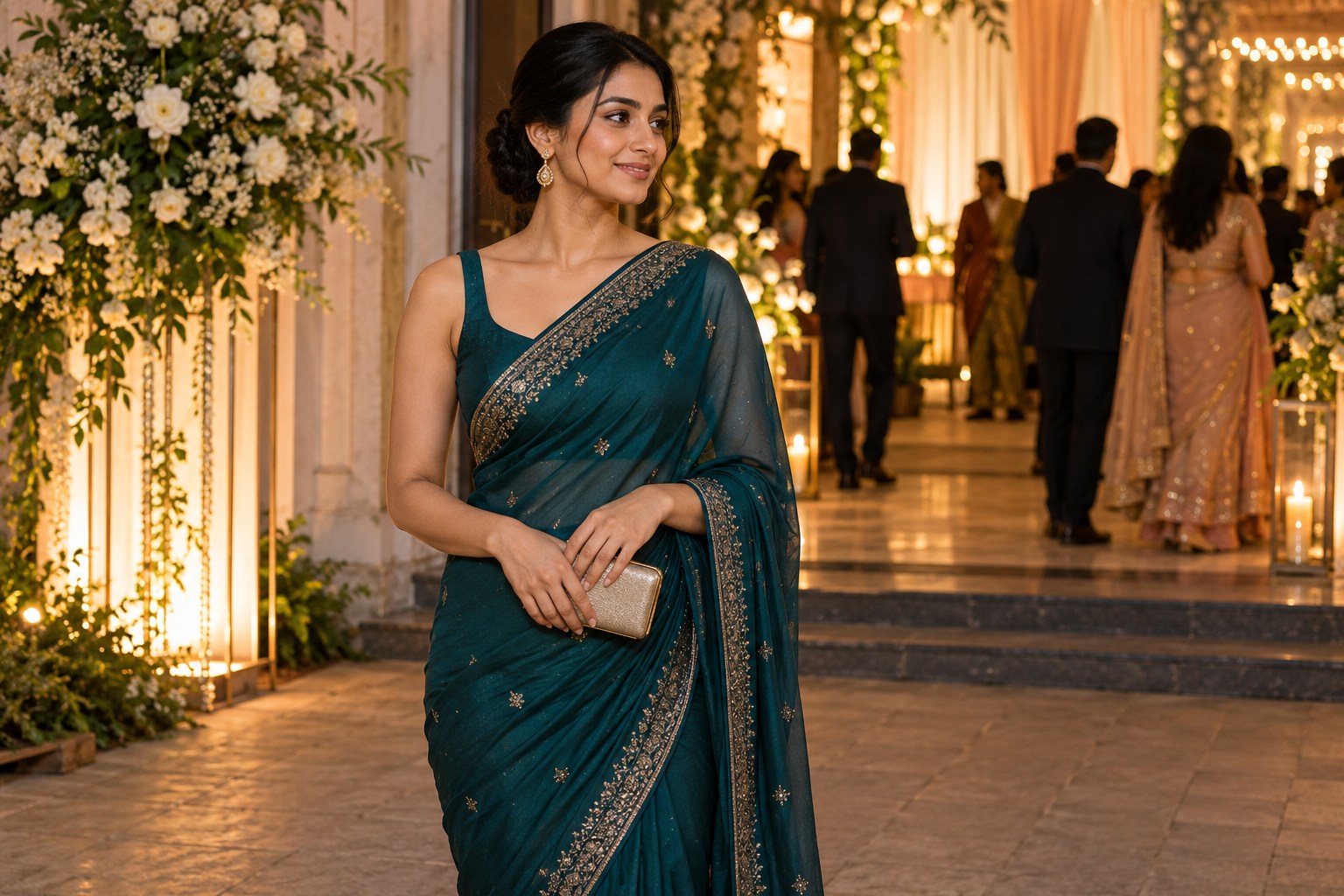
Let the invitation, venue and length of the day guide the fabric, footwear and amount of detail in a wedding guest outfit.
Occasions & travel
Spend on the missing function in your reception outfit, rather than buying a complete new set of accessories.
Occasions & travel
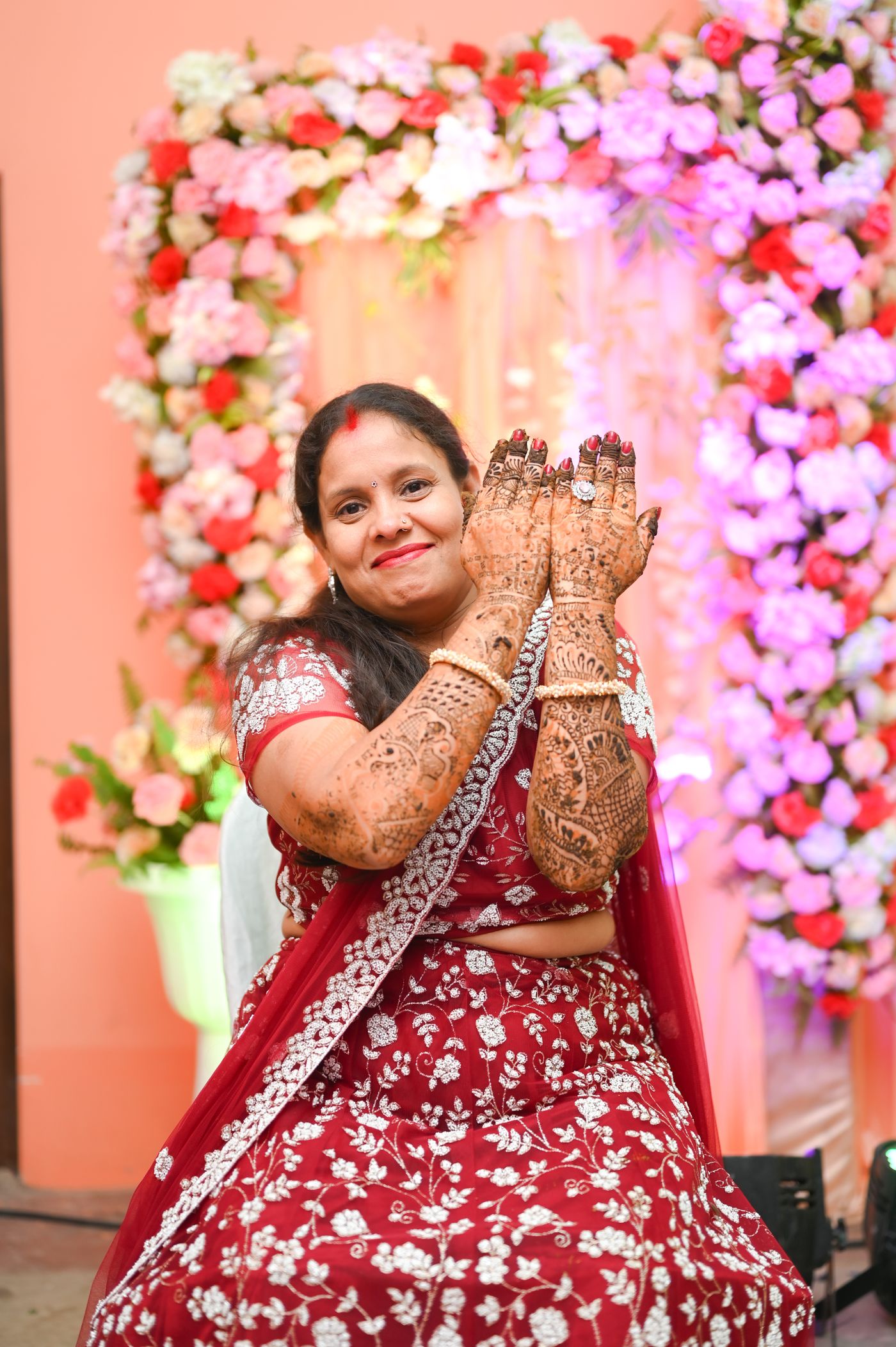
A sangeet outfit should pass the movements you expect to make, from sitting at dinner to raising your arms on a dance floor.
Occasions & travel
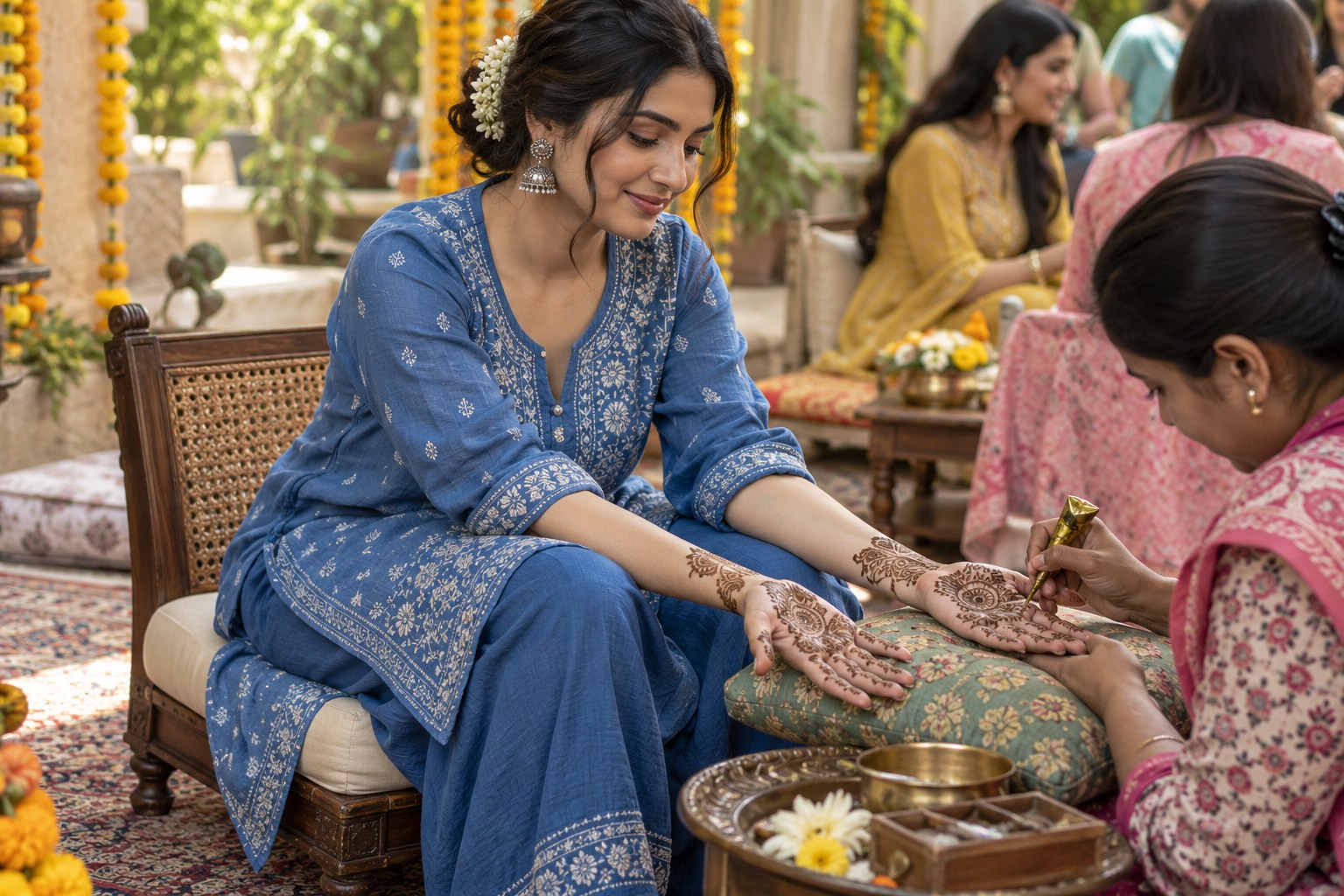
Plan a mehendi visit around comfortable seating and sleeves that can stay clear if you choose to have your hands decorated.
Occasions & travel
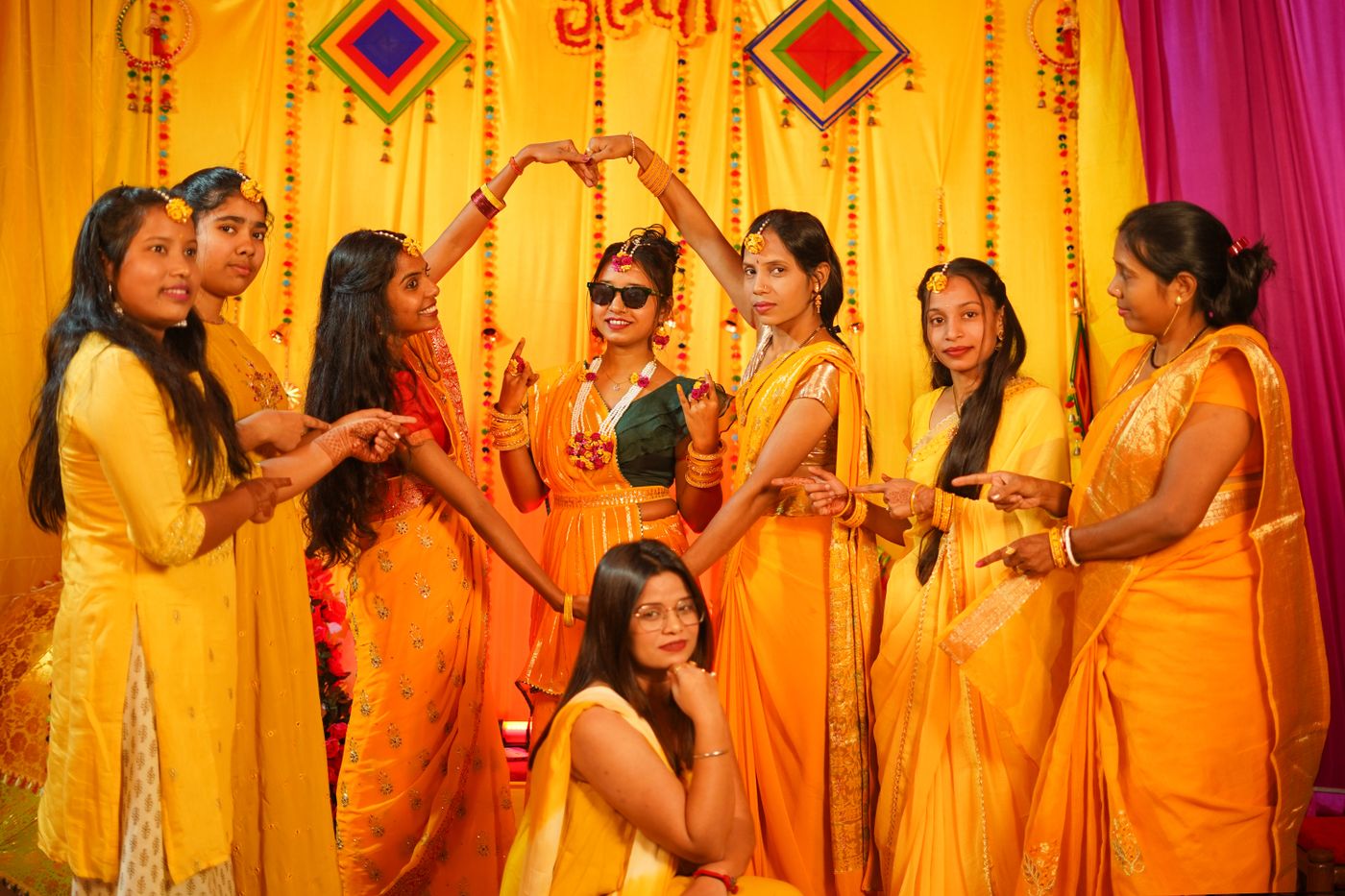
Check the actual care label and value of each garment before choosing what to wear to an activity involving haldi.
Occasions & travel
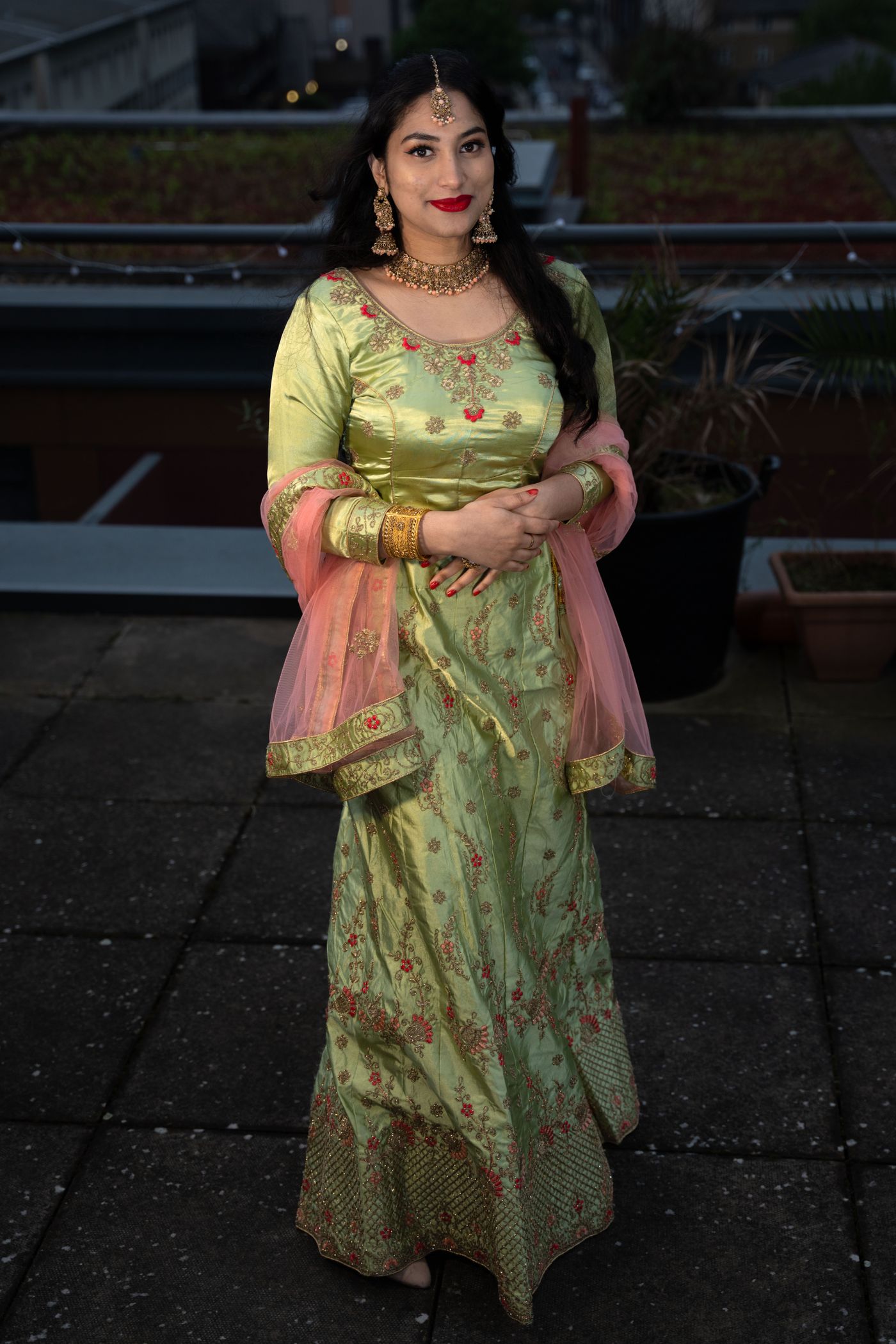
Plan an outdoor festive dinner outfit for the temperature after dark, the ground beneath the table and the layers you will carry.
Occasions & travel
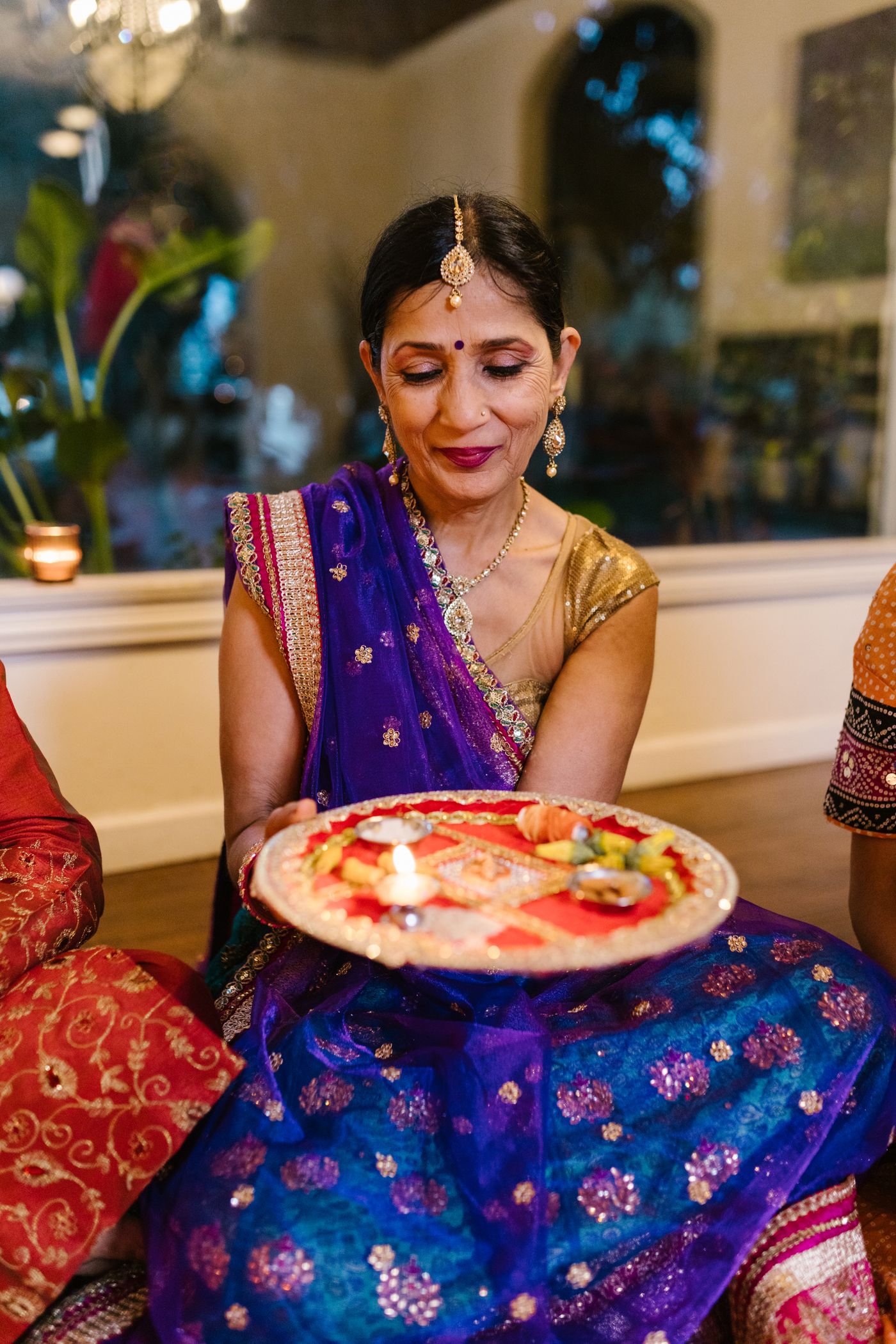
Build a Diwali outfit from a complete look you already own, then change the part that no longer suits your plans.
Occasions & travel
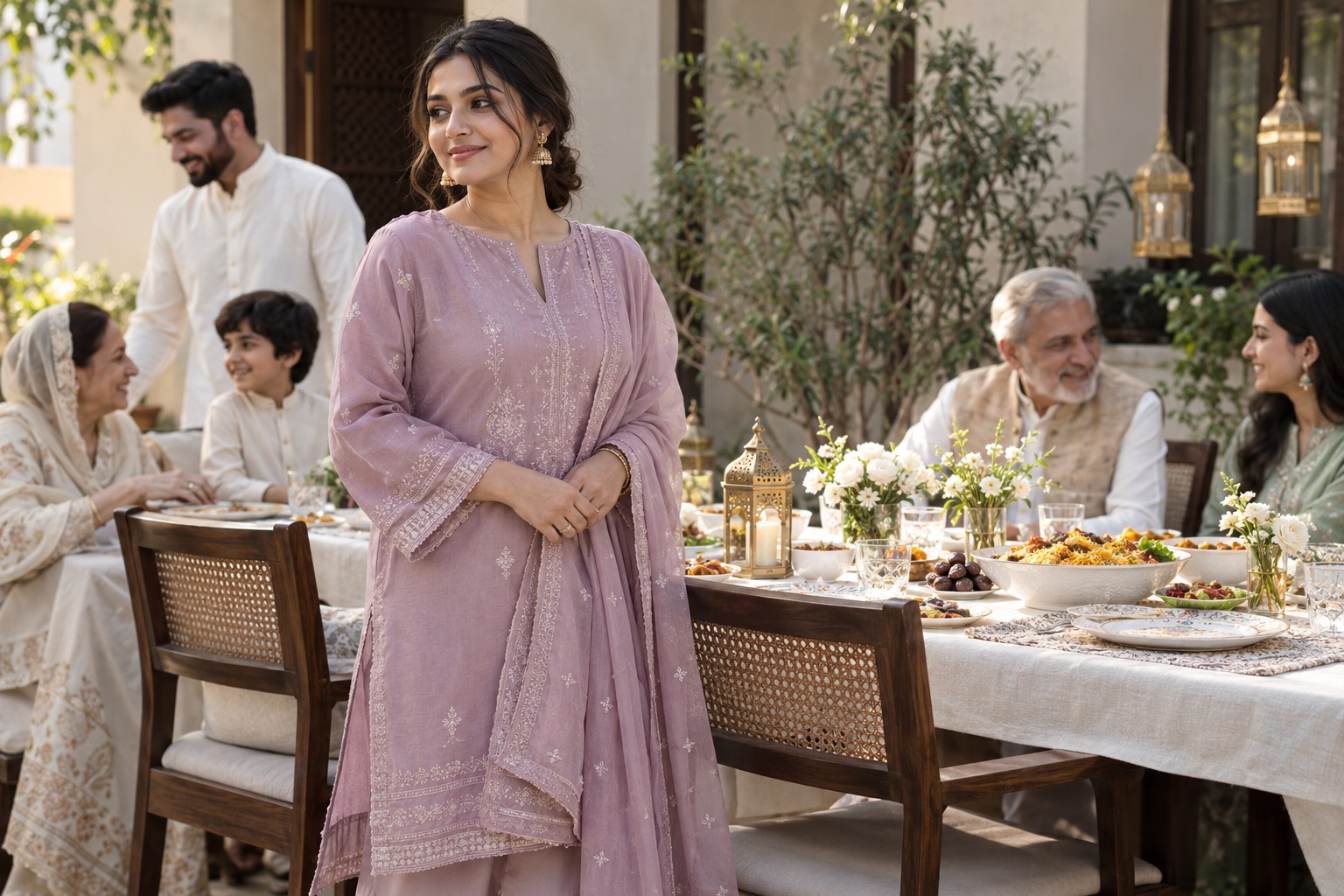
Choose layers for an Eid gathering according to your preferred coverage, the host's plans and the time you will spend seated or travelling.
Occasions & travel
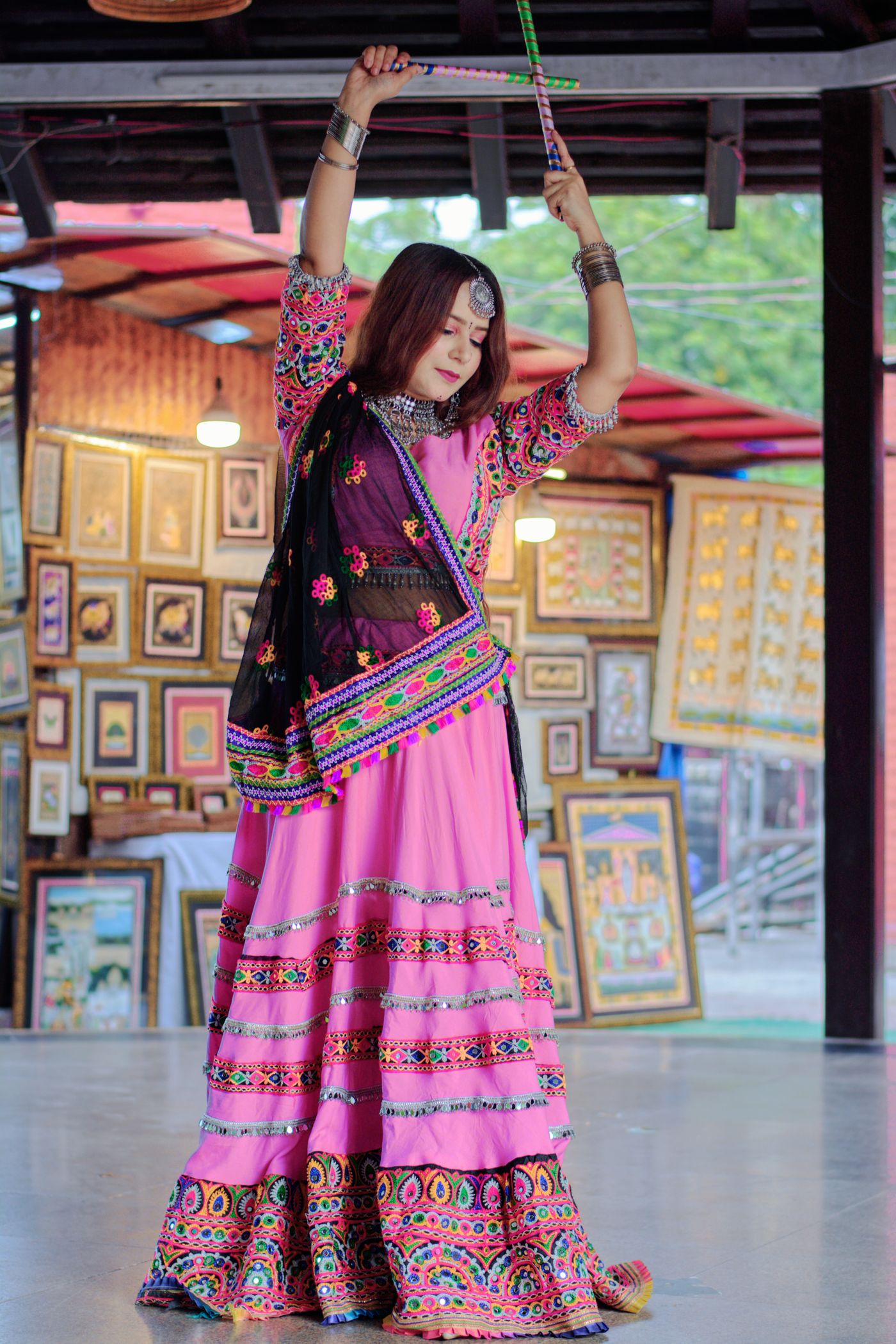
Test a Navratri dance outfit through the movements you plan to make, including the way the skirt, sleeves and dupatta travel.
Occasions & travel
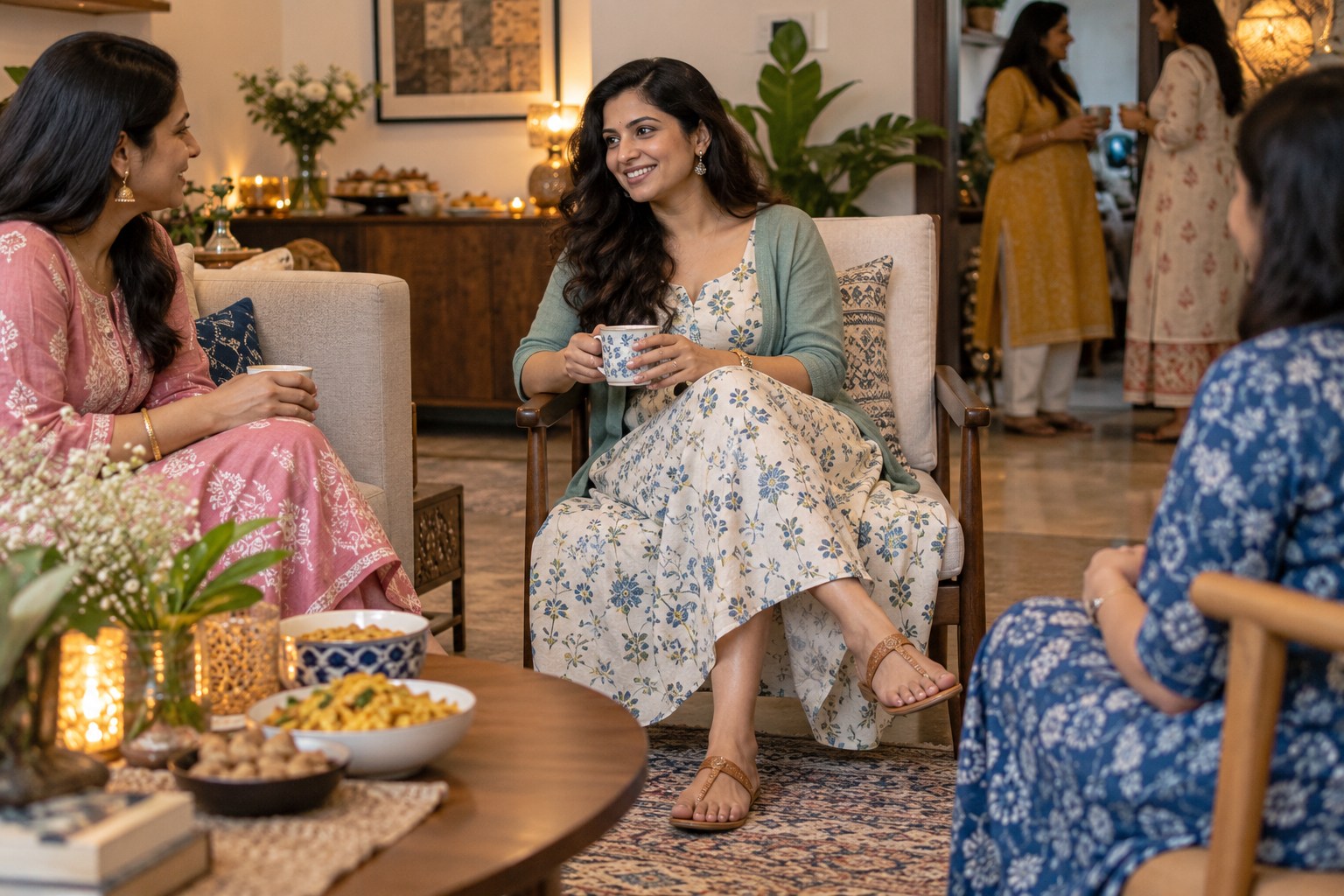
Choose a housewarming guest outfit that works for a long visit, including sitting, moving between rooms and any request to remove shoes.
Occasions & travel
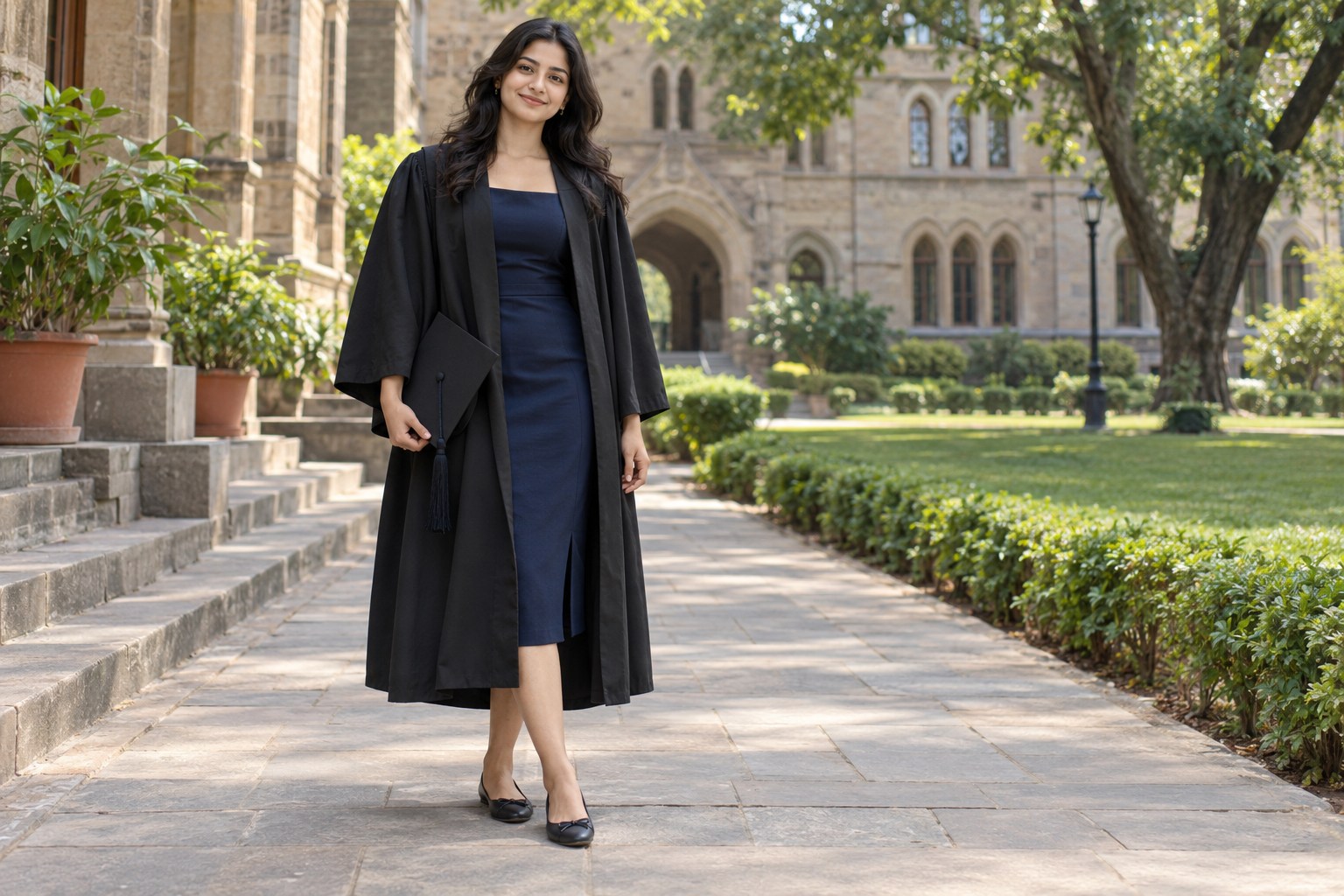
Plan the visible parts of a graduation outfit around the gown, ceremony instructions and the shoes you will walk in.
Occasions & travel
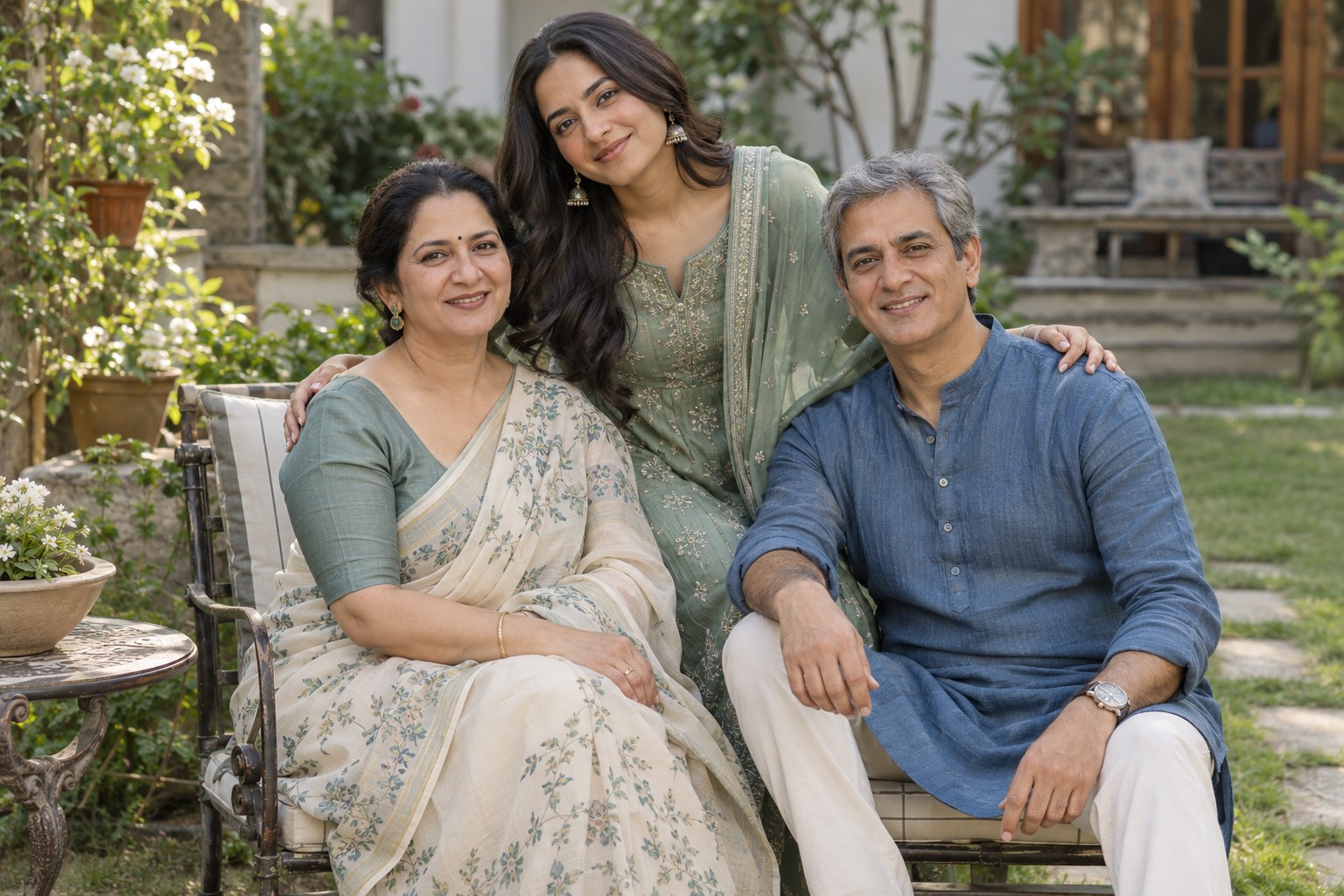
Coordinate a family portrait through a shared palette while letting each person wear clothes that fit their own style and comfort.
Occasions & travel
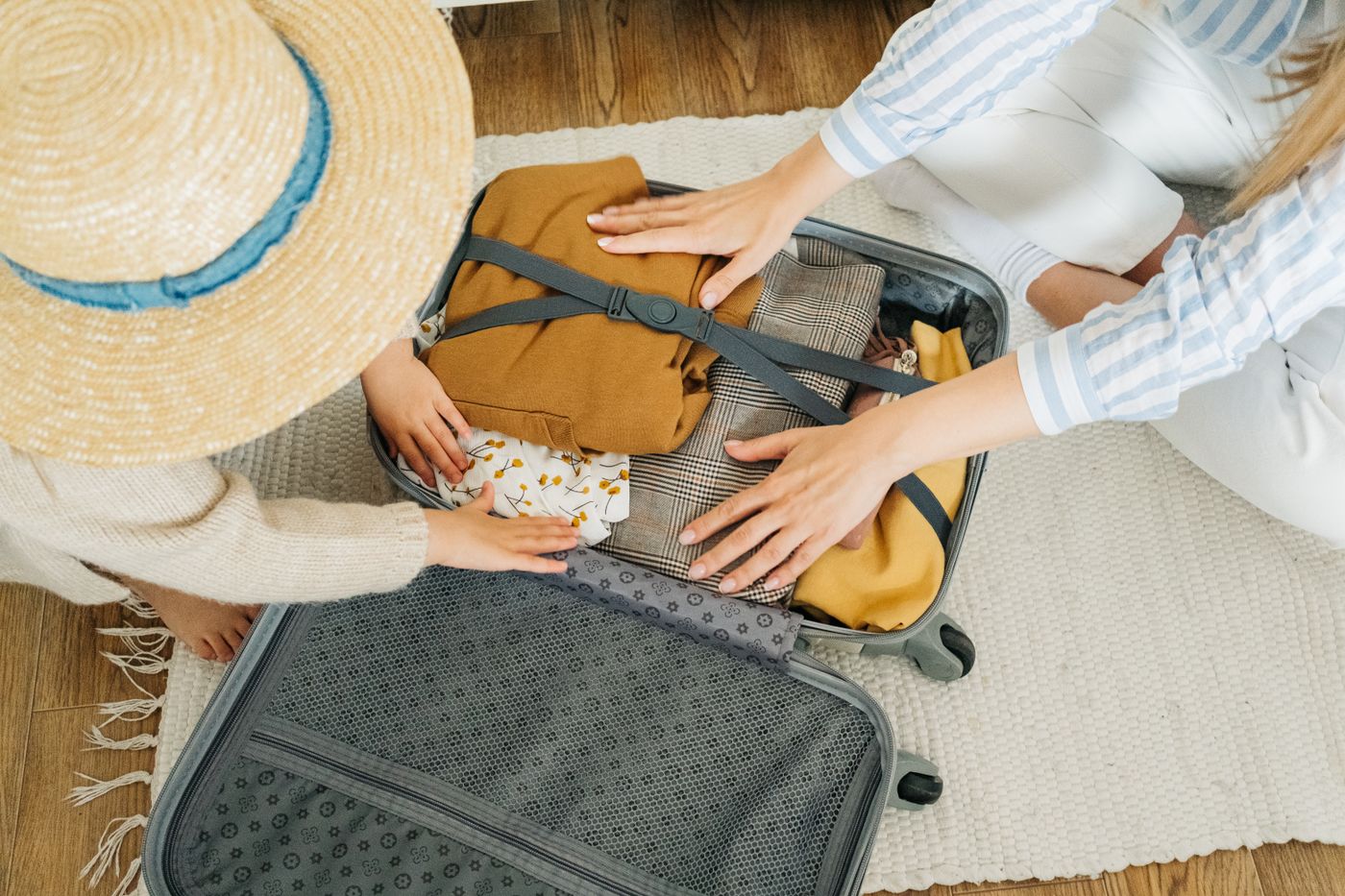
Pack for a warm city through complete daily combinations, with enough flexibility for walking, indoor cooling and laundry limits.
Occasions & travel
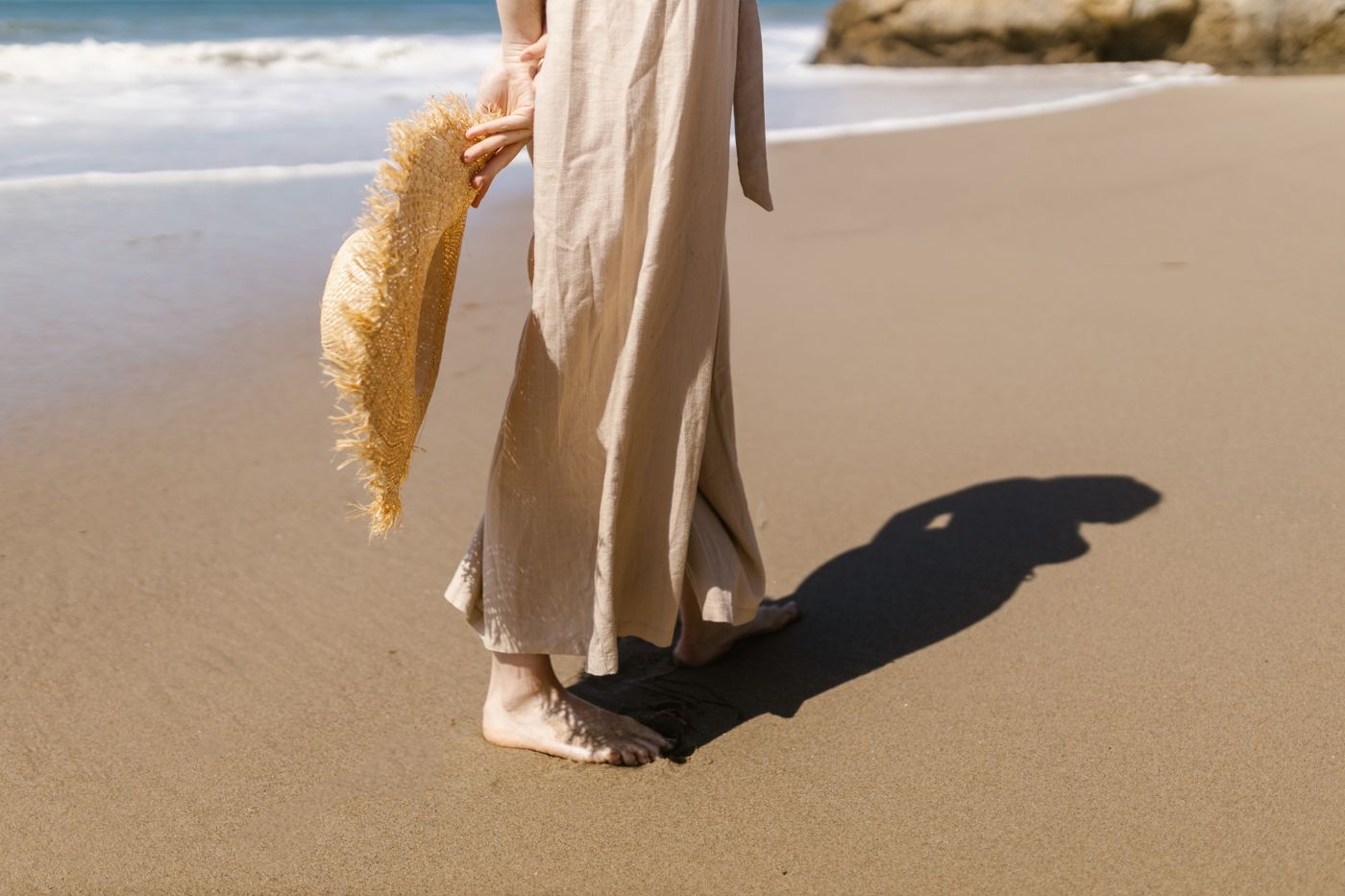
Plan clothing for the parts of a coastal holiday spent walking, eating and travelling, as well as the time near the water.

Occasions & travel
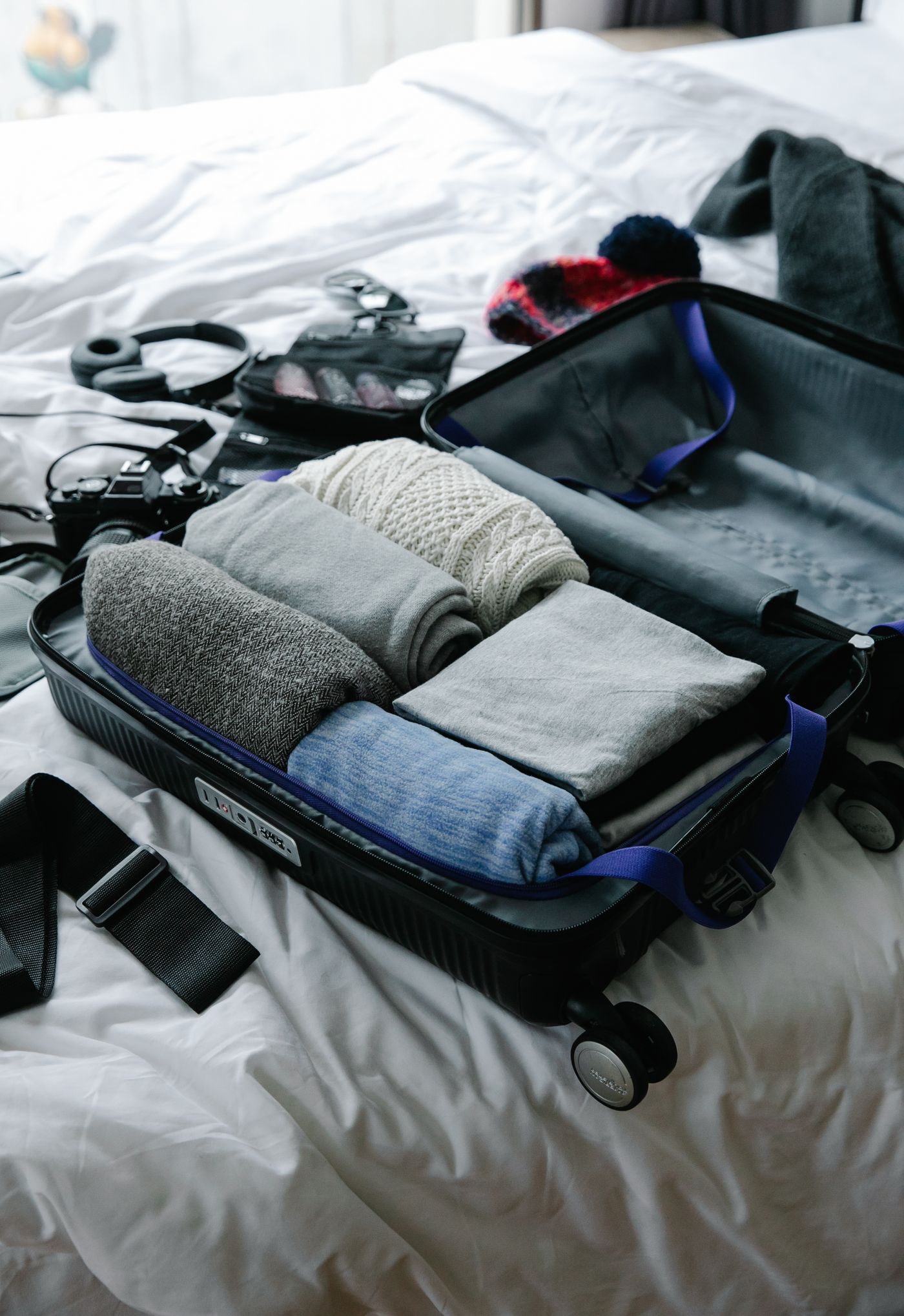
Choose a travel outfit with layers you can remove individually, without upsetting the base fit or filling your hands with loose pieces.
Occasions & travel
Choose the shoe from the itinerary first, then make every outfit in the bag work with its height, shape and purpose.
Occasions & travel
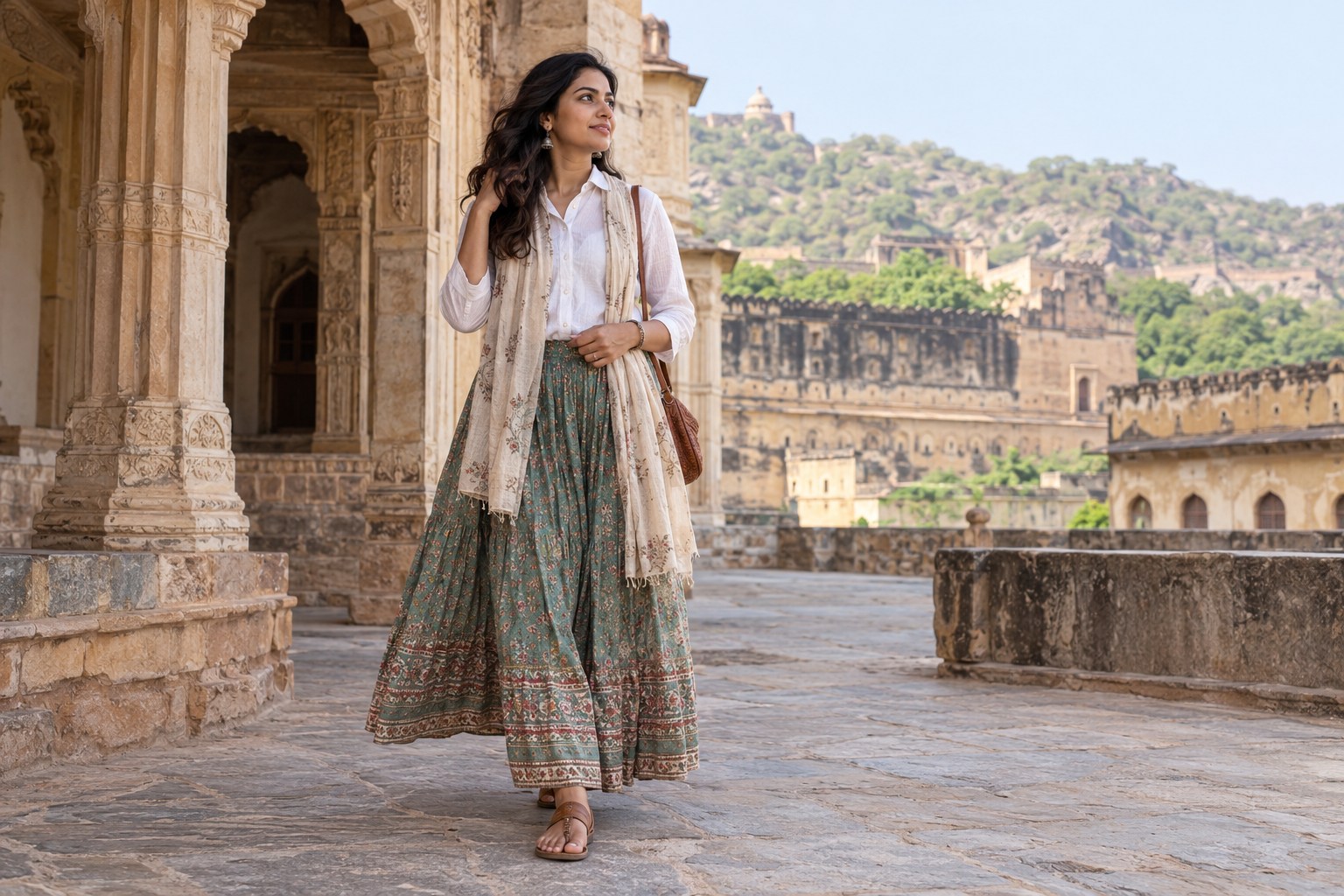
Use the venue's own clothing guidance to plan a comfortable sightseeing outfit, rather than relying on a general destination stereotype.

Occasions & travel
Choose secure closures and a workable warm layer for a rooftop dinner, where moving air can change how light fabrics behave.
Occasions & travel
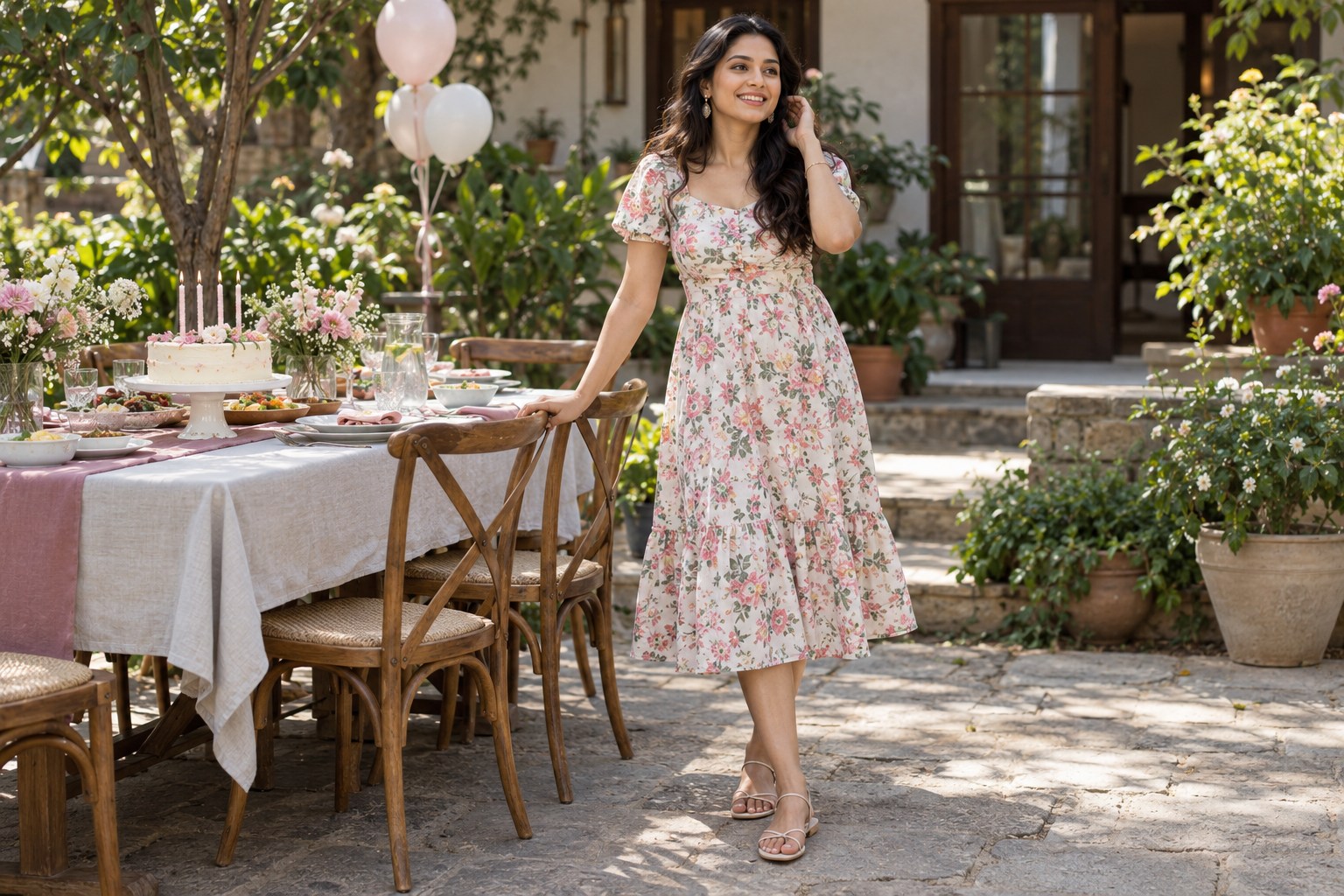
Use the lunch venue and your role in the gathering to choose an outfit with a clear level of formality.
Occasions & travel
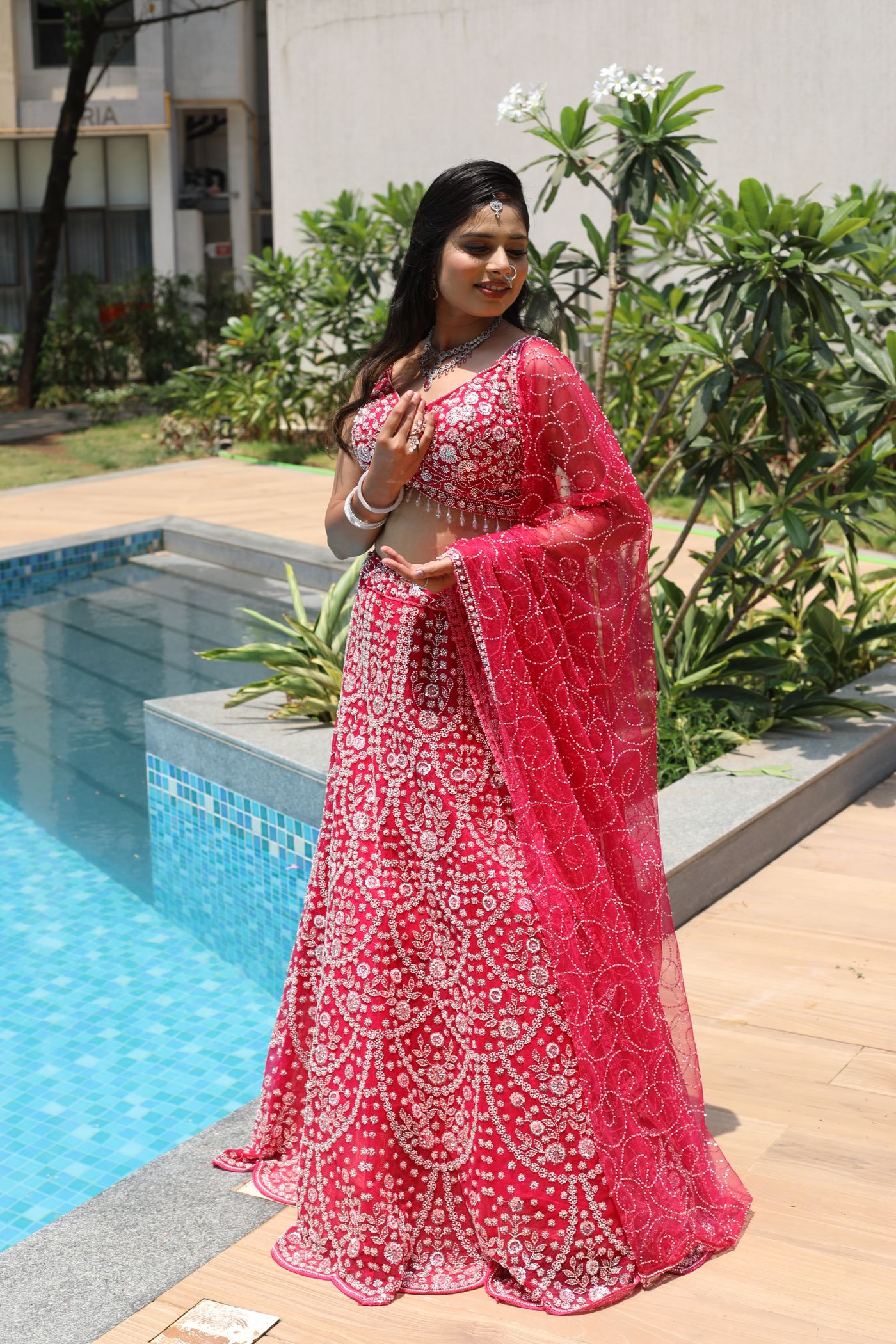
Repeat a wedding guest outfit by changing its supporting pieces, while checking the new invitation and every altered fit relationship.

Occasions & travel
Choose a hosting outfit that can move between welcoming guests, serving food and sitting down, without constant sleeve or drape management.

Occasions & travel
Choose theatre clothes for the seat, indoor temperature and journey, then add the level of detail the occasion calls for.
Occasions & travel
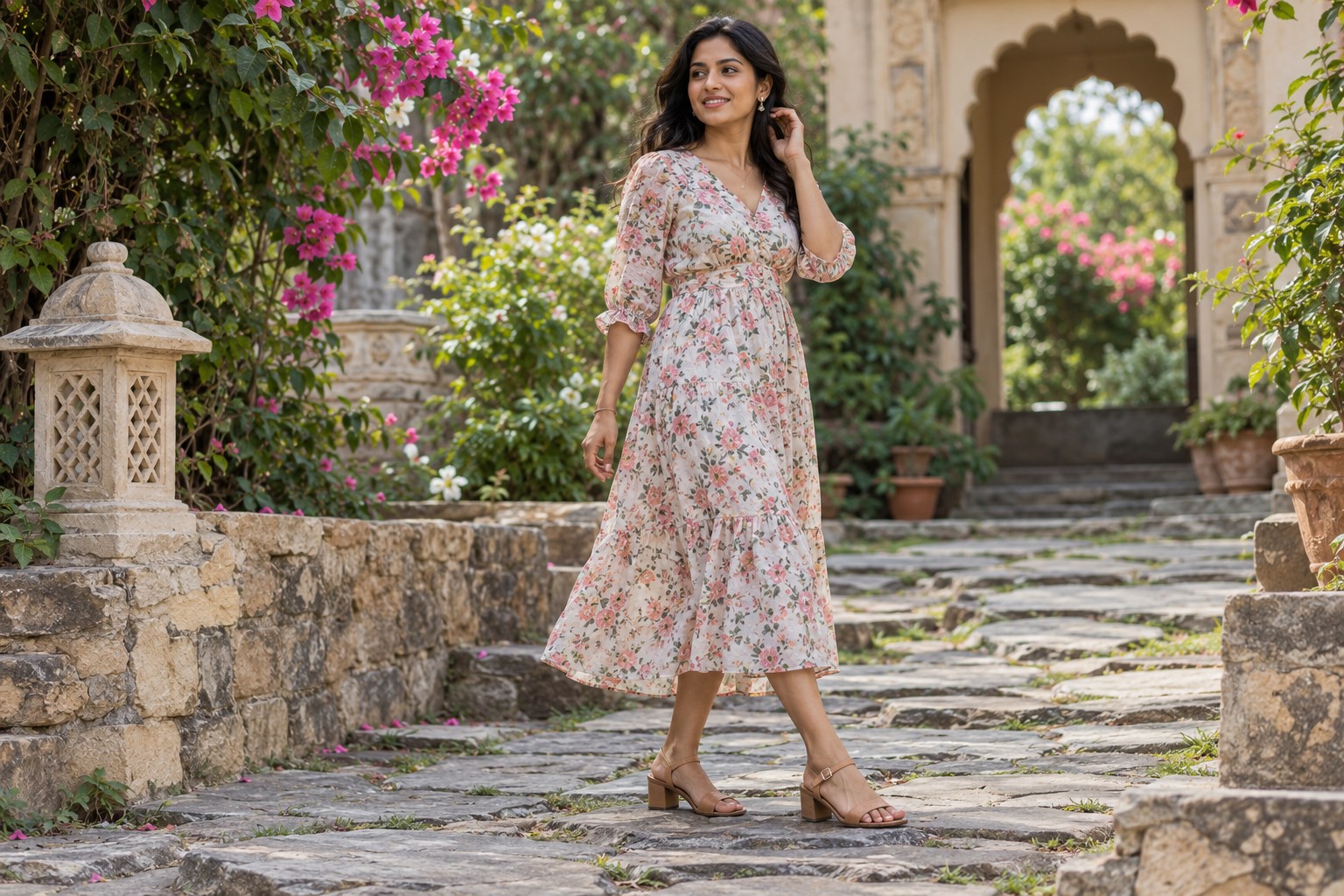
Choose the shoes and hem together for a garden party, then build the rest of the outfit around the route you will walk.

Occasions & travel
Resolve an unclear restaurant dress code through the venue's own information, then choose an outfit that can move slightly more or less formal.
Occasions & travel
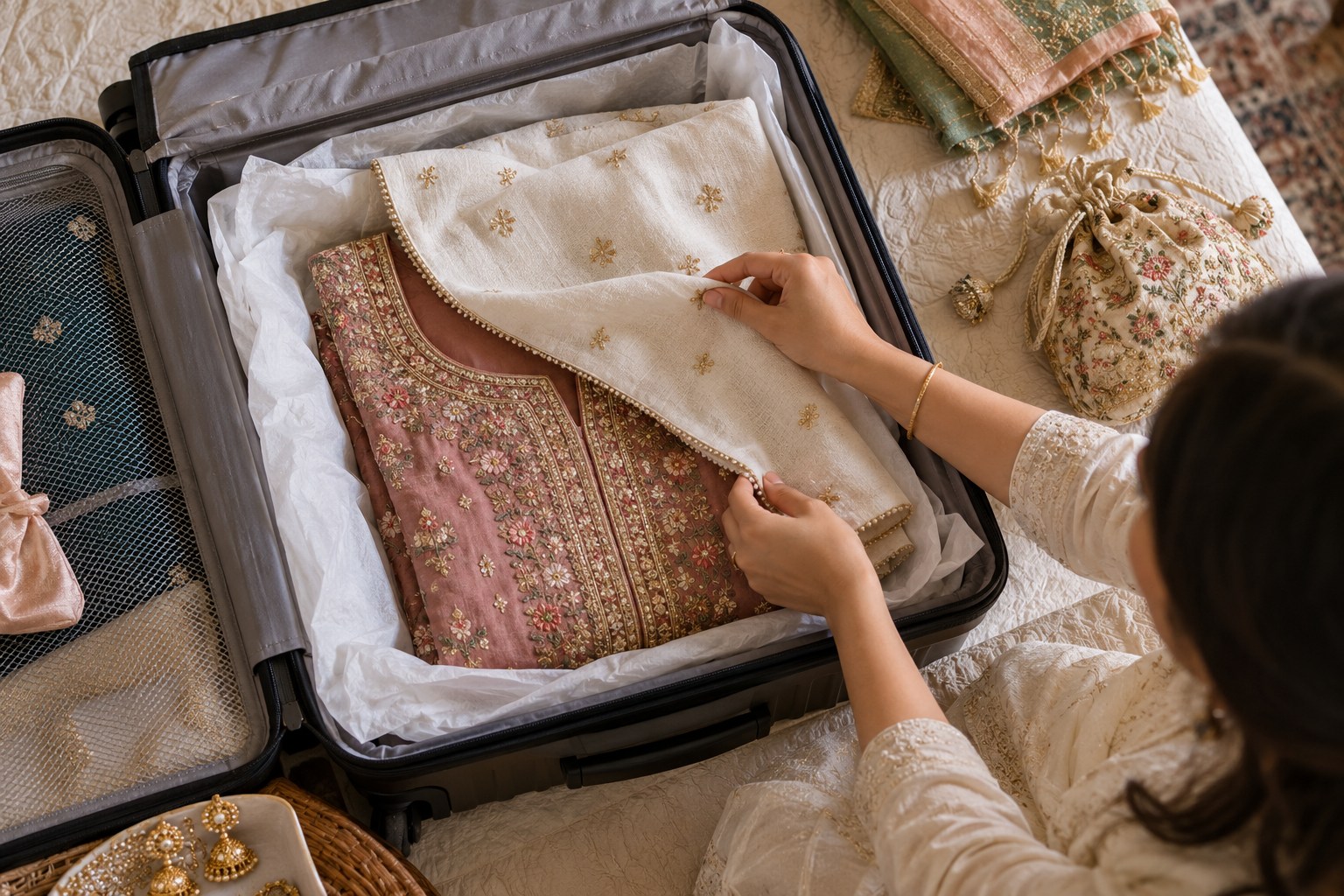
Protect the raised surfaces of a festive outfit in transit, while avoiding pressure on the parts that hold its shape.
Occasions & travel
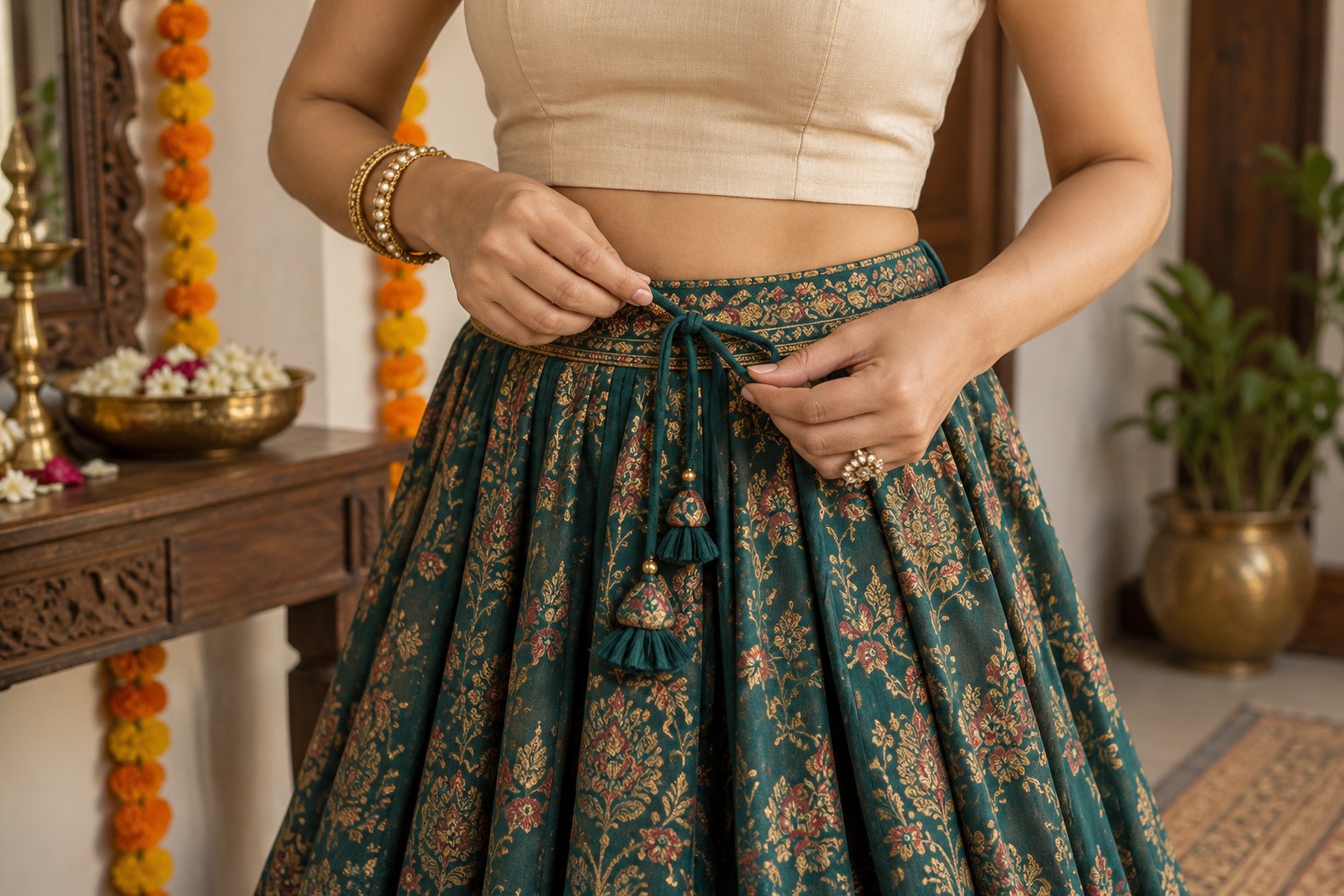
Look for a waistband that adjusts comfortably and remains secure through sitting, standing and the length of a celebration.
Occasions & travel
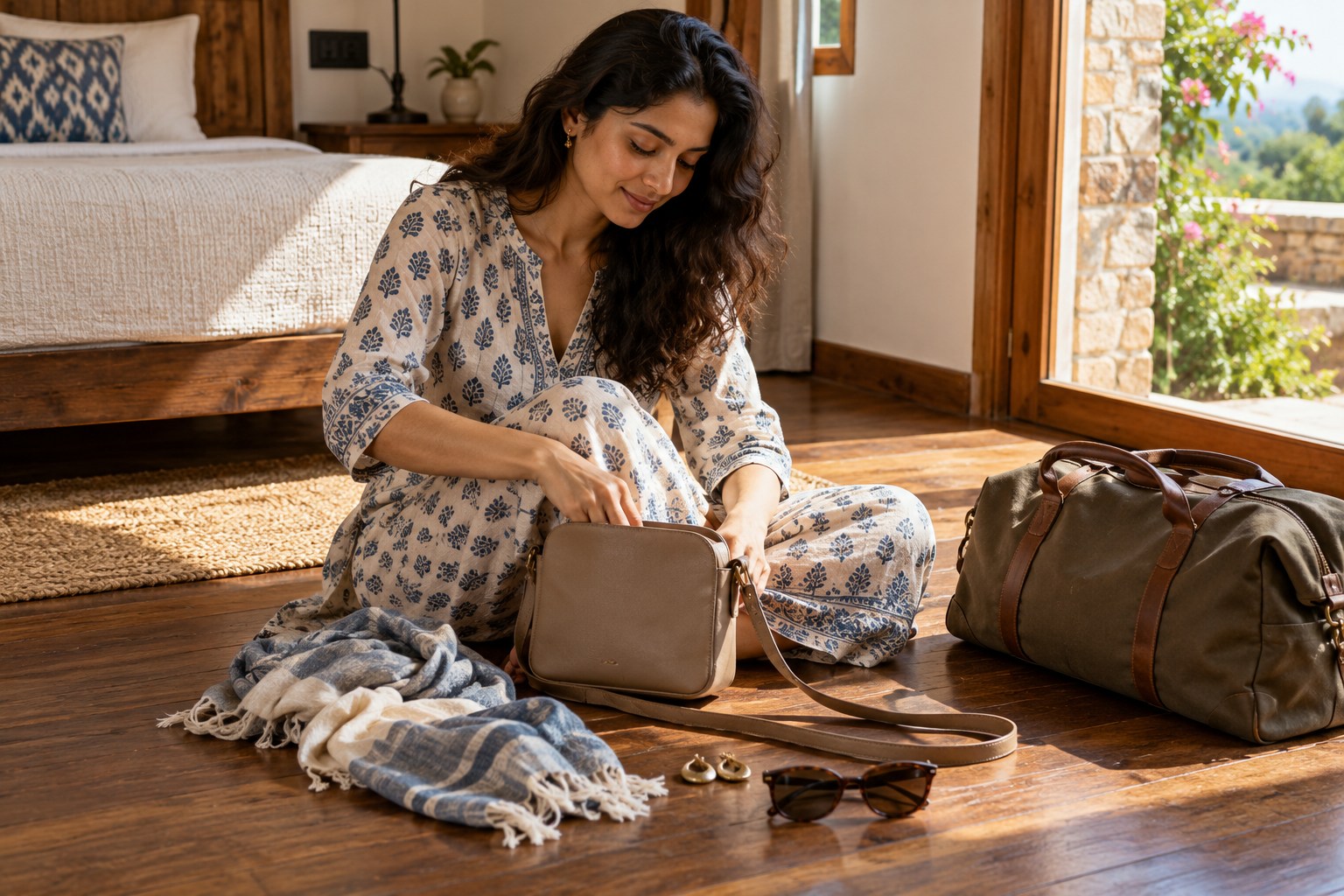
Pack accessories around the outfits they complete, choosing pieces that do more than one useful job without creating extra bulk.
Shoes & bags
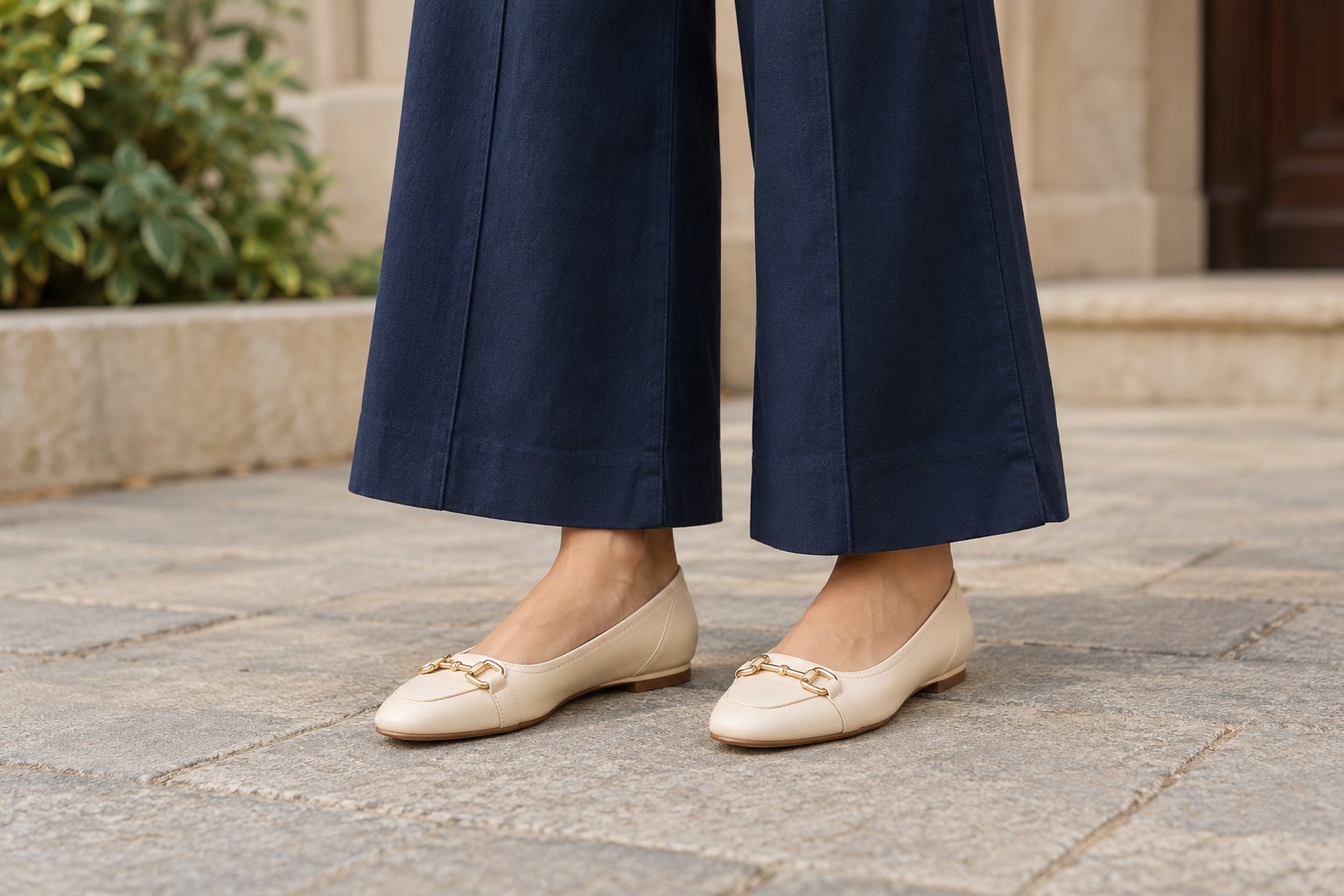
Choose flats with enough visible shape beneath wide trousers, then make sure the hem stays clear while walking.
Shoes & bags
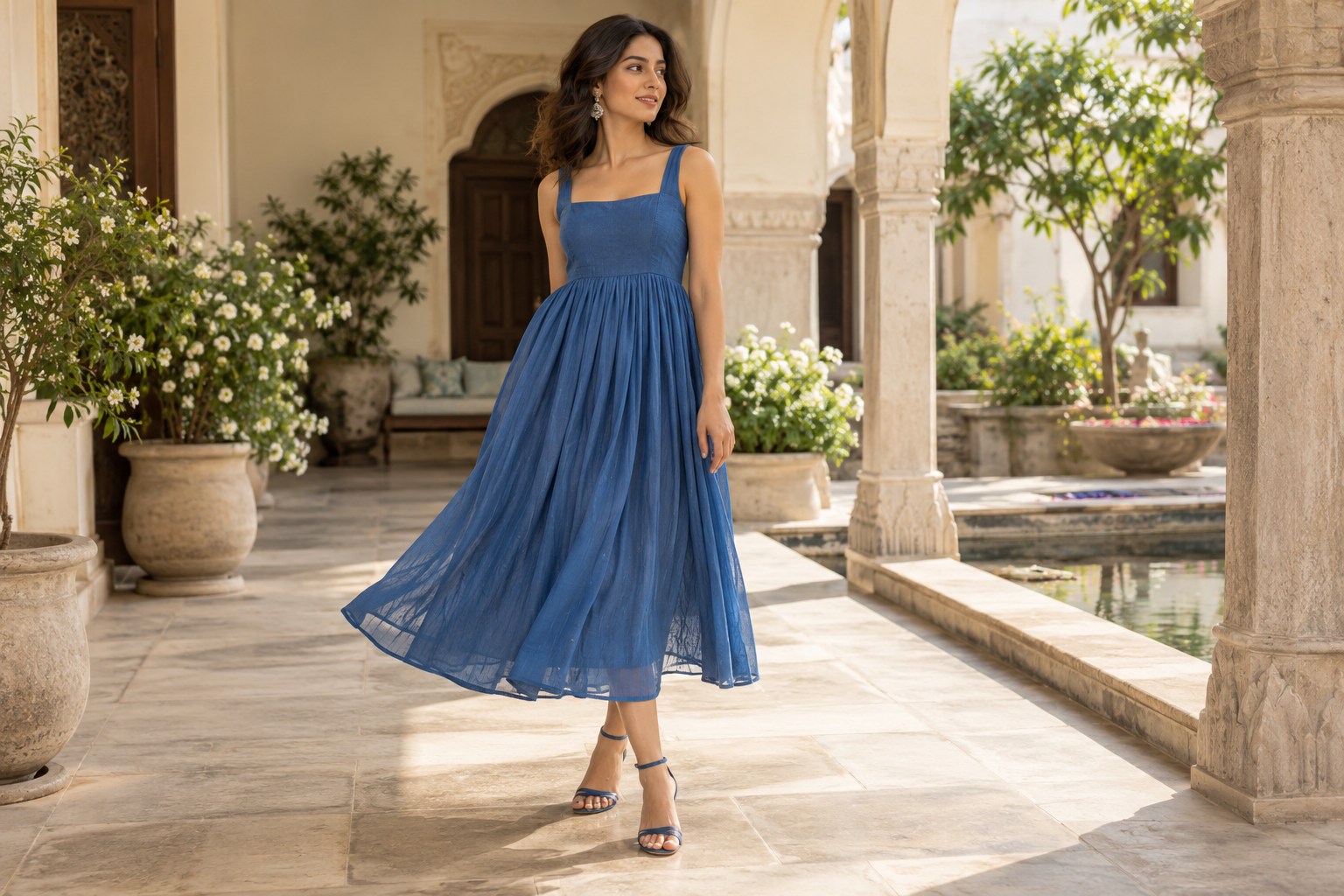
Use sandal straps to echo or contrast the shape of a midi dress, without letting a visual match outweigh fit.
Shoes & bags
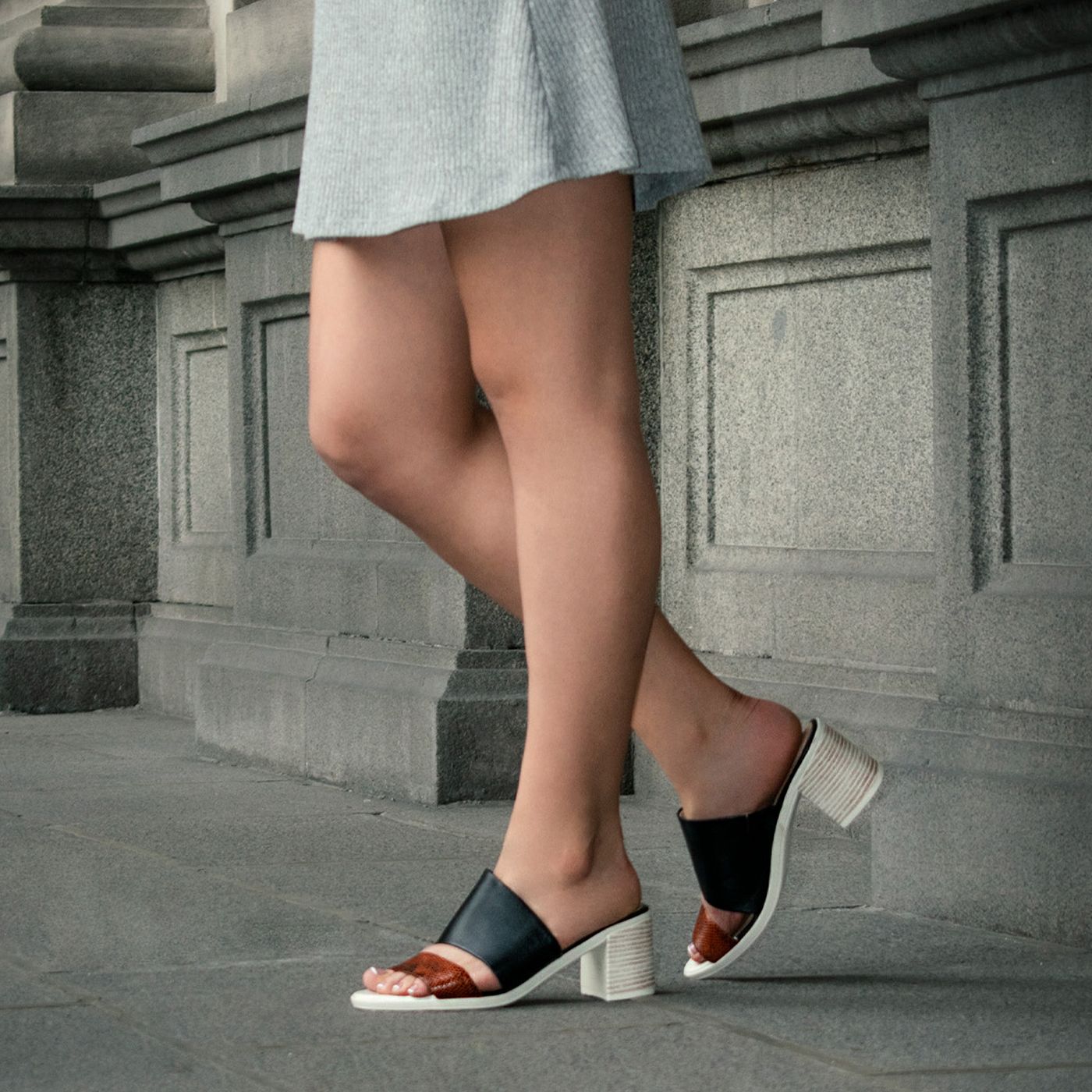
Assess the whole block-heel shoe and the event route; heel width alone does not tell you how it will feel on different surfaces.
Shoes & bags
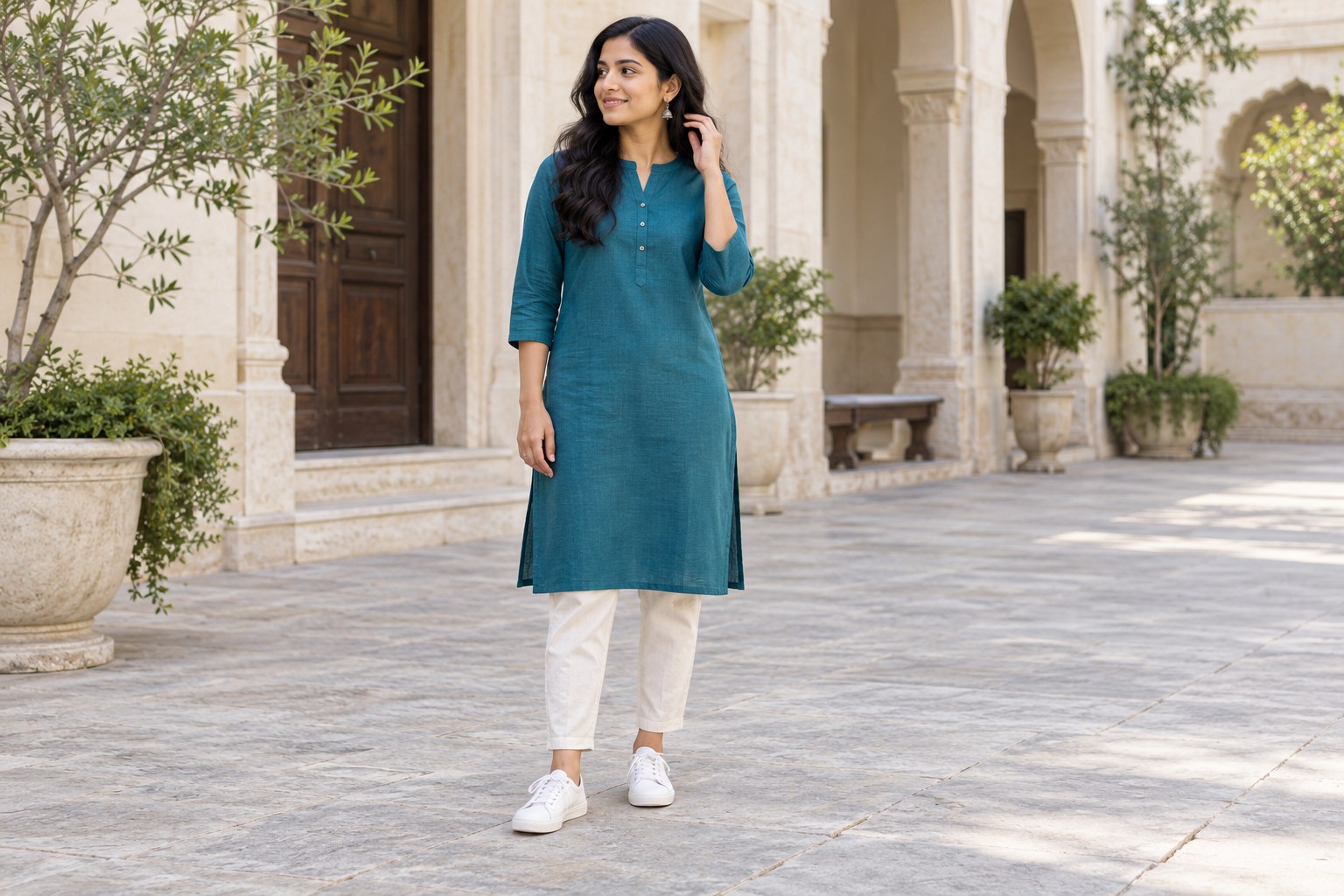
Give the trainer and trouser hem enough space beneath a kurta so the lower part of the outfit does not bunch together.
Shoes & bags
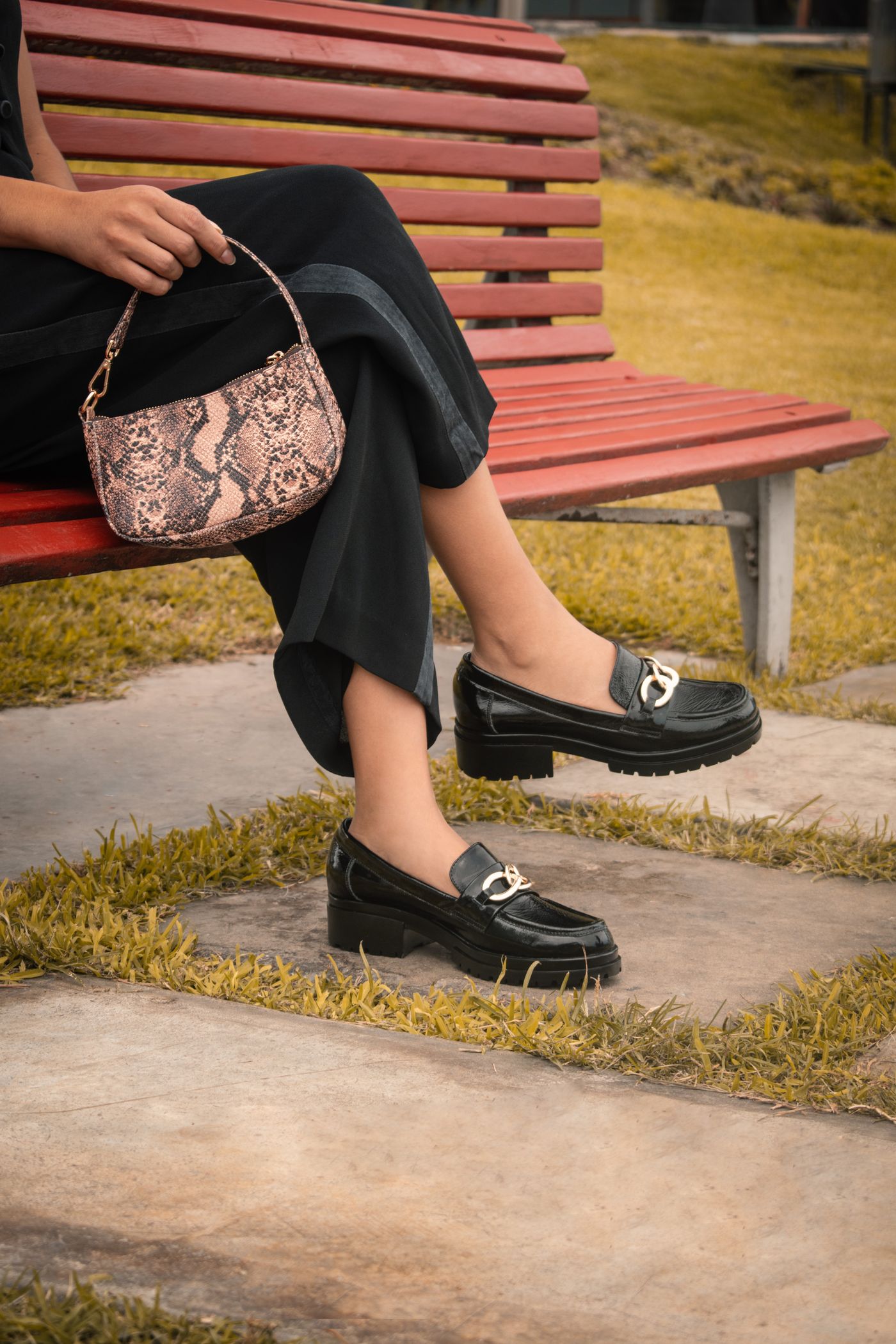
Use loafers to give relaxed office clothes a defined finish, while checking the trouser break and the shoe's fit.
Shoes & bags
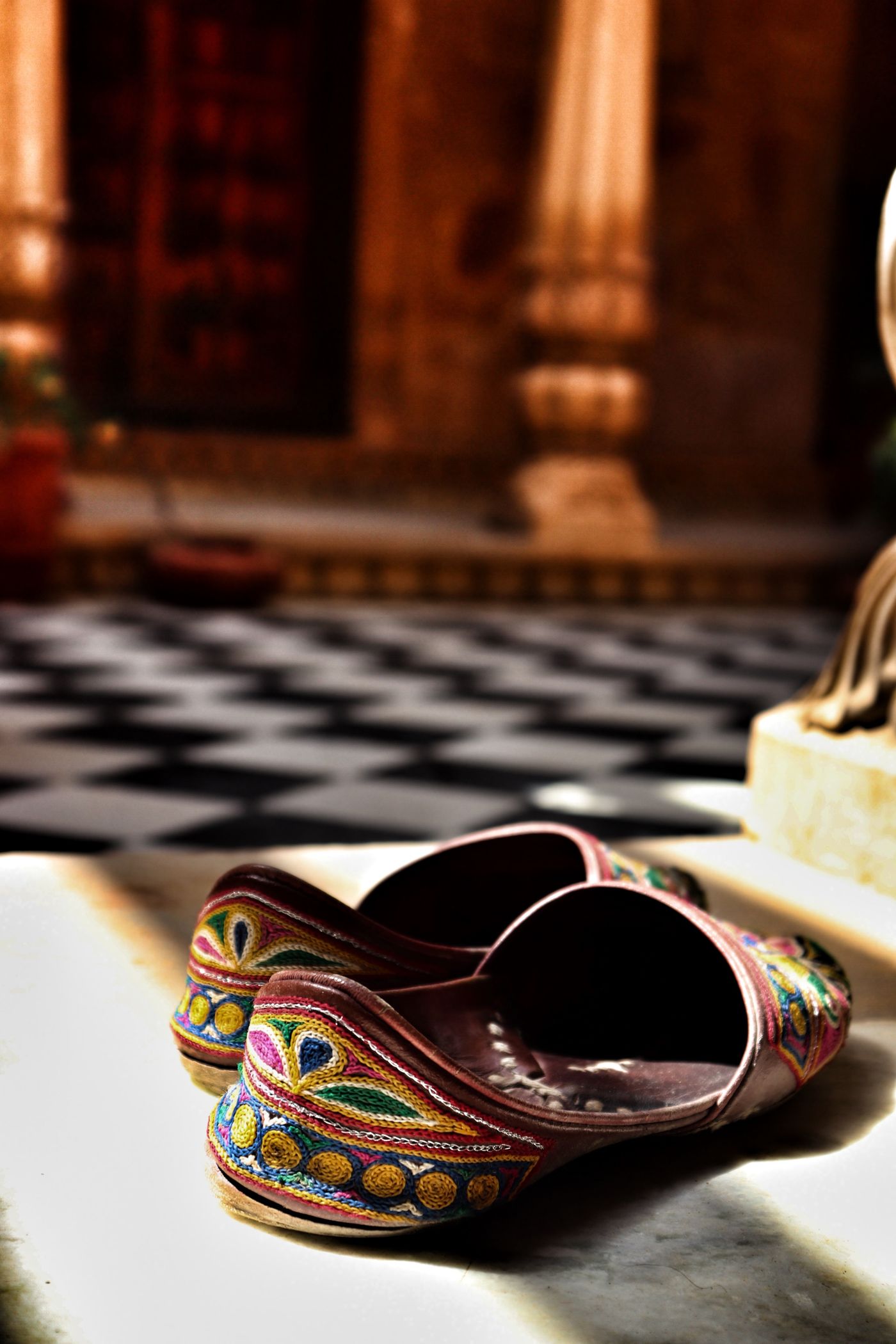
Choose juttis by their actual shape and fit, then see how their decoration meets the hem of the outfit.
Shoes & bags
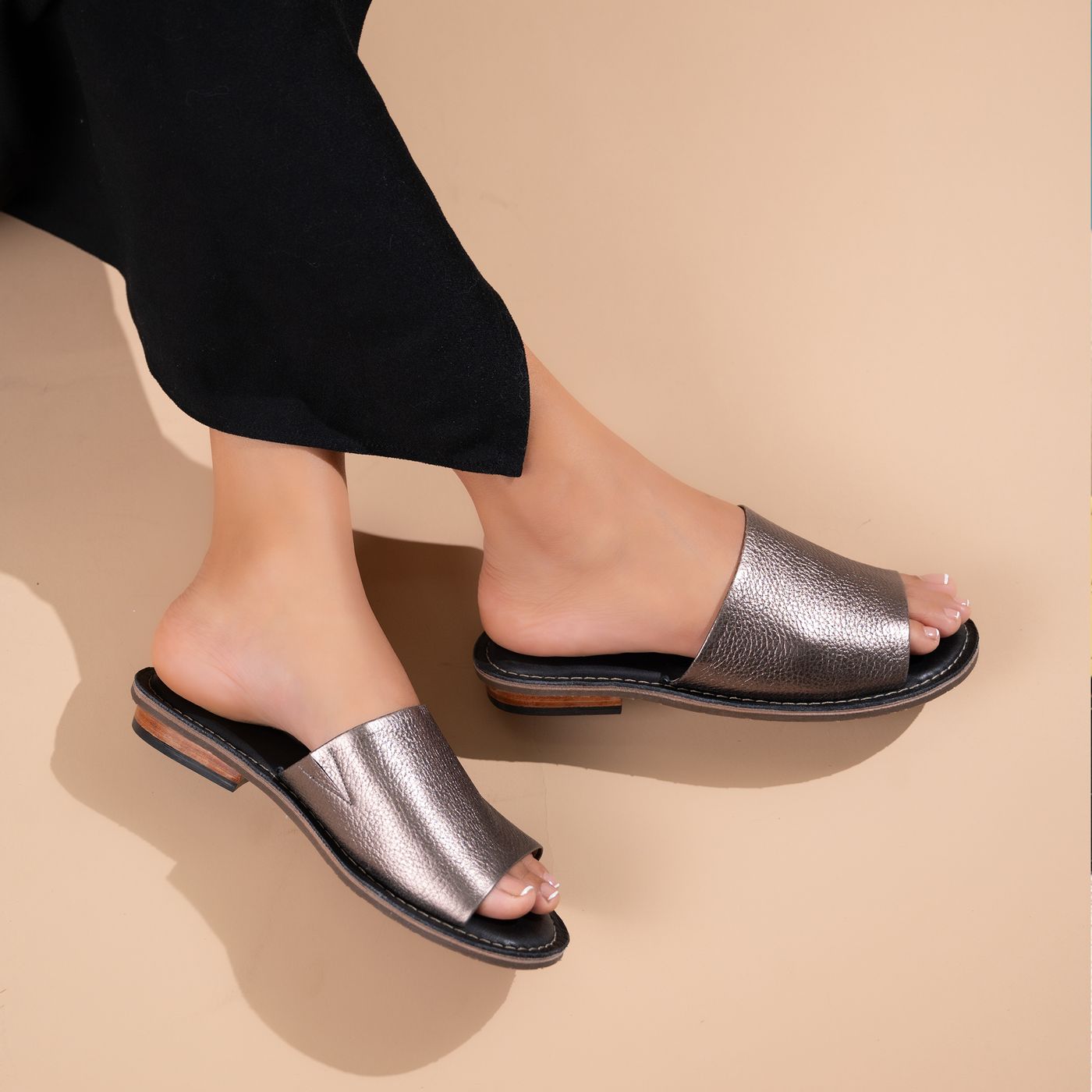
Treat metallic sandals as a small change in surface, allowing neutral clothes to remain simple.
Shoes & bags
Find a shoe colour by comparing the prints you wear repeatedly, rather than trying to match one outfit in isolation.
Shoes & bags
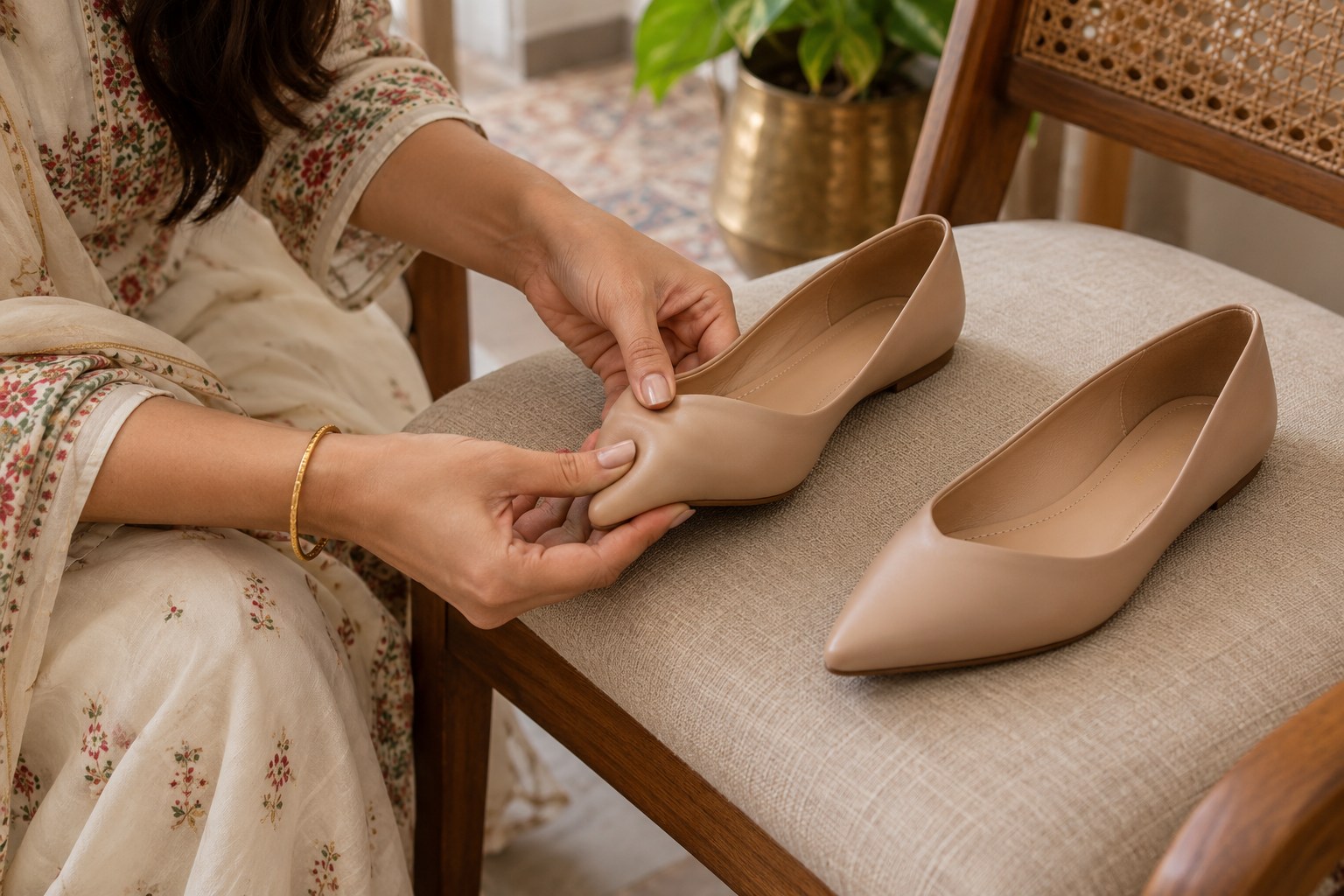
Assess a pointed flat through toe space, heel hold and walking movement before making it the shoe for a long day.
Shoes & bags
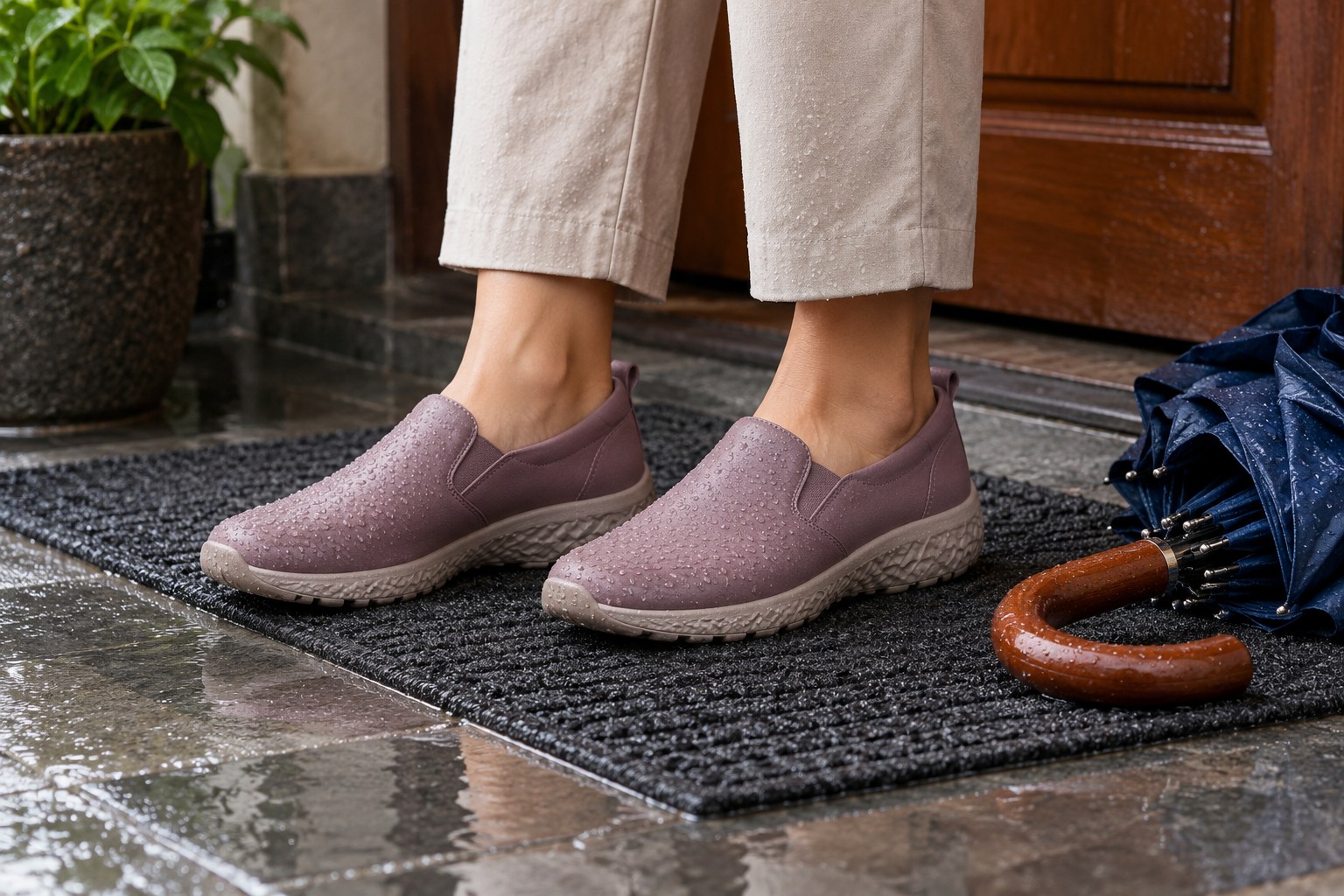
Build a rainy-day footwear plan from the surfaces and distances on your route, including what happens to wet shoes after arrival.
Shoes & bags
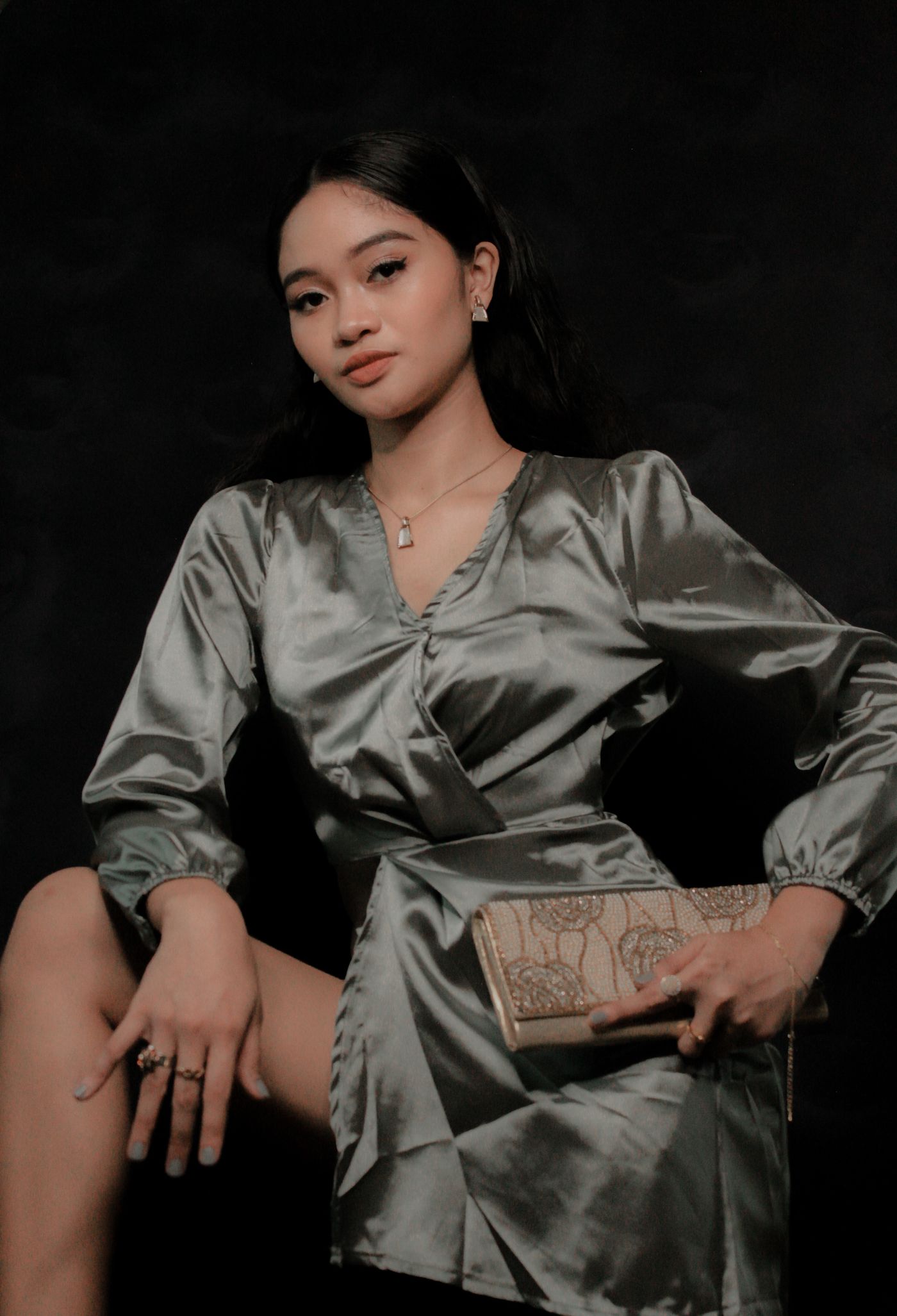
Check the space inside an evening bag with the items you actually carry, including the shape of your phone and keys.
Shoes & bags
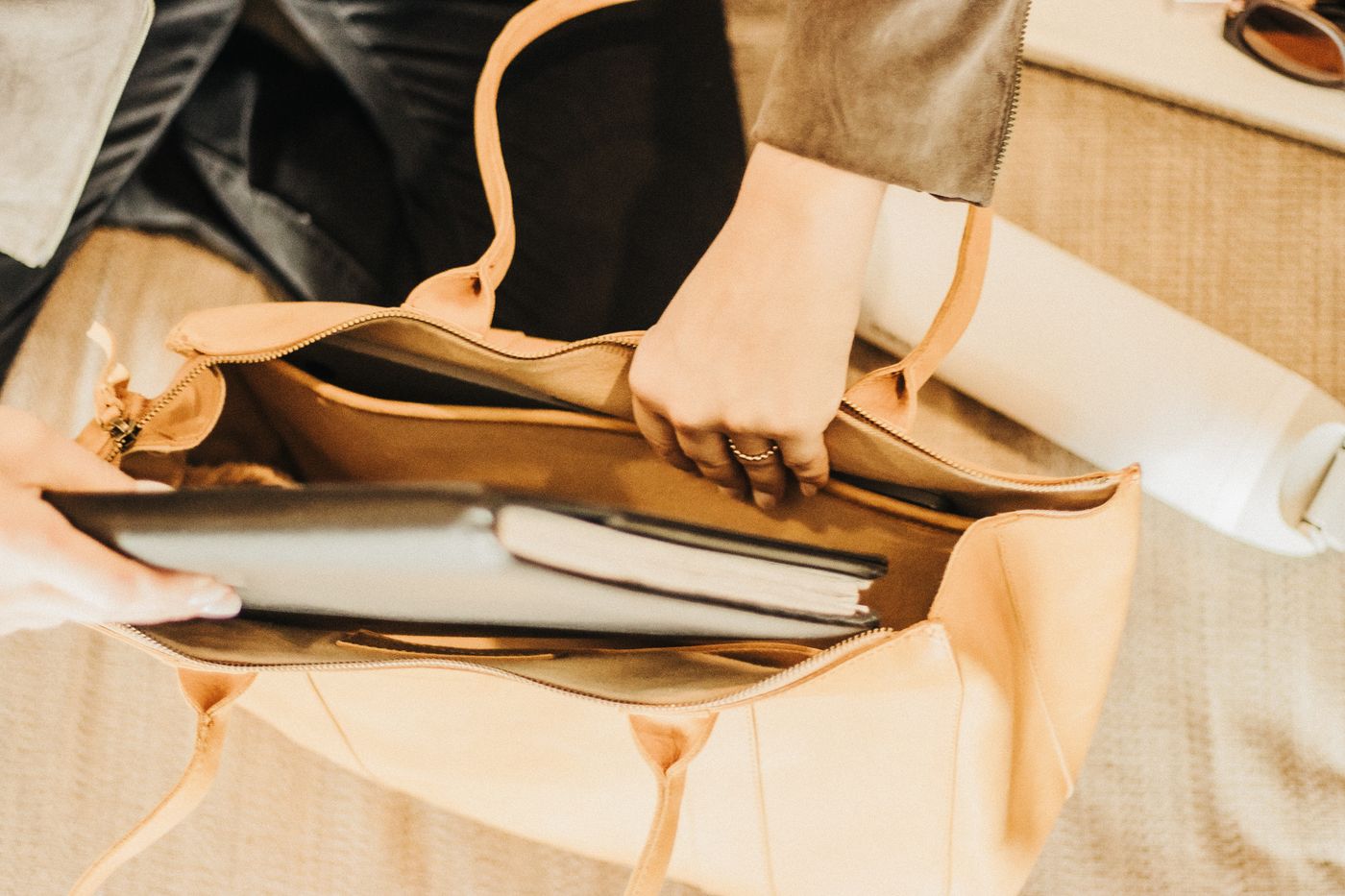
Test a work tote as a loaded system: opening, compartments, weight distribution and the way it sits against your clothes.
Shoes & bags
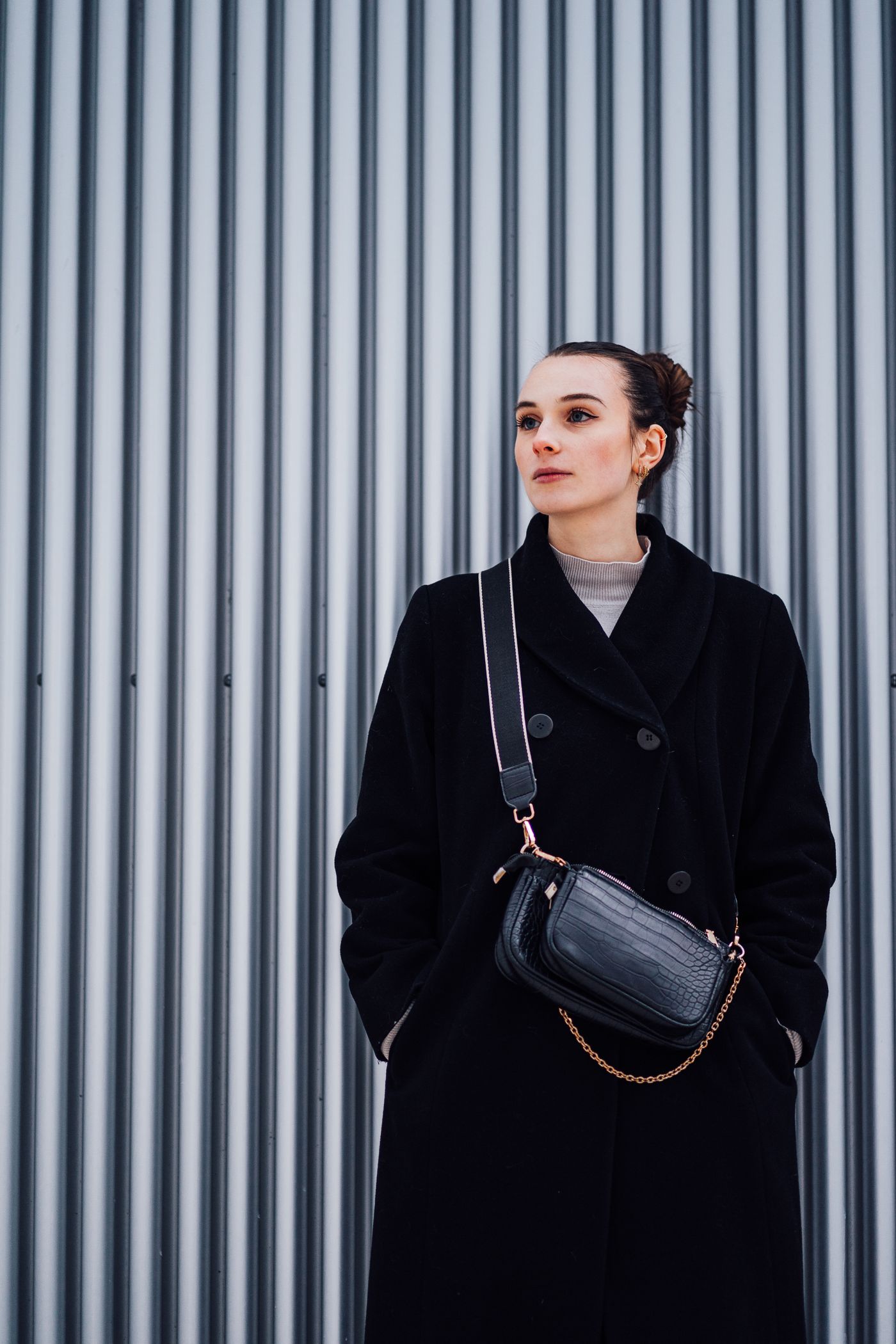
Adjust a crossbody bag with the clothing and contents you will wear, then check the bag's position while walking and sitting.
Shoes & bags
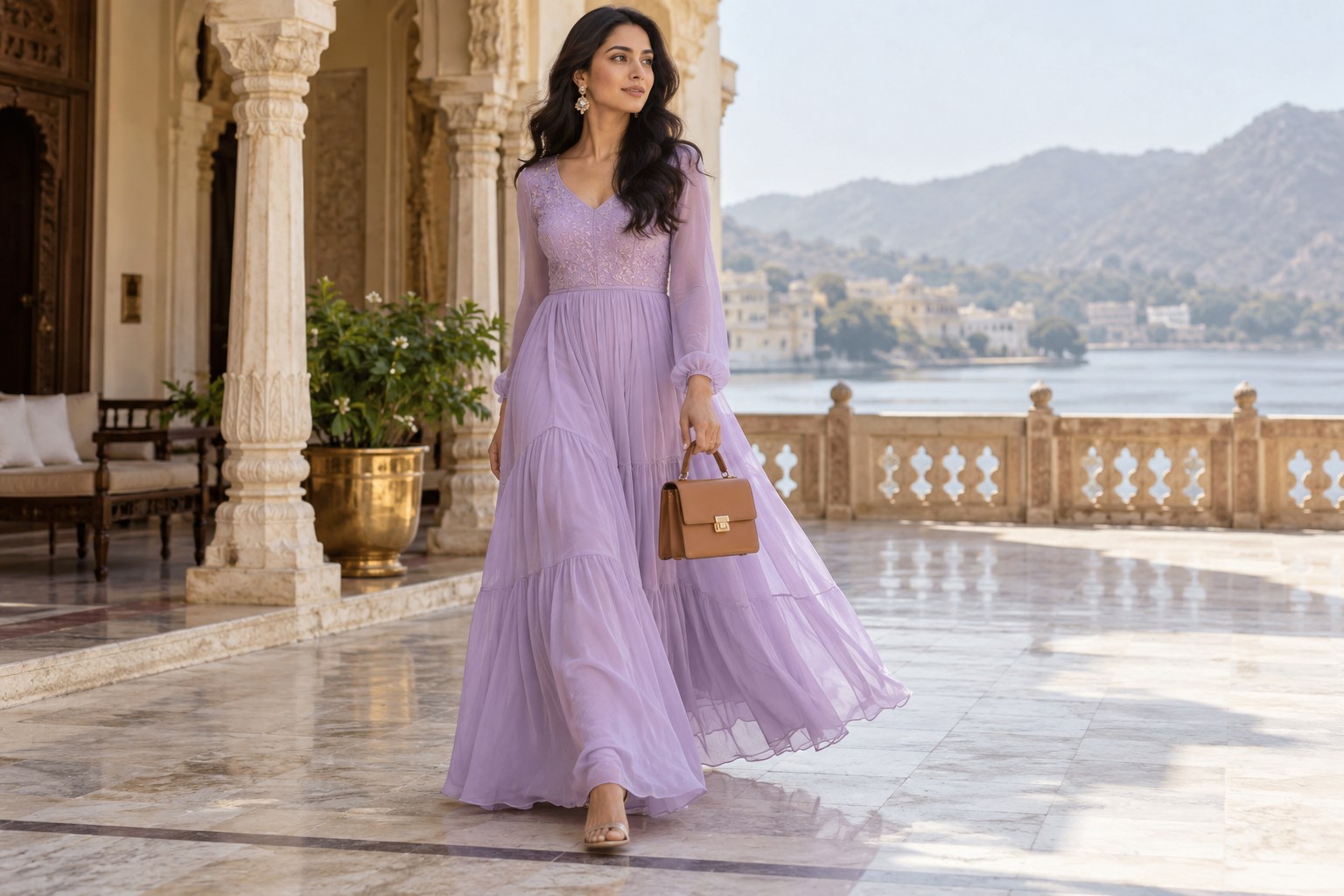
Use the outline of a structured bag to contrast with flowing clothes, while checking where its corners and handle meet the fabric.
Shoes & bags
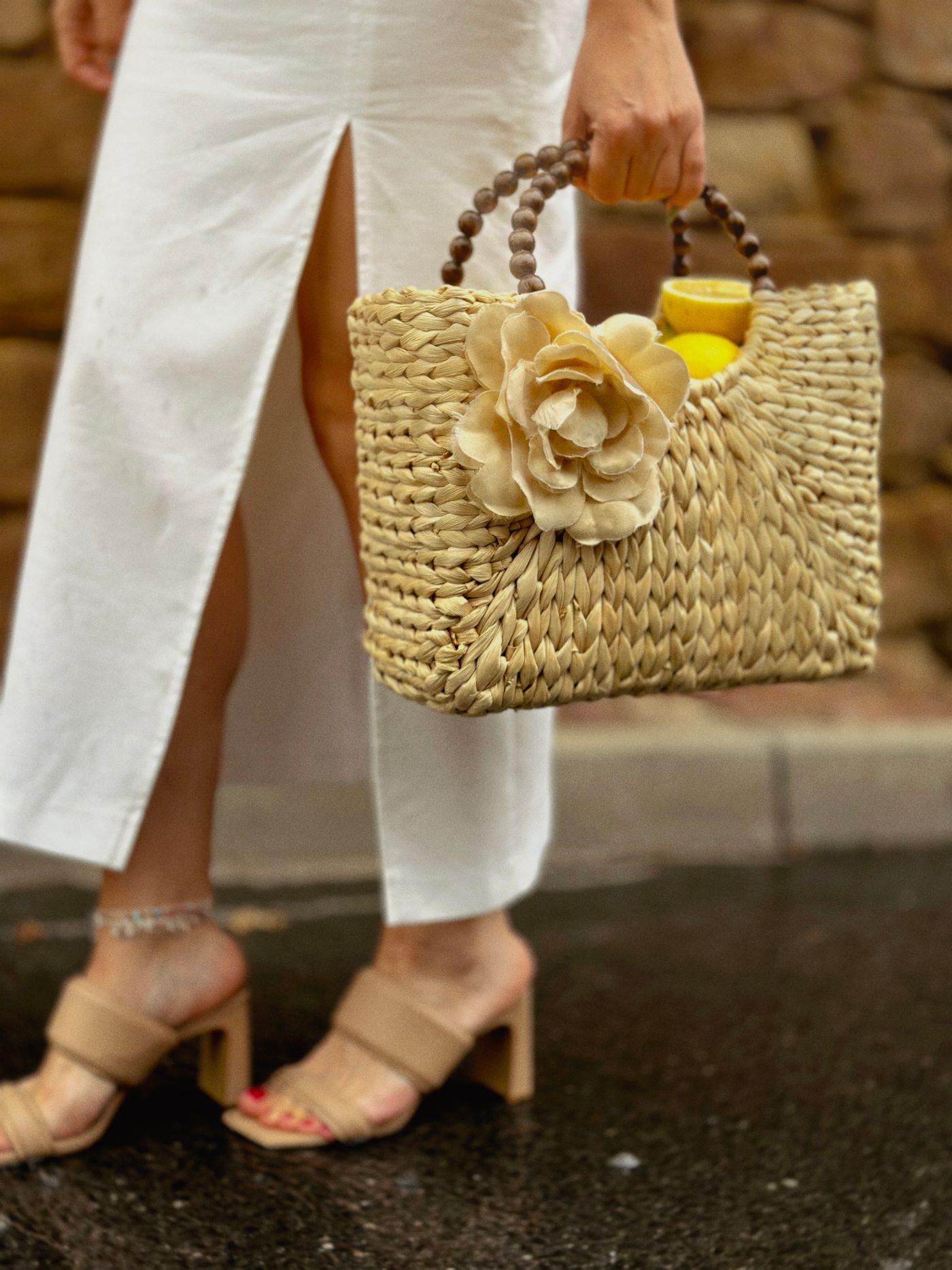
Bring a woven bag into city outfits by pairing its surface with deliberate clothing shapes and checking how the bag behaves in daily use.
Shoes & bags
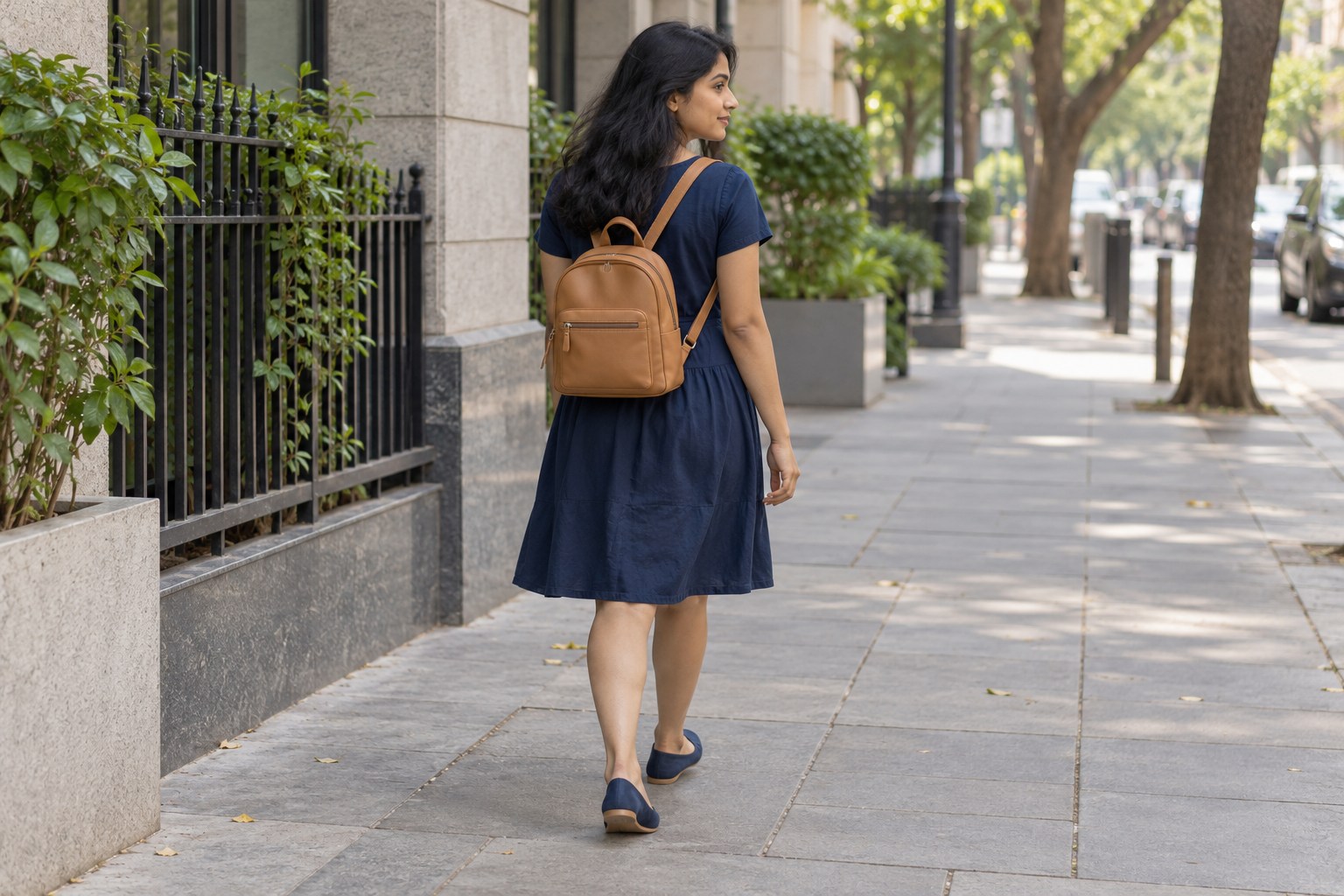
Choose a commuting backpack by its loaded fit, its contact with the dress and the things you need to reach along the way.

Shoes & bags
Let a bright handbag supply the strongest colour, then choose quieter clothing colours that still feel like your wardrobe.

Shoes & bags
Choose a clutch by its relationship to the embroidery, the way you will hold it and the contents that must fit inside.
Shoes & bags
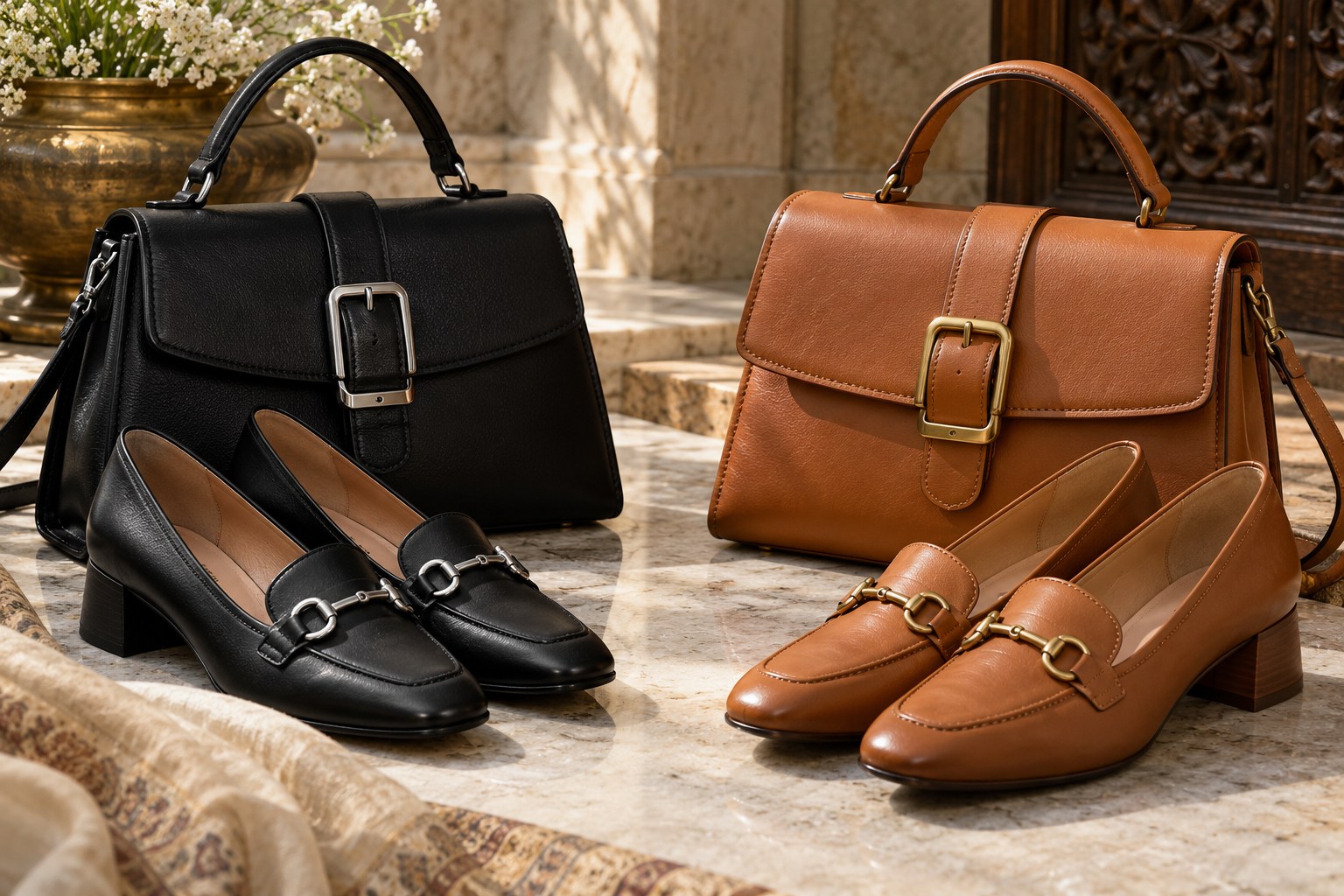
Coordinate shoe and bag hardware by repeating a finish where it helps, without treating mixed metals as a mistake.
Shoes & bags
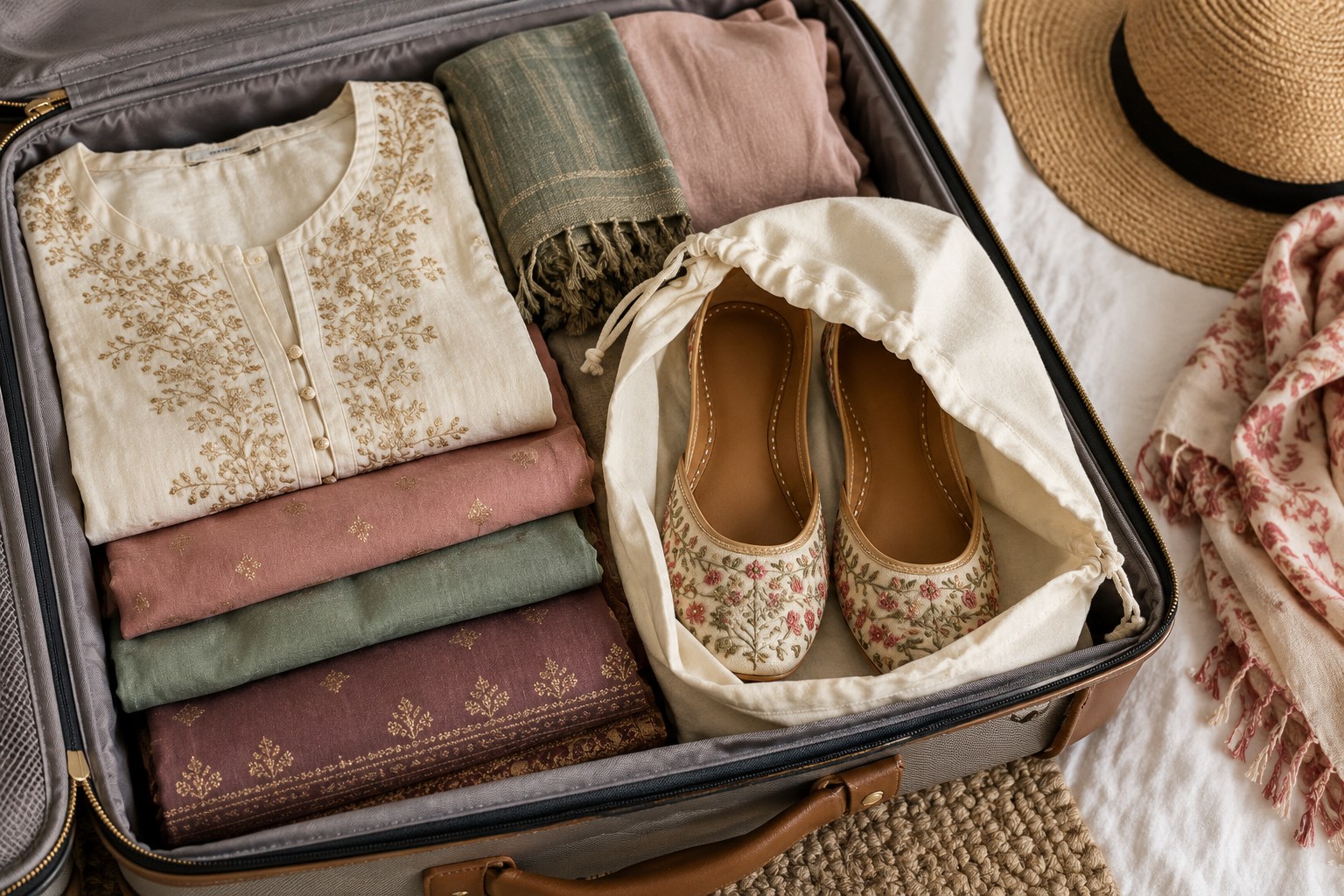
Separate spare shoes from clothing and give their shape a defined place in the bag, especially when the pair has already been worn.
Shoes & bags
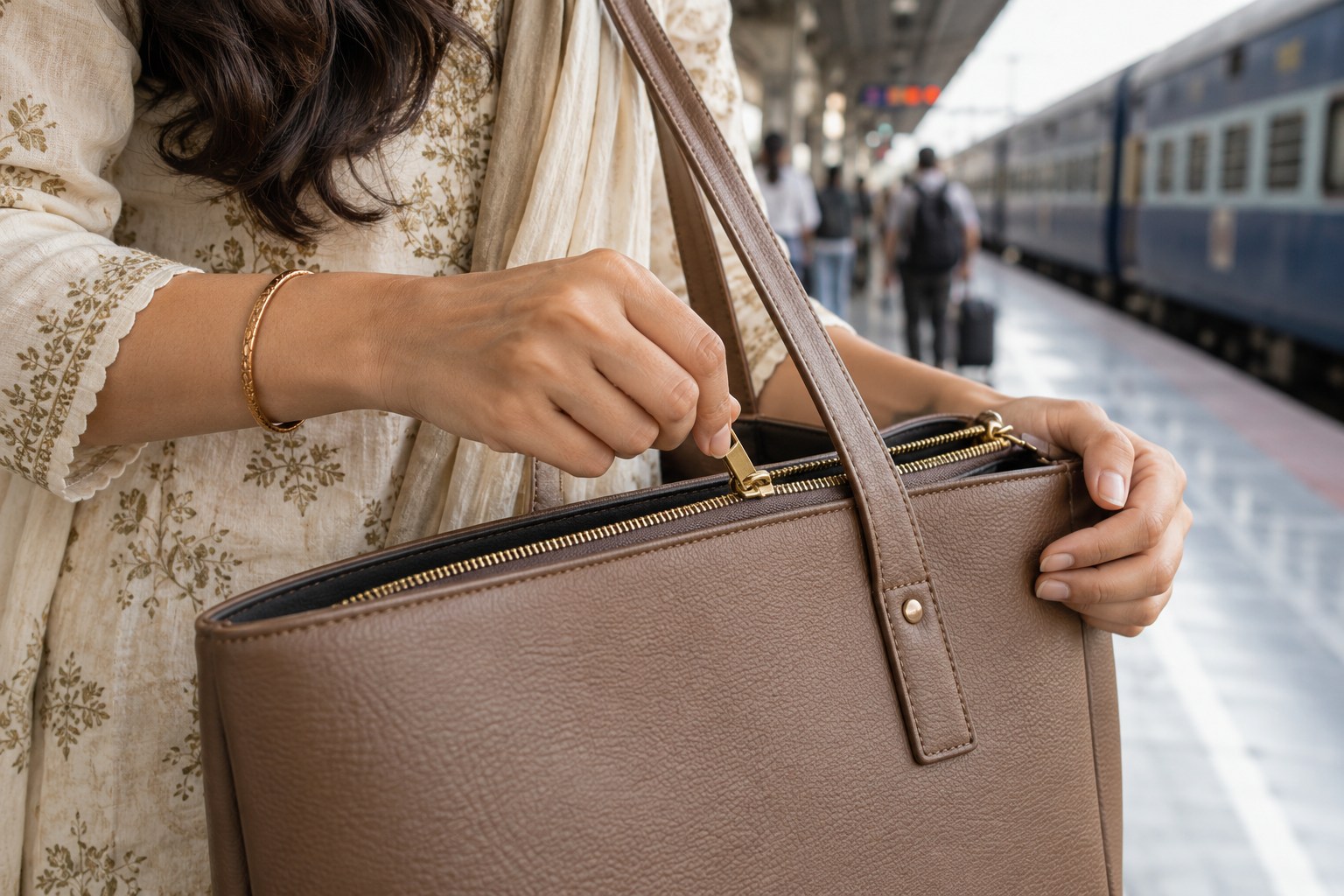
Compare tote closures through the way you pack, carry and open the bag, rather than relying on its appearance when empty.
Shoes & bags
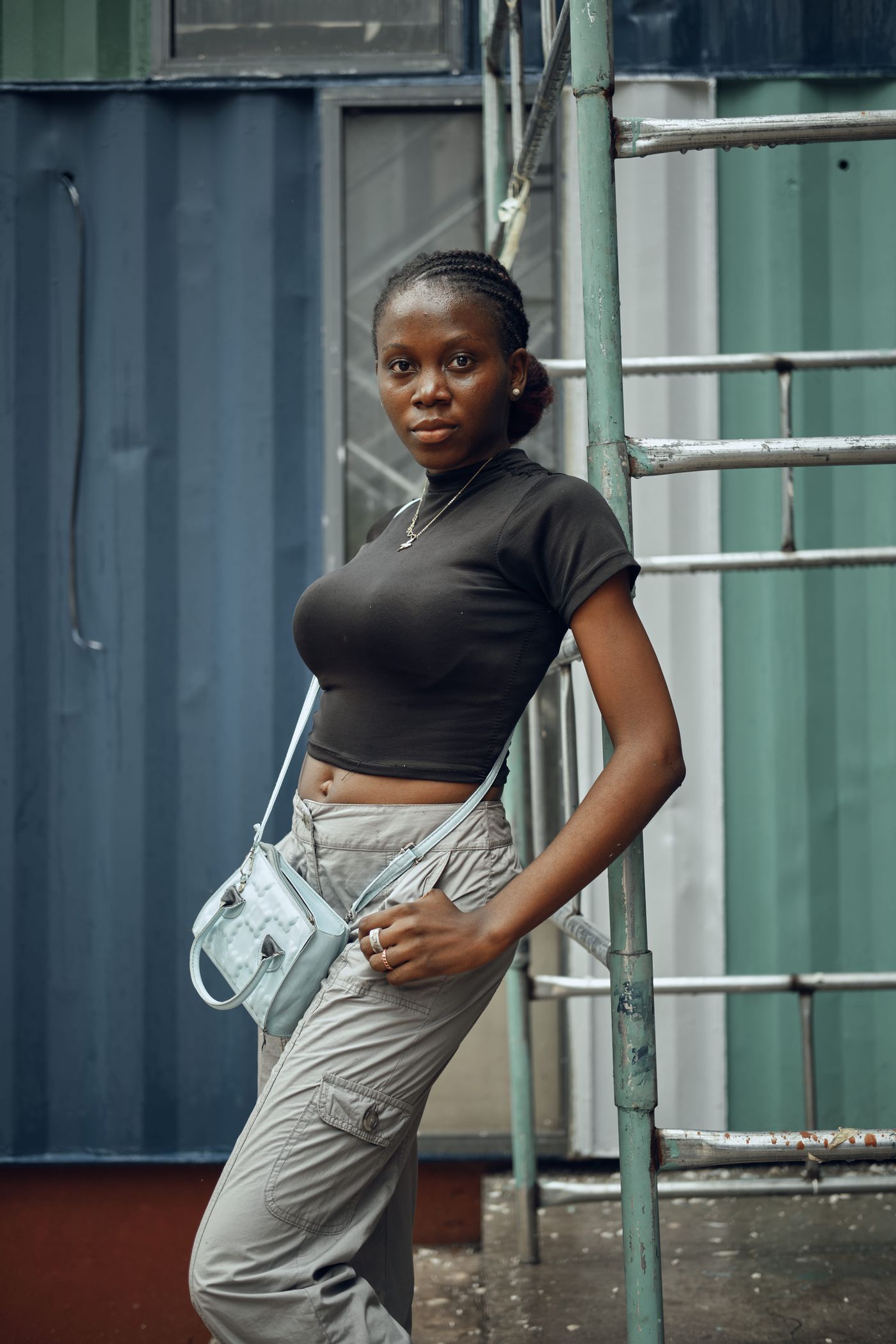
Treat a small bag beside an oversized outfit as a deliberate change of scale, then check its carrying position and capacity.
Shoes & bags
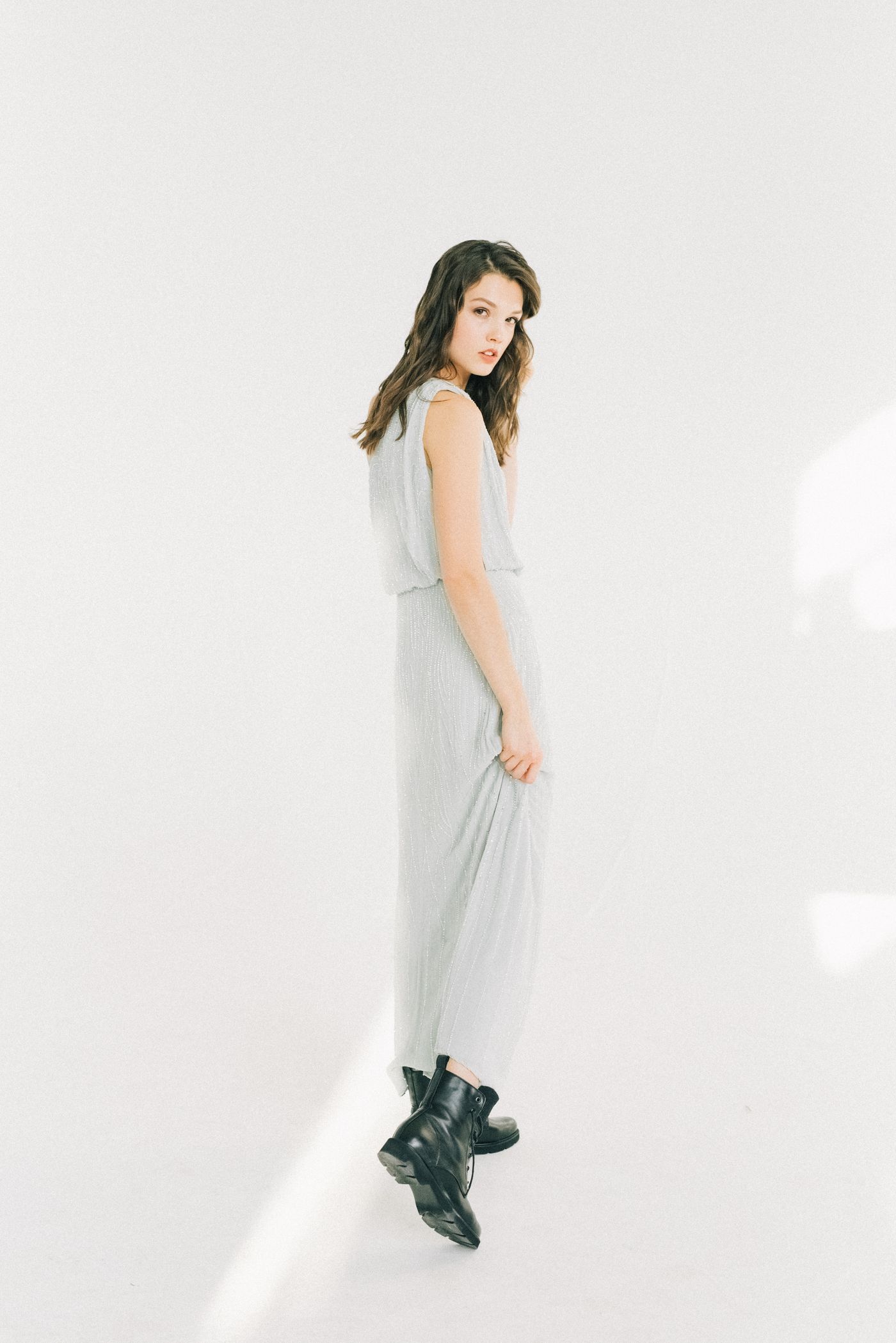
Choose the relationship between a long dress hem and an ankle boot before deciding on colour or heel height.
Shoes & bags
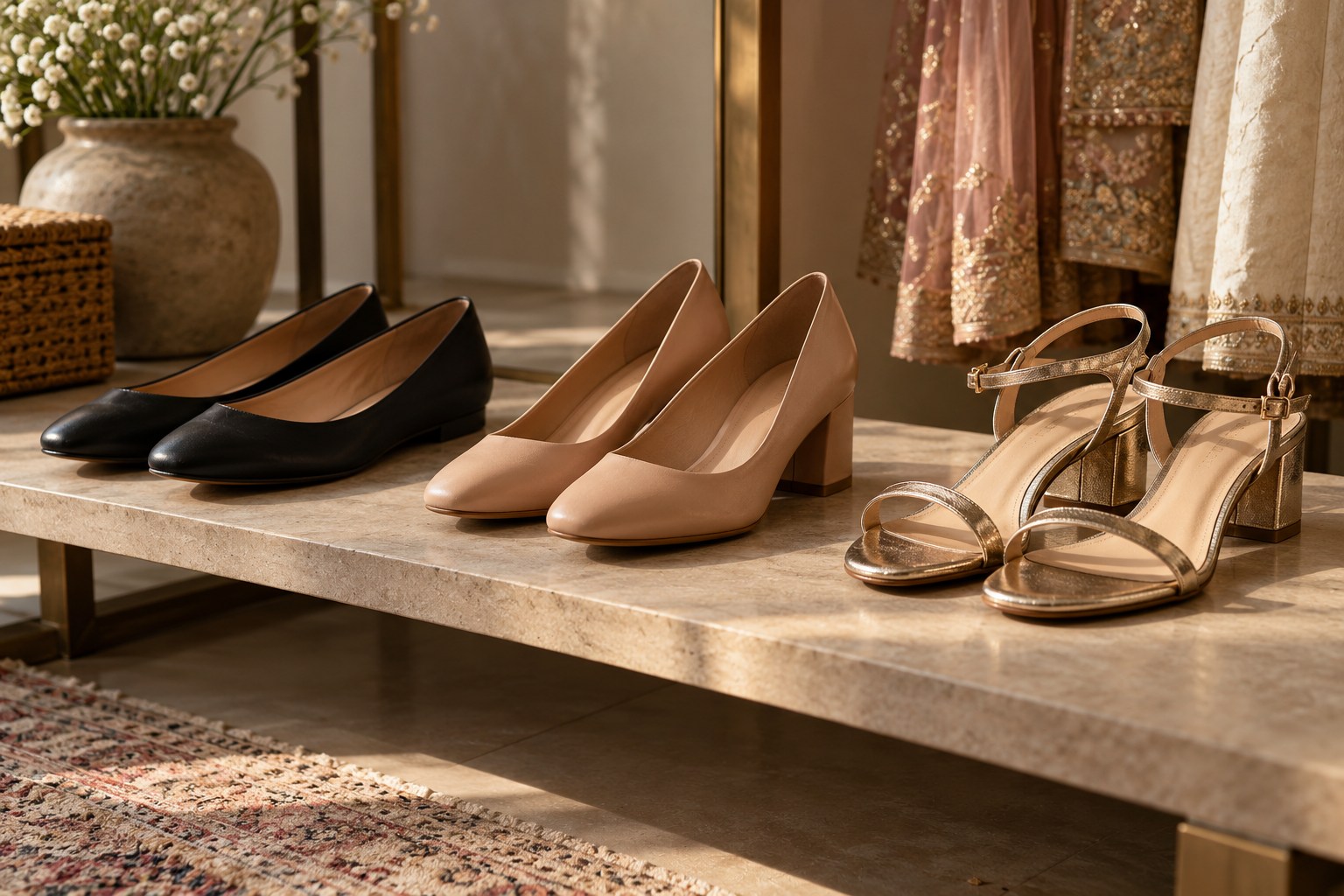
Build a small occasion shoe selection around the events and surfaces you actually encounter, with enough variety to cover different hems and levels of formality.
Jewellery & finishing
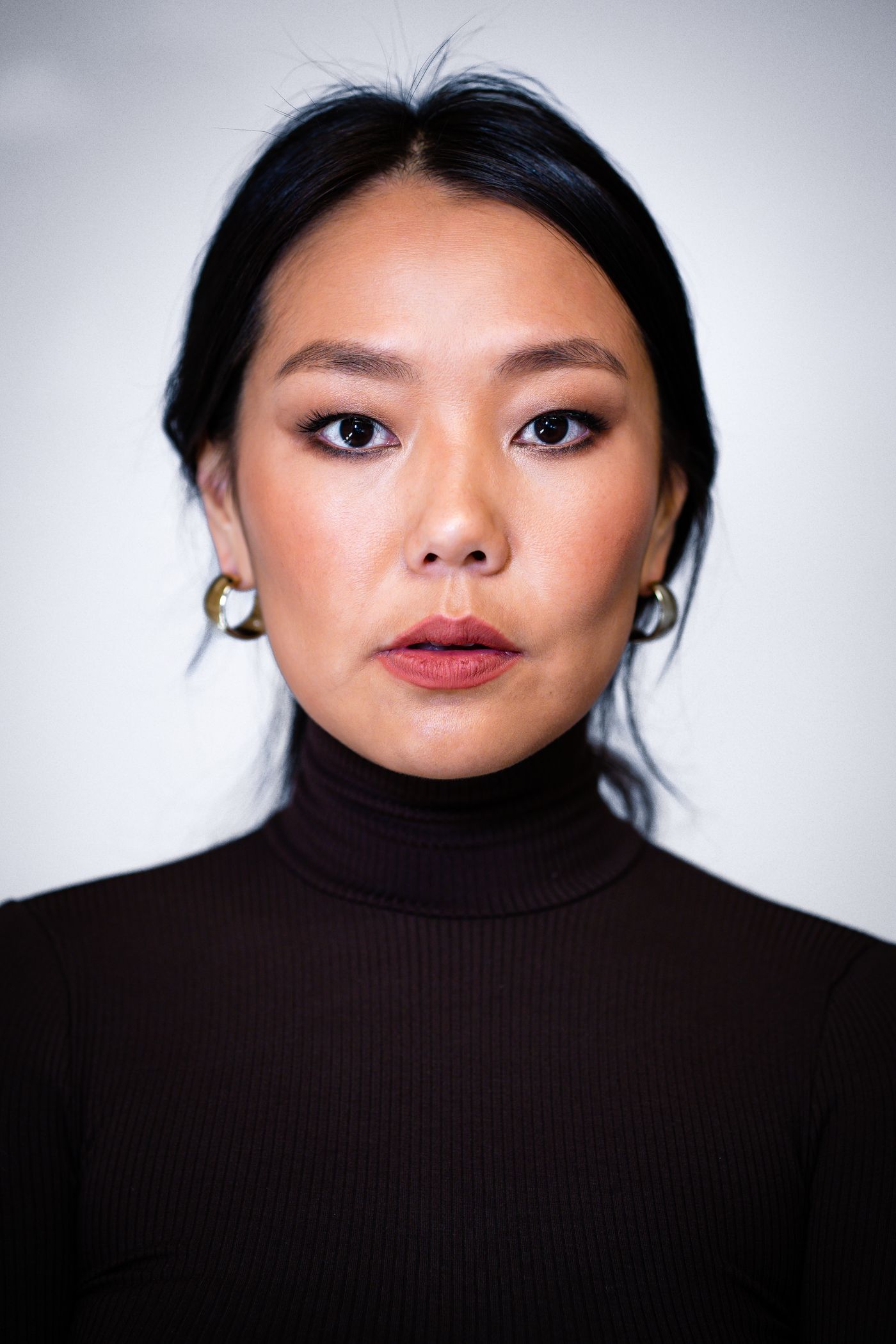
Choose earrings alongside the actual height and texture of the blouse collar, leaving room for movement near the jaw and shoulders.
Jewellery & finishing
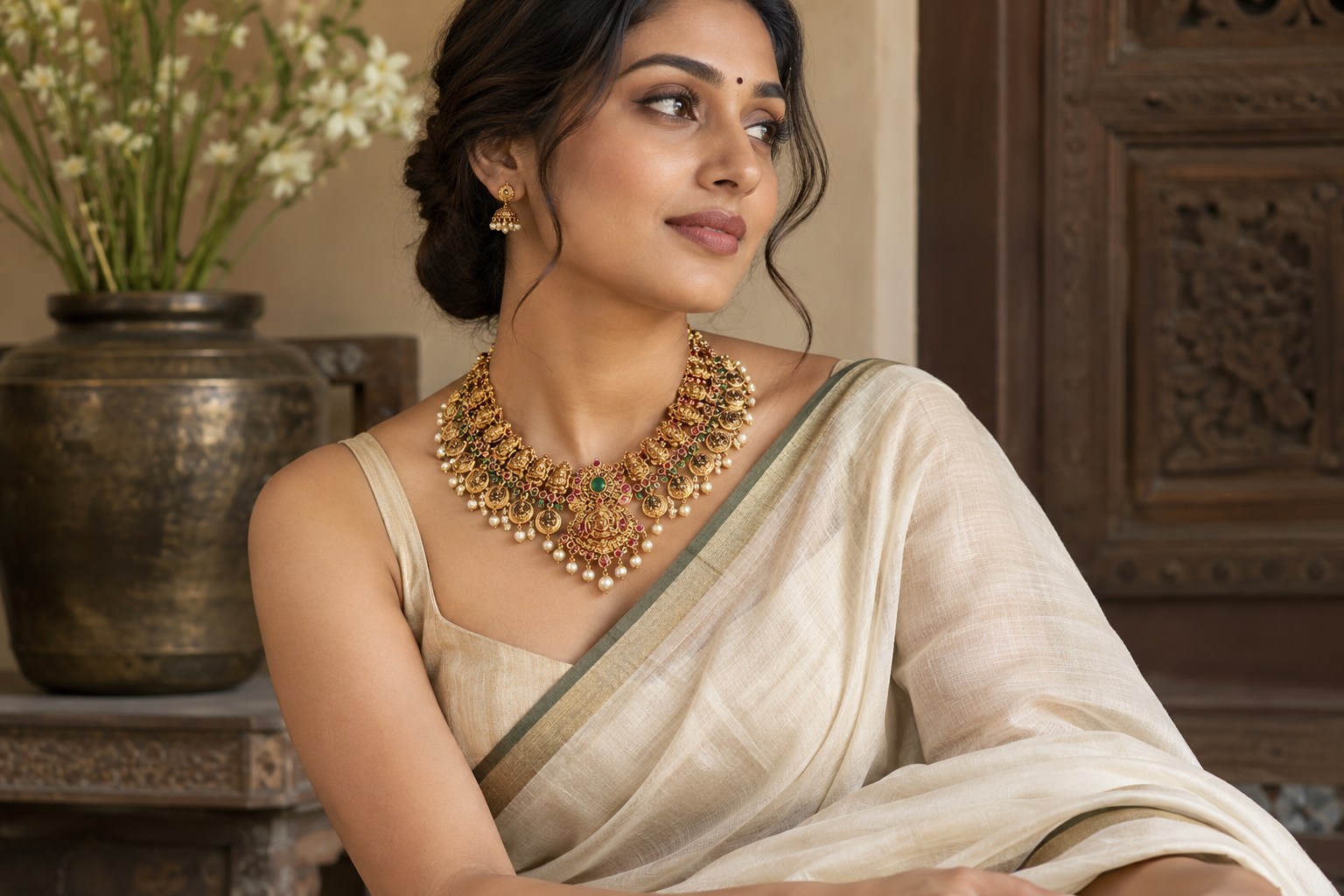
Place a statement necklace against the saree as it will be draped, then decide whether it should echo the border or stand apart from it.
Jewellery & finishing
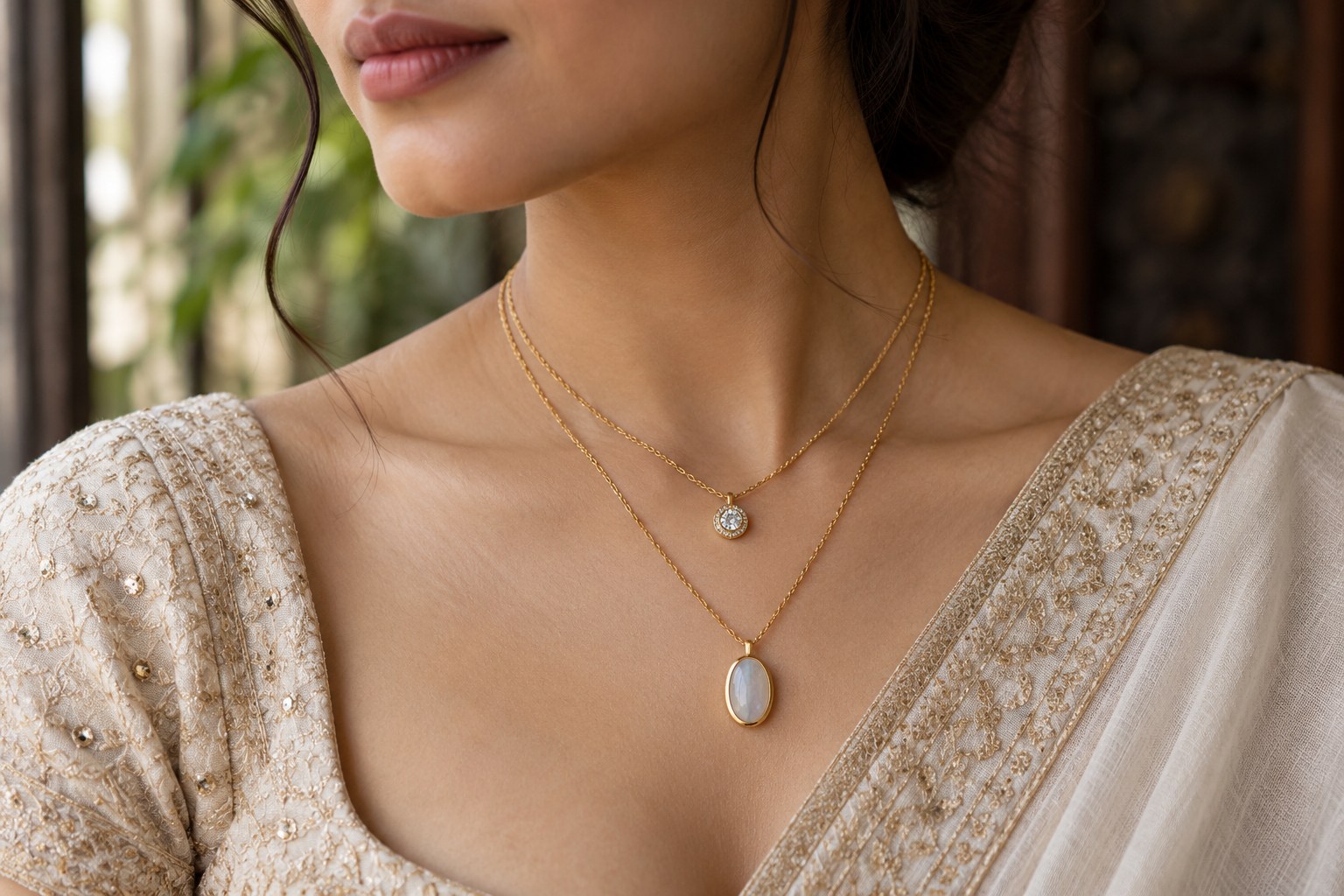
Give two necklaces distinct positions, then check their movement and clasps so both pieces remain visible during wear.
Jewellery & finishing
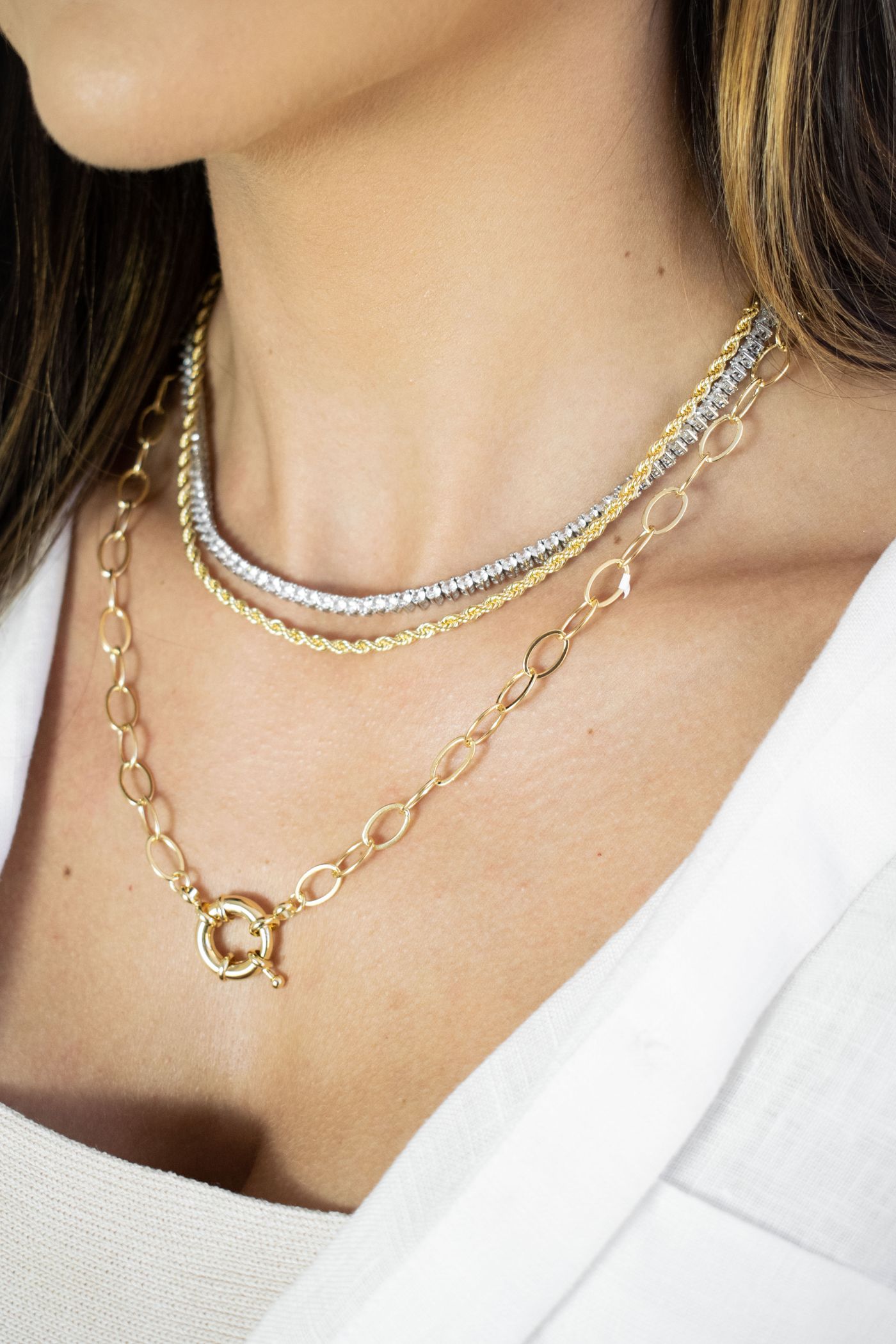
Mix metal tones by giving each a visible role, using repetition only where it helps the outfit feel connected.
Jewellery & finishing
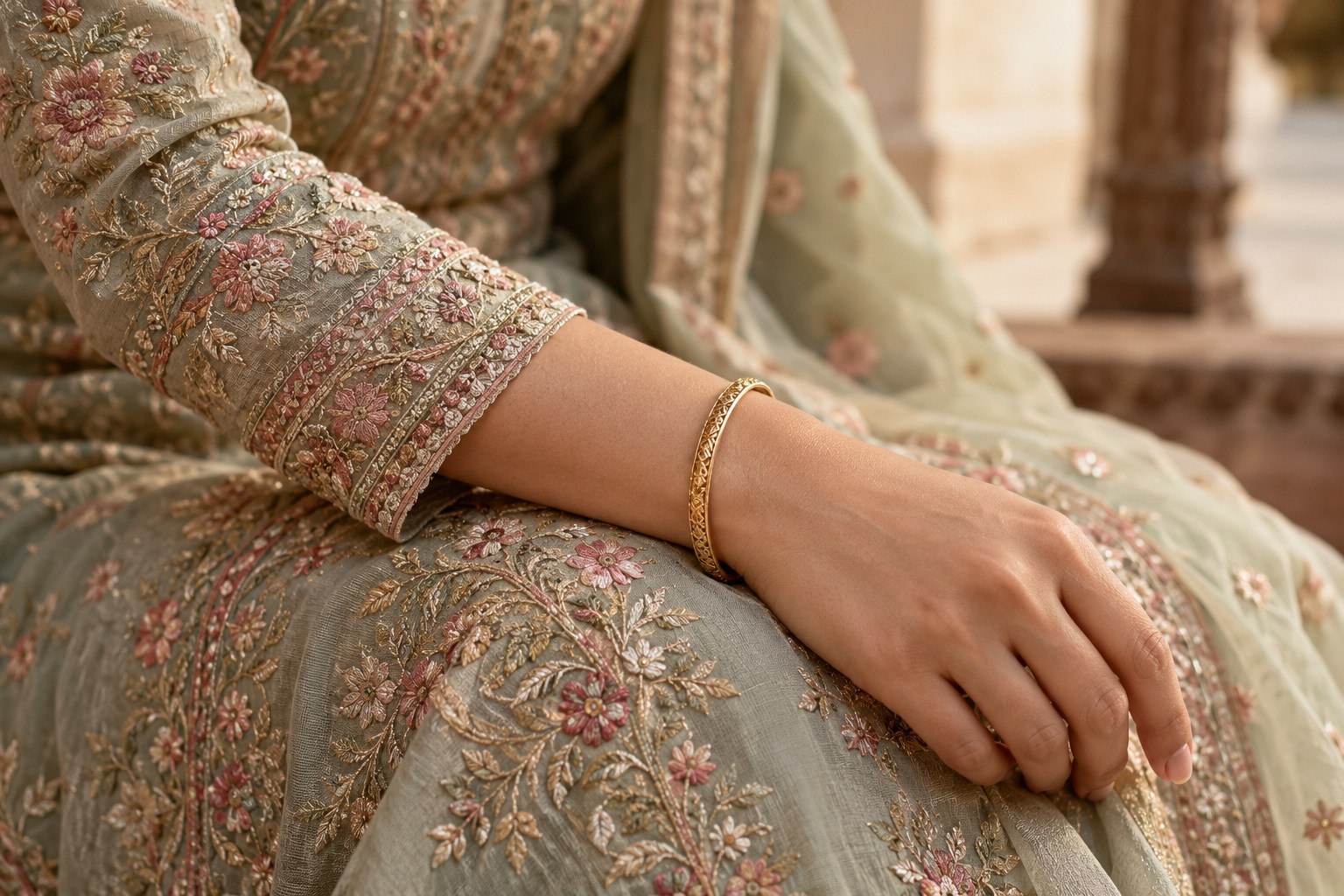
Choose bangles with the sleeve's length, cuff width and decoration in view, then test how the two move together.
Jewellery & finishing
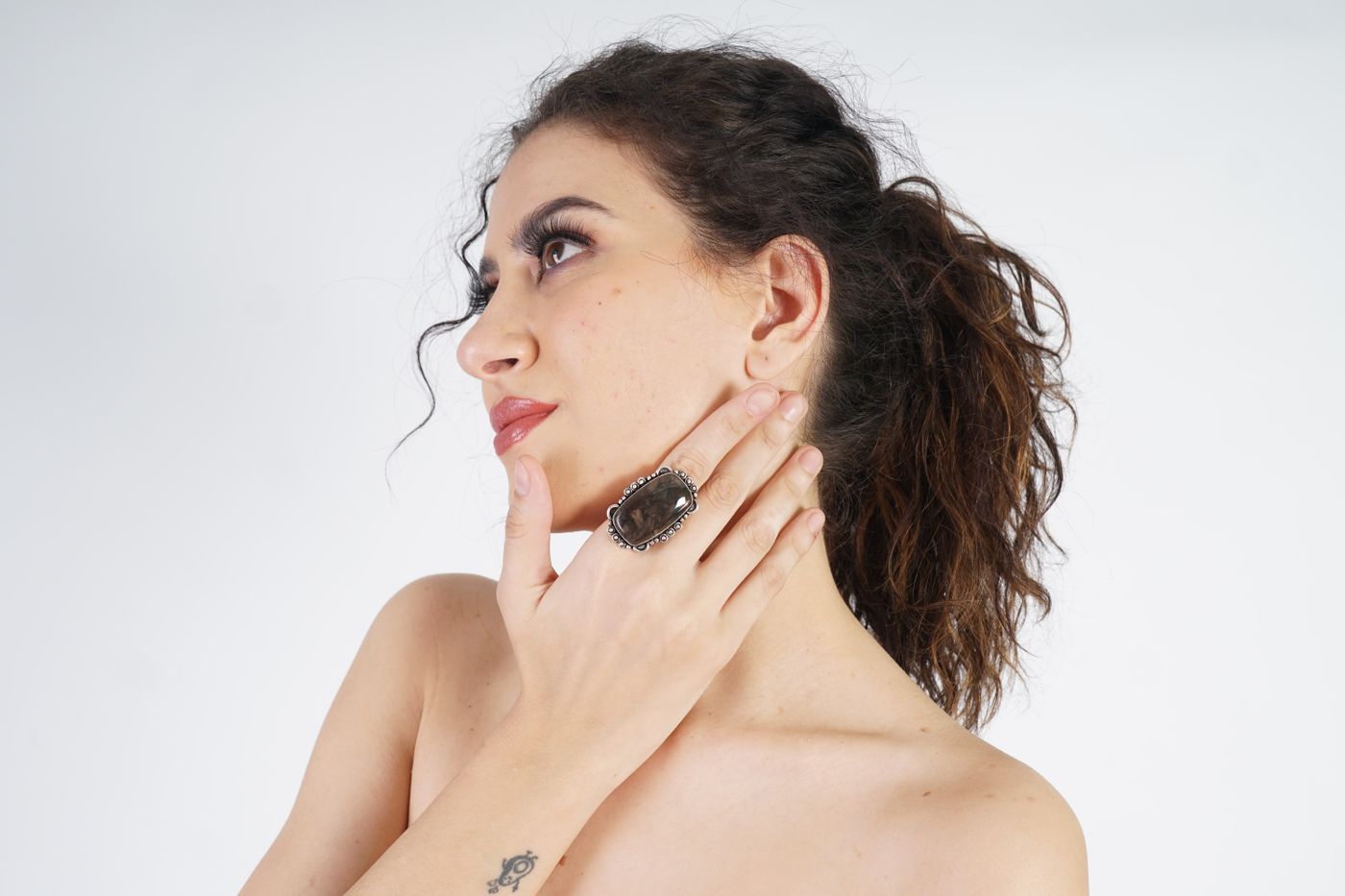
Give a large ring room to be noticed by choosing which other accessories genuinely add to the outfit.
Jewellery & finishing
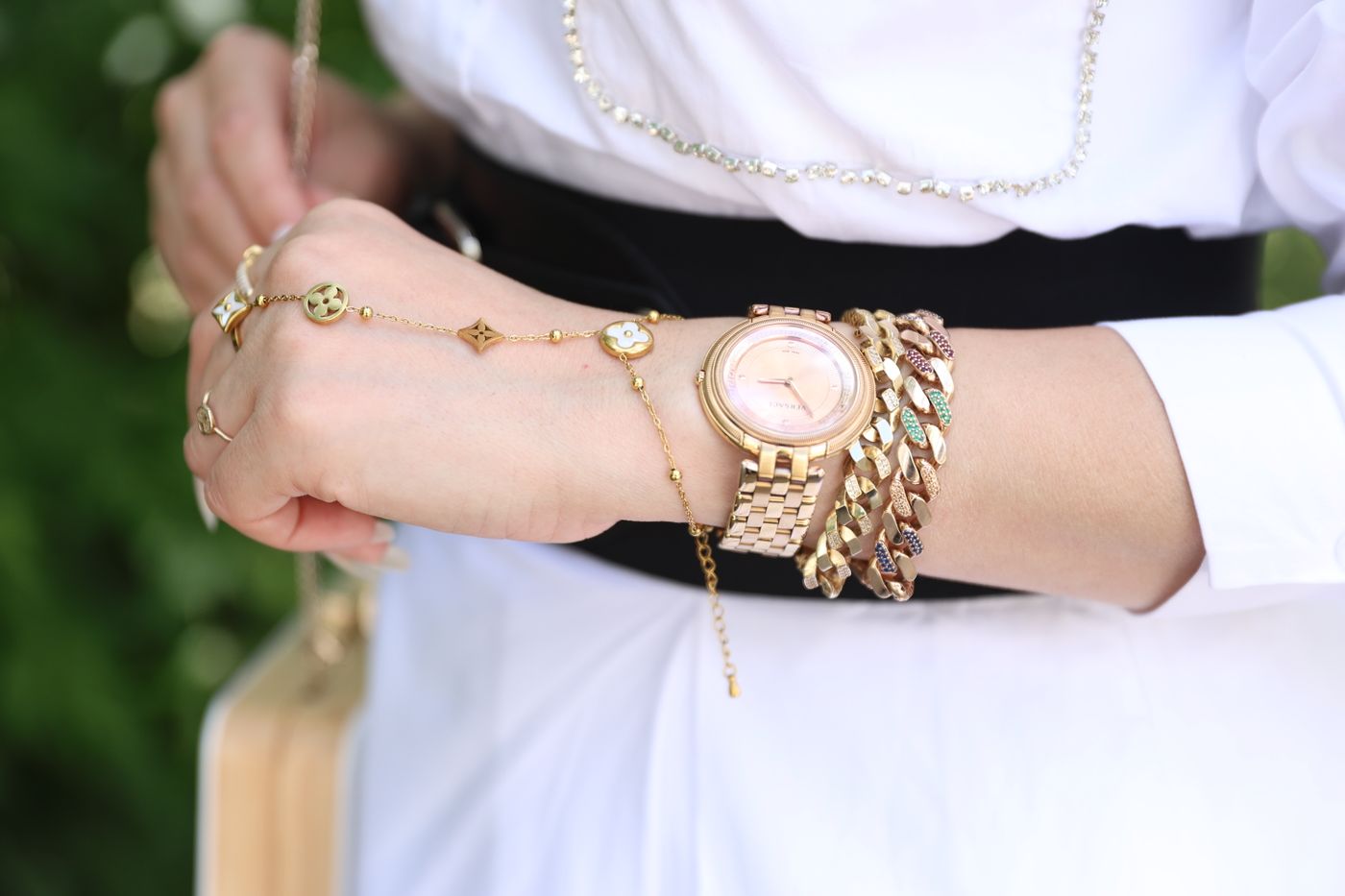
Place a bracelet beside a watch only after checking their movement, contact and the space left by the sleeve.
Jewellery & finishing
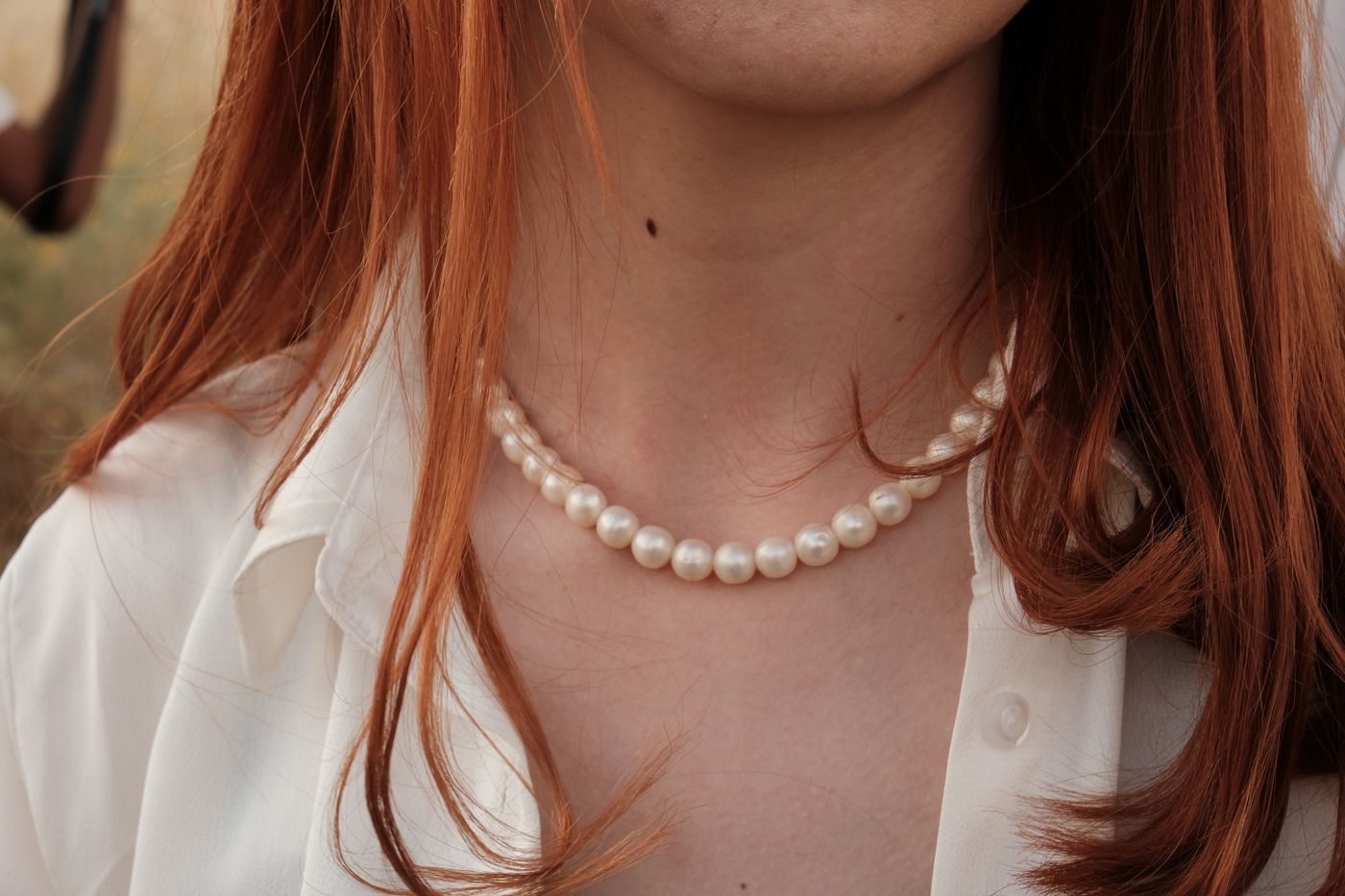
Pair pearl jewellery with a cotton shirt by choosing the neckline opening and the scale of the pearls, rather than treating them as occasion-only accessories.
Jewellery & finishing
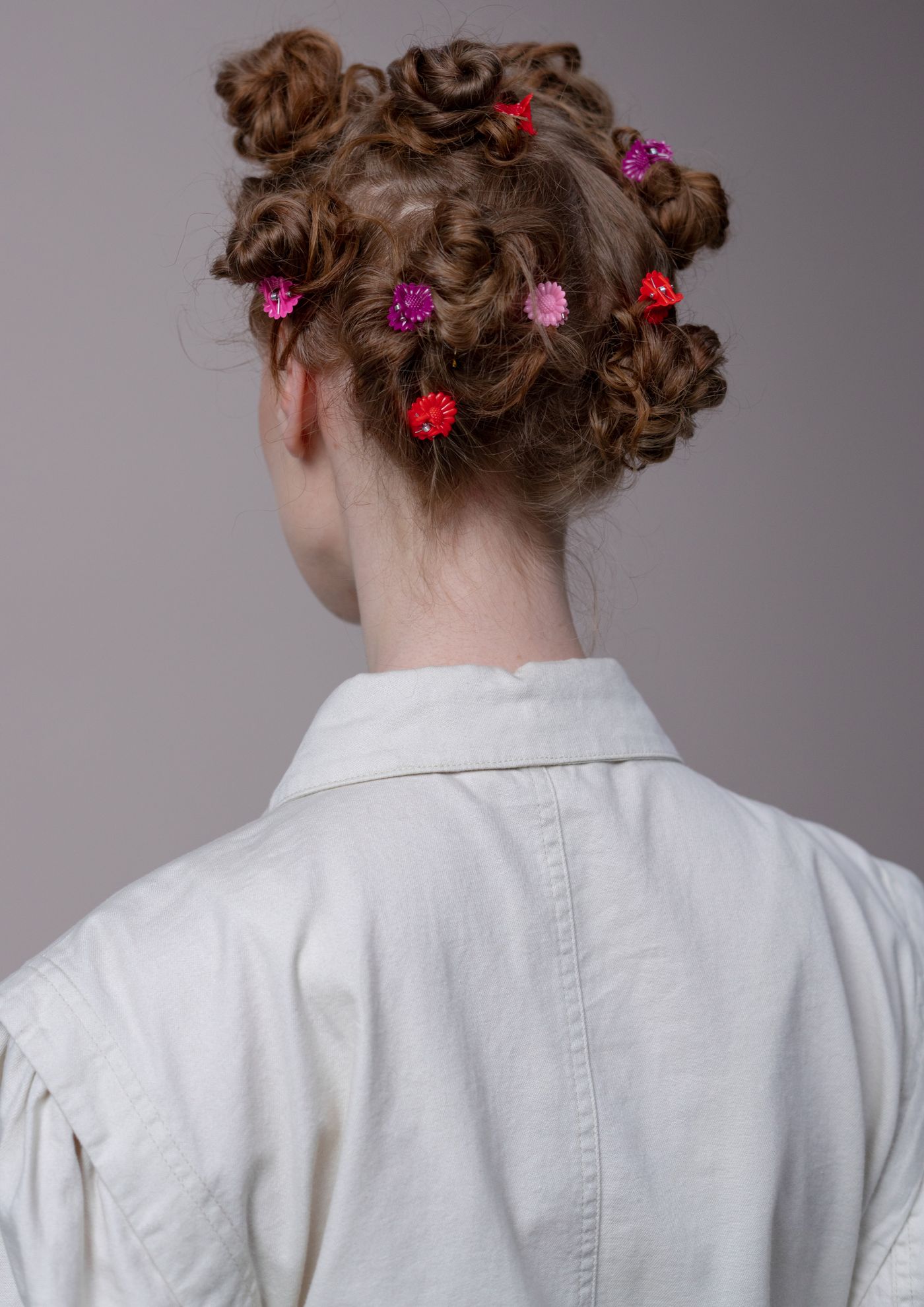
Choose a hair accessory after considering the neckline, hairstyle and amount of detail already close to the face.
Jewellery & finishing
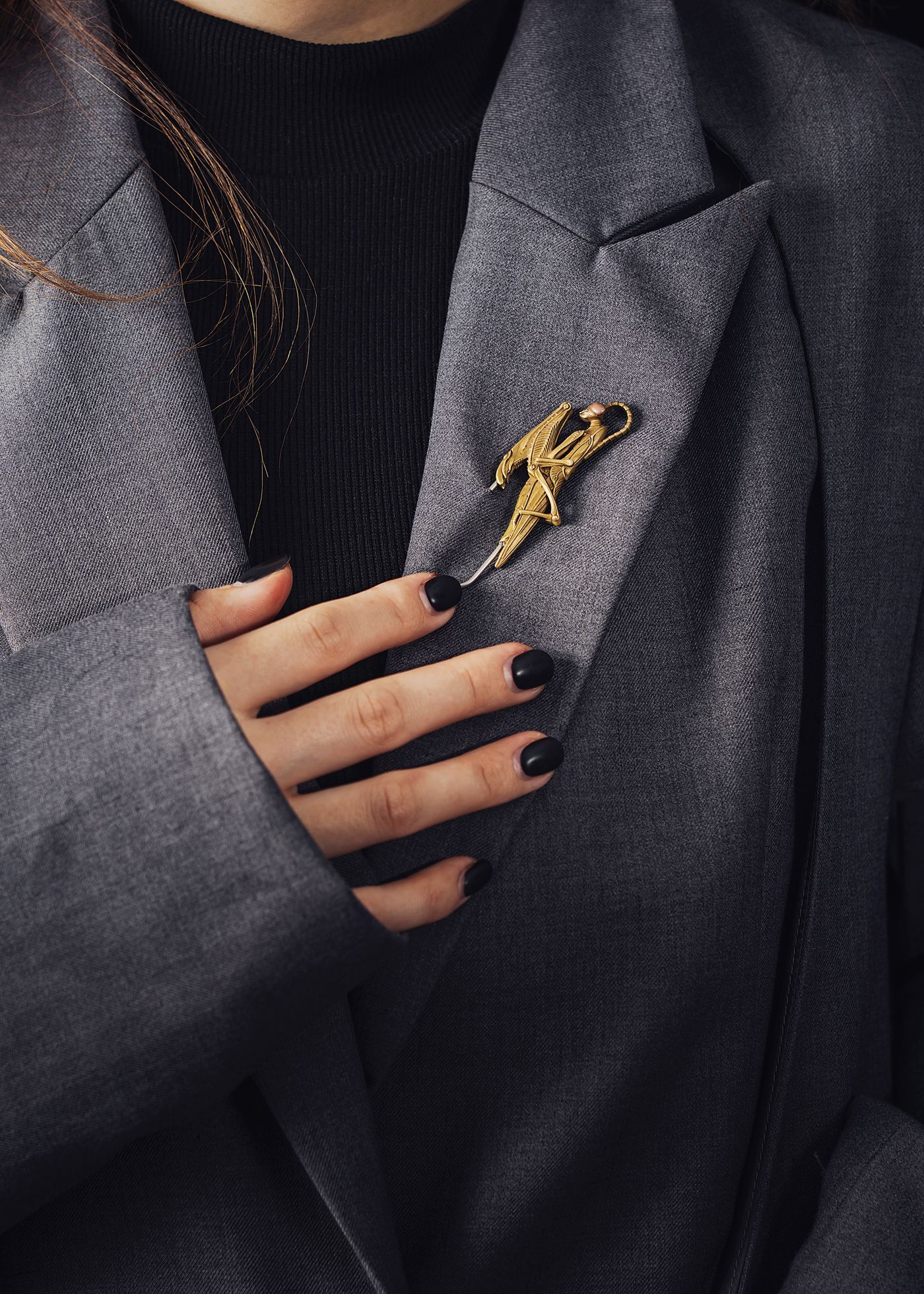
Place a brooch where the jacket can support it, then use its position to change the direction of attention across a plain garment.
Jewellery & finishing
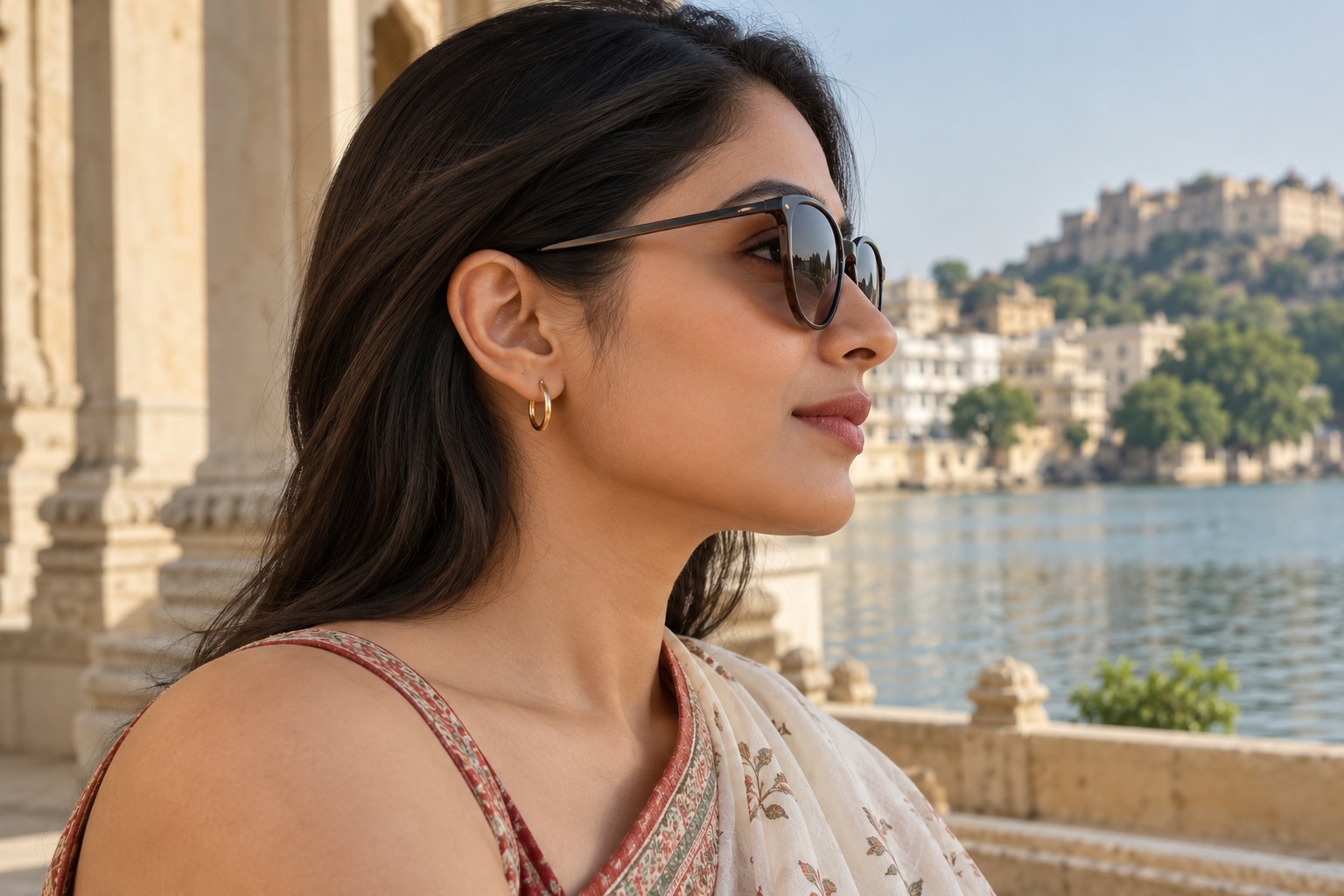
Try sunglasses with the earrings and hairstyle you will wear, checking contact at the temples and behind the ears as well as appearance.
Jewellery & finishing
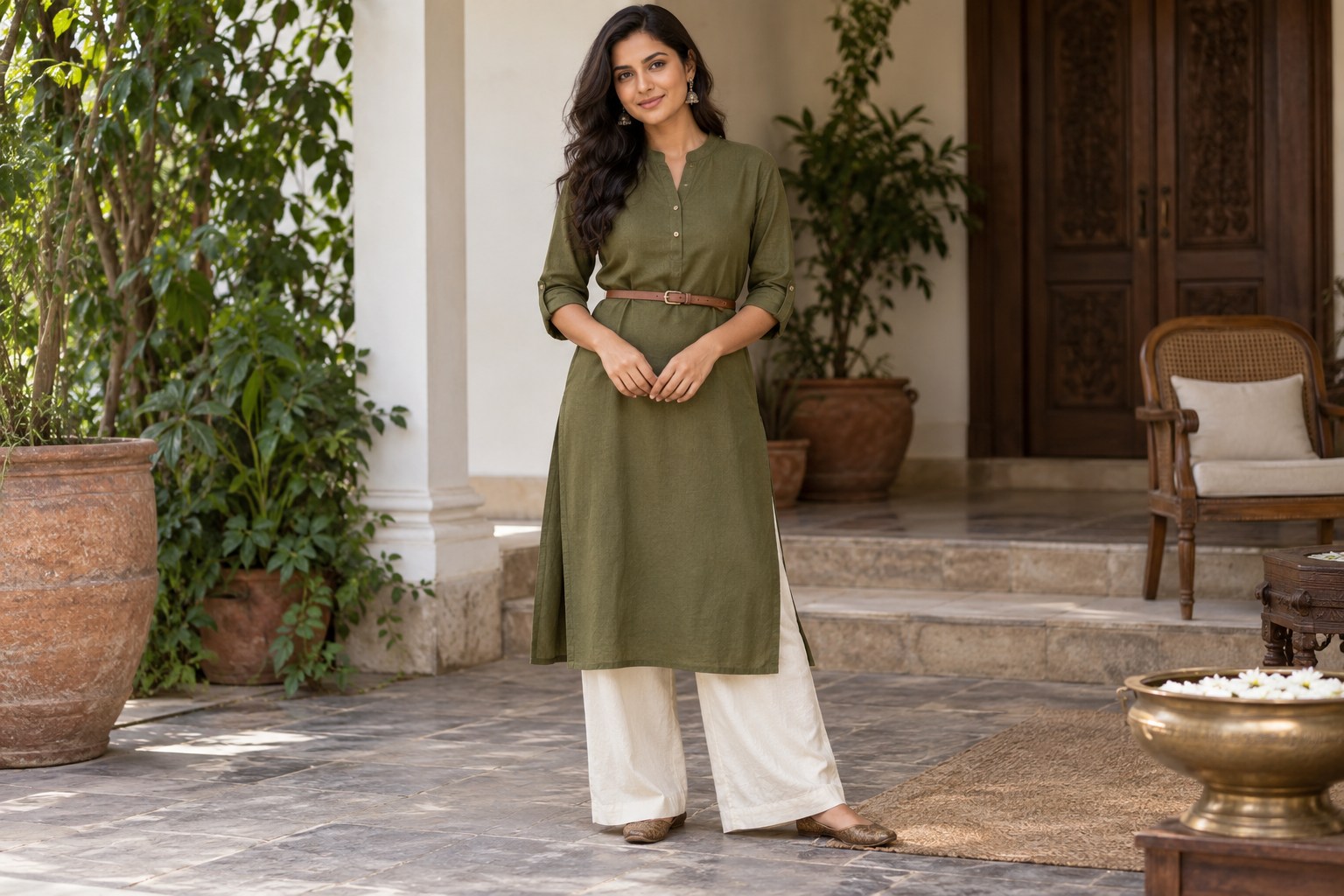
Try a narrow belt as a removable change to a kurta's shape, checking the fabric below it and the room needed for movement.
Jewellery & finishing
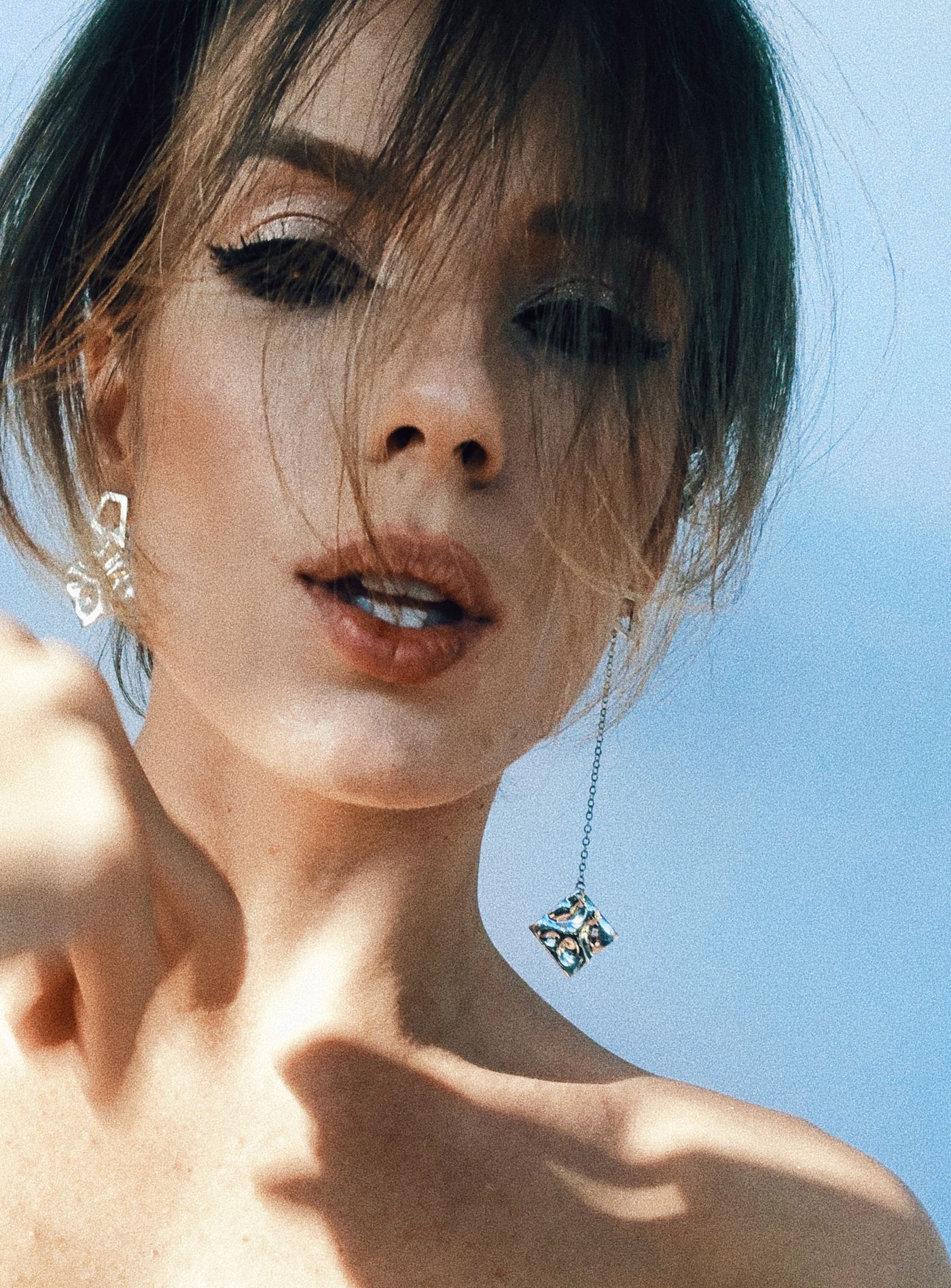
Compare earrings with the hairstyle you intend to wear, because visibility, contact and movement change when hair is loose or tied back.
Jewellery & finishing
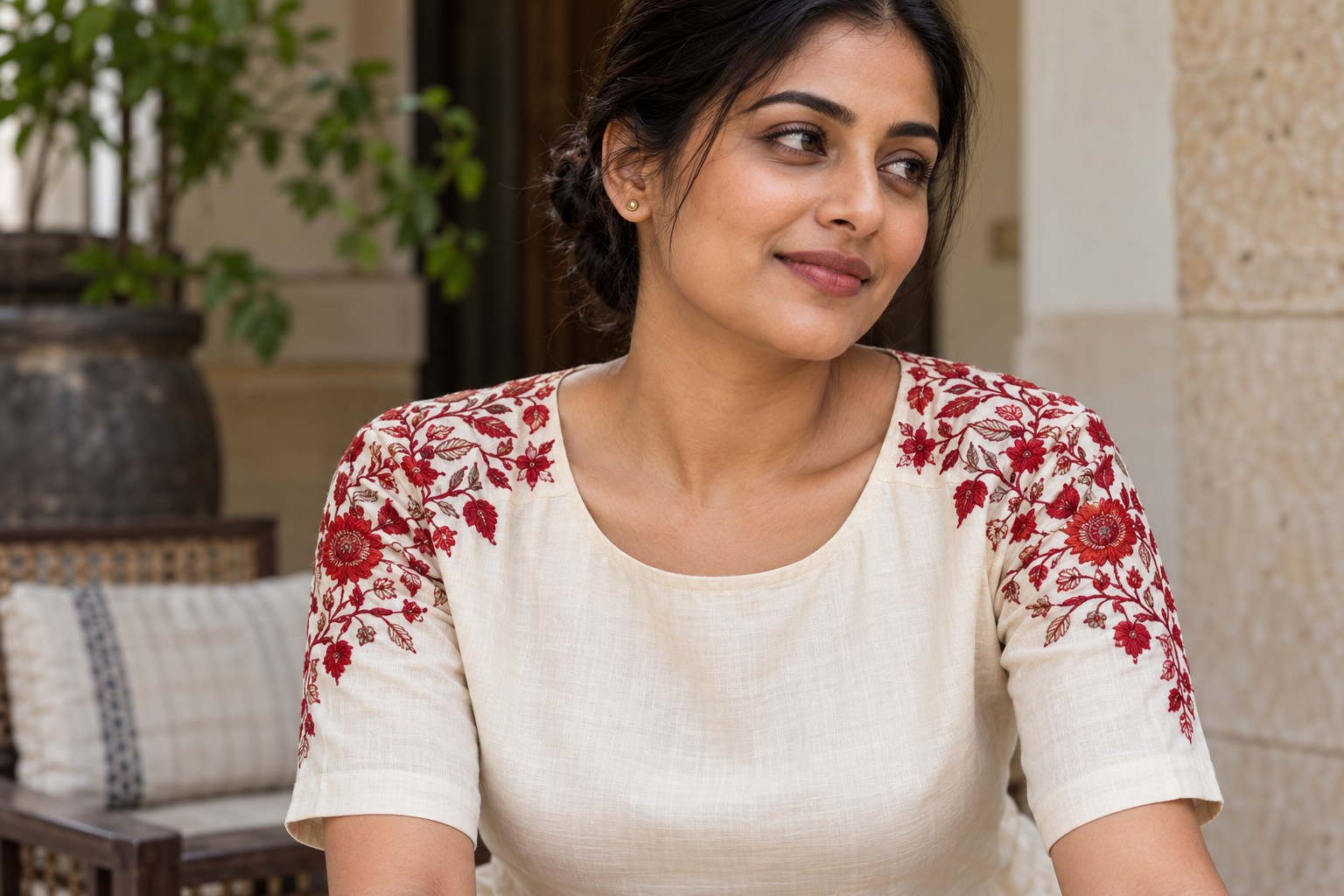
Leave embroidered shoulders visible by choosing jewellery that occupies a different part of the outfit or repeats only one detail.
Jewellery & finishing
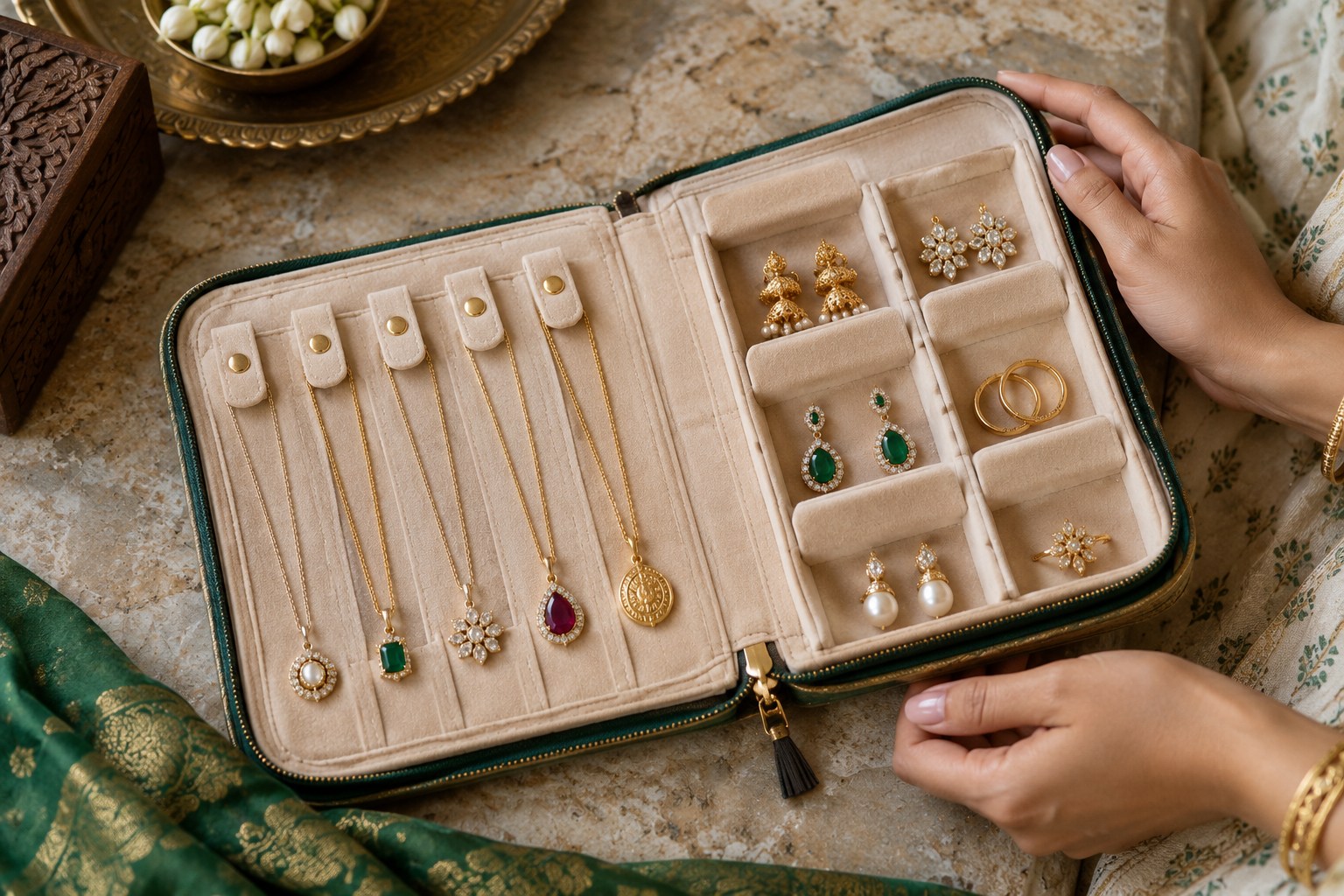
Pack delicate necklaces separately, with their closures secured and enough support that chains and pendants do not move freely around one another.
Jewellery & finishing
Use accessories to change texture, scale or shine within a monochrome outfit, without assuming that every piece must be an exact colour match.

Jewellery & finishing
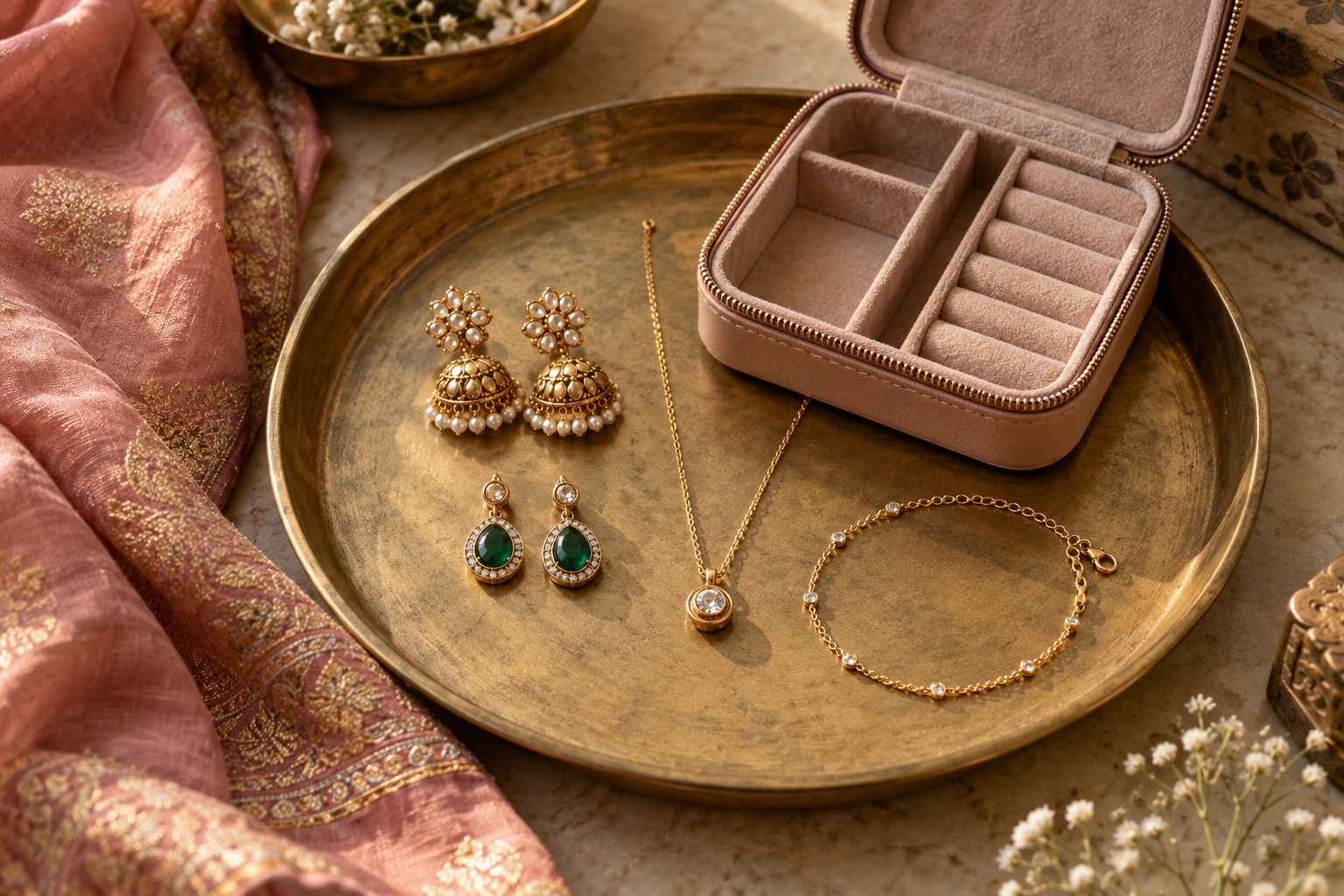
Choose one colour relationship between the stones and the print, then compare their scale and visibility in the whole outfit.
Jewellery & finishing
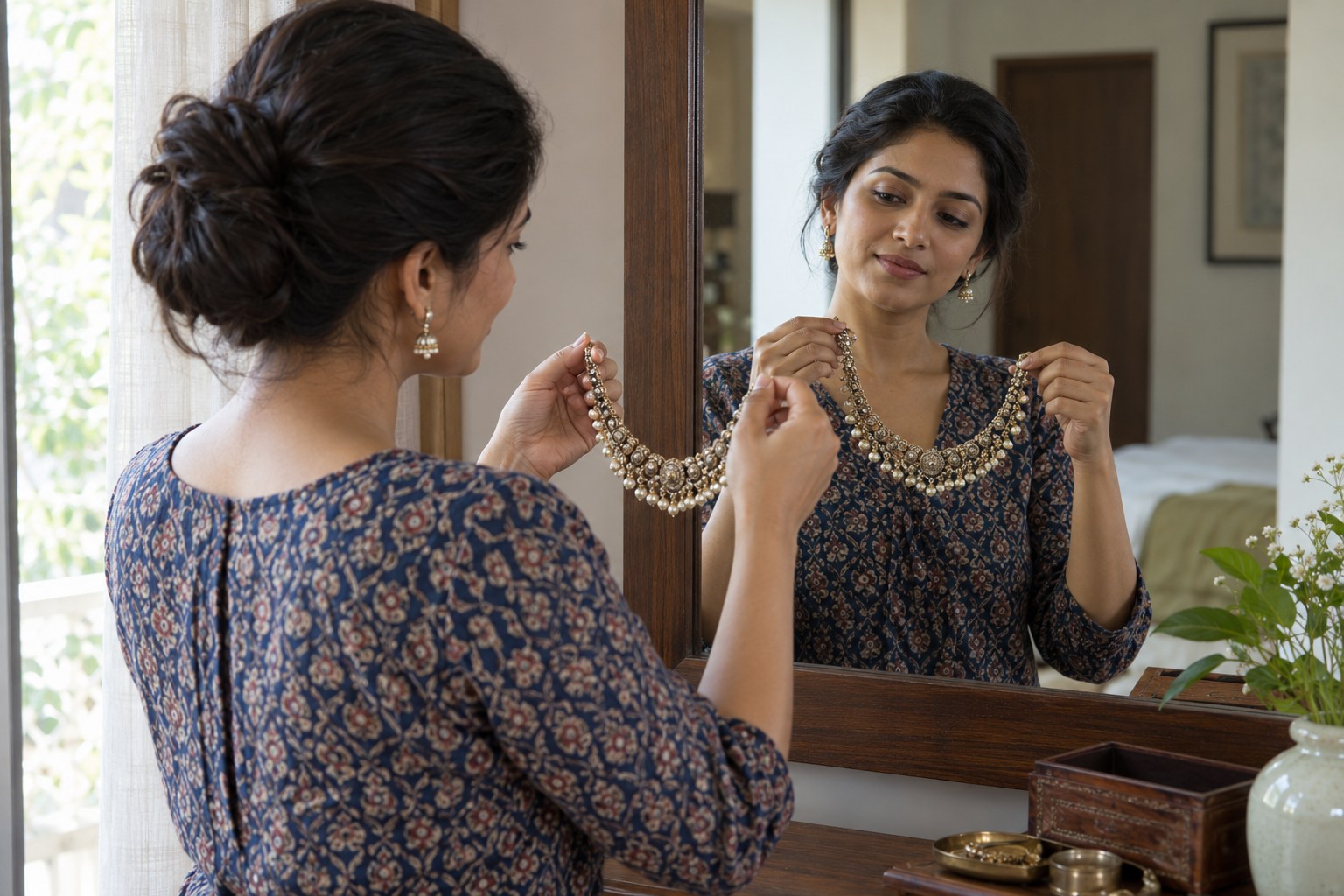
Choose travel jewellery by assigning pieces to the actual outfits and activities, then remove duplicates that do the same job.
Jewellery & finishing
Remove an accessory by identifying what it adds, what it competes with and whether the outfit works more clearly without it.
Wardrobe & care
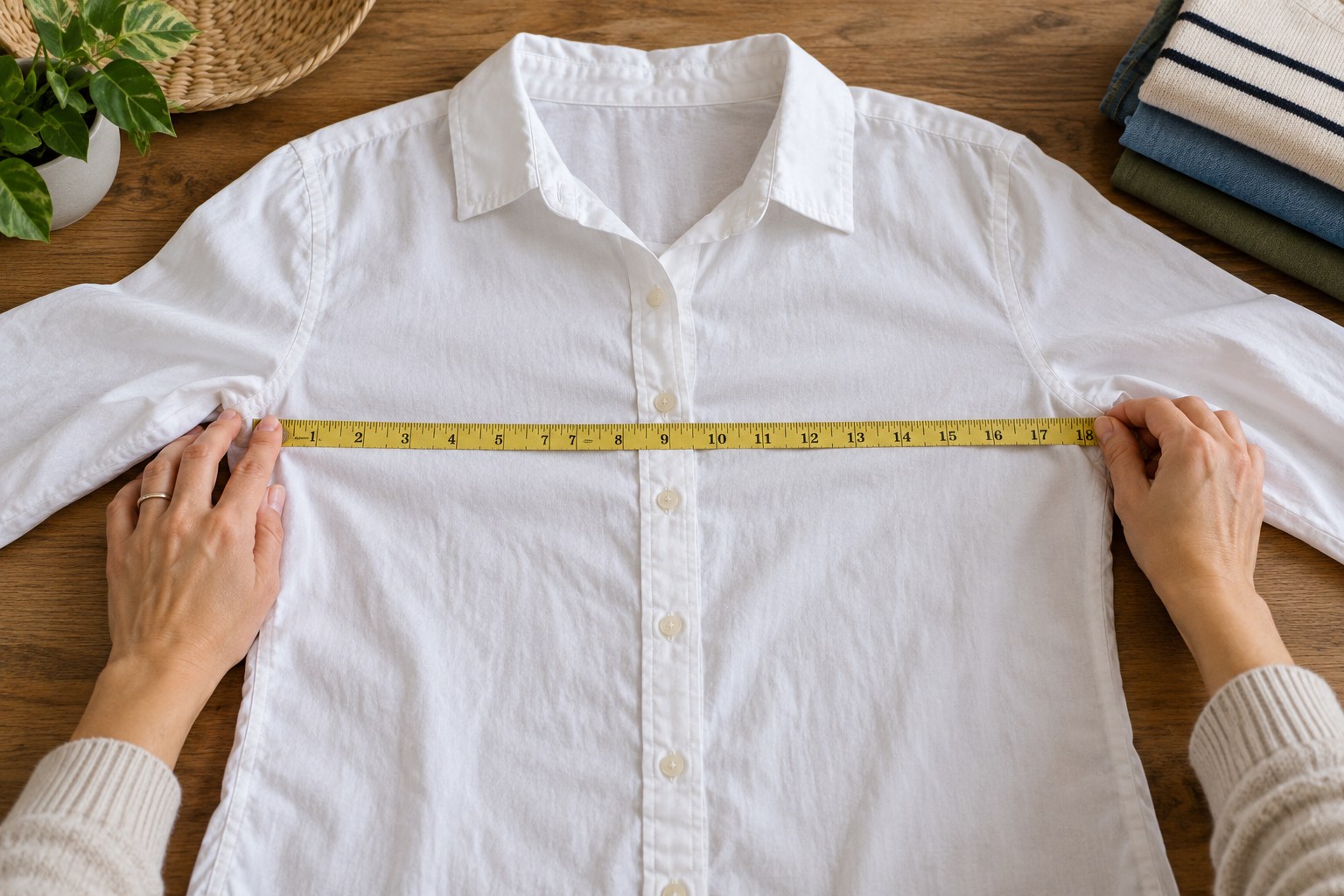
Use a garment that fits the way you want as a measurement reference, while keeping body measurements and garment measurements clearly separate.
Wardrobe & care
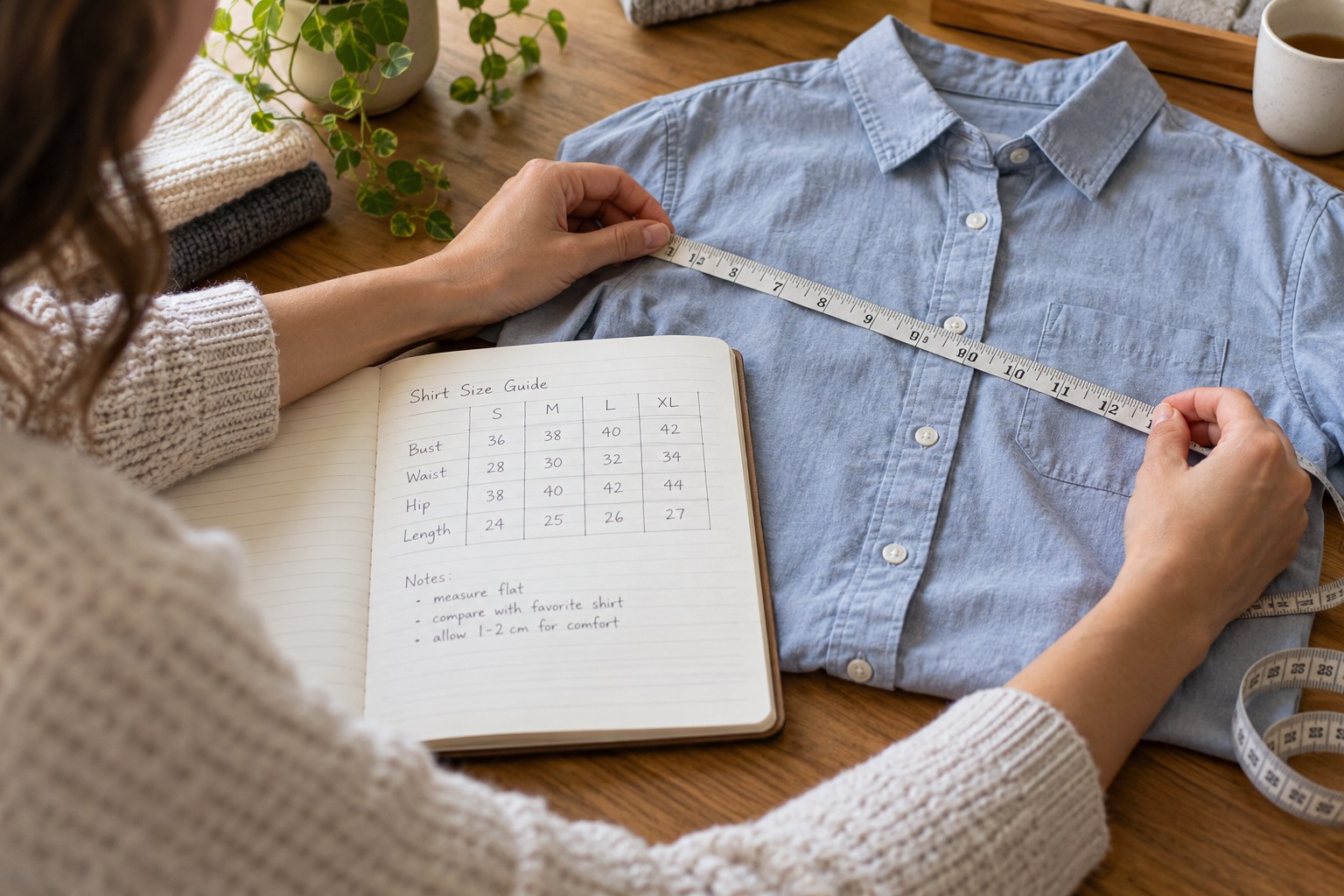
When two body measurements point to different sizes, use the garment's construction and the seller's chart to identify which areas need room.
Wardrobe & care
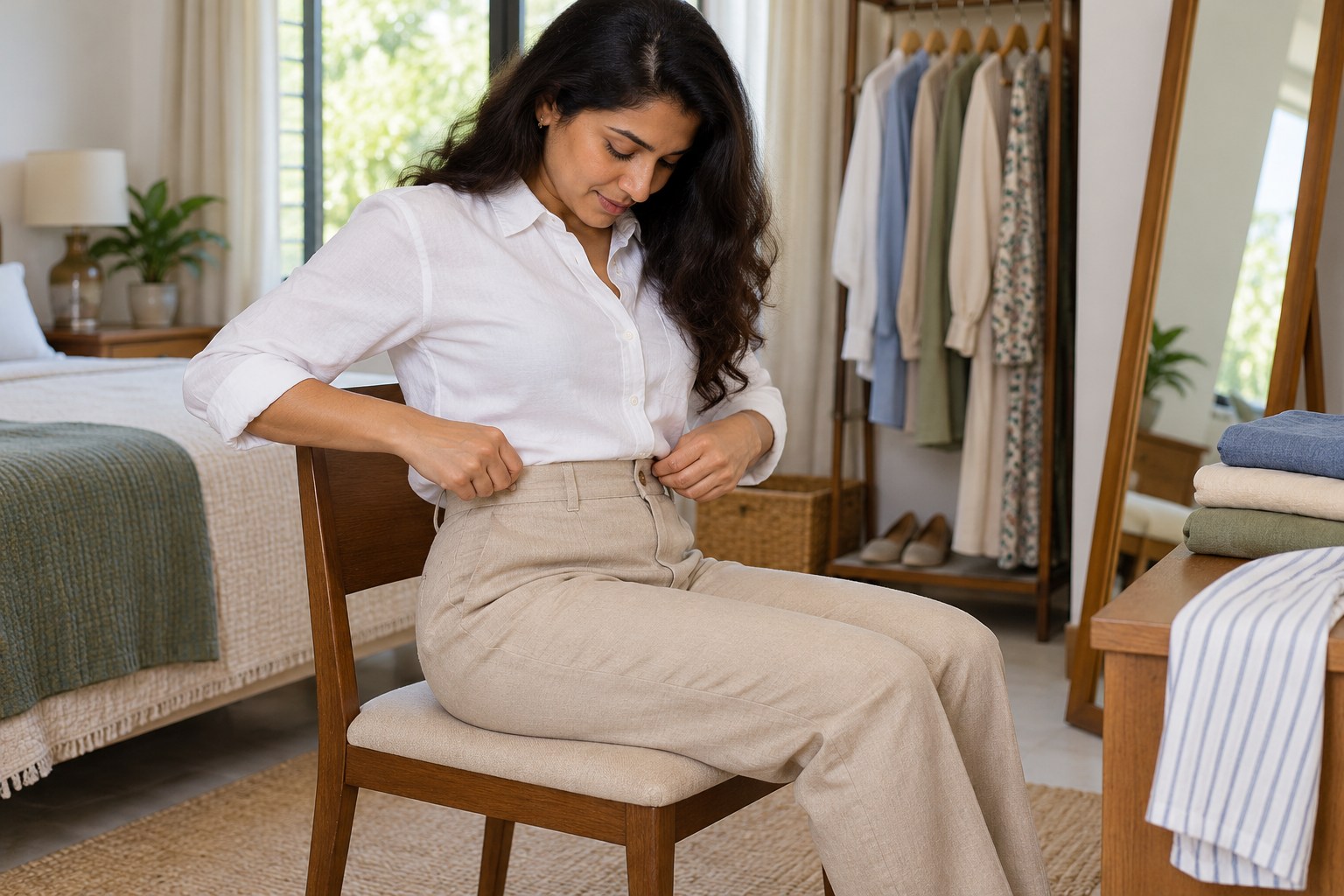
Assess trouser rise through the position of the waistband and crotch during sitting, walking and bending, not only through a front-view mirror check.
Wardrobe & care
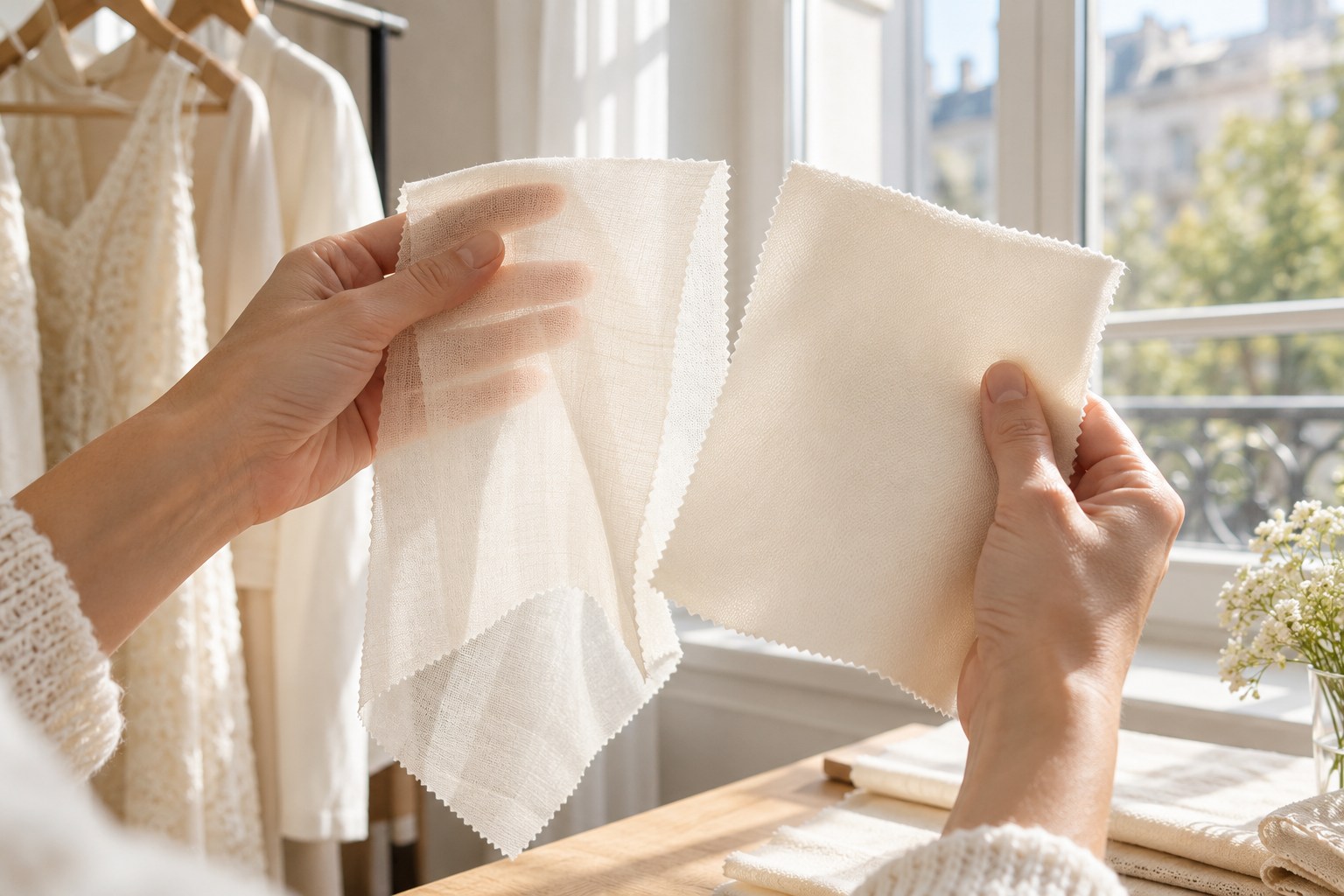
Compare light-coloured dress fabrics through opacity, drape and construction, rather than assuming that a heavier cloth is always the better choice.
Wardrobe & care
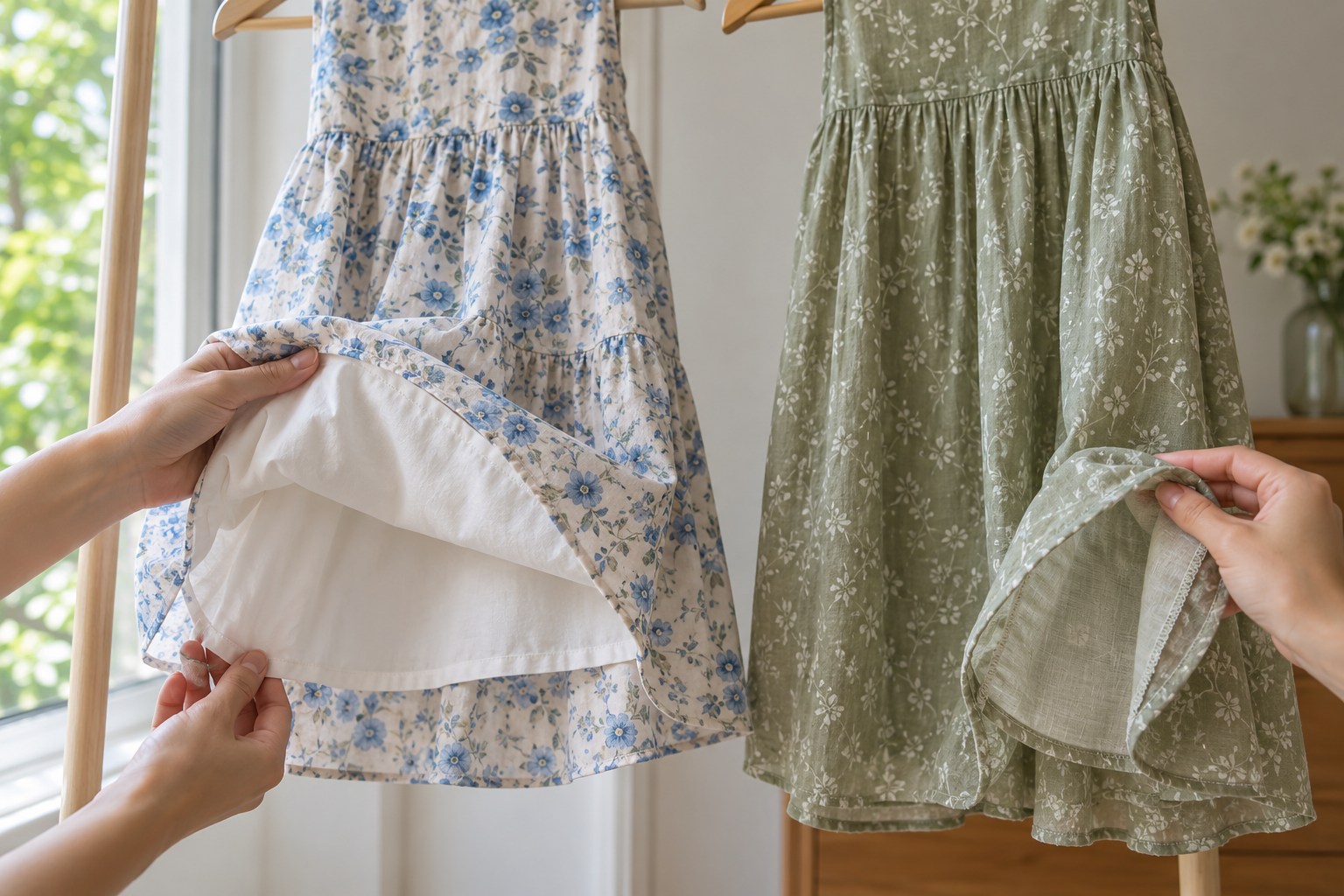
Compare the whole garment, including the lining's coverage and movement, when deciding which summer piece feels right for your day.
Wardrobe & care
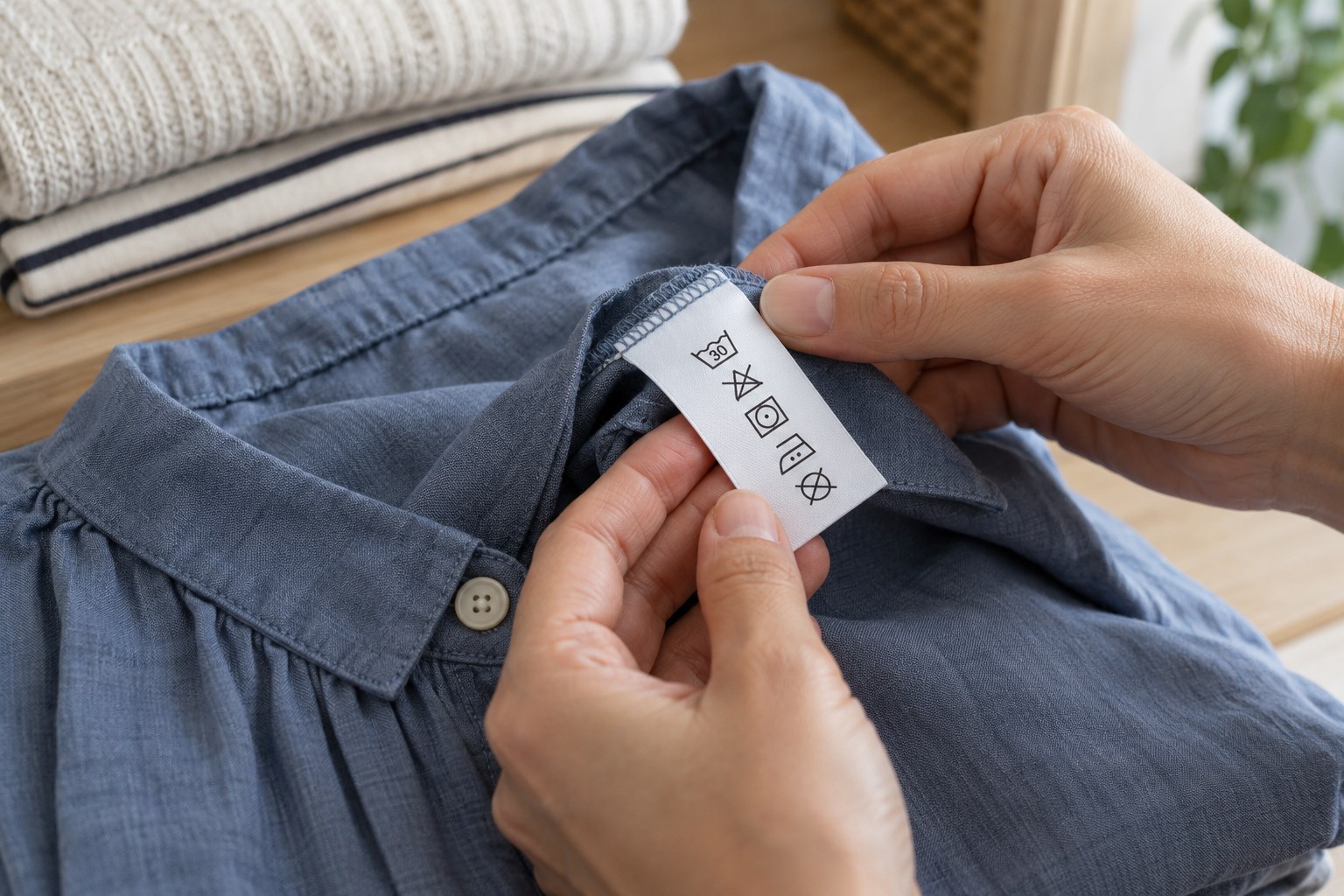
Use care instructions when planning how often a garment can realistically return to your weekly wardrobe.
Wardrobe & care
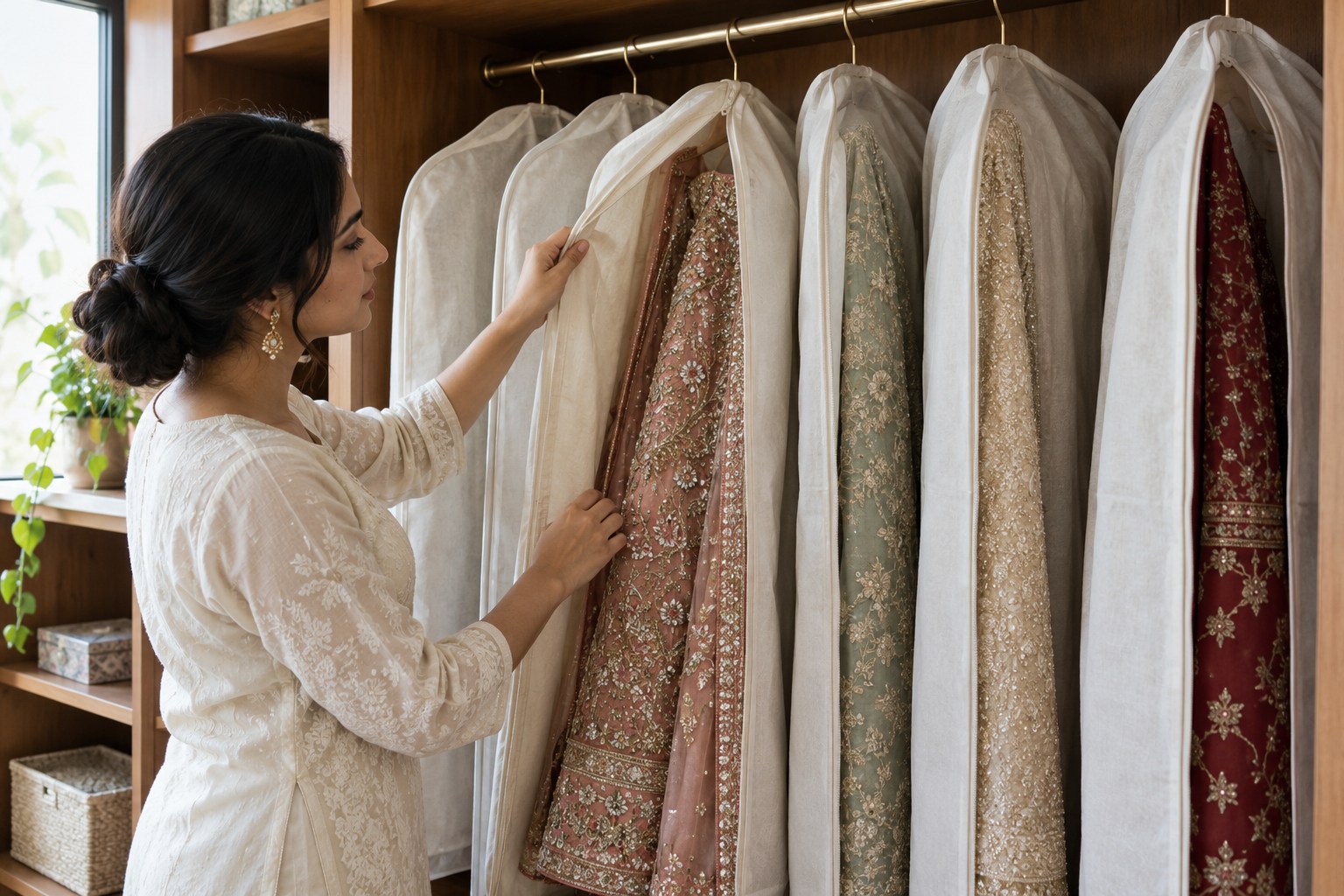
Store embellished clothes so their raised details do not press, catch or rub against neighbouring garments.
Wardrobe & care
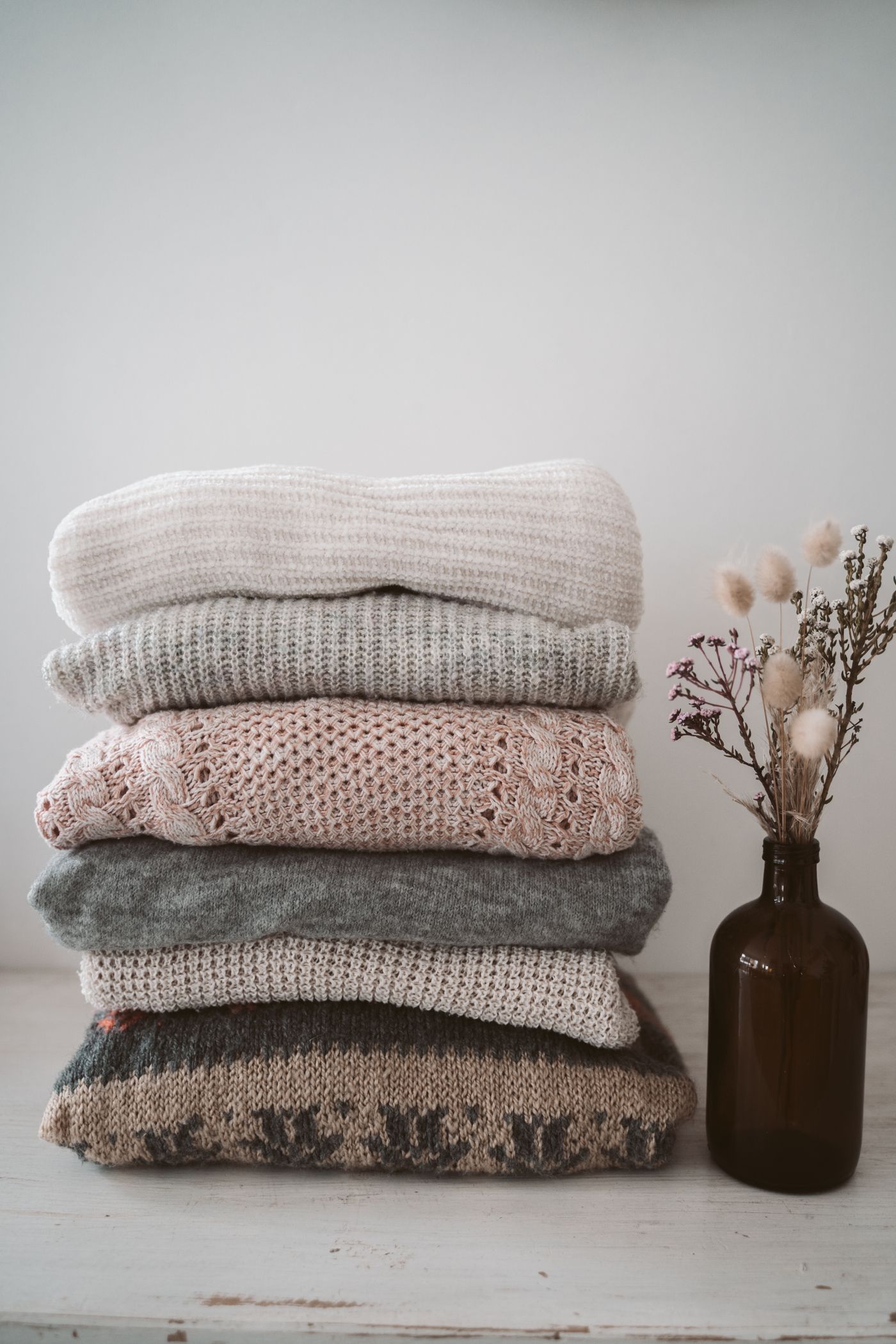
Fold knitwear according to its shape and weight, keeping the folds broad and the storage space easy to use.

Wardrobe & care
Give worn clothes a separate place for assessment and airing, while recognising when the garment needs its specified cleaning process.
Wardrobe & care
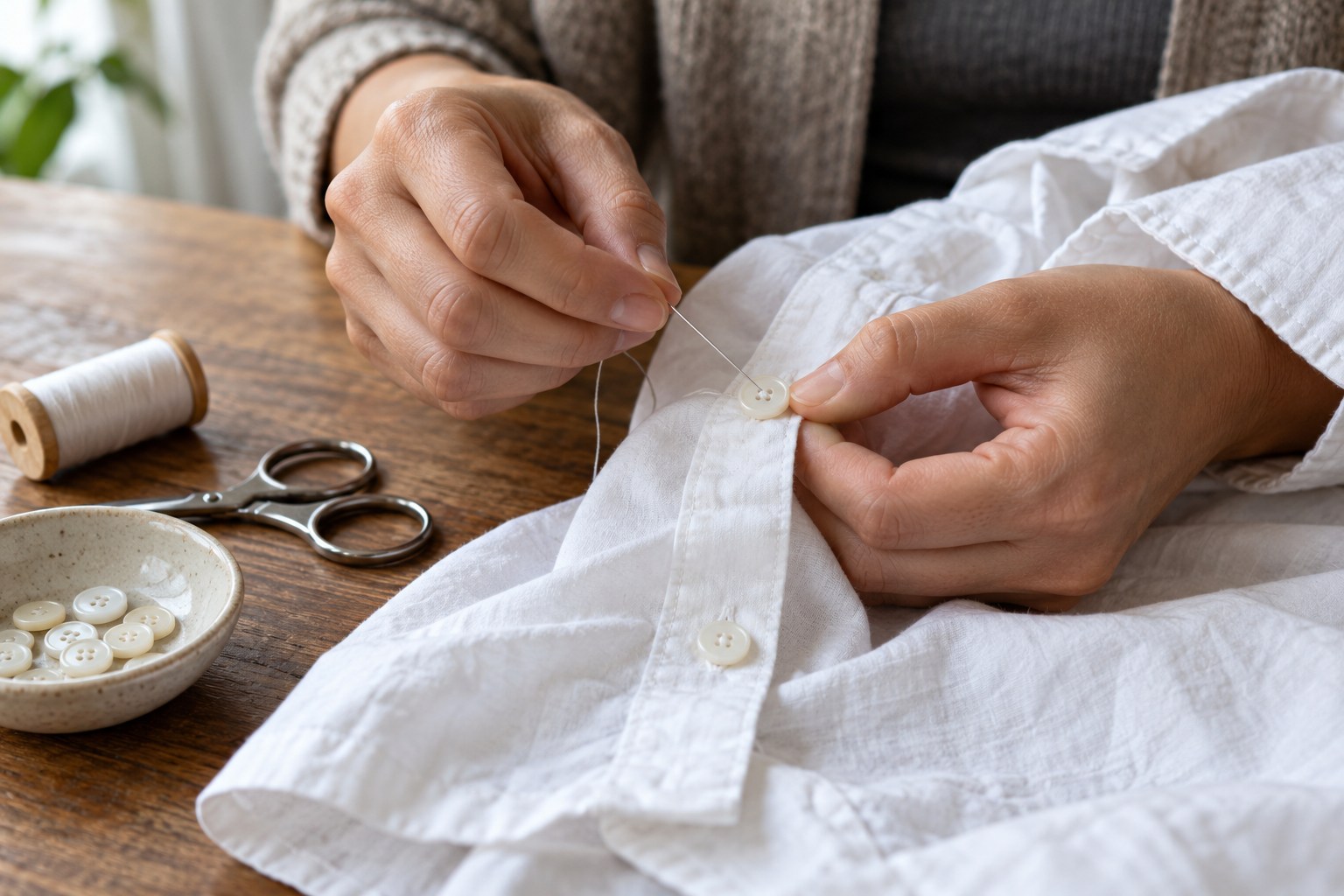
Identify the exact repair, the condition of the surrounding fabric and the garment's future use before deciding whether to replace it.
Wardrobe & care
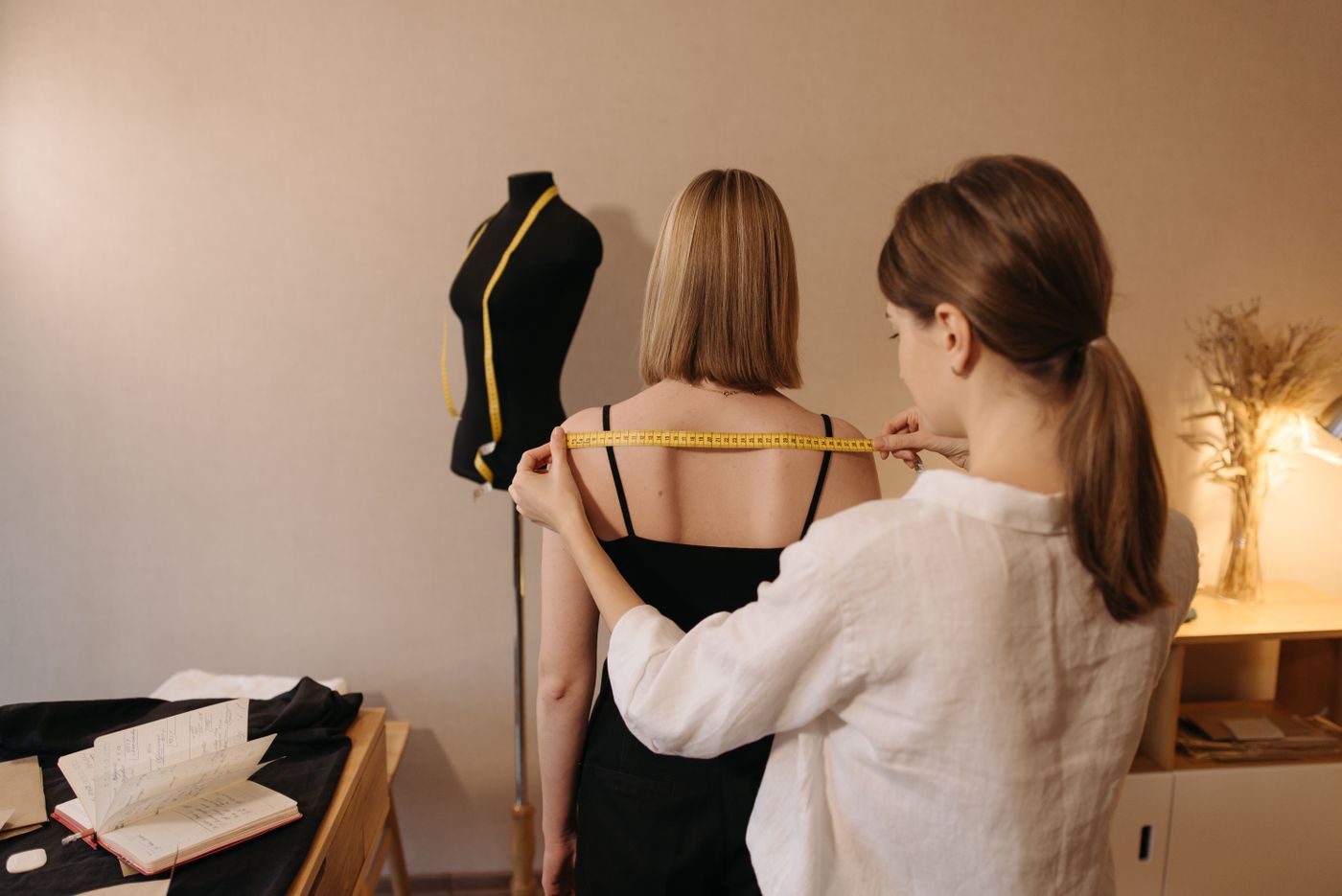
Assess an alteration through the exact fit problem, the garment's construction and the result you would need to wear it again.
Wardrobe & care
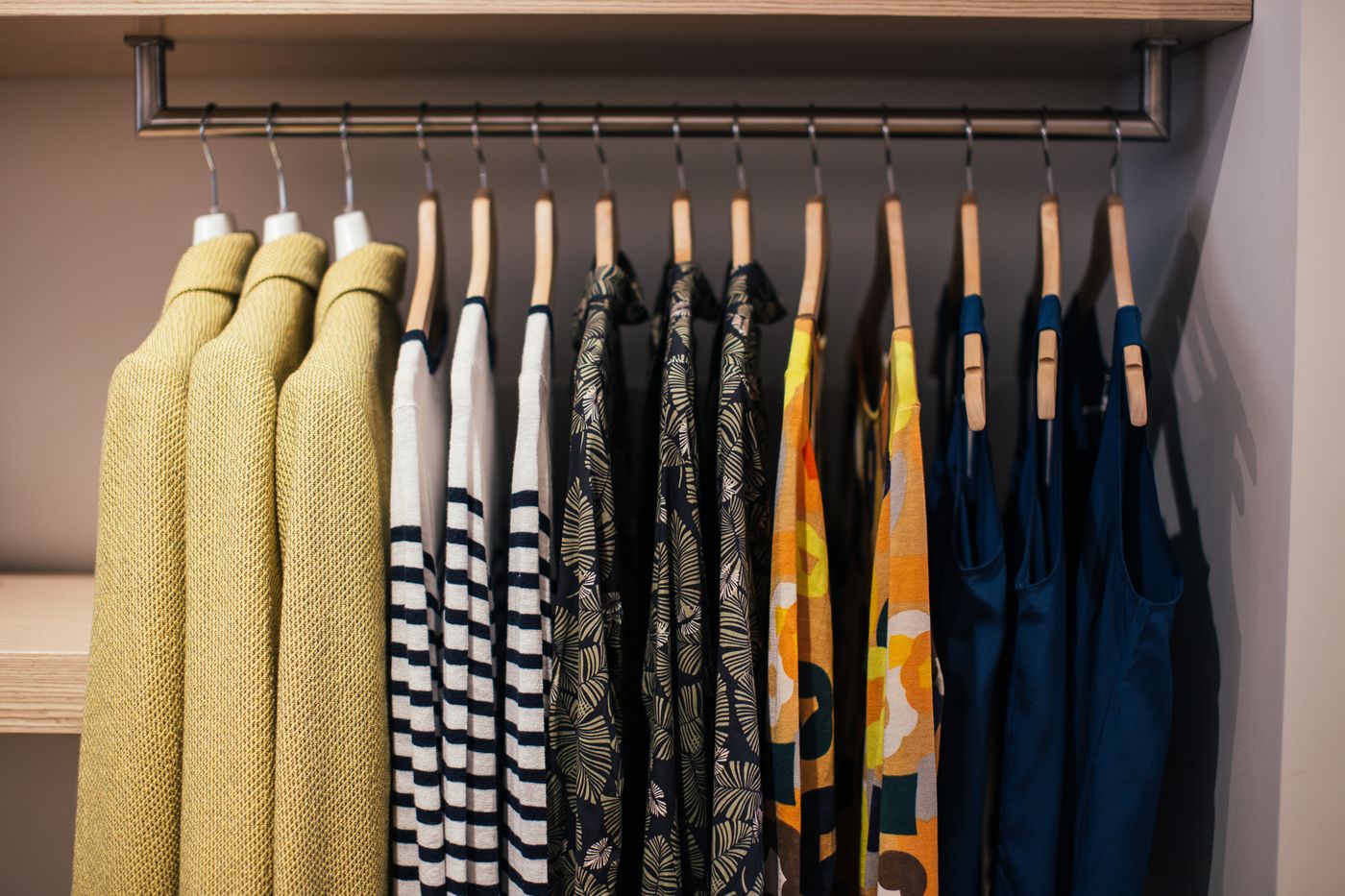
Build a wardrobe inventory around complete outfits and their uses, so the record explains how clothes work together rather than merely counting them.
Wardrobe & care
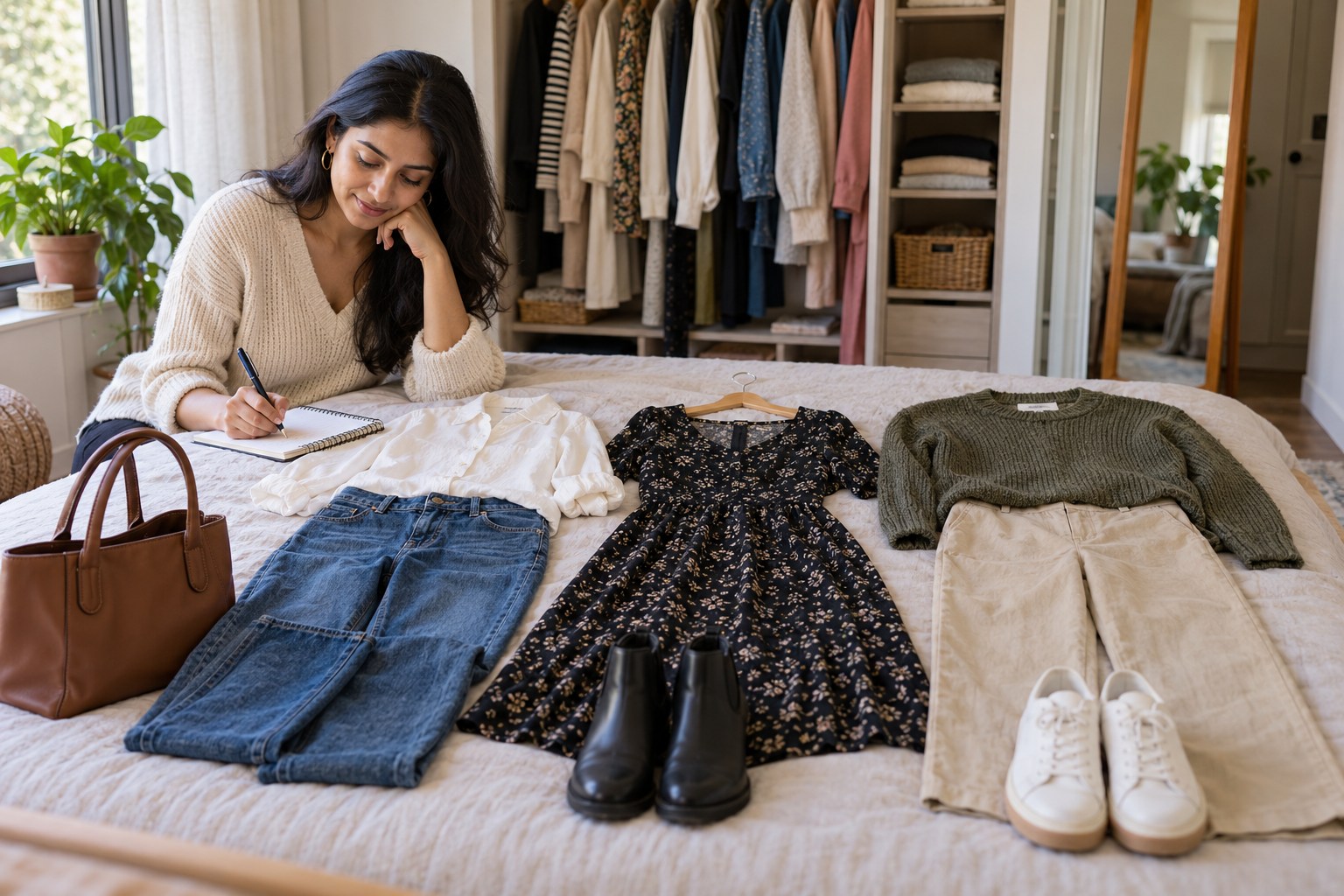
Turn repeated outfit problems into a specific shopping list, then test whether an existing piece or a small change can answer the need first.
Wardrobe & care
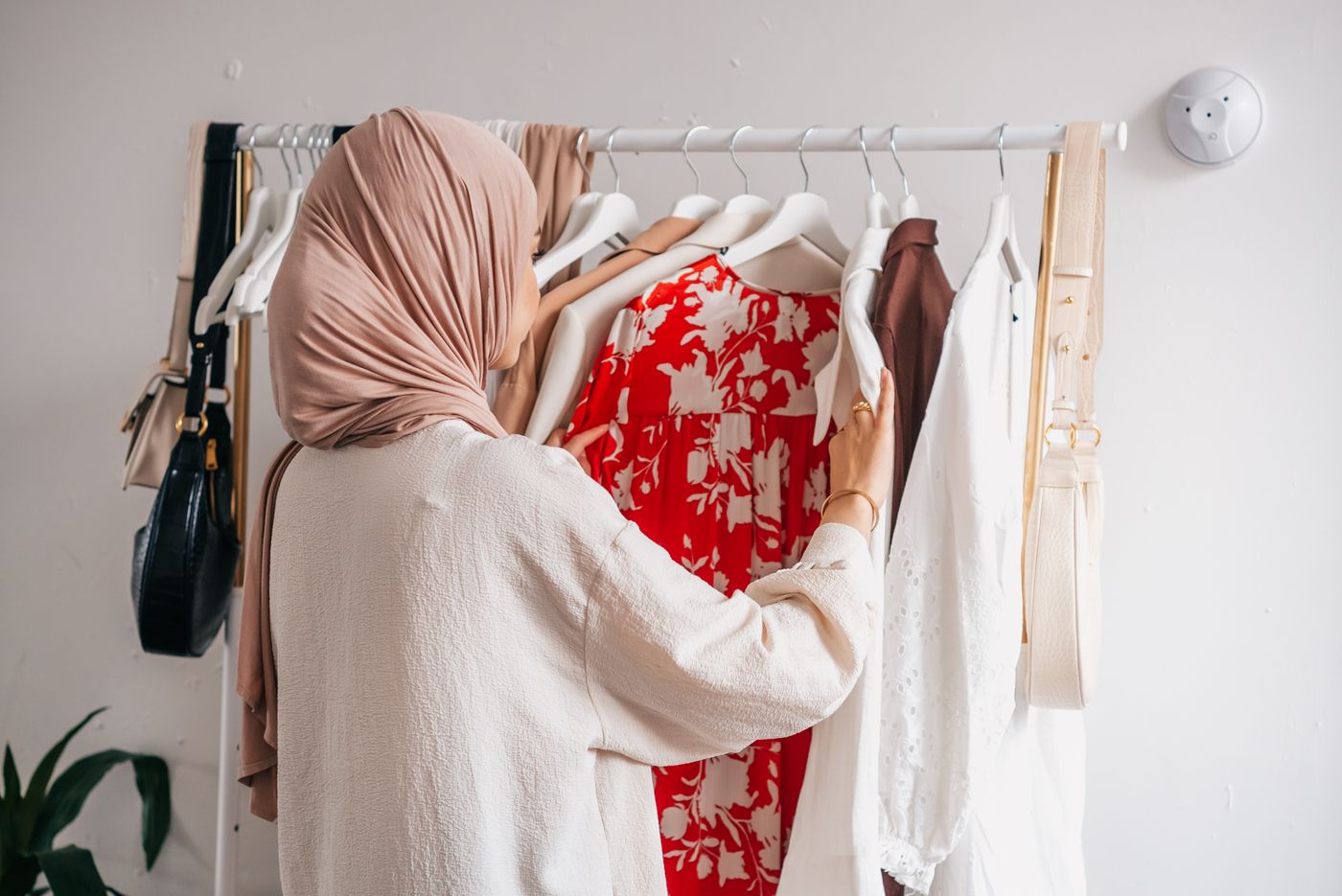
Organise occasion clothes by the situations in which you could wear them next, with care and fit checks visible alongside each outfit.
Wardrobe & care
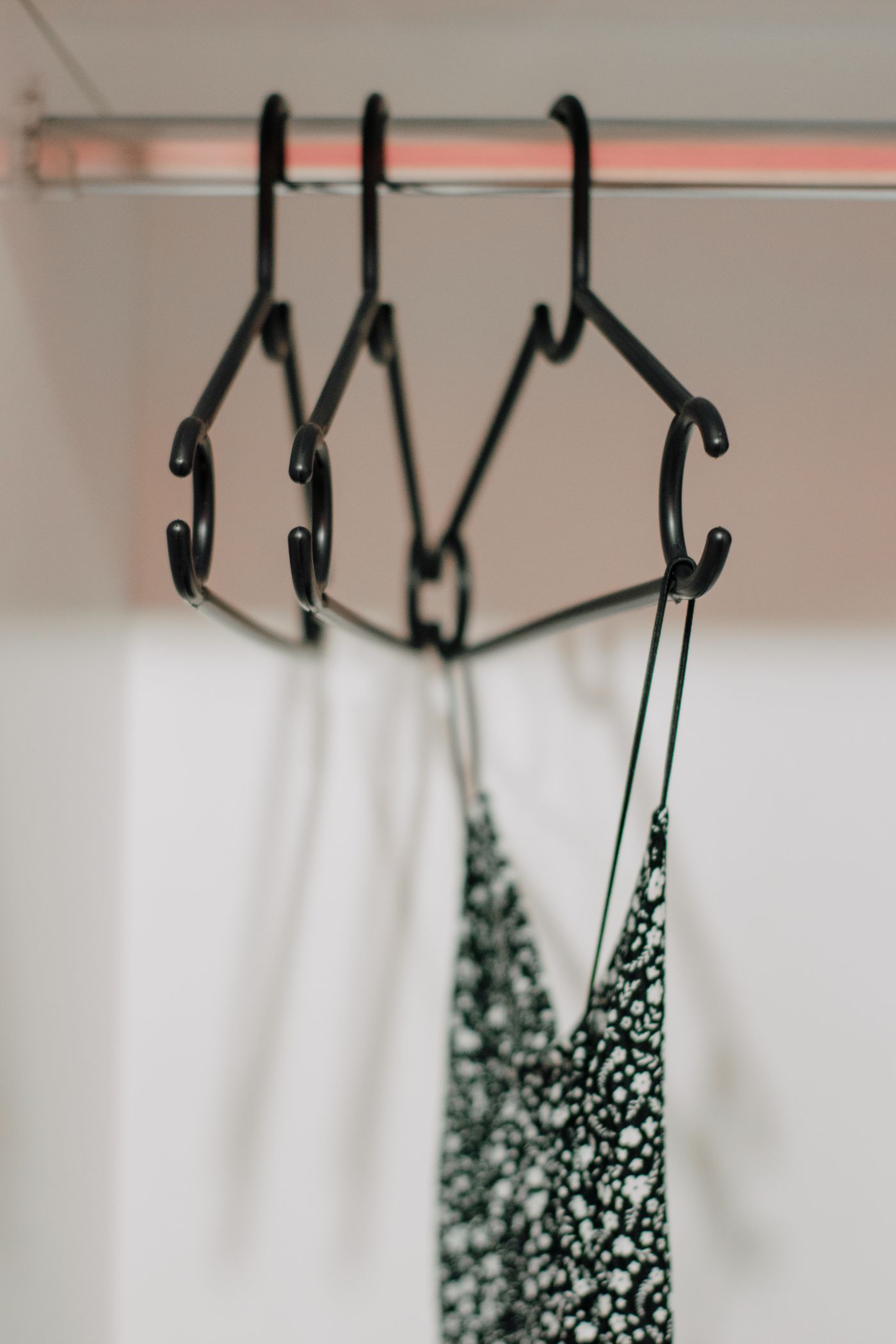
Choose hangers by the garment's weight, shoulder shape and surface, checking that the support does not create a new pressure point.
Wardrobe & care
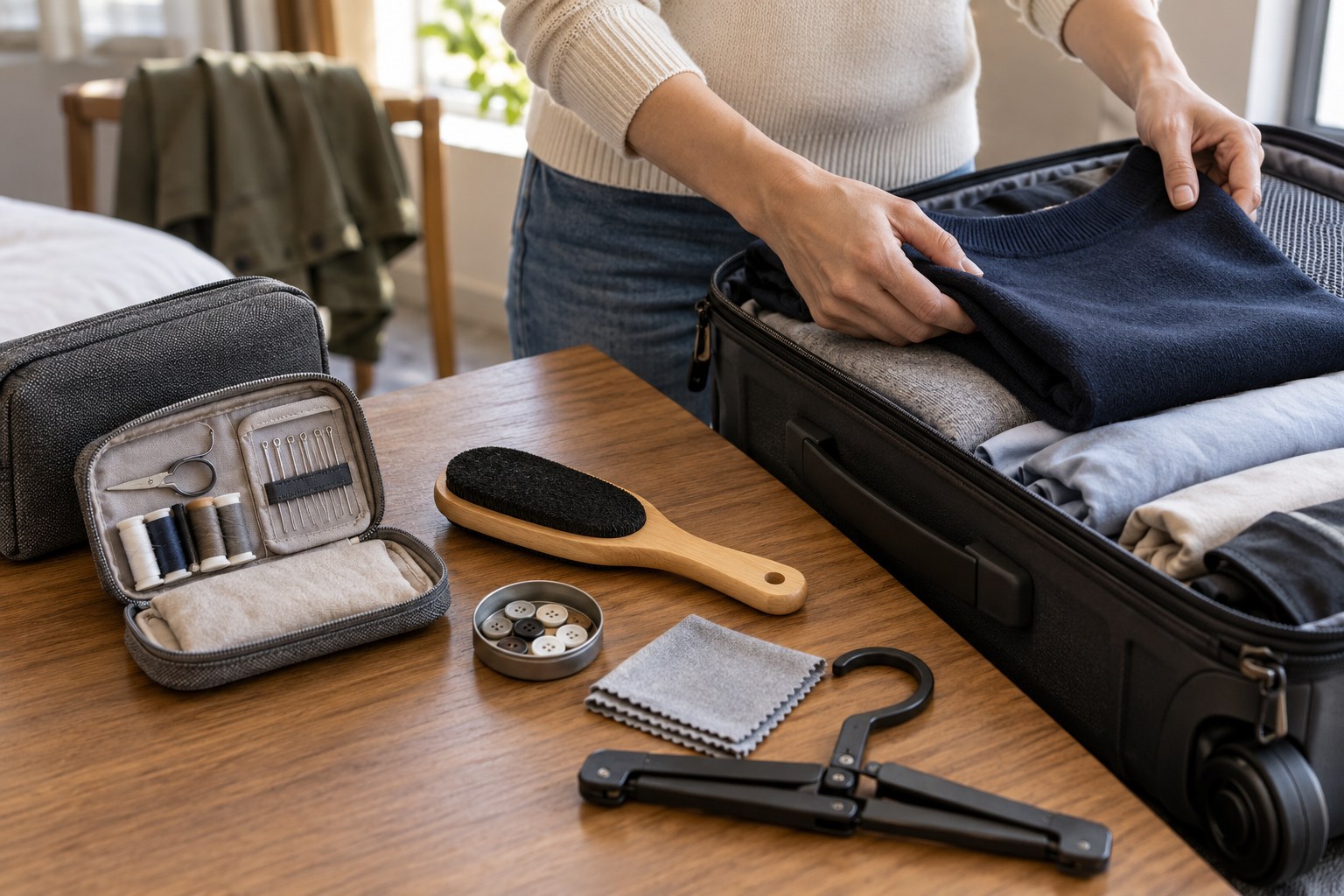
Build a small clothing-care kit around the garments and tasks on your trip, leaving out products you cannot use confidently on those materials.
Wardrobe & care
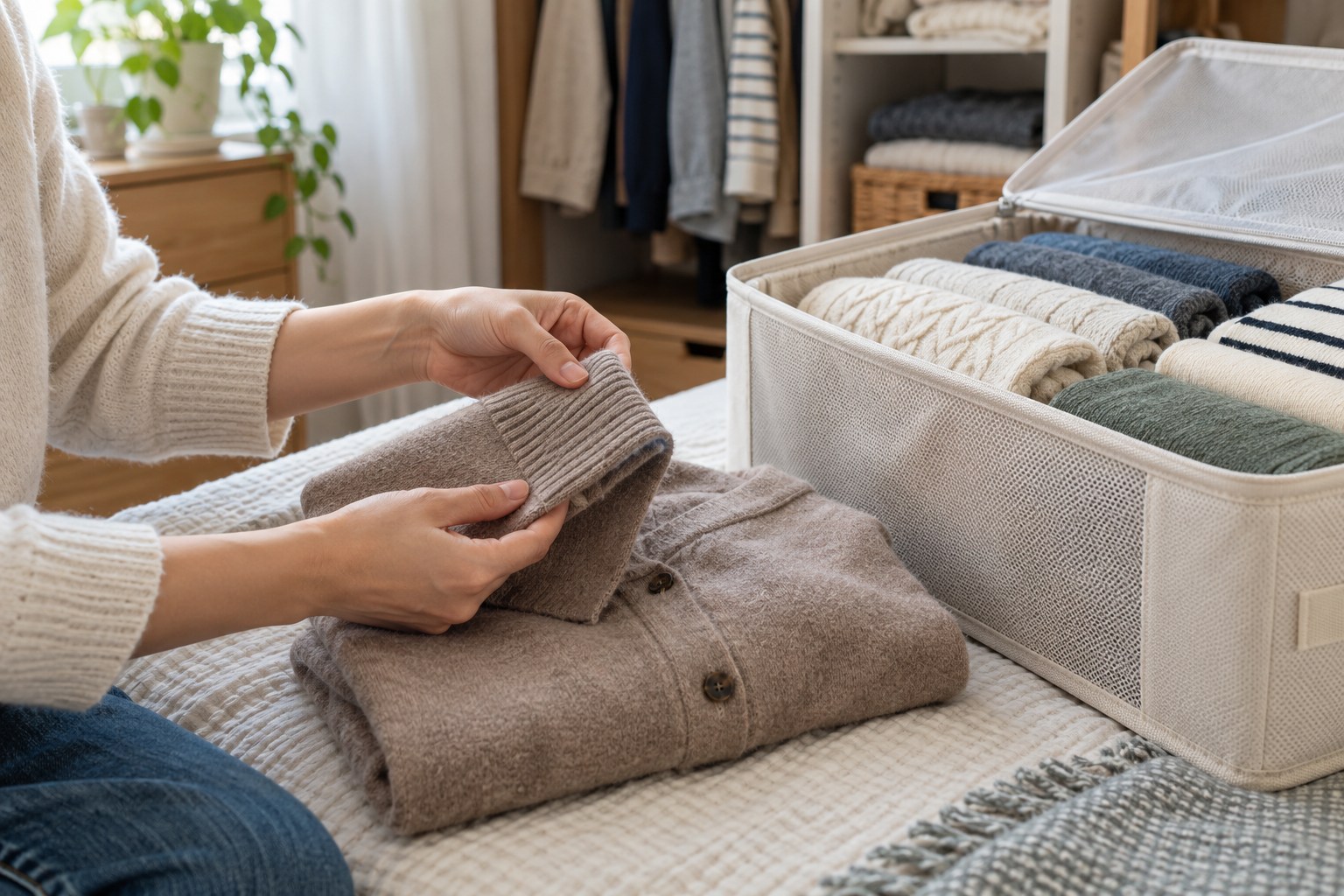
Check, care for and identify seasonal clothes before storing them, then choose support and space appropriate to each garment.
Wardrobe & care
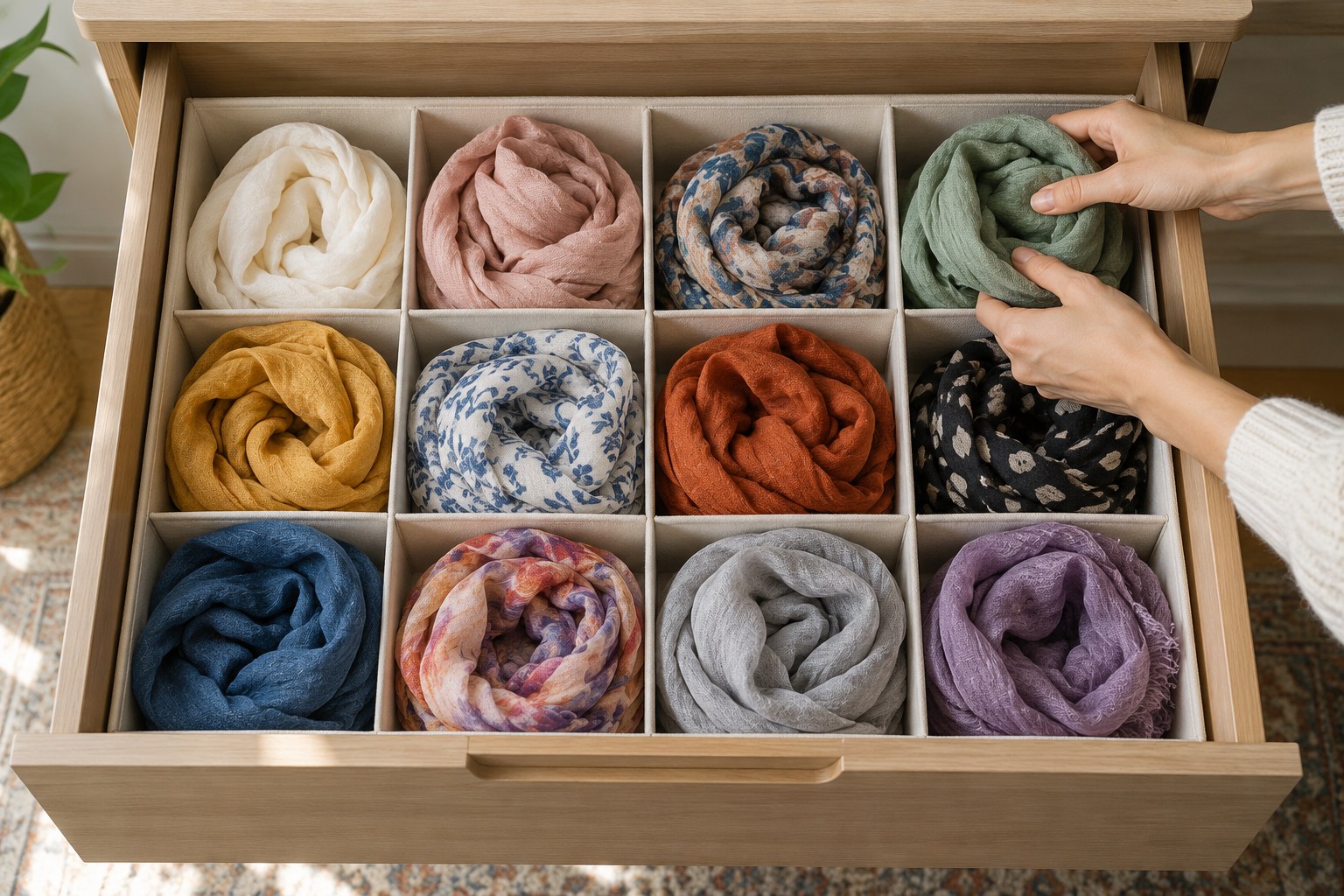
Organise scarves by how you choose and wear them, while giving delicate surfaces enough separation to avoid snagging.
Wardrobe & care
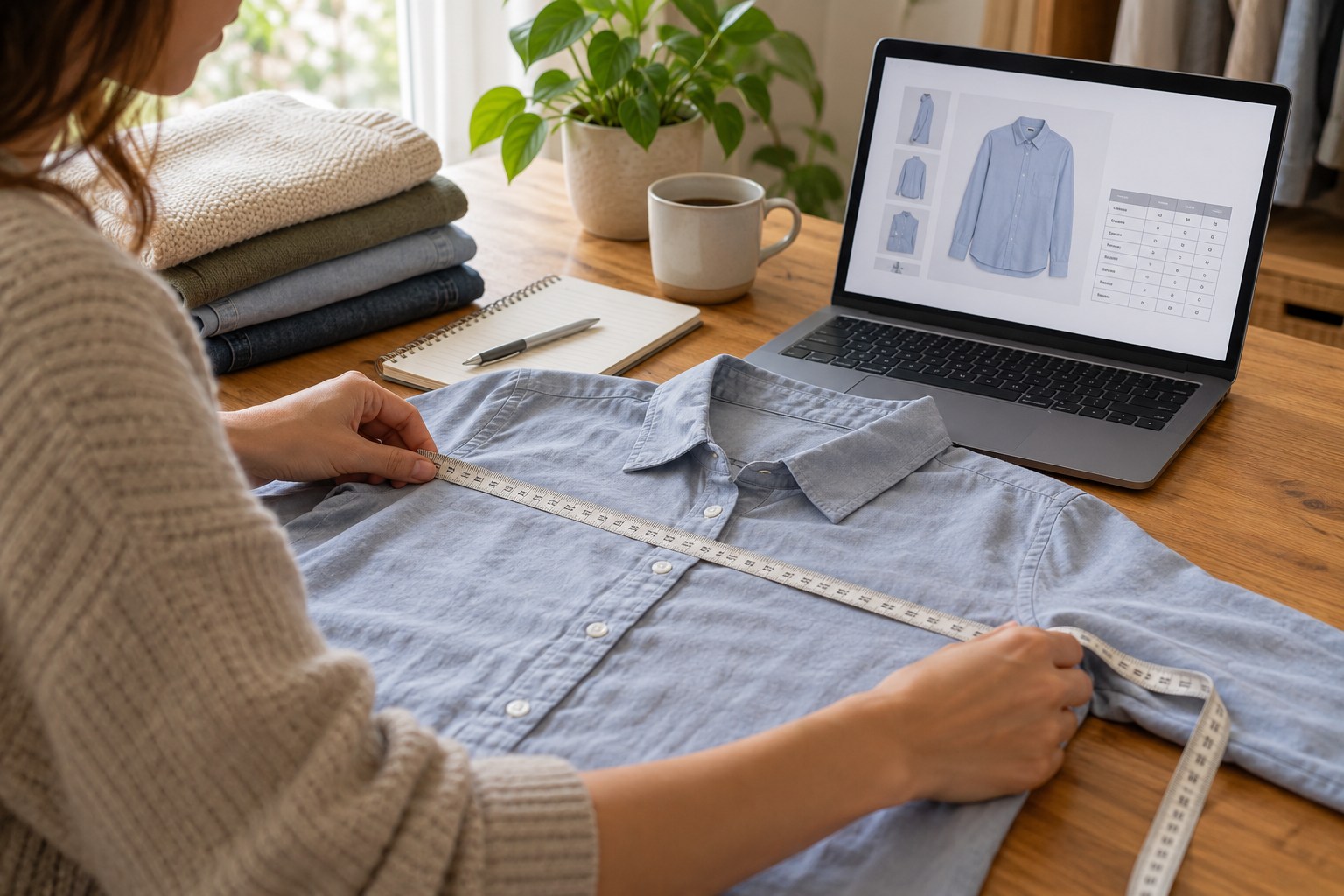
Use online garment photographs to understand shape and construction, then compare the written measurements using the seller's stated method.
Wardrobe & care
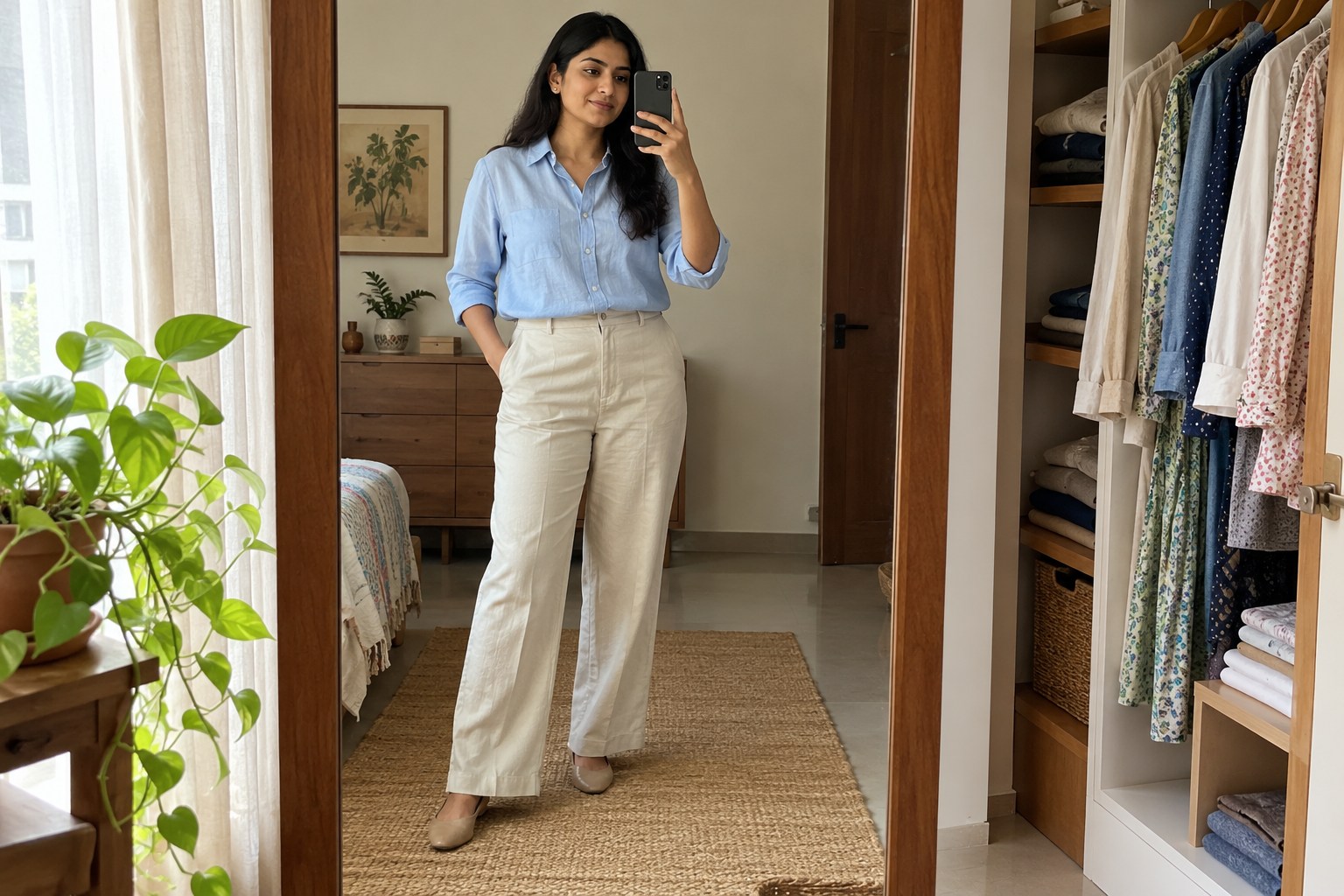
Record outfits in a simple format that captures the combination and the conditions in which it worked, using tools you already have.
No articles match those choices. Try a different word or clear the filters.