Everyday dressing
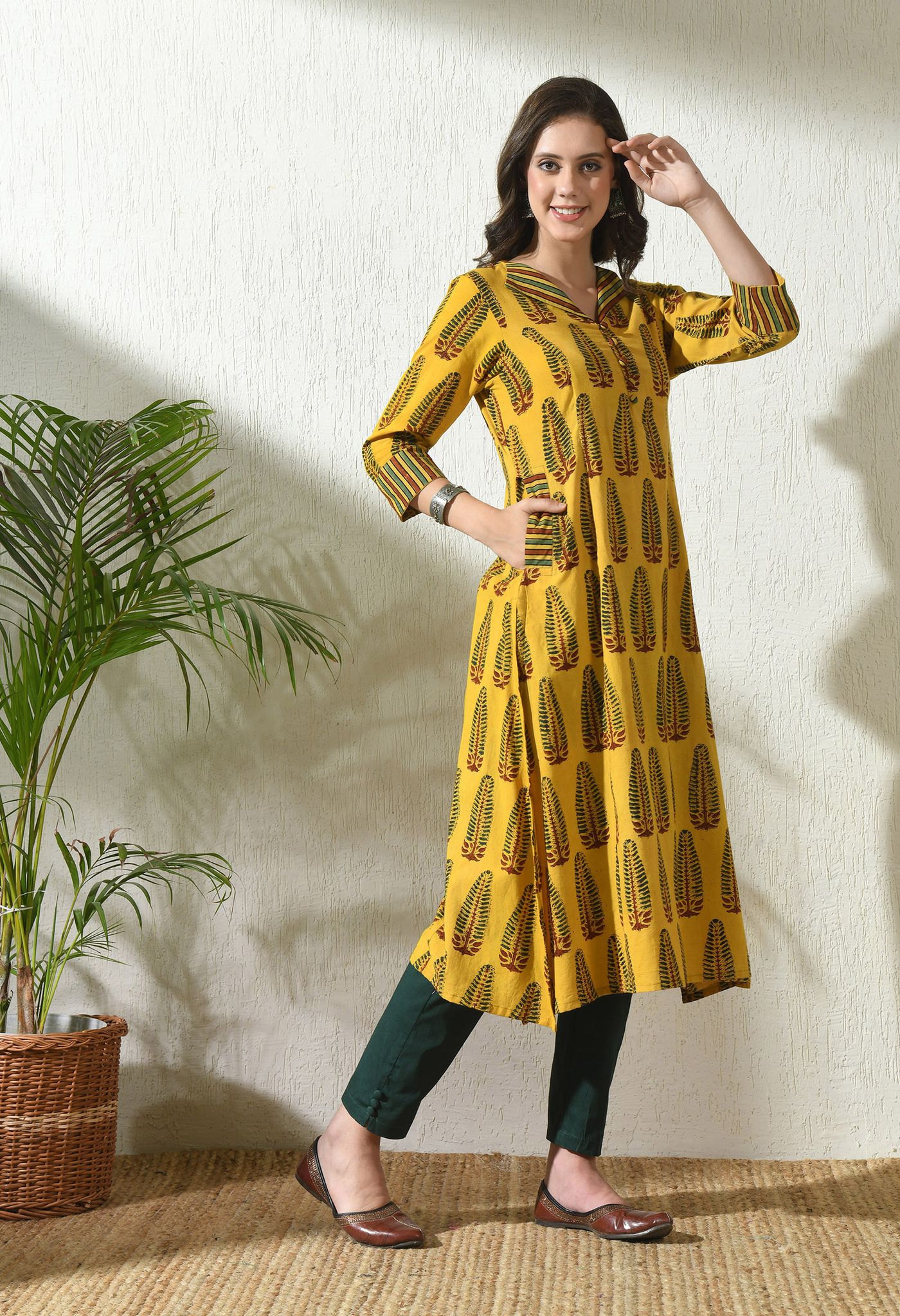
Build a cotton kurta outfit for a humid commute
Build around an easy cotton kurta, then check trouser clearance, bag placement and the layer you will need indoors.
Clothes, accessories & the ways to wear them
Everyday dressing
Choose a train outfit around seated comfort, changing temperatures and access to the things you will need.
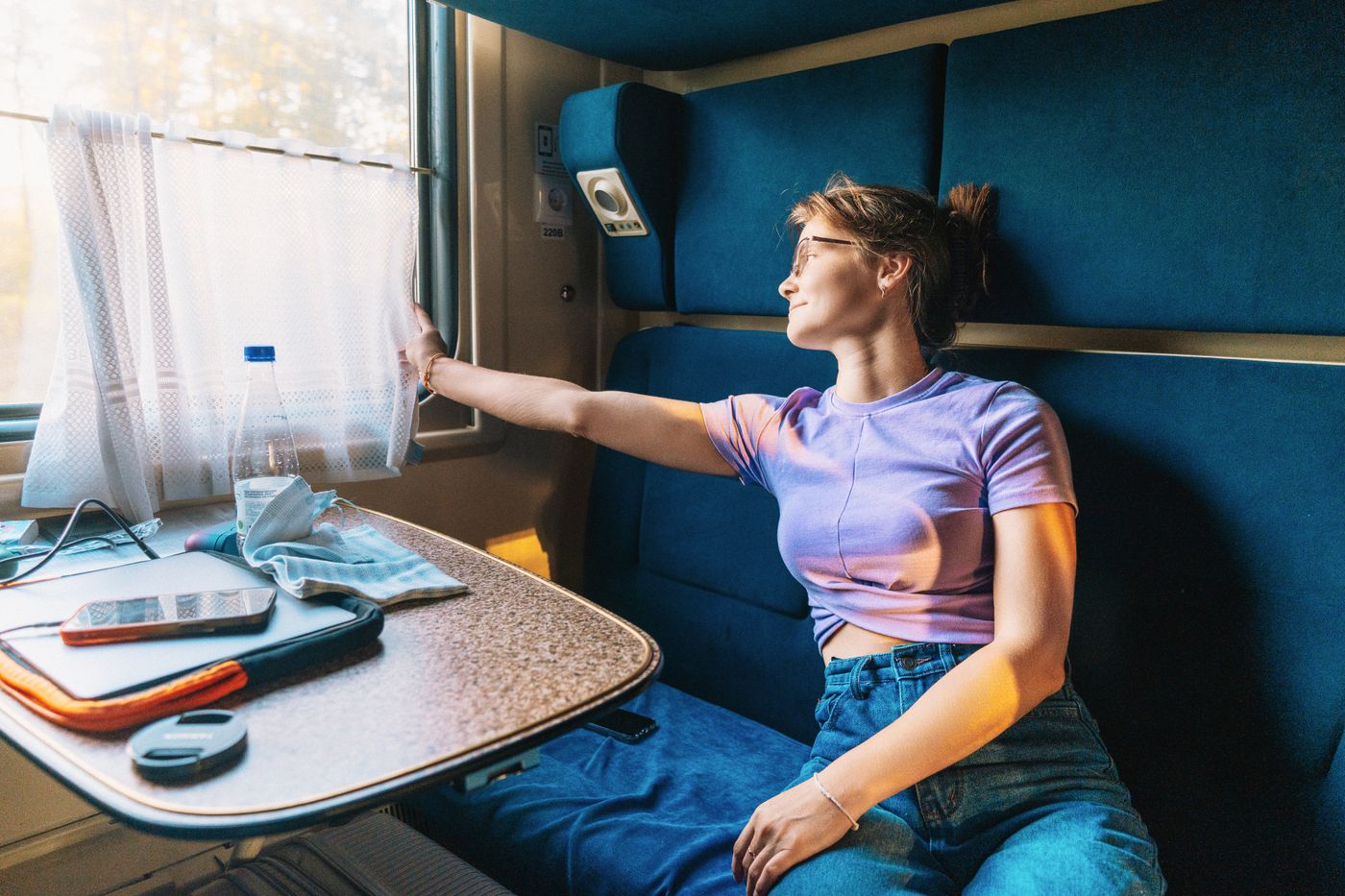
A long train journey involves much more sitting than a quick outfit photograph suggests. The useful starting point is a waistband, neckline and sleeve shape that remain comfortable when you change position. Choose clothes for the route and season rather than assuming every train will have the same temperature or facilities.
Put the proposed outfit on and sit for ten minutes. Lean forward, cross your ankles if you normally do and reach towards an imaginary overhead bag without standing on anything. Notice where fabric pulls. A waistband that feels fine while standing may press when seated; a short top may rise more than you want; a long sleeve may cover your hands when handling food or tickets.
Straight or relaxed trousers with a soft shirt are one option. A kurta with trousers is another, particularly if you already find that combination comfortable. Check that the kurta's side openings provide the coverage you want while seated and that the lower opening allows you to step freely. Avoid choosing an unfamiliar garment solely because it is described as travel wear.
If you prefer a dress or skirt, test the hem around your feet and beneath the seat. Very long fabric can be harder to manage in narrow spaces. A fuller shape may offer movement but still need gathering when you stand. Choose the length you can handle while carrying your belongings, not only the one that looks best with an empty hand.
Consider the care of the completed outfit. A delicate top that needs careful handling may add an unnecessary task during a long journey. Read the label and choose clothes whose routine you can manage at the destination. This does not mean every travel garment must be dark or plain; a print you enjoy can remain part of a functional outfit.
A cardigan or overshirt can be put on without rearranging the entire outfit. Check that it fits over the base sleeves. A wrap can cover shoulders or knees while seated, but keep its ends manageable when walking. If you know you dislike holding a wrap closed, use a fastening layer instead.
Do not assume that several thin pieces will necessarily feel simpler than one suitable outer layer. Pack the combination and try retrieving it from the bag. If the cardigan sits beneath everything else, you may delay using it until you are uncomfortable. Place it where you can reach it without emptying the luggage.
A scarf can be an accessory or an extra layer, but a decorative narrow scarf and a substantial wrap perform different jobs. Choose according to the expected use. Keep jewellery clear of the scarf so that removing one does not pull the other.
A crossbody bag can keep small items close, although its strap may pull a loose neckline. A backpack spreads the visual weight differently but may catch on long earrings or a bulky collar when taken off. Put the loaded bag on and remove it several times. These repeated movements matter more on a journey than a static match between bag and shoes.
Footwear should feel comfortable before departure and suit the walking involved at either end. Check the trouser hem with the exact pair. If you plan to change shoes, make sure the second pair does not leave the hem dragging. Keep any spare pair separated from clean clothing.
Prepare an accessible pouch for the small things you routinely use, without overloading clothing pockets. A phone pressing against a seated thigh can make otherwise comfortable trousers irritating. Keep closures functional and follow transport guidance for belongings; clothing choices are not a substitute for normal travel precautions.
Before packing the final outfit, ask what happens if the temperature differs from expected or the journey lasts longer. You should be able to add or remove a layer, sit comfortably and use your hands without lifting several trailing pieces. That flexibility is more valuable than assembling a special travel look that only works while standing still.
Everyday dressing
Build around an easy cotton kurta, then check trouser clearance, bag placement and the layer you will need indoors.
Everyday dressing
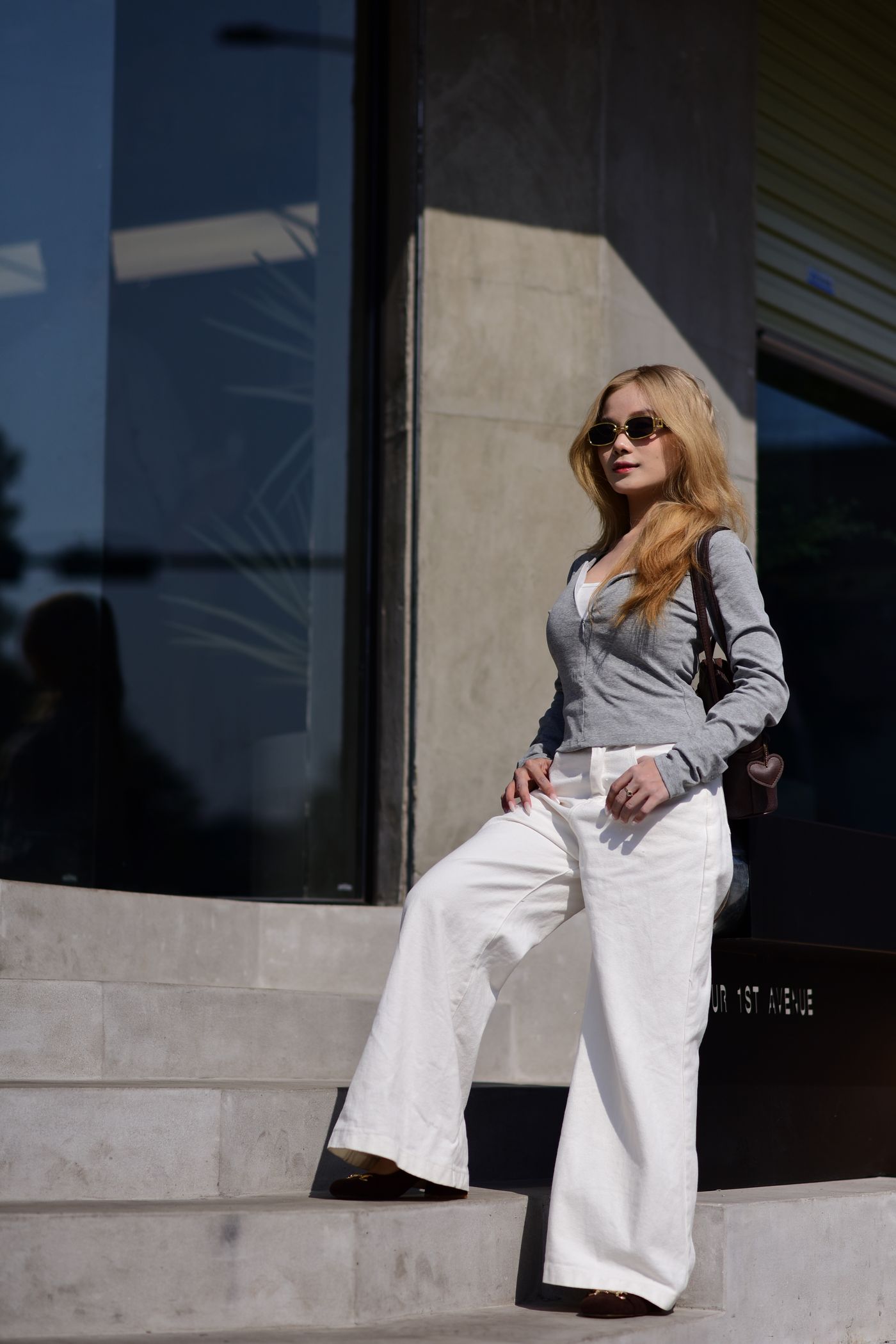
Use the waistband, upper layer and hem to control an outfit’s balance without treating your body as a problem to correct.

Everyday dressing
Choose a removable office layer by checking sleeves, desk movement and how it travels in your bag.