Everyday dressing
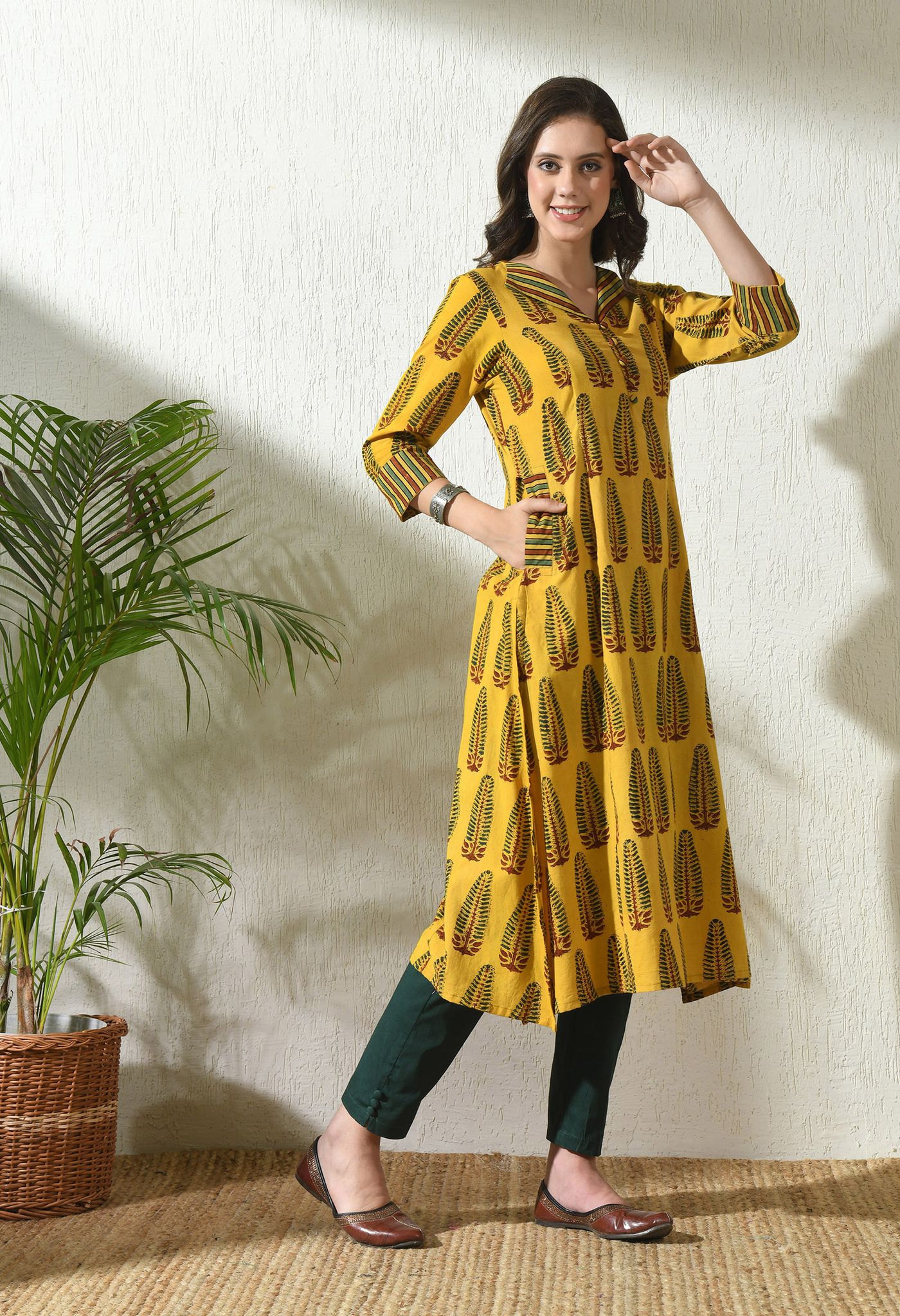
Build a cotton kurta outfit for a humid commute
Build around an easy cotton kurta, then check trouser clearance, bag placement and the layer you will need indoors.
Clothes, accessories & the ways to wear them
Everyday dressing
Build a weekday palette from clothes you wear repeatedly, then test it against laundry, weather and actual outfit gaps.
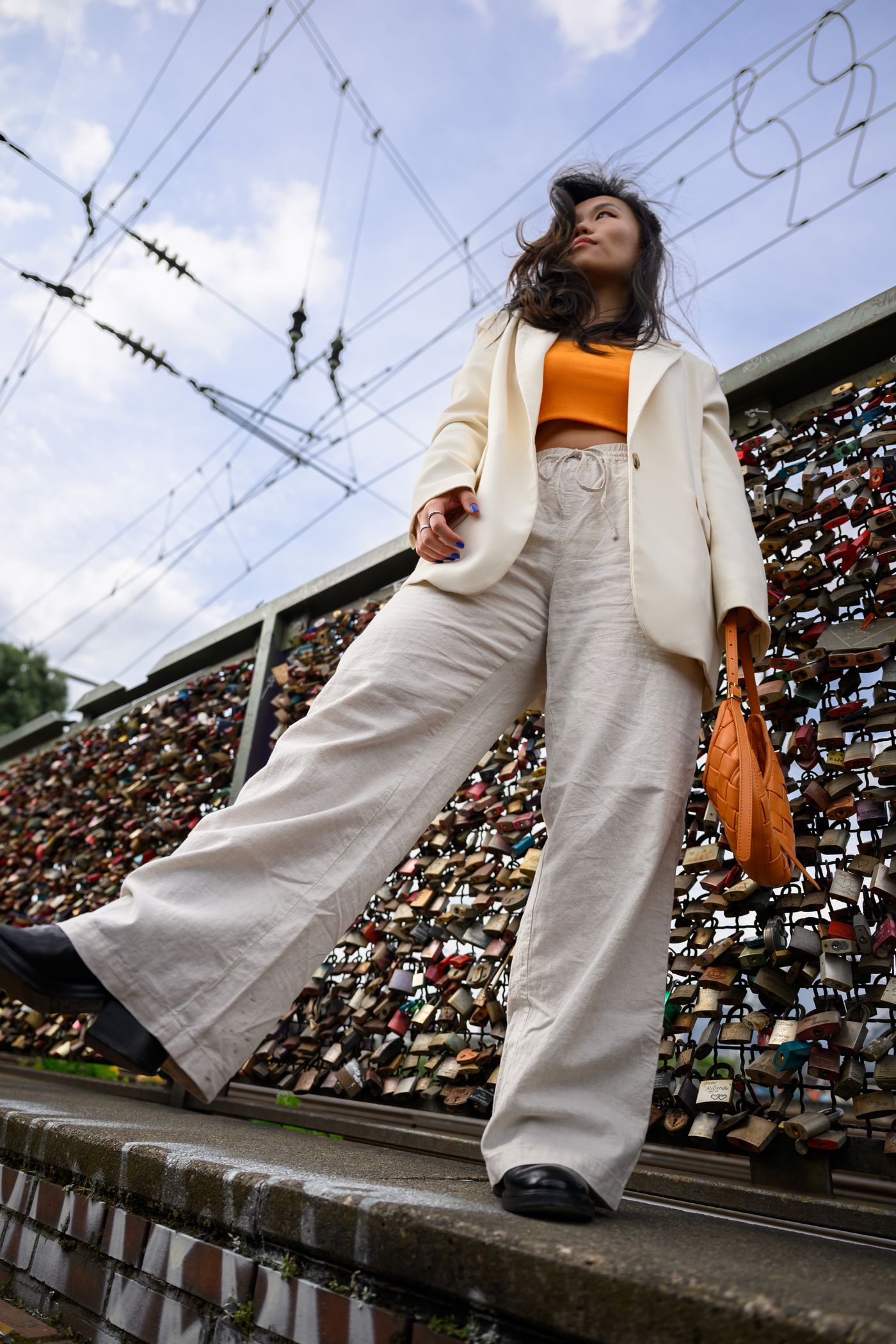
A small colour palette is useful when it reduces decisions. It is less useful when it turns into a shopping list that replaces clothes you already enjoy. Start with a week's real outfits and identify the colours that appear repeatedly. You may find that your wardrobe already has a centre, even if it does not resemble a carefully matched capsule collection.
Lay out five or six garments you wear often. Include trousers or skirts, tops and a layer if you use one. Look for colours that connect several pieces. Navy may appear in a print as well as a pair of trousers; cream may connect a shirt to a kurta. These existing links are a better starting point than choosing an abstract palette before looking inside the wardrobe.
Choose two or three colours that can occupy larger areas of an outfit. They do not have to be beige, black or white. Deep green, brown and blue can serve the same purpose if those are the clothes you own. Then select one or two accent colours you already like wearing in smaller areas or as an occasional main garment.
Suppose your base is navy and cream, with rust as an accent. Navy trousers can accompany a cream shirt, a rust kurta or a printed blouse containing either shade. A cream skirt may work with the same tops, although its fabric and shape still need checking. The palette suggests combinations; it does not guarantee that every cut and texture will work together.
Write the combinations down as complete outfits, including shoes. This exposes gaps that a colour-only list can hide. Three tops may all match one pair of trousers, but none may sit comfortably over its waistband. A cardigan may coordinate in colour yet bunch over every sleeve. Solve those specific problems before buying more items in the chosen shades.
A print can join colours that would otherwise feel unrelated. If a kurta contains blue, olive and cream, any of those may connect it to an existing lower half. You do not need to reproduce the smallest colour exactly. A related shade can be enough when the garments are separated by the print.
Do not discard an enjoyable print simply because it contains a colour outside the palette. The palette is a planning aid, not a rule. Mark the outfit as a standalone combination if it works well. One complete outfit that you wear often is more useful than several theoretically versatile pieces that never leave the cupboard.
Plan five outfits without assuming everything is freshly washed every morning. If one cream shirt appears in three combinations, check whether your routine makes that realistic. Include a backup for rain, a cold office or an unexpectedly longer day. The most convenient palette may be the one that works with your existing care schedule.
Consider bags and footwear last. A pair that already works with several outfits can remain outside the exact clothing colours. Brown shoes with navy and cream are one possibility; a bright bag repeated through the week is another. Replacing working accessories merely to achieve visual uniformity defeats the point of making dressing easier.
After two weeks, note which combinations you actually wore and which you avoided. Was the problem colour, fit, weather, transparency or the need for ironing? Change the plan according to that evidence. A small palette becomes useful through repeated wear, not because every hanger looks coordinated in a wardrobe photograph.
For each proposed weekday outfit, record the top, lower half, shoes, layer and expected activity. Beside it, note only the problem that would stop you wearing it. For example: navy trousers plus cream shirt works, but the shirt needs washing; rust kurta plus cream trousers works, but the usual shoes leave the hem too low. Those are different problems and should not both become reasons to buy another top.
After several wears, count the combinations that were genuinely convenient. If the same trousers work with four tops, you may need to maintain that pair rather than expand the palette. If a colour appears only in one complete outfit you love, keep it as an exception. A useful plan has room for both frequent combinations and individual favourites.
Everyday dressing
Build around an easy cotton kurta, then check trouser clearance, bag placement and the layer you will need indoors.
Everyday dressing
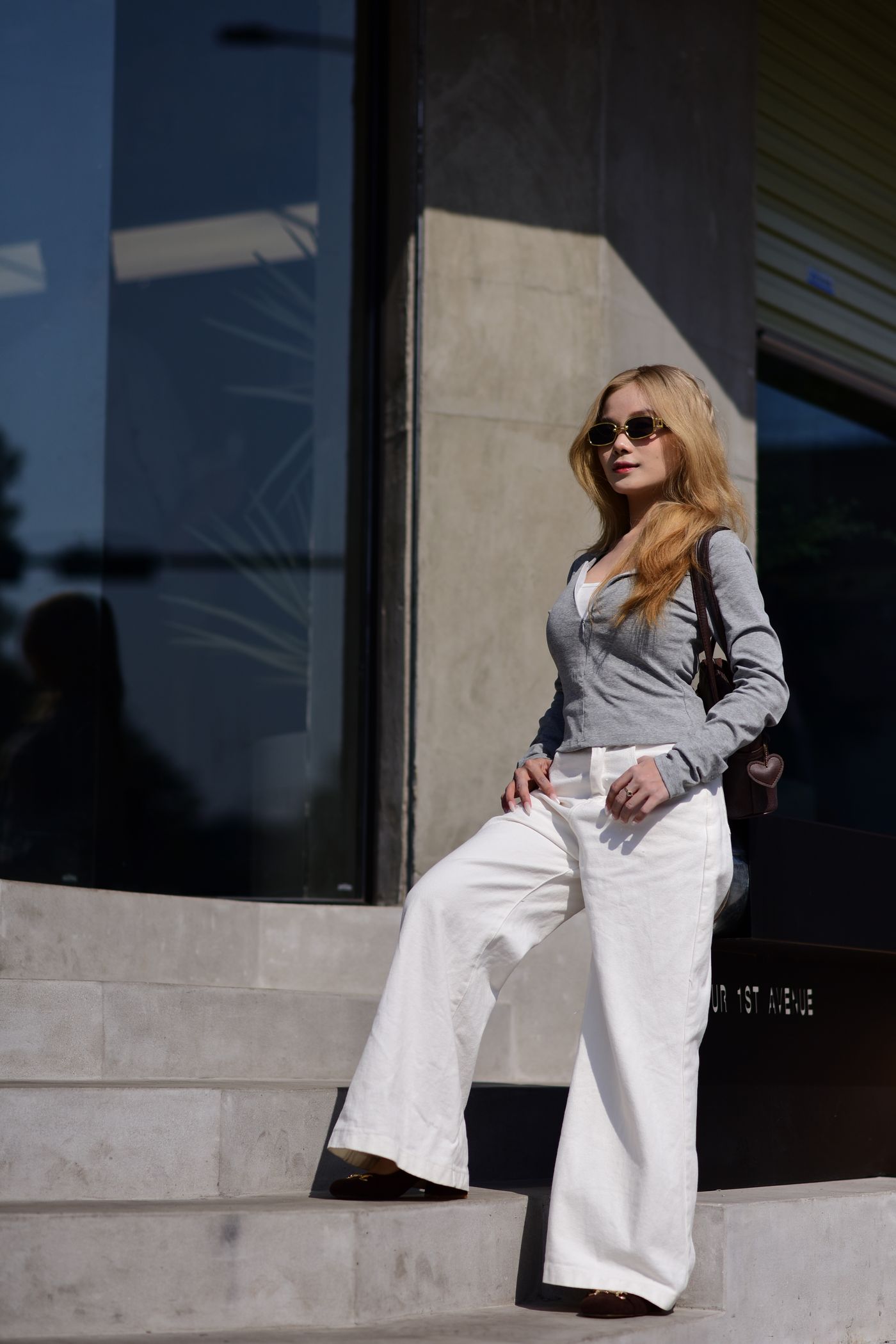
Use the waistband, upper layer and hem to control an outfit’s balance without treating your body as a problem to correct.

Everyday dressing
Choose a removable office layer by checking sleeves, desk movement and how it travels in your bag.