Wardrobe & care
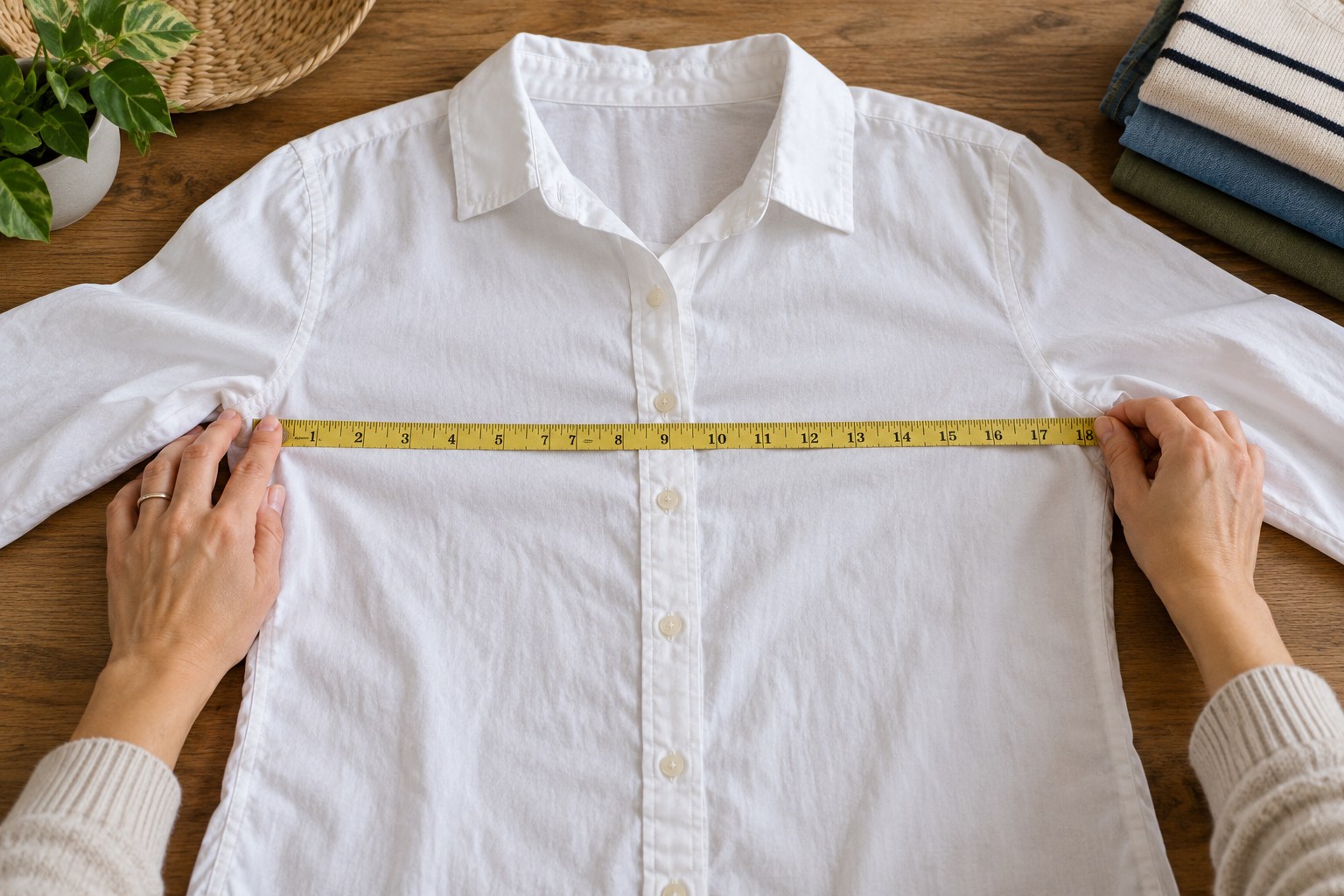
Measure an existing garment before buying another size
Use a garment that fits the way you want as a measurement reference, while keeping body measurements and garment measurements clearly separate.
Clothes, accessories & the ways to wear them
Wardrobe & care
Assess an alteration through the exact fit problem, the garment's construction and the result you would need to wear it again.
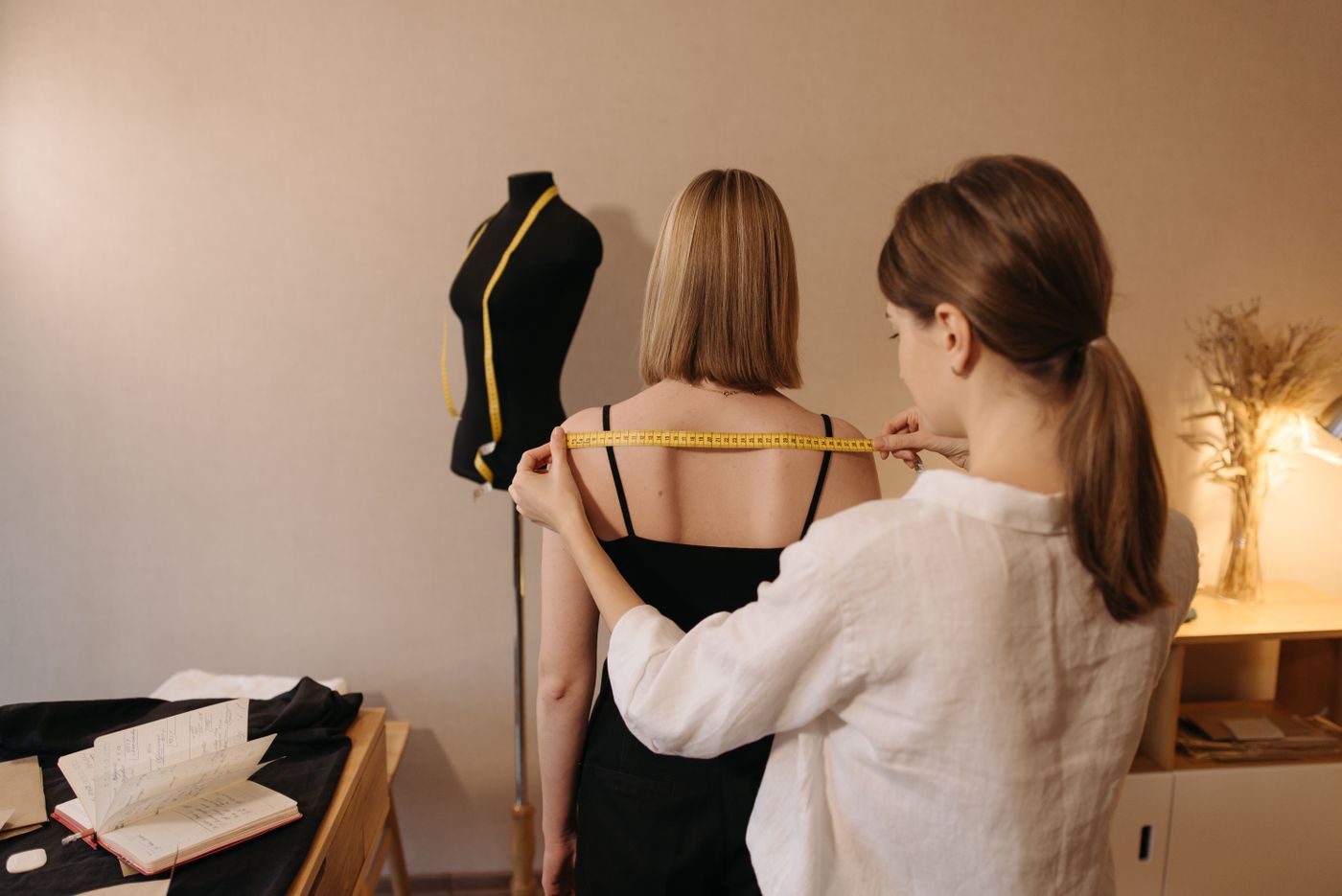
An alteration is most useful when it has a defined purpose. 'Make this fit better' leaves several possibilities open, while 'the hem catches under these shoes' or 'the sleeve restricts reaching' gives a tailor a concrete problem to assess. Put the garment on with its intended underlayers and shoes before describing what needs to change.
Notice where the problem occurs and when. A waistband that feels loose while standing may be comfortable when seated. A sleeve that looks long with the arms down may move considerably when reaching. The alteration should accommodate the actions of the day, not only improve a still front view.
Changing a hem length and changing the entire silhouette involve different decisions. A garment with lining, pockets, pleats, borders or embroidery may have details that limit an apparently simple adjustment. Ask how the proposed change will affect those features. Do not assume there is spare fabric in a seam simply because a section needs more room.
For a saree blouse or another closely fitted piece, explain the movements that cause trouble and the coverage you want to retain. For trousers, take the shoes that establish the intended hem clearance. For a dress, consider how changing the waist or length could move the apparent position of pockets or a decorative border. The garment should be assessed as a whole rather than as unrelated measurements.
Wear or bring the pieces that affect the fit. A different underlayer can change how a blouse sits; a different shoe height can change the hem's relationship to the ground. If the garment will be worn with a belt, jacket or dupatta, show that arrangement when it affects the requested work.
Ask to understand any marked or pinned proposal before agreeing. Sit and move carefully as directed during the fitting, avoiding loose pins. Check whether the proposed shape still gives you the movement you need. A narrower outline may look appealing in the mirror but be unsuitable for the way you intend to use the garment.
Clarify what will remain unchanged. Shortening a sleeve does not necessarily resolve a restrictive upper arm. Taking in a waist may not change the hip shape in the way you imagined. A clear boundary prevents one adjustment from being expected to solve several separate problems.
Ask for the expected cost and completion time before authorising the work. Discuss whether any matching material, replacement fastening or visible change is involved. A complex alteration may still be worthwhile for a garment you value and expect to wear, but its value should come from the likely result rather than the hope that every fit problem can be removed.
Consider the garment's wider condition. If several areas are worn or the fabric no longer behaves as you want, an alteration may not restore the use you have in mind. Conversely, a sound garment that is simply too long may become much more useful after a focused change. Original price alone does not answer either case.
When collecting the garment, try it in the same outfit conditions as the fitting. Check the specific problem, then look at the surrounding lines and movement. If something differs from what was agreed, describe that observation promptly rather than trying to compensate with another accessory.
Keep a short note of the finished measurement or change if it will help with future clothes. The note is a reference for that garment, not a universal instruction for every style. A successful alteration returns a piece to a clear role in the wardrobe and makes the next dressing decision easier.
Wardrobe & care
Use a garment that fits the way you want as a measurement reference, while keeping body measurements and garment measurements clearly separate.
Wardrobe & care
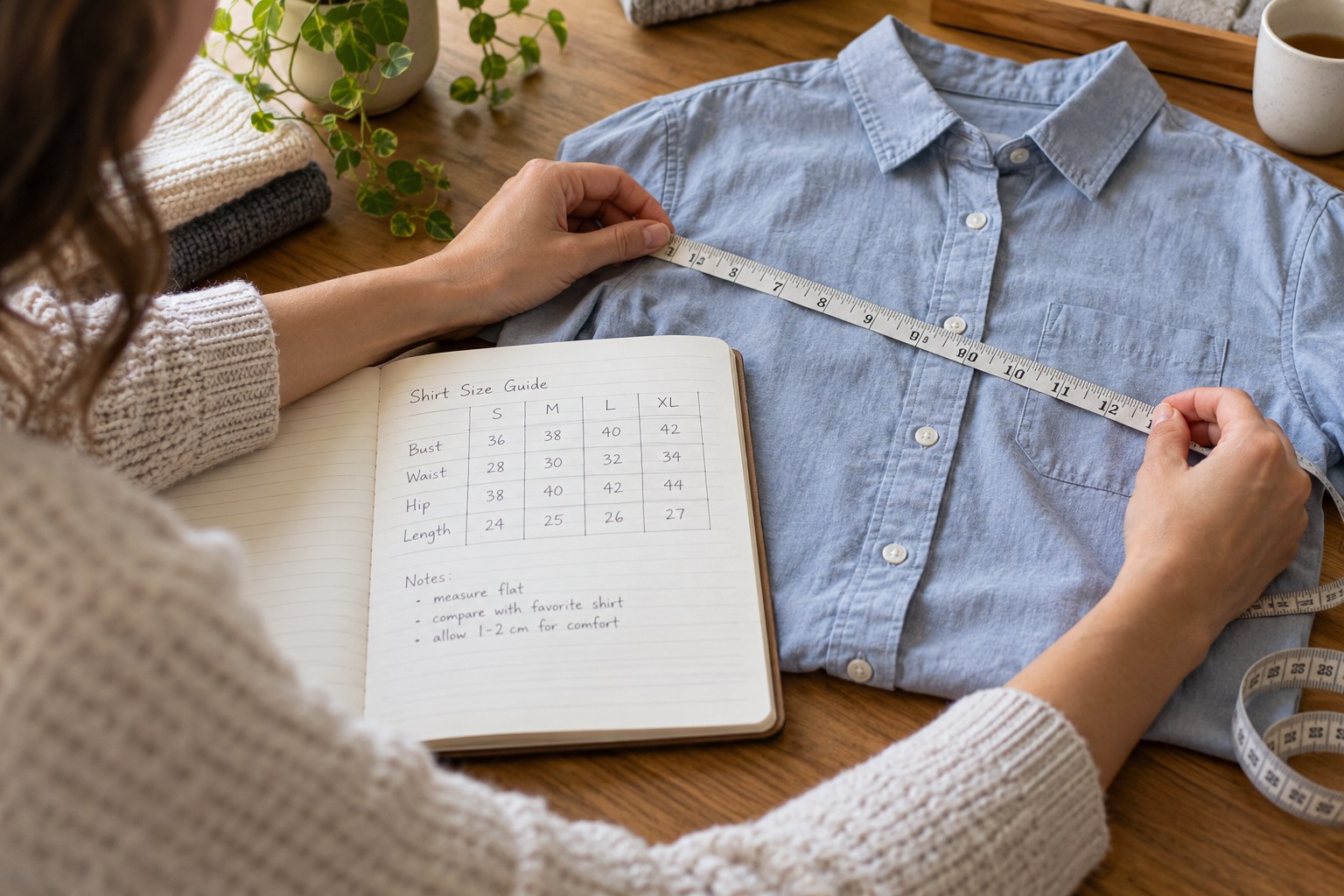
When two body measurements point to different sizes, use the garment's construction and the seller's chart to identify which areas need room.
Wardrobe & care
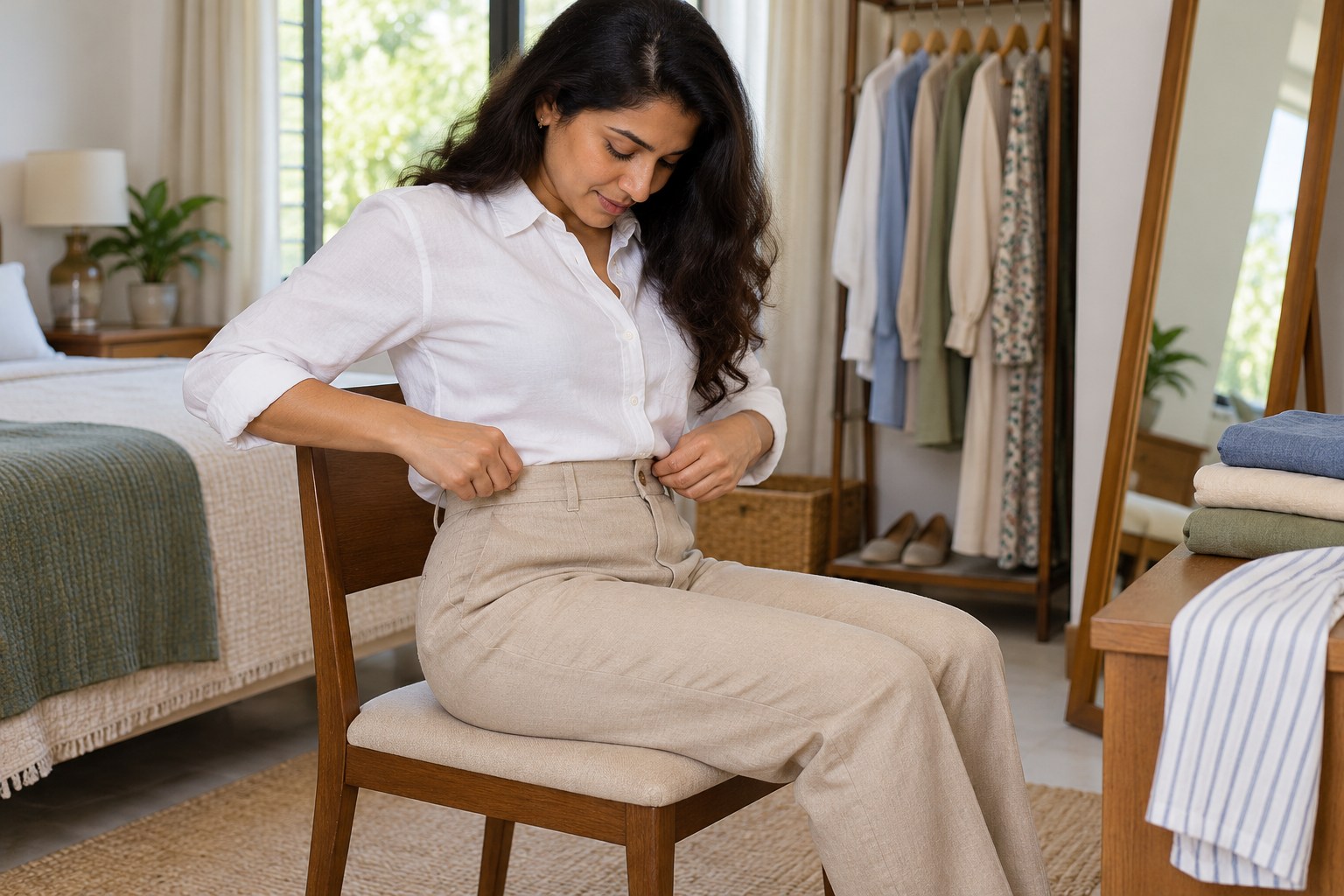
Assess trouser rise through the position of the waistband and crotch during sitting, walking and bending, not only through a front-view mirror check.