Wardrobe & care
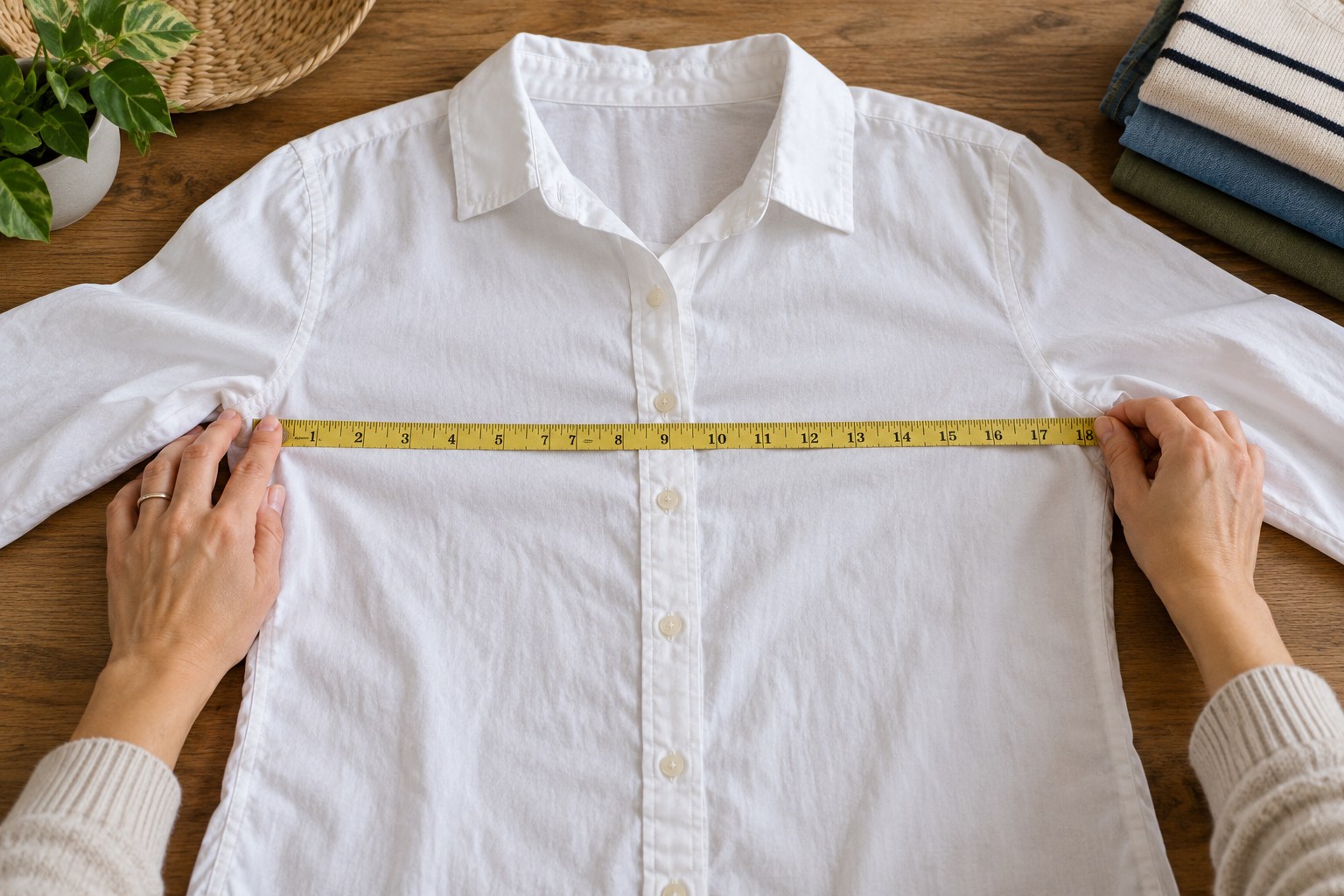
Measure an existing garment before buying another size
Use a garment that fits the way you want as a measurement reference, while keeping body measurements and garment measurements clearly separate.
Clothes, accessories & the ways to wear them
Wardrobe & care
Choose hangers by the garment's weight, shoulder shape and surface, checking that the support does not create a new pressure point.
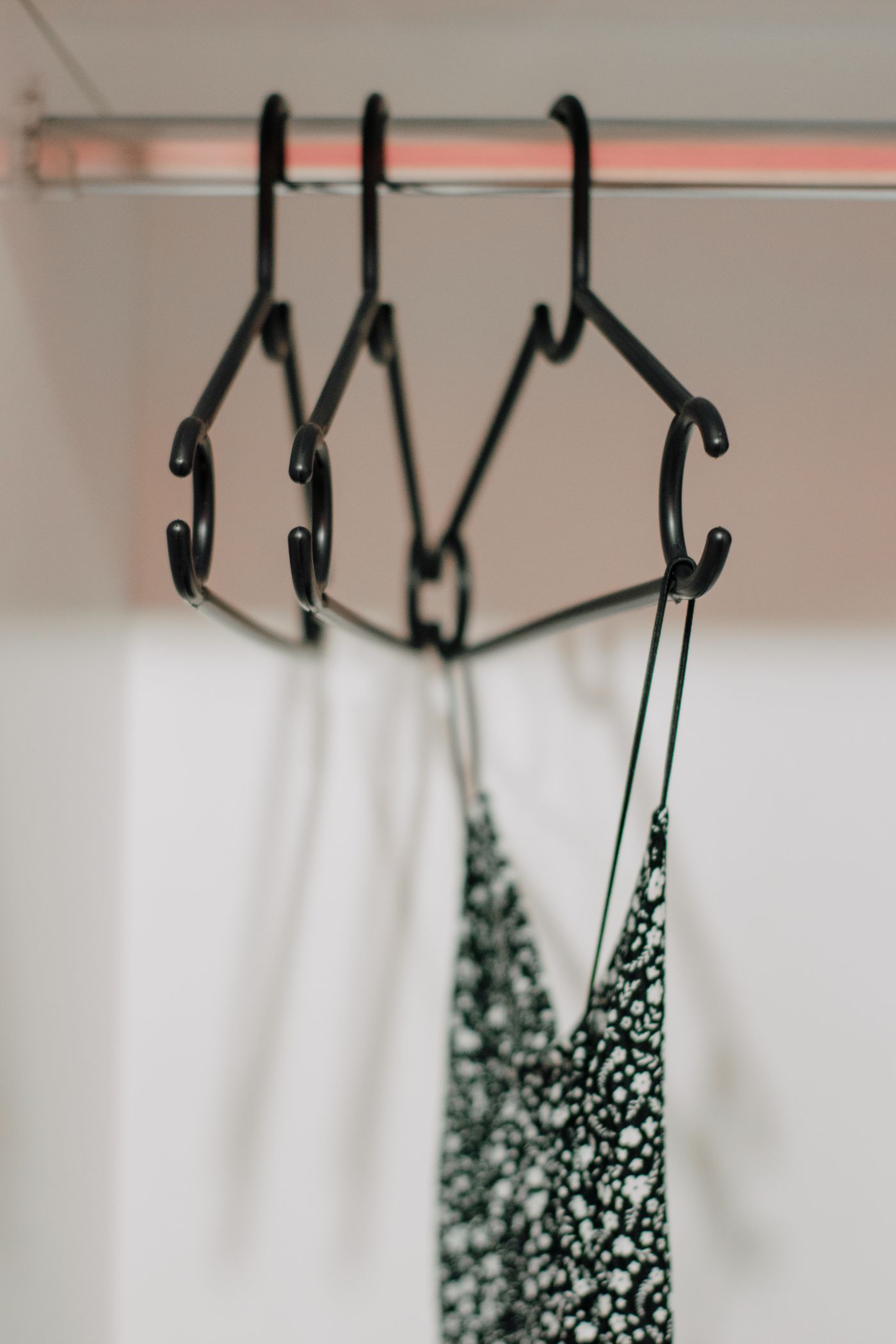
A hanger that works for a structured jacket may not suit a slippery blouse or a delicate dress. Start with the garment's own construction and care guidance. Some pieces are better folded or stored with more support, so hanging should be a choice rather than the automatic destination for everything in the wardrobe.
For a garment suitable for hanging, check the shoulder width against the hanger. Ends that extend well beyond the shoulder may create points in the sleeve, while a very narrow hanger can leave the garment unsupported. The shape should follow the garment comfortably without stretching it to fit.
A non-slip surface can help a smooth blouse stay in place, but inspect it for roughness, damaged coating or edges that could catch the fabric. A hanger does not become suitable merely because it prevents slipping. The garment should also be easy to lift off without pulling or scraping it across a resistant surface.
Use internal hanging loops only as intended by the garment's construction. They may help support some pieces, but do not assume that every small loop is designed to carry the full weight indefinitely. Check that the garment hangs without distortion and that any heavy decoration has the support it needs.
Clips require similar attention. A clip can leave pressure on a waistband or delicate surface if it is unsuitable. Follow the item's guidance and avoid placing a clip directly over raised decoration. If the garment cannot be supported without marking or strain, another storage method may be more appropriate.
Leave enough room on the rail to remove one item without dragging it through the next. Even a suitable hanger cannot prevent contact damage when embroidered, slippery and delicate garments are compressed tightly together. Remove empty hangers that occupy useful space and separate pieces with projecting details.
After trying a new hanger arrangement, inspect the garment before its next wear. Look for shoulder points, slipping or pressure marks and adjust the method if needed. The successful hanger is the one that supports that particular garment in your available space, not necessarily the one that makes every item on the rail look identical.
Wardrobe & care
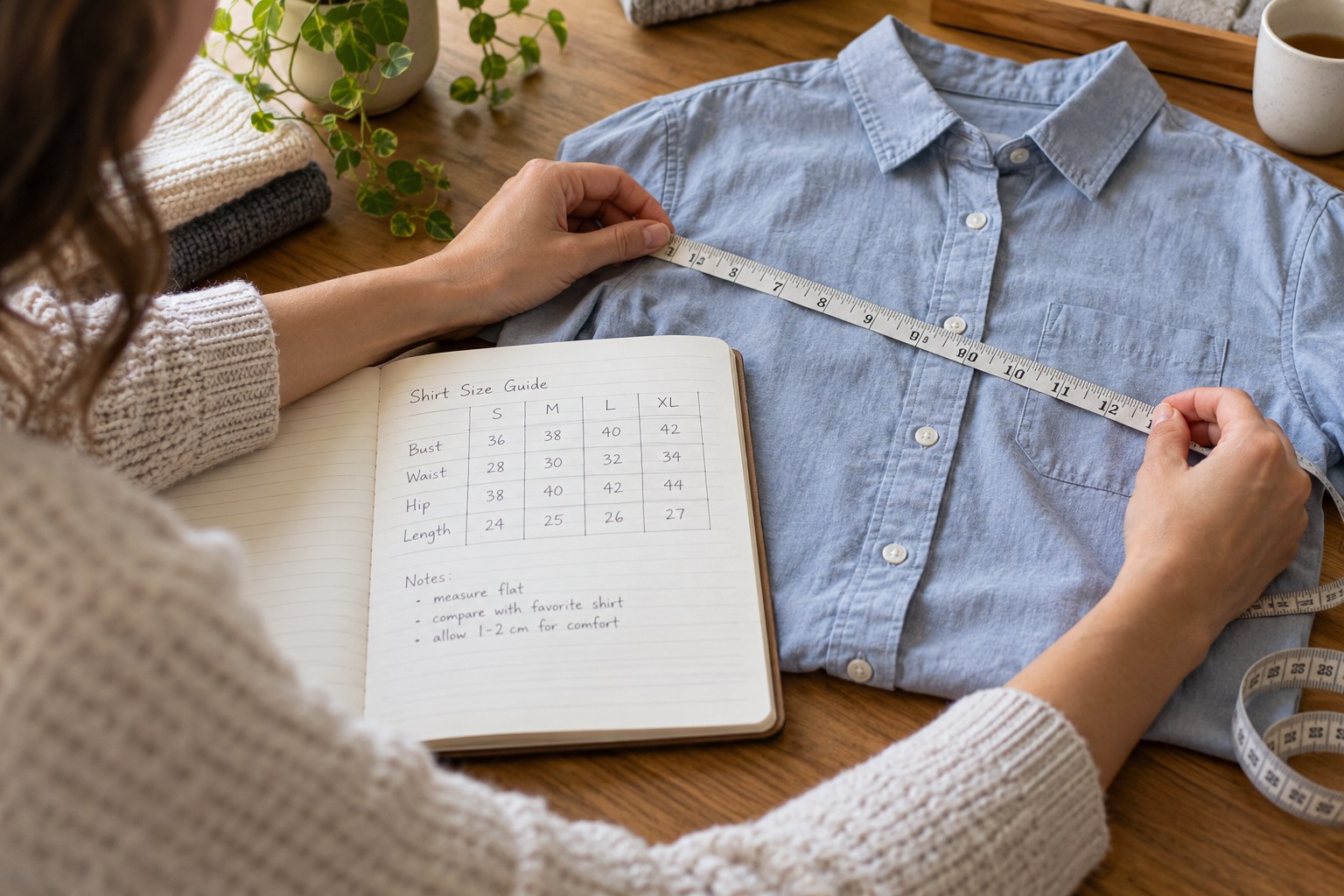
Use a garment that fits the way you want as a measurement reference, while keeping body measurements and garment measurements clearly separate.
Wardrobe & care
When two body measurements point to different sizes, use the garment's construction and the seller's chart to identify which areas need room.
Wardrobe & care
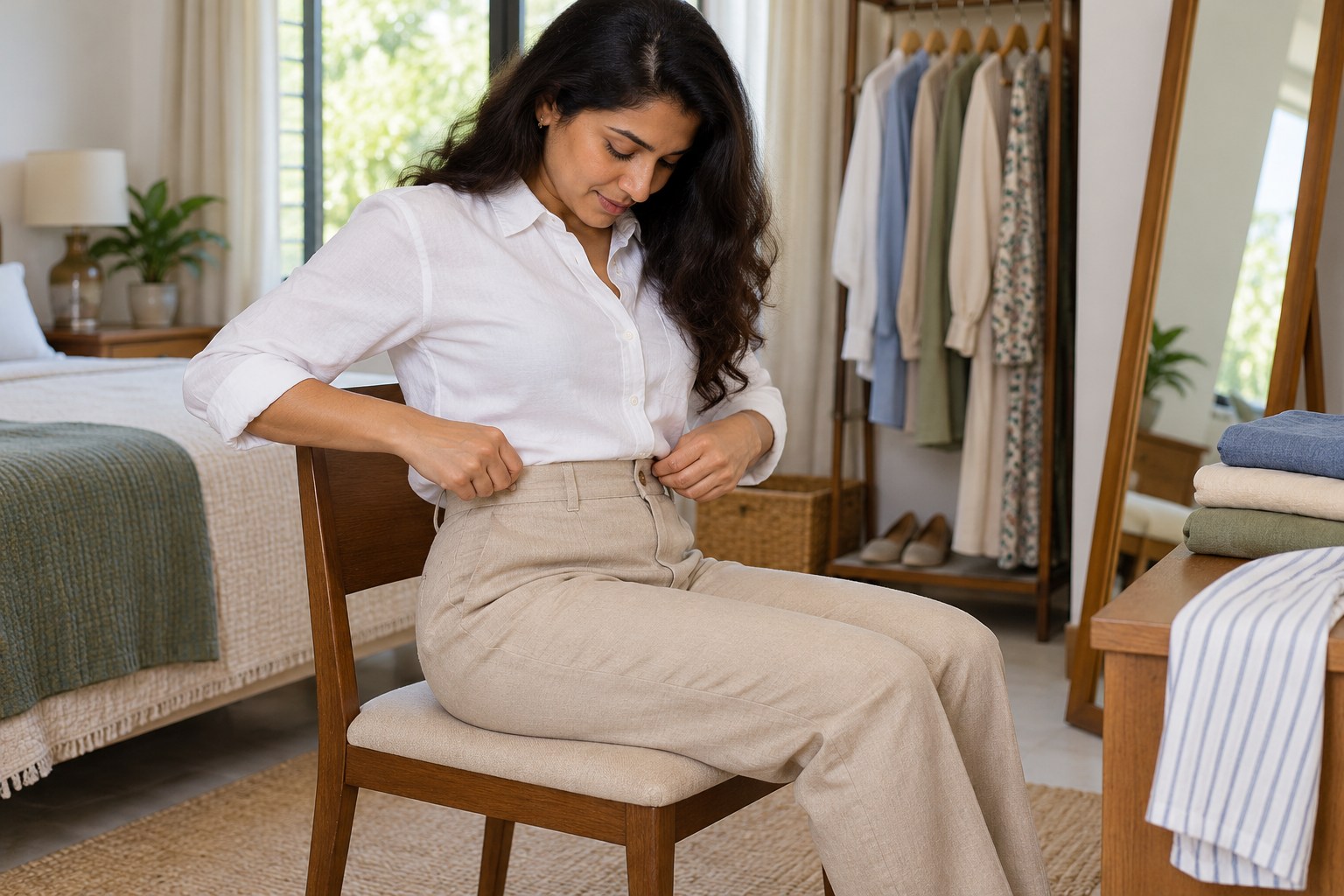
Assess trouser rise through the position of the waistband and crotch during sitting, walking and bending, not only through a front-view mirror check.