Everyday dressing
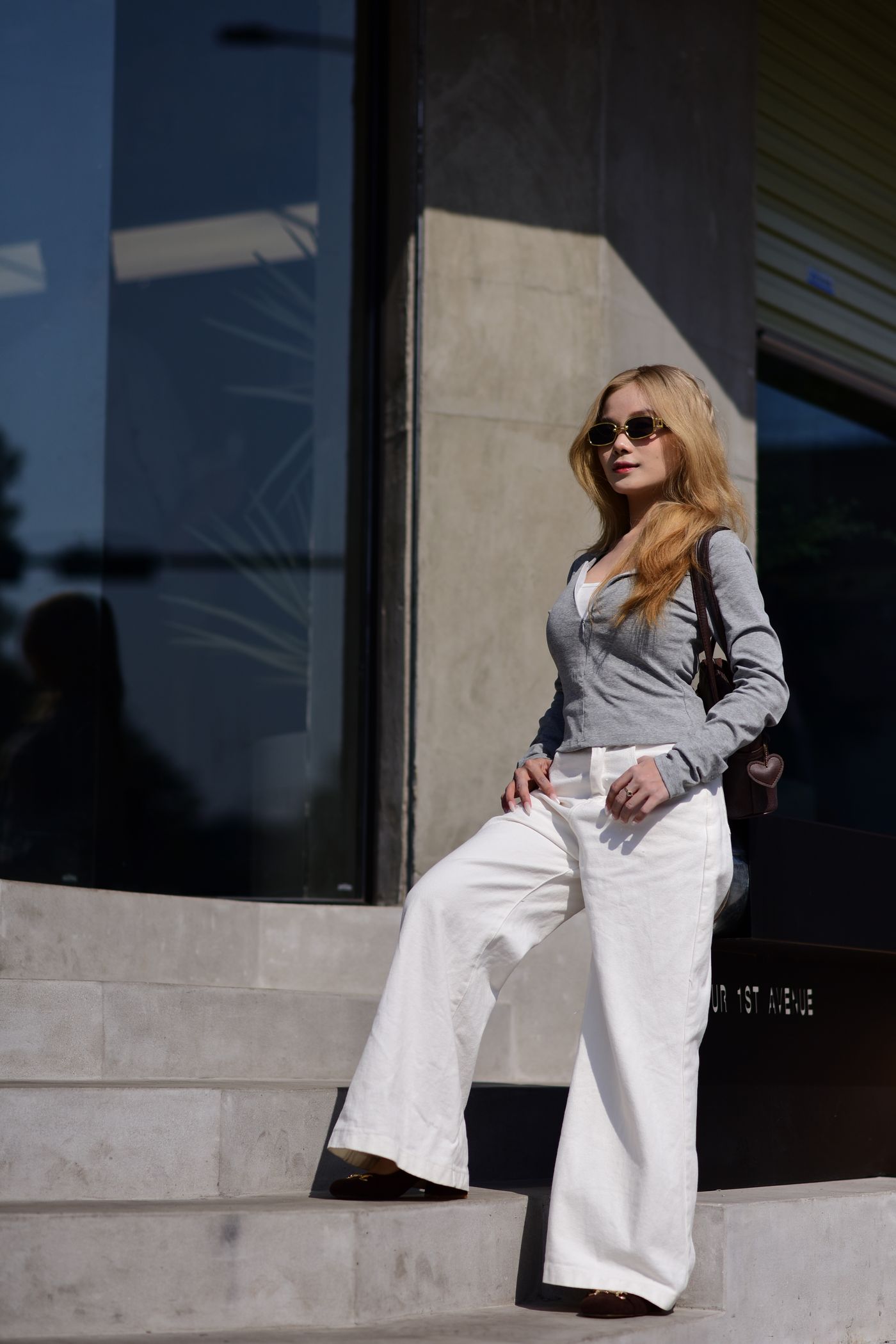
Wear wide-leg trousers without losing your proportions
Use the waistband, upper layer and hem to control an outfit’s balance without treating your body as a problem to correct.
Clothes, accessories & the ways to wear them
Everyday dressing
Build around an easy cotton kurta, then check trouser clearance, bag placement and the layer you will need indoors.
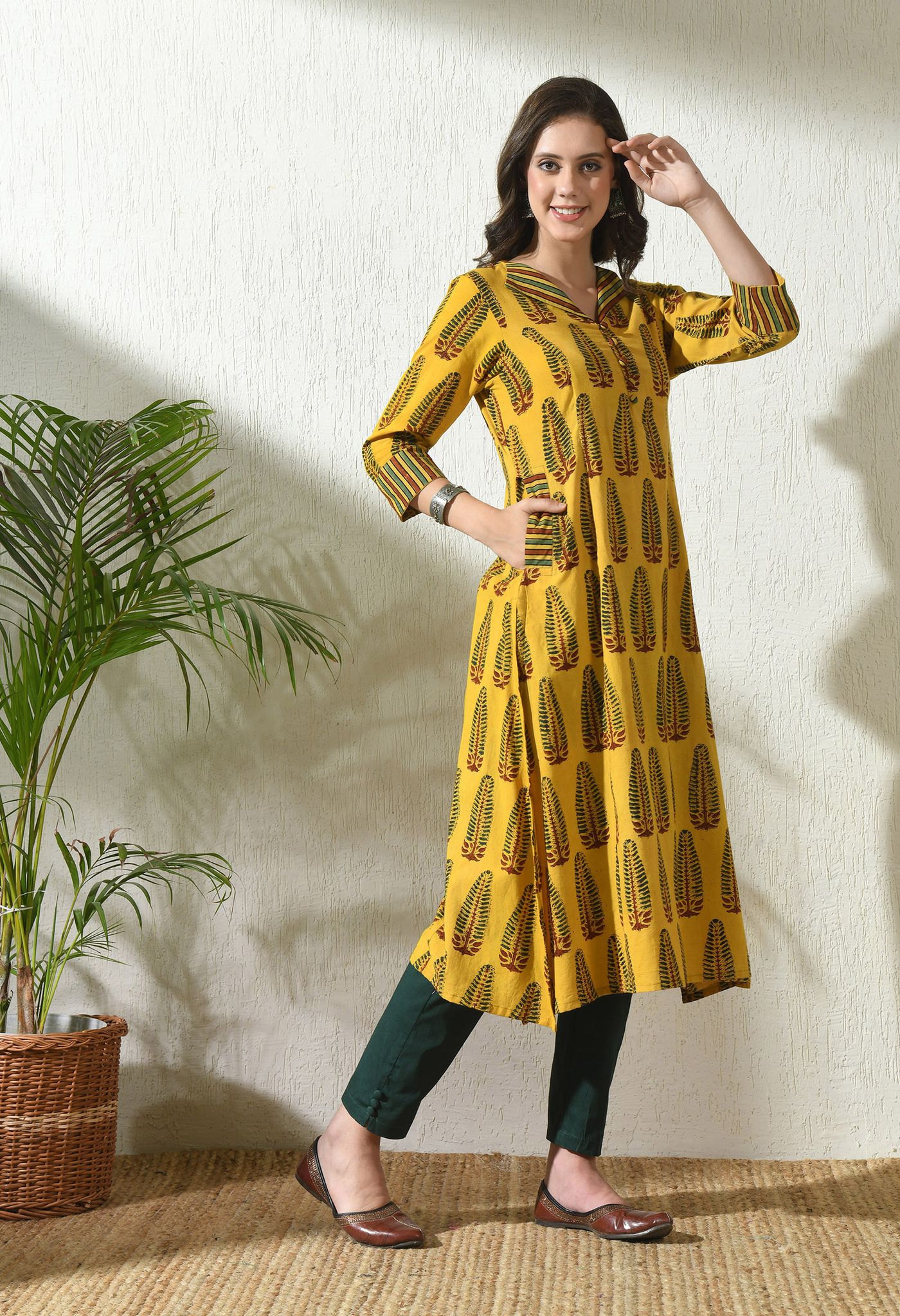
A humid commute asks different things of an outfit than an air-conditioned office. You may stand on a platform, climb steps and carry a bag before sitting indoors for several hours. Start with a cotton kurta that feels comfortable in motion, then choose the other pieces around that actual route. Cotton on a label does not tell you how thick, closely woven or heavily lined the finished garment will be. Handle the fabric and inspect the inside before deciding.
Try raising both arms as though reaching for a handrail. The shoulder seams should not pull sharply, and the armholes should leave the movement you need. Sit down and lean forward: buttons that stay closed while standing can gape in this position. A different cut may solve the problem more comfortably than another layer underneath.
Check the side slits in a mirror with the trousers you intend to wear. Their height affects how much of the waistband and upper leg becomes visible when you move. Choose that coverage deliberately. A long, loose kurta can still restrict your stride if its lower opening is narrow, so take several full steps rather than judging it on a hanger.
Straight or gently tapered trousers offer a useful starting point. For a pale blue kurta, navy trousers and dark flat shoes give the outfit a clear base without requiring several matching accessories. If you prefer cream trousers, check their opacity in daylight and choose an underlayer only if you want one; consider whether that additional layer changes how warm the outfit feels.
Try the hem with your commuting shoes. It should stay clear when you step onto a kerb and should not catch under the heel as you walk. Wide trousers can work too, but an extra-long hem that looks appealing indoors becomes awkward around puddles and crowded steps. Hem length is a garment adjustment, not a reason to change your body or abandon a preferred silhouette.
A crossbody bag leaves your hands available, but its strap may gather a loose kurta across the chest. Load the bag before checking its position. A light backpack is another option if the straps sit comfortably and do not drag the neckline backwards. Keep a dupatta close enough that you can manage it around doors and moving transport; skip it where your preference and the setting allow.
For a cold office, pack a thin cardigan or a generously sized scarf rather than wearing every layer throughout the journey. Small earrings that do not catch the scarf can be easier to manage than a long necklace against a button placket. Finish with a short trial at home: walk, sit, lift the bag and put the indoor layer on. If the outfit needs repeated rearranging during those few minutes, change the troublesome piece before building more accessories around it.
Everyday dressing
Use the waistband, upper layer and hem to control an outfit’s balance without treating your body as a problem to correct.

Everyday dressing
Choose a removable office layer by checking sleeves, desk movement and how it travels in your bag.
Everyday dressing
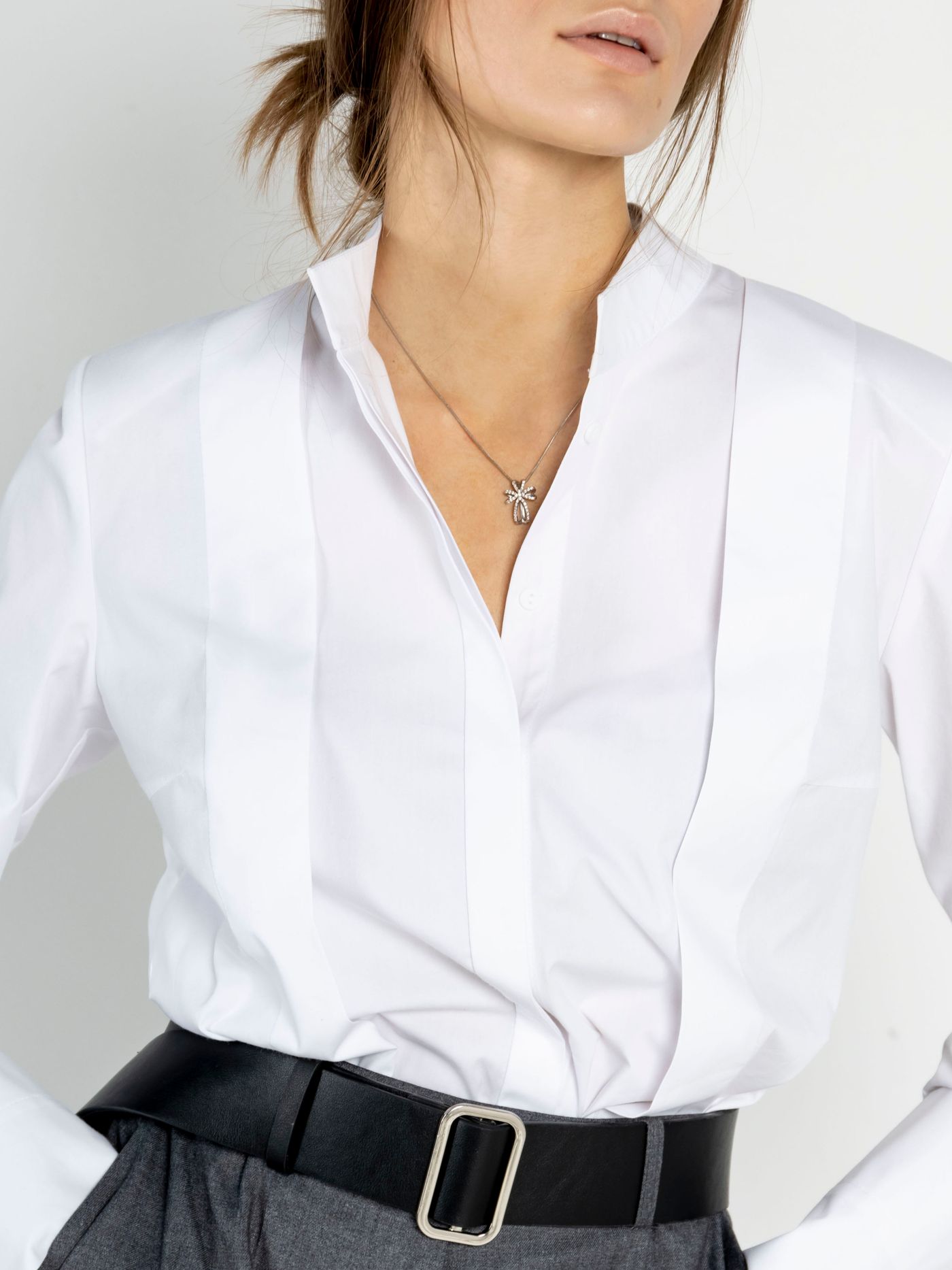
Decide how much transparency you want, then compare underlayers and button spacing in daylight.