Everyday dressing
Build a cotton kurta outfit for a humid commute
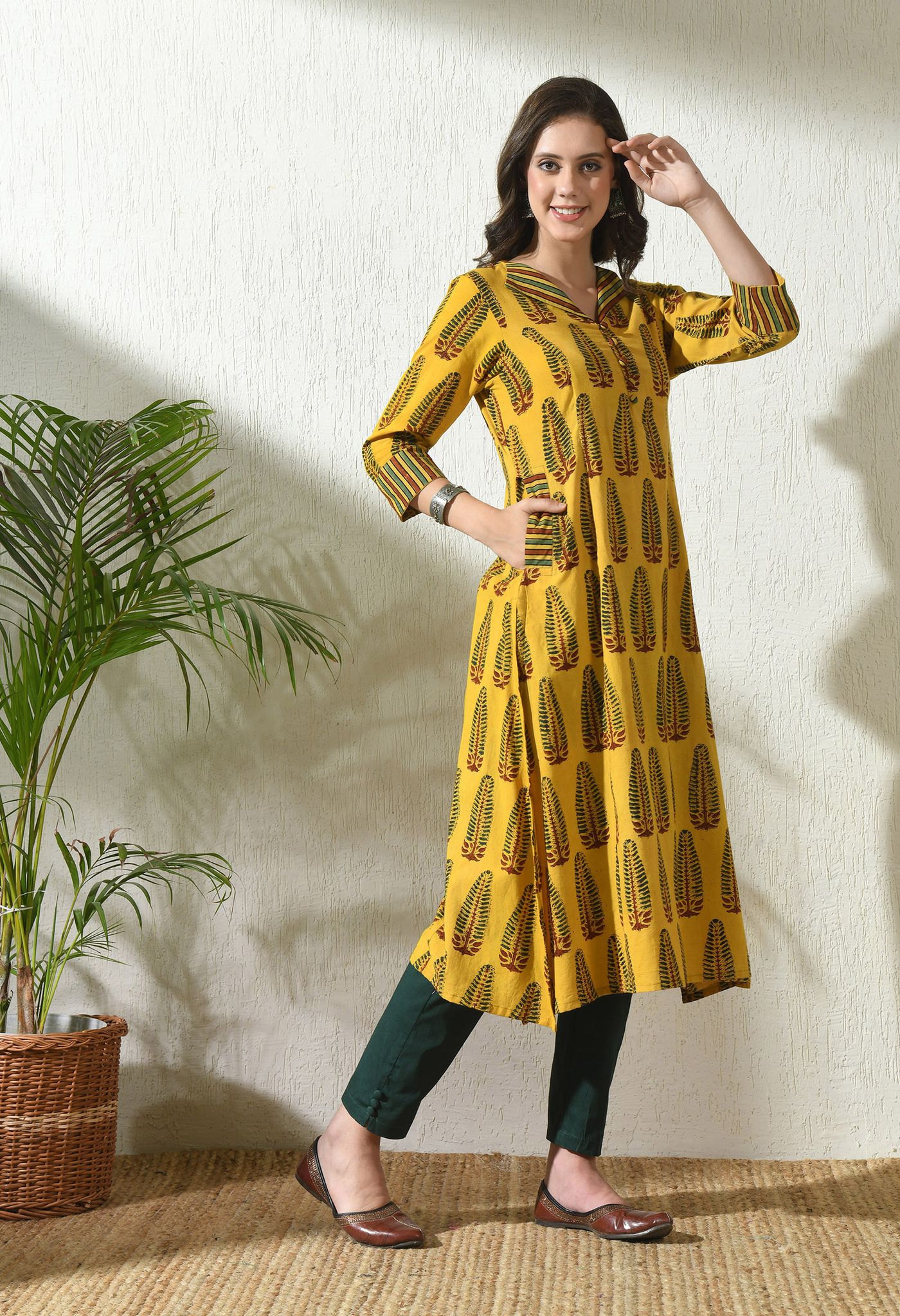
Build around an easy cotton kurta, then check trouser clearance, bag placement and the layer you will need indoors.
Clothes, accessories & the ways to wear them
Everyday dressing
Plan a rainy commute around hem clearance, manageable layers and somewhere to put wet items.
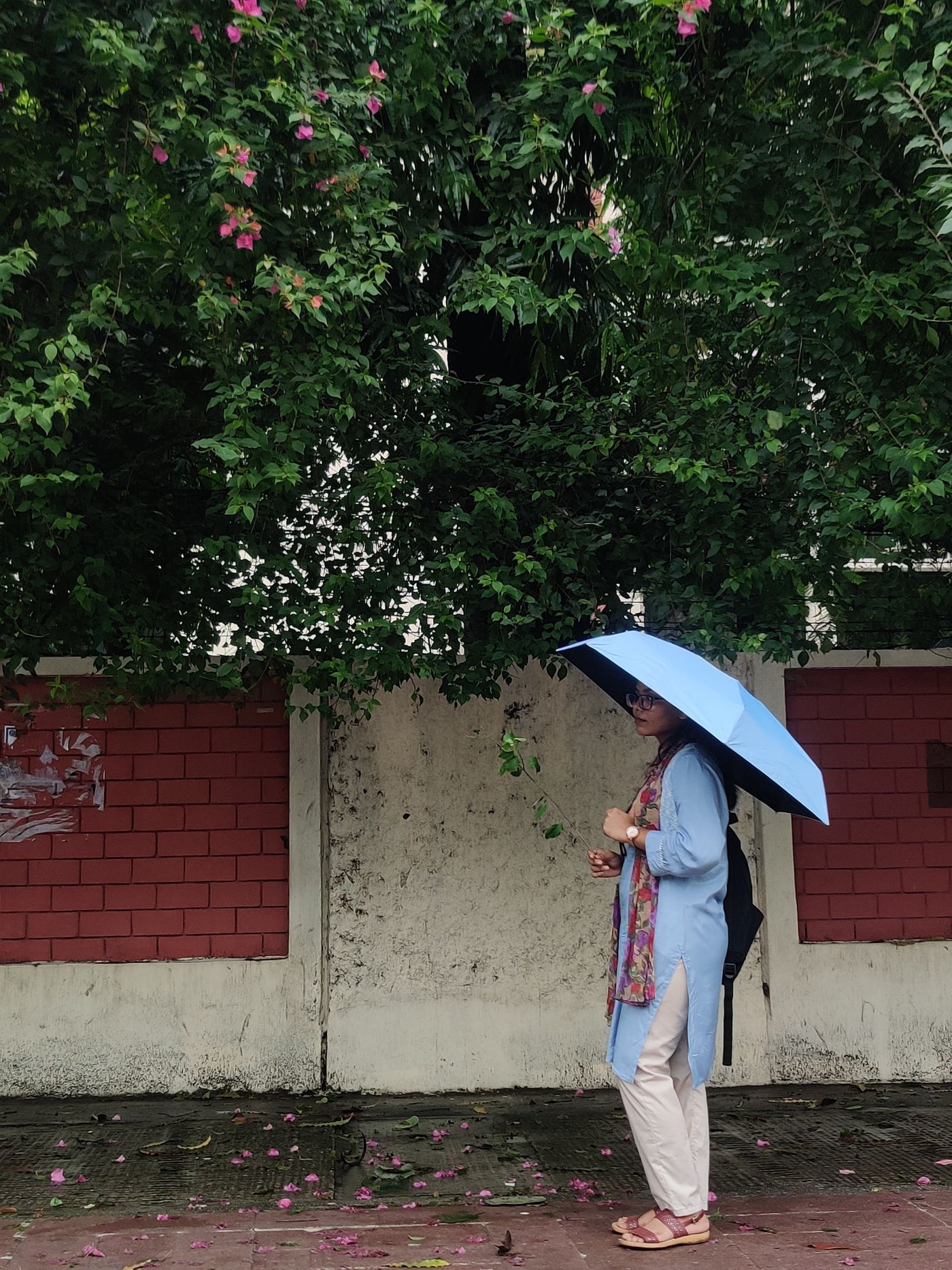
Rain changes the usefulness of an outfit even when it does not change your preferred style. A long skirt, palazzo trousers or flowing dupatta may be comfortable on a dry day but require constant lifting around puddles. Build the outfit around your route: a short walk from a covered entrance presents different demands from several exposed transfers.
Try ankle-length straight trousers with a kurta whose hem clears your knees comfortably when stepping up. If you prefer a skirt, choose a length and opening that let you take a full step without gathering the fabric. Do this test in your commuting shoes. A hem that clears the floor barefoot may sit differently over footwear.
Avoid using a last-minute loose fold as a permanent trouser adjustment. It can drop during the journey or collect water. A properly shortened hem, a different pair or a secure cuff appropriate to the fabric is easier to manage. Fine, wide trousers rarely form the same tidy cuff as firmer straight jeans.
Keep scarves and dupattas close to the body where possible. An elaborate drape may look appealing but be difficult to rearrange while holding an umbrella and bag. If coverage is important to you, choose a shape that provides it without requiring you to grip both ends throughout the journey.
Put on any rain layer over the actual outfit. Check that it closes over the sleeves and does not pull the kurta upwards when you lift your arms. A very wide sleeve can bunch beneath a narrow raincoat sleeve. A shorter outer layer may leave a long garment exposed; decide whether that compromise suits the expected journey.
Your bag needs a closure you can operate with one hand, but no closure alone proves that it is waterproof. Check the manufacturer's description for any water-resistance claim. Put vulnerable belongings in appropriate inner protection if needed, and keep a wet umbrella separate from clothes or papers. A cloth tote without a closure may be convenient in dry weather and less useful here.
If you change shoes at work, keep the spare pair protected from damp footwear in your bag. Choose trousers that work with both heights; changing from a thick sole to a very low flat can make a previously clear hem drag. Do not rely on wet shoes becoming comfortable after you arrive.
A navy trouser, patterned knee-length kurta and compact crossbody bag can form one manageable combination. The print is a styling choice, not a guarantee that rain marks will disappear. Once home, follow each garment's care instructions and let wet items dry appropriately before storage. The aim is fewer pieces to lift, rescue and rearrange while you travel.
Everyday dressing
Build around an easy cotton kurta, then check trouser clearance, bag placement and the layer you will need indoors.
Everyday dressing
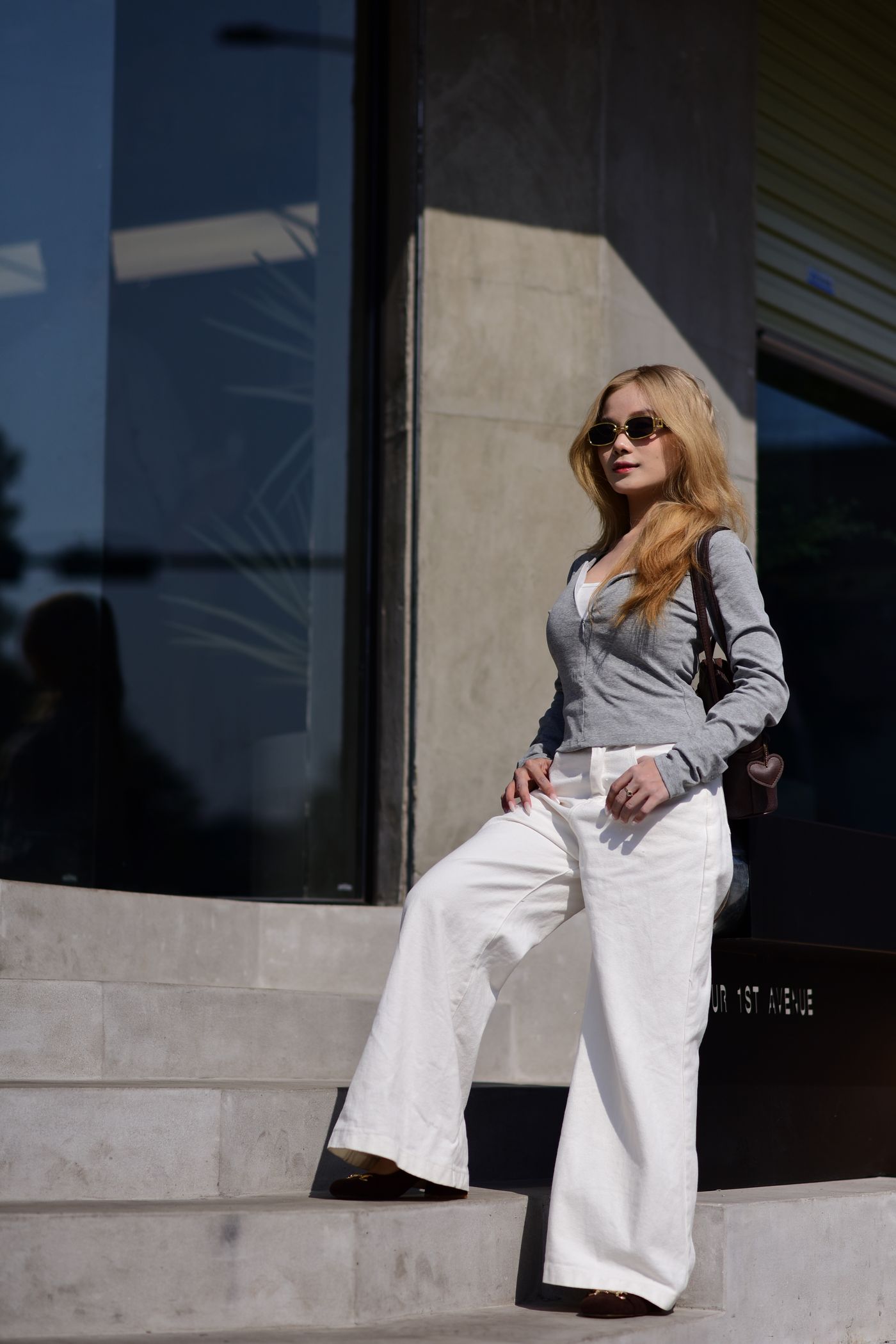
Use the waistband, upper layer and hem to control an outfit’s balance without treating your body as a problem to correct.

Everyday dressing
Choose a removable office layer by checking sleeves, desk movement and how it travels in your bag.