Occasions & travel
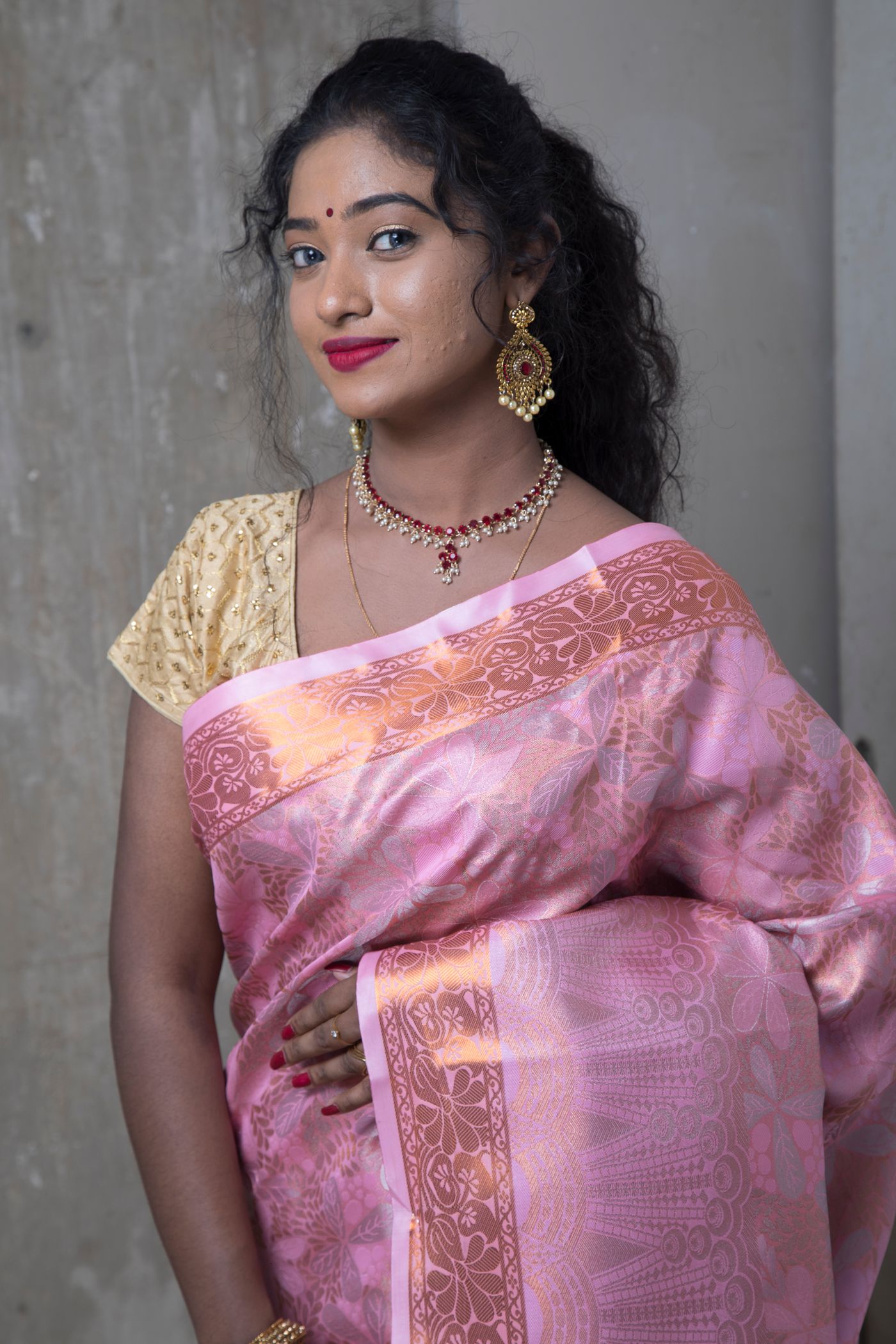
Choose an outfit for a daytime wedding as a guest
Let the invitation, venue and length of the day guide the fabric, footwear and amount of detail in a wedding guest outfit.
Clothes, accessories & the ways to wear them
Occasions & travel
Pack for a warm city through complete daily combinations, with enough flexibility for walking, indoor cooling and laundry limits.
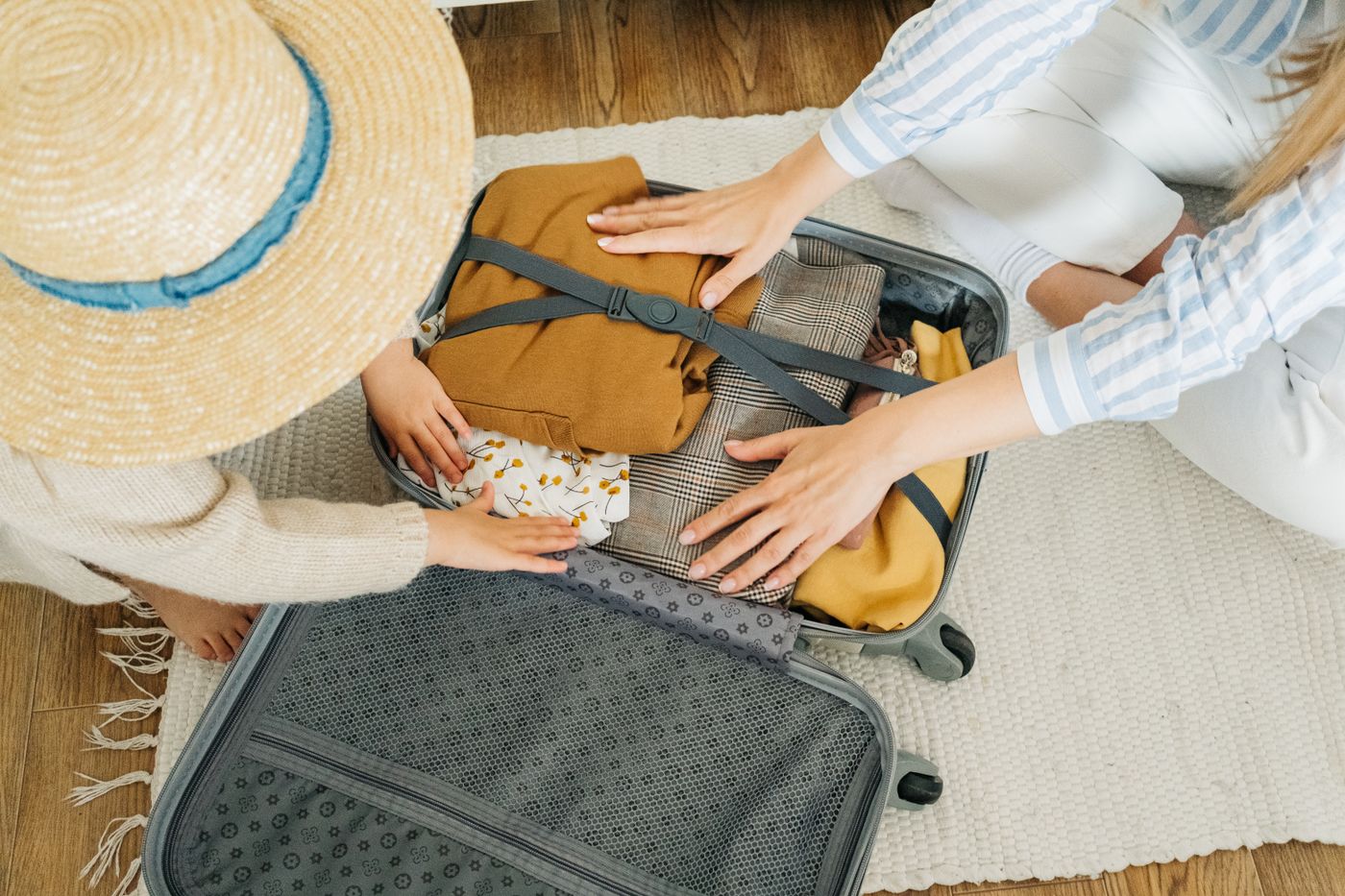
Write down the activities for each day before counting garments. A city break may combine long walks, museums, a restaurant booking and a visit to a place with clothing guidance. Check the expected weather close to departure and any venue requirements separately. Then make a small outfit plan that covers those activities without assuming every day will be spent in the same conditions.
Start with the shoes you can comfortably use for the planned walking. Their colour and shape will help narrow the trouser, skirt and dress options. Check every hem with them. A pair of wide trousers that only works with high heels is unlikely to earn its place in a walking-focused bag, unless there is a specific evening reason to bring both.
Choose a few bottoms and try each with the proposed tops. Do not count a top as versatile merely because its colour matches everything. Its length, volume and fabric may work with only one waistband. Put the combinations on and take quick reference photographs if that helps you remember them. A dress can simplify one day, but it still needs the right footwear, layer and bag.
For a four-day example, you might use straight trousers, a washable skirt and one dress, with tops that genuinely work with both separates. A light shirt can serve as a top or an open layer if it fits both roles. This is an example to adapt, not a required capsule. If your plans are mostly formal or you prefer kurtas, a different set may be more useful.
Avoid relying on an item drying overnight unless you know the facilities and conditions. A fabric that feels light can still dry slowly in a humid room, and a care label may rule out the washing method available. Pack enough clean clothing for your realistic laundry plan. If laundry is booked, note when items must be handed in and returned before depending on them for the next day's outfit.
A light outer layer can be useful in air-conditioned spaces, but it should fit in the bag you will carry. Try it over the outfit with the fullest sleeves. If it only fits comfortably over one top, it is not the universal layer you imagined. A scarf can cover a neckline or provide a small amount of warmth, but may not replace a jacket where you know you will feel cold.
For places that request particular coverage, read the venue's own guidance rather than assuming a wrap will always be sufficient. Choose a complete outfit that meets the stated requirement and remains comfortable for the rest of the day. This can reduce the need to carry extra clothing or rearrange several layers at the entrance.
Pack outfits so the first day's clothes are accessible, and keep footwear away from clean fabric. Put delicate jewellery in separate small compartments rather than letting chains tangle in a large pouch. Carry only the accessories that appear in your planned combinations. An item that requires its own shoes, bag and special layer may be the easiest one to leave behind.
Leave a small margin for changes: an extra top may solve more problems than a second evening bag. At the same time, do not fill every space with hypothetical alternatives. Review the itinerary once more and remove duplicates that perform the same job. The goal is a bag of wearable combinations, not a miniature version of the entire wardrobe.
Now imagine that one planned afternoon changes: a museum visit becomes a longer outdoor walk, or dinner follows sightseeing without a return to the room. Which outfit can handle that change? You do not need a spare wardrobe for every possibility, but one flexible combination can reduce the pressure to get every day's schedule exactly right. A top that works with both packed bottoms is usually more useful than an additional top that only works with one.
Consider a delayed laundry return as well. If your plan depends on wearing the same washed item the following morning, identify another complete combination from the bag. If none exists, change the packing list or the laundry assumption. Adding a small extra item may be justified here because it solves a named dependency rather than a vague fear of running out of clothes.
Finally, weigh or carry the packed bag in the way you will use it. Clothing choices that seem compact on the bed can become cumbersome once shoes and care items are included. Remove the least useful outfit before removing the layer or spare item that solves a real itinerary problem. The packing plan should remain workable when one ordinary detail of the trip changes.
Occasions & travel
Let the invitation, venue and length of the day guide the fabric, footwear and amount of detail in a wedding guest outfit.
Occasions & travel
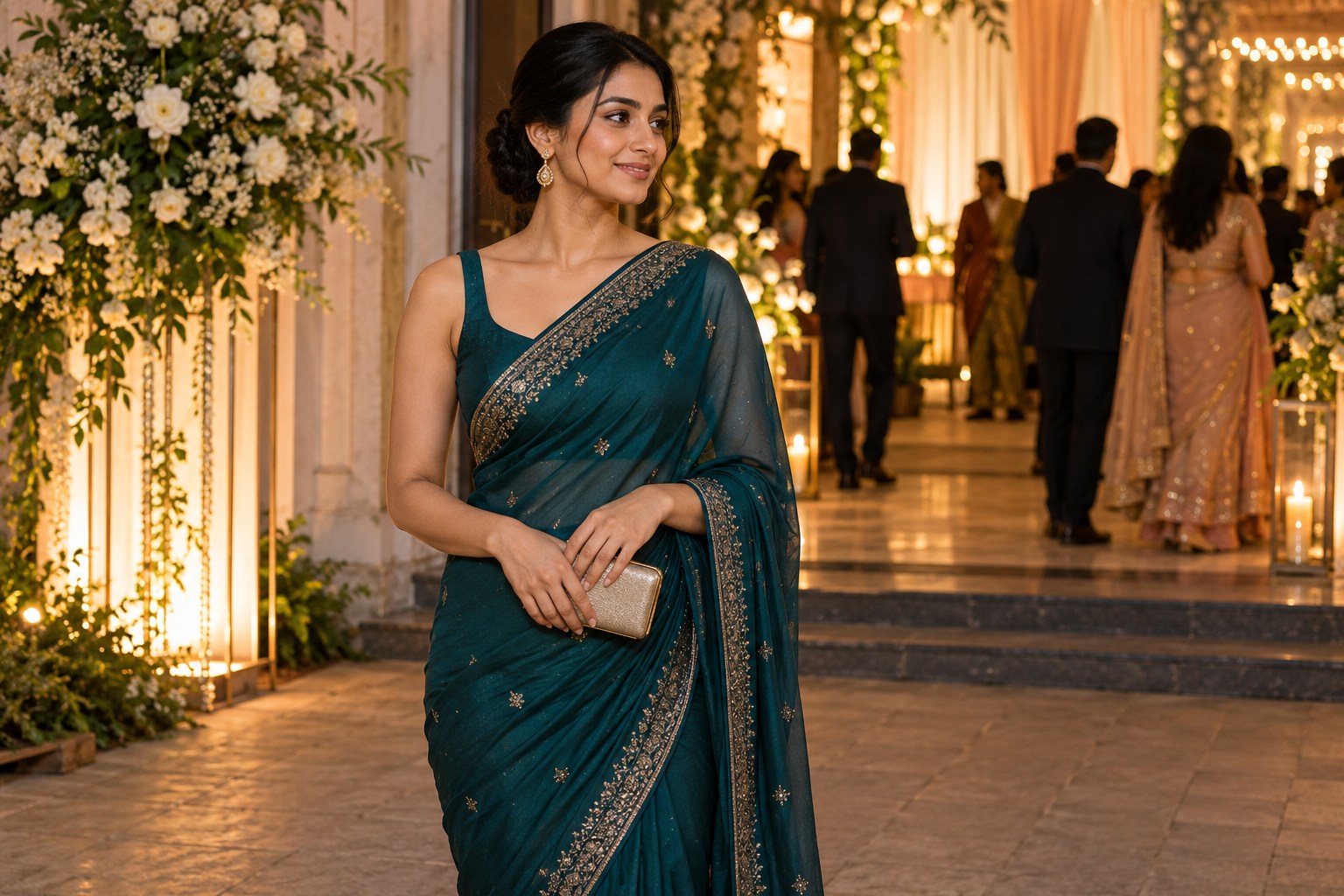
Spend on the missing function in your reception outfit, rather than buying a complete new set of accessories.
Occasions & travel
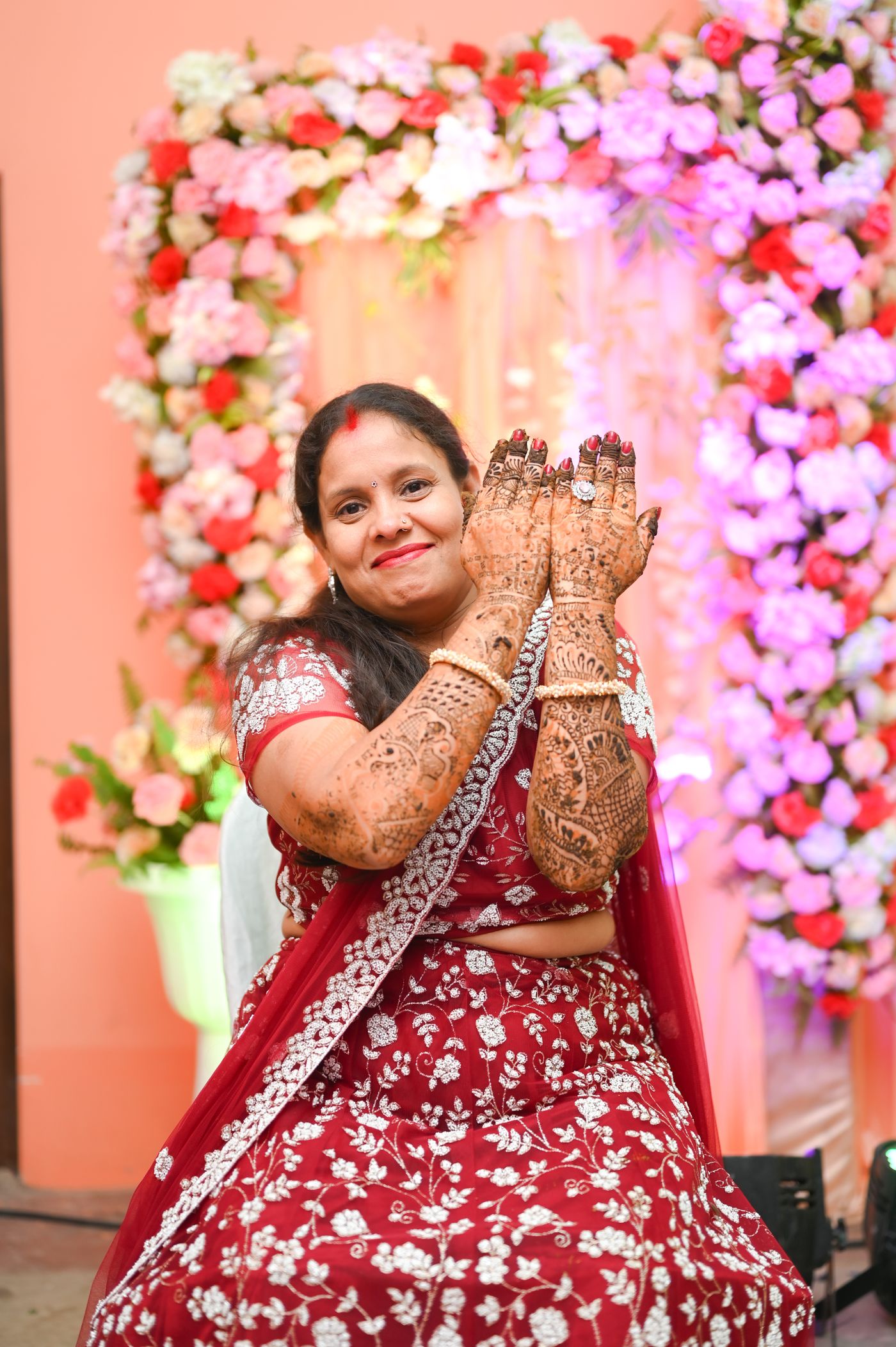
A sangeet outfit should pass the movements you expect to make, from sitting at dinner to raising your arms on a dance floor.