Shoes & bags
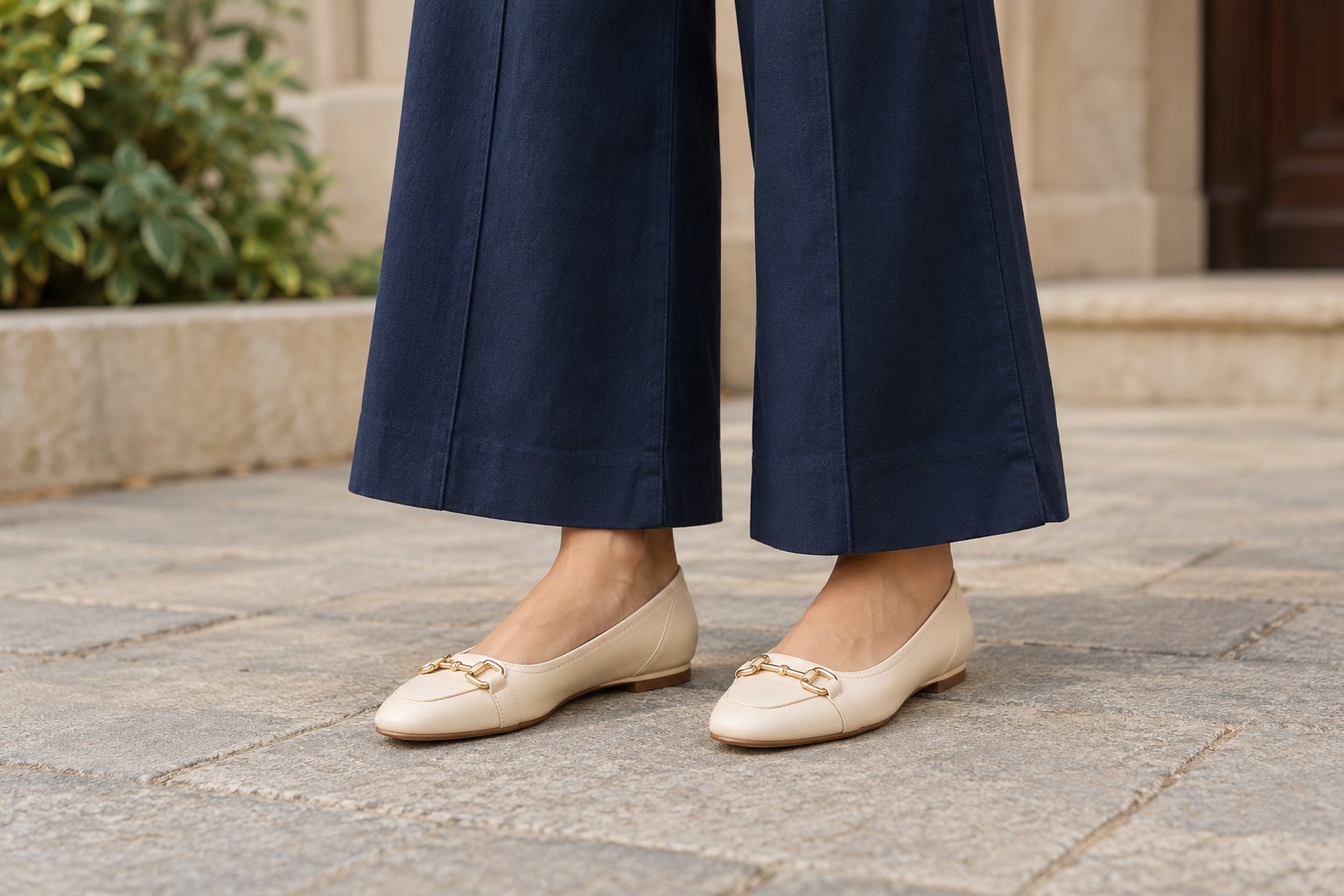
Choose flats to wear with wide-leg trousers
Choose flats with enough visible shape beneath wide trousers, then make sure the hem stays clear while walking.
Clothes, accessories & the ways to wear them
Shoes & bags
Build a rainy-day footwear plan from the surfaces and distances on your route, including what happens to wet shoes after arrival.
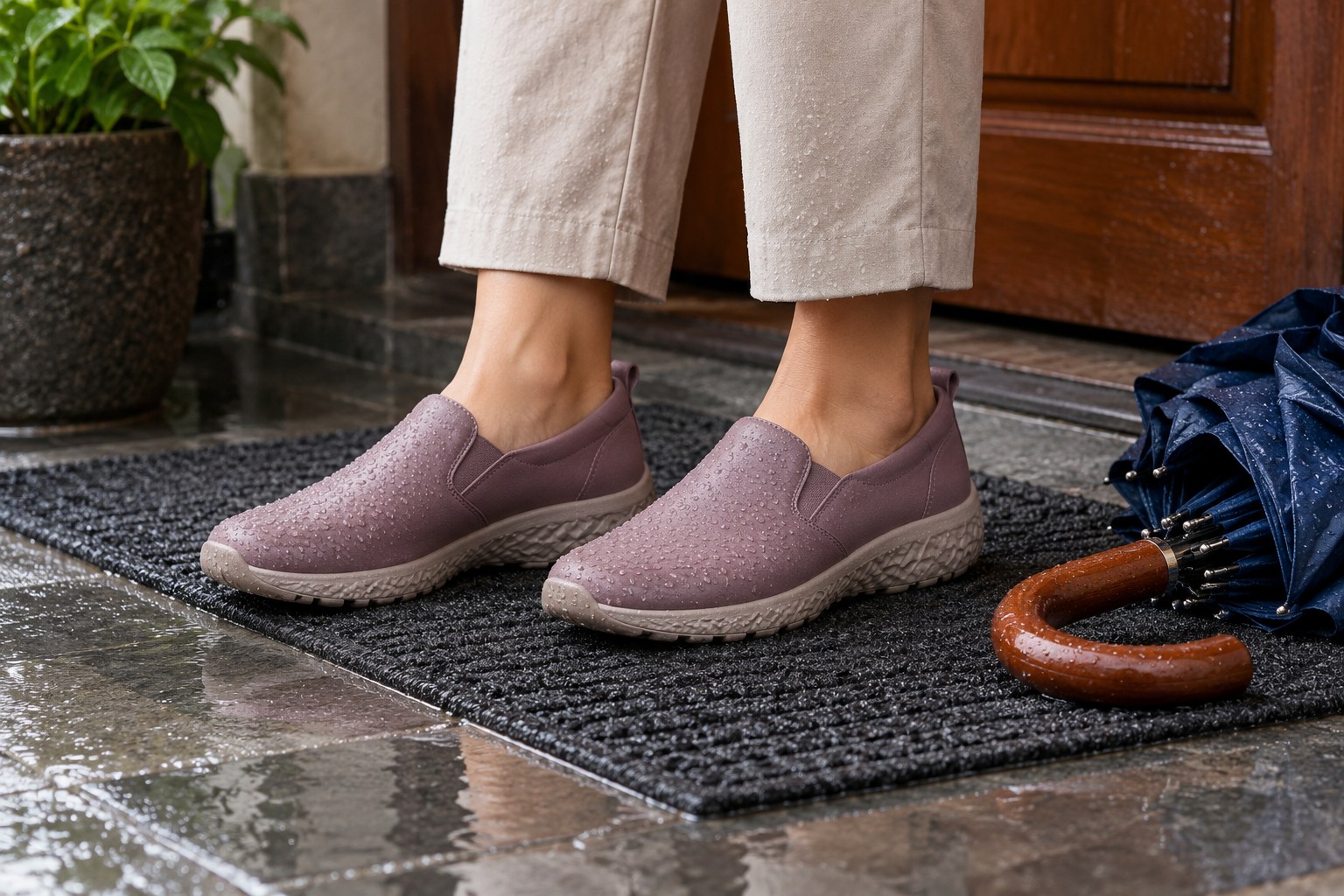
AI-generated illustration. Items shown are illustrative, not specific products for sale.
Rain changes a commute in several ways: the ground may be wet, the hem may pick up splashes and shoes may need time to dry after you arrive. Start with the actual route. A short walk from a car, a long pavement journey and several transport changes create different needs. Check the forecast and consider the surfaces you normally cross rather than buying footwear from a general rainy-day label.
Inspect the pair you intend to use. Look at the sole condition, fastening and upper, and check the manufacturer's information about water resistance and care. Water-resistant does not necessarily mean suitable for prolonged soaking, and the material name alone does not establish what the finished shoe can tolerate. Avoid treating a fashion description as a promise about every wet condition.
If a suitable pair works for both the journey and your destination's clothing expectations, the plan can stay simple. Try it with the outfit and make sure the hem clears the ground. Cropped trousers or a shorter skirt may reduce trailing fabric if they suit your preferences and the setting. A long kurta can still have a hem that reaches puddle edges even when the trousers are short, so check every layer.
If you need different shoes indoors, plan the change deliberately. Carry the dry pair separately from clothes and make sure the bag has room for the journey pair afterwards. A spare pair is not useful if the wet shoes must then be pushed against a clean blouse or work papers. Use a suitable separate container for transport and deal with the shoes promptly on arrival rather than leaving them damp and sealed for an extended period.
Compare the heights of travel and indoor shoes. A trouser length that works with office heels may drag during the rainy journey in flats. You could choose closer heights, alter the hem for the pair used most often or wear a different garment that clears both. A temporary rolled hem may work for some fabrics, but a heavy fold can hold moisture and may not stay in place. Test it before relying on it.
With a saree or long skirt, consider how easily you can manage the hem while carrying a bag and umbrella. An outfit that requires one hand to hold the fabric throughout the route may be inconvenient. A different length or garment can be a more useful adjustment than adding more accessories to protect the original plan.
Have a place to put the wet pair where it will not mark clothing or create a trip obstacle. Follow the maker's drying guidance; direct heat can be unsuitable for some materials and constructions. Remove obvious surface moisture as appropriate for the shoe and allow the recommended drying time. Do not assume the same pair will be ready again the next morning without checking.
Pack only the small items your routine needs, such as a suitable cloth or separate shoe bag, rather than a large kit you will not use. If your usual pair is still damp or damaged, choose another option for the next journey. The footwear plan is complete when it covers walking, changing, carrying and drying, with an outfit hem that works through each stage. No shoe choice removes the need to take care on wet surfaces, but a route-based plan can reduce avoidable clothing complications.
Shoes & bags
Choose flats with enough visible shape beneath wide trousers, then make sure the hem stays clear while walking.
Shoes & bags
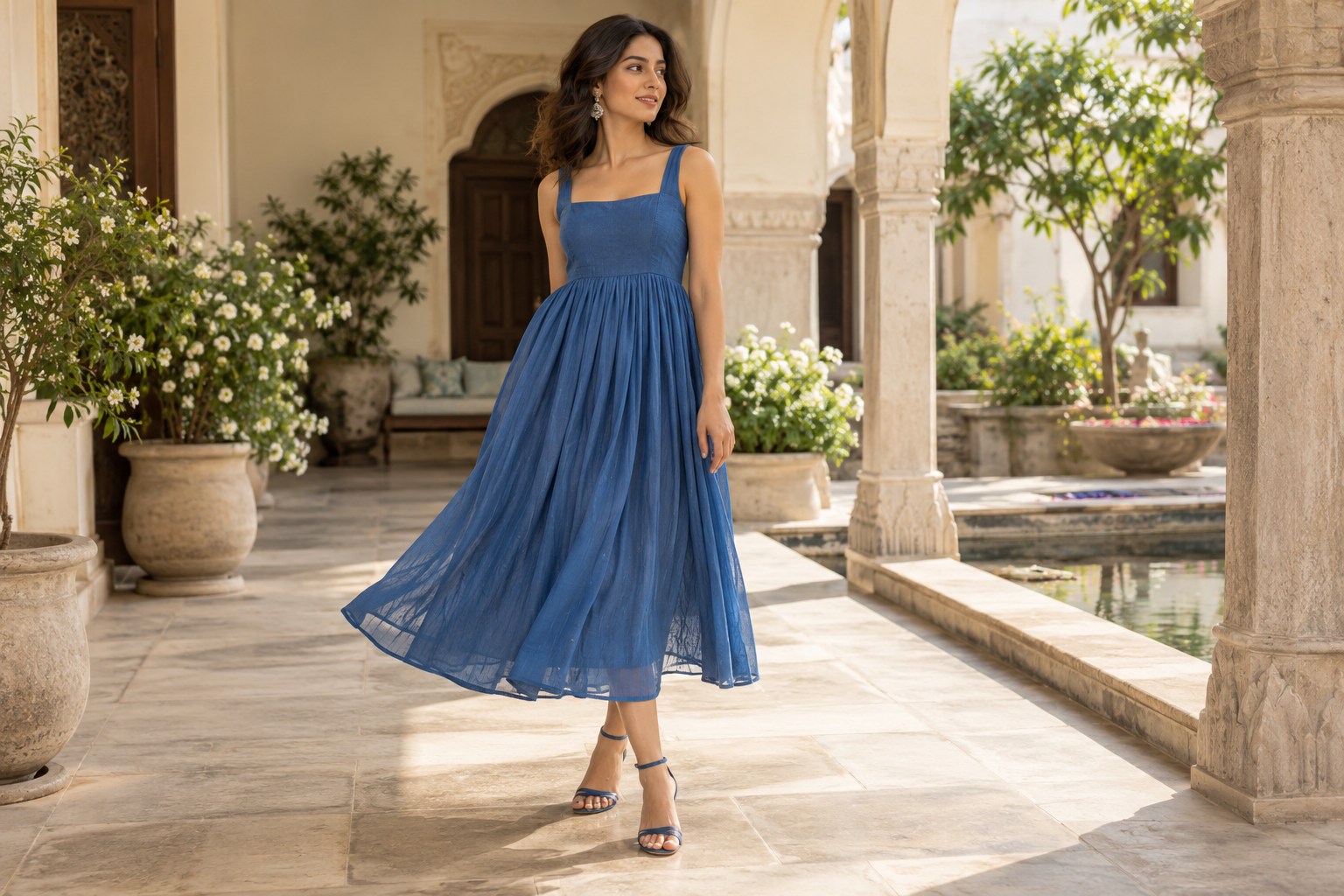
Use sandal straps to echo or contrast the shape of a midi dress, without letting a visual match outweigh fit.
Shoes & bags
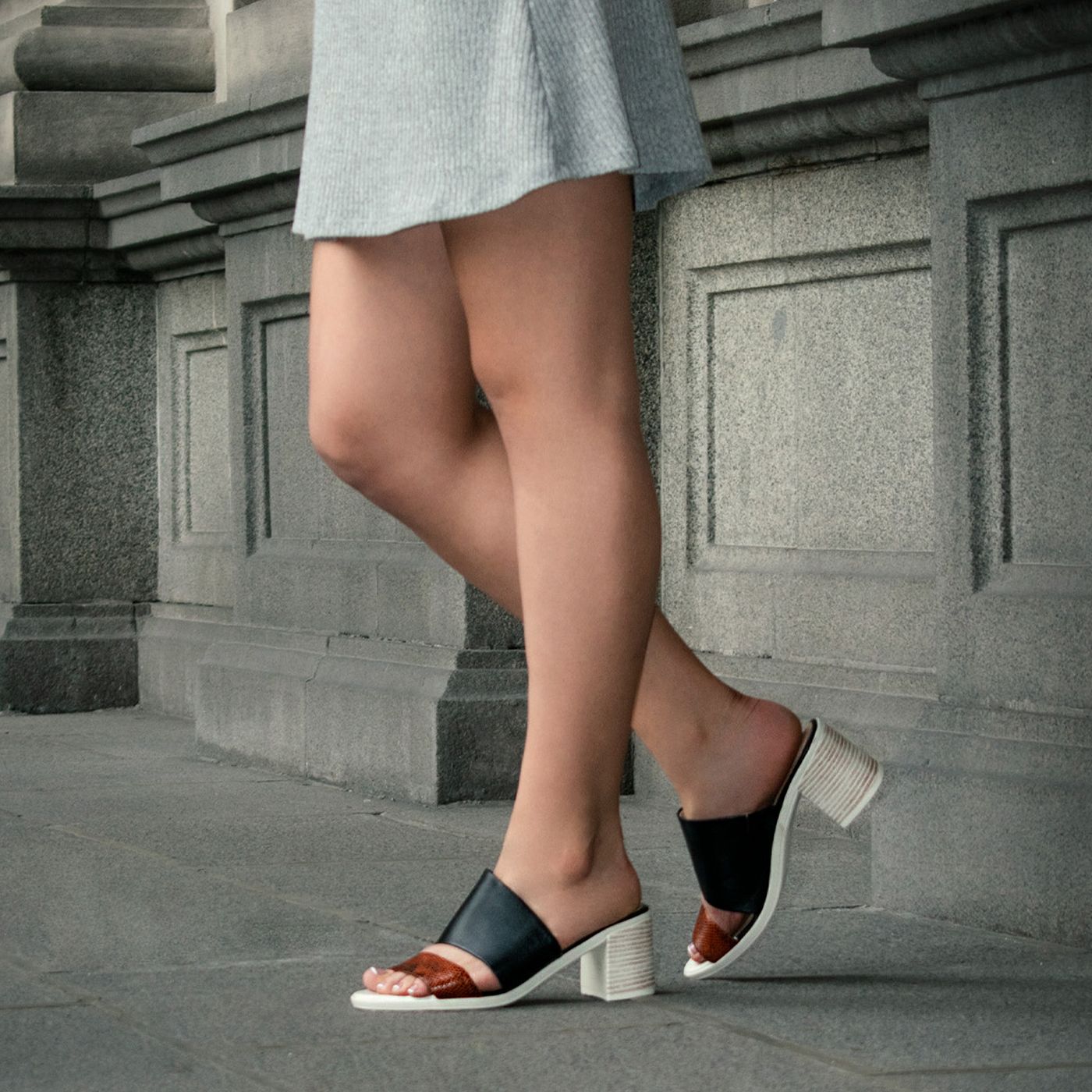
Assess the whole block-heel shoe and the event route; heel width alone does not tell you how it will feel on different surfaces.