Occasions & travel
Choose an outfit for a daytime wedding as a guest
Let the invitation, venue and length of the day guide the fabric, footwear and amount of detail in a wedding guest outfit.
Clothes, accessories & the ways to wear them
Occasions & travel
Coordinate a family portrait through a shared palette while letting each person wear clothes that fit their own style and comfort.
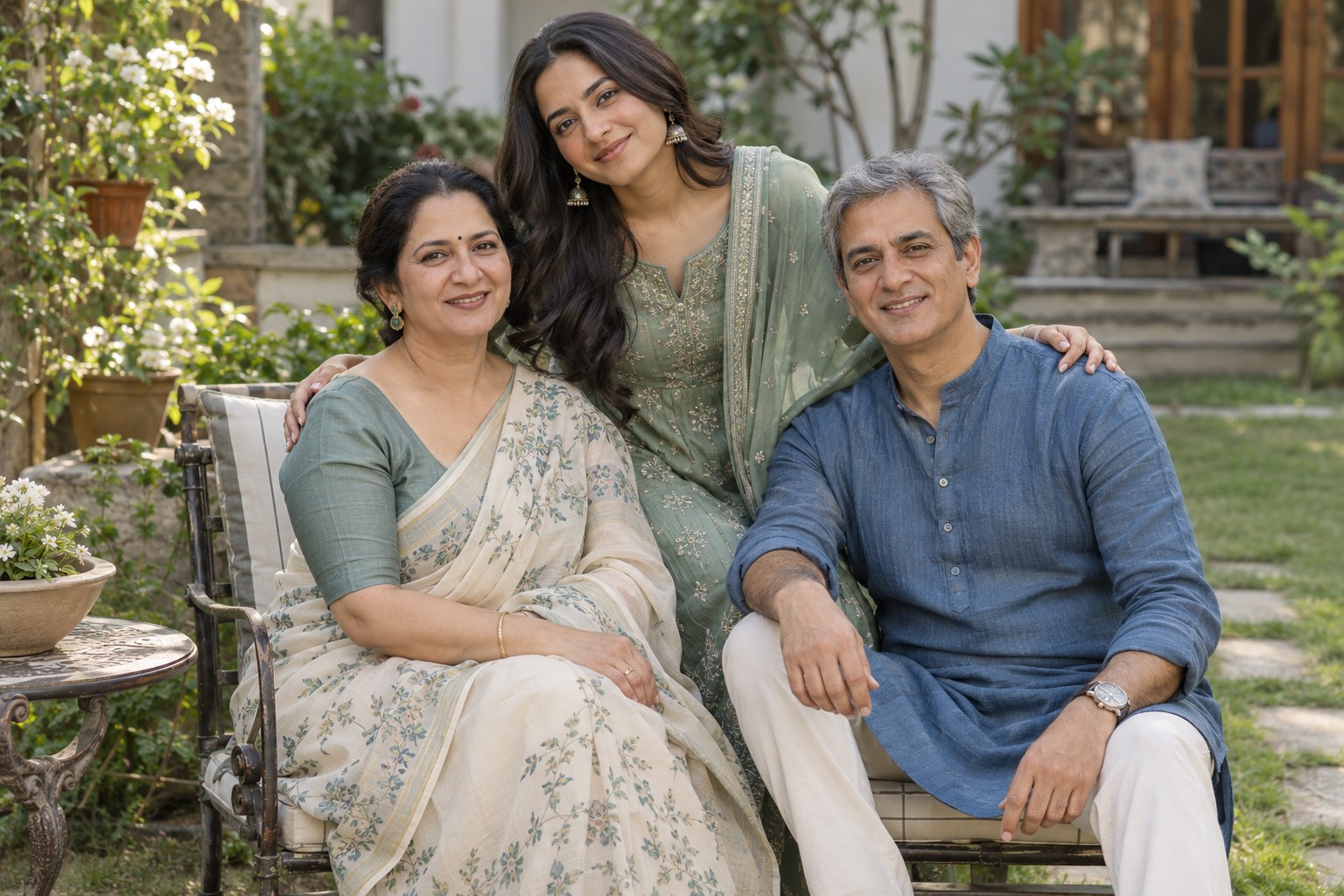
AI-generated illustration. Items shown are illustrative, not specific products for sale.
Begin with the photograph's setting rather than buying identical outfits. A pale indoor wall, green garden and dark architectural background will each sit differently behind the same clothes. Ask the photographer about the location and framing, then choose a small group of colours that everyone can interpret. Coordination works through a relationship between outfits; it does not require every person to wear the same garment or shade.
For example, a palette of cream, muted blue and rust could include a blue kurta, a cream dress, a rust shirt and a small patterned piece containing two of those colours. The colours recur, but each person remains distinct. Avoid assigning all the light colours to one side of the group if you want an even visual balance. Lay the clothes together or share photographs taken in similar daylight before the session.
One larger print can introduce the palette, with other outfits repeating its quieter colours. Several prints can also work if their scale differs and the group still feels connected. Very small, tightly spaced patterns sometimes behave unexpectedly in photographs, so show the photographer the actual fabric if you are unsure. Their advice for the camera and setting is more useful than a universal ban on stripes.
Check visible logos and text. They may be part of someone's style, but they can also pull attention away from faces or date the image in a way you did not intend. Decide deliberately rather than discovering the wording after the photographs are taken. Jewellery, scarves and hair accessories deserve the same group view: a single very bright accessory may become the first thing noticed.
Try clothes seated and with arms around another person. Necklines, shirt buttons and skirt hems can change position in those poses. Children and adults alike need room for the movements the session involves. Avoid clothing that requires constant straightening or makes someone reluctant to sit, especially if relaxed group photographs are the goal.
Include shoes in the plan if full-length images are likely. They do not need to match, but a strongly contrasting pair can attract attention at the edge of the group. Choose footwear suitable for reaching the location and any standing time. If a change is planned, keep it simple enough that it does not consume the session.
Send one final group image of the chosen clothes to anyone coordinating the session, then stop adding new colours. Bring only useful backups, such as a layer for changing weather or a replacement for a likely spill. The most successful coordination leaves room for individual preferences and lets the people remain the subject of the portrait.
Ask each person to send two existing outfit options within the palette. Compare them as a group before suggesting purchases. If one outfit contains a colour outside the initial plan, it may be easier to include that shade in the palette than to replace a garment someone feels comfortable wearing. The clothes should support the people in the photograph, not make every participant conform to one person's wardrobe.
For a mixed group of solids and prints, place the strongest print where it can be balanced by quieter clothes nearby. You do not need to assign permanent positions in advance, but the photographer can use the colour distribution when arranging the group. Share any preferences without trying to control every pose; the photographer also needs to consider height, light, accessibility and the location.
Keep the final message simple: the agreed colours, the chosen outfits and any useful spare layer. Avoid sending new inspiration images after everyone has settled their clothing, unless a real change in weather or venue requires it. Last-minute additions can introduce another strong colour or a different level of formality. A clear, limited plan gives each person enough freedom to arrive feeling like themselves.
Occasions & travel
Let the invitation, venue and length of the day guide the fabric, footwear and amount of detail in a wedding guest outfit.
Occasions & travel
Spend on the missing function in your reception outfit, rather than buying a complete new set of accessories.
Occasions & travel
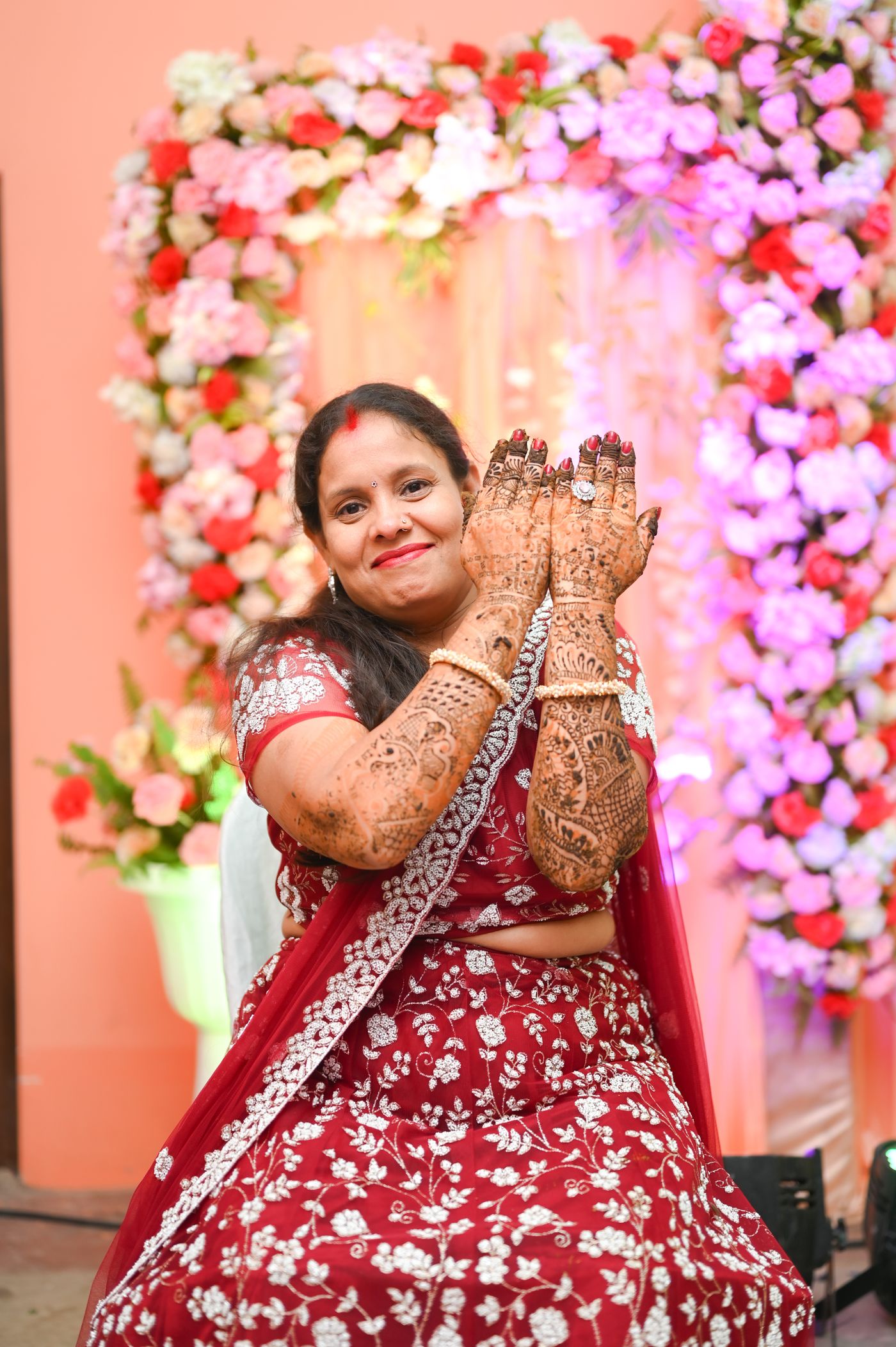
A sangeet outfit should pass the movements you expect to make, from sitting at dinner to raising your arms on a dance floor.