Occasions & travel
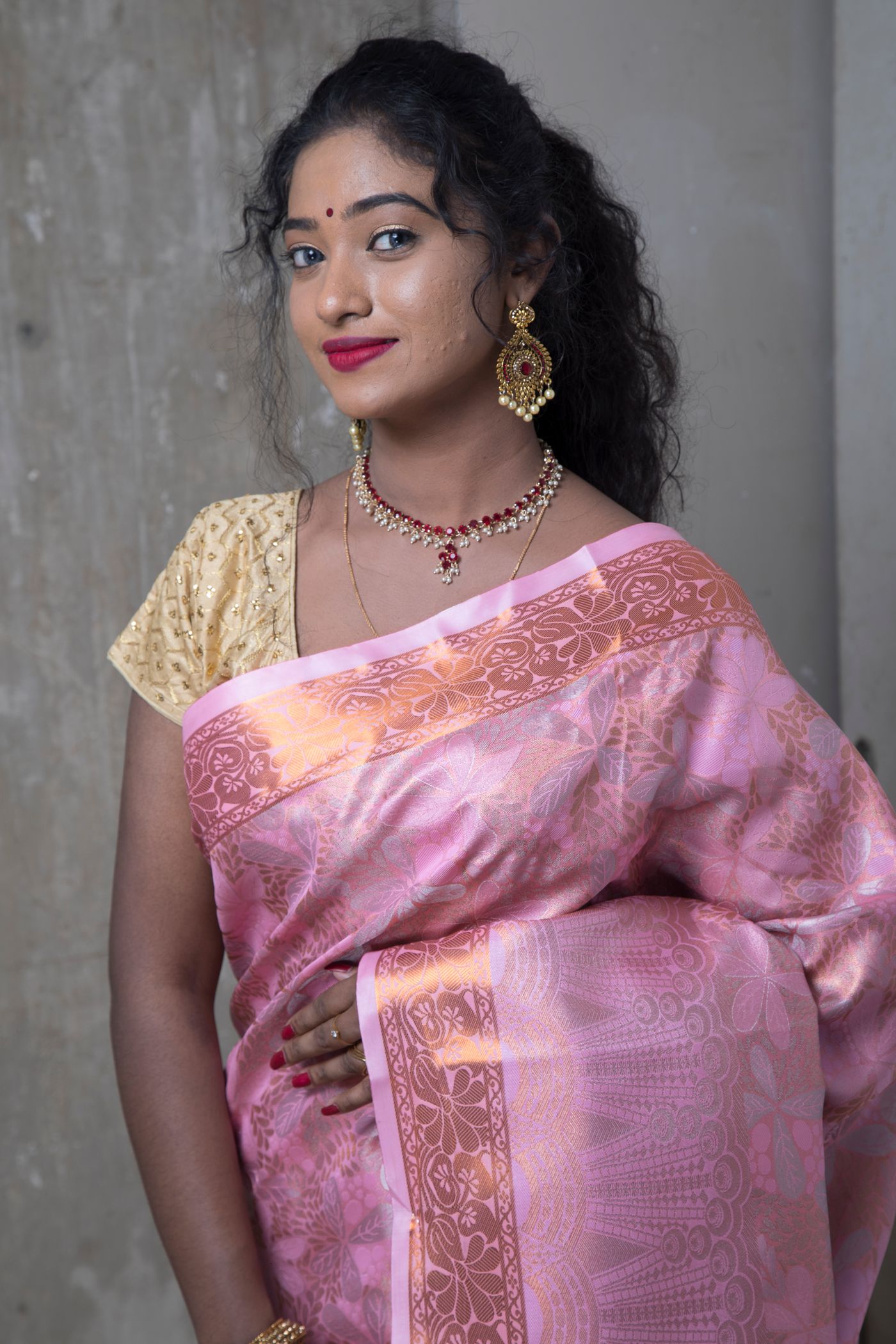
Choose an outfit for a daytime wedding as a guest
Let the invitation, venue and length of the day guide the fabric, footwear and amount of detail in a wedding guest outfit.
Clothes, accessories & the ways to wear them
Occasions & travel
Choose the shoe from the itinerary first, then make every outfit in the bag work with its height, shape and purpose.
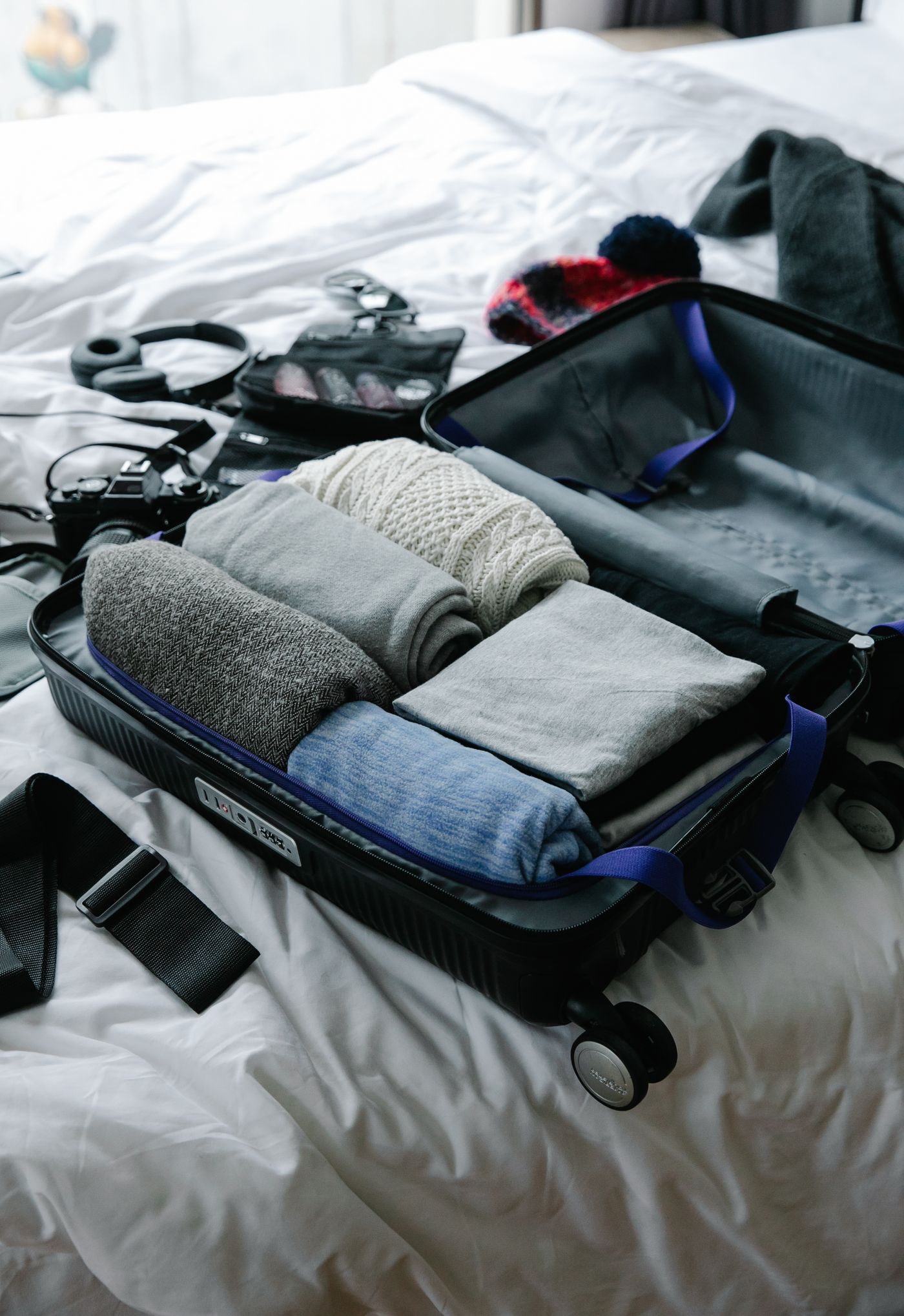
One pair of shoes for a three-day trip is a useful constraint only when the itinerary allows it. If the plans combine a specialist activity, a formal dress requirement and extensive walking, one pair may be an unnecessary compromise. Read the schedule and venue guidance first. The aim is to reduce luggage while keeping the footwear appropriate, not to prove that every trip can be packed the same way.
List the surfaces and activities: city pavements, stairs, a restaurant, transport and any outdoor paths. Choose a familiar pair with a secure fit and a condition you trust for those uses. A neutral colour may help with clothes, but colour is secondary to whether you can actually wear the shoes for the planned day. Do not select a new pair solely because it matches three outfits on paper.
Try every proposed bottom and dress with the shoes. Check the trousers from behind, where a hem can drag unnoticed. A long skirt may need a different shoe height than a cropped trouser, and a saree draped for a higher heel will need to be reconsidered. Leave out garments that require an unavailable shoe rather than packing them as vague possibilities.
The shoe's shape also affects proportions. A substantial trainer may look different under a narrow trouser opening than a slim flat. You do not need to reject either combination, but see it on your body before the trip. If a trouser hem bunches on the shoe, try a different trouser or an appropriate alteration rather than repeatedly folding it during travel.
For a city trip using plain loafers, one example could be straight trousers with a shirt on the first day, a midi skirt with a simple top on the second, and the trousers with a different top on the third. A light jacket works only if it fits all three sleeve shapes. The palette can stay small, but the important test is that each combination has been tried together.
For a trainer-based trip, a dress and a kurta-trouser set may be alternatives to the same separates formula. Make sure the shoe does not crowd the lower hem and that the outfits suit the places you will visit. A restaurant with a specific dress code may change the plan. Confirm that detail instead of assuming a clean trainer is accepted everywhere.
Accessories can make an evening combination feel different without requiring extra shoes. A smaller bag or a necklace may be sufficient for a relaxed dinner. Do not pack accessories that create another dependency, such as a bag that only works with an outfit you have already removed from the plan.
If the only pair gets wet or develops a problem, there is no immediate alternative in the bag. Consider the forecast, available drying time and your own comfort with that trade-off. A very compact spare may be worth its space for some trips, even if the original goal was one pair. It should still be suitable for its intended use rather than an unusable emergency purchase.
Inspect the shoes before departure: check fastenings, sole condition and any loose parts. Follow the maker's care guidance if cleaning is needed and let them dry fully. Pack the clothes as completed outfits and keep a photograph of the combinations if useful. The constraint has succeeded when getting dressed becomes easier, not when the luggage count is lower at the expense of the trip.
Imagine that the third day includes a formal evening invitation discovered after the rest of the trip is planned. First check the actual dress guidance. If the chosen walking shoes are acceptable with a suitable outfit, keep the plan. If they are not, do not keep changing clothes in an attempt to disguise the footwear. Add the appropriate second pair or revise the itinerary choice; the packing constraint is a convenience, not a requirement imposed on the event.
A similar decision applies if rain is likely and the only pair cannot tolerate the expected conditions or dry in time. You might choose a different main shoe, pack a workable spare or accept a little more luggage. The correct response depends on the route and the footwear you own. There is no benefit in achieving one pair on paper while needing an urgent purchase during the trip.
Use these checks before removing the last spare pair from the bag. If the itinerary, weather and outfit hems all support the choice, travelling with one pair can be straightforward. If one of those conditions fails, keep the useful flexibility. A small wardrobe should make the trip easier to manage, and its limits should be visible before departure.
Occasions & travel
Let the invitation, venue and length of the day guide the fabric, footwear and amount of detail in a wedding guest outfit.
Occasions & travel
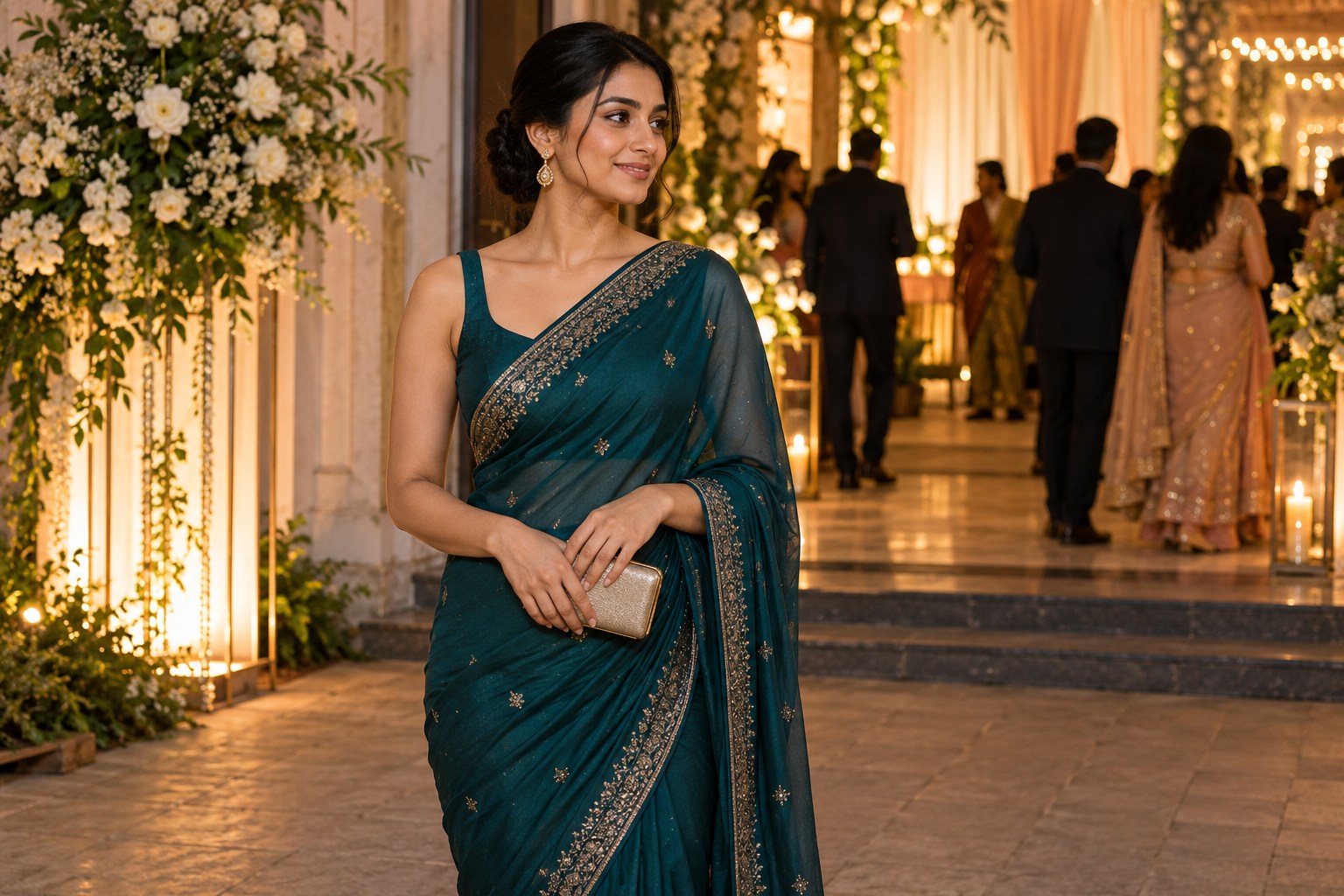
Spend on the missing function in your reception outfit, rather than buying a complete new set of accessories.
Occasions & travel
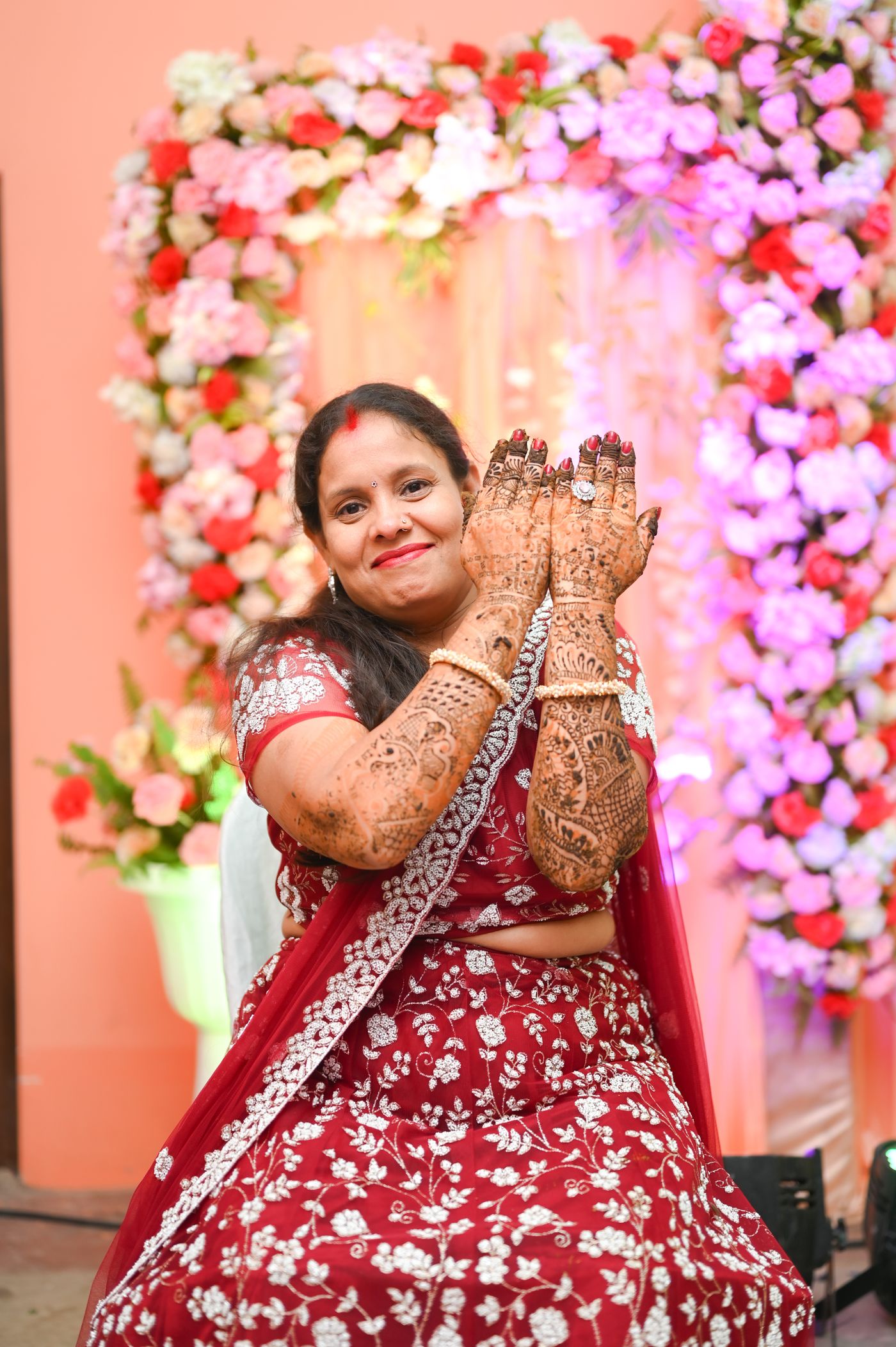
A sangeet outfit should pass the movements you expect to make, from sitting at dinner to raising your arms on a dance floor.