Everyday dressing
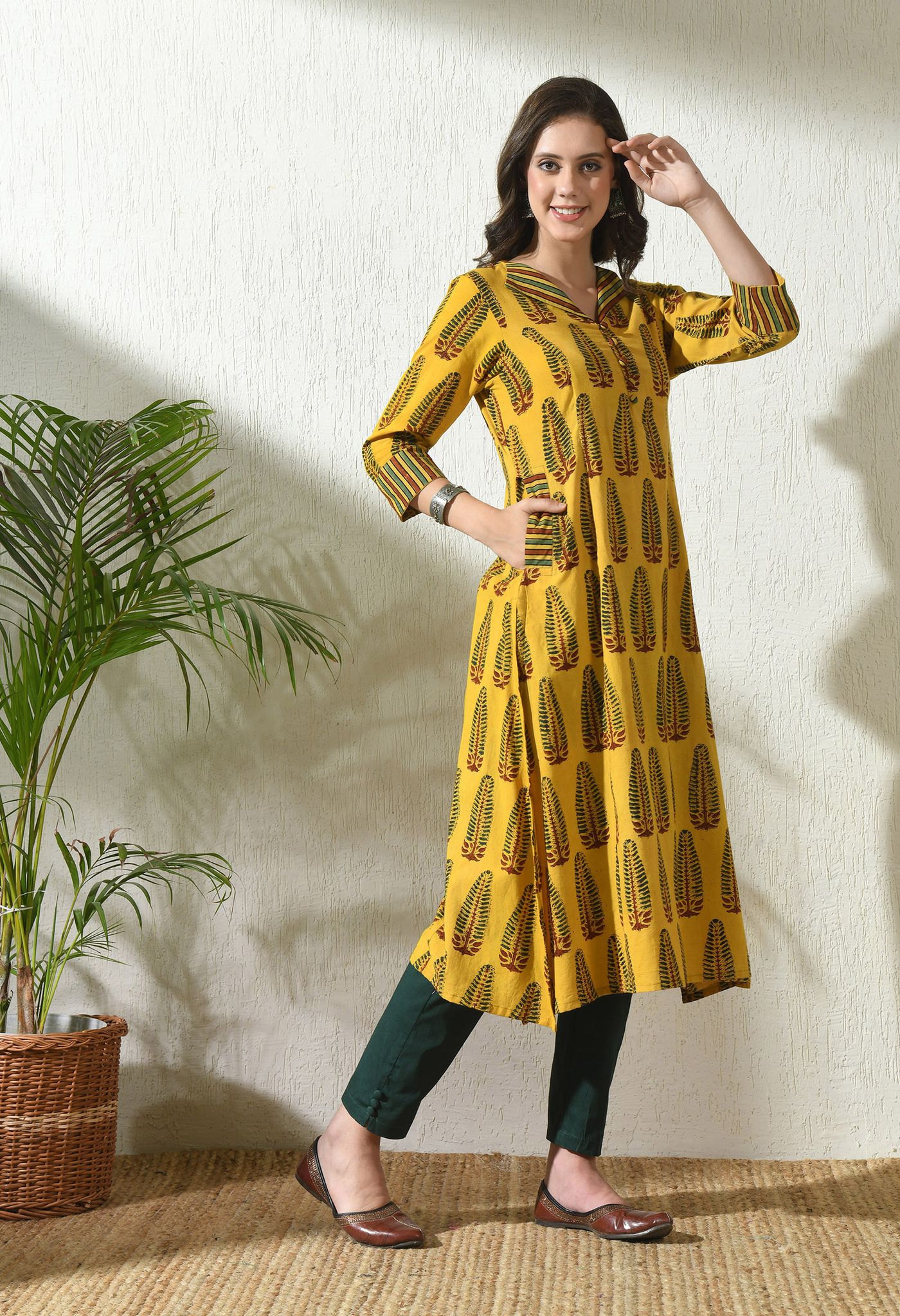
Build a cotton kurta outfit for a humid commute
Build around an easy cotton kurta, then check trouser clearance, bag placement and the layer you will need indoors.
Clothes, accessories & the ways to wear them
Everyday dressing
Use the waistband, upper layer and hem to control an outfit’s balance without treating your body as a problem to correct.
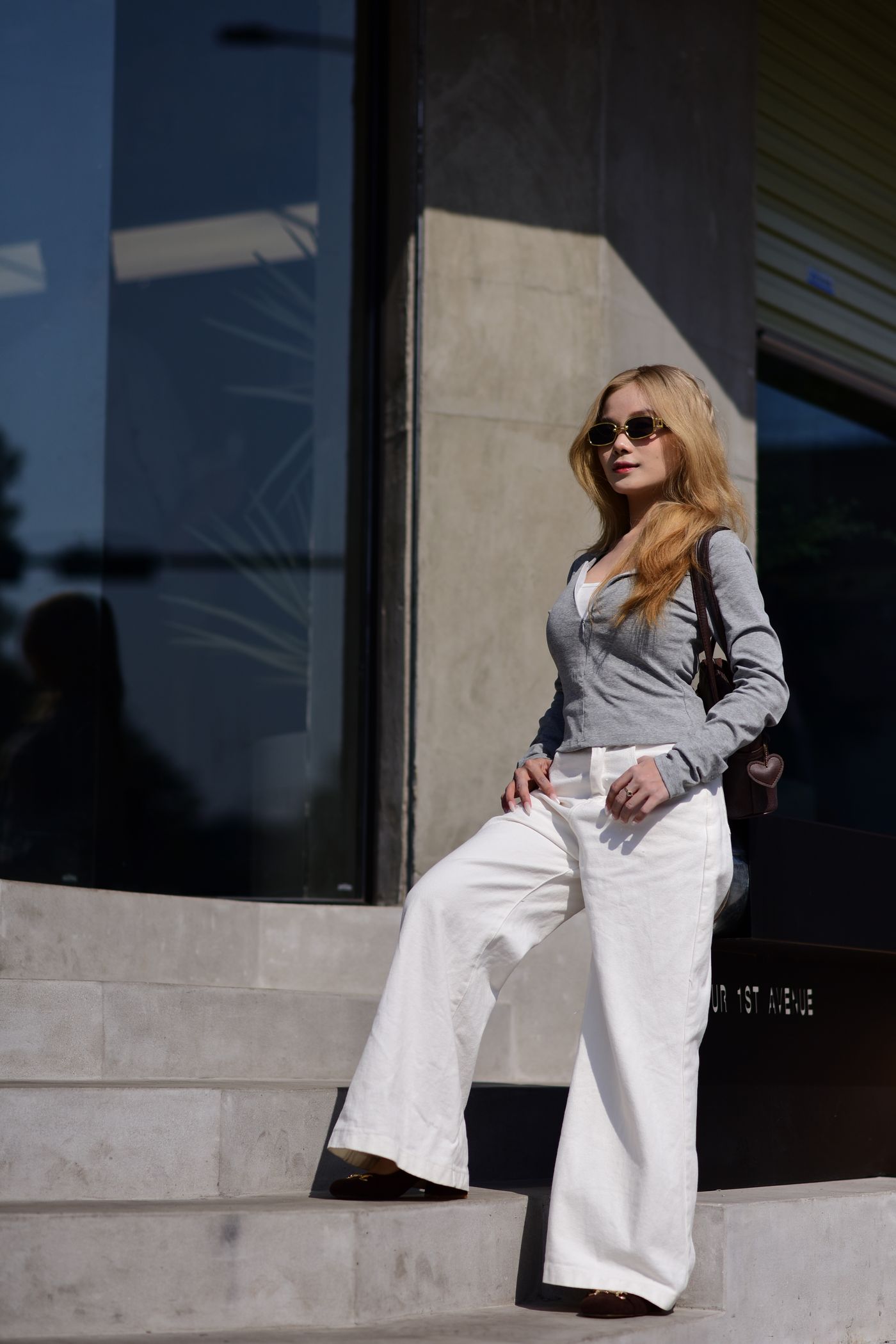
Wide-leg trousers change the outline of an outfit because their fabric occupies more space around the legs. That does not mean the top must always be tight or the shoes must always have heels. Start by deciding whether you want a clearly marked waist, a continuous loose silhouette or something between the two. Each can work; the important difference is where the fabric changes direction.
Put on the trousers and sit down before adding anything else. A waistband that rolls, digs in or slides down will make every subsequent styling decision harder. Check that the pockets lie comfortably and that the fabric does not pull into horizontal lines across the upper thigh. More width at the hem does not compensate for insufficient room at the seat.
For a visible waist, try a short shirt that ends near the waistband or tuck a light top in fully. A thick knit can create a ridge under fine trousers, so compare the outfit with the knit worn outside. A partial tuck is another option, although it may become uneven when you sit. Choose it because you like the result, rather than because every wide trouser outfit supposedly needs one.
A hip-length blouse with wide trousers makes a relaxed column. A shorter blouse exposes more of the trouser rise and creates a different division. Take a full-length photograph of both from the same camera position. Look at the clothes: does the blouse stop at a place where the trousers expand abruptly, or does it fall smoothly? Small adjustments to shirt length can matter more than changing colour.
If you enjoy an oversized top as well, give the two pieces some difference in structure. A crisp shirt above fluid trousers creates a readable outline. Two very soft, very wide garments can also be appealing, but inspect the side view; a bag or tucked corner may collect more fabric than you expected.
Try the actual flats, trainers or heels you will wear. The trouser hem should not drag or slip beneath the back of the shoe. If one pair needs a noticeably different length, consider choosing a main shoe height for these trousers rather than expecting one hem to suit everything. Test a stair or a low step before approving an alteration.
For an easy starting outfit, combine charcoal wide-leg trousers, a pale fitted-at-the-shoulder shirt and loafers. For a looser version, swap the shirt for a straight navy tunic with side openings. Keep the same trousers and shoes while comparing the tops: changing one element at a time makes your preference much easier to see.
Suppose the trousers fit well but every tucked shirt makes the front look lumpy. First empty the pockets and check whether the bulk is actually the shirt tails. Compare a lighter shirt with the same trousers; if that solves it, the problem was fabric volume rather than the trouser silhouette. If you prefer the original shirt, wear it outside and try folding only the cuffs to create a different finishing point.
If the waistband itself folds even without a tucked top, a belt may hide it temporarily but does not explain the cause. Check the fit and construction, and ask a tailor what can realistically be adjusted. Keeping those two problems separate prevents an unnecessary purchase of several new tops.
Everyday dressing
Build around an easy cotton kurta, then check trouser clearance, bag placement and the layer you will need indoors.

Everyday dressing
Choose a removable office layer by checking sleeves, desk movement and how it travels in your bag.
Everyday dressing
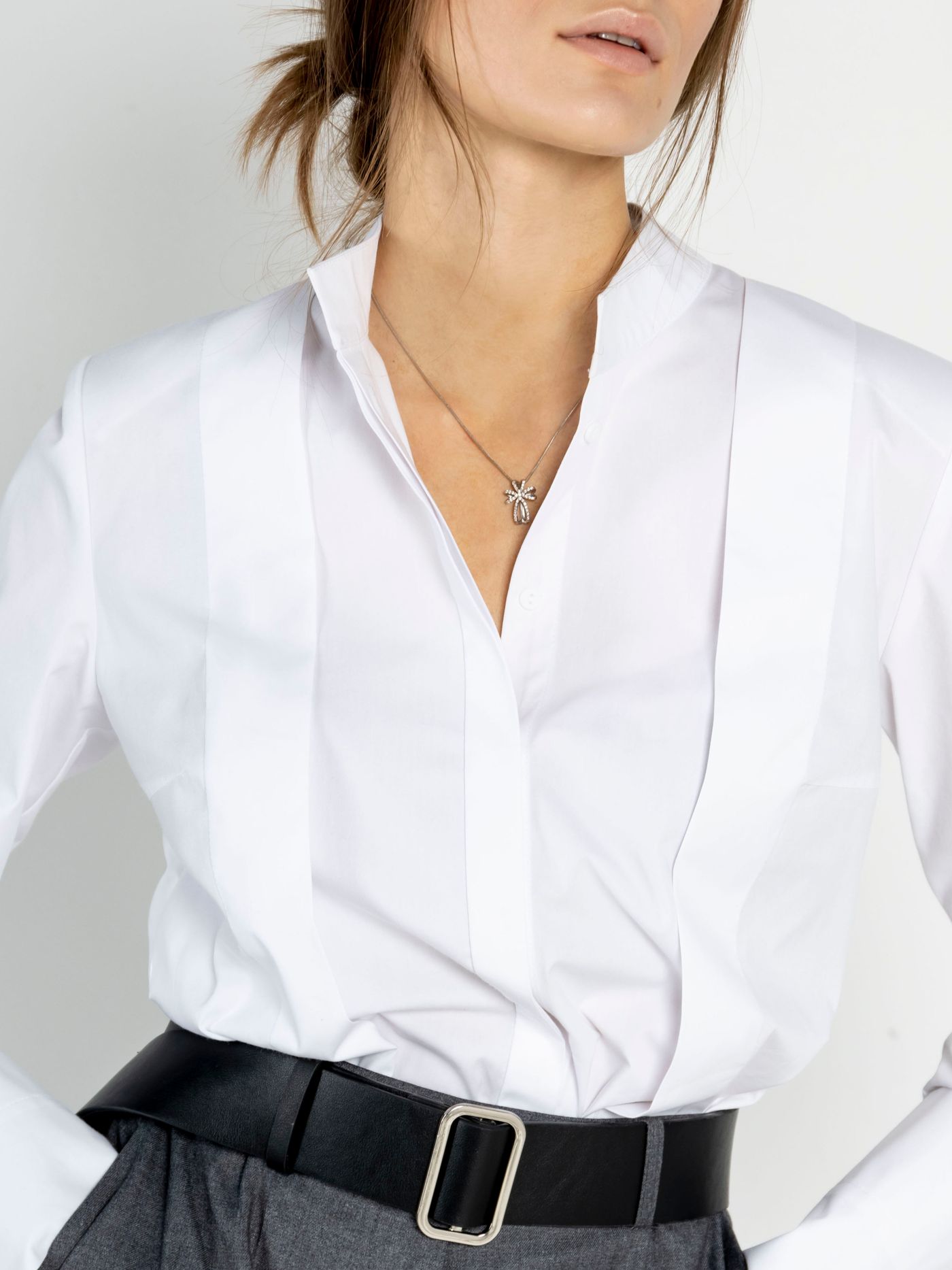
Decide how much transparency you want, then compare underlayers and button spacing in daylight.