Everyday dressing
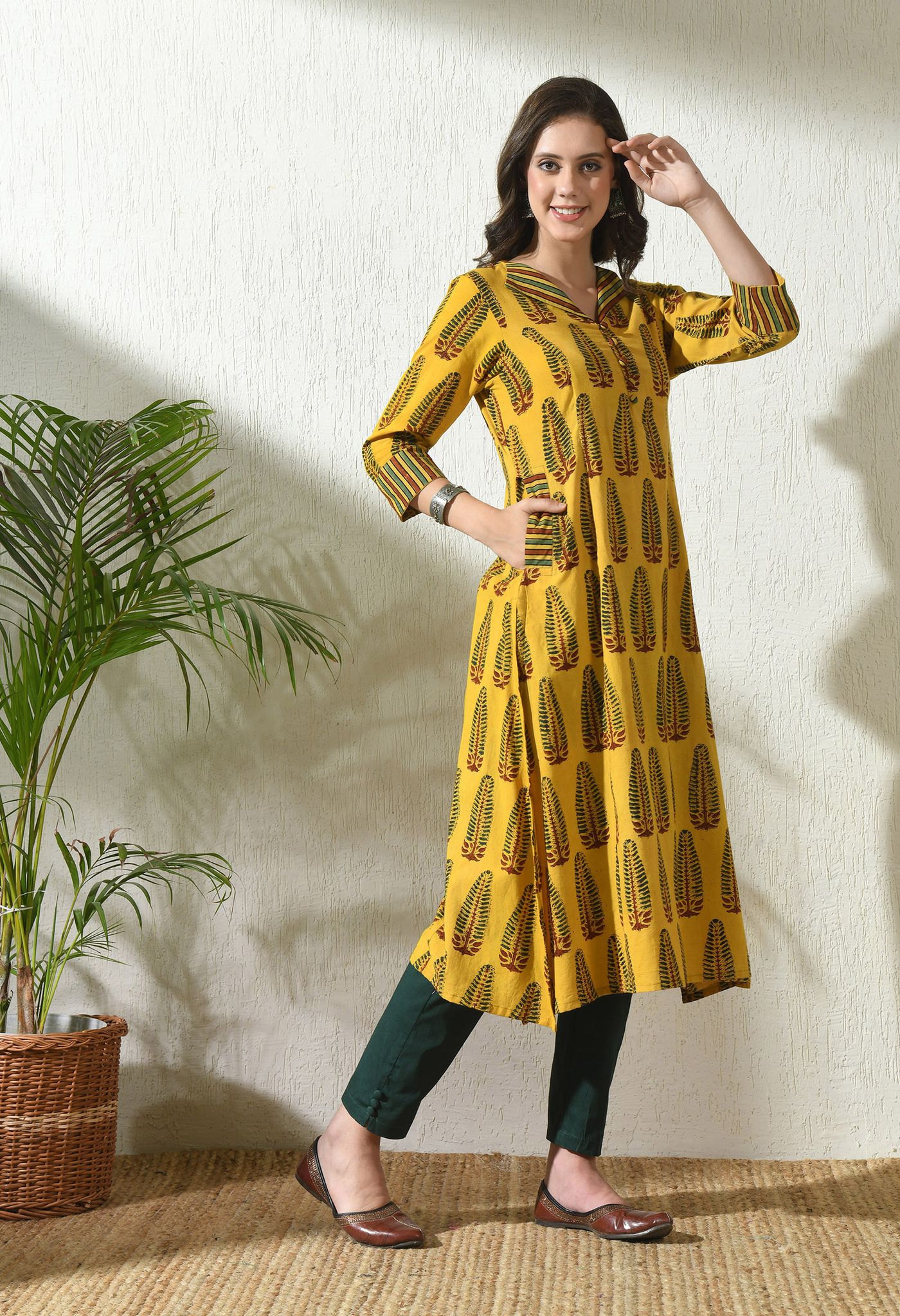
Build a cotton kurta outfit for a humid commute
Build around an easy cotton kurta, then check trouser clearance, bag placement and the layer you will need indoors.
Clothes, accessories & the ways to wear them
Everyday dressing
Use the role, venue and stated expectations to choose an interview outfit that lets you concentrate on the conversation.
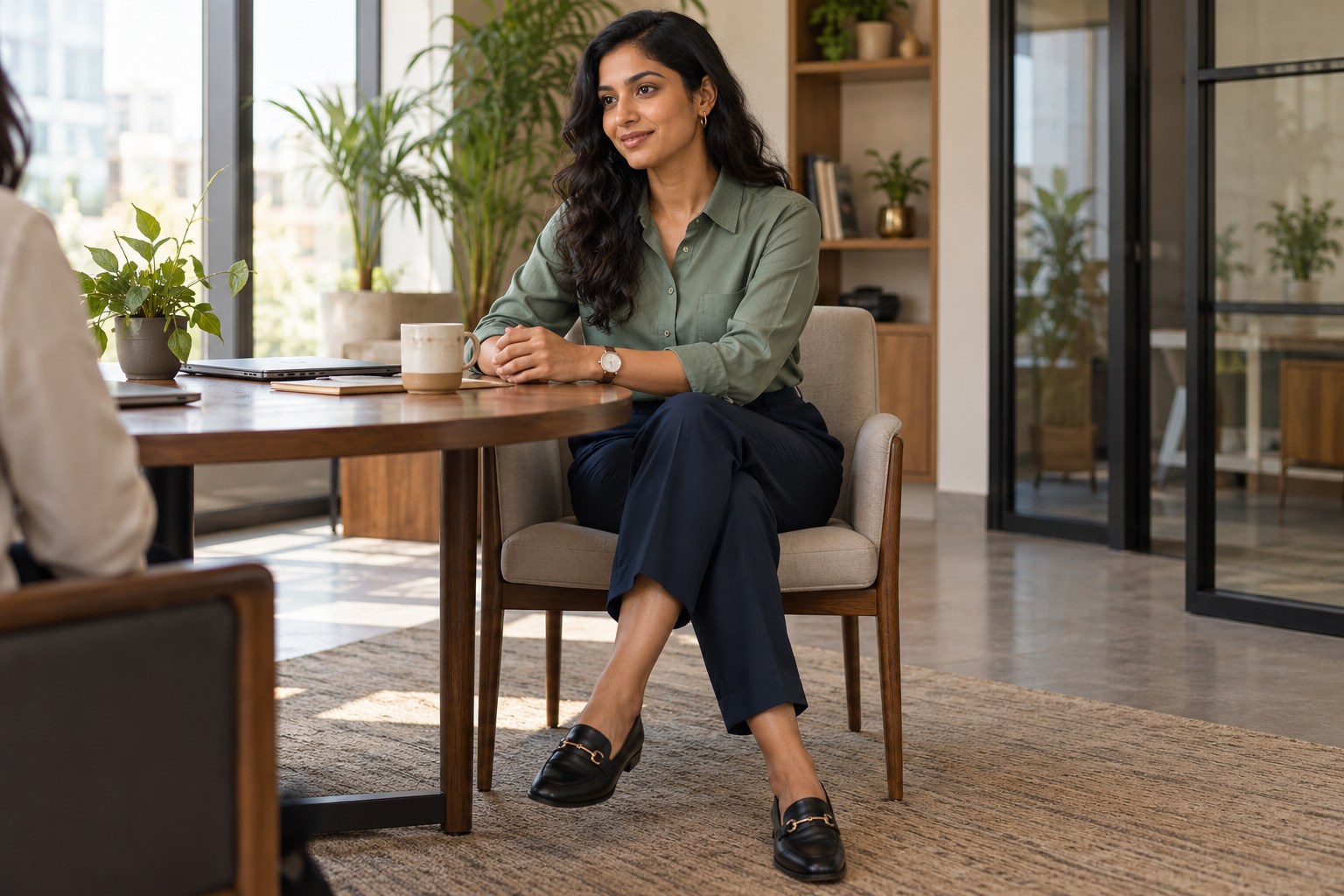
AI-generated illustration. Items shown are illustrative, not specific products for sale.
An informal interview still deserves preparation, but 'informal' does not specify one uniform. A small creative studio, a technology office and a customer-facing business can have different expectations. Read the invitation, ask the contact if you need clarification and use any explicit guidance before relying on assumptions about an industry.
The outfit should let you sit, move and speak without repeated adjustment. Clothing cannot guarantee an interview outcome, and there is no need to buy an entirely new identity for the meeting. Begin with garments you already know fit comfortably, then assess whether their condition and level of formality suit the stated setting.
A shirt with straight trousers, a simple kurta with trousers or a restrained dress can all be options. Pick the combination most consistent with your usual way of dressing and the context. Avoid treating western clothing as automatically more professional than Indian clothing, or assuming one regional style represents everyone.
Try the outfit seated at a table. Check whether buttons gape, the neckline shifts or the waistband presses. Reach forward as though handing over a document. If a sleeve catches or the top pulls across the back, solve that before deciding on accessories. A different cut may be more useful than a last-minute layer added to hide the issue.
Check the fabric in daylight and ordinary indoor light. Decide whether its opacity provides the coverage you want. Inspect for missing buttons, loose threads and obvious marks. Follow the care label if the garment needs preparation; do not experiment with an unfamiliar high-heat treatment on the morning of the interview.
Choose shoes that you can use comfortably on the route. If you change footwear on arrival, make the switch simple and check that the trouser or dress hem works with both pairs. A familiar flat or loafer may be more useful than a new shoe bought solely because it seems formal.
An outer layer can handle a cold room or a more formal moment, but it should fit over the base sleeves. Put it on, fasten it and sit down. If it is uncomfortable, you may be better served by another layer or by the base outfit alone where appropriate.
Carry only what you need in a bag that closes normally. If you have documents, make sure they fit without folding awkwardly. A bag that requires unpacking several unrelated items to find one page can distract you. Organise the contents in advance rather than choosing solely by how the bag matches the shoes.
Small earrings, a watch or a simple necklace can be enough if you like wearing them. There is no requirement to remove all personality, but consider whether an item catches on clothing or makes you continually adjust it. If a bracelet contacts the table every time you move your hand, decide whether that will bother you during the conversation.
For an online interview, check the upper outfit through your own camera while seated in the position you will use. Look at neckline coverage and the way a collar or scarf rests. Test the full outfit anyway, since you may need to stand or move unexpectedly. Camera appearance does not replace comfortable fit.
Lay the clothes out the day before with the actual shoes and bag. Keep a simple alternative ready if something needs washing or repair. That backup might be another shirt with the same trousers rather than an entirely separate outfit.
On the day, give the finished outfit one final movement check and then stop revising details that already work. The purpose of preparation is to free attention for the discussion. An outfit that reflects the setting, feels familiar and stays comfortable supports that purpose more directly than chasing an imagined universal interview look.
Everyday dressing
Build around an easy cotton kurta, then check trouser clearance, bag placement and the layer you will need indoors.
Everyday dressing
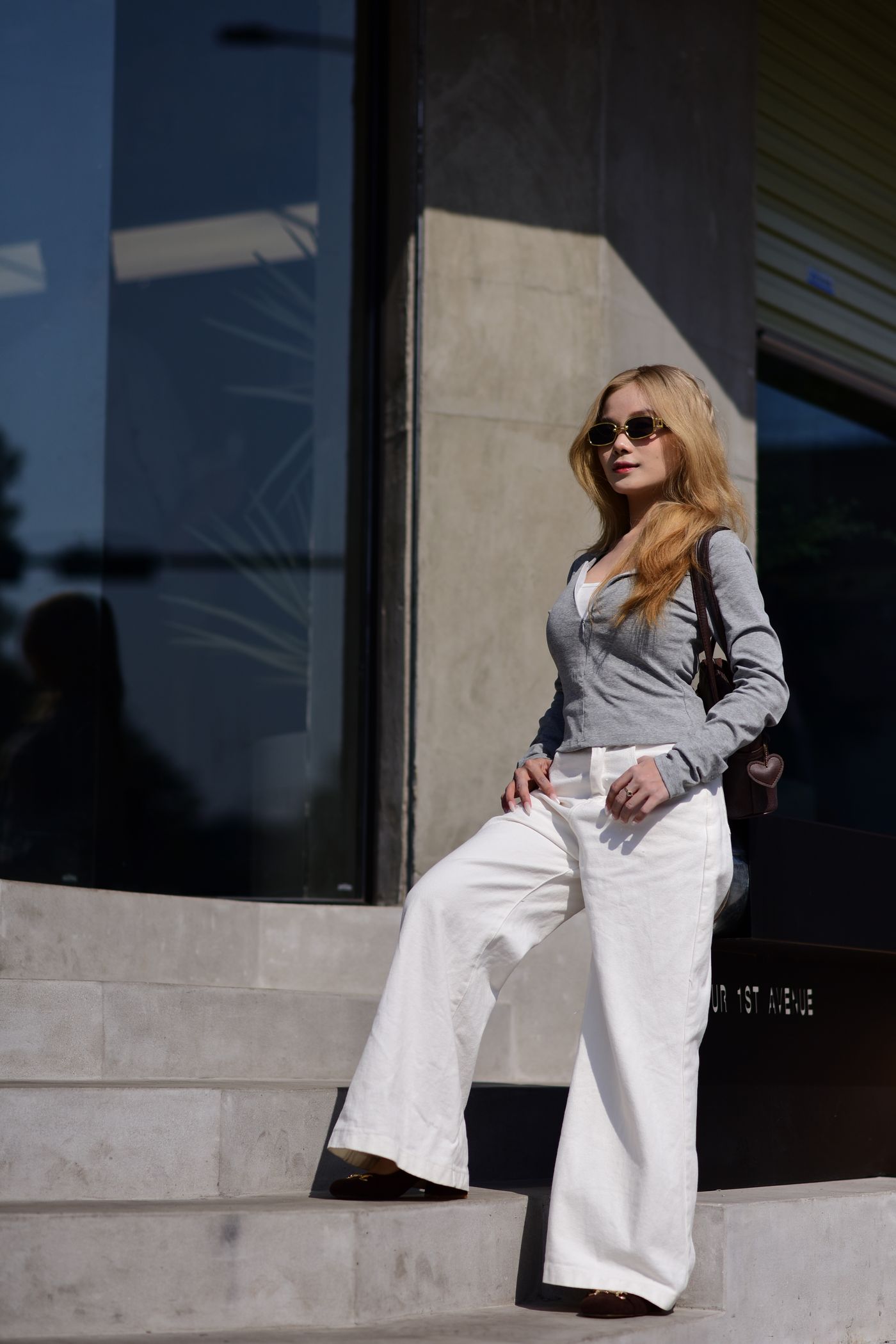
Use the waistband, upper layer and hem to control an outfit’s balance without treating your body as a problem to correct.

Everyday dressing
Choose a removable office layer by checking sleeves, desk movement and how it travels in your bag.