Everyday dressing
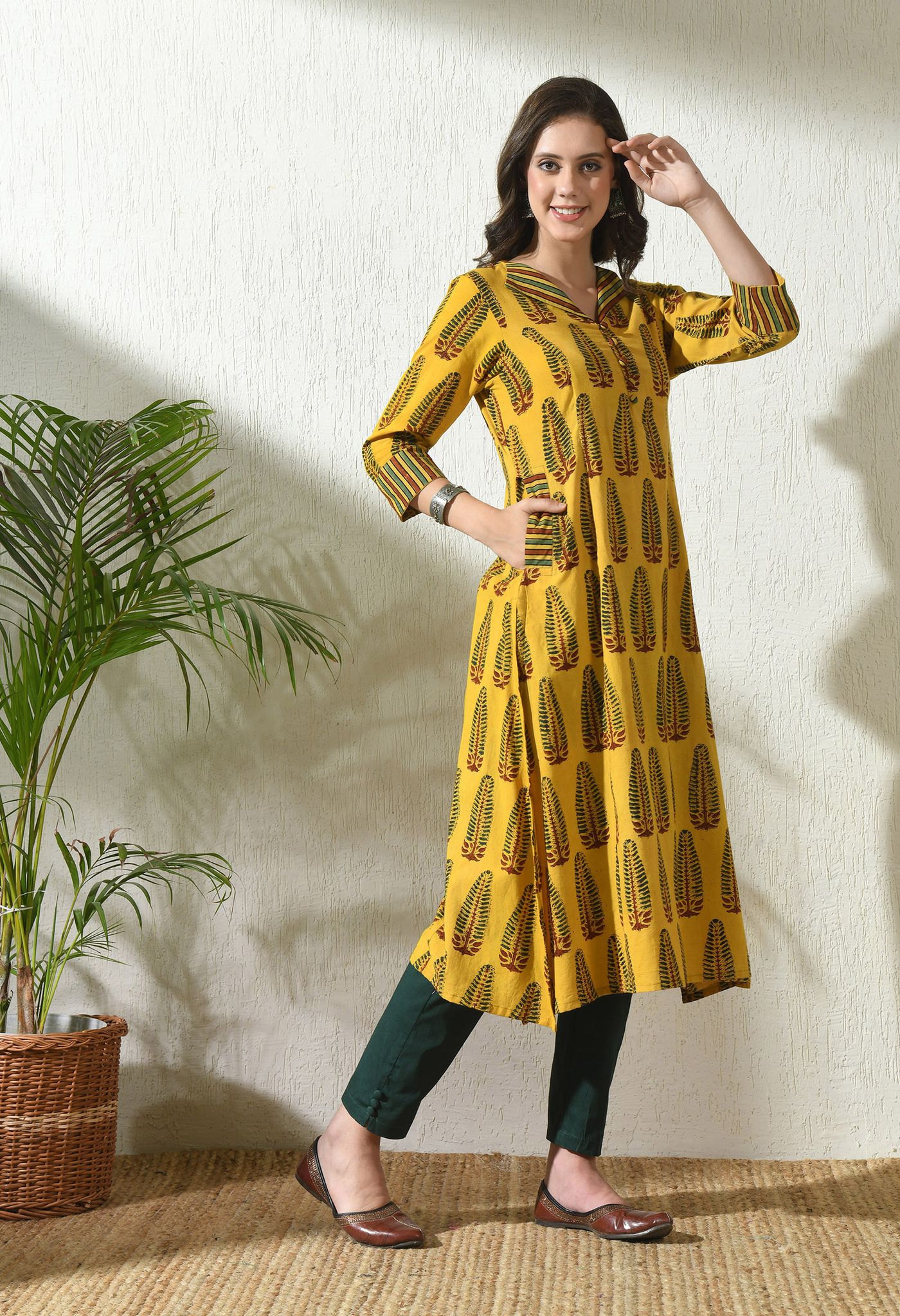
Build a cotton kurta outfit for a humid commute
Build around an easy cotton kurta, then check trouser clearance, bag placement and the layer you will need indoors.
Clothes, accessories & the ways to wear them
Everyday dressing
Define your preferred coverage first, then reduce unnecessary overlaps without treating modest dressing as one fixed formula.
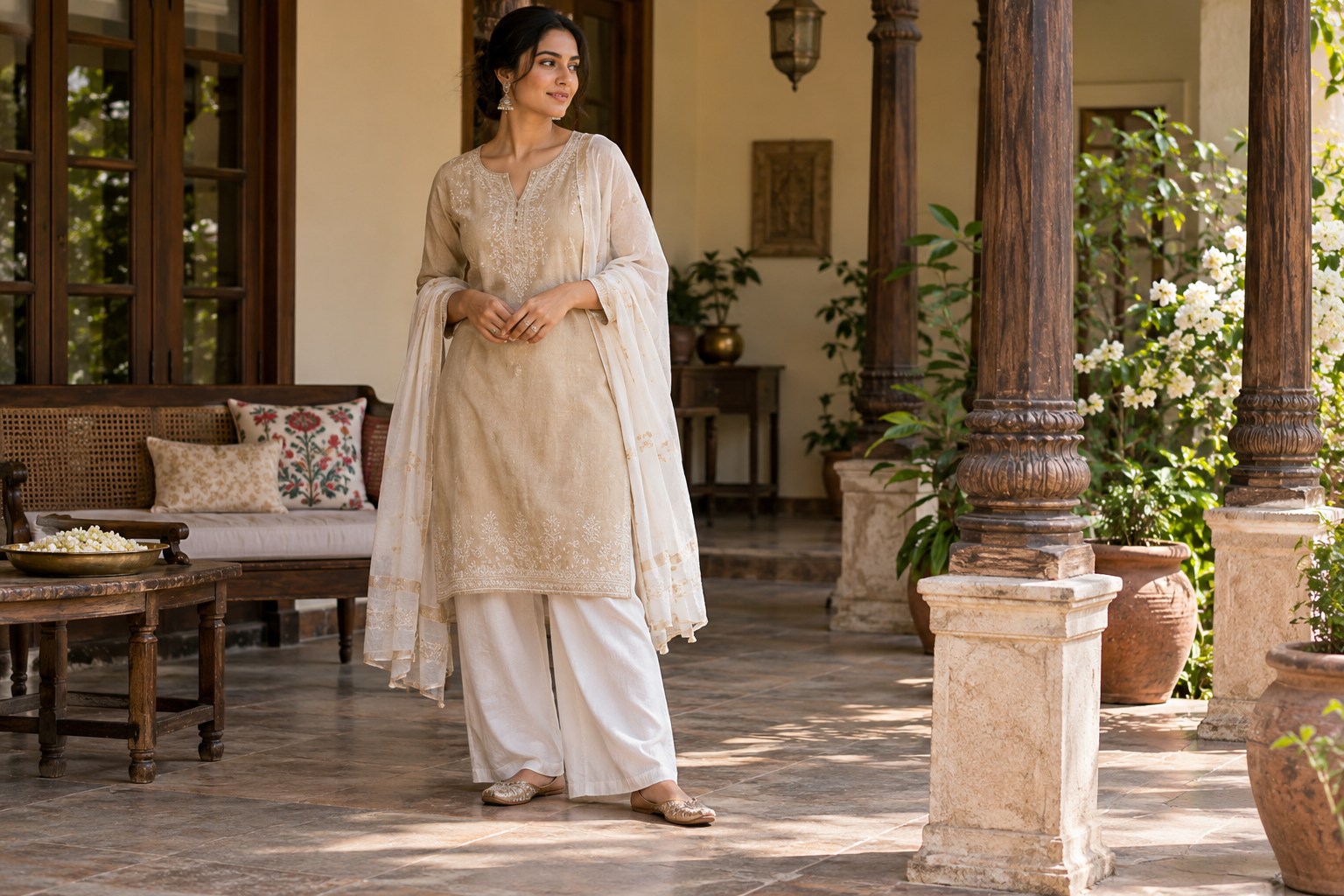
AI-generated illustration. Items shown are illustrative, not specific products for sale.
Modest dressing can mean different things to different people. You may want covered arms, a higher neckline, looser shapes, a longer hem or some combination of these. Begin with your own preferences and any specific requirements of the place you are visiting. There is no single outfit that represents every Indian woman, community or setting.
Write down the coverage you want before choosing layers. This makes it easier to distinguish a necessary garment from one added simply because the first piece does not quite work. A sleeveless top plus an opaque shirt may suit you well; a long-sleeved top that already provides the same coverage may feel simpler on another day.
Look at the finished garment in daylight. Check the neckline when leaning forward, the sleeve opening when raising an arm and the hem while seated. Side slits and back openings can change the coverage even when the front appears suitable. Decide whether those details work for you rather than assuming a long garment is automatically sufficient.
If an underlayer is needed, try it with the outer garment immediately. Check where their seams and necklines overlap. A camisole may add coverage at the chest without addressing a low armhole; a full-sleeved layer may solve the arm opening but add more fabric elsewhere. Choose the version that meets the actual need.
Opacity and thickness are separate observations. A pale garment may show an underlayer even when it feels substantial, while another fabric may provide the appearance you want with less layering. Do not rely solely on the fibre name or a shop's description of the garment as suitable for summer. The construction, lining and fit of the complete outfit matter.
A loose, long-sleeved kurta with trousers can provide coverage without an additional shirt underneath, if its neckline and fabric suit you. A long dress with an appropriate sleeve may serve the same purpose. These are options to compare, not requirements to buy particular garments.
If you prefer separates, a long shirt over straight trousers can create a continuous line. Check that the shirt does not open between buttons when seated. A different cut may be more comfortable than closing every gap with an extra layer. If you choose a cardigan or open overshirt, test the base outfit as it appears when the outer layer moves.
Long skirts need a movement check too. A narrow opening can shorten your stride, while a very full hem may need lifting on steps. Choose a length you can manage with the shoes and bag planned for the day. Coverage that depends on holding several pieces in position can become tiring during an active schedule.
If you use a scarf or wrap, decide whether it provides coverage, warmth or a decorative element. Its size and drape should reflect that purpose. A narrow decorative scarf may not remain over the area you want covered, while a very large wrap may be inconvenient when carrying belongings.
Arrange it with the actual bag on. A shoulder strap can pull one side backwards or collect fabric at the neck. Try sitting, reaching and removing the bag. If a pin or fastening is needed, use one appropriate to the fabric and position it so it does not press or snag; never force a pin through a delicate area under tension.
Keep jewellery and other accessories clear of the layers you will adjust. Long earrings can catch a scarf, and a pendant may disappear between necklines. Smaller pieces or no jewellery can be entirely deliberate when the clothing already gives the visual detail you enjoy.
Try a complete outfit for several minutes before leaving: for example, a loose opaque shirt, ankle-length trousers and a scarf arranged to your preference. Compare it with a long-sleeved kurta and the same trousers. Notice which combination allows your usual movements with fewer adjustments. The best choice is the one that meets your coverage preferences and the day's activities without adding fabric that has no clear role.
Everyday dressing
Build around an easy cotton kurta, then check trouser clearance, bag placement and the layer you will need indoors.
Everyday dressing
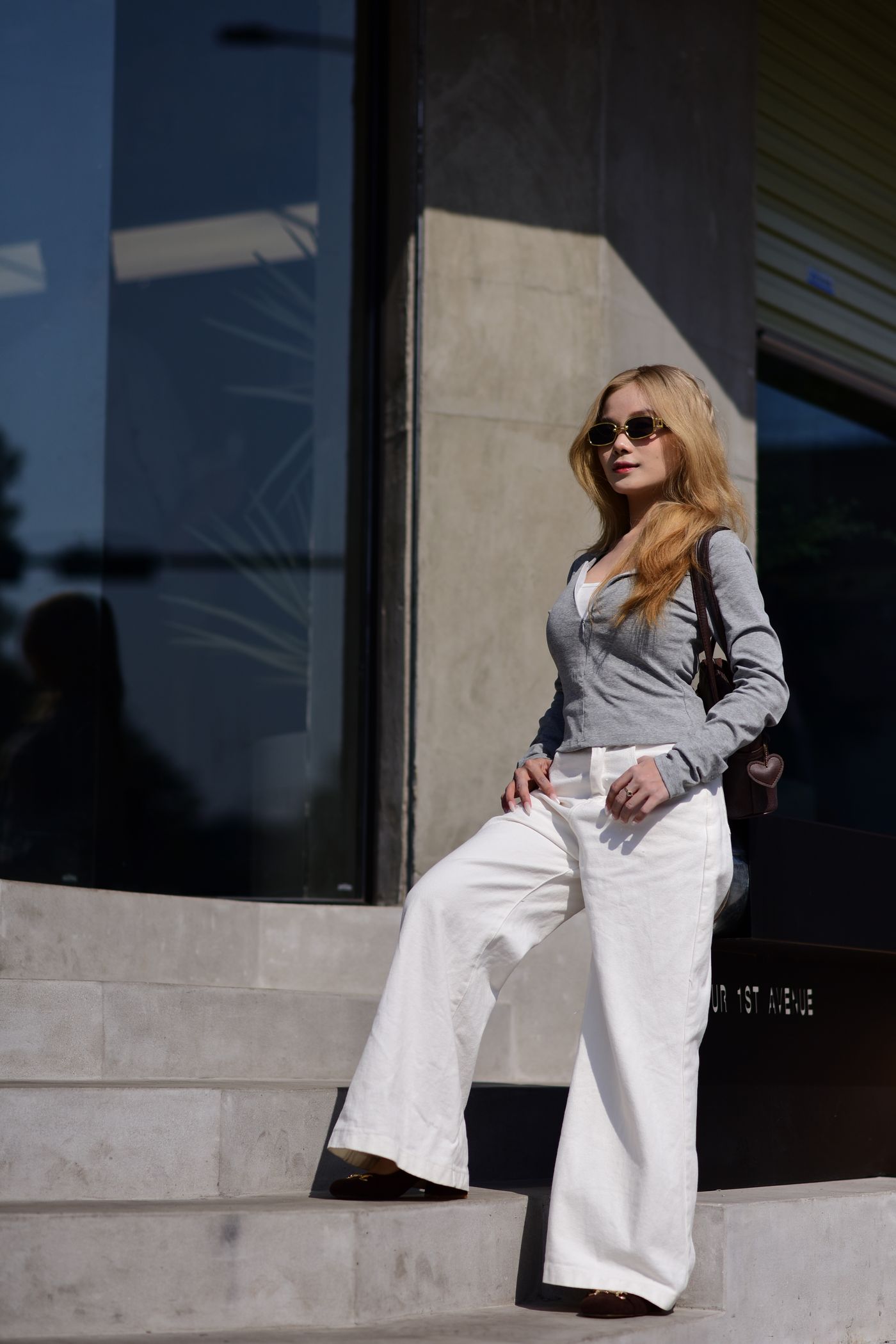
Use the waistband, upper layer and hem to control an outfit’s balance without treating your body as a problem to correct.

Everyday dressing
Choose a removable office layer by checking sleeves, desk movement and how it travels in your bag.