Wardrobe & care
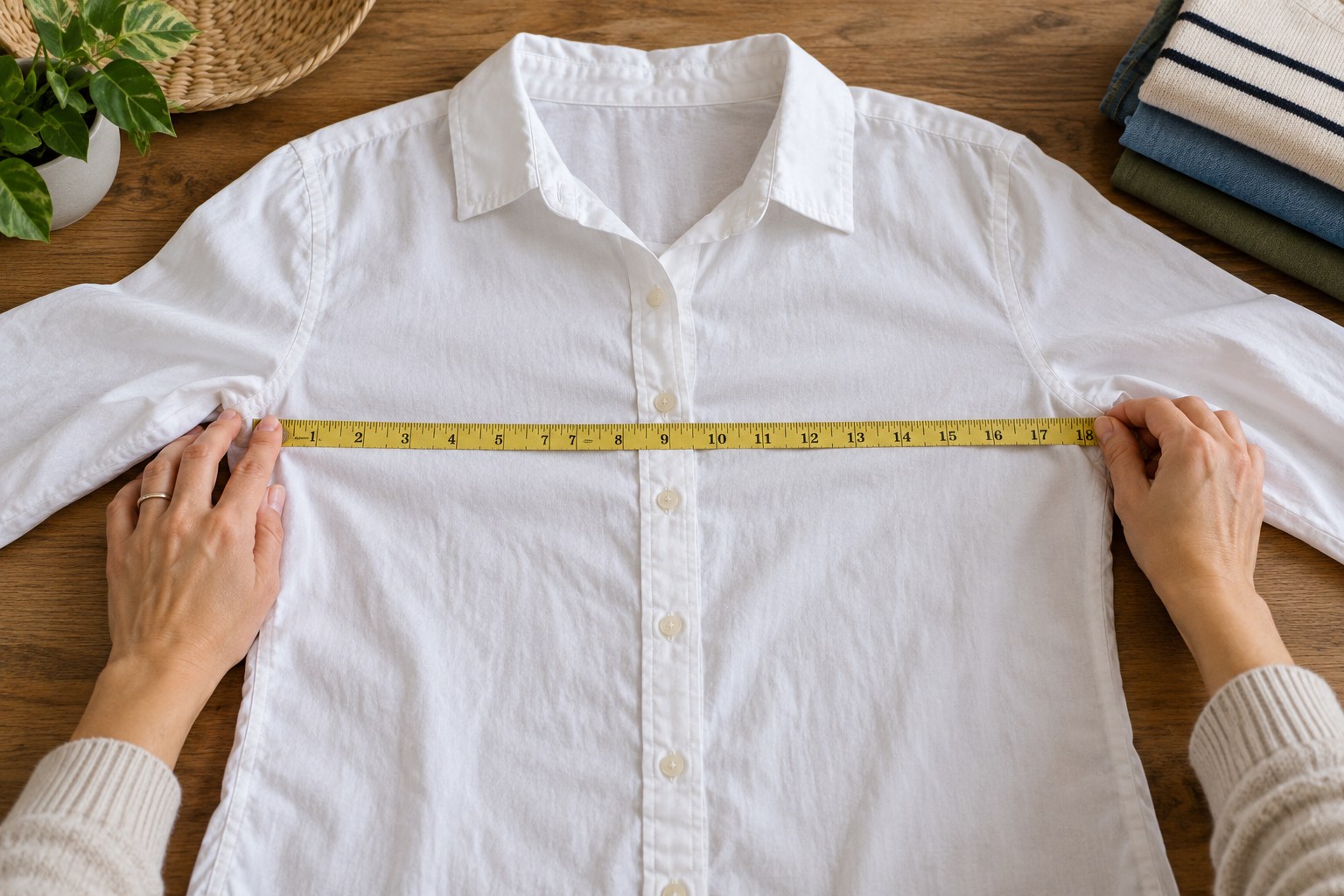
Measure an existing garment before buying another size
Use a garment that fits the way you want as a measurement reference, while keeping body measurements and garment measurements clearly separate.
Clothes, accessories & the ways to wear them
Wardrobe & care
Build a wardrobe inventory around complete outfits and their uses, so the record explains how clothes work together rather than merely counting them.
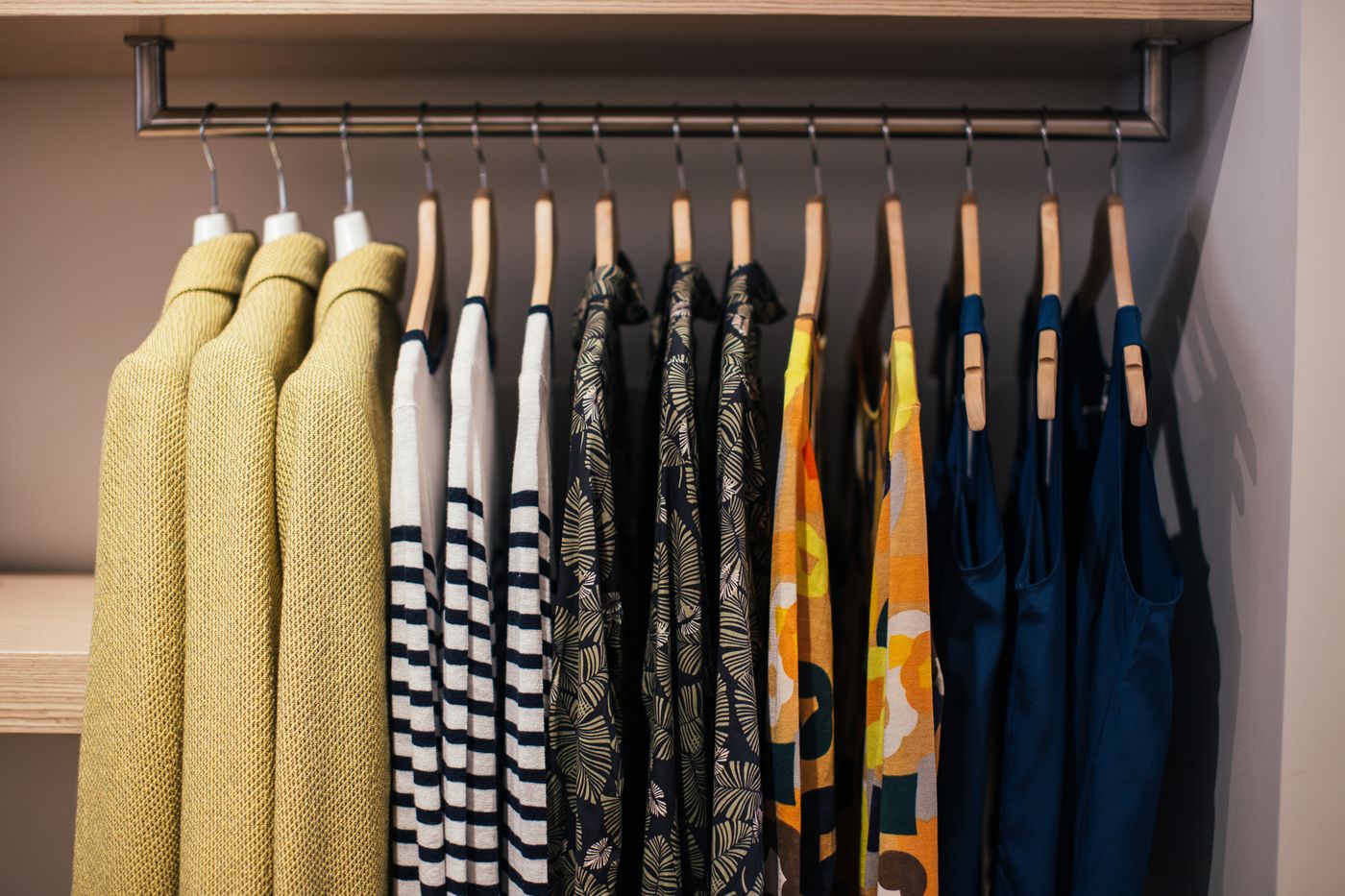
A list of every garment can become detailed without answering the question you face in the morning: what can I wear for this day? Start an inventory with a few situations you regularly dress for, such as commuting, home working, family visits or celebrations. These uses provide a reason to record the clothes and help keep the task manageable.
Choose one situation first. Assemble an outfit you actually wear for it, including shoes, bag and any layer needed during the day. Record the pieces in plain language or take a photograph for your own reference. The record should let you recognise the outfit later; it does not need professional photography, a new app or elaborate category codes.
Note why the combination works and any condition attached to it. 'Suitable when I can wear these flat shoes' or 'needs the light cardigan indoors' is more useful than a general rating such as good. Record a care constraint if it affects availability, such as a piece that needs a particular process before it can be worn again.
Give garments short, recognisable names. 'Cream shirt with brown buttons' is easier to interpret than a code you will forget. If two pieces are very similar, add a photograph or a distinguishing detail. Avoid spending more effort naming the wardrobe than using the record.
Add a second outfit for the same situation and compare the overlap. Perhaps both use the same trousers but different tops, or the same kurta works with two shoe options. The shared pieces become visible through use rather than through an assumption that certain basics must be essential for everyone.
If a combination almost works, describe the actual missing function. It may need footwear suitable for the route, an underlayer for the coverage you want or a repair to an existing fastening. Do not automatically turn every incomplete outfit into a shopping item. First check whether another piece already in the wardrobe can do the job.
Keep seldom-worn occasion clothes in a separate part of the record if that makes them easier to find. Note the event conditions they suit and what would need checking before the next wear. A garment does not have to be worn weekly to deserve a place, but its role should be understandable.
After wearing a recorded outfit, add only a useful observation. A bag may have been too small, a hem may have caught on a step or the extra layer may have stayed in the bag all day. These details make the next use more informed. There is no need to score every outfit or record personal information unrelated to clothing.
Review one situation at a time as seasons, routines or preferences change. Move an outfit out of the active list if it no longer suits the day, while keeping any reference you still find useful. The inventory succeeds when it helps you choose and repeat clothes, not when every item has been catalogued once and the record is never opened again.
Wardrobe & care
Use a garment that fits the way you want as a measurement reference, while keeping body measurements and garment measurements clearly separate.
Wardrobe & care
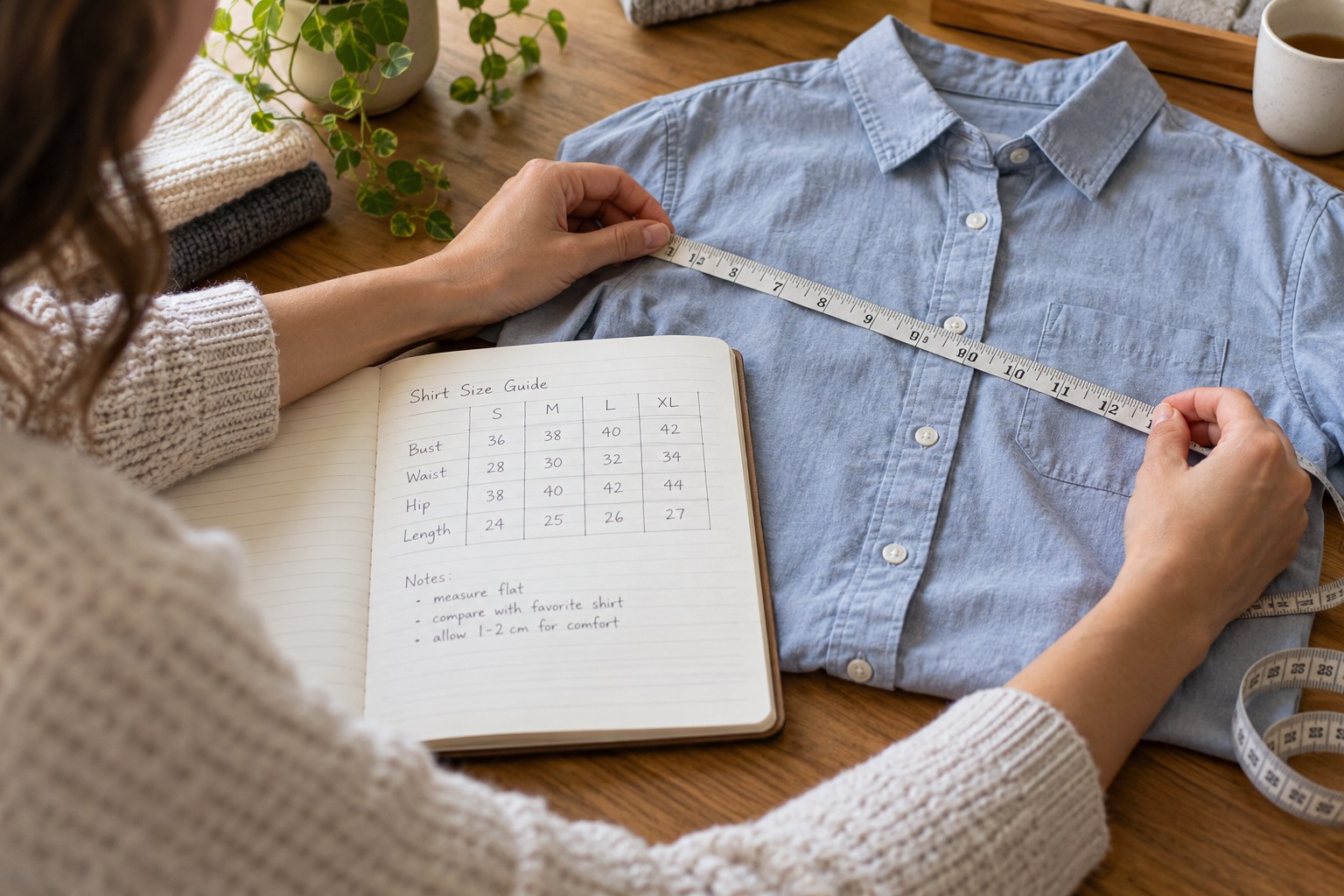
When two body measurements point to different sizes, use the garment's construction and the seller's chart to identify which areas need room.
Wardrobe & care
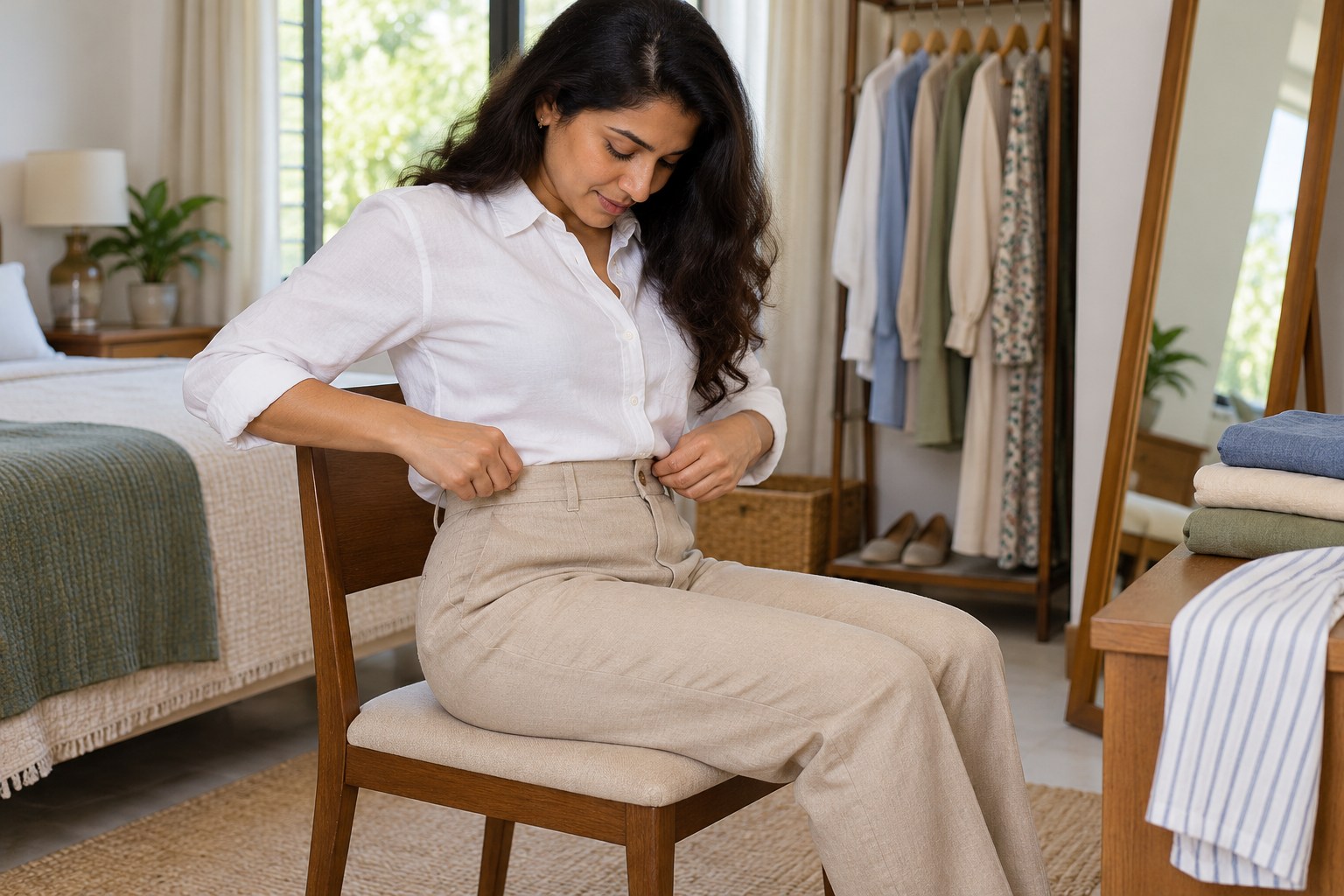
Assess trouser rise through the position of the waistband and crotch during sitting, walking and bending, not only through a front-view mirror check.