Indian wear & mixing
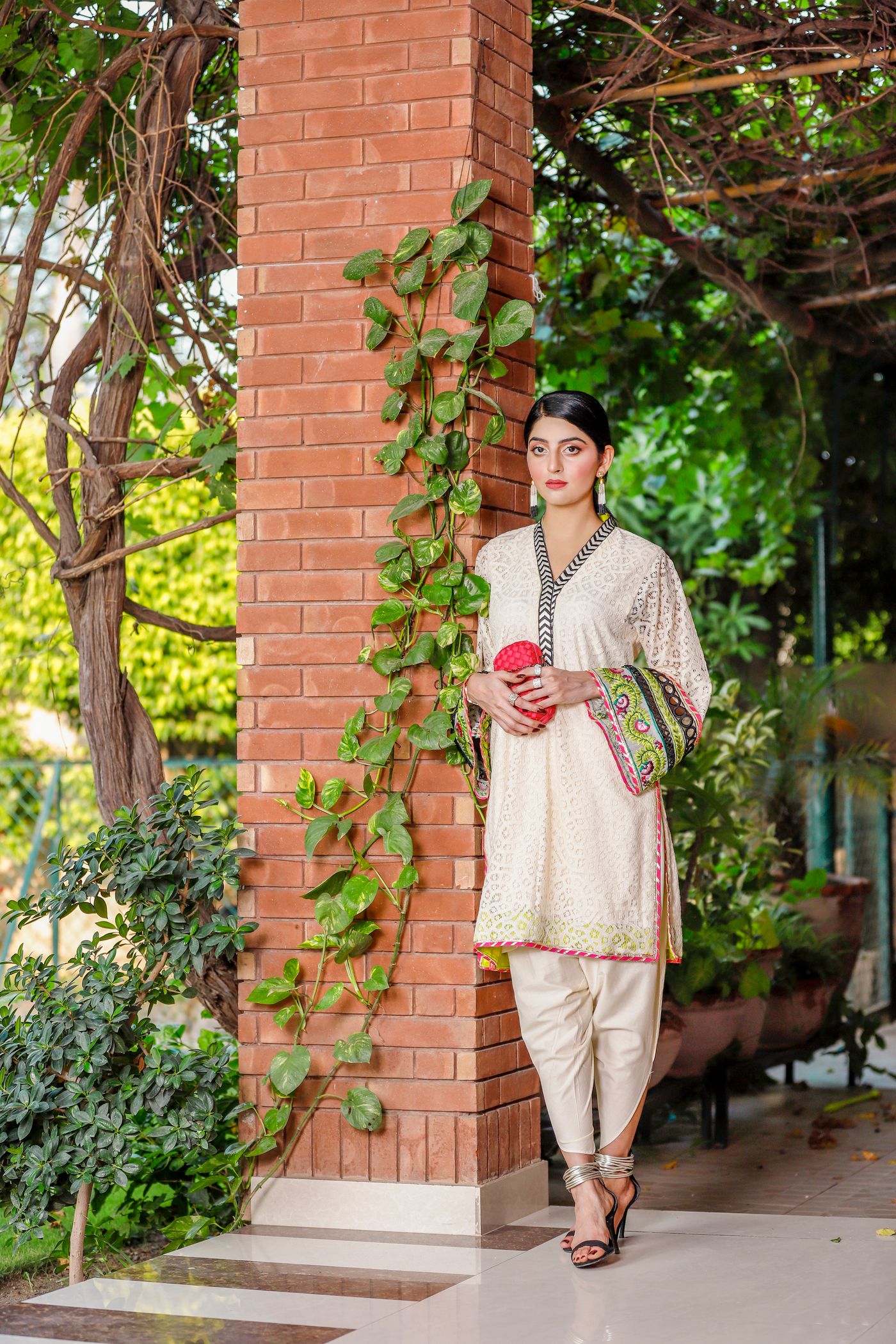
Wear a straight kurta with tapered trousers
Check the kurta’s side openings and the trouser taper so the two shapes move comfortably together.
Clothes, accessories & the ways to wear them
Indian wear & mixing
Let the saree’s pattern guide how much additional neckline detail you want, while checking the blouse’s fit and coverage.
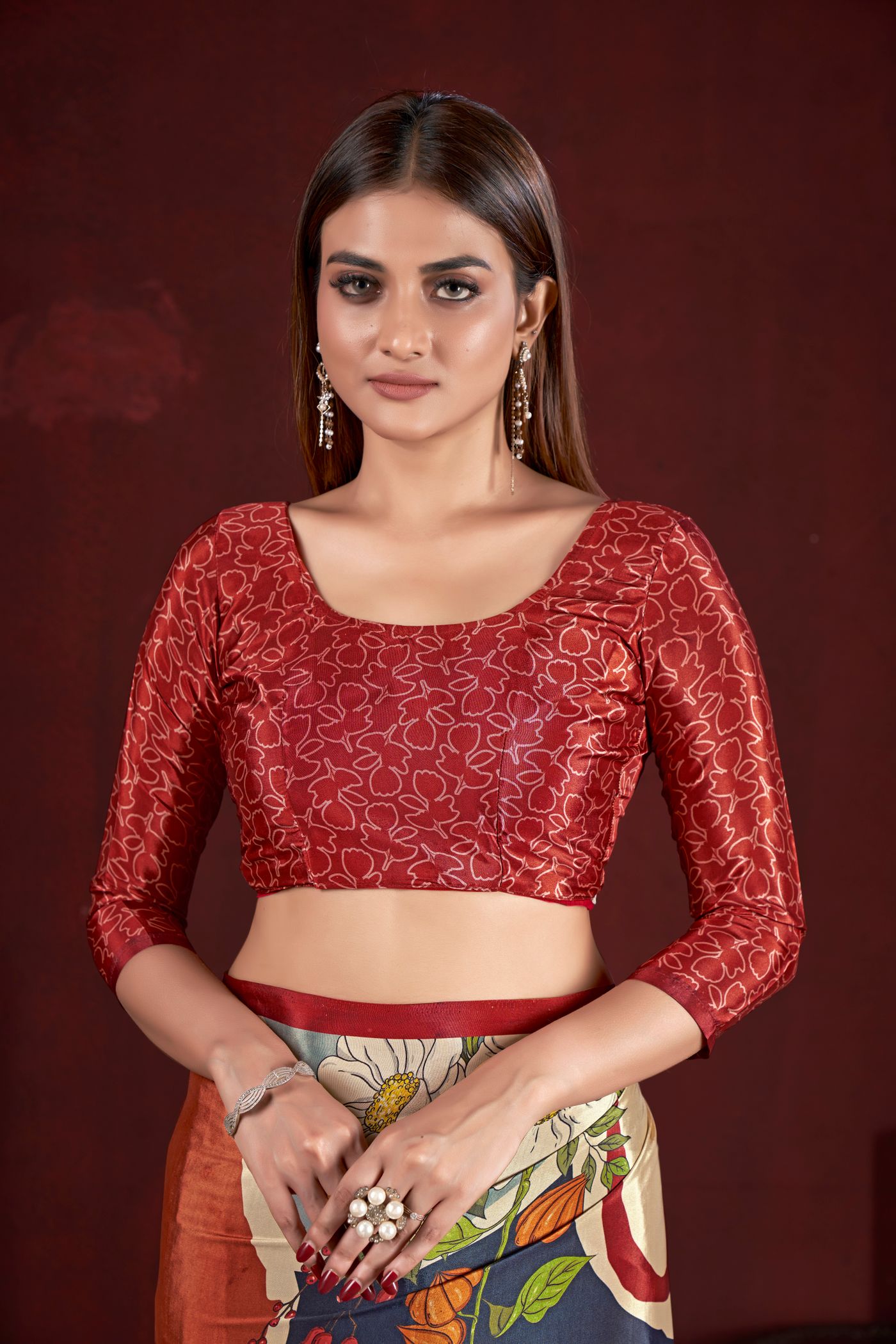
A heavily patterned saree does not require a plain blouse, but a simple neckline can give the pattern more room. Begin by draping the saree as you intend to wear it. The pallu may cover part of the blouse, so choosing the neckline while looking at the blouse alone can give a misleading impression.
Look at the visible area around the neck and shoulders. A round or square neckline creates one kind of frame, while a higher neckline creates a larger area of blouse fabric. A deeper neckline leaves more open space. Choose the coverage you prefer and test it seated and leaning forward rather than treating a neckline shape as suitable only for certain bodies.
If the saree has a dense pattern and a broad border, a blouse with a clear, uninterrupted neckline can create a pause. If you want a richer combination, an embroidered neckline can work too. Check whether the motifs remain visible or disappear beneath the pallu; detail that is mostly hidden may not need to influence the rest of the accessories.
Colour can connect the pieces without copying every shade. A blouse in the saree's background colour makes a quieter pairing. A smaller accent colour makes the blouse more noticeable. The fabric's sheen also changes the effect, so compare the pieces in the same light.
Try jewellery only after the drape is settled. A necklace may sit over the blouse edge or beneath the pallu, depending on its length. Move your shoulders and turn your head to check for catching. Earrings can provide detail away from the neckline if that area already feels busy.
If having a blouse altered or made, bring the saree or clear photographs of the intended drape and explain the coverage you want. Ask to assess the fit through ordinary movement, not only a standing measurement. Neckline appearance and blouse comfort need to work together.
The final choice should make sense with the saree as worn. A beautiful blouse neckline hidden or distorted by the drape may be less useful than a simpler one that remains comfortable and visible throughout the event.
If your chosen drape leaves only a small neckline area visible, a complex blouse front may have little effect on the finished outfit. Consider whether its extra seams or embellishment also affect comfort beneath the drape. A simpler front can be useful while a sleeve or back detail provides the feature you want elsewhere.
If the drape leaves more blouse visible, compare the neckline as a larger shape against the saree pattern. A plain square neckline may create a defined frame, while a round one makes a different curve. Take the comparison from the same camera distance so the decision reflects the garment relationship rather than a change of pose.
Indian wear & mixing
Check the kurta’s side openings and the trouser taper so the two shapes move comfortably together.
Indian wear & mixing
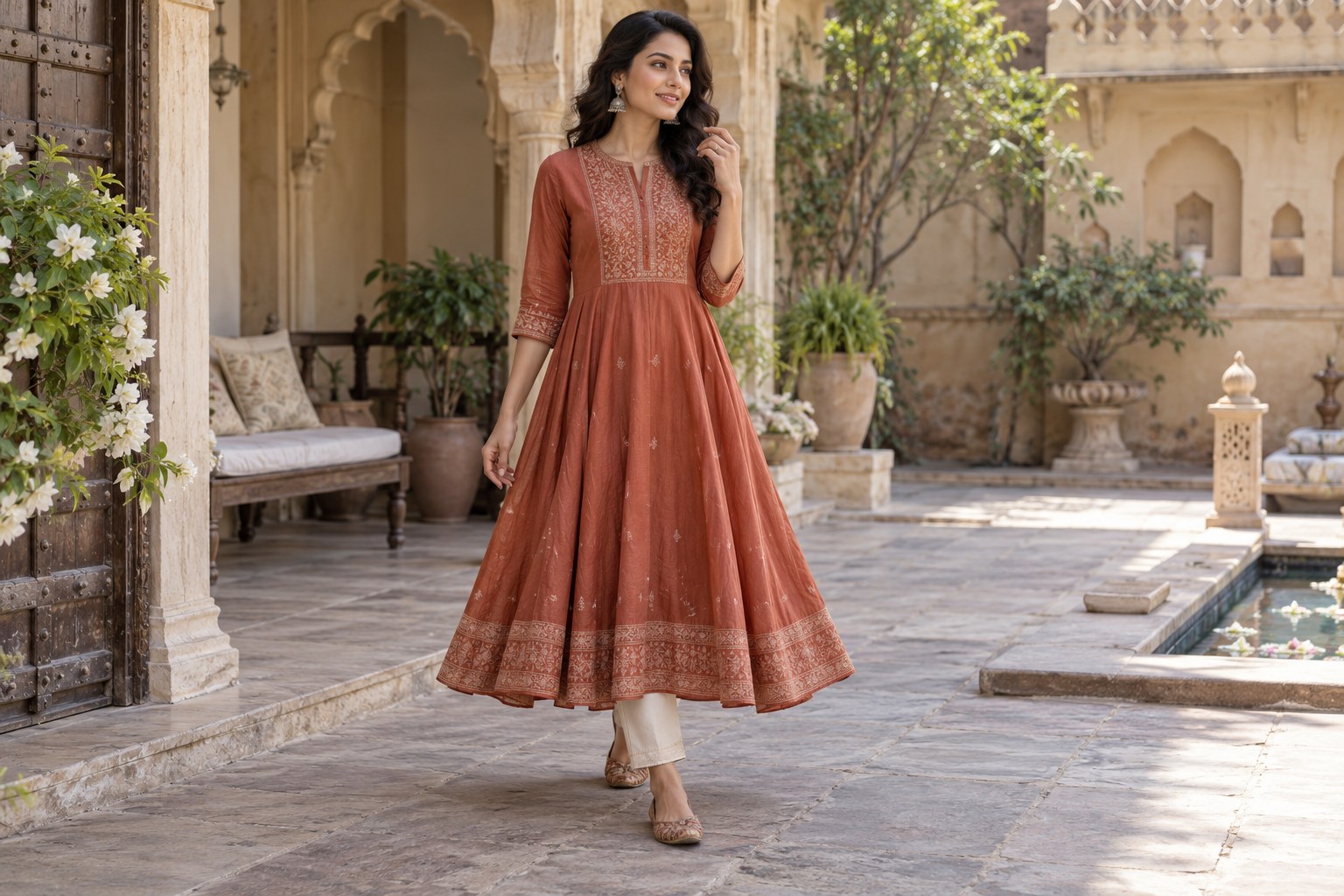
Let a flared kurta move freely above a narrower trouser shape, with enough room at both waist and thigh.
Indian wear & mixing
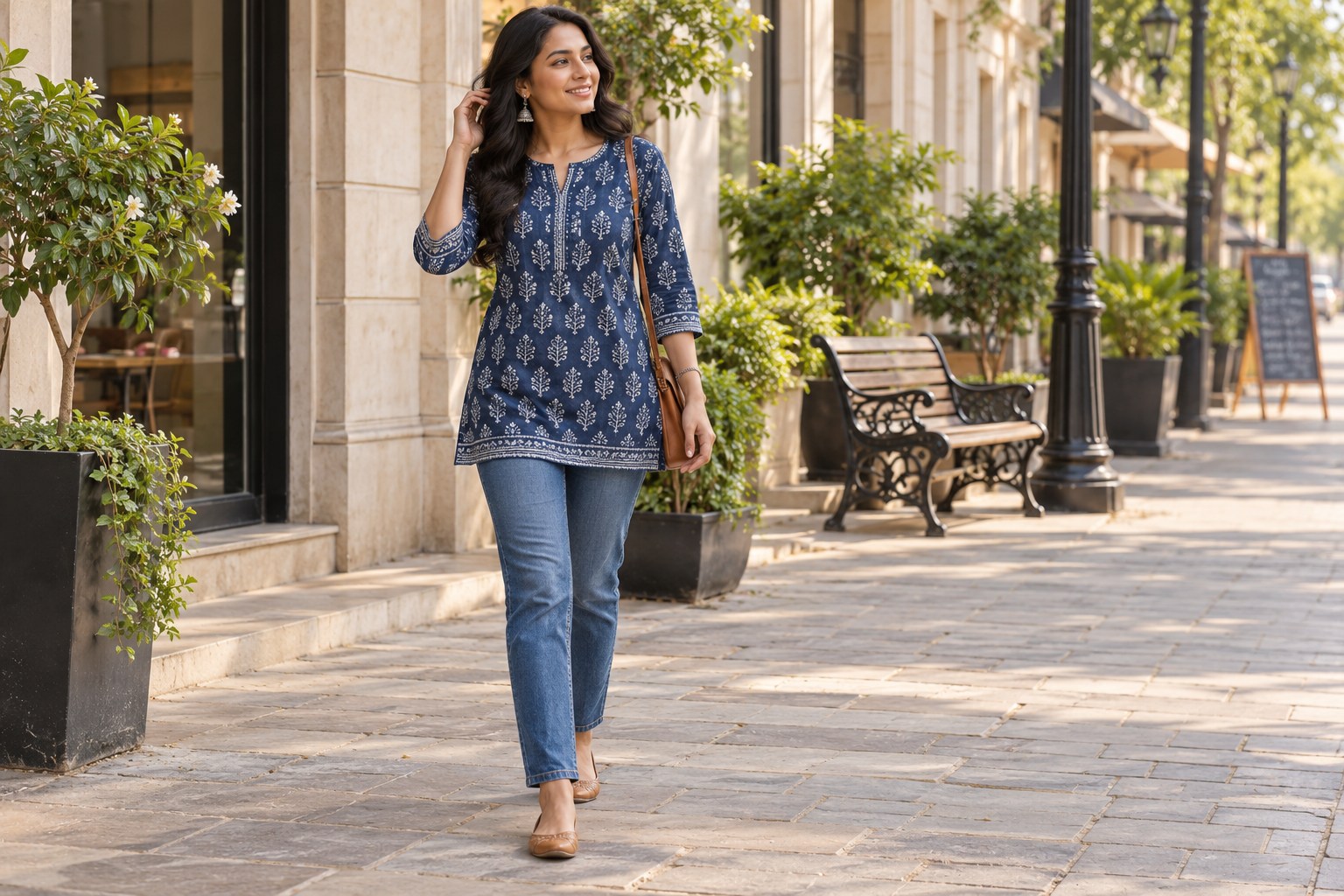
Choose the kurti length and jean rise together, then check how the hem behaves over pockets and waistbands.