Occasions & travel
Dress for a wedding reception with a smaller accessory budget
Spend on the missing function in your reception outfit, rather than buying a complete new set of accessories.
Clothes, accessories & the ways to wear them
Occasions & travel
Let the invitation, venue and length of the day guide the fabric, footwear and amount of detail in a wedding guest outfit.
A daytime wedding might mean an air-conditioned hotel ceremony, several hours in a sunny courtyard or a small gathering at home. The time on the invitation tells you less than the setting and schedule. Before choosing between a saree, kurta set, lehenga or dress, find out whether you will be outside, seated on the floor, walking between venues or changing for an evening reception.
Read any clothing guidance from the couple first. Colours, coverage and the formality of guest clothing vary between families, communities and individual celebrations. If something is unclear, a short question to the host is more useful than a general list of supposedly forbidden wedding colours. You can enjoy colour and embellishment while respecting a request made for this particular event.
Hold the outfit up to daylight and examine the lining as well as the outer fabric. A light-looking skirt can contain several warm layers; an airy kurta may need a separate layer for the coverage you want. Try the complete combination rather than judging the visible fabric alone. Sit for several minutes and check whether waistbands, sleeve seams or decorative edging press against you.
For a long outdoor afternoon, a relatively light set with room to move can be easier to manage than a tightly fitted outfit covered in heavy work. That does not mean the outfit must be plain. A woven border, a printed dupatta or embroidery near the neckline gives detail without requiring decoration on every surface. If you love a richly worked piece, make it the centre of the outfit and check that its weight remains comfortable.
A soft blue kurta with ivory trousers and a patterned dupatta offers a flexible starting point for a daytime gathering. Choose earrings that do not catch the dupatta and a bag with a closure. The trousers should clear the ground in the shoes you will actually wear, including any flatter pair used for the journey.
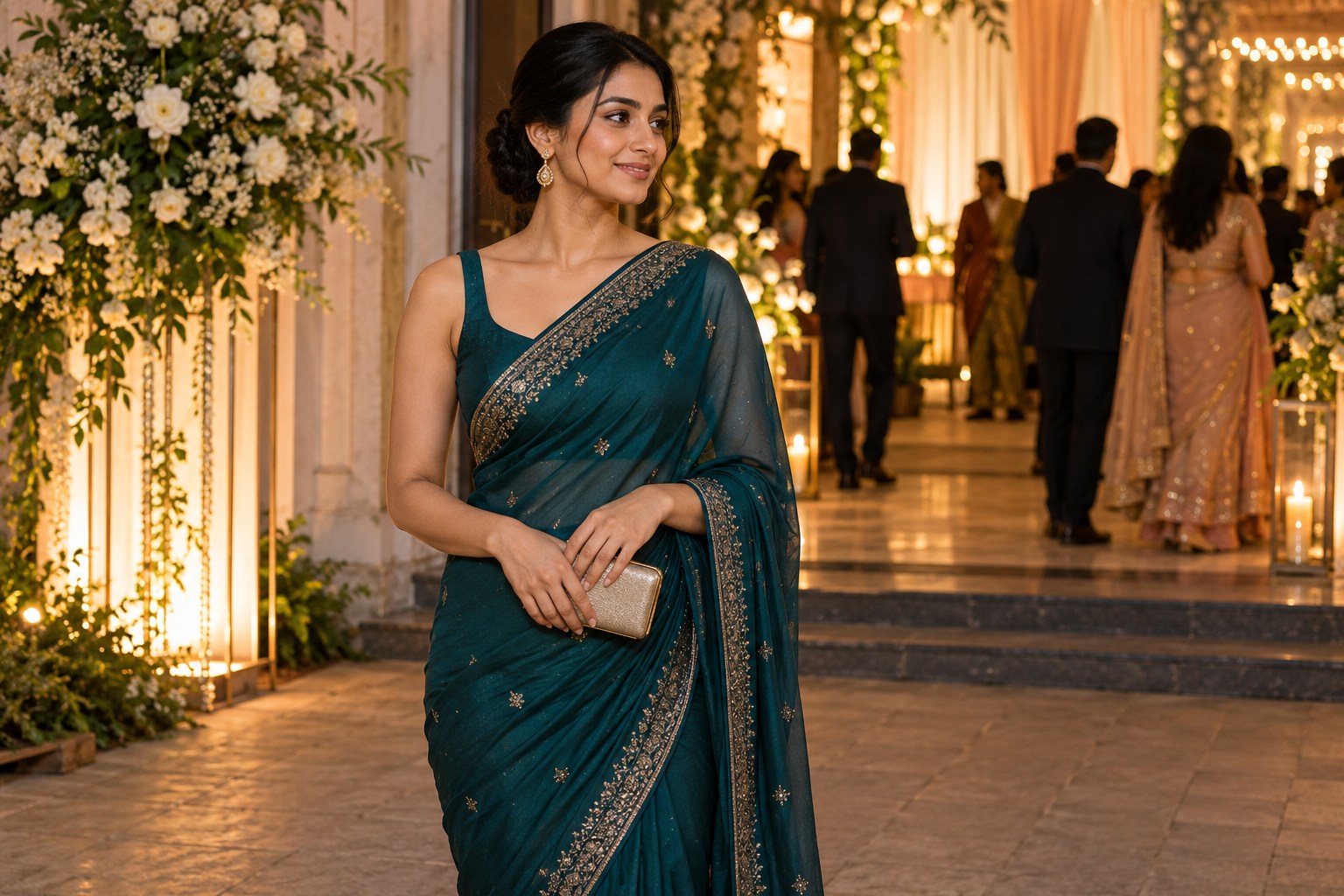
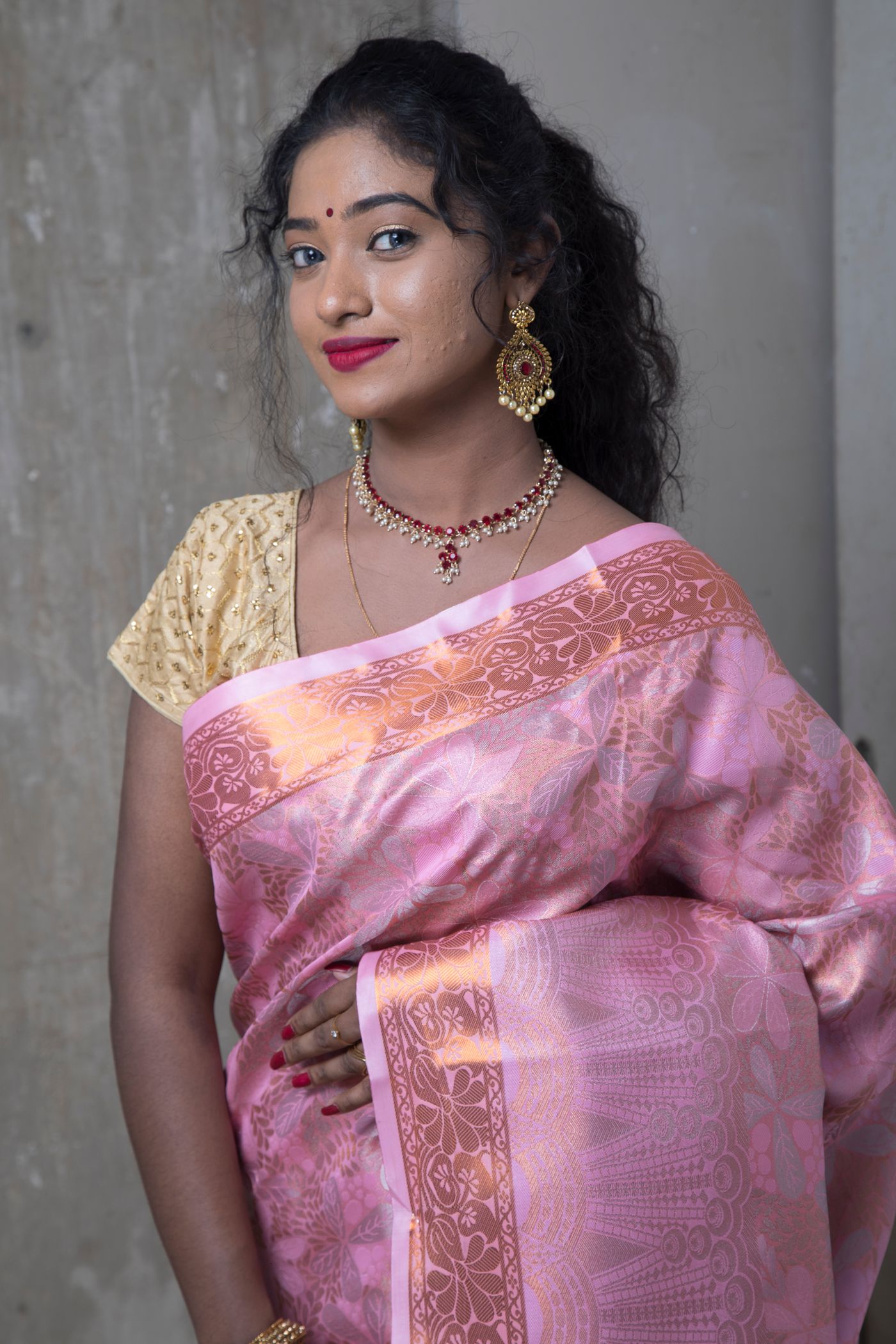
A saree with a defined border can carry most of the visual detail itself. Try it with a blouse that sits securely when you raise your arms and a simple pair of earrings. Drape it before settling on the necklace: a pendant that looks right against the blouse alone may disappear beneath the pallu or collide with its border.
For an invitation that suits separates, pair a lightly embellished skirt with a solid blouse. Keep the blouse hem and skirt waistband together through a sitting and reaching test. Add a wrap only if you need it for temperature, coverage or the setting; an extra layer should have a job beyond completing a photograph.
Walk across a similar surface to the venue if possible. Narrow heels can sink into grass or catch in paving gaps, while a flat shoe can still slip or rub. Choose a familiar pair with a secure fit and an outfit hem that does not drag. A broad heel may suit some surfaces, but its shape alone is no guarantee of stability.
Put your phone, keys and essential small items into the planned bag, then close it. Carry it while adjusting your dupatta or pallu so you know whether one hand will always be occupied. If you expect a long interval between events, organise a separate travel bag rather than forcing everything into a decorative clutch.
Finally, look at the outfit in daylight from the front and side, then take one seated photograph for your own reference. Check opacity, bunching and anything that needs repeated adjustment. Make those changes before adding more jewellery. An outfit you can wear through the actual day needs less attention once the celebration begins.
Occasions & travel
Spend on the missing function in your reception outfit, rather than buying a complete new set of accessories.
Occasions & travel
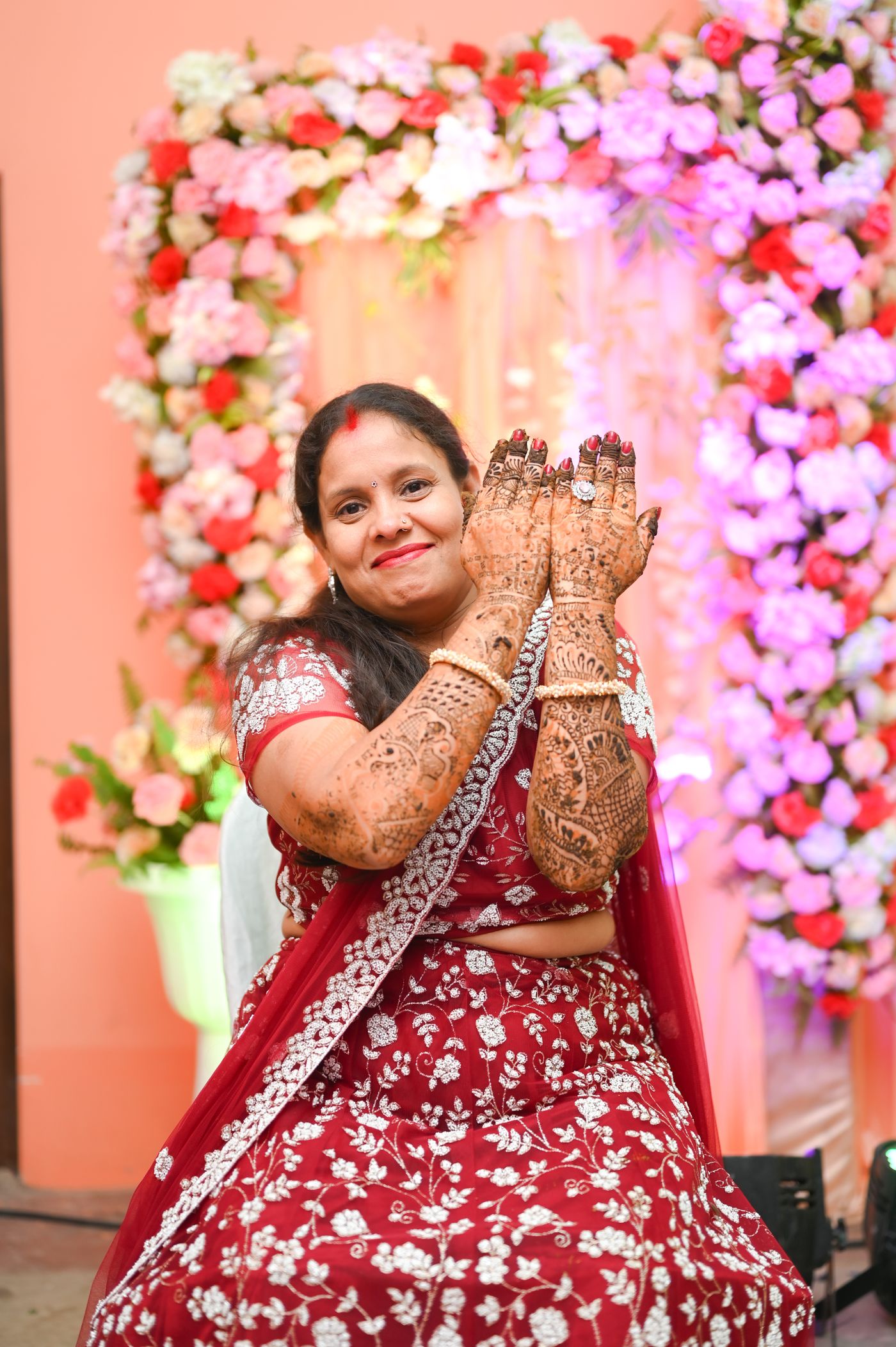
A sangeet outfit should pass the movements you expect to make, from sitting at dinner to raising your arms on a dance floor.
Occasions & travel
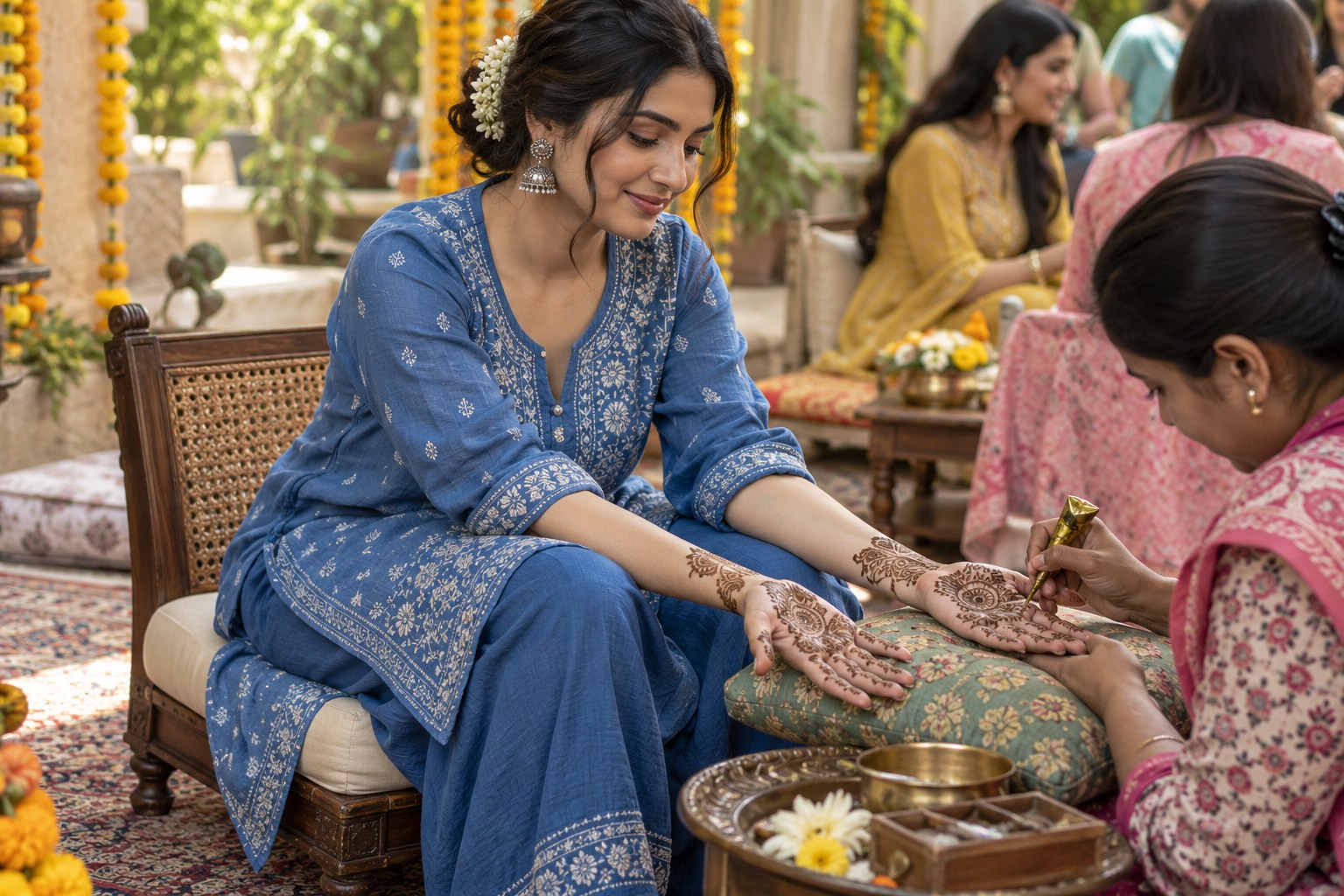
Plan a mehendi visit around comfortable seating and sleeves that can stay clear if you choose to have your hands decorated.