Wardrobe & care
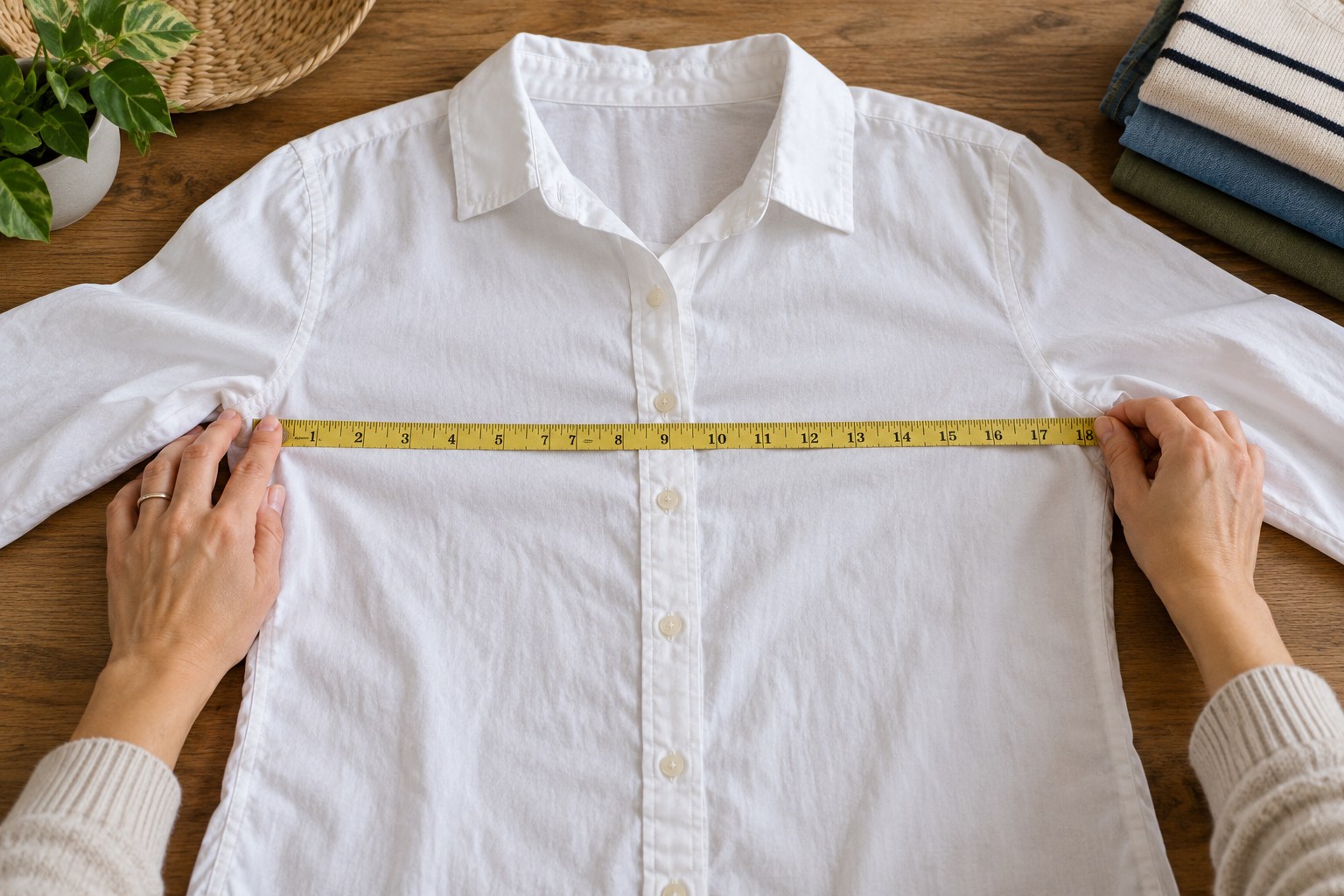
Measure an existing garment before buying another size
Use a garment that fits the way you want as a measurement reference, while keeping body measurements and garment measurements clearly separate.
Clothes, accessories & the ways to wear them
Wardrobe & care
Check, care for and identify seasonal clothes before storing them, then choose support and space appropriate to each garment.
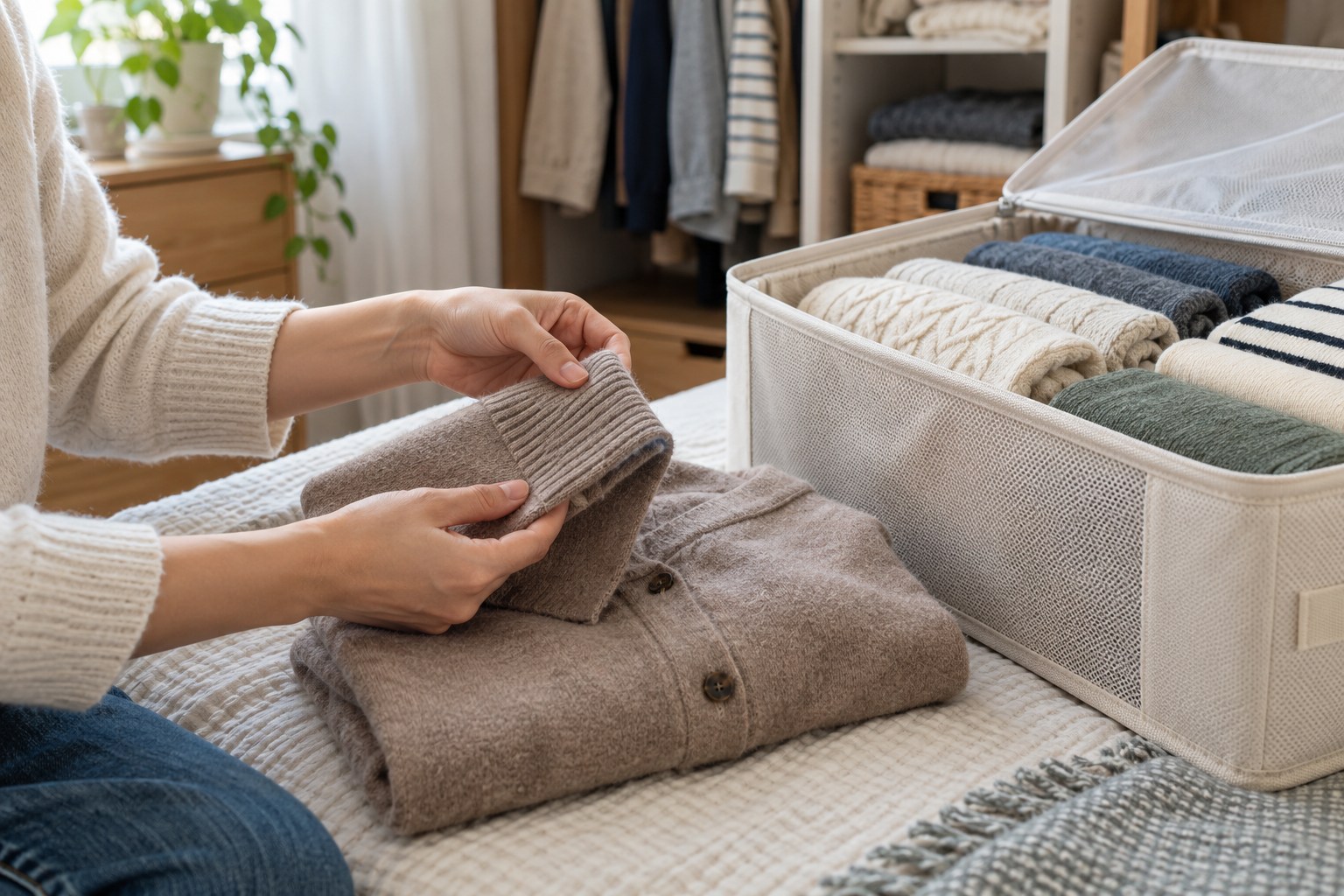
AI-generated illustration. Items shown are illustrative, not specific products for sale.
Seasonal storage starts before the clothes are put into a container. Take each item into good light and check its condition, including cuffs, hems, closures and areas that were in contact with the body. A garment that looks acceptable from the front may still need care or a small repair before being left unused for a longer period.
Follow the care instructions for any cleaning required and let the garment become fully dry before storage. Do not use a sealed container to postpone dealing with dampness or a mark. If the material or decoration needs specialist advice, resolve that before packing rather than hoping the issue will be easier to assess months later.
Try the garment if its fit or role is uncertain. Decide whether it still belongs in the active seasonal wardrobe, needs an alteration or is being kept for another reason. You do not have to make a permanent disposal decision during every storage session, but an unresolved item should be labelled as such rather than mixed invisibly with ready-to-wear clothes.
Keep matching pieces traceable. A belt, detachable collar or coordinating blouse may need separate storage because of its material, yet it should remain easy to locate. A short note or photograph can connect them without compressing everything into one bundle.
Some garments suit hanging, while others need folding or broader support. Use the maker's guidance where available, and pay attention to weight and decoration. Heavy knitwear, a structured jacket and an embellished skirt should not automatically be packed in the same way simply because they belong to the same season.
Avoid tight pressure on raised details or sharp folds through a part that should remain supported. Use clean storage materials appropriate to the clothes and keep surfaces that may snag apart. A container should hold the garments without forcing the lid down over them. Check the storage location for conditions unsuitable for the items, including dampness or exposure that may affect the fabric.
Label the contents in a way you will recognise. 'Cool-weather work layers' or a list of the main garments can be more useful than a date alone. Put the pieces you are likely to need first somewhere accessible, so an early change in weather does not require emptying every box.
When reopening the storage, inspect the garments before returning them to regular use. Check closures, surfaces and any repair notes. The process should bring clothes back into circulation with their condition understood, rather than reveal a collection of tasks left unfinished at the end of the previous season.
Wardrobe & care
Use a garment that fits the way you want as a measurement reference, while keeping body measurements and garment measurements clearly separate.
Wardrobe & care
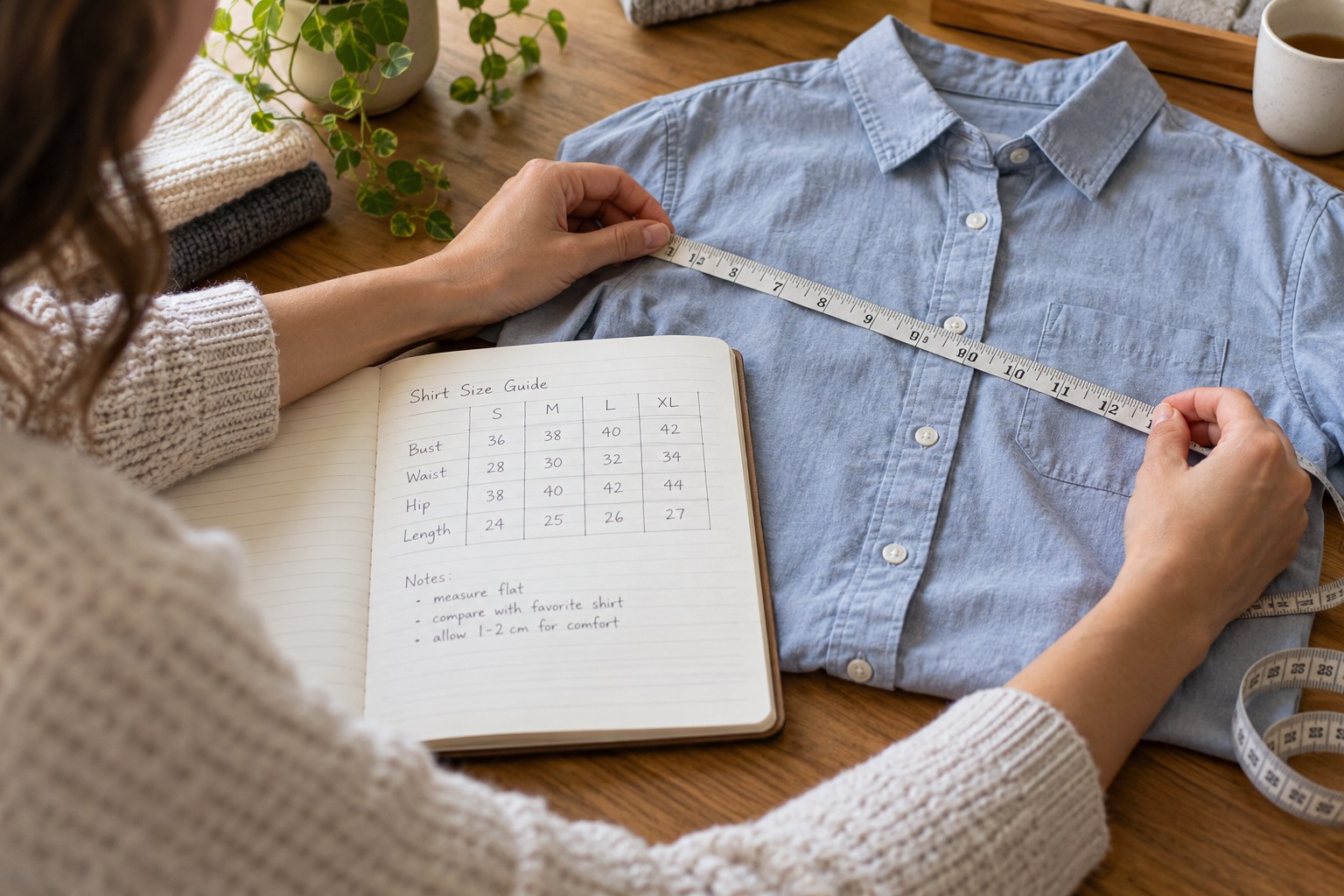
When two body measurements point to different sizes, use the garment's construction and the seller's chart to identify which areas need room.
Wardrobe & care
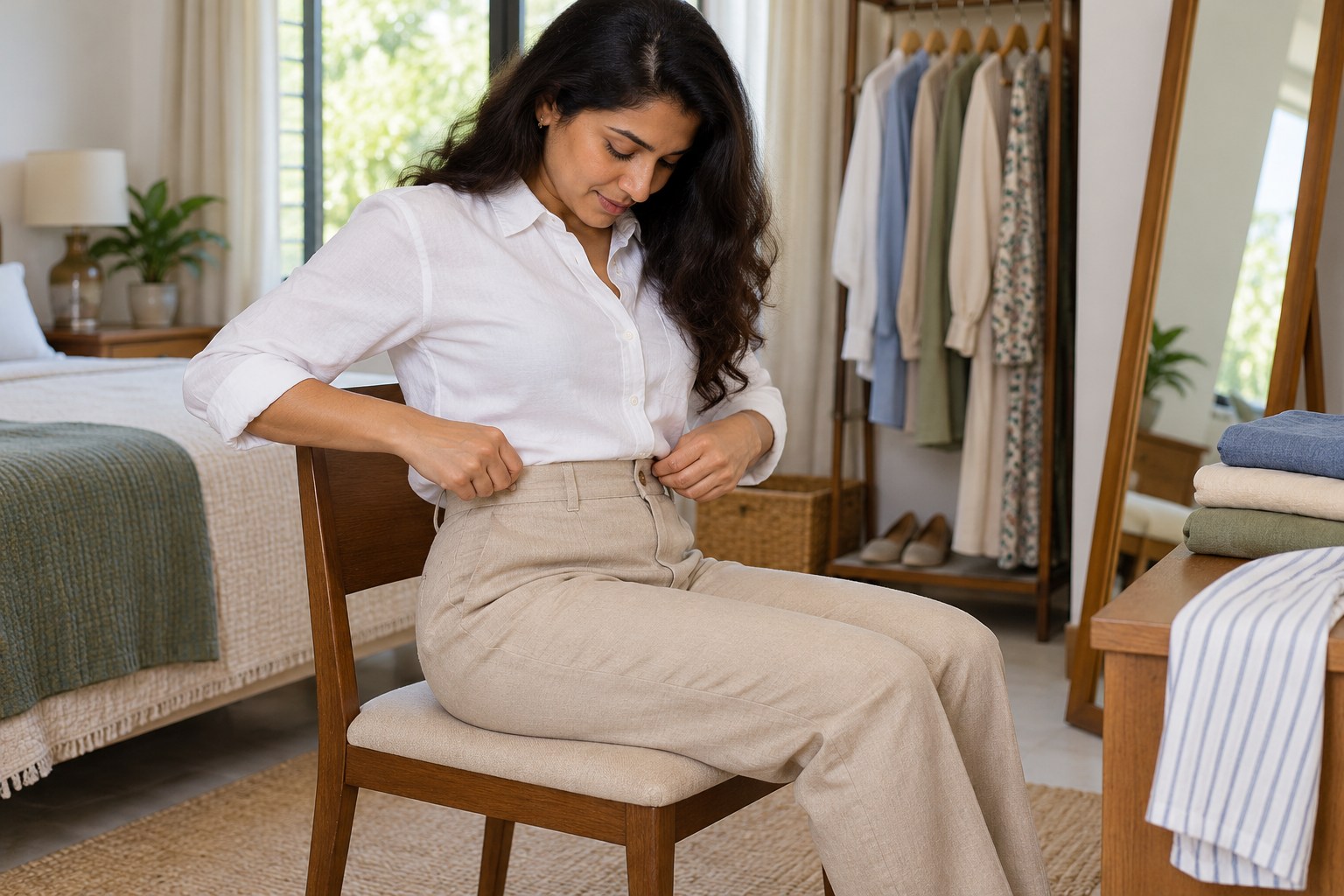
Assess trouser rise through the position of the waistband and crotch during sitting, walking and bending, not only through a front-view mirror check.