Everyday dressing
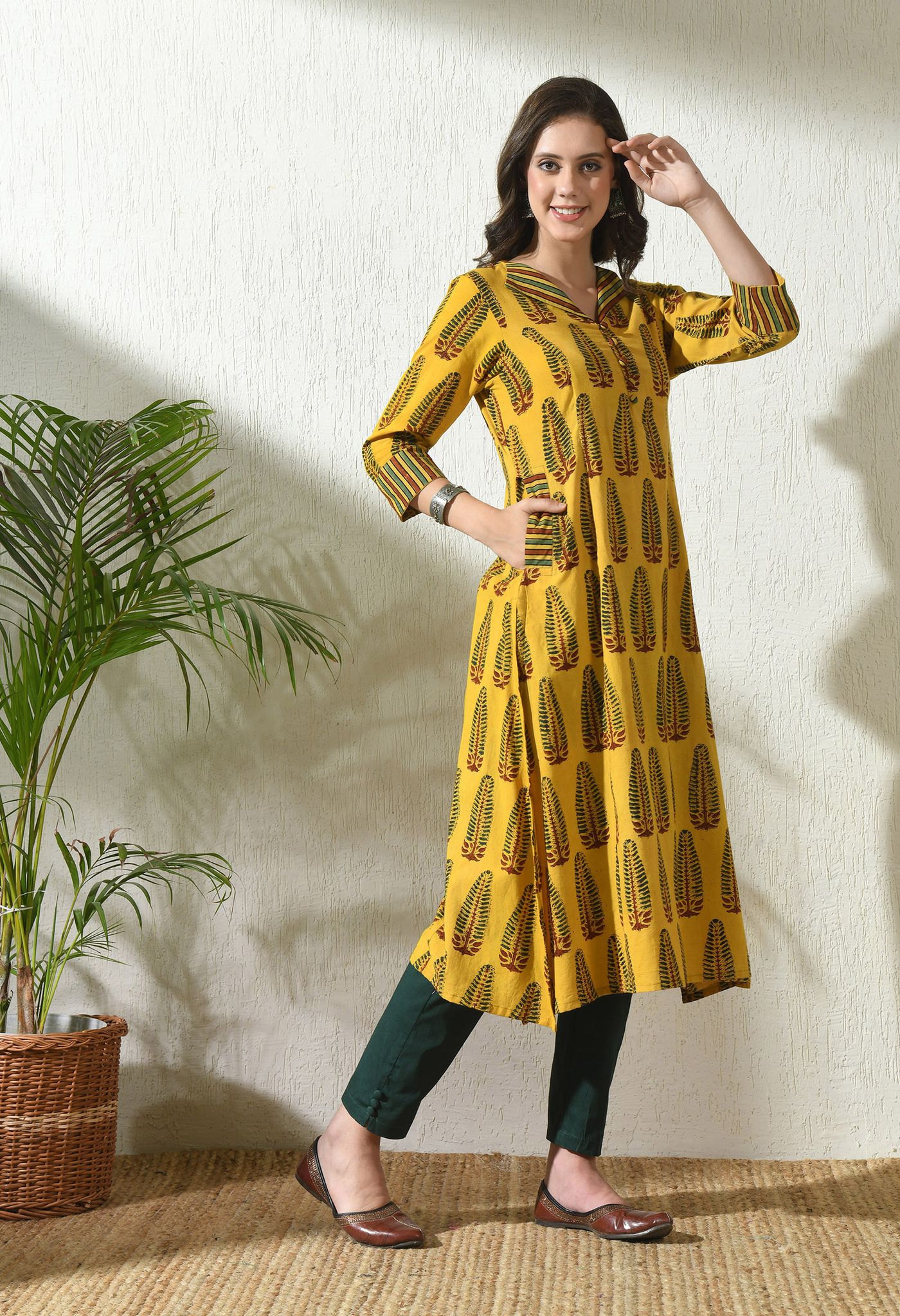
Build a cotton kurta outfit for a humid commute
Build around an easy cotton kurta, then check trouser clearance, bag placement and the layer you will need indoors.
Clothes, accessories & the ways to wear them
Everyday dressing
Use the necklace’s resting position to choose a neckline that leaves its shape visible and comfortable.
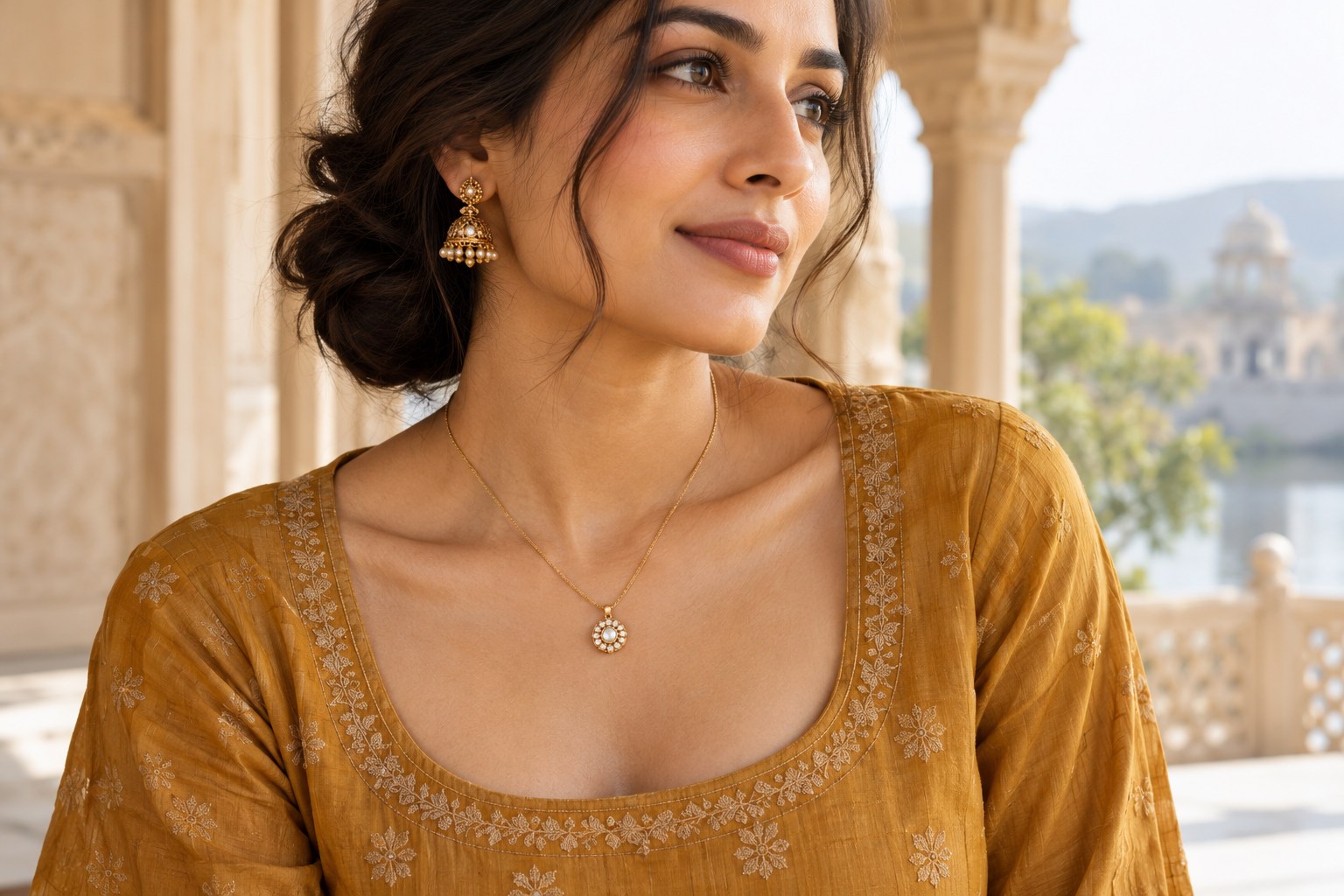
AI-generated illustration. Items shown are illustrative, not specific products for sale.
A necklace you already own can be the starting point for an outfit. Put it on before selecting the top and notice where it naturally rests. A short chain, a long pendant and a broad collar necklace occupy different areas, so they interact differently with the edge of a garment.
A pendant may fall into a V-neck opening or sit over a higher neckline. Both can work. Problems arise when it repeatedly catches at the edge or disappears inside the top. Move around while trying the combination; a still mirror view may not reveal that the pendant slips beneath the fabric whenever you sit.
With a broad necklace, try an uncomplicated neckline that sits either above or below its main shape. If the garment edge runs through the middle of the jewellery, decide whether the overlap looks intentional. An embroidered neckline can compete with a necklace because both details occupy the same space, but you may enjoy that richness. Remove one only if you prefer a quieter result or they physically catch.
A plain high-neck top gives a long pendant a continuous background. Check that the chain does not rub against a zip or button at the back. A square-neck blouse can frame a shorter necklace, though the exact chain length matters more than the name of the neckline.
For a colourful pendant, pick a plain top and repeat a small part of its colour in a bag or skirt if you want a connection. There is no requirement to match it with earrings from the same set. Smaller earrings can leave the pendant as the most noticeable feature.
If the necklace moves too much, try an existing adjustable fastening before buying a new top. Make sure the clasp is secure and comfortable rather than forcing the necklace into a length it was not designed to hold.
Finally, add any scarf, cardigan and bag. A neckline that works alone may become crowded when an outer layer is zipped or a strap crosses the pendant. The useful test is whether the necklace stays visible in the outfit you will actually wear throughout the day.
Take a pendant that lands on the seam of a round neckline. If the chain has an adjustable section, try moving it clearly above or below that seam. A tiny change that leaves the pendant touching the edge may not stop it catching. If the length is fixed, compare a higher-neck top with an open-neck shirt so that the pendant has a more continuous resting area.
Also consider the pendant itself. A flat piece and a raised, pointed design interact differently with fabric. Check that any projecting edge does not scrape or hook the garment when you bend forward. A meaningful necklace can remain the centre of the outfit without requiring you to tolerate repeated snagging.
Everyday dressing
Build around an easy cotton kurta, then check trouser clearance, bag placement and the layer you will need indoors.
Everyday dressing
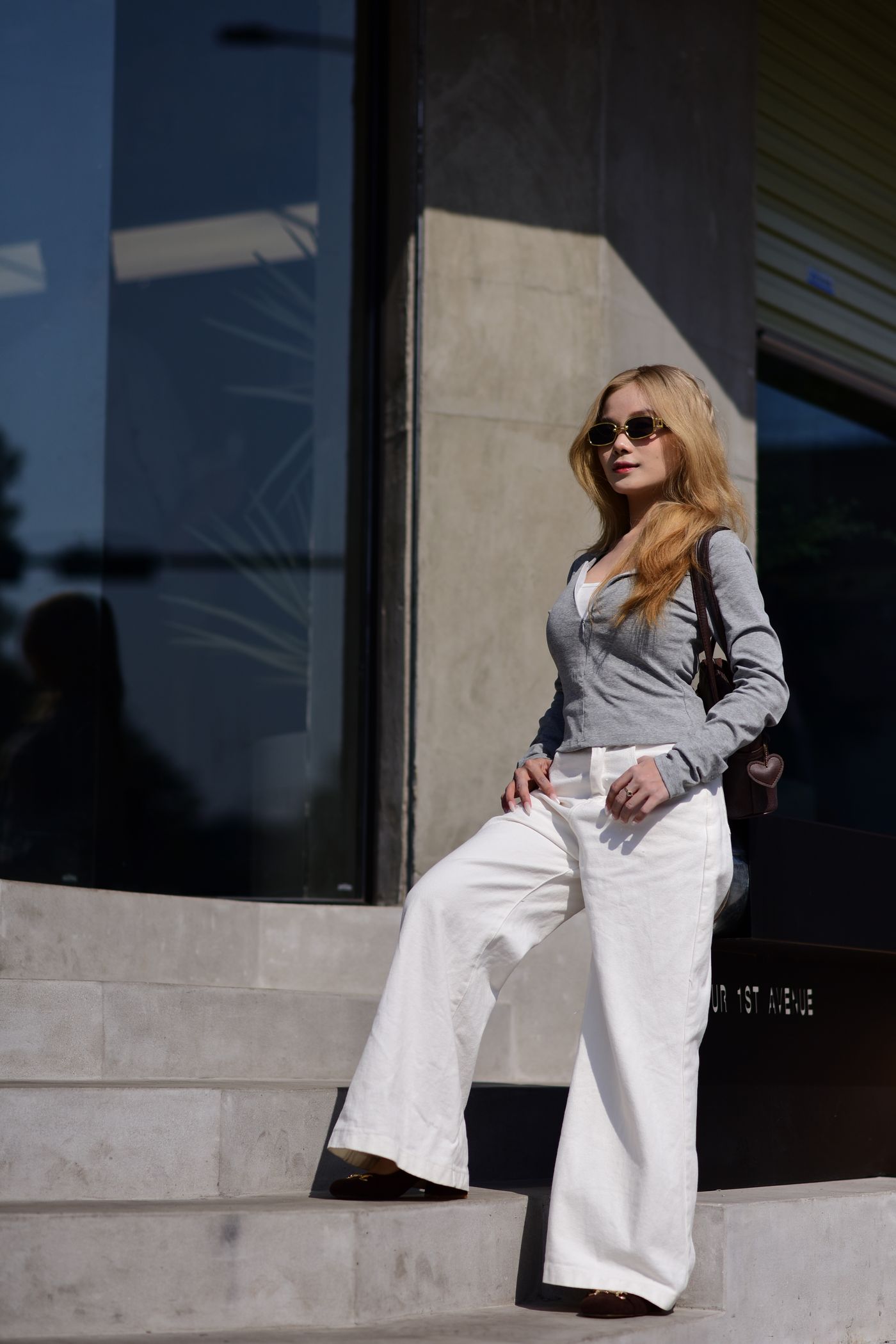
Use the waistband, upper layer and hem to control an outfit’s balance without treating your body as a problem to correct.

Everyday dressing
Choose a removable office layer by checking sleeves, desk movement and how it travels in your bag.