Everyday dressing
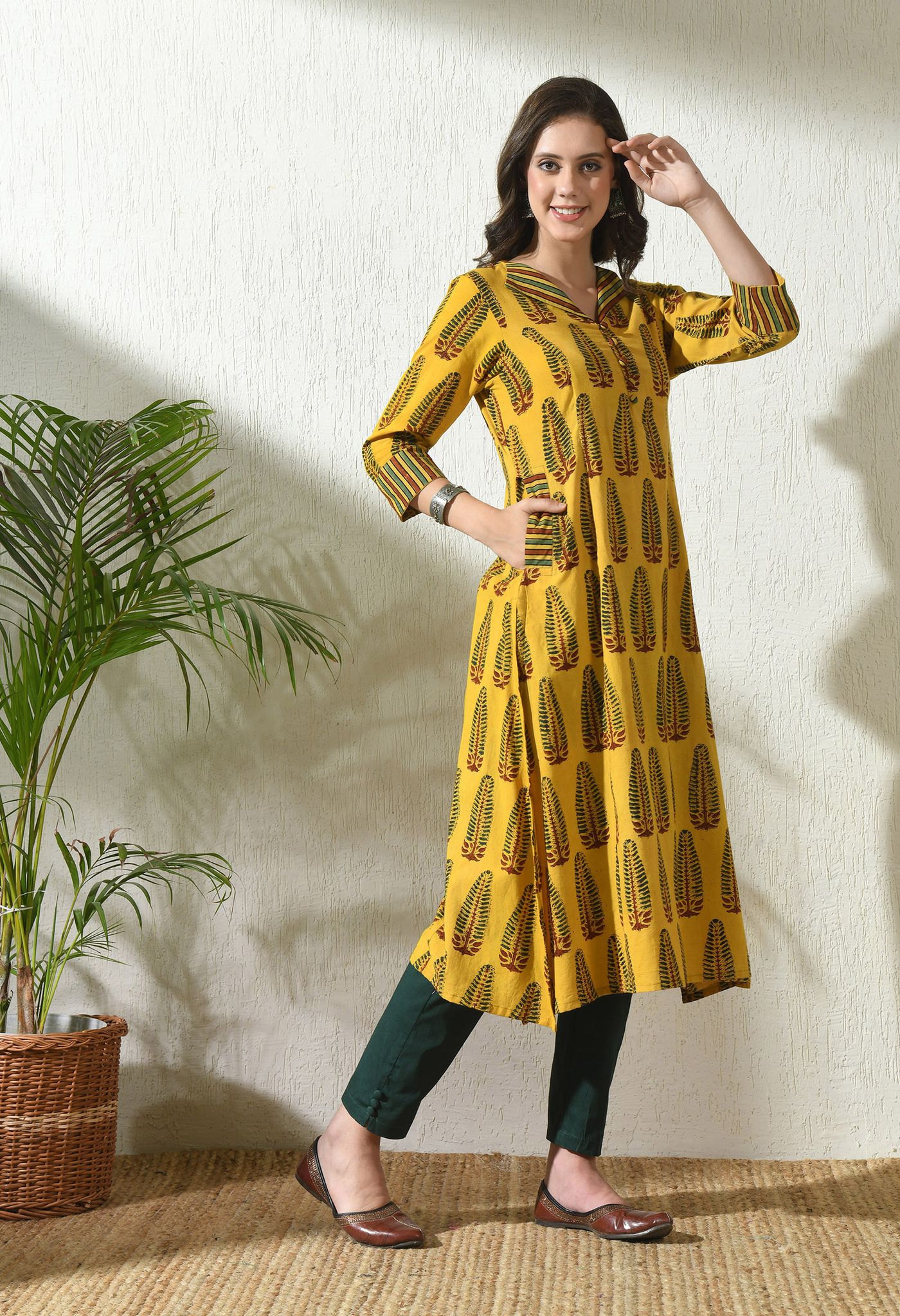
Build a cotton kurta outfit for a humid commute
Build around an easy cotton kurta, then check trouser clearance, bag placement and the layer you will need indoors.
Clothes, accessories & the ways to wear them
Everyday dressing
Plan for desk time, shared rooms and the journey between them rather than copying a formal office uniform.
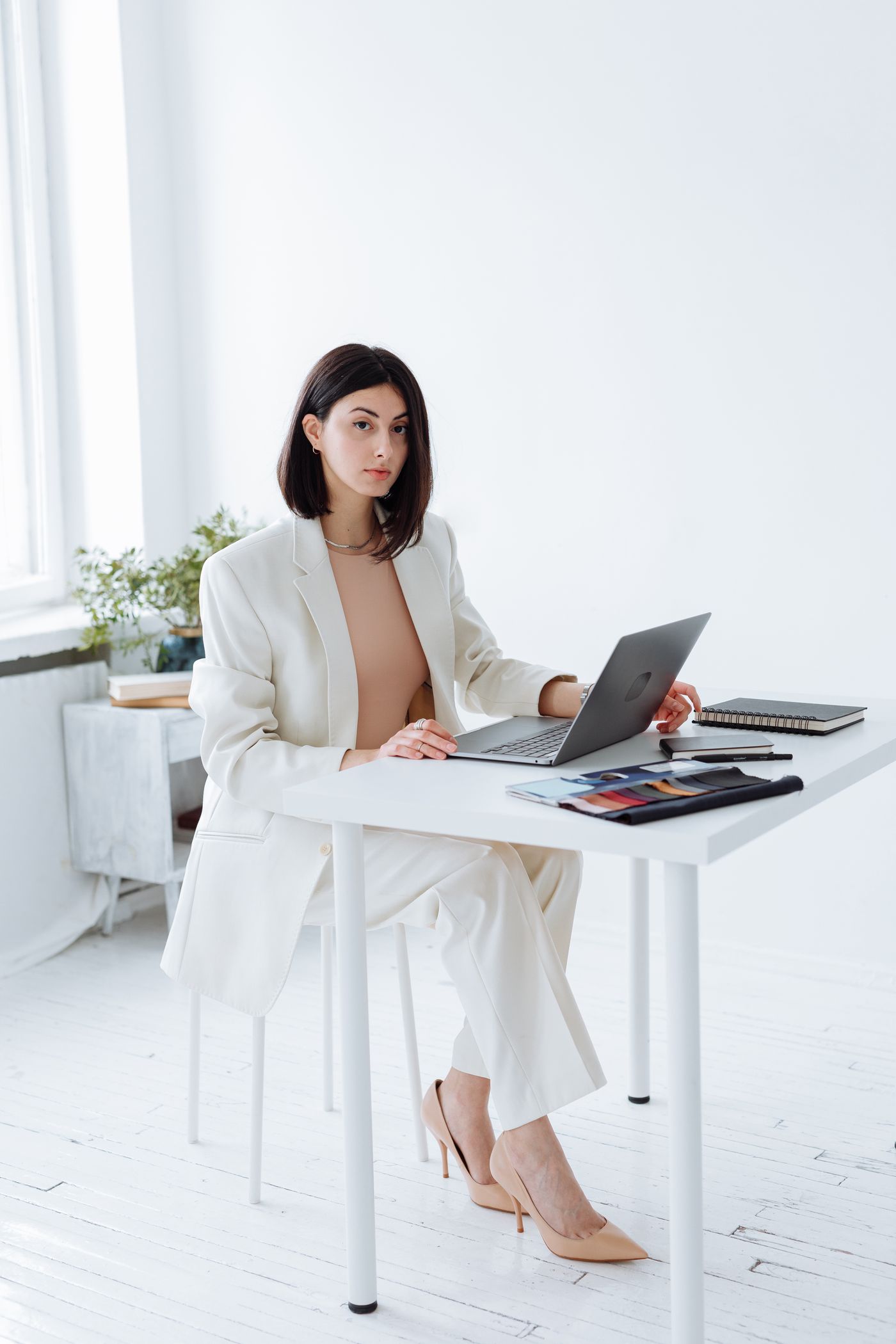
A shared workspace can involve quiet desk work, video calls, a meeting with someone new and a walk out for lunch. There may be no single dress code beyond the venue's own requirements. Choose clothing around the activities you expect and ask about any specific meeting expectations rather than guessing from the phrase 'co-working'.
Start with the hours spent sitting. A waistband should remain comfortable when you lean towards a screen, and a top should let your arms reach forward without pulling at the back. Put your phone or access card in the pockets you will use and check that they do not distort the garment. If you spend the day removing things from uncomfortable pockets, a small pouch in your bag may work better.
A plain shirt with straight trousers, a kurta with tapered trousers or a simple dress can all work. Choose the version that suits your usual way of dressing. The outfit should still feel complete when a cardigan or jacket is removed, especially if temperatures vary between rooms.
For video calls, look at the visible upper half through your own camera. A collar that repeatedly folds over a necklace can be distracting to you, while a neckline that feels too open when leaning forward may require constant checking. Adjust the garment before the call rather than planning to remain perfectly still. This is about comfort on screen, not a rule against patterns or bright colours.
Consider sleeves at the desk. Wide cuffs may catch near a keyboard or dip towards a cup. Roll them only if the fold is comfortable and stable. Bangles or a large bracelet can make contact with the desk; decide whether you enjoy wearing them during work or would rather save them for after leaving.
An overshirt or cardigan can be packed without making the commute overly layered. Try it over the day's sleeves. A narrow outer sleeve over a gathered blouse sleeve may feel restrictive even when both garments fit separately. If a scarf is your preferred layer, check that you can keep its ends clear when moving between shared facilities.
The bag should hold the equipment you need with its closures working normally. A neat-looking tote is not useful if the laptop must remain partly exposed. Place frequently used items where they can be reached without unpacking the entire contents onto a shared table. Check the loaded bag against the outfit, because a strap may pull a loose neckline sideways.
Choose shoes for the journey as well as the desk. If the route involves walking, do not let a photograph of a formal workspace persuade you into footwear you cannot comfortably use. Clean, familiar flats or trainers may suit the setting; check any stated requirements when the venue or meeting is more formal.
Keep one spare layer and a simple outfit combination recorded for future visits. After the first day, note what actually needed changing: perhaps the room was colder than expected, the chair caught a long hem or the bag was too full. Those observations should guide the next outfit more than trying to look like a generic image of a remote worker.
Imagine a morning at a desk, a short walk to lunch and one afternoon call. A shirt and trousers with familiar shoes may cover the whole session, with a cardigan carried for the room. The bag needs room for equipment and lunch, while the clothing pockets can remain mostly empty. There is little reason to add a second shoe or an elaborate accessory change for that schedule.
For a session that includes meeting a client, confirm the meeting expectations and adapt the same base if possible. A jacket may be useful, but only if it fits the sleeves and you can carry it comfortably. Planning from the sequence of activities keeps the outfit specific to the day instead of turning a flexible workspace into an imagined dress-code test.
Everyday dressing
Build around an easy cotton kurta, then check trouser clearance, bag placement and the layer you will need indoors.
Everyday dressing
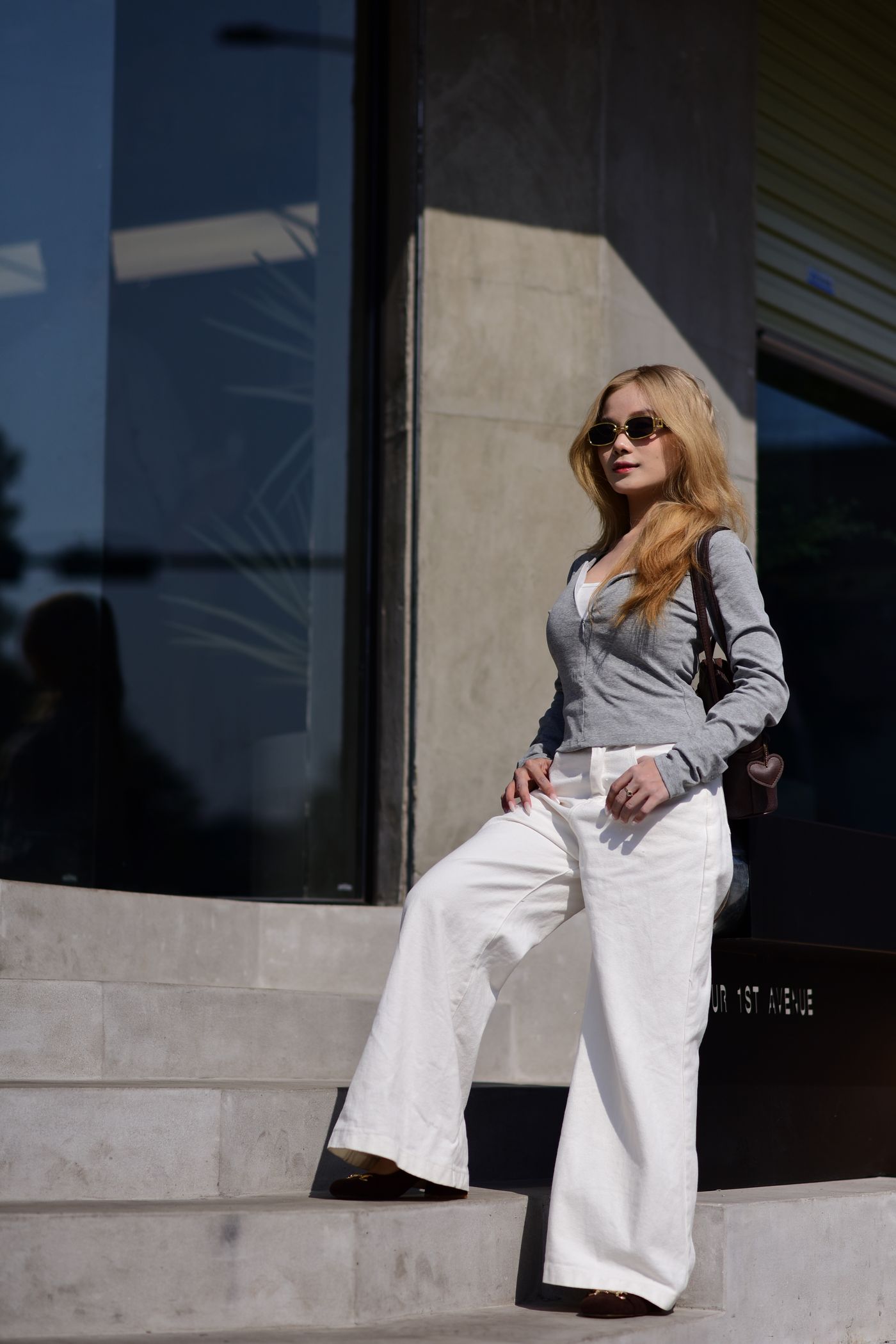
Use the waistband, upper layer and hem to control an outfit’s balance without treating your body as a problem to correct.

Everyday dressing
Choose a removable office layer by checking sleeves, desk movement and how it travels in your bag.