Wardrobe & care
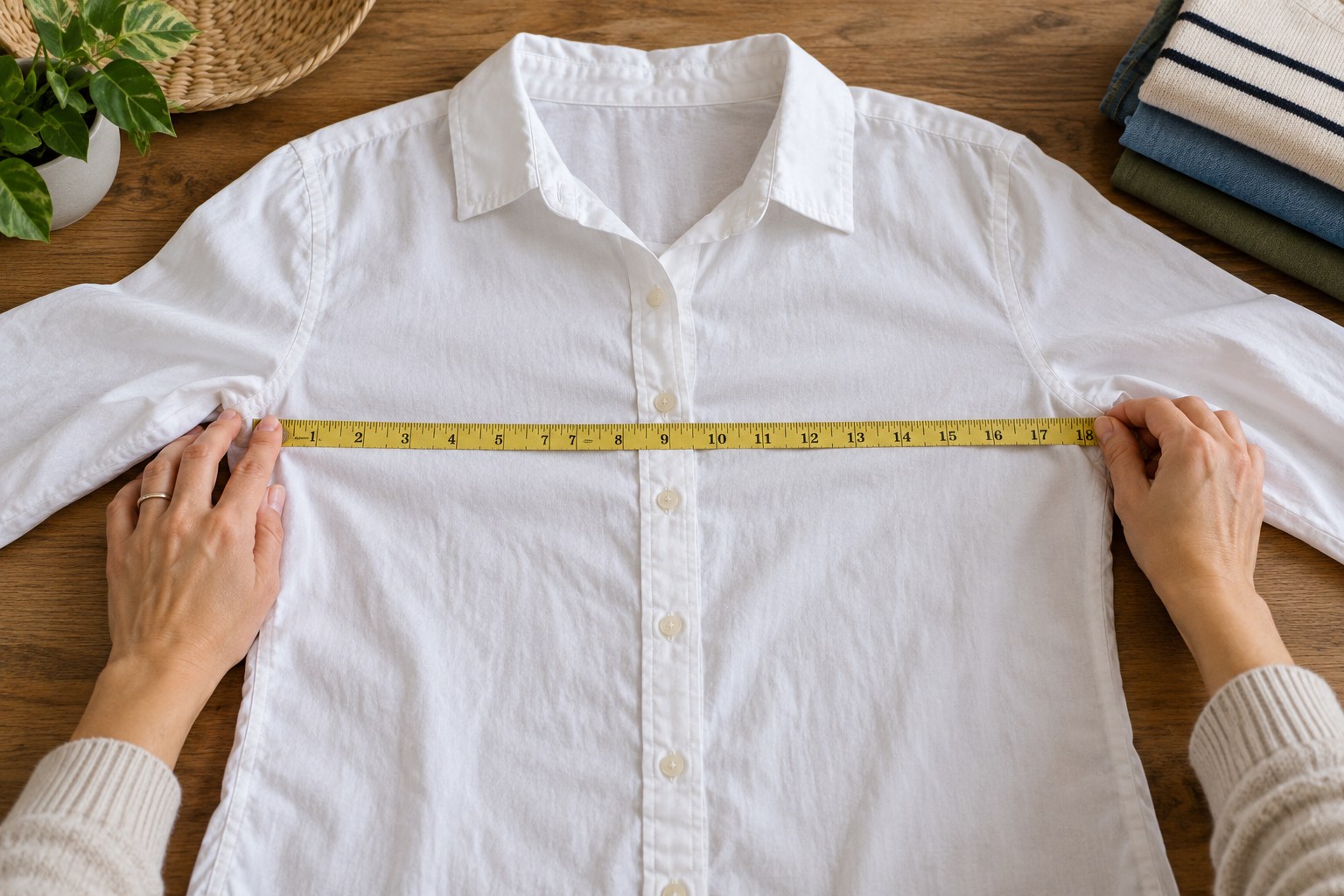
Measure an existing garment before buying another size
Use a garment that fits the way you want as a measurement reference, while keeping body measurements and garment measurements clearly separate.
Clothes, accessories & the ways to wear them
Wardrobe & care
Organise occasion clothes by the situations in which you could wear them next, with care and fit checks visible alongside each outfit.
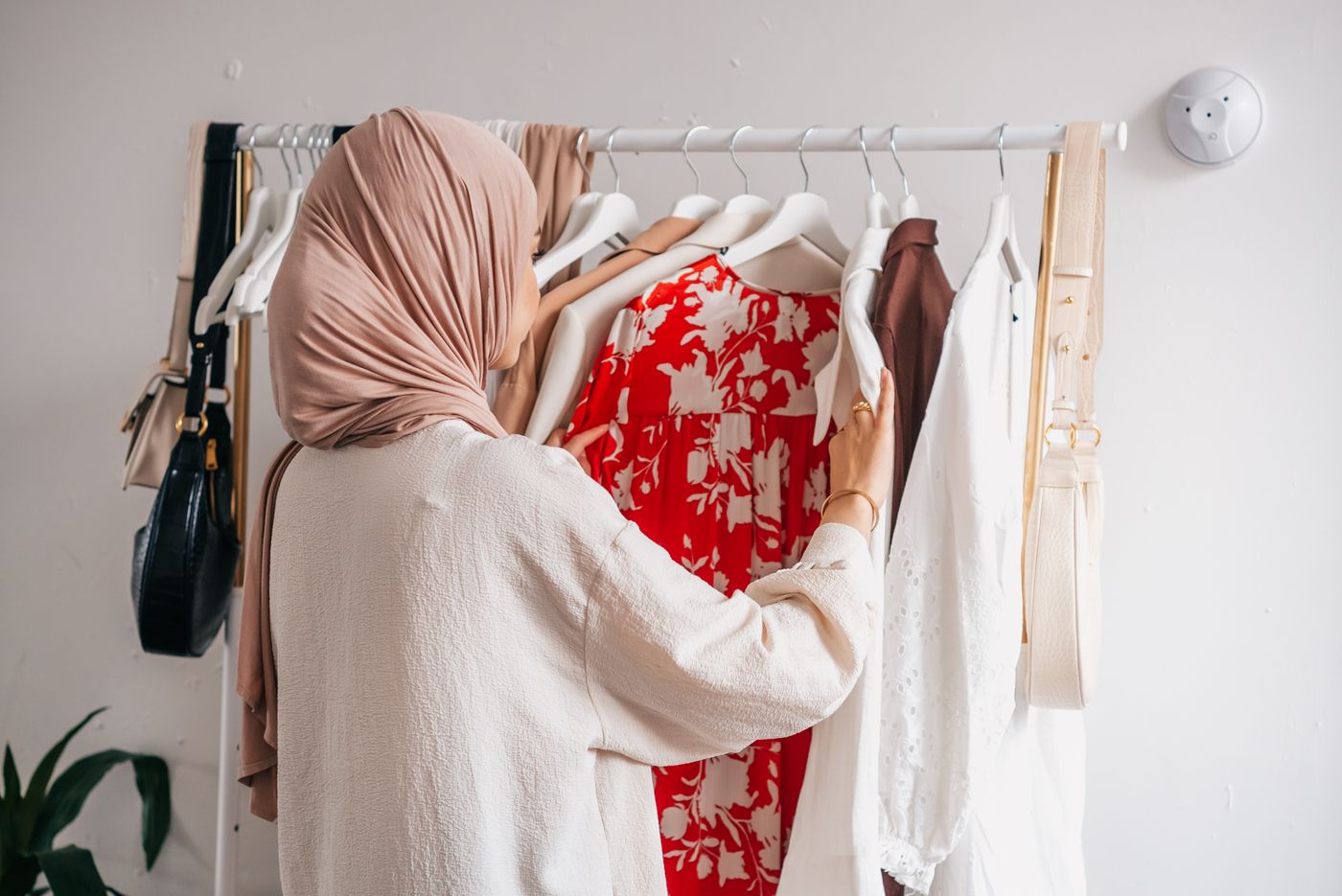
Occasion clothes are often stored by garment type, leaving the matching blouse, dupatta or bag in another place. Sorting by the next possible use can make the collection easier to revisit. Begin with the kinds of invitations you receive rather than trying to predict a specific future event.
Create a few useful groups, such as daytime gatherings, evening celebrations or outfits suitable for a longer seated occasion. The groups should reflect your life and preferences. A saree or dress may belong in more than one, and there is no need to force every piece into a single level of formality.
Try the outfit if it has not been worn recently. Check fit, closures, hem clearance and any care needed. Place the supporting pieces nearby for a reference photograph, then store each appropriately rather than bundling incompatible materials together. A note can identify where the blouse, jewellery or shoes are kept.
Write down the condition that makes the outfit suitable. It might work best with an indoor venue, a particular shoe height or time to arrange a drape. These observations help you choose when an invitation arrives. They are more useful than labels such as favourite or expensive, which say little about the next use.
If a piece can be restyled, record one alternative you have actually tried. A lehenga skirt with a plain blouse or a kurta with a different dupatta may cover a smaller gathering. Avoid filling the record with theoretical combinations that have never been checked for proportion or fit.
Separate clothes that need action before wearing. A loose hook, missing blouse or care requirement should be visible in the note, not discovered on the day of the event. Give the action a defined next step if you intend to keep the outfit active.
Store the garments according to their construction and care needs, with enough separation for embellishment. The sorting system can live in a short list or photo folder rather than being imposed physically on a limited wardrobe. Its purpose is to connect an outfit with its next plausible use while keeping the actual clothing supported and accessible.
Wardrobe & care
Use a garment that fits the way you want as a measurement reference, while keeping body measurements and garment measurements clearly separate.
Wardrobe & care
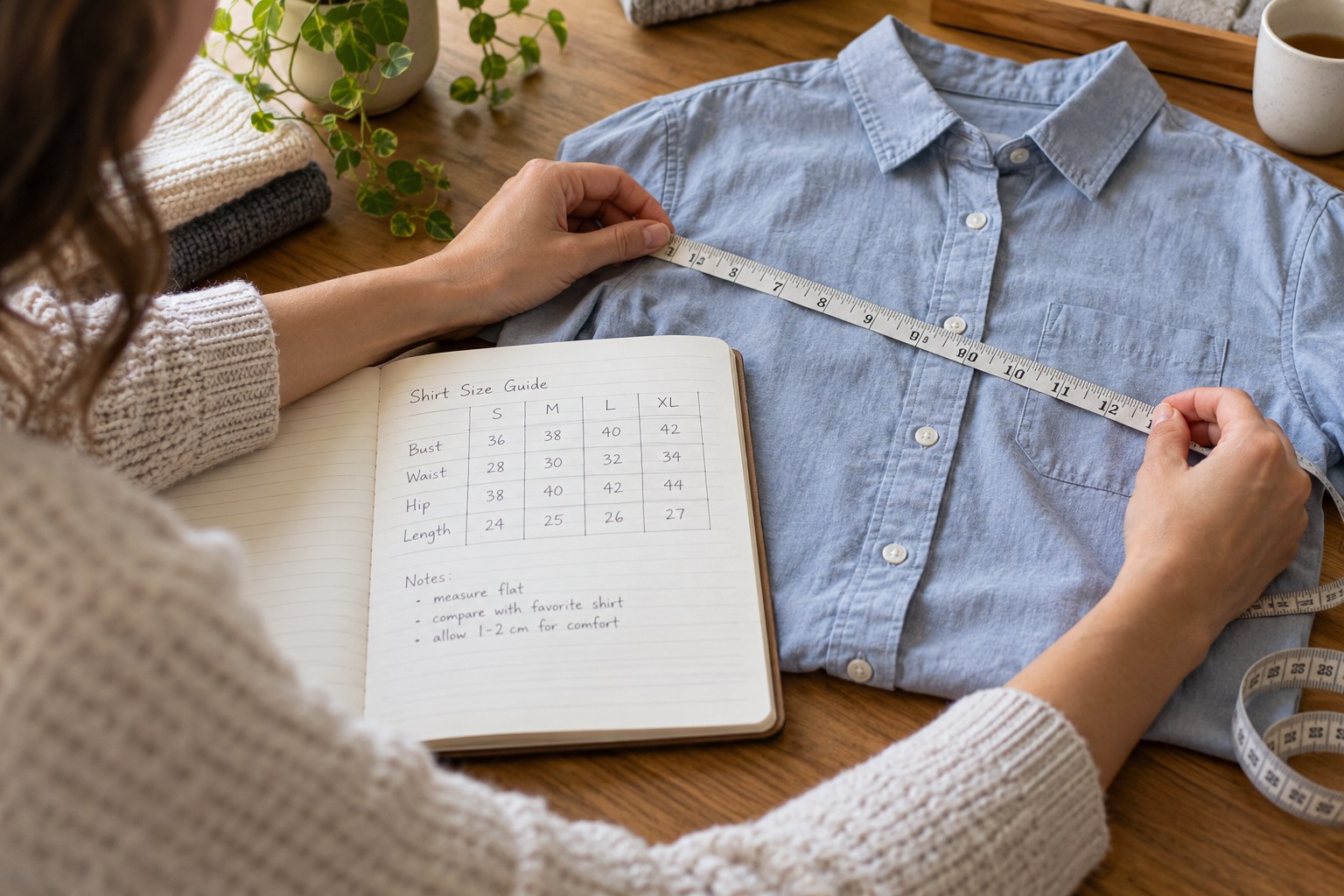
When two body measurements point to different sizes, use the garment's construction and the seller's chart to identify which areas need room.
Wardrobe & care
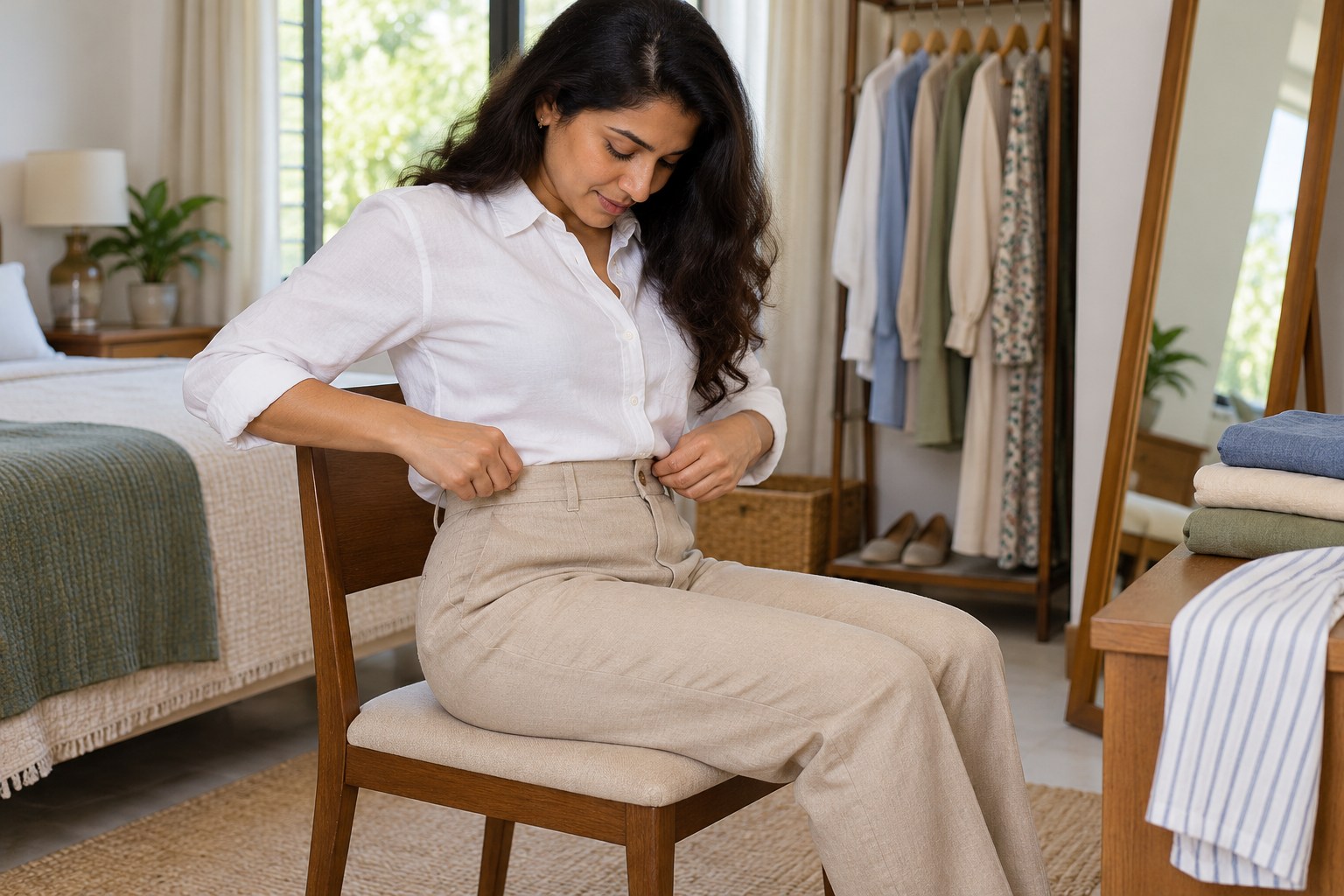
Assess trouser rise through the position of the waistband and crotch during sitting, walking and bending, not only through a front-view mirror check.