Wardrobe & care
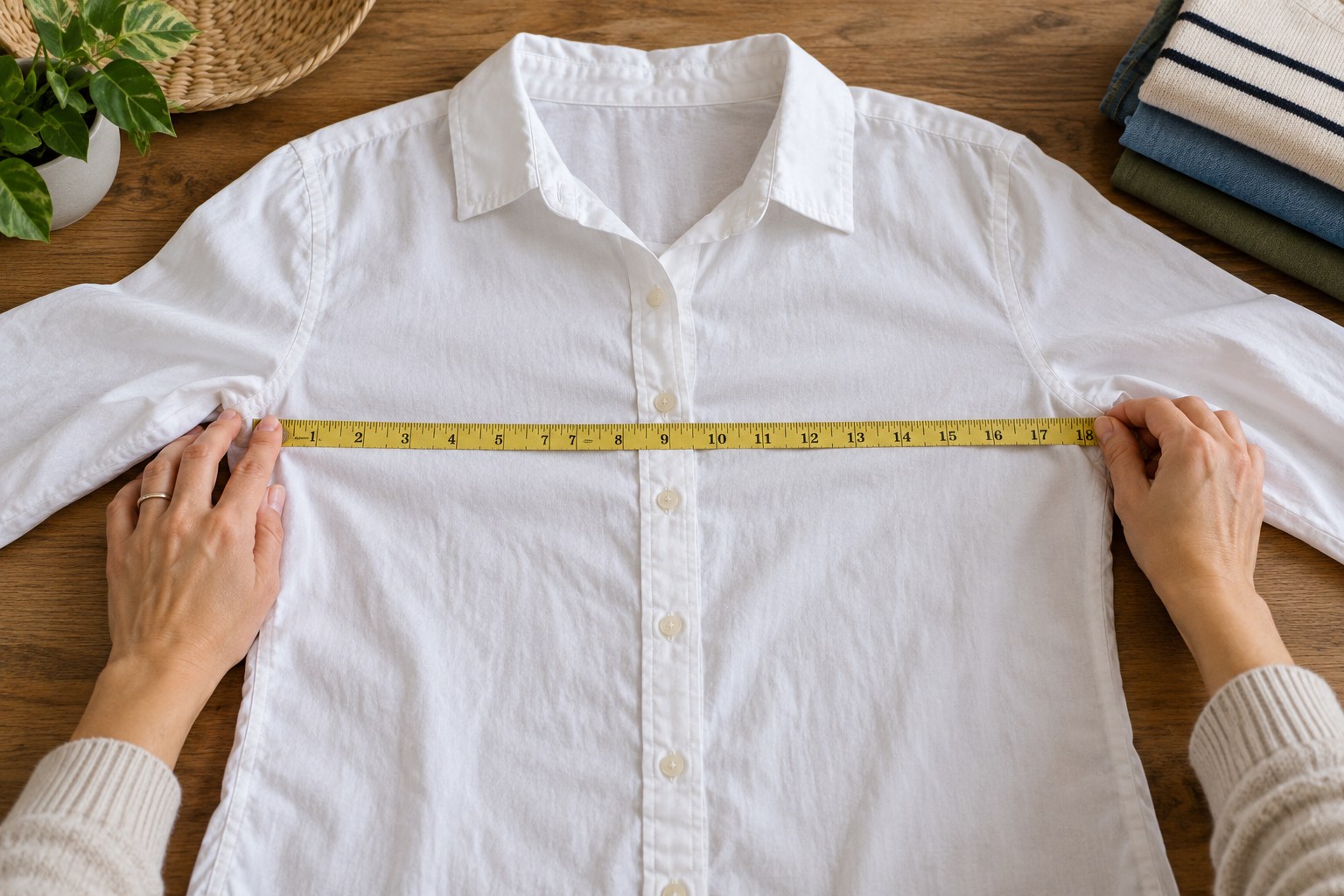
Measure an existing garment before buying another size
Use a garment that fits the way you want as a measurement reference, while keeping body measurements and garment measurements clearly separate.
Clothes, accessories & the ways to wear them
Wardrobe & care
Turn repeated outfit problems into a specific shopping list, then test whether an existing piece or a small change can answer the need first.
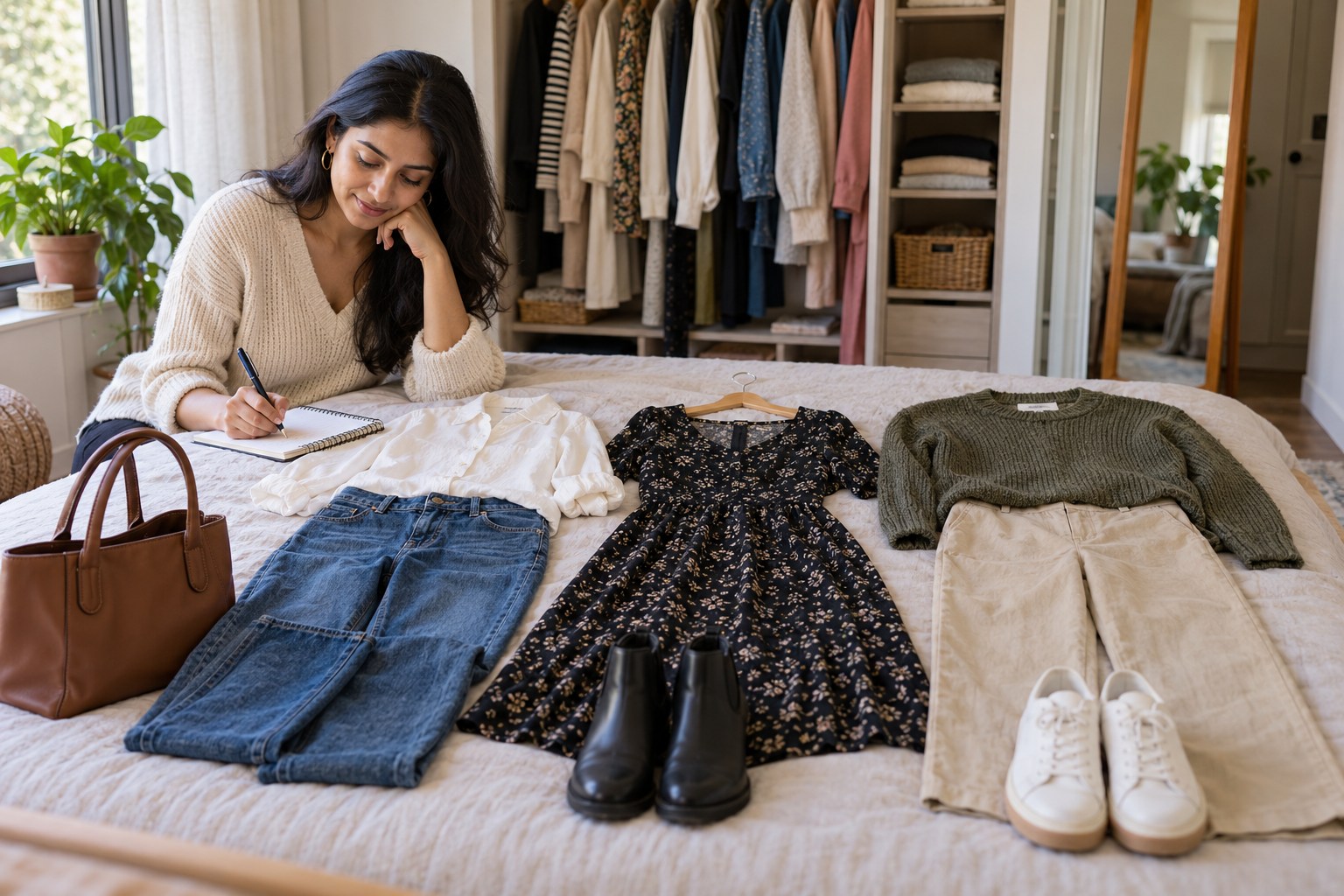
AI-generated illustration. Items shown are illustrative, not specific products for sale.
A useful shopping list begins with an observed gap, not an attractive item seen in isolation. Over several dressing occasions, note what prevented an outfit from working. The same problem appearing repeatedly is stronger evidence of a need than one frustrating morning when several clothes were unavailable at once.
Describe the job in ordinary terms. 'A bag that closes with my lunch container inside' is more informative than 'new work bag'. 'A plain layer that fits under this jacket without bunching' is more useful than 'basic top'. Specific descriptions make it easier to compare an item with the wardrobe instead of judging it only on its own appearance.
A missing outfit may be caused by laundry timing, a repair or a piece stored where it is difficult to see. Solve those issues before buying a duplicate. If the only suitable trousers are always unavailable because of their care routine, the need might be a second pair—but first understand why the current pair cannot cover the schedule.
Try alternatives already owned. A different bag arrangement, a quieter accessory or an adjusted hem may make the combination usable. Keep the experiment tied to the original problem. Buying a new necklace will not resolve shoes that are unsuitable for the journey, even if it makes the outfit look more complete in a photograph.
For each remaining need, list the constraints that matter: dimensions, coverage, fastening, fabric feel, care process or compatible outfit colours. Use measurements from a suitable reference where helpful. Separate requirements from preferences so that an attractive but unsuitable detail does not distract from the job.
Identify at least a few real outfits or repeated occasions where the item would be used. The number does not have to follow a formula, but the uses should be concrete. A festive piece may have fewer uses than a commuting layer and still be worthwhile; record that honestly rather than inventing imaginary versatility.
Keep the list short enough to consult. When considering a purchase, compare it with the written need and the current product information. If it fails a requirement, return to the list rather than rewriting the requirement to justify the item. After a purchase, check whether the repeated outfit problem has actually disappeared. That outcome is a better measure of the list's usefulness than how many boxes were ticked.
Wardrobe & care
Use a garment that fits the way you want as a measurement reference, while keeping body measurements and garment measurements clearly separate.
Wardrobe & care
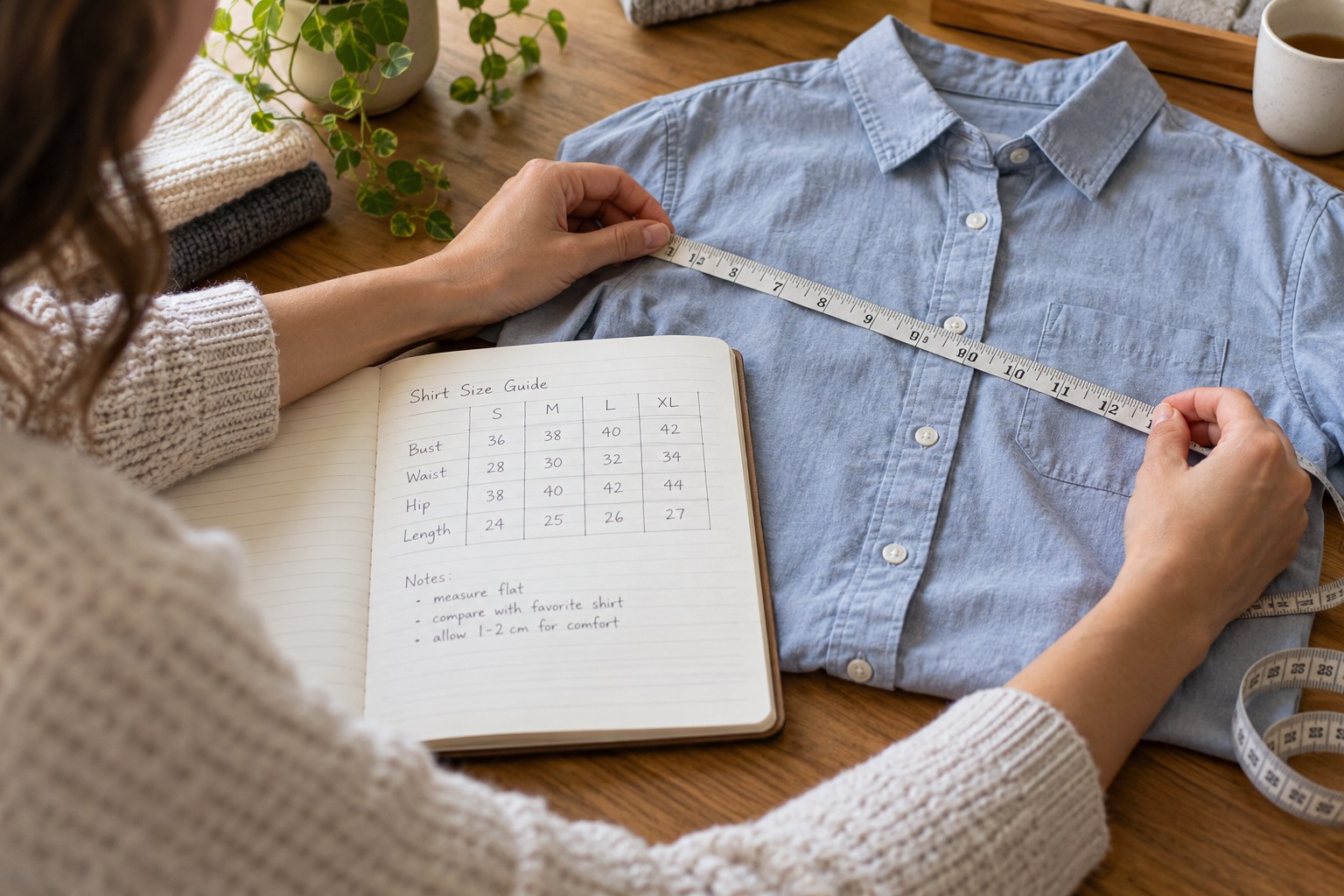
When two body measurements point to different sizes, use the garment's construction and the seller's chart to identify which areas need room.
Wardrobe & care
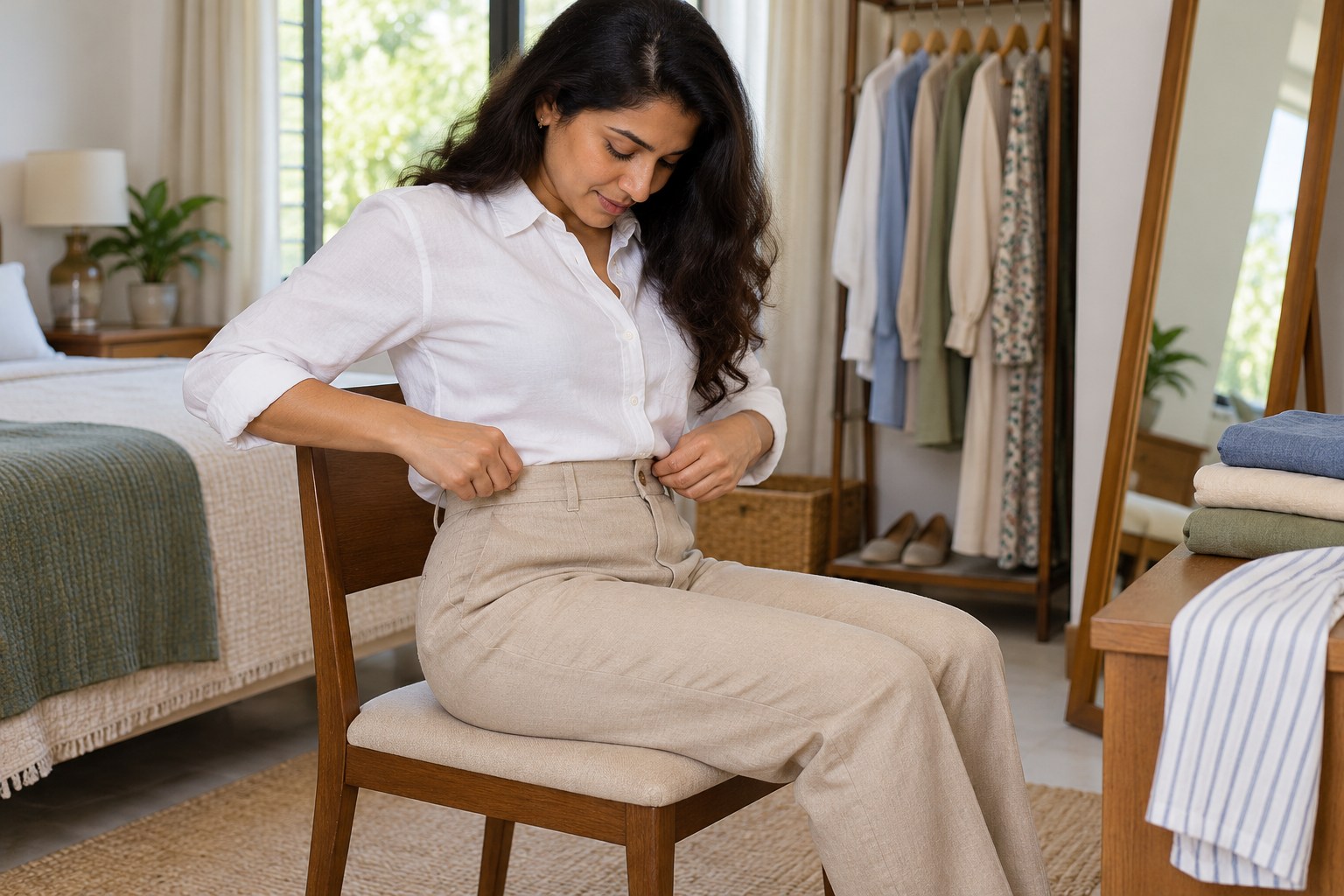
Assess trouser rise through the position of the waistband and crotch during sitting, walking and bending, not only through a front-view mirror check.