Everyday dressing
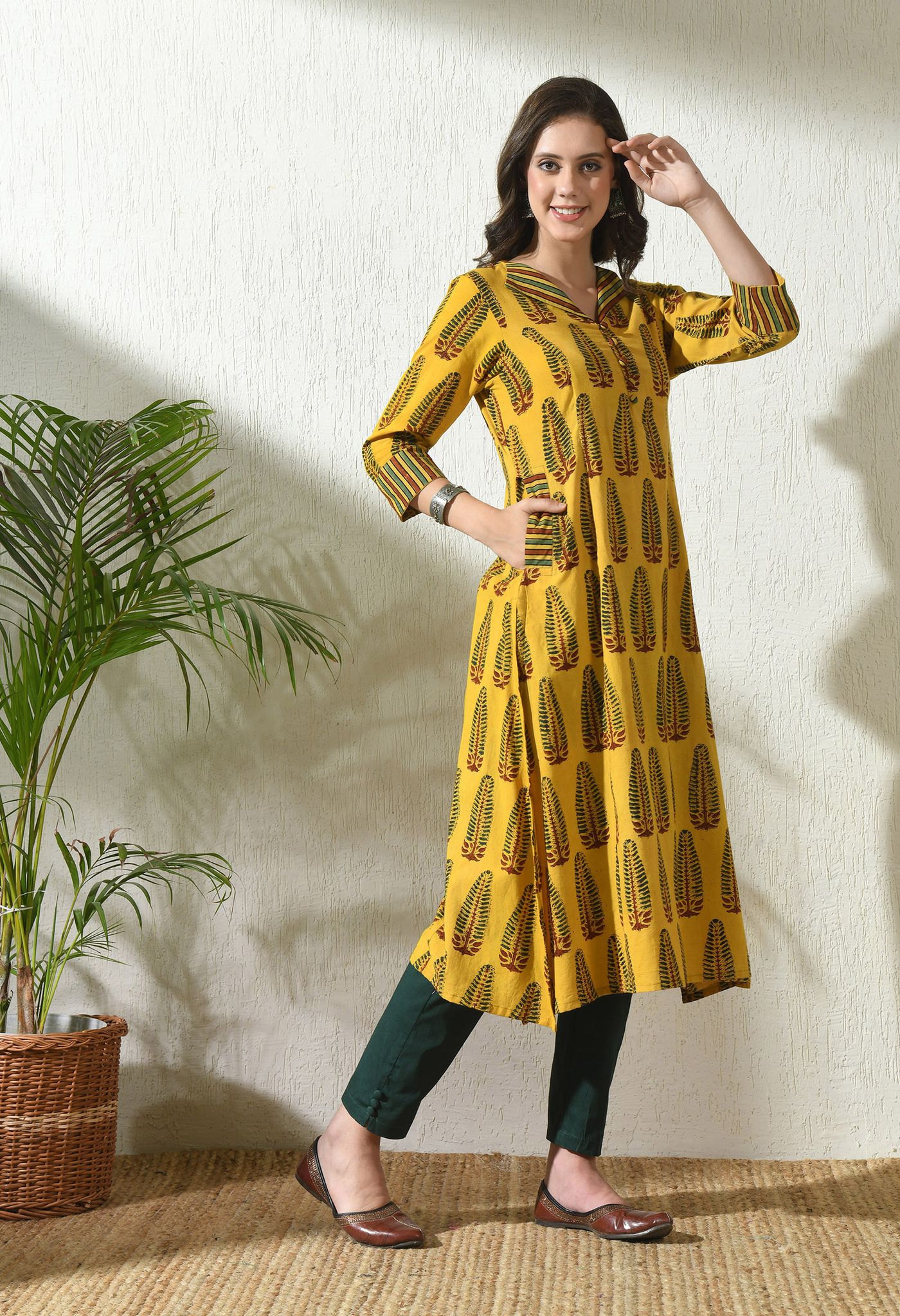
Build a cotton kurta outfit for a humid commute
Build around an easy cotton kurta, then check trouser clearance, bag placement and the layer you will need indoors.
Clothes, accessories & the ways to wear them
Everyday dressing
Pair a denim shirt with a different lower-half texture and decide whether it acts as a shirt or an outer layer.

A denim shirt does not need jeans beneath it. Its visible weave, seams and often firmer shape can provide contrast with plain trousers, a skirt or a dress. Choose the role of the shirt first: buttoned as the main top, open over another garment or partly tucked into a waistband.
With cream trousers, a blue denim shirt creates a clear colour difference. With olive or black trousers, the contrast may come more from texture. Check the weight of the shirt against the lower half. A thick denim shirt tucked into fine trousers can leave a bulky ridge, while a lighter one may sit more smoothly.
Wear it untucked and look at the side view. Some denim shirts have a curved tail that feels longer at the back than expected. If you tuck it, sit down to see whether the tail gathers uncomfortably. A partial tuck may work, but it should not require rebuilding each time you move.
Over a plain dress, the shirt can behave like a light jacket. Check that its sleeves fit over the dress sleeves and that metal buttons or rough seams do not catch delicate fabric. If you tie the fronts, keep the knot loose enough not to strain the button area.
A skirt offers another route. Try a denim shirt with a printed midi, leaving the print as the main colour element. Simple shoes and a plain bag can keep the outfit from becoming crowded, although you can add jewellery if the collar leaves it room.
Look at the collar and cuffs before adding accessories. They already introduce structure and hardware. A long necklace may catch on the placket, while small earrings may sit more easily with a buttoned neckline. Neither choice is compulsory; test the physical interaction.
Finish by checking the care label and any colour-transfer warning, especially for a newly purchased dark shirt worn over pale clothing. Follow the garment's instructions rather than assuming all denim can be treated identically. Once the fit and overlap work, the shirt can connect several non-denim pieces without needing a matching set.
A shirt with prominent chest pockets, metal fastenings and heavy seams already carries several visual details. Beside a very delicate skirt, those features create contrast that you may enjoy. Beside cargo trousers with several pockets, the outfit becomes more detailed in both halves. Decide which result you want before adding another statement accessory.
A simpler denim shirt with fewer visible details may tuck more smoothly into tailored trousers, but test the actual fabric. Two shirts sold under the same broad name can occupy quite different roles in a wardrobe. Keeping a photograph of the outfit can help you remember which shirt works as a main top and which you prefer open as a layer.
Everyday dressing
Build around an easy cotton kurta, then check trouser clearance, bag placement and the layer you will need indoors.
Everyday dressing
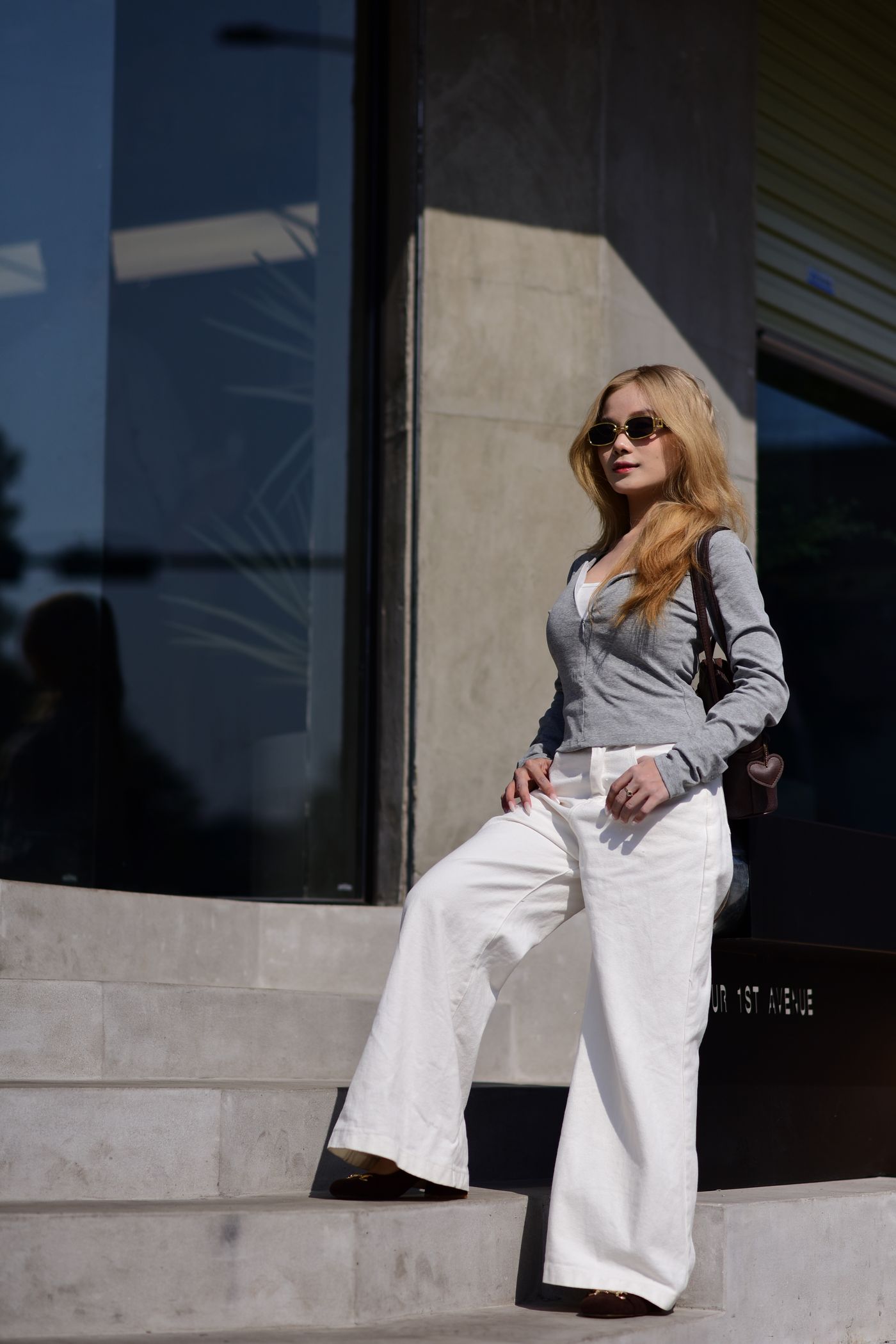
Use the waistband, upper layer and hem to control an outfit’s balance without treating your body as a problem to correct.

Everyday dressing
Choose a removable office layer by checking sleeves, desk movement and how it travels in your bag.