Everyday dressing
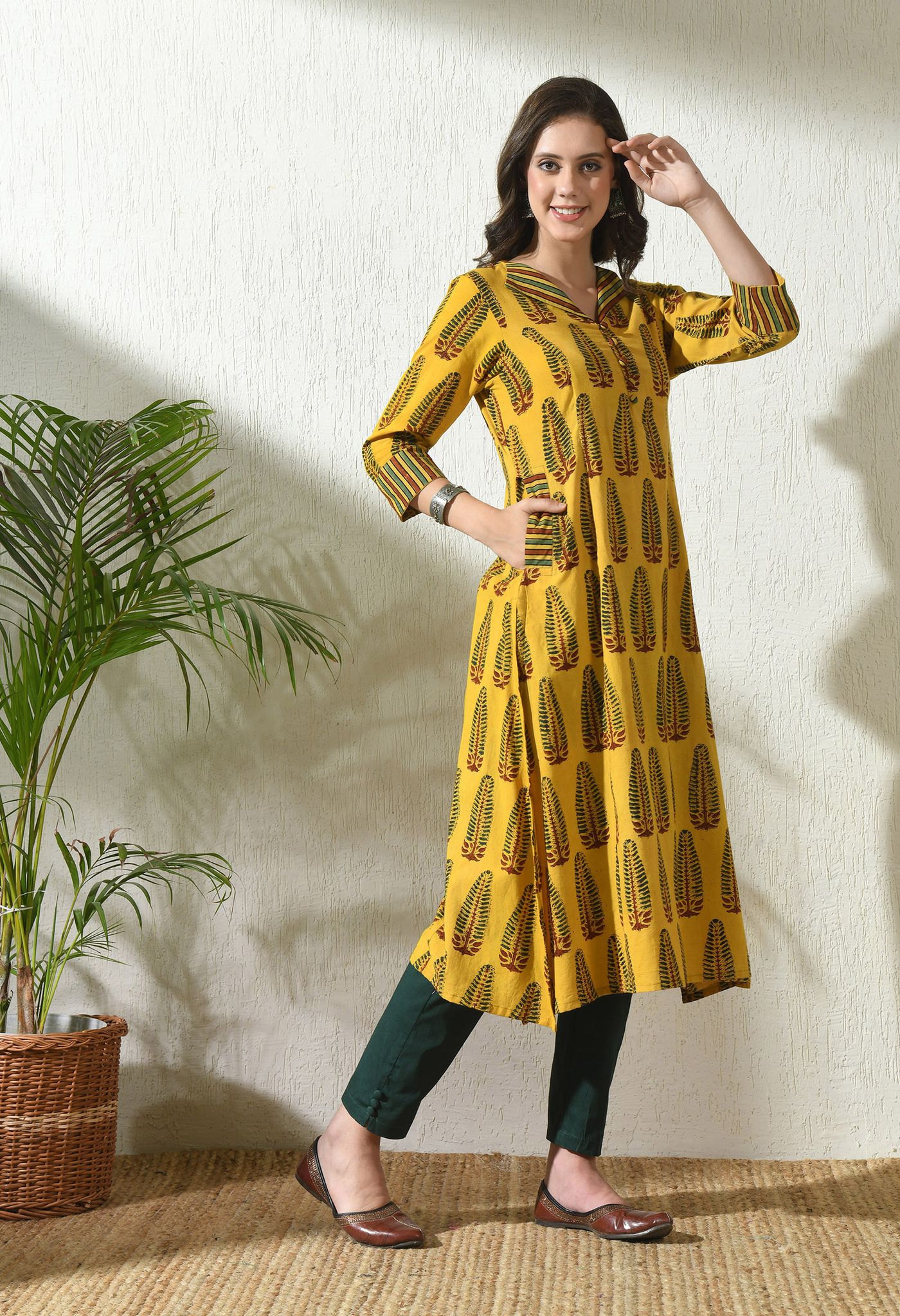
Build a cotton kurta outfit for a humid commute
Build around an easy cotton kurta, then check trouser clearance, bag placement and the layer you will need indoors.
Clothes, accessories & the ways to wear them
Everyday dressing
Separate the top and bottom of a matching set into complete outfits using pieces already in your wardrobe.

A matching co-ord set provides one ready-made combination, but its two garments may also work independently. Start by checking whether each piece feels complete alone. Some tops are unusually cropped because they were designed for a specific high waistband; some bottoms rely on the matching top to cover a fastening or very sheer area. Those details determine which combinations are genuinely usable.
Put the set on together and record what you like about it. Is it the repeated colour, the print or the loose silhouette? That helps you preserve the useful part when separating the pieces. There is no need to force three outfits if only two work comfortably, and no reason to buy several new garments just to make the set appear more versatile.
Treat the full set as a finished base. Choose shoes for the day's activities and a bag with the needed capacity. If the print is strong, simple accessories can leave it visible. If the set is plain, you might add one textured bag or a noticeable pair of earrings.
Check the overlap between top and waistband while sitting and reaching. Matching colour can make a gap less obvious in a photograph, but it does not change the coverage you experience. If a belt or underlayer is required for your comfort, include it when evaluating the set rather than adding it as an afterthought.
Take a photograph with the footwear visible. The set's trousers may require a particular shoe height, and this will matter again when you separate them. Record that pairing so the next outfit does not accidentally put a longer hem over a much lower shoe.
Try the top with plain trousers, jeans or a skirt you already wear. A printed co-ord top often offers several colours to connect with, but you can also choose a separate neutral. Compare the fabrics as well as the shades. A very soft top over a sharply structured skirt creates a different effect from the original set.
Check the top's length carefully. A short top may work with one waistband and expose more than you want with another. A long top can hide the shape of a gathered skirt or catch on a bulky trouser fastening. Adjust the pairing rather than assuming a tuck will solve every mismatch.
For example, a blue printed co-ord shirt can be worn open over a plain vest and cream trousers, provided the shirt's cut works as a layer. The same top could remain buttoned over dark jeans. Choose one of those as the second outfit according to your actual wardrobe, not because every set must produce both.
Use a plain shirt, T-shirt or kurta with the set's trousers or skirt. The new top should sit comfortably at the waistband and allow the lower garment to move. If both pieces are loose, decide whether you like the continuous volume or prefer a more defined upper shape.
A rust co-ord trouser can work with a cream shirt and brown flats. A printed skirt from a set might work with a navy T-shirt and trainers. Keep the footwear compatible with the hem, and inspect the back view for pocket outlines or tucked fabric that the original top used to hide.
The three outfits do not need three separate accessory collections. Repeat the same shoes or bag if they work. That is part of making the set useful, rather than evidence that the outfits are insufficiently different.
Wear each proposed combination for several minutes and note any adjustments. Save only the versions that are comfortable and realistic for your schedule. If the matching top is excellent but the bottom is rarely worn, that observation can guide future purchases: you may prefer buying separate garments with independently useful cuts rather than another set chosen only for its coordinated photograph.
Everyday dressing
Build around an easy cotton kurta, then check trouser clearance, bag placement and the layer you will need indoors.
Everyday dressing
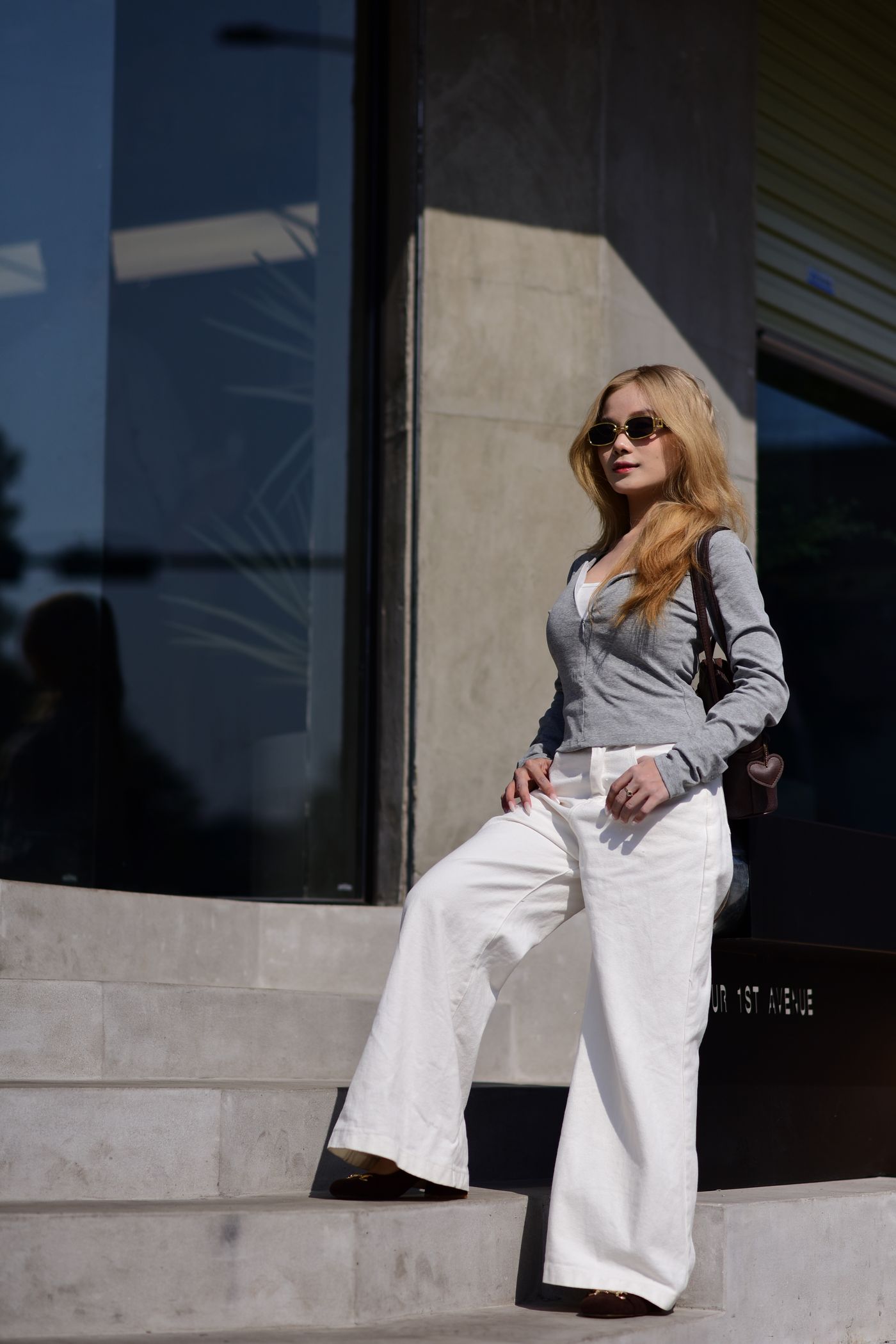
Use the waistband, upper layer and hem to control an outfit’s balance without treating your body as a problem to correct.

Everyday dressing
Choose a removable office layer by checking sleeves, desk movement and how it travels in your bag.