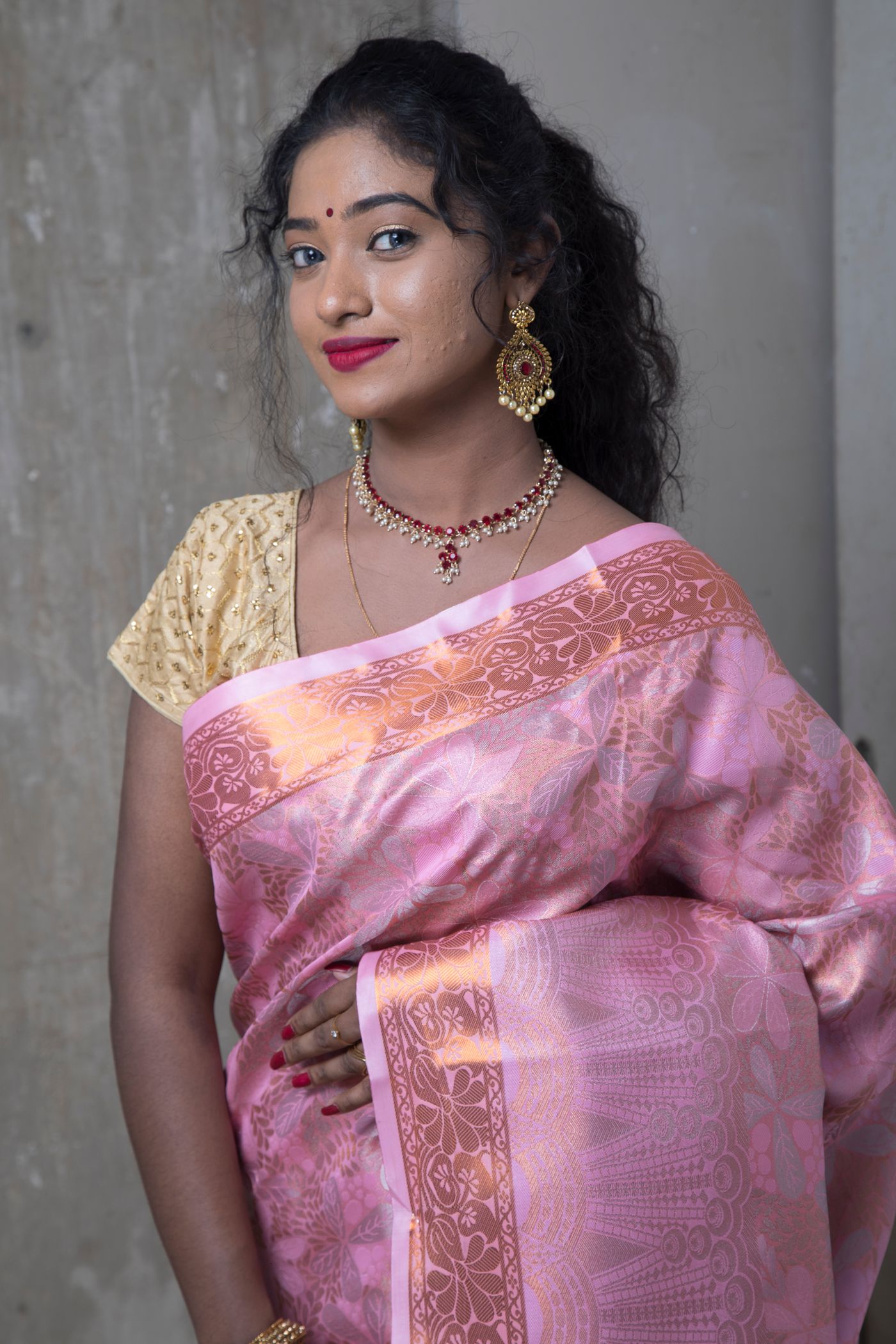
Occasions & travel
Choose an outfit for a daytime wedding as a guest
Let the invitation, venue and length of the day guide the fabric, footwear and amount of detail in a wedding guest outfit.
Clothes, accessories & the ways to wear them
Occasions & travel
A sangeet outfit should pass the movements you expect to make, from sitting at dinner to raising your arms on a dance floor.
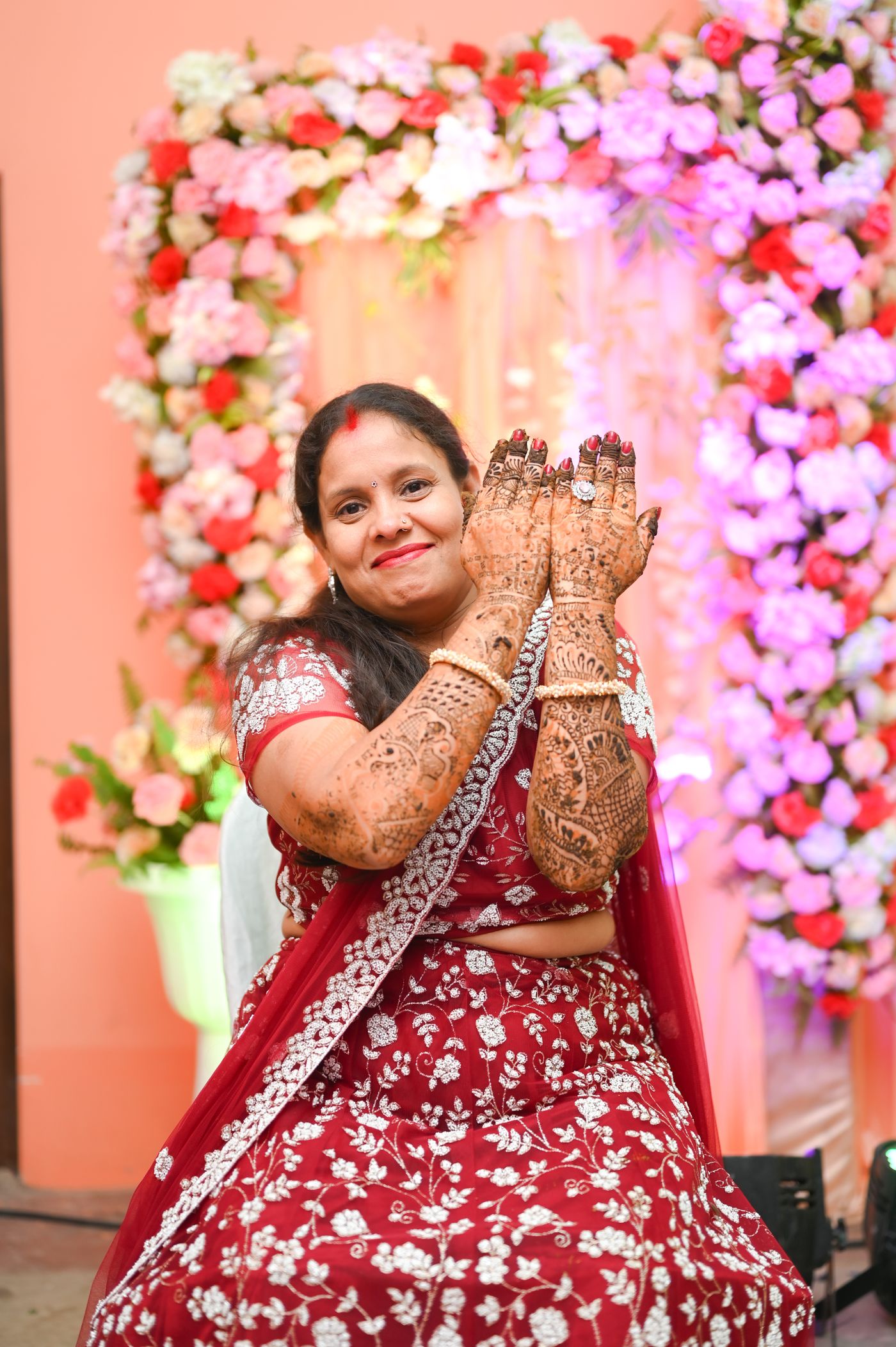
An outfit that allows a few careful steps may still be restrictive during a dance. If you expect to take part in a sangeet performance or join the dancing, rehearse in the complete outfit before the event. Use movements similar to the ones planned, within your own comfortable range. The useful test is not how much the garment can stretch in theory, but whether it lets you move without repeated adjustment.
Begin with the upper half. Raise your arms, reach sideways and turn. Watch the neckline, sleeve seam and fastening. A blouse may fit while standing but pull across the back when both arms move forward. Tie details can loosen, and a heavy necklace can strike the chest or catch fabric. Adjust the combination early rather than relying on one more pin at the venue.
A full skirt needs enough clearance around the feet. Walk, turn and take a step in the shoes you will wear. If a border folds under the shoe, address the length before the event. A sharara or wide trouser set needs a similar test because one leg can brush or catch the other. If there is a fitted lining, check its range separately from the loose outer fabric.
An adjustable waistband is useful only if it remains secure. Tie it at a comfortable position, then sit and move again. Do not tighten it excessively to compensate for a poor fit elsewhere. If the garment slips or twists, a tailor may be able to help, but leave enough time for a second fitting. A last-minute alteration should still be tested with the full outfit.
Choose a drape that suits the activity. A long loose end can look beautiful in still photographs yet swing into hands or feet during a turn. A shorter or more contained arrangement may be easier. If you use pins, check that they are sound, fully closed and placed where the fabric can support them. Avoid fastening two moving parts so tightly together that reaching pulls on the cloth.
Try the outfit without a bag during the movement test if you will leave it with someone or in a suitable place while dancing. Plan that arrangement rather than assuming a handheld clutch can remain in your hand. Keep essential items accessible before and after the performance, but avoid loading garment pockets if the weight changes the drape.
Footwear deserves a full rehearsal. Familiar shoes can still behave differently beneath a longer hem or on a smoother floor. A lower heel is one option, not a guarantee of comfort or grip. Check the actual fit and sole, and bring an alternative if it fits your plans. Any change in shoe height requires another hem check.
Finally, distinguish the performance outfit from a spectator outfit. If you will mostly watch and eat, you may not need the same range of movement as someone performing a routine. Choose around your own evening and the invitation. A successful combination lets you enjoy the planned activities without thinking about the fastening at every turn.
Suppose you are deciding between a full skirt set and a shorter kurta with wide trousers. Rehearse the same small sequence in each: a turn, a side step, an arm lift and sitting down. Keep the intended footwear on and arrange the dupatta as planned. Compare how many adjustments each outfit needs after the sequence, rather than judging which one looks more dramatic while still.
The skirt may move beautifully but need a hem correction; the trouser set may keep the feet clearer but restrict the arms through a narrow kurta sleeve. Those are different problems with different solutions. Choose the outfit whose adjustment can be made properly before the event, rather than the one that requires several temporary fixes. If you are performing with others, check any agreed costume details without sacrificing a fit you can move in.
After alterations or a change of shoes, repeat the sequence. The original rehearsal does not verify a newly shortened hem or a different fastening. Keep a quick note of the final drape and accessory choices so dressing on the day is straightforward. You can then reserve the more elaborate still-photo arrangement for a moment when you are not dancing, if you want both effects.
Occasions & travel
Let the invitation, venue and length of the day guide the fabric, footwear and amount of detail in a wedding guest outfit.
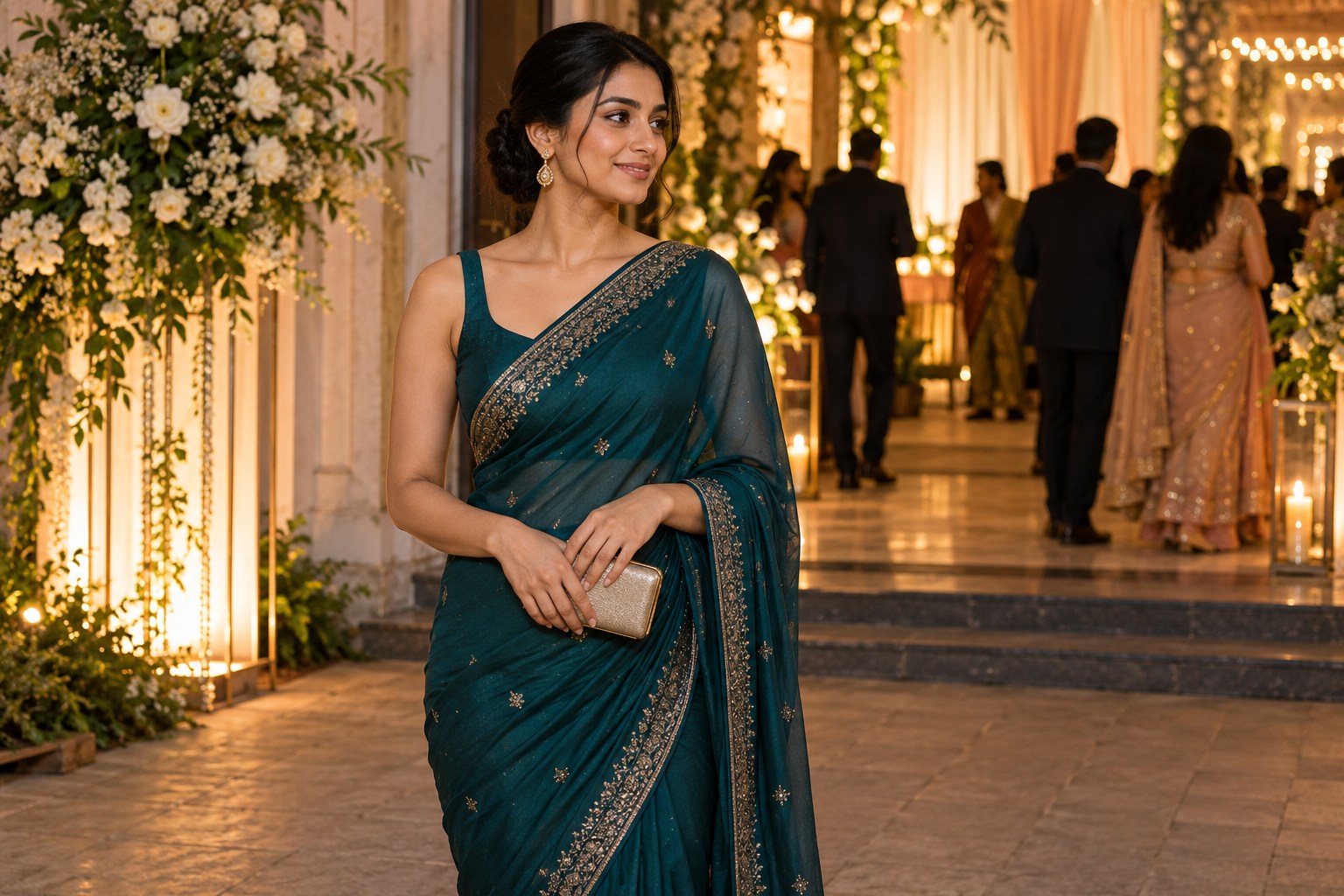
Occasions & travel
Spend on the missing function in your reception outfit, rather than buying a complete new set of accessories.
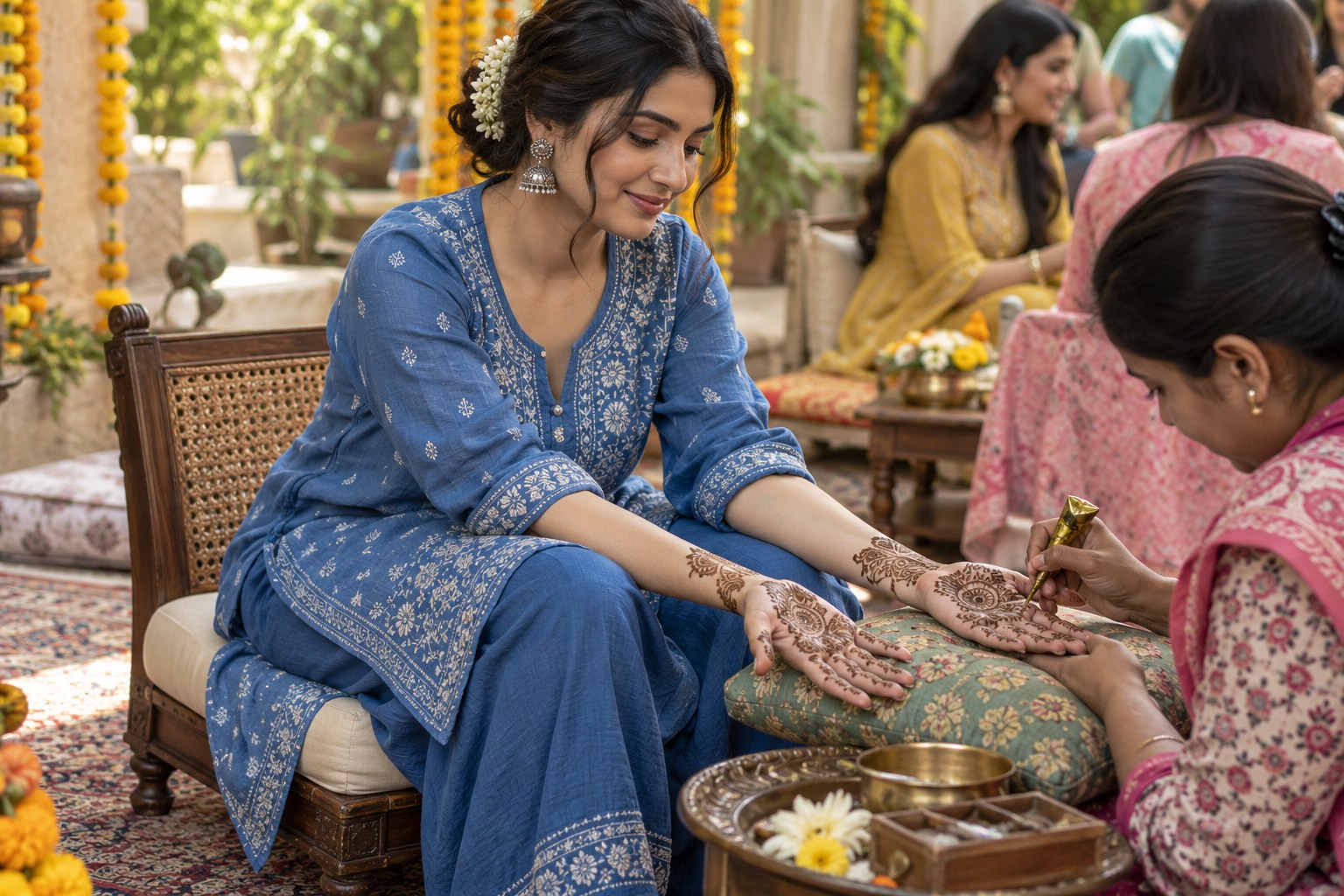
Occasions & travel
Plan a mehendi visit around comfortable seating and sleeves that can stay clear if you choose to have your hands decorated.