Everyday dressing
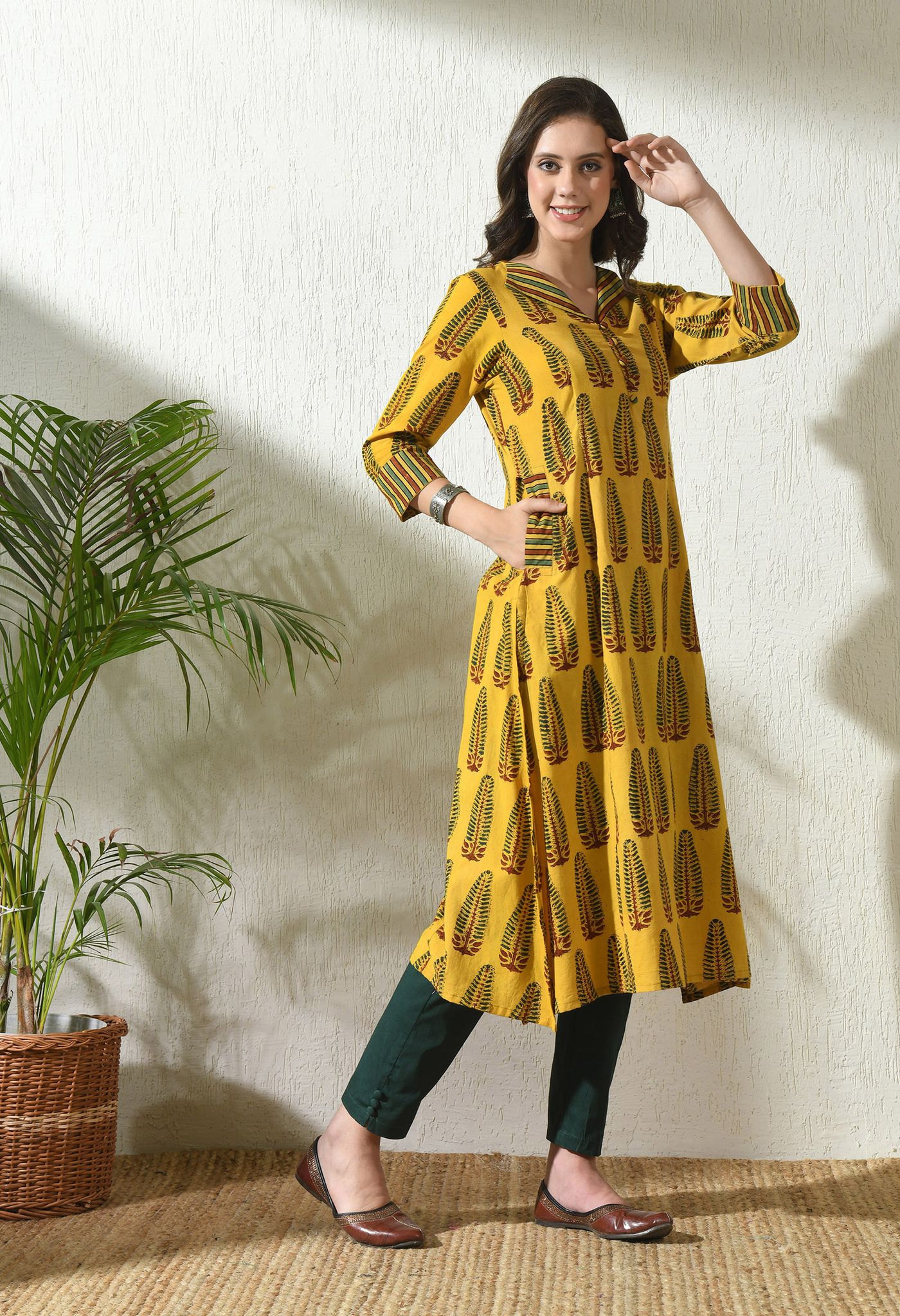
Build a cotton kurta outfit for a humid commute
Build around an easy cotton kurta, then check trouser clearance, bag placement and the layer you will need indoors.
Clothes, accessories & the ways to wear them
Everyday dressing
Look beyond a fibre name and check the lining, cut and openings of the garment you will actually wear.
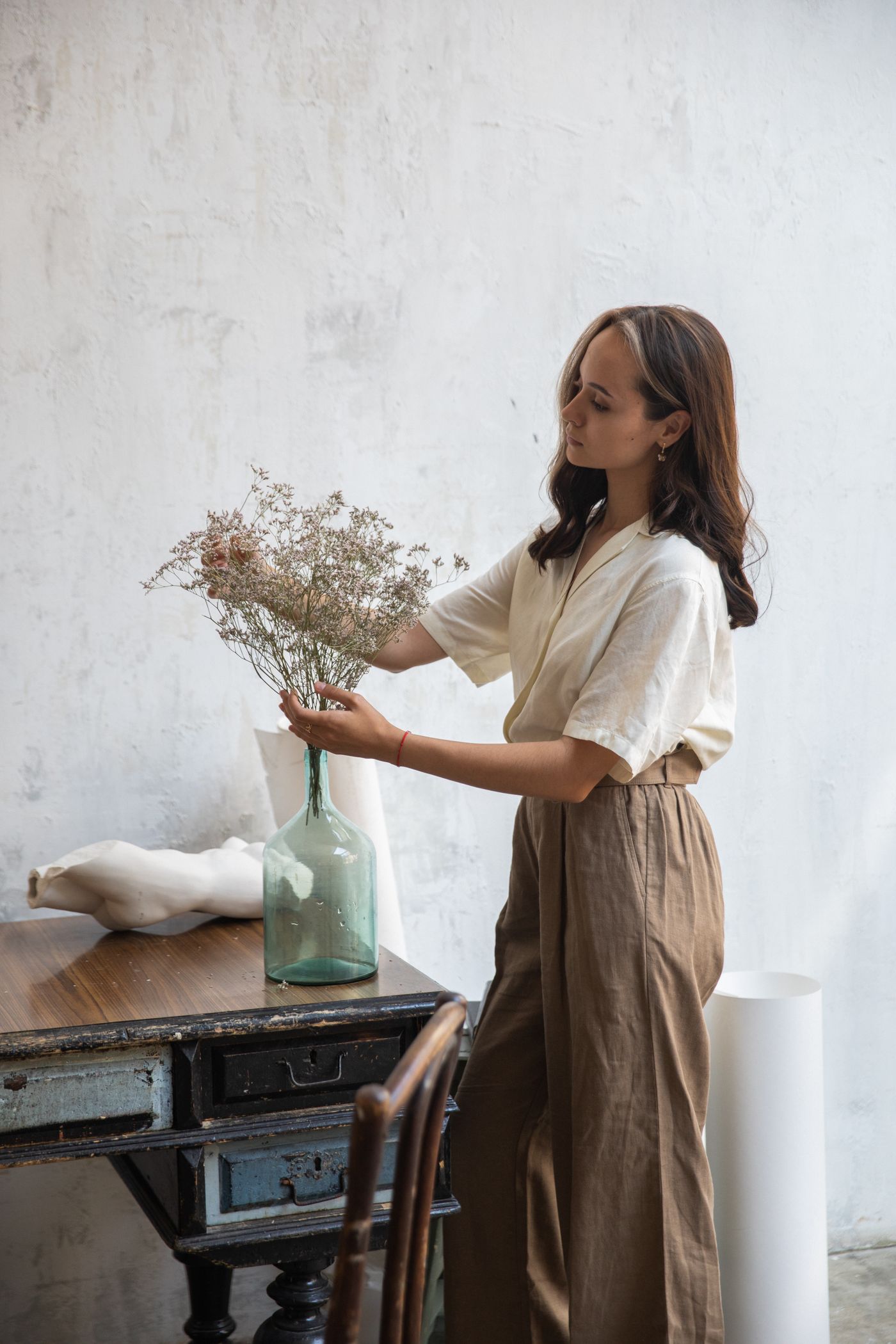
For a warm working day, one comfortable base layer can be easier to manage than a thin top that needs two additional garments underneath. Start with the finished garment rather than the promise suggested by its fabric name. A cotton blouse may be densely woven; a light dress may have a substantial lining. Handle the inside as well as the outside.
Turn the garment inside out. Is the lining confined to the body, or does it continue through the sleeves? Is the chest covered by a decorative panel as well as the main fabric? A double-layered placket is normal, but a large overlay can change how the front feels. These observations help you compare two garments without assuming that all pieces made from one fibre behave alike.
Try the base with the underwear you intend to use. If the neckline, armholes or transparency require another top for your preferred coverage, include that top in the fitting. The relevant outfit is the complete combination. A slightly more substantial single garment may feel more manageable than several lighter layers.
Sit at a table, reach towards a keyboard and raise your arms. Fabric that presses tightly against your back or underarms may feel different after several hours. A relaxed fit can provide room without needing to be dramatically oversized. Check that a loose neckline remains where you want it when leaning forward.
For a simple office outfit, try an unlined shirt with straight trousers, provided its opacity suits you. A loosely cut kurta with an uncomplicated trouser is another option. Keep jewellery clear of neckline openings so it does not pull the fabric into a different position.
A removable cardigan can handle a cold meeting room without becoming part of the outdoor base. Carry it rather than layering it automatically before leaving home. If you are shopping, compare two candidate outfits on the same day and record the lining, fit and extra layers each requires. That small set of observations is more useful than choosing solely by a label such as 'summer' or by an attractive photograph.
Everyday dressing
Build around an easy cotton kurta, then check trouser clearance, bag placement and the layer you will need indoors.
Everyday dressing
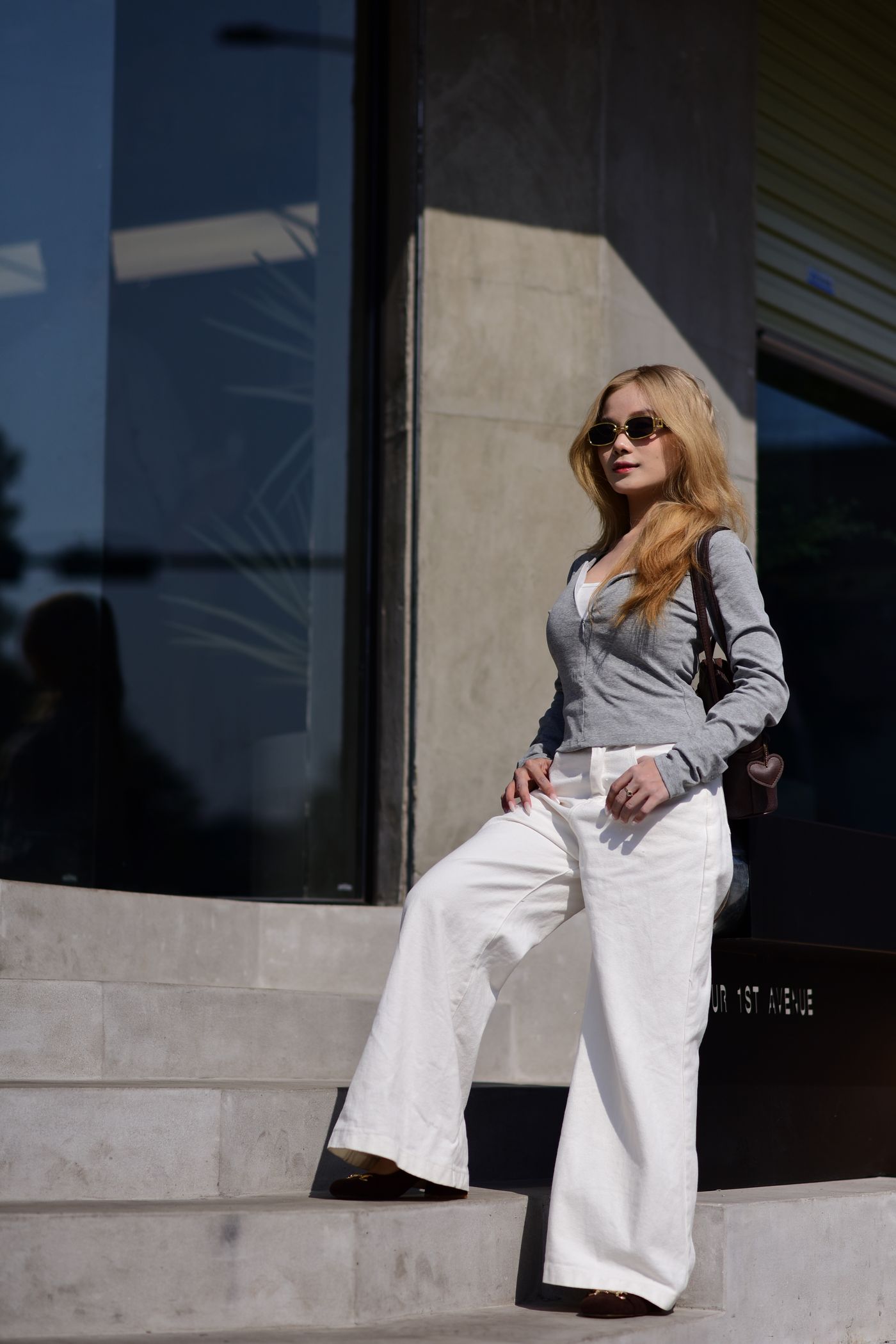
Use the waistband, upper layer and hem to control an outfit’s balance without treating your body as a problem to correct.

Everyday dressing
Choose a removable office layer by checking sleeves, desk movement and how it travels in your bag.