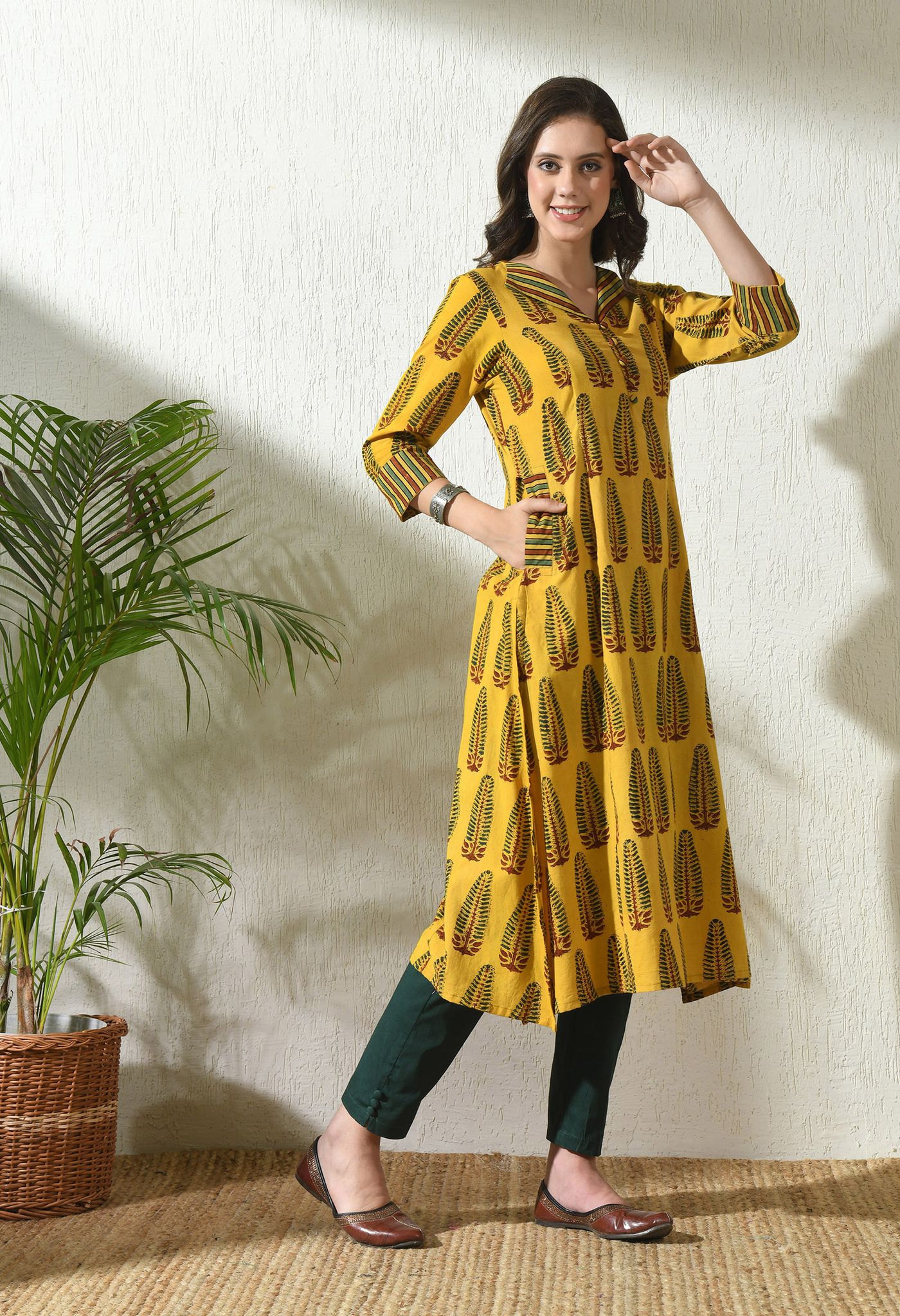
Everyday dressing
Build a cotton kurta outfit for a humid commute
Build around an easy cotton kurta, then check trouser clearance, bag placement and the layer you will need indoors.
Clothes, accessories & the ways to wear them
Everyday dressing
Change the setting of a printed dress through shoes, bag structure and one accessory colour.
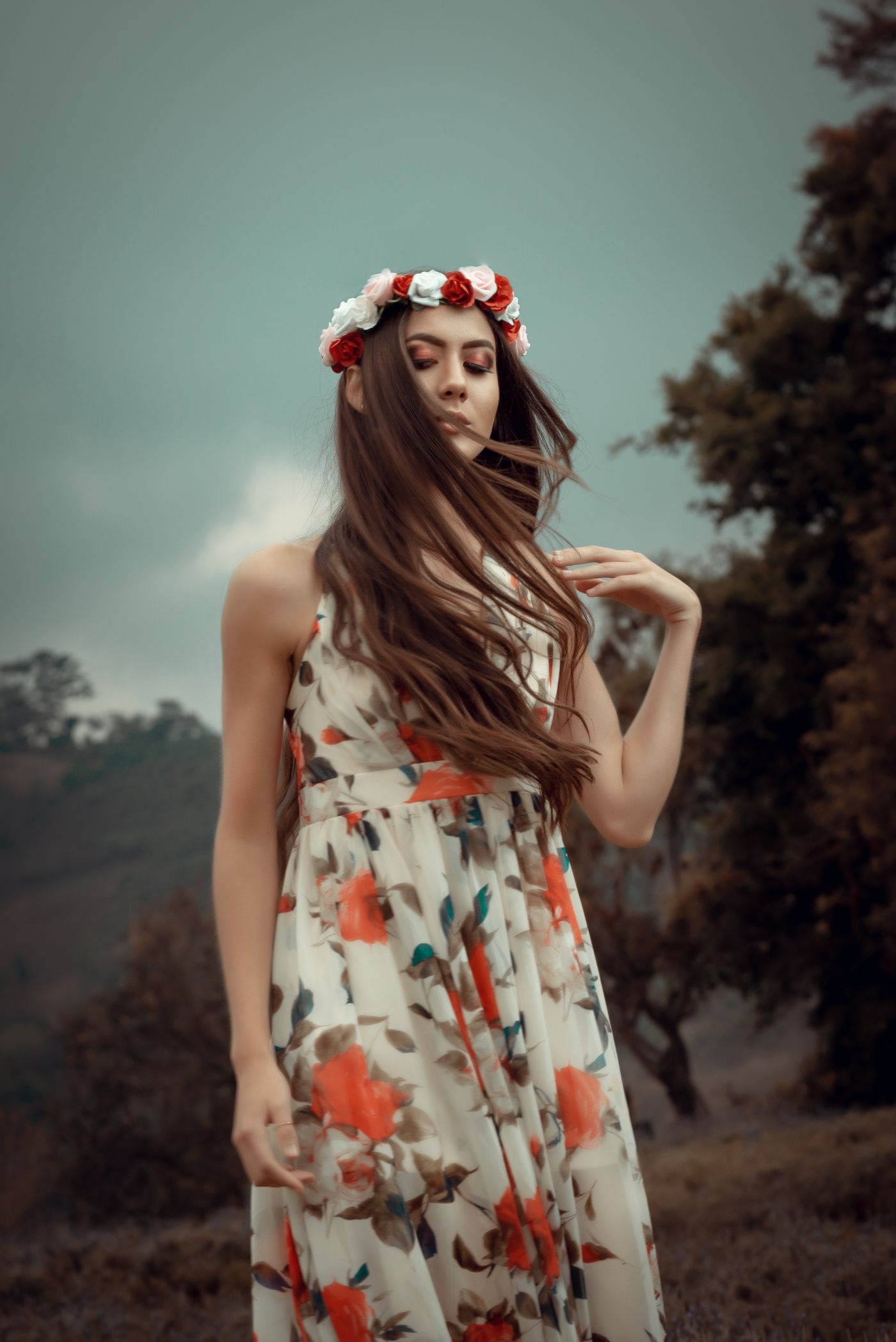
A printed dress can anchor several outfits without being disguised. Its pattern will remain recognisable, which is part of wearing the same garment again. Instead of trying to make it look like a new purchase, decide which part of the day's setting the accessories need to support: walking, a meeting, lunch or an evening gathering.
Lay the dress out and identify two colours already in the print. One can be a quiet background shade and the other a smaller accent. You do not need shoes and a bag in both colours. These are simply starting points when choosing from pieces you own.
Try comfortable trainers or flat sandals, a bag that leaves your hands free and small earrings. If the dress has a full skirt, check that a crossbody bag does not trap the fabric at the hip. If it has a narrow skirt, test your stride rather than assuming the casual shoes make the whole outfit suitable for a long walk.
Keep any outer layer straightforward. A plain overshirt can quiet a busy pattern, but its hem should not catch on the dress waistband. Wear it open and then buttoned before choosing which version you prefer.
A structured bag and simple closed shoes change the outline without changing the dress. Pulling one darker colour from the print into both accessories can make the combination feel connected. The shades do not have to be identical, especially when they are separated by the dress.
If the neckline already has ruffles or ties, try earrings instead of a necklace. This is a way to avoid catching or tangling, not a rule that prints cannot be worn with jewellery. Add a necklace if it sits comfortably and you like the extra detail.
Use a smaller bag and one more noticeable accessory, such as a pair of earrings or a cuff. Metallic shoes can work with many printed colours, but compare the finish with the rest of the outfit: a highly reflective pair draws more attention than a muted one.
Photograph each complete version with the shoes visible. Record what the outfit actually felt like to wear, including any strap or hem adjustment you kept making. Repeating a successful combination is useful information, not a styling failure. Next time the dress comes out, you can choose an already workable version instead of starting from zero.
Imagine the dress has cream flowers on a green background. For errands, a cream trainer and plain canvas bag can be useful if they suit the route. At lunch, brown sandals and a structured bag can give the same print a different frame. In the evening, a dark small bag and a single metallic earring pair may be enough. The changes are specific, but none requires a new necklace, belt and shoe for every version.
If two proposed versions feel almost identical, keep the more comfortable one instead of inventing another difference. Repetition becomes easier when your recorded outfits are genuinely useful, not when you have created the largest possible number of combinations.
Everyday dressing
Build around an easy cotton kurta, then check trouser clearance, bag placement and the layer you will need indoors.
Everyday dressing
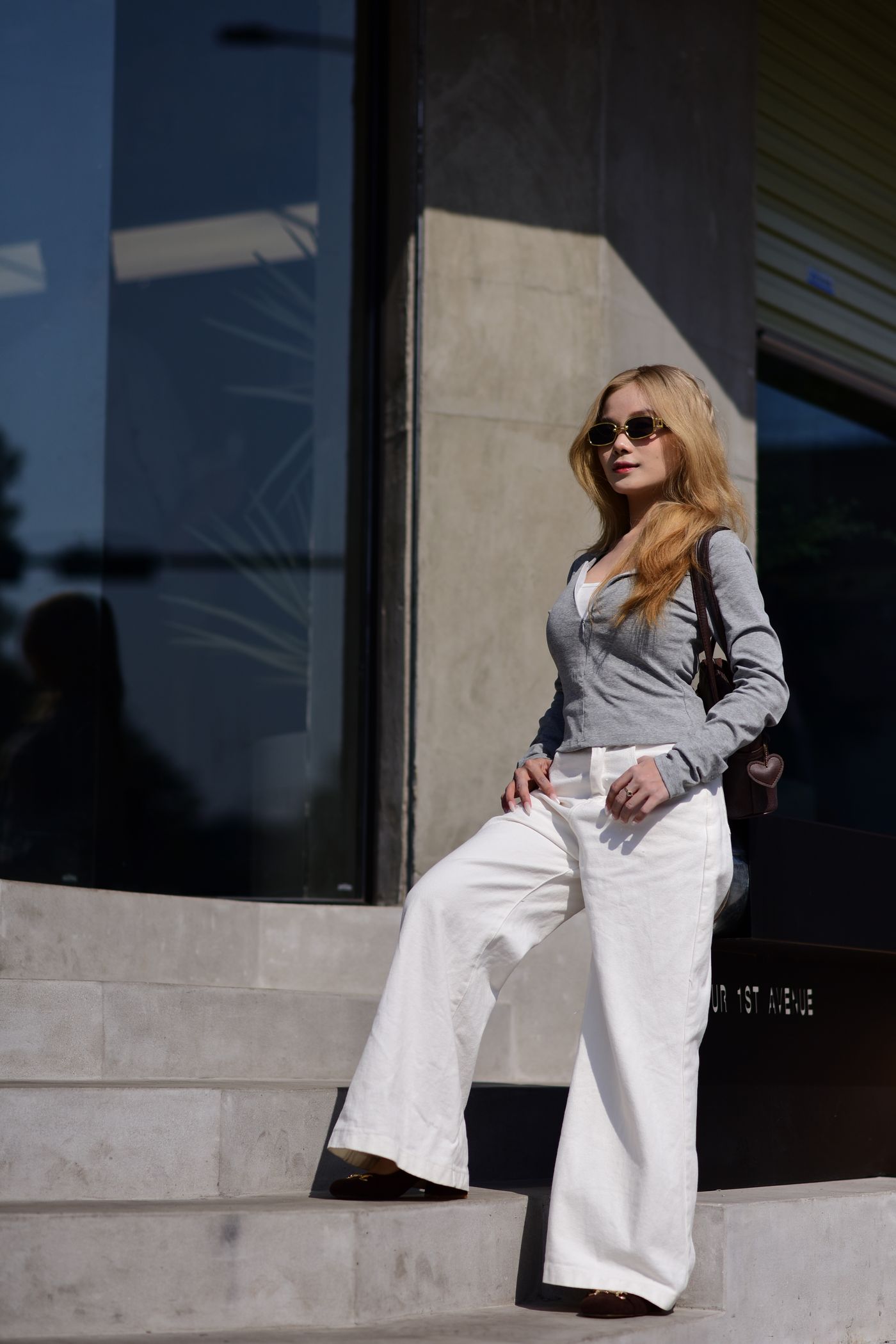
Use the waistband, upper layer and hem to control an outfit’s balance without treating your body as a problem to correct.

Everyday dressing
Choose a removable office layer by checking sleeves, desk movement and how it travels in your bag.