Jewellery & finishing
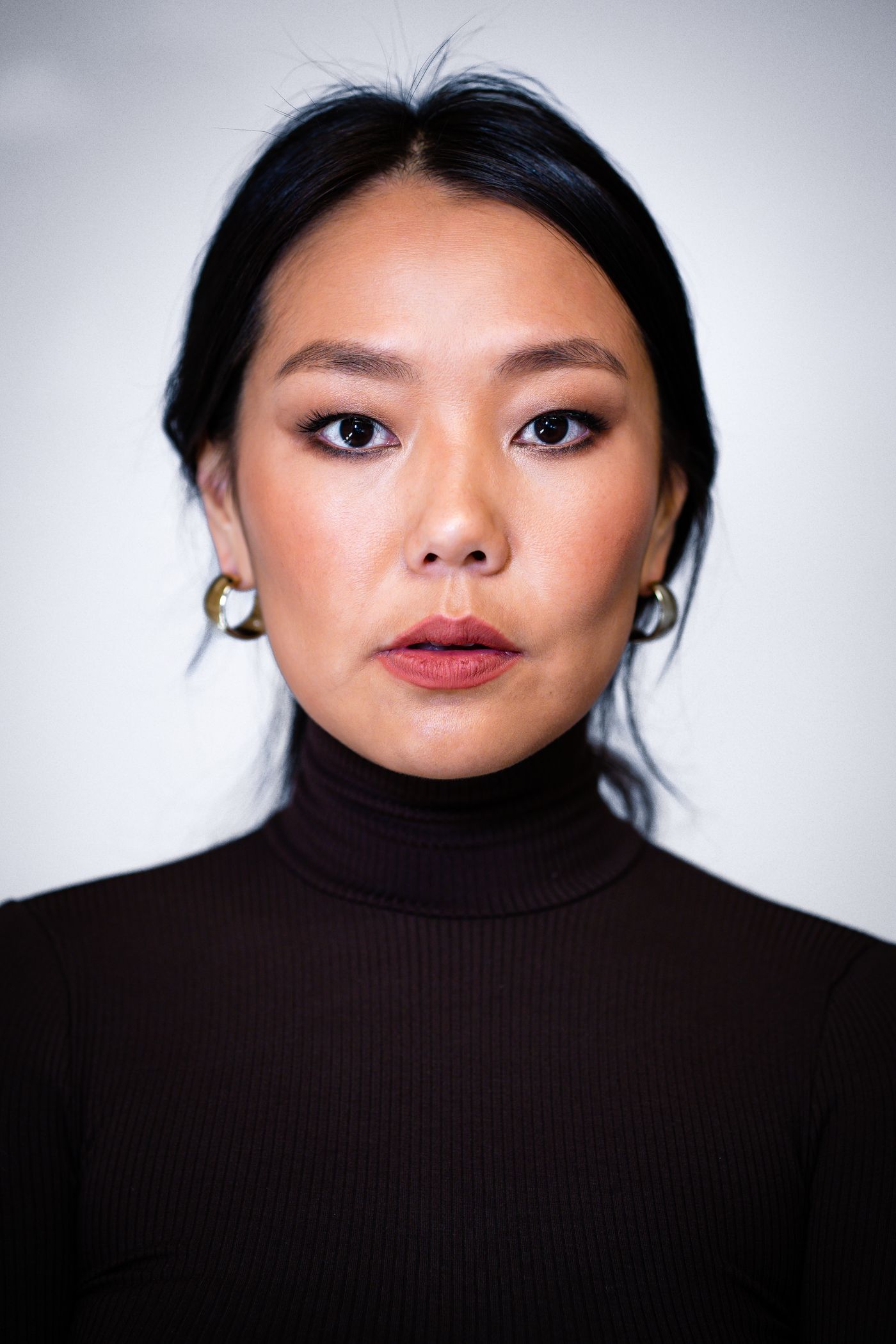
Choose earrings for a high-neck blouse
Choose earrings alongside the actual height and texture of the blouse collar, leaving room for movement near the jaw and shoulders.
Clothes, accessories & the ways to wear them
Jewellery & finishing
Try a narrow belt as a removable change to a kurta's shape, checking the fabric below it and the room needed for movement.
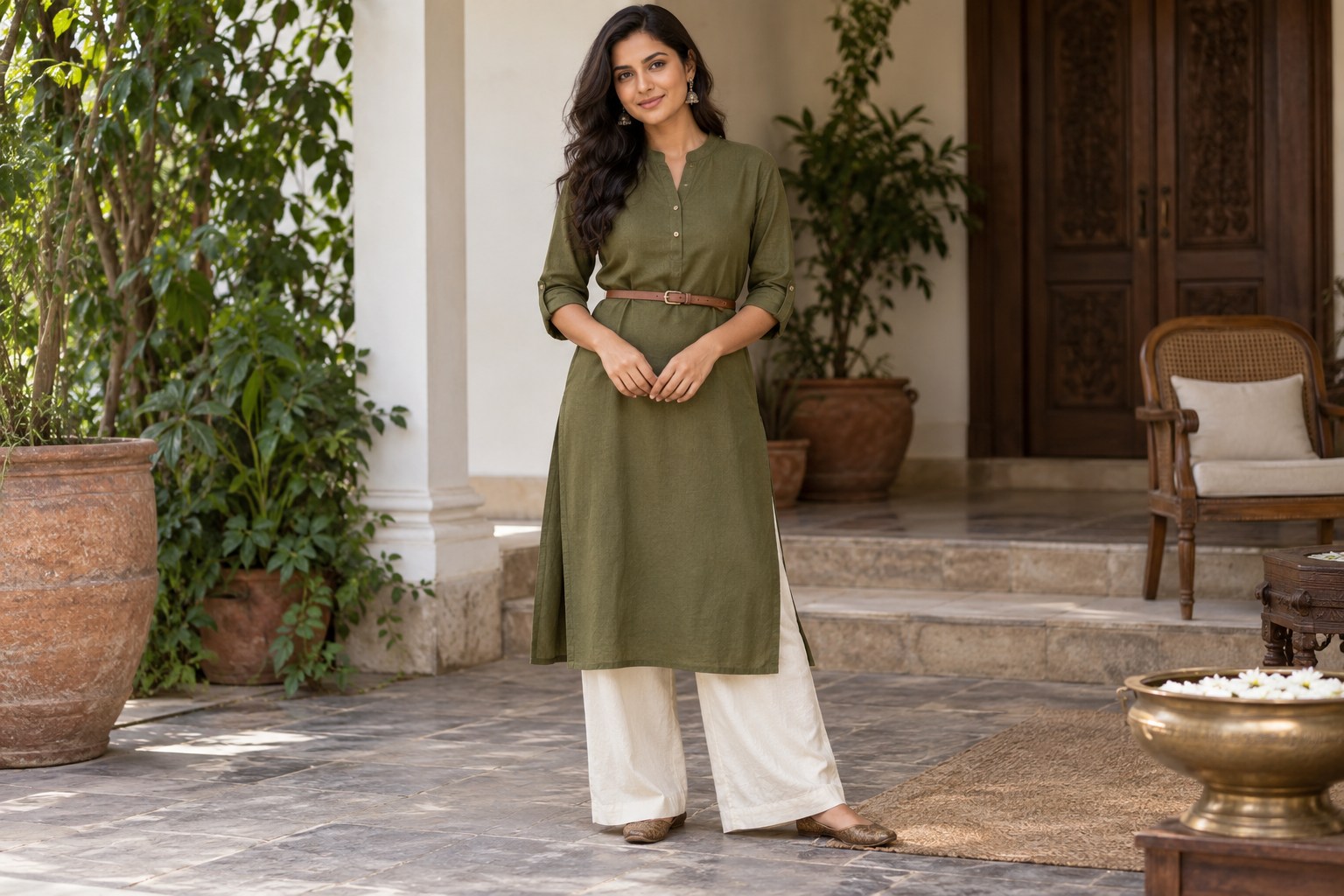
AI-generated illustration. Items shown are illustrative, not specific products for sale.
A narrow belt can gather a loose kurta, create a visible horizontal line or hold a light layer in place. It will not have the same effect on every cut. A straight kurta with side slits, a flared style and a short kurti each distribute fabric differently. Put the complete outfit on before deciding where the belt should sit.
Begin by holding the belt loosely in place. Try a few positions within the area that feels comfortable rather than tightening it immediately at a prescribed point. Notice where the extra fabric gathers. If it forms a bulky fold directly above the belt, gently redistribute it or move the belt slightly. The aim is a shape you like, not the smallest possible circumference.
Gathering fabric at the waist can raise the kurta's hem or change how its slits open. Check the view from the side while standing and sitting. The trousers underneath become part of the result, including their waistband and upper section. Choose the amount of visible fabric deliberately and make sure the belt has not reduced the movement you had without it.
Try a short walk and reach forward. A belt that slips into another position with every movement may not suit the garment's surface or cut. Tightening it further is not always the answer. A kurta with a smoother, straighter section may accept the belt more easily, or the outfit may work better without one.
For a quiet effect, choose a belt close to the kurta's base colour. A contrasting belt makes the horizontal line more noticeable. The buckle adds another element: a small plain buckle can remain subtle, while a bright metal one becomes a clear accessory near the centre of the outfit. Consider its relationship to any embroidery already there.
If you are wearing a dupatta, arrange it after the belt trial and check whether you still need both details. Do not trap delicate fabric under a tight buckle or rough edge. Finish by sitting for a few minutes, then standing without rearranging the outfit. The combination should remain comfortable enough to repeat, not depend on a carefully held pose.
Jewellery & finishing
Choose earrings alongside the actual height and texture of the blouse collar, leaving room for movement near the jaw and shoulders.
Jewellery & finishing
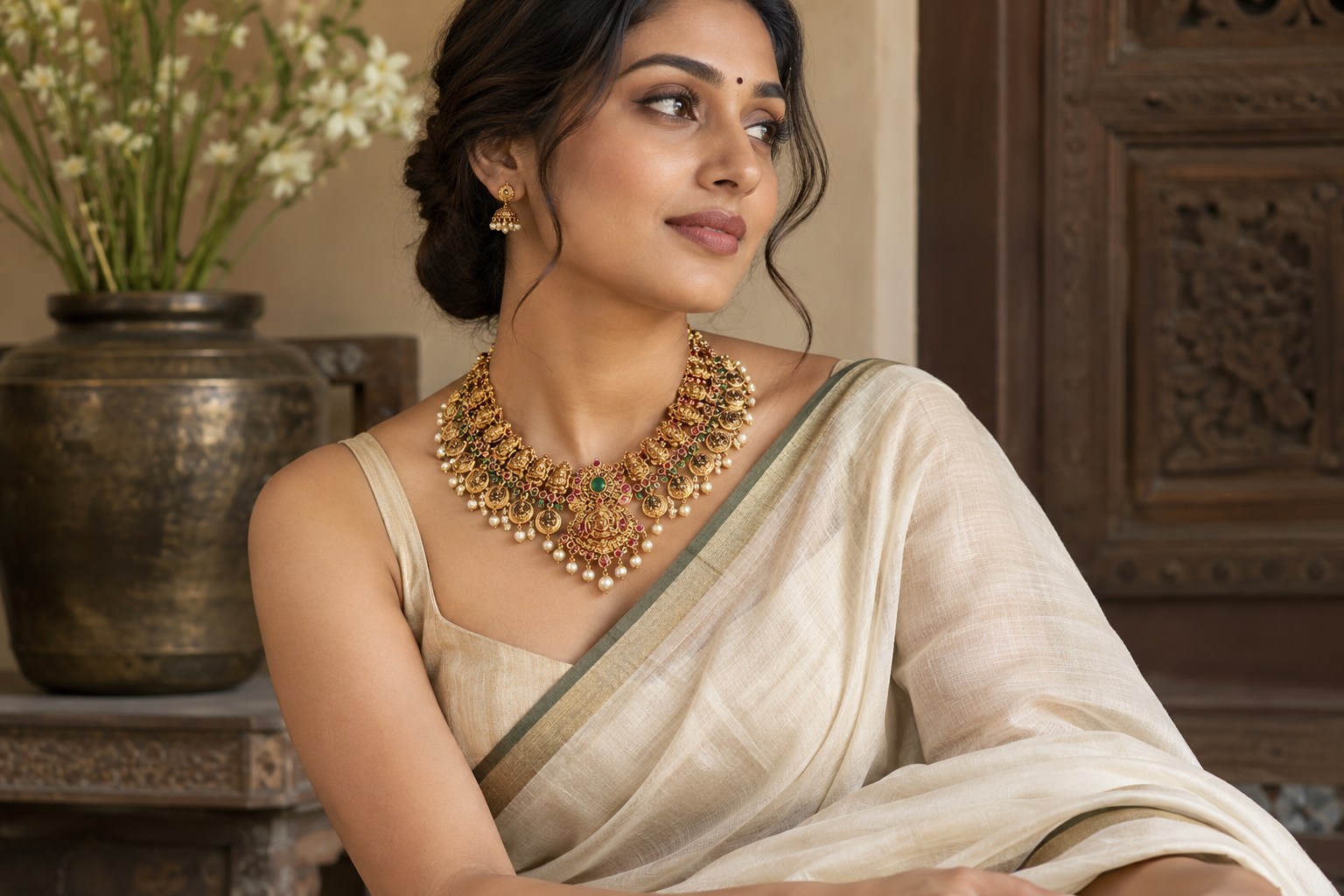
Place a statement necklace against the saree as it will be draped, then decide whether it should echo the border or stand apart from it.
Jewellery & finishing
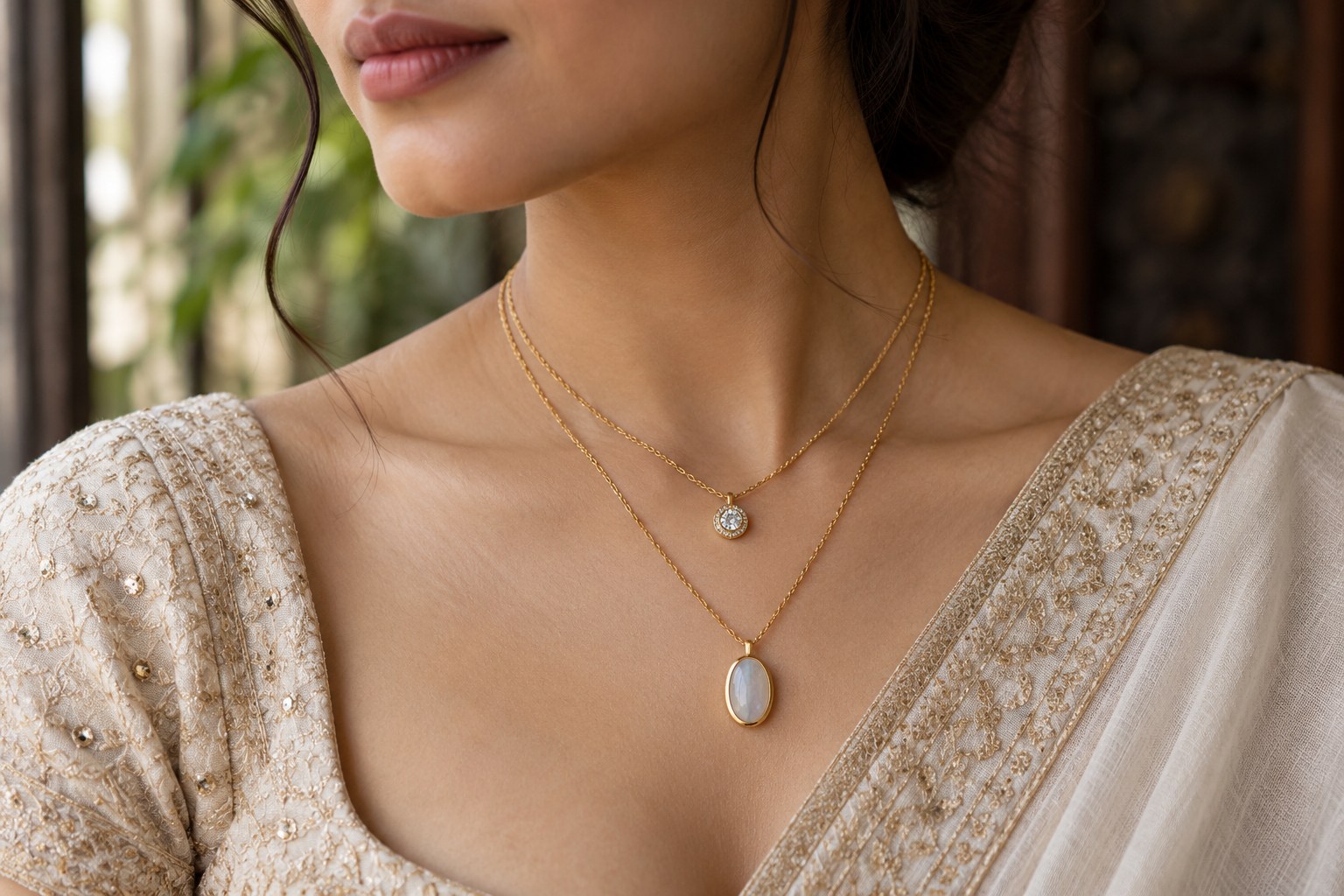
Give two necklaces distinct positions, then check their movement and clasps so both pieces remain visible during wear.