Shoes & bags
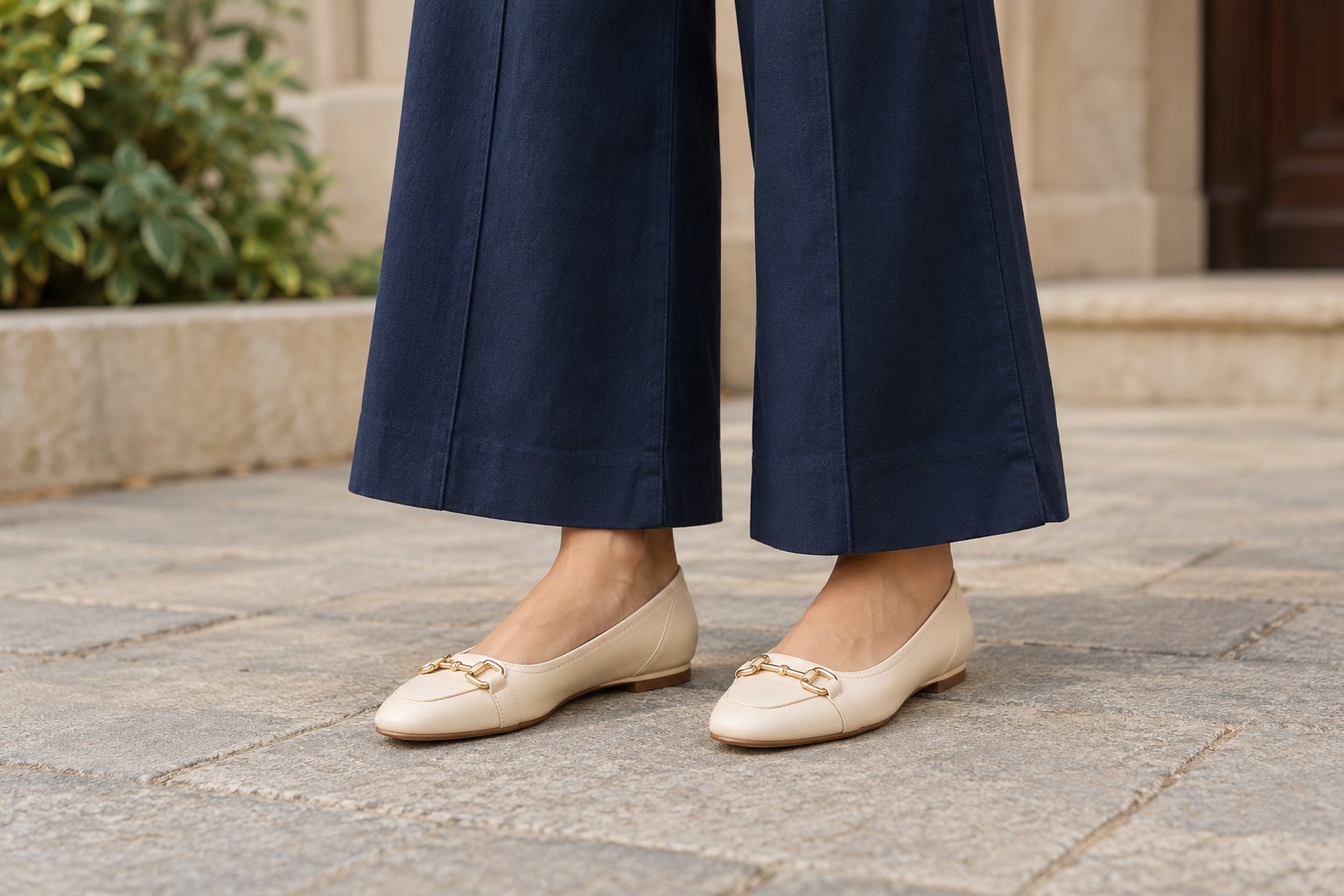
Choose flats to wear with wide-leg trousers
Choose flats with enough visible shape beneath wide trousers, then make sure the hem stays clear while walking.
Clothes, accessories & the ways to wear them
Shoes & bags
Test a work tote as a loaded system: opening, compartments, weight distribution and the way it sits against your clothes.
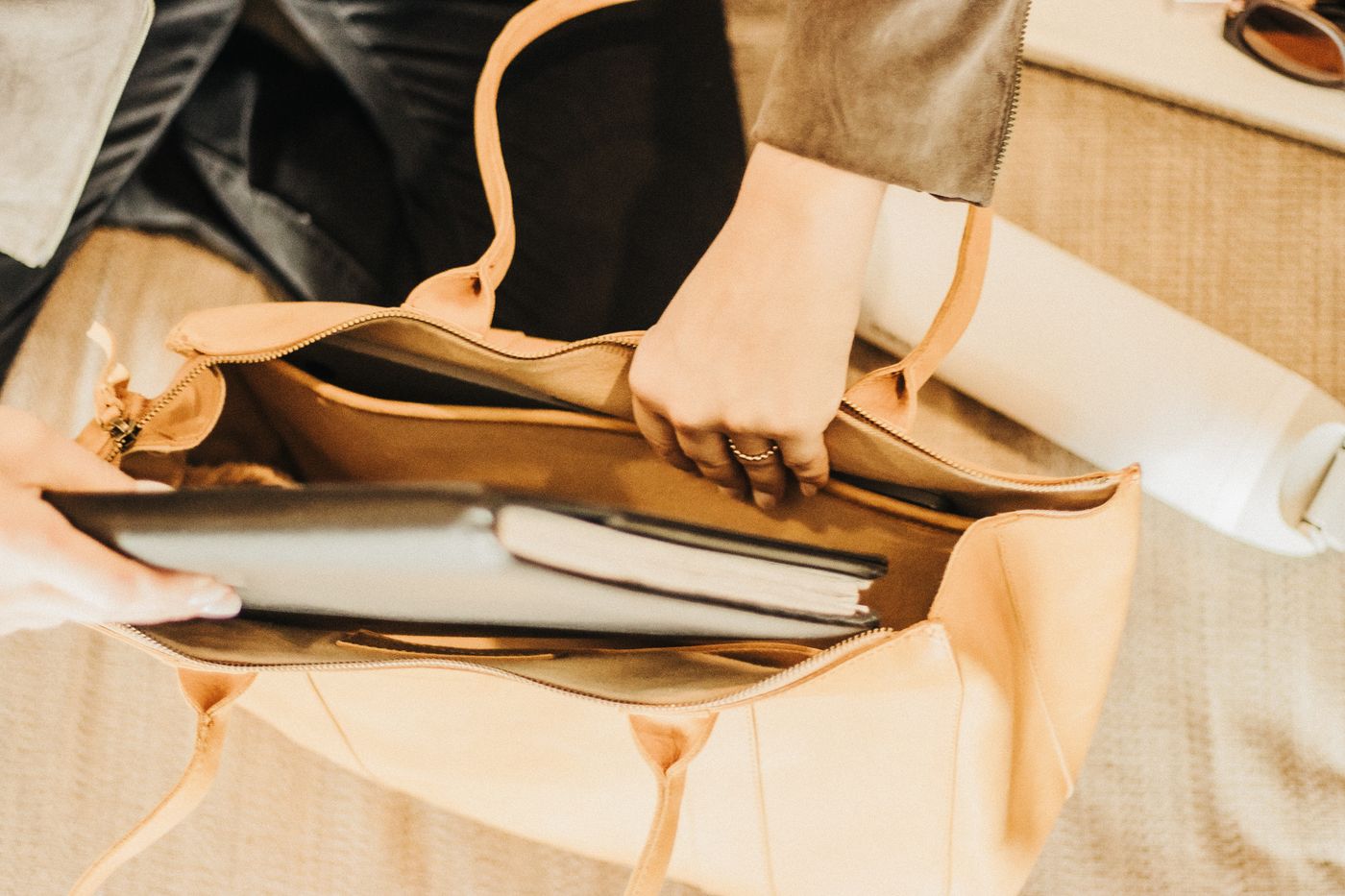
The capacity stated for a tote tells you less than a trial with your working-day contents. A broad bag may have a narrow base. A roomy interior may become awkward once a bottle, lunch container and laptop compete for the same space. Start with one ordinary day rather than every item you might conceivably need in a month.
Lay out the items by shape. Flat pieces include a laptop or notebook; tall items include a bottle; bulky pieces may include a lunch box or folded scarf. Measure rigid objects with their cases on. A bag that accepts a laptop without its sleeve may not be the bag you need if you plan to keep using that sleeve.
Pack the heaviest flat item into its intended space. Add the lunch container and bottle, then close the top. Notice whether the bottle leans onto papers or the lunch container pushes the bag's side into a hard corner. A compartment is useful only if it accommodates the objects you actually carry; several small pockets cannot substitute for one correctly sized opening.
Next, retrieve the things used during the commute without unpacking everything. You might need a travel card before your notebook and keys before your lunch. Put these in accessible places, but do not leave valuable items in an open external pocket merely because it is convenient. Check the actual closure rather than assuming that the word 'tote' describes one level of access or security.
Hold the loaded bag by its handles, then place it over your shoulder while wearing your usual work layer. The handle drop should accommodate that layer without forcing the bag tightly into your underarm. If you have to lift your shoulder to stop it slipping, try a different handle length or a different carrying style. A wider bag may also bump your elbow when walking even if its weight feels manageable.
Useful spare space lets you put items back without precise repacking. It does not need to become a reason to fill the bag. If the tote feels unwieldy, identify which object creates the problem. A lunch container with a different footprint may solve more than a larger bag; a separate bag may suit an occasional extra load better than an oversized everyday tote.
Look at the packed shape beside your outfit. A soft dress may be pushed out by a rigid corner, while a long kurta may catch under the bag as it swings. Carry it across the room, sit with it and pick it up again. These checks reveal how it will behave against clothes, not merely how it looks hanging from a hook.
Finally, inspect how the bag rests when set down. A stable base can make it easier to open on a desk, but feet or a firm base do not make a bag waterproof or suitable for every floor. Decide where the bag will normally live during the working day. Capacity is successful when the load, access and carrying position work together.
Shoes & bags
Choose flats with enough visible shape beneath wide trousers, then make sure the hem stays clear while walking.
Shoes & bags
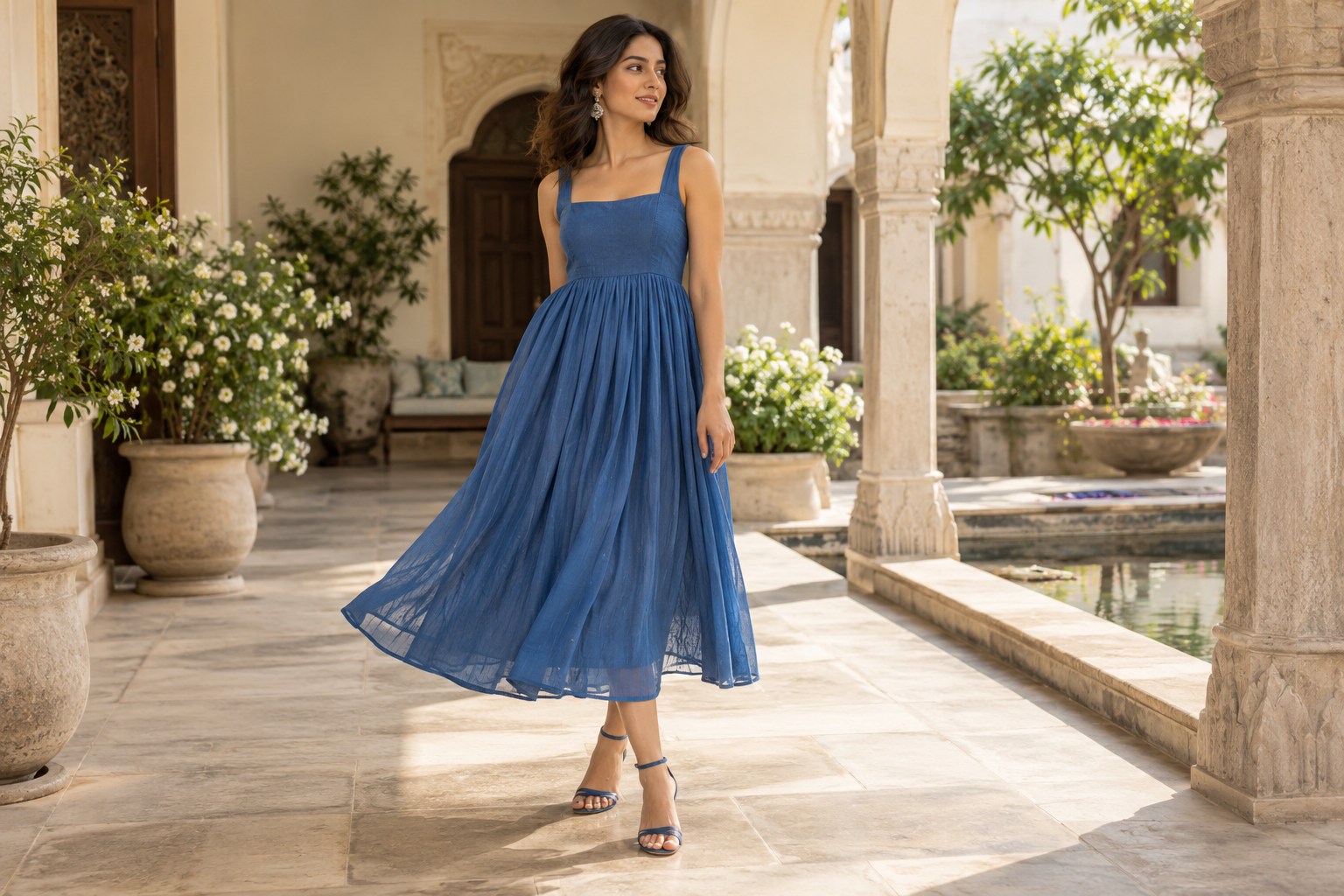
Use sandal straps to echo or contrast the shape of a midi dress, without letting a visual match outweigh fit.
Shoes & bags
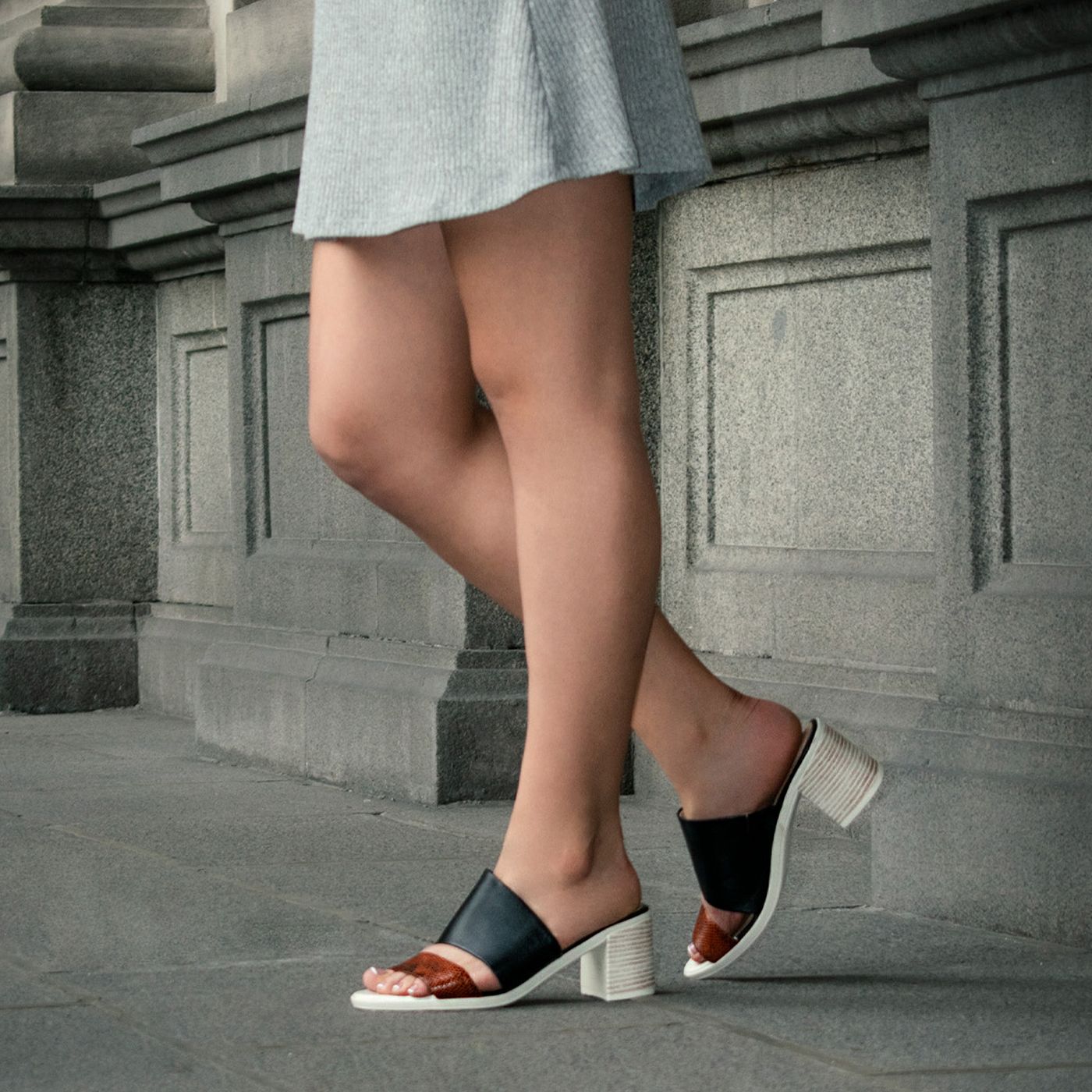
Assess the whole block-heel shoe and the event route; heel width alone does not tell you how it will feel on different surfaces.