Occasions & travel
Choose an outfit for a daytime wedding as a guest
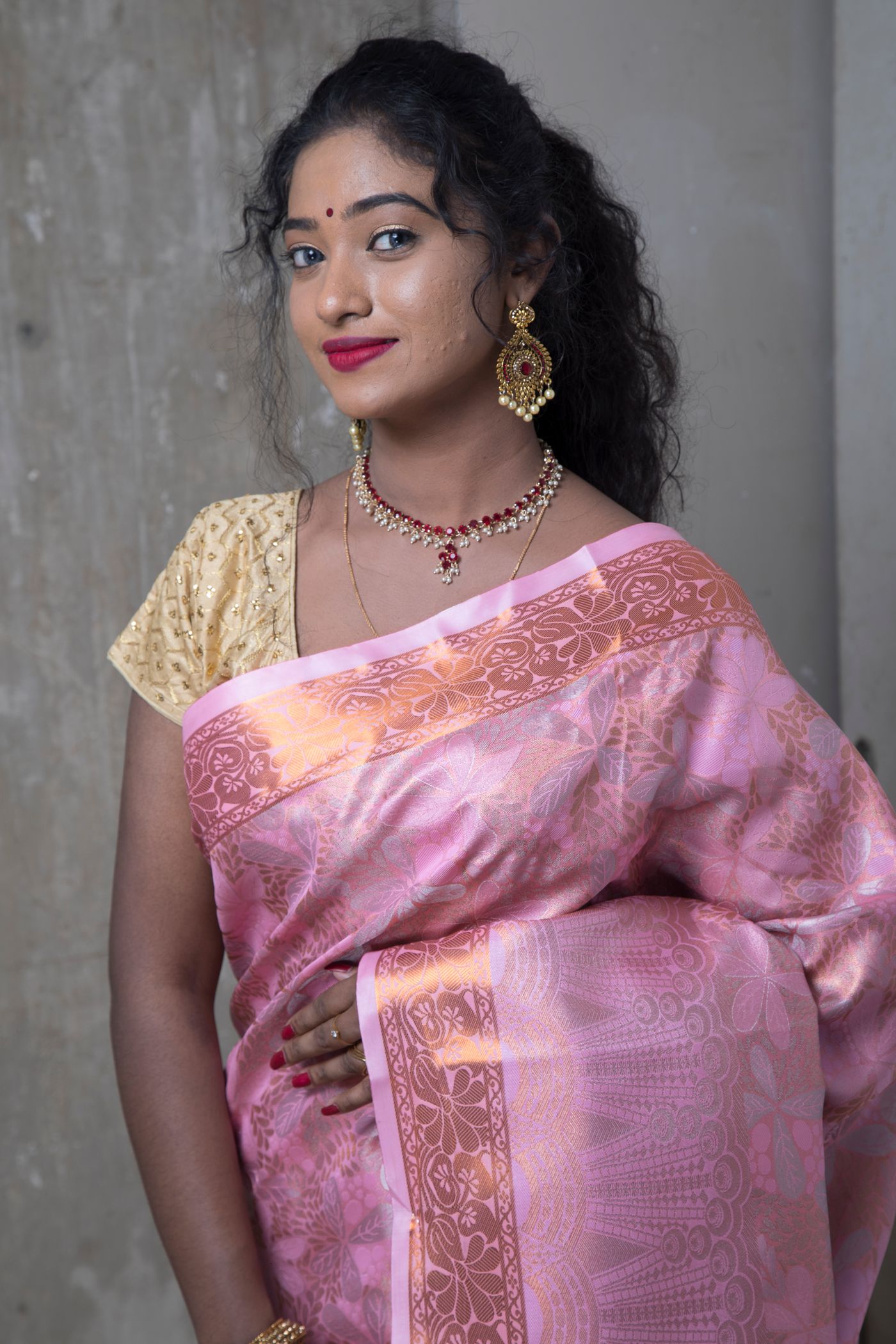
Let the invitation, venue and length of the day guide the fabric, footwear and amount of detail in a wedding guest outfit.
Clothes, accessories & the ways to wear them
Occasions & travel
Build a Diwali outfit from a complete look you already own, then change the part that no longer suits your plans.
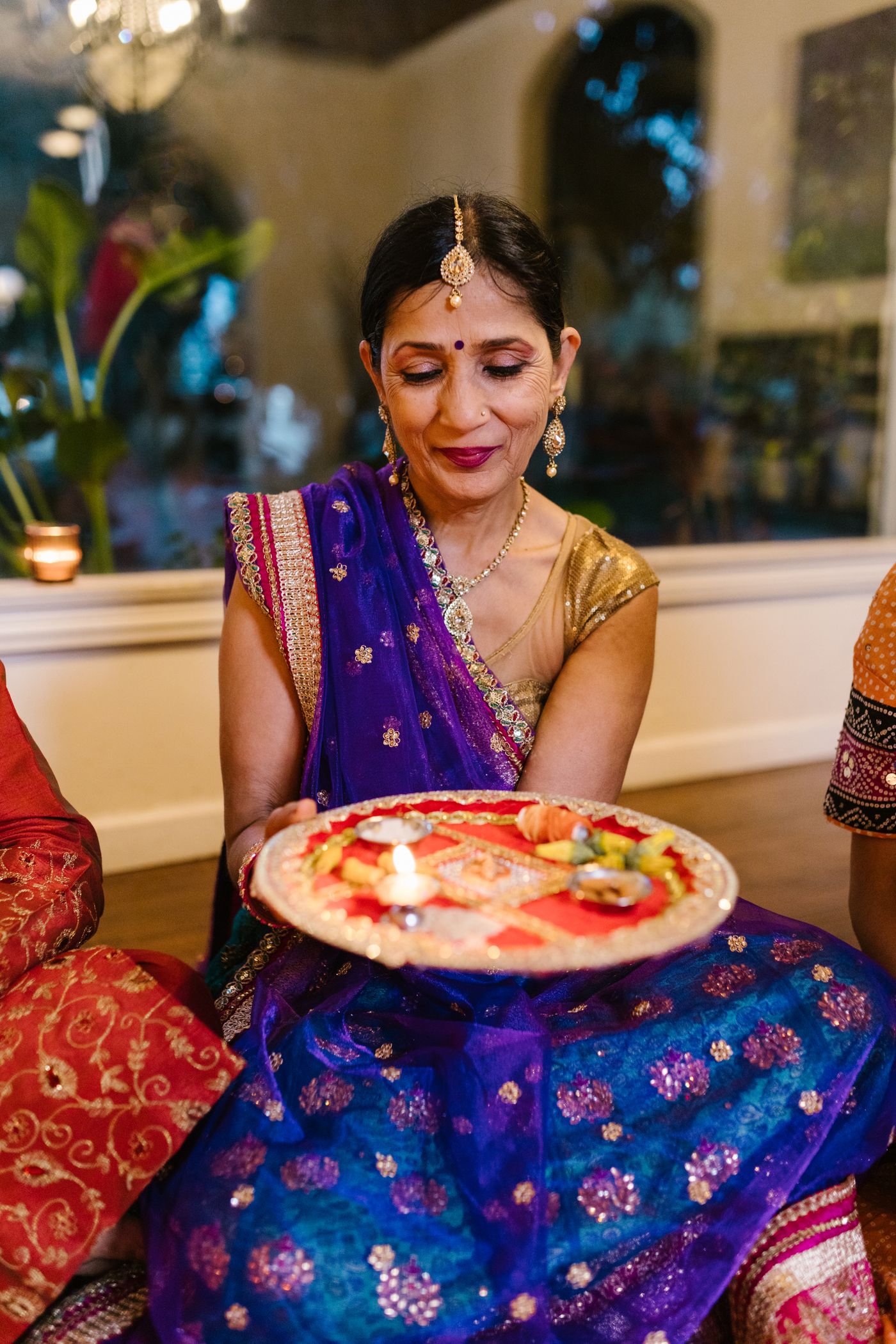
Start the outfit search in the part of your wardrobe where complete combinations live. A kurta set, saree or skirt-and-blouse pairing that has already been worn gives you a useful foundation: you know its fit, how the fabric behaves and which shoes work with the hem. Repeating it is a valid choice. A new invitation does not require a new garment to make the celebration feel considered.
Before changing anything, check the plans for this year's gathering. Hosting at home, visiting relatives, attending a larger dinner and spending time outdoors ask different things of clothing. Preferences also vary between families and events. Use any invitation guidance and your own activities to decide what to wear, rather than treating one colour or silhouette as compulsory for Diwali.
Take the chosen pieces out early enough to deal with a missing hook, loose thread or care requirement. Try them on rather than relying on the fit from a previous year. Check the blouse or kurta while seated, the waistband after a few minutes and the hem with the shoes you intend to use now. If one item needs attention, that is the first task; accessories will not solve a fastening that no longer works.
Look at the garment's condition in good light. A small mark hidden in a fold may become visible in a different drape, and a bag strap may have worn one shoulder. Follow the care label if cleaning is needed and allow enough time for the garment to be ready. Avoid an untested last-minute treatment on an item you want to wear the same evening.
For a plain kurta set, try a dupatta already used with another outfit. Choose a shared colour or a deliberate contrast, then check the drape with the actual neckline and sleeves. If the dupatta is more detailed than the original, you may prefer smaller jewellery. That is a change in balance, not a requirement to remove every decorative piece.
A saree can feel different with another blouse, but the new combination needs a full fitting. Try the pallu position, underlayer and jewellery together. A blouse with a different neckline may change where a necklace sits, while a different sleeve can alter how much room an outer layer needs. Choose the combination that works now rather than the one that looks most novel in a quick mirror photograph.
For a festive skirt, a plain top can shift attention towards the textile itself. If you wore a heavily decorated blouse previously, use a simpler surface this time and let earrings or a bag supply a small second detail. Keep the skirt's original hem requirements in mind: moving to flat shoes may require an adjustment rather than just a styling decision.
If you are preparing food or helping serve, sleeves and loose ends need particular attention. Choose clothing you can keep clear of cooking and any open flames, and keep distance from lamps or other flame sources. Do not assume a fibre name makes a garment safe around fire. A contained drape and manageable sleeves can also make it easier to carry dishes and greet guests without constant rearrangement.
For a visit that involves moving between homes, consider how the outfit works in the car, with footwear removed if requested, and while carrying gifts. A bag with a usable strap may be more convenient than a clutch that occupies one hand. Put the planned essentials inside before making the final choice.
Once the outfit is assembled, take a reference photograph and note the pieces. You will have a record for another occasion and a clearer idea of any genuine gap. If everything works, stop shopping. The value of using the wardrobe you already own is not that the outfit looks unchanged; it is that each change has a purpose you can name.
Occasions & travel
Let the invitation, venue and length of the day guide the fabric, footwear and amount of detail in a wedding guest outfit.
Occasions & travel
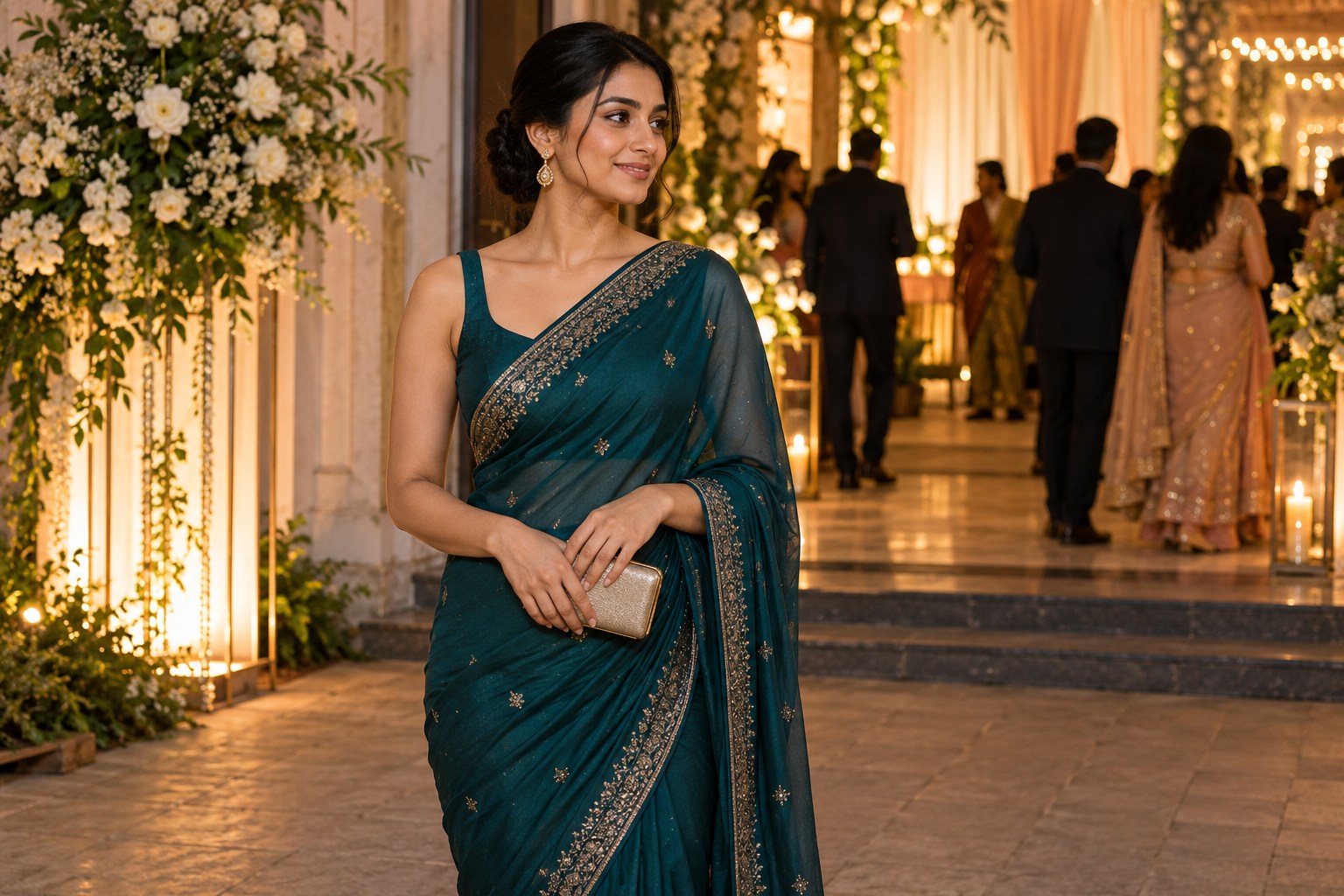
Spend on the missing function in your reception outfit, rather than buying a complete new set of accessories.
Occasions & travel
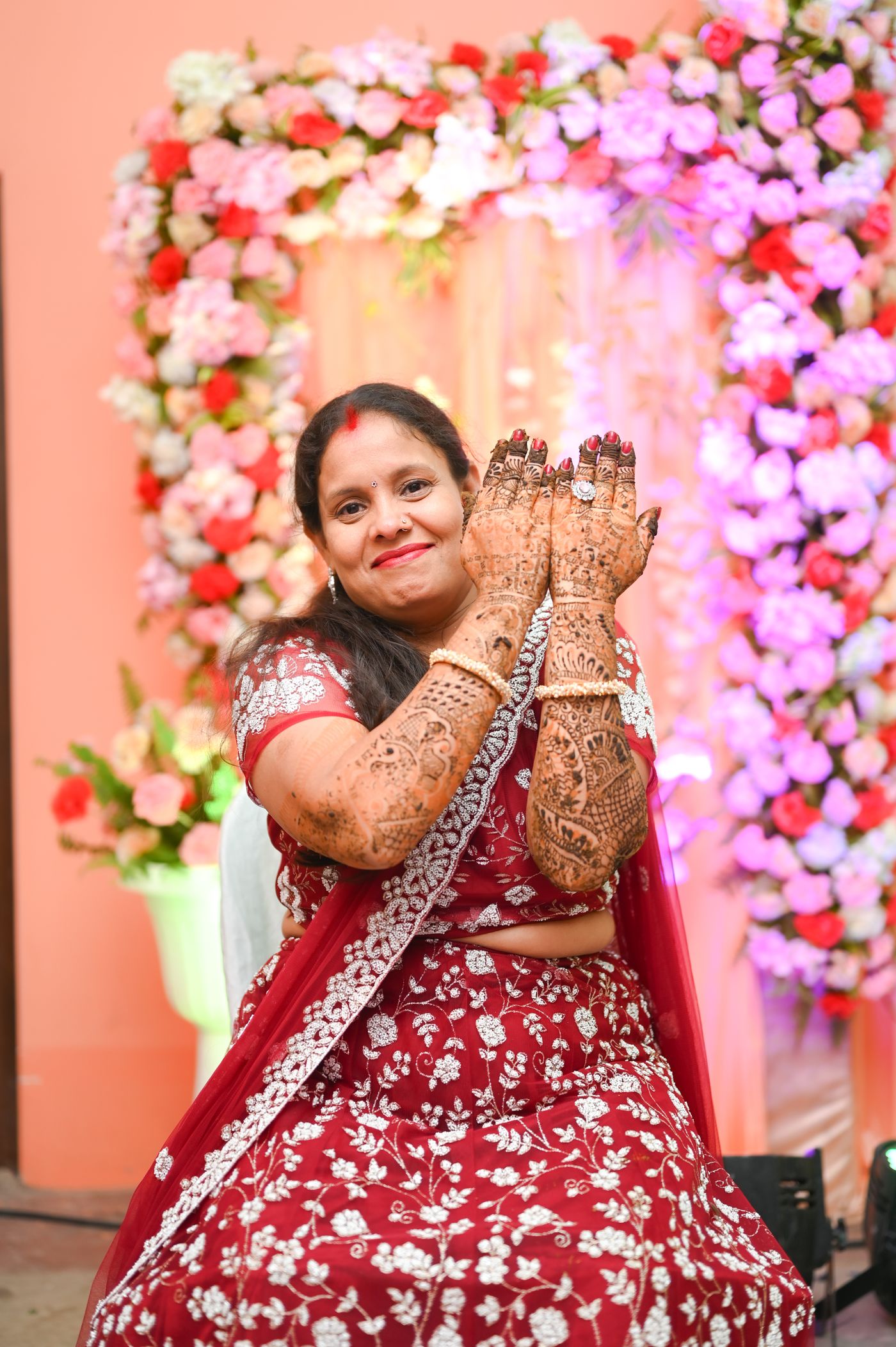
A sangeet outfit should pass the movements you expect to make, from sitting at dinner to raising your arms on a dance floor.