Everyday dressing
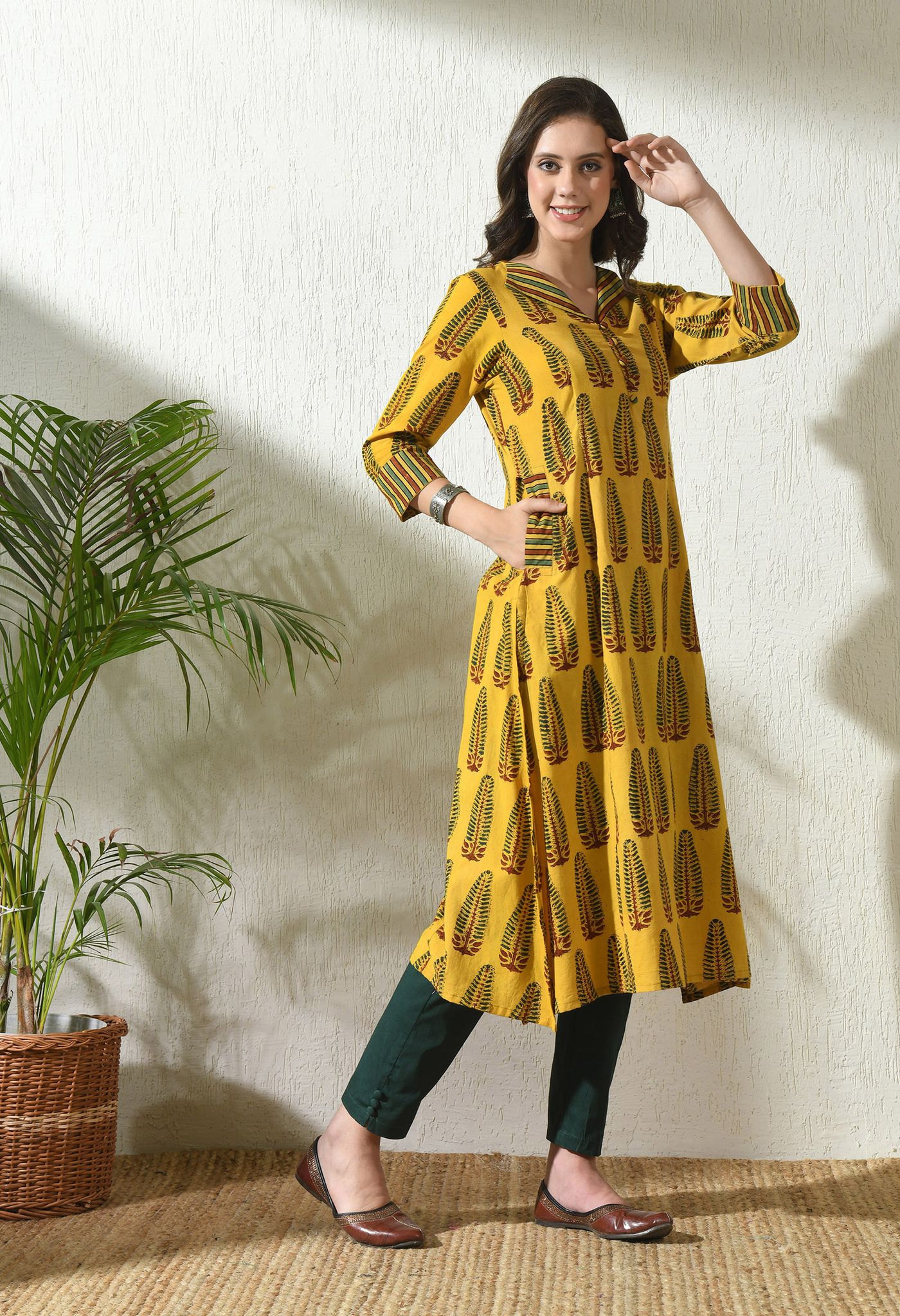
Build a cotton kurta outfit for a humid commute
Build around an easy cotton kurta, then check trouser clearance, bag placement and the layer you will need indoors.
Clothes, accessories & the ways to wear them
MavenChic / 39 articles
Outfit ideas for work, commuting and days away from the desk.
39 articles
Everyday dressing
Build around an easy cotton kurta, then check trouser clearance, bag placement and the layer you will need indoors.
Everyday dressing
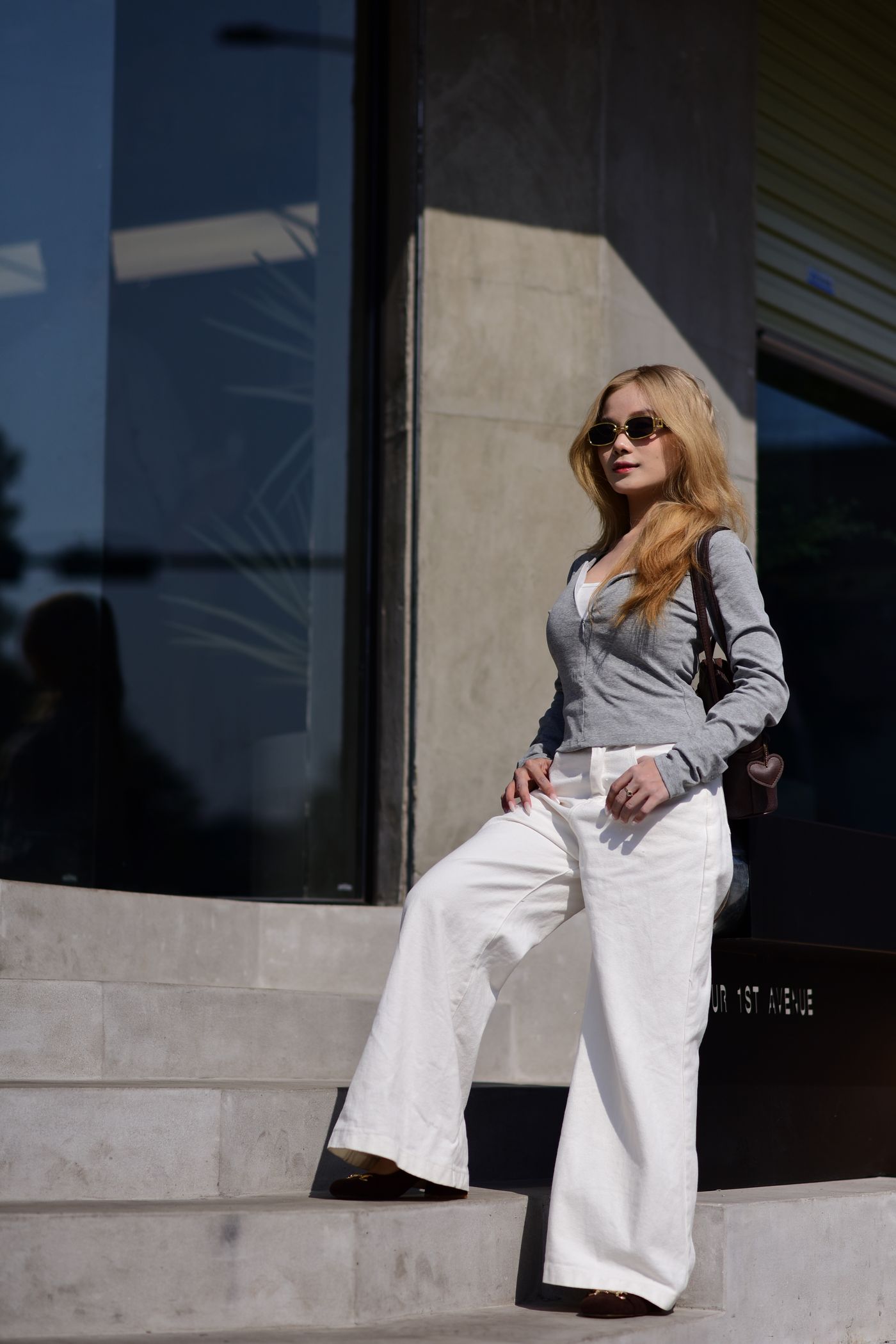
Use the waistband, upper layer and hem to control an outfit’s balance without treating your body as a problem to correct.

Everyday dressing
Choose a removable office layer by checking sleeves, desk movement and how it travels in your bag.
Everyday dressing
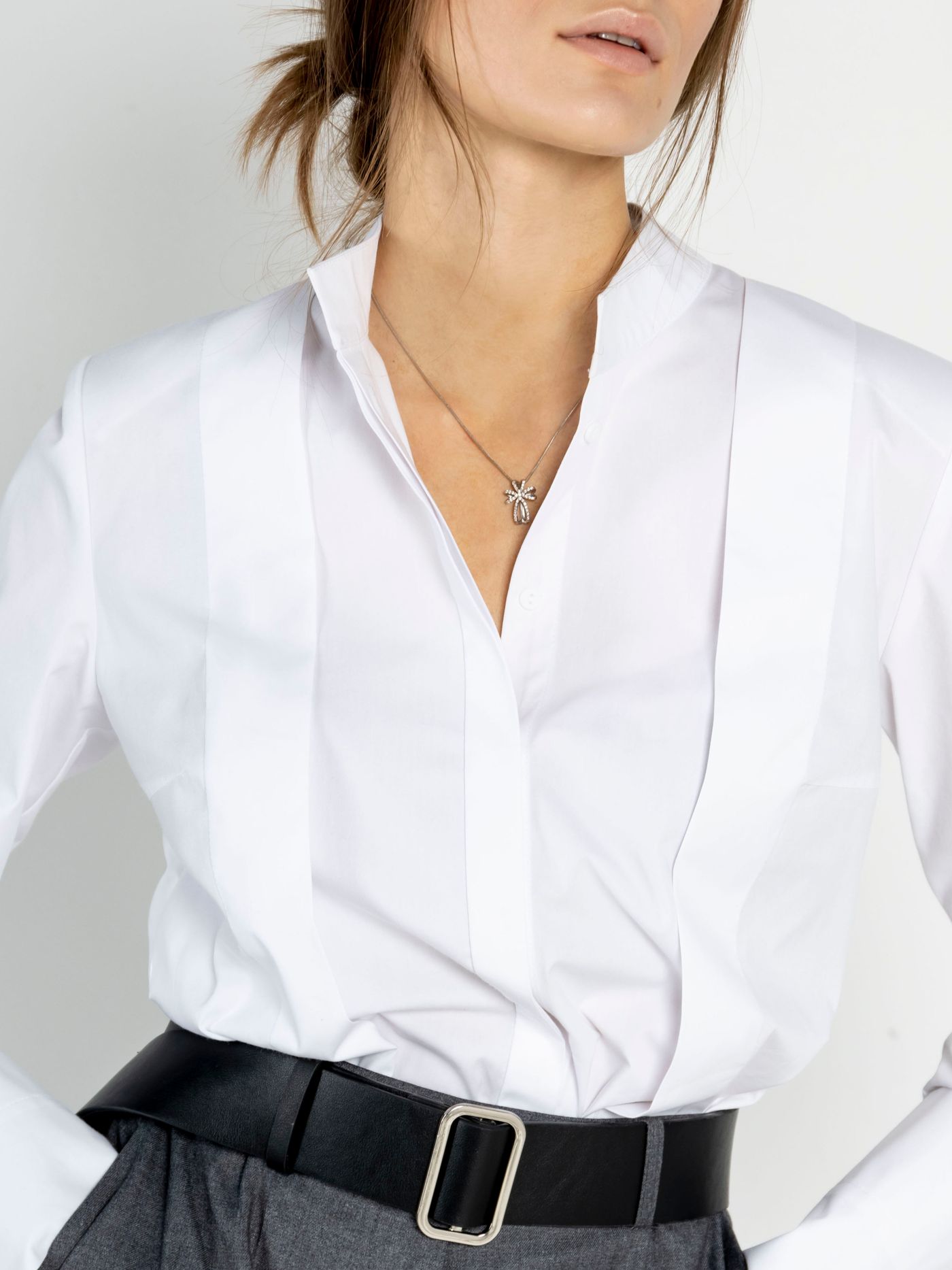
Decide how much transparency you want, then compare underlayers and button spacing in daylight.
Everyday dressing
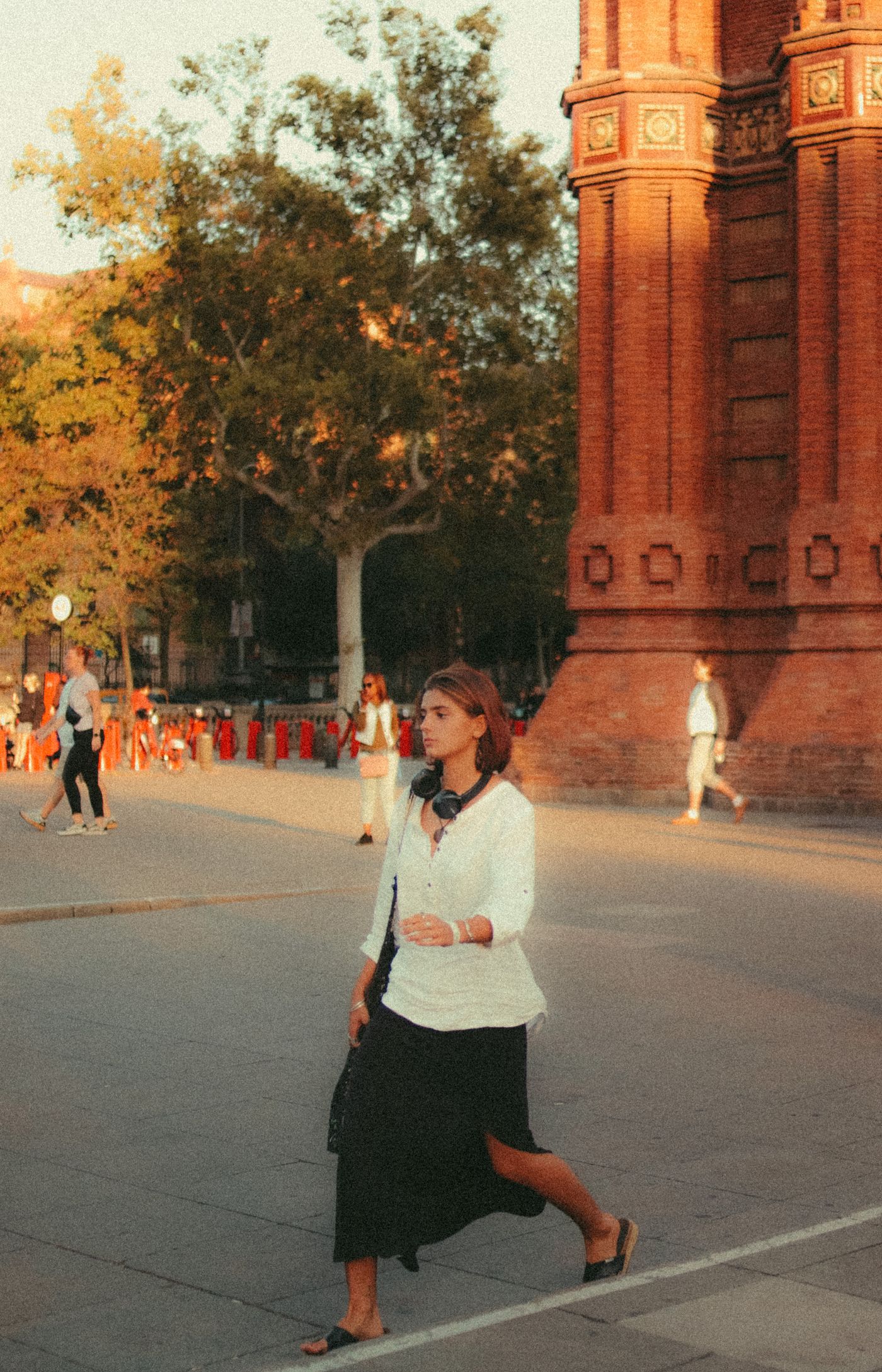
Match the skirt’s movement and hem to flats you can walk in, then adjust the top rather than defaulting to heels.

Everyday dressing
Plan a rainy commute around hem clearance, manageable layers and somewhere to put wet items.
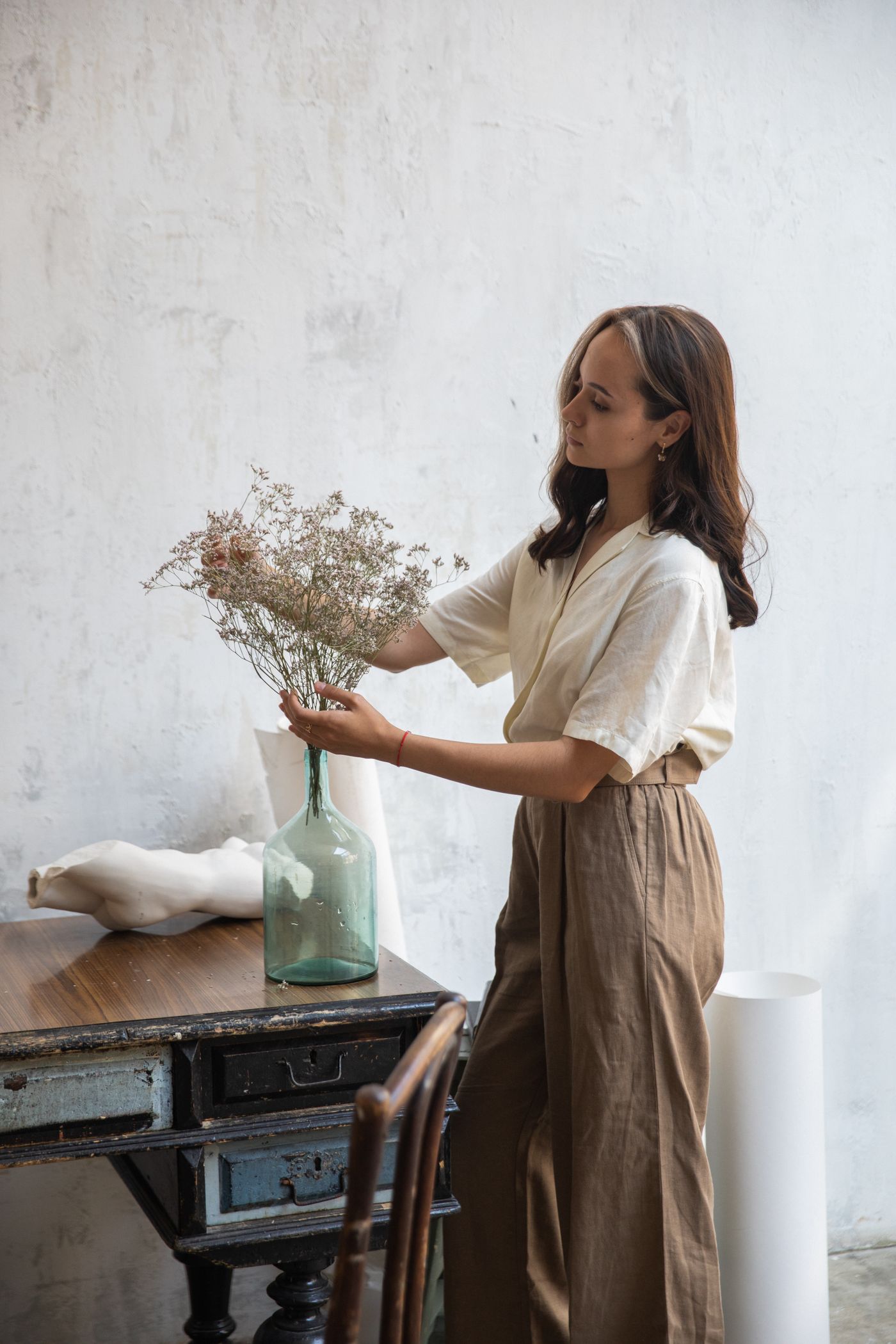
Everyday dressing
Look beyond a fibre name and check the lining, cut and openings of the garment you will actually wear.
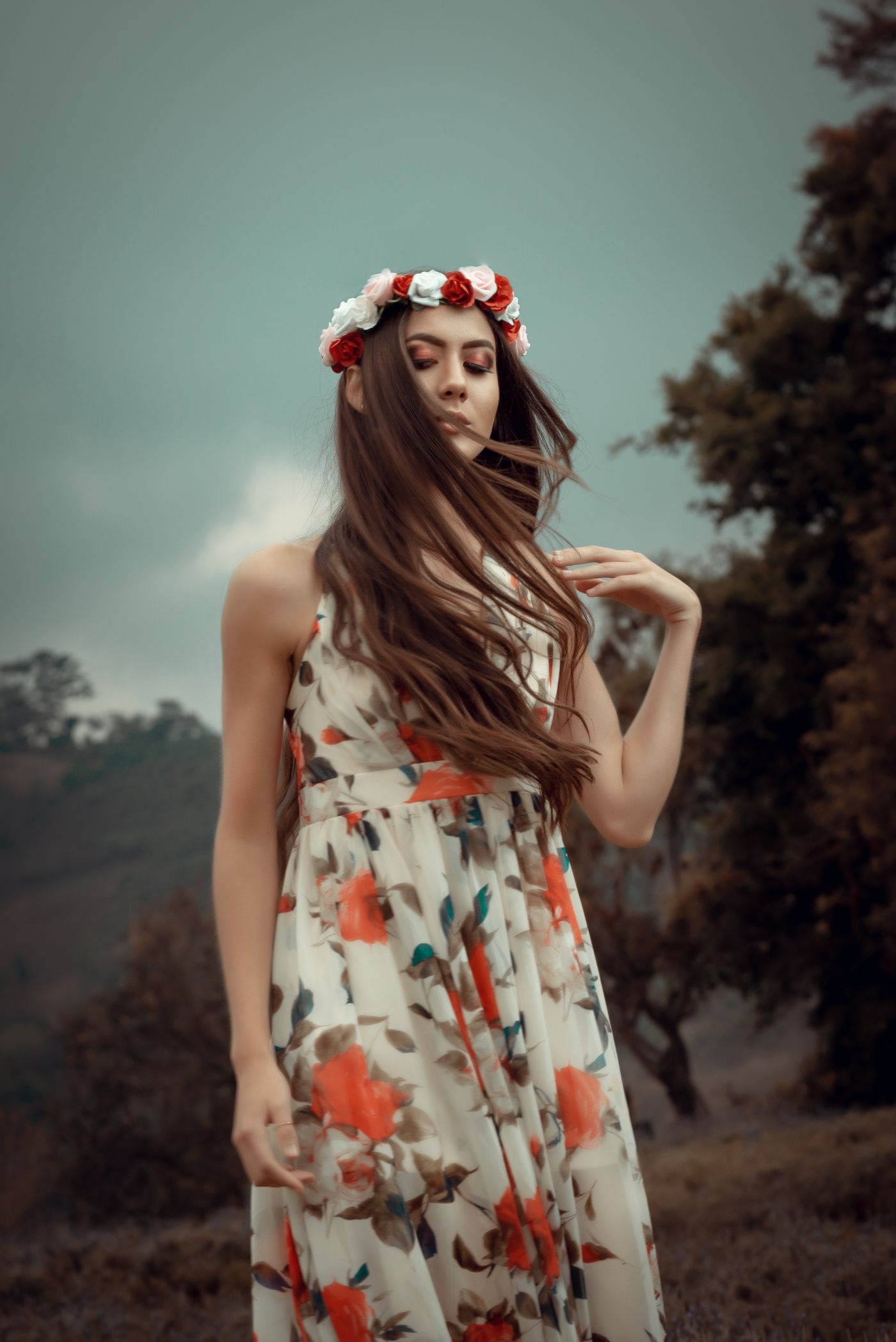
Everyday dressing
Change the setting of a printed dress through shoes, bag structure and one accessory colour.
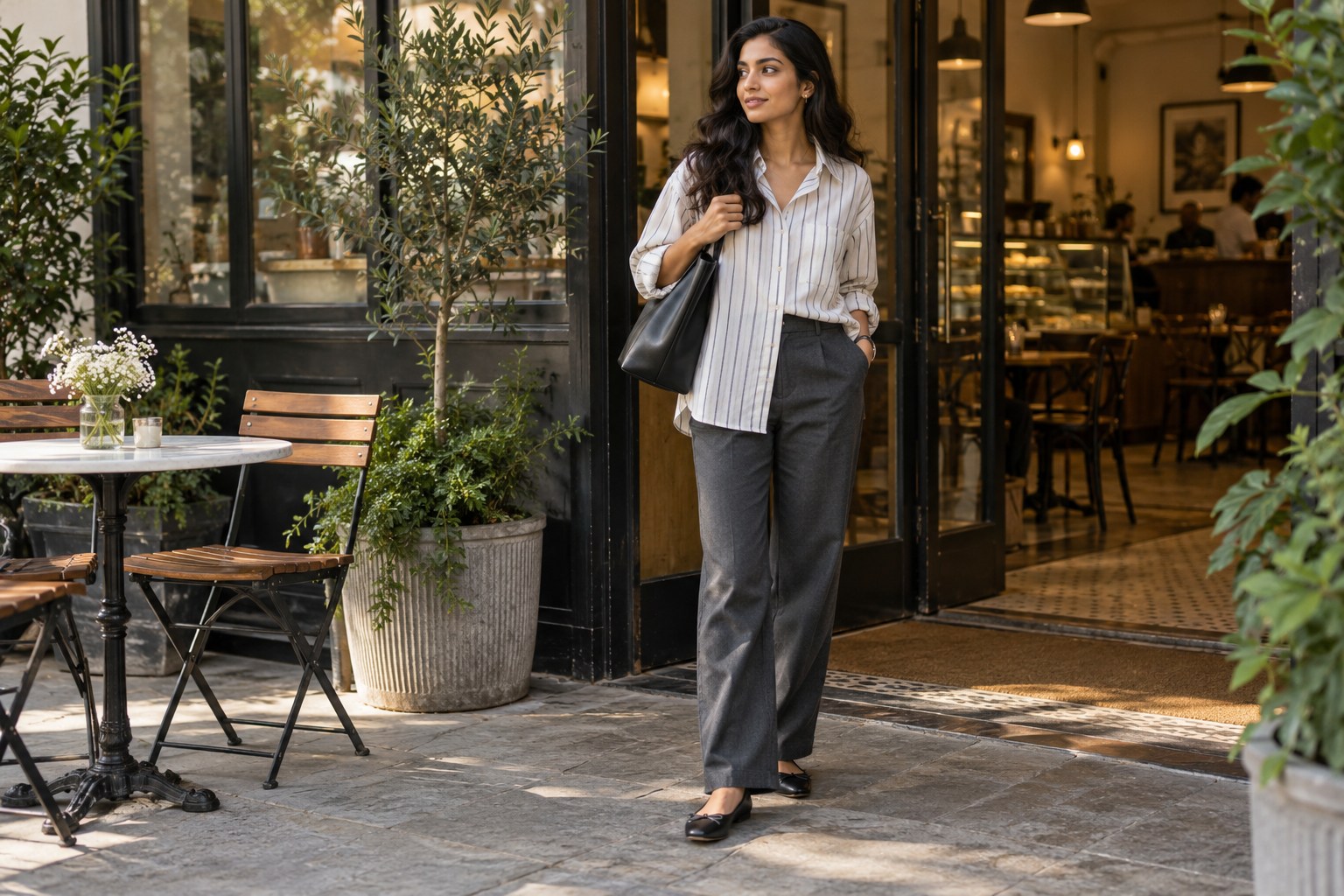
Everyday dressing
Use shoulder placement, sleeve width and the shirt’s hem to make an oversized shape feel intentional.
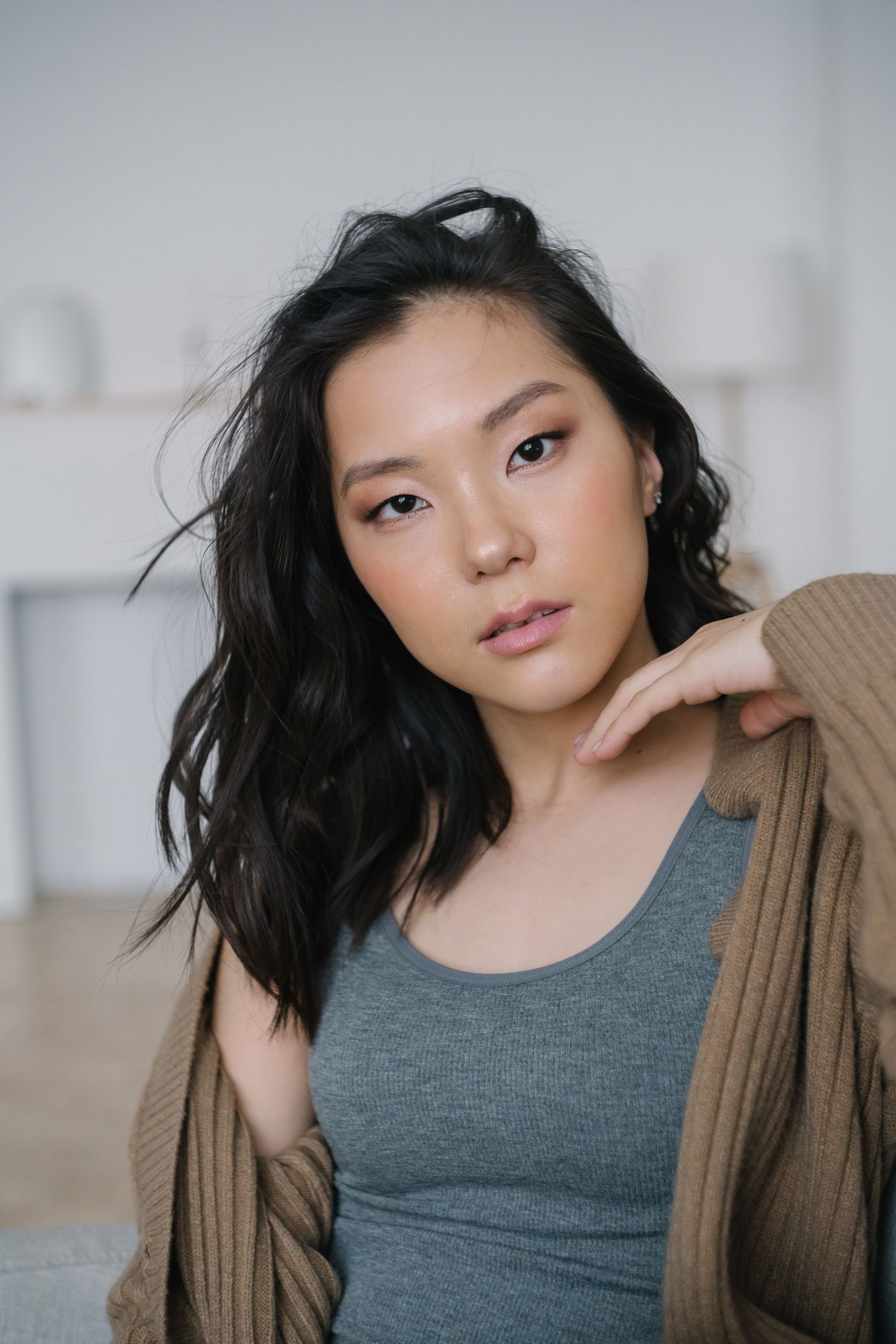
Everyday dressing
Pair the sleeve and neckline of an outer layer with the coverage and movement you want from a sleeveless top.

Everyday dressing
Choose the shoes and top around your weekend plans, then let dark jeans provide the common base.
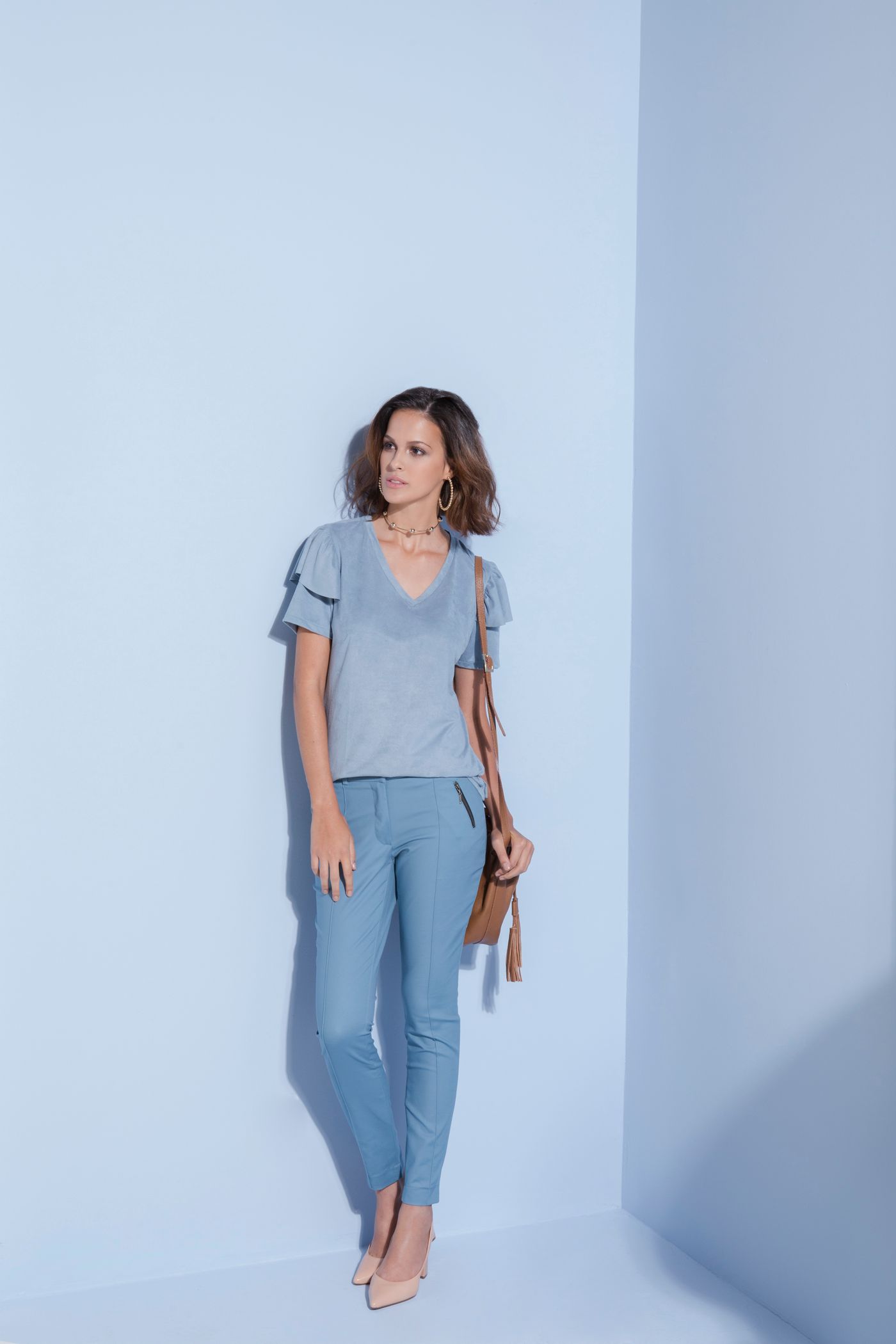
Everyday dressing
Separate two blues through depth, texture or a small neutral detail rather than chasing an exact match.

Everyday dressing
Use the necklace’s resting position to choose a neckline that leaves its shape visible and comfortable.

Everyday dressing
Check the meeting point between trouser hem and shoe instead of using one fixed rule for ankle-length trousers.
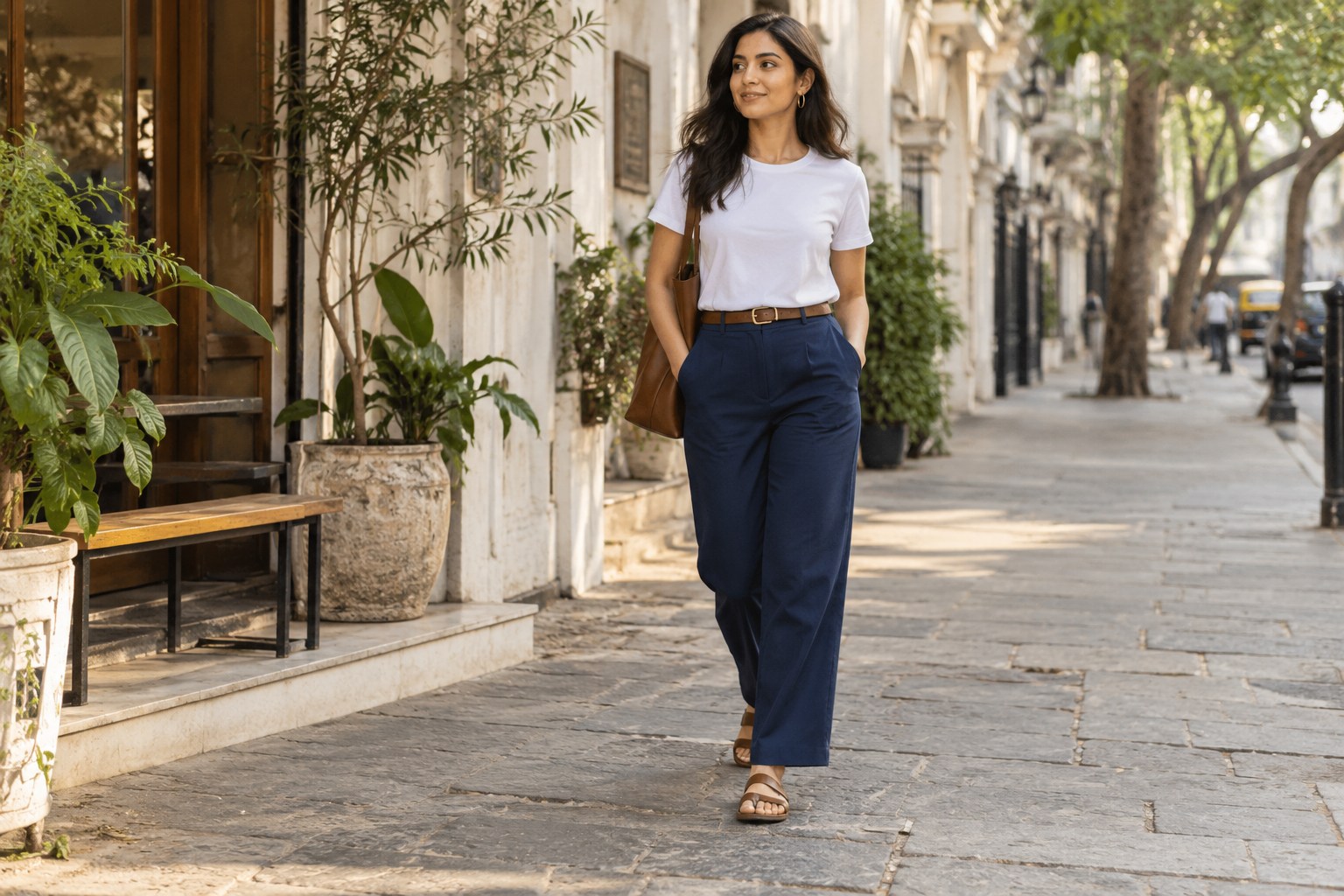
Everyday dressing
Make small, visible choices in fit, finishing and accessories while keeping the ease of a T-shirt.
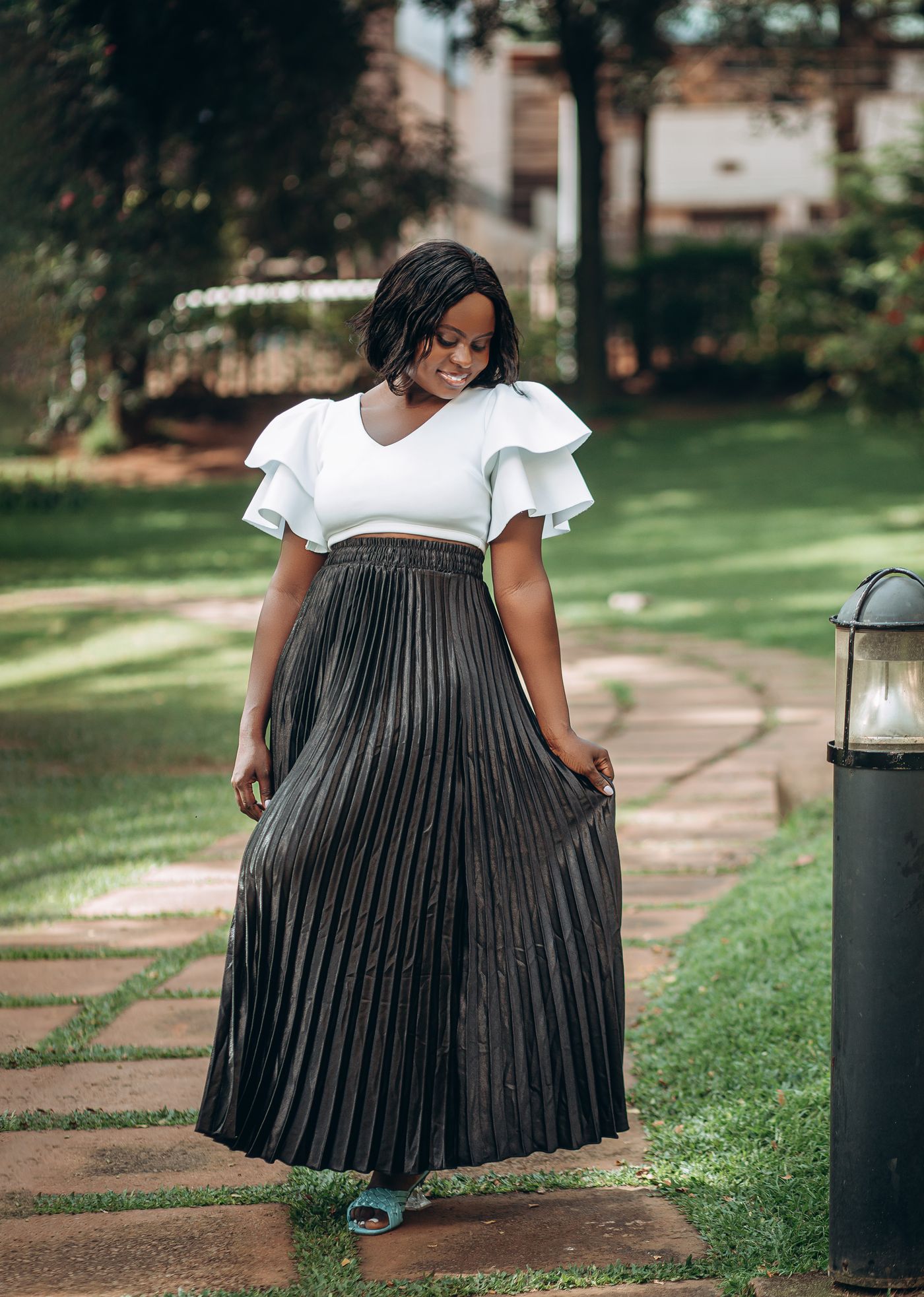
Everyday dressing
Check the skirt’s stride, waistband and clearance with the shoes and bag you will carry all day.
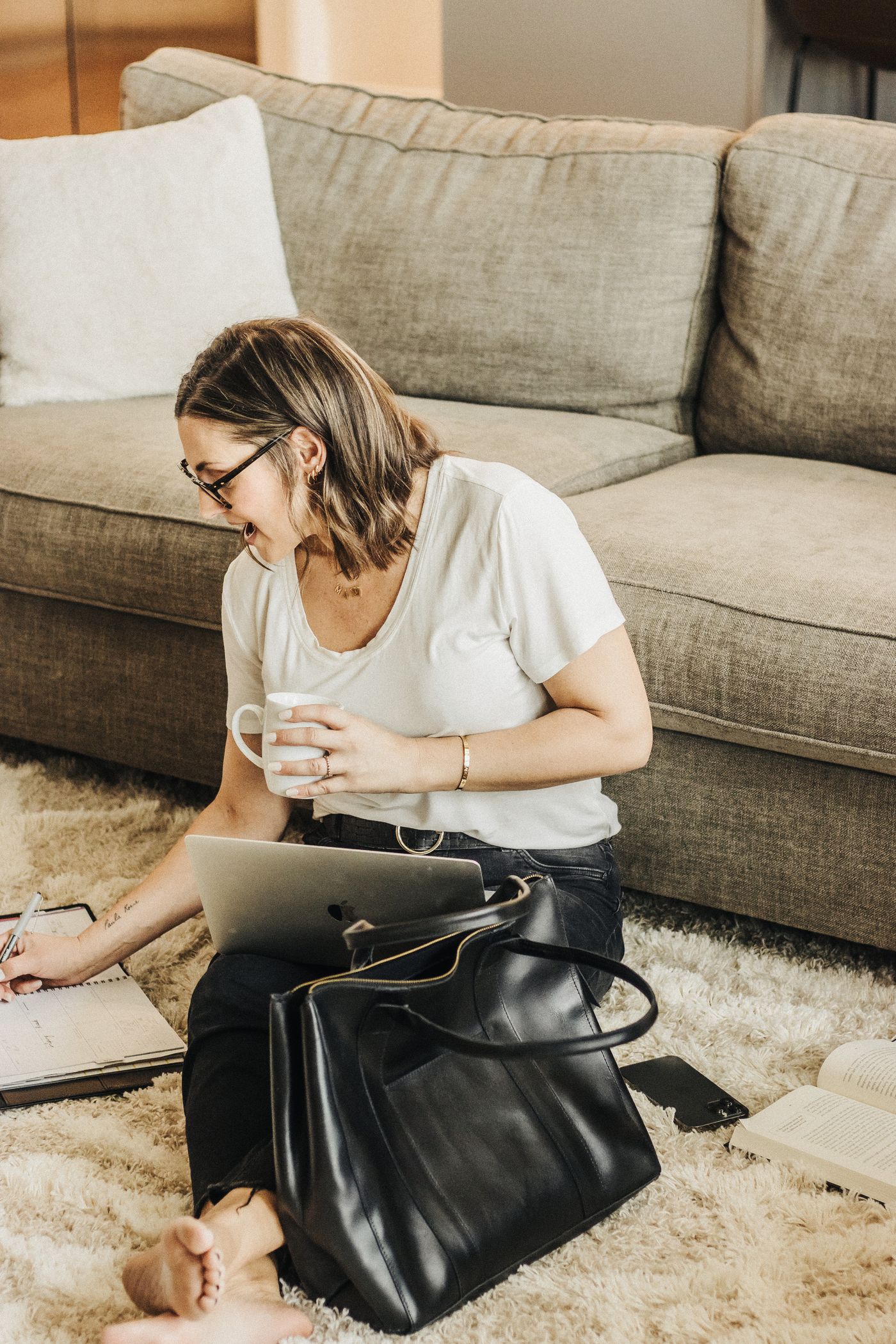
Everyday dressing
Choose the bag’s capacity and carrying position first, then use colour and structure to connect it with your clothes.
Everyday dressing
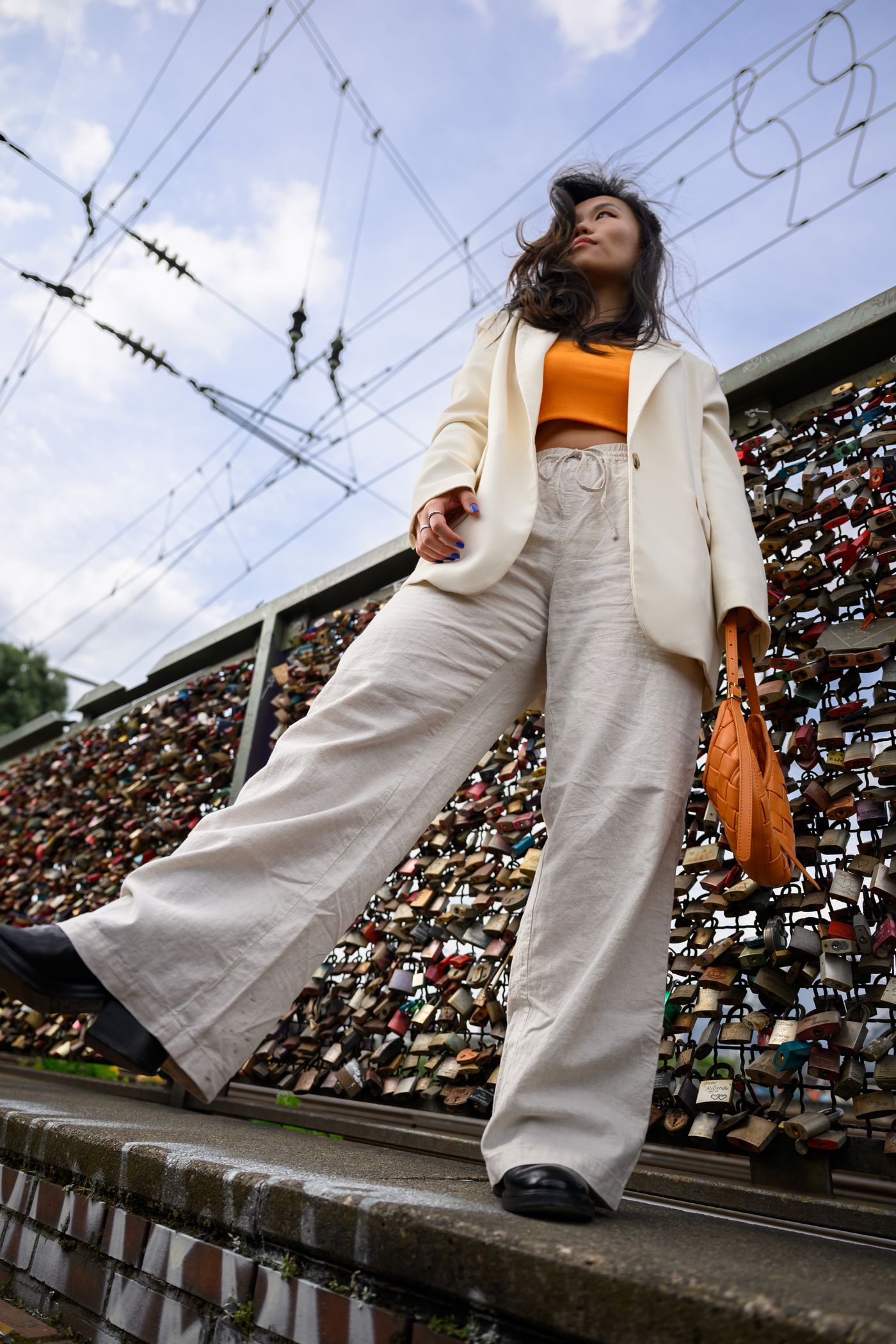
Build a weekday palette from clothes you wear repeatedly, then test it against laundry, weather and actual outfit gaps.
Everyday dressing
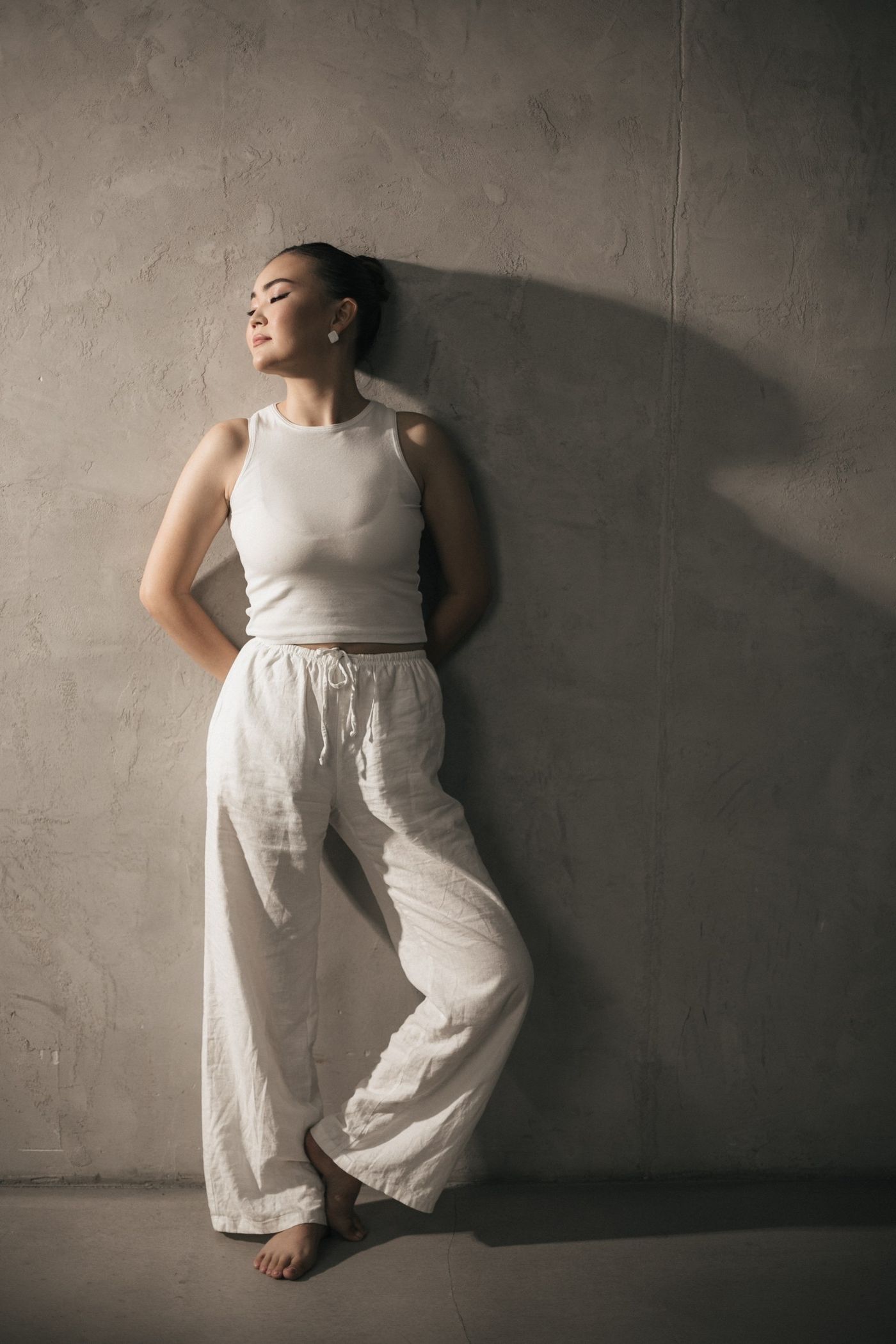
Treat linen’s visible creases as part of the outfit while checking fit, opacity and the care label separately.

Everyday dressing
Use the jacket’s lower edge as a deliberate break, then check how the longer layer falls underneath it.
Everyday dressing
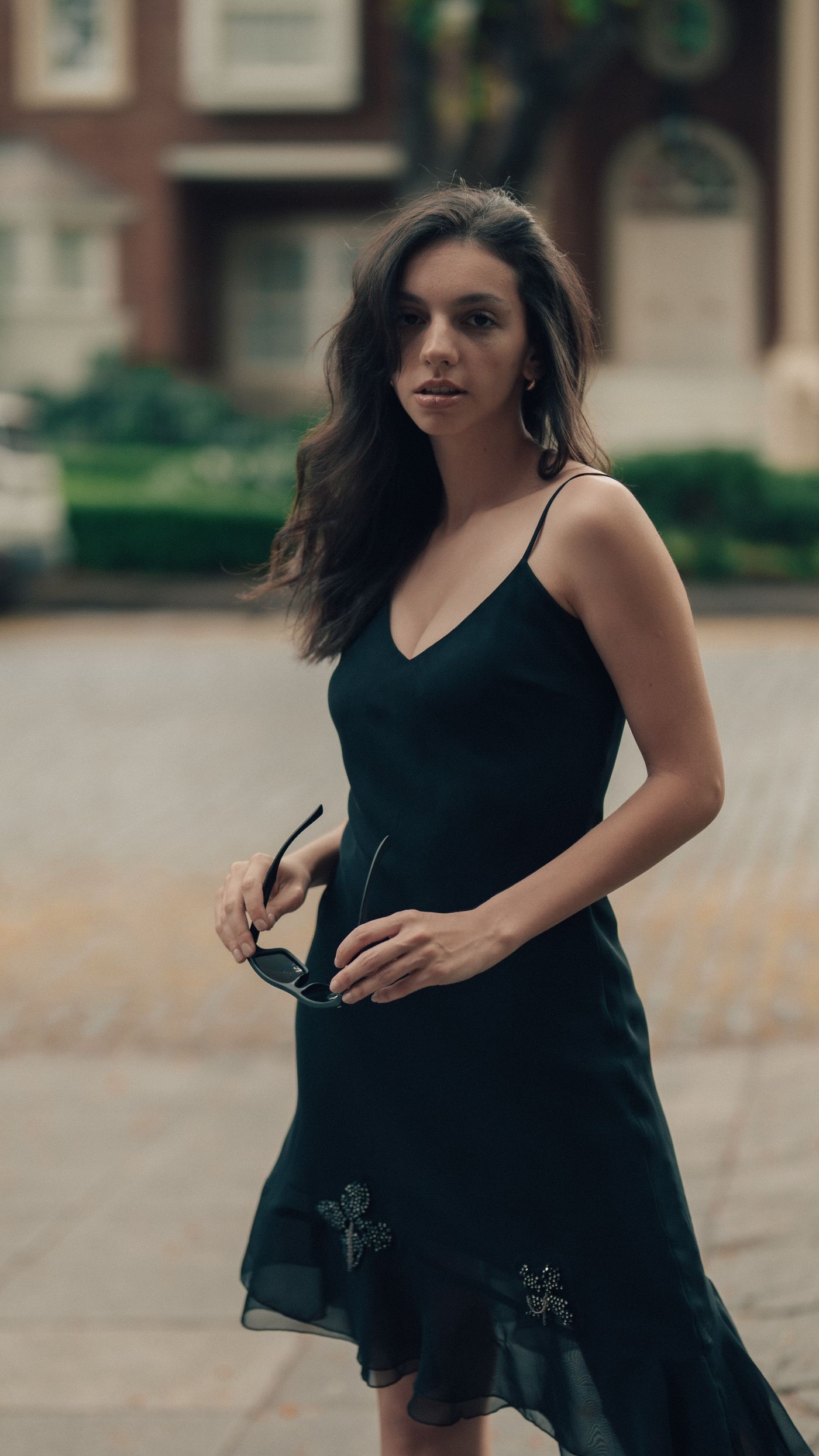
Change a black dress’s daytime character through footwear, texture and the amount of shine you add.

Everyday dressing
Plan for desk time, shared rooms and the journey between them rather than copying a formal office uniform.
Everyday dressing
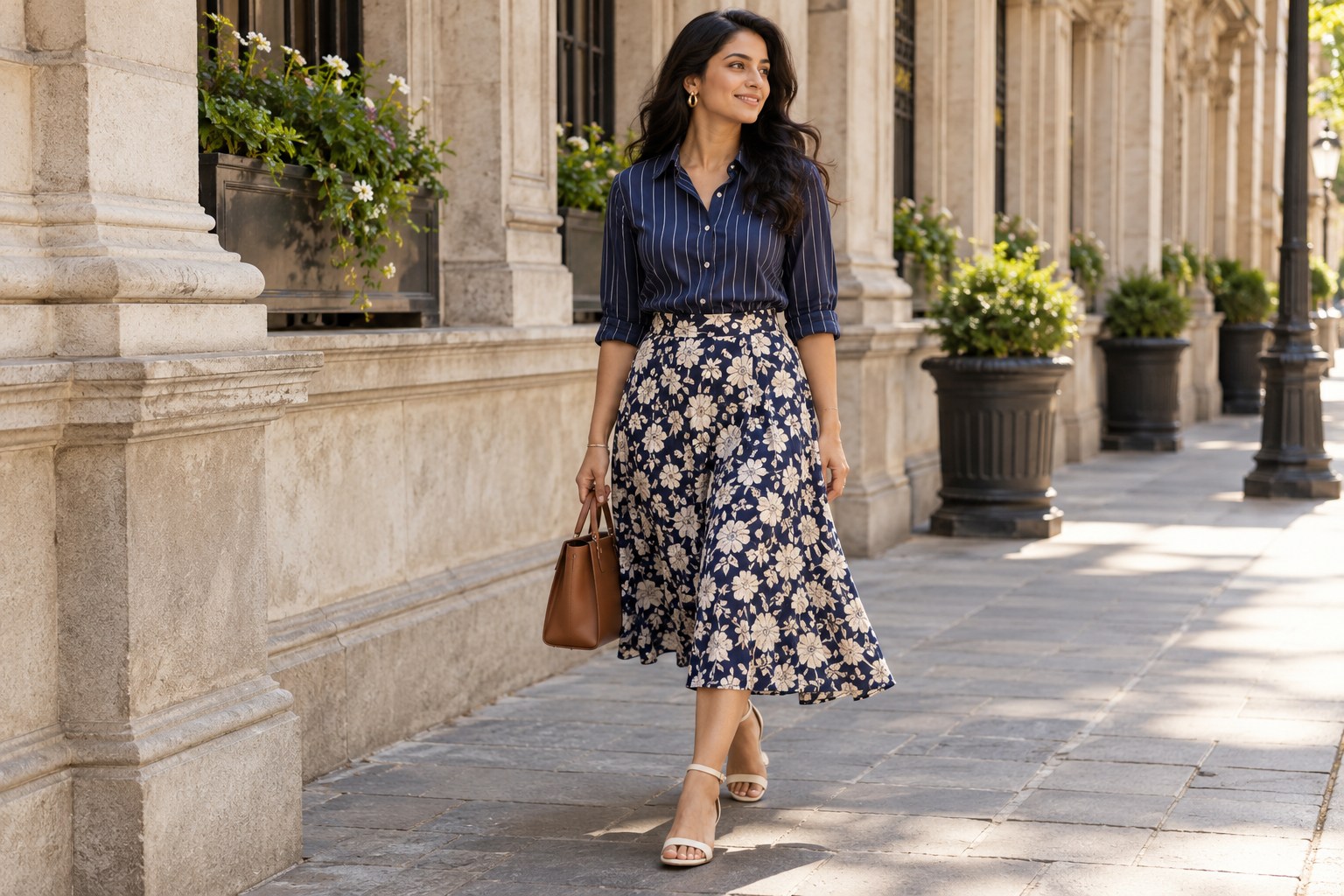
Connect stripes and florals through one shared colour while letting their scale or placement differ.
Everyday dressing
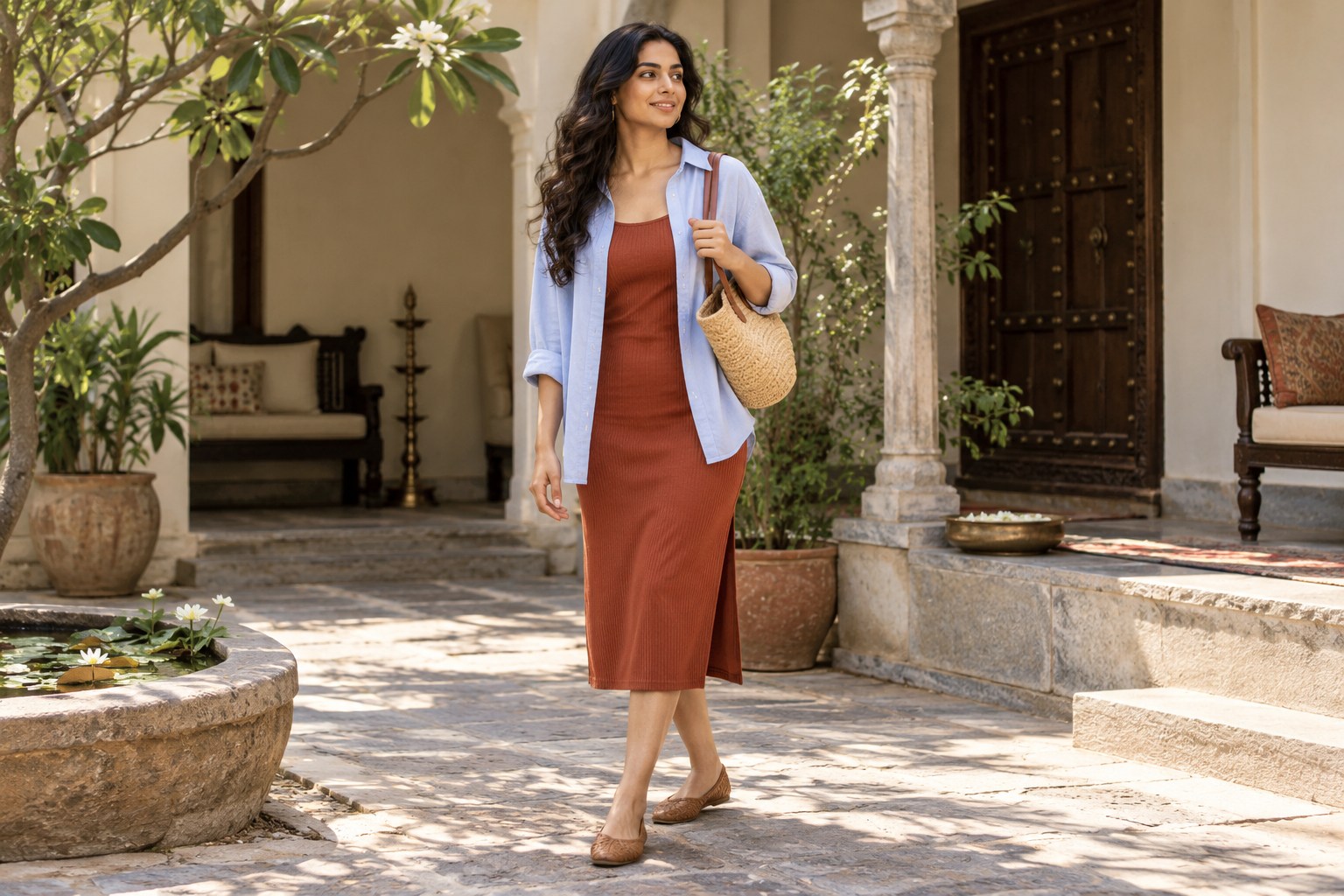
Choose an open, tied or partly buttoned shirt according to how the dress moves underneath it.
Everyday dressing
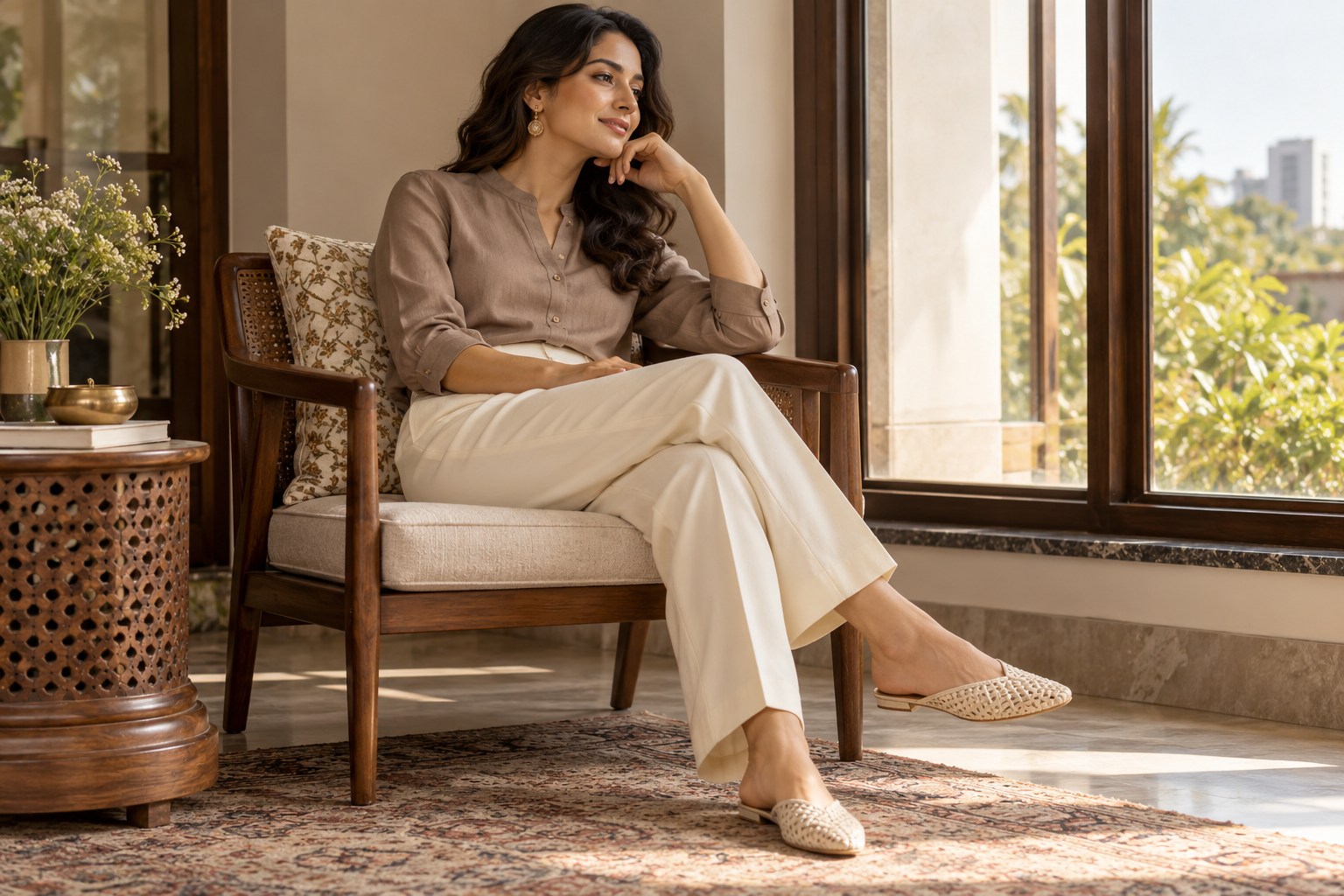
Check opacity, pocket outlines and the waistband before deciding which top belongs with pale trousers.
Everyday dressing
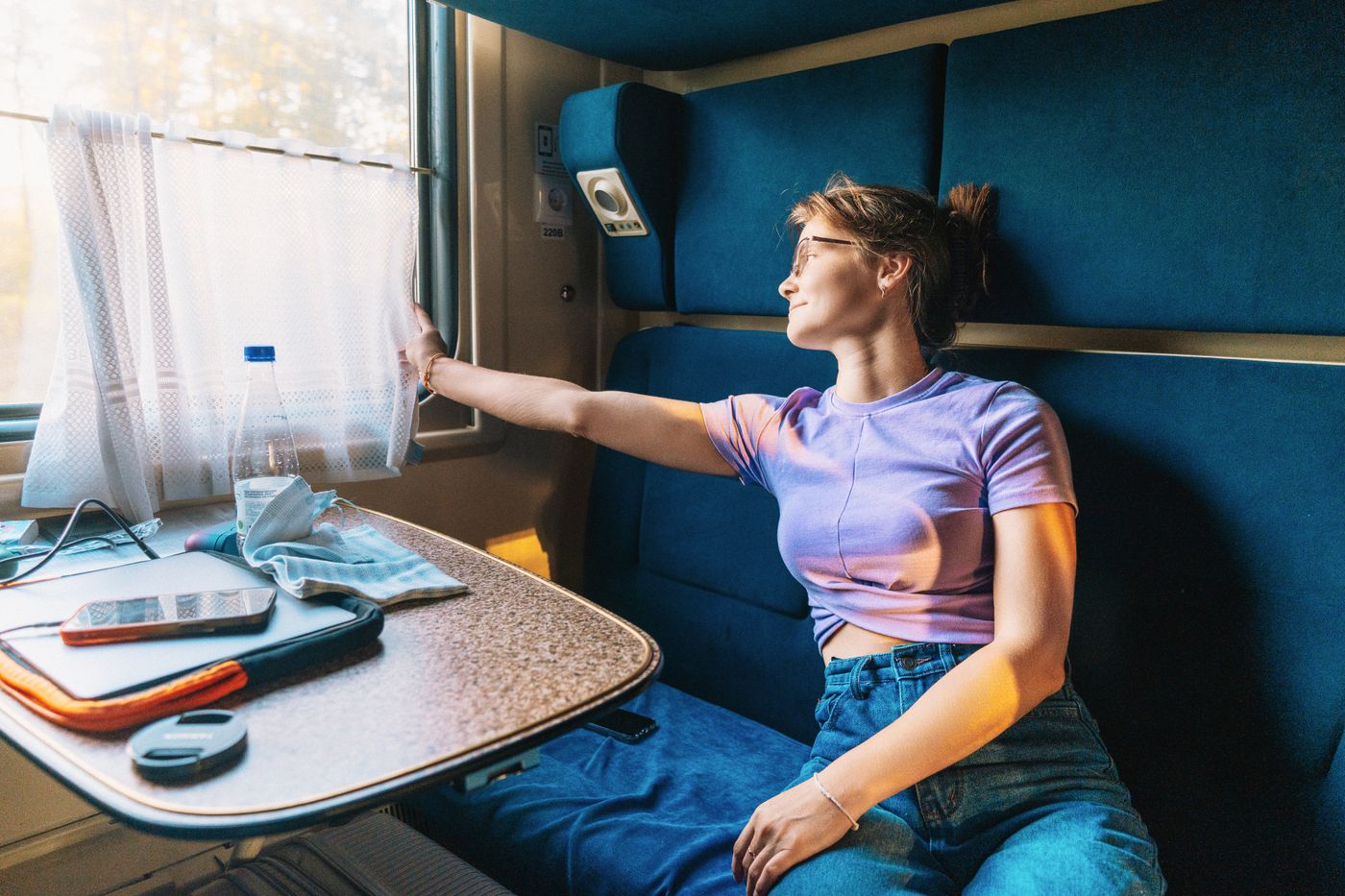
Choose a train outfit around seated comfort, changing temperatures and access to the things you will need.
Everyday dressing
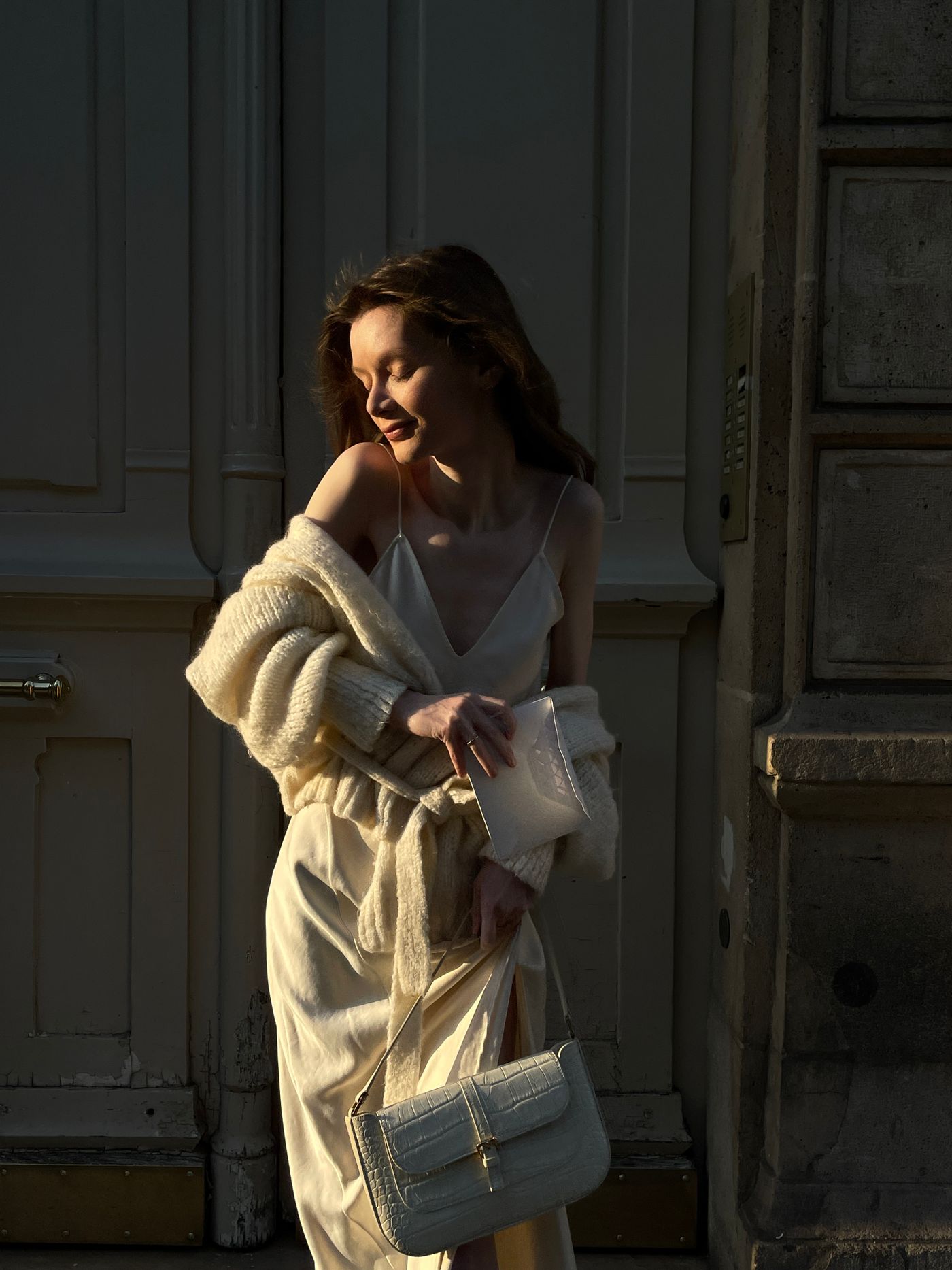
Keep the base outfit comfortable for work and make the evening change small enough to carry.

Everyday dressing
Pair a denim shirt with a different lower-half texture and decide whether it acts as a shirt or an outer layer.

Everyday dressing
Change a loose dress’s outline with a belt only where the fabric can gather comfortably.

Everyday dressing
Choose the scarf’s job and folding method before adding it to an already layered neckline.
Everyday dressing
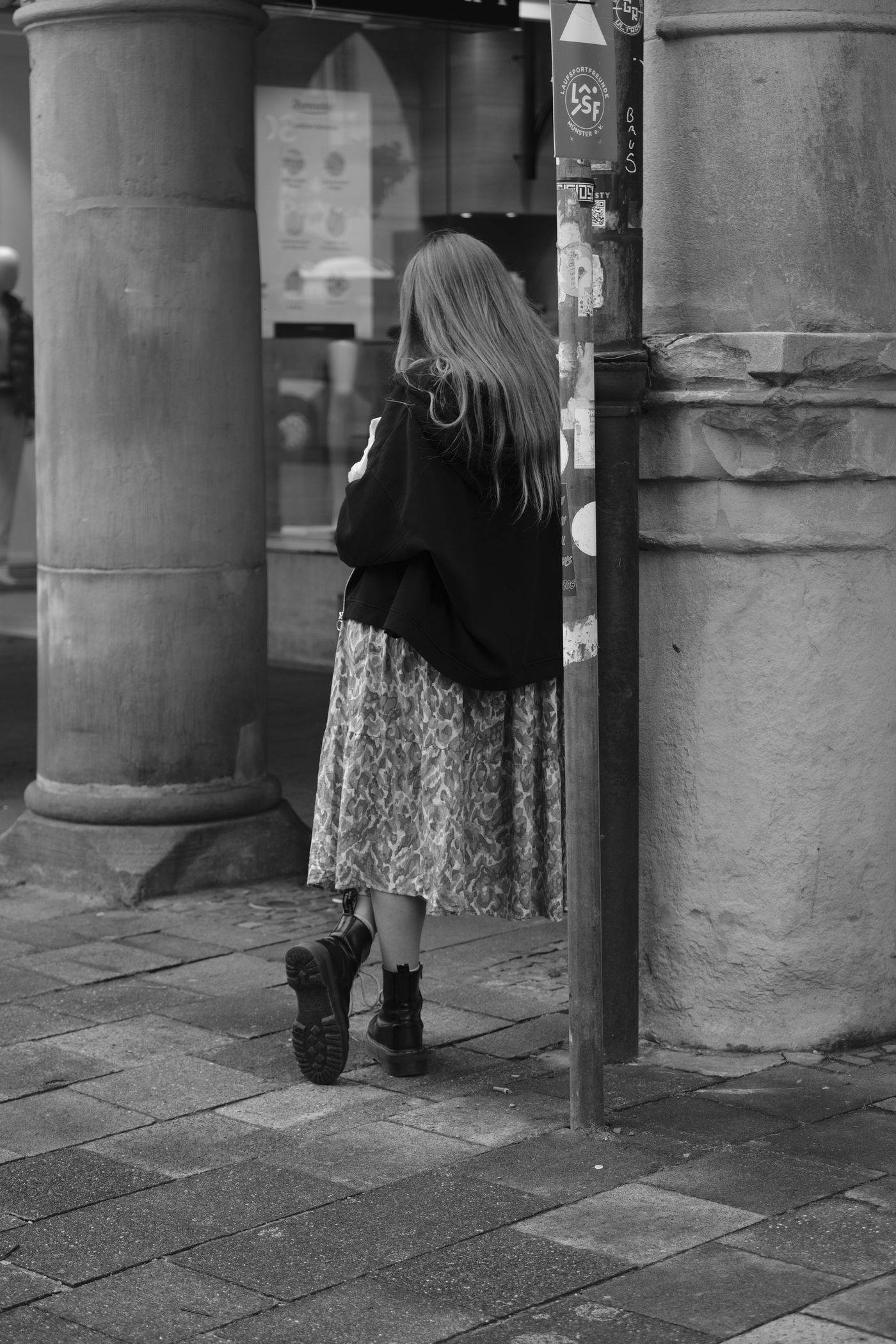
Compare cardigan hems against the skirt’s fullness and waistband rather than choosing by skirt length alone.

Everyday dressing
Use rust and cream in unequal amounts, then choose texture and accessories to set the mood.
Everyday dressing
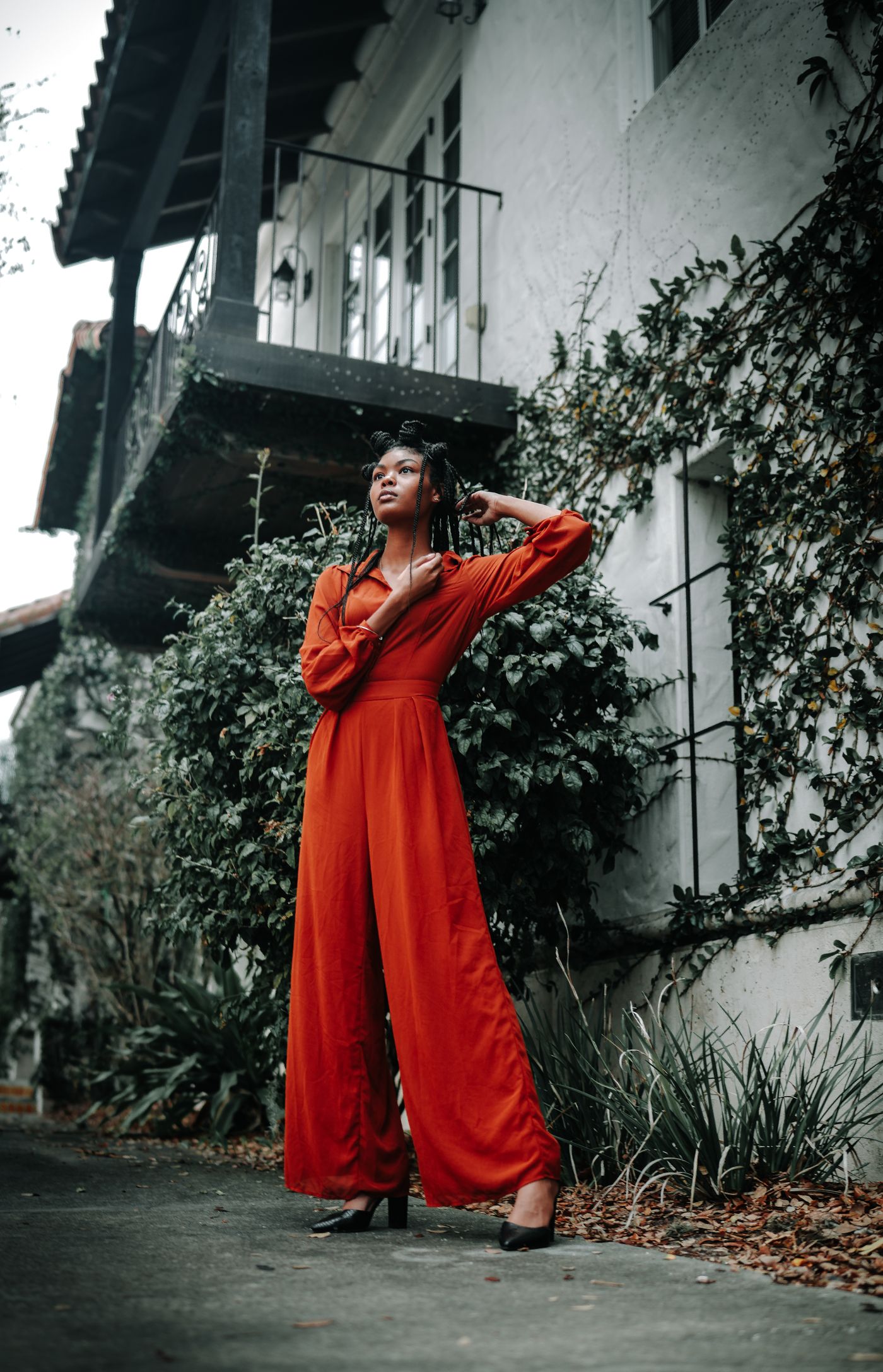
Test a jumpsuit’s torso length, closures and bathroom practicality before styling it for a busy day.
Everyday dressing
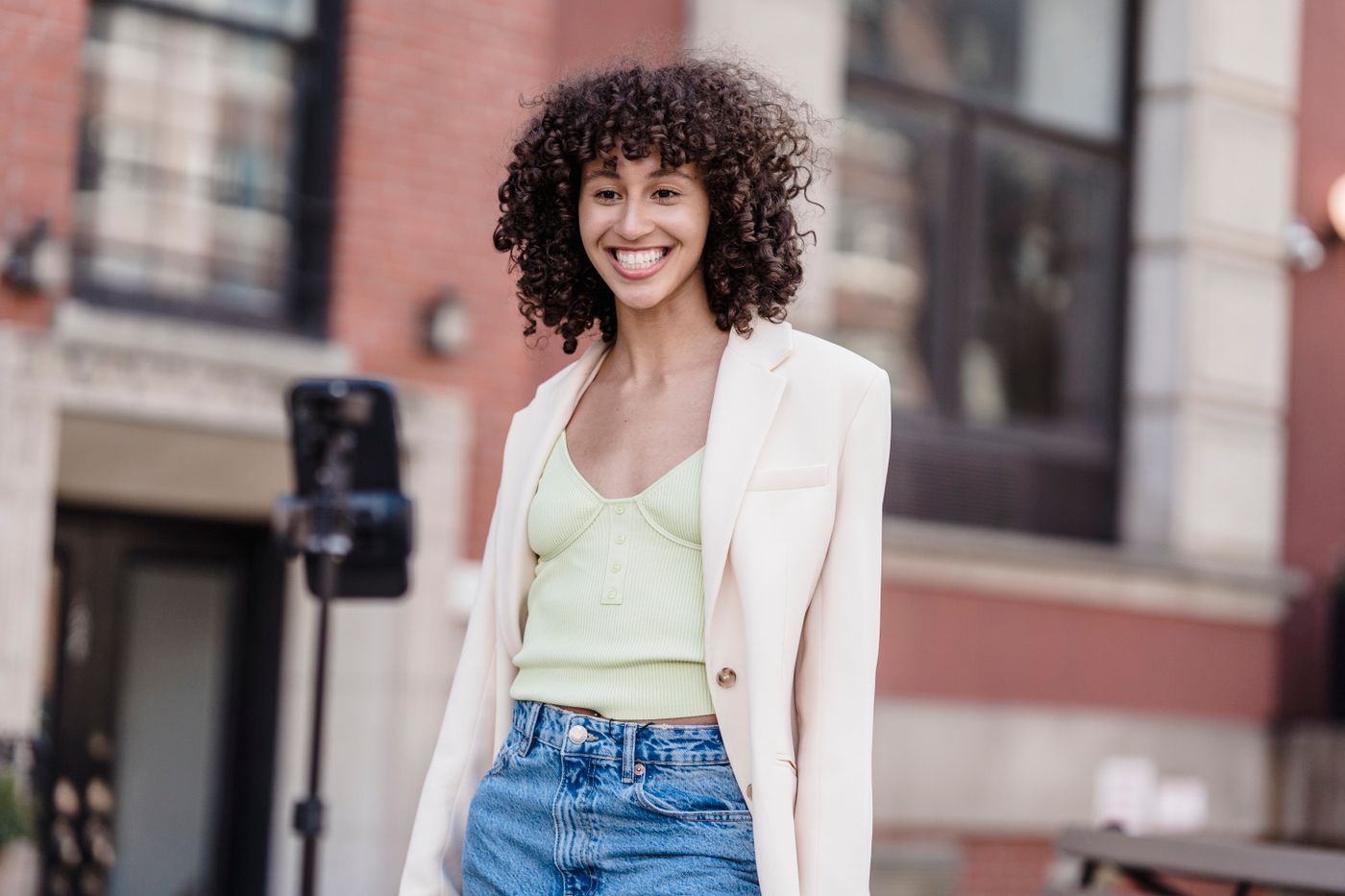
Check sleeves, neckline and fabric bulk beneath the blazer before deciding whether the top works.
Everyday dressing
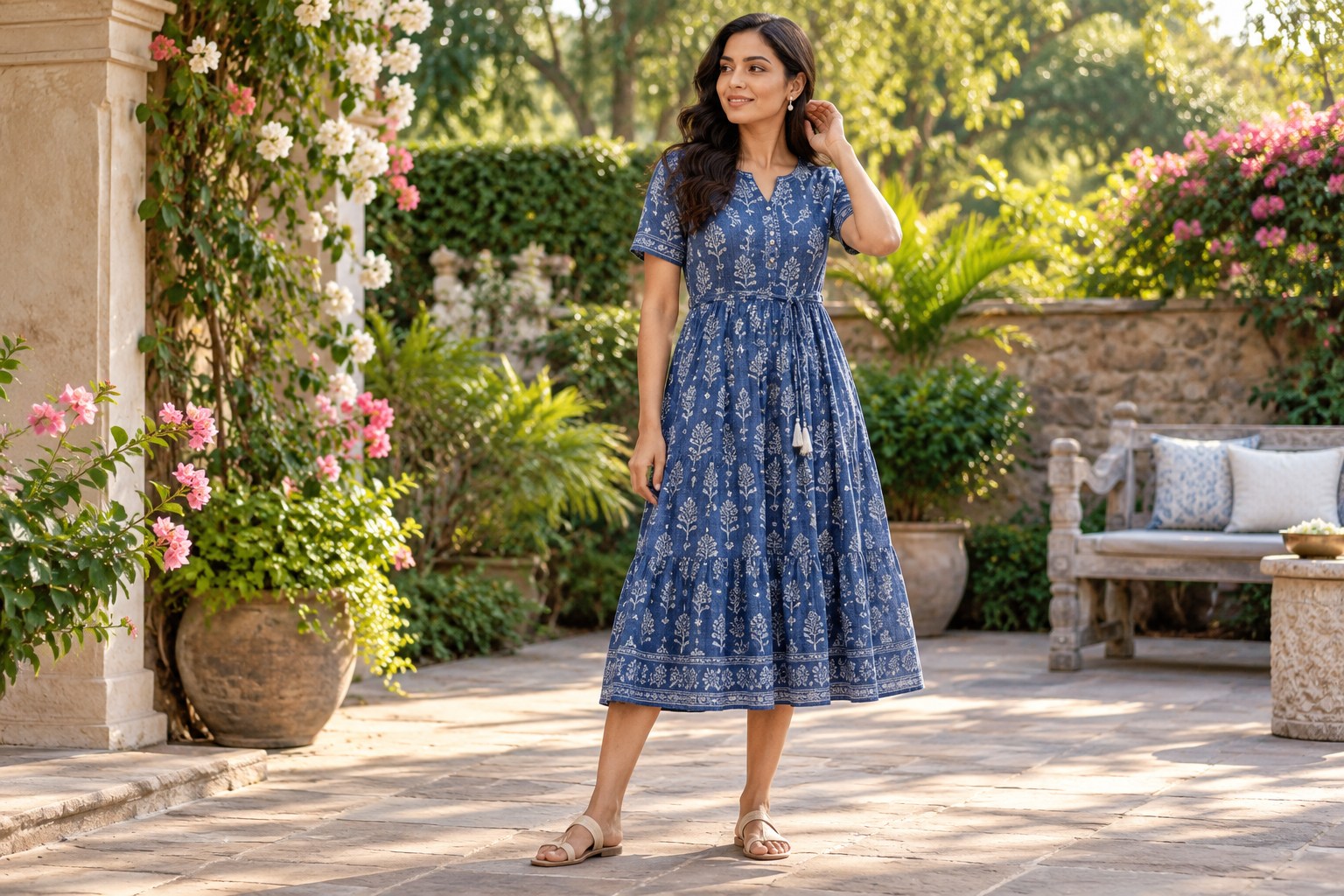
Let the dress’s sleeves and shape provide the detail, then add only the accessories the day needs.
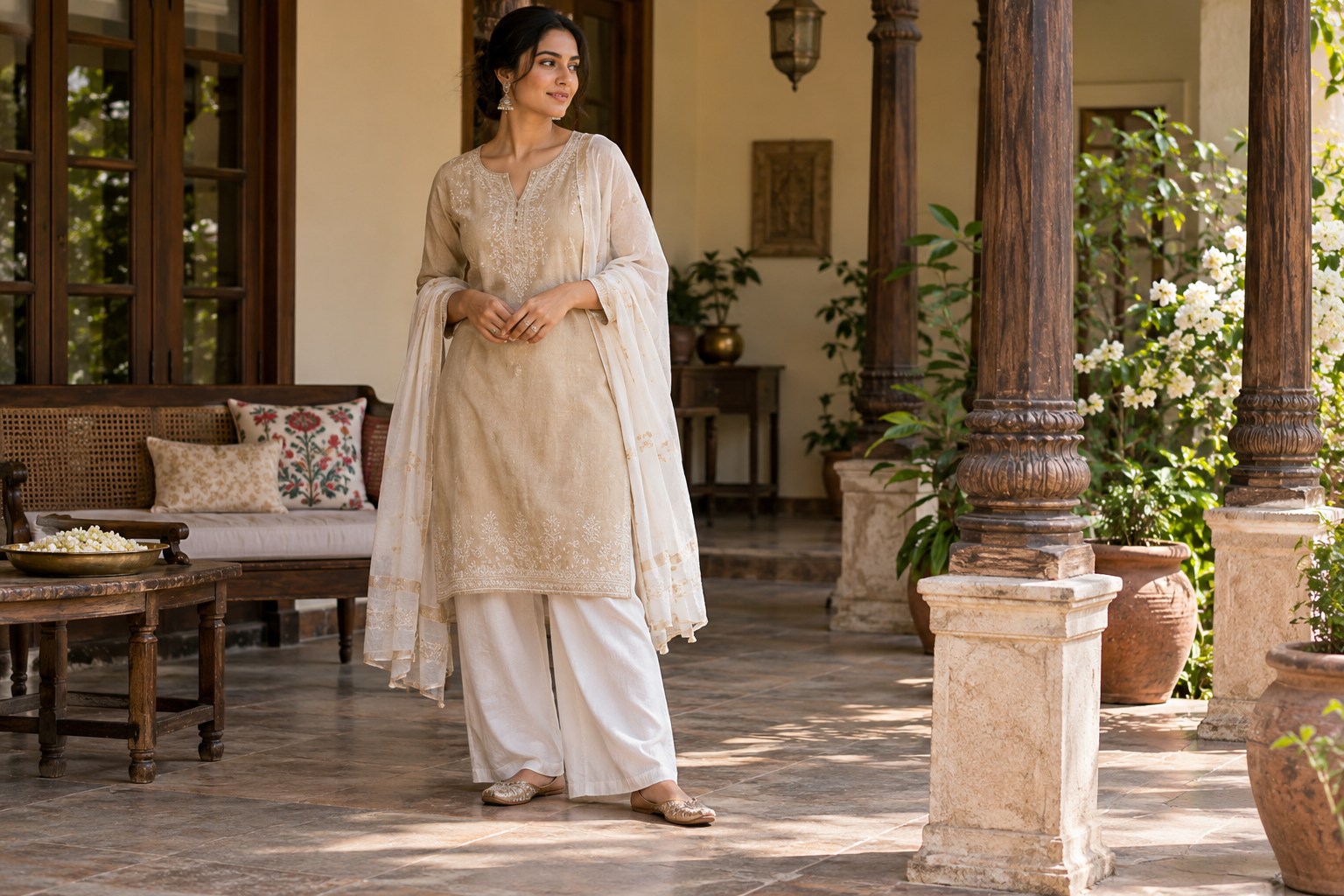
Everyday dressing
Define your preferred coverage first, then reduce unnecessary overlaps without treating modest dressing as one fixed formula.
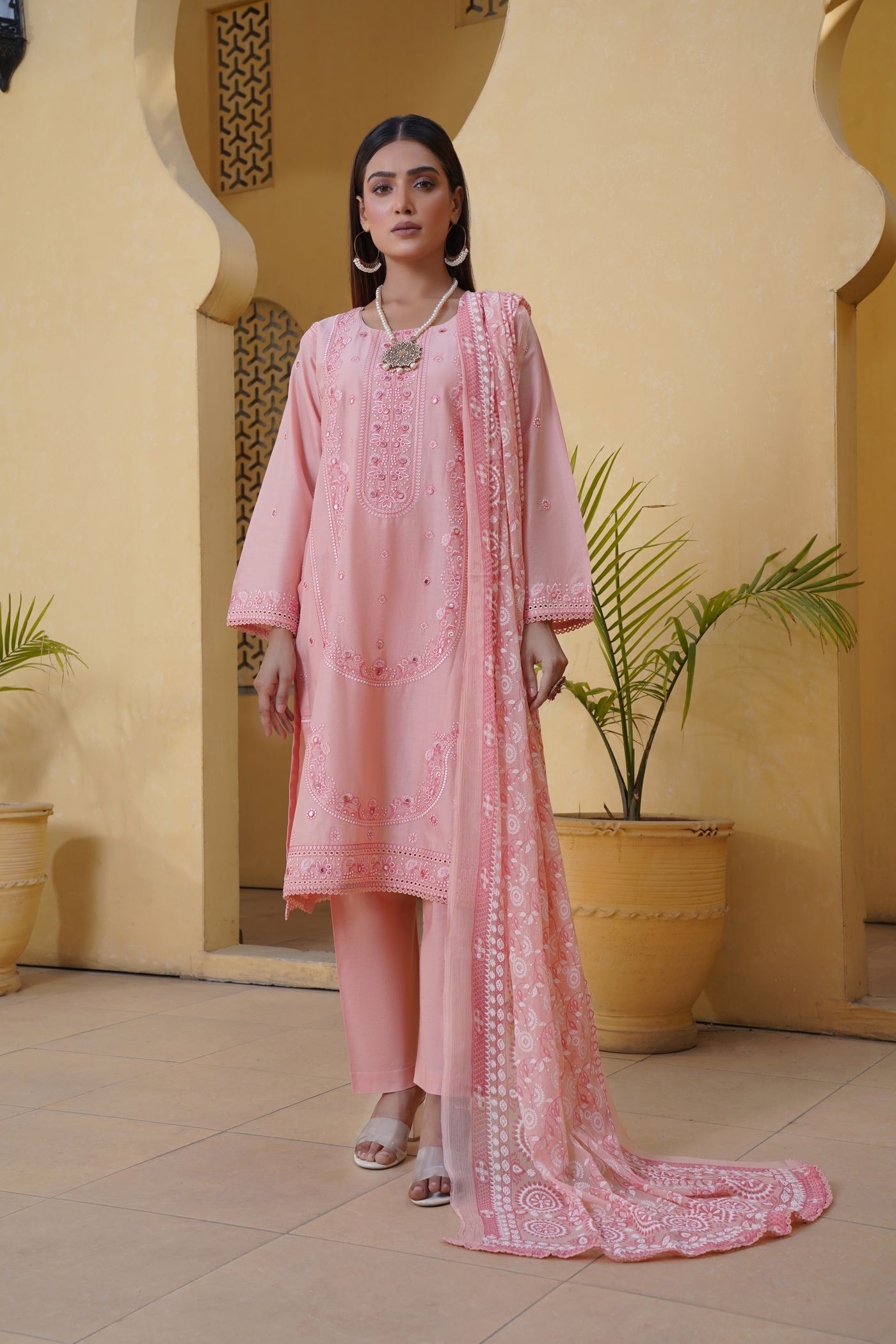
Everyday dressing
Check the space between tunic hem, trouser opening and shoe when combining two shorter or longer proportions.
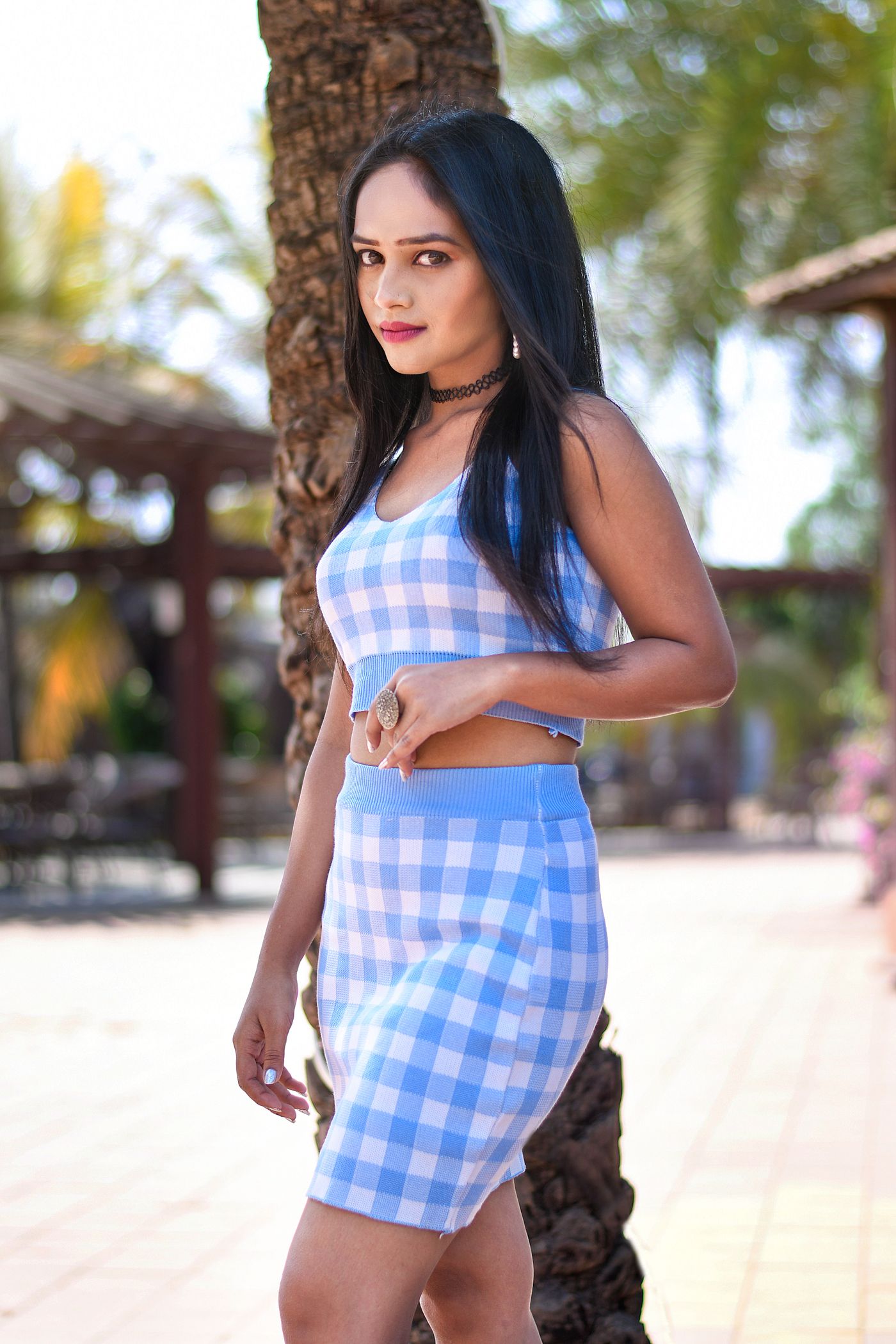
Everyday dressing
Separate the top and bottom of a matching set into complete outfits using pieces already in your wardrobe.

Everyday dressing
Use the role, venue and stated expectations to choose an interview outfit that lets you concentrate on the conversation.
No articles match those choices. Try a different word or clear the filters.