Indian wear
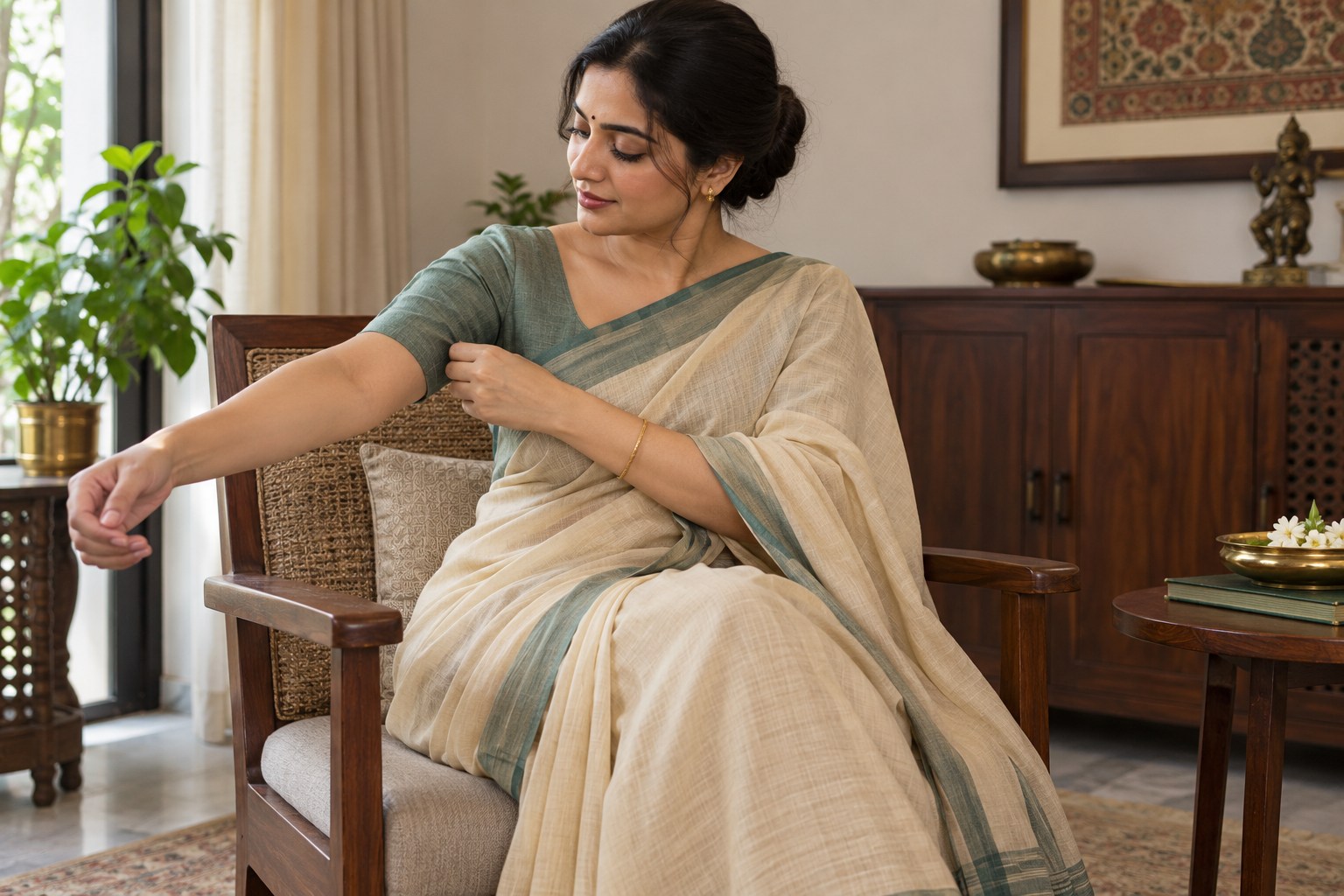
Check blouse fit while sitting and reaching
Use a seated movement check to identify blouse tension before deciding what adjustment to request.
Kurtas, sarees and dupattas: finding a balance of fabric, shape and detail.
Use a seated movement check to identify blouse tension before deciding what adjustment to request.
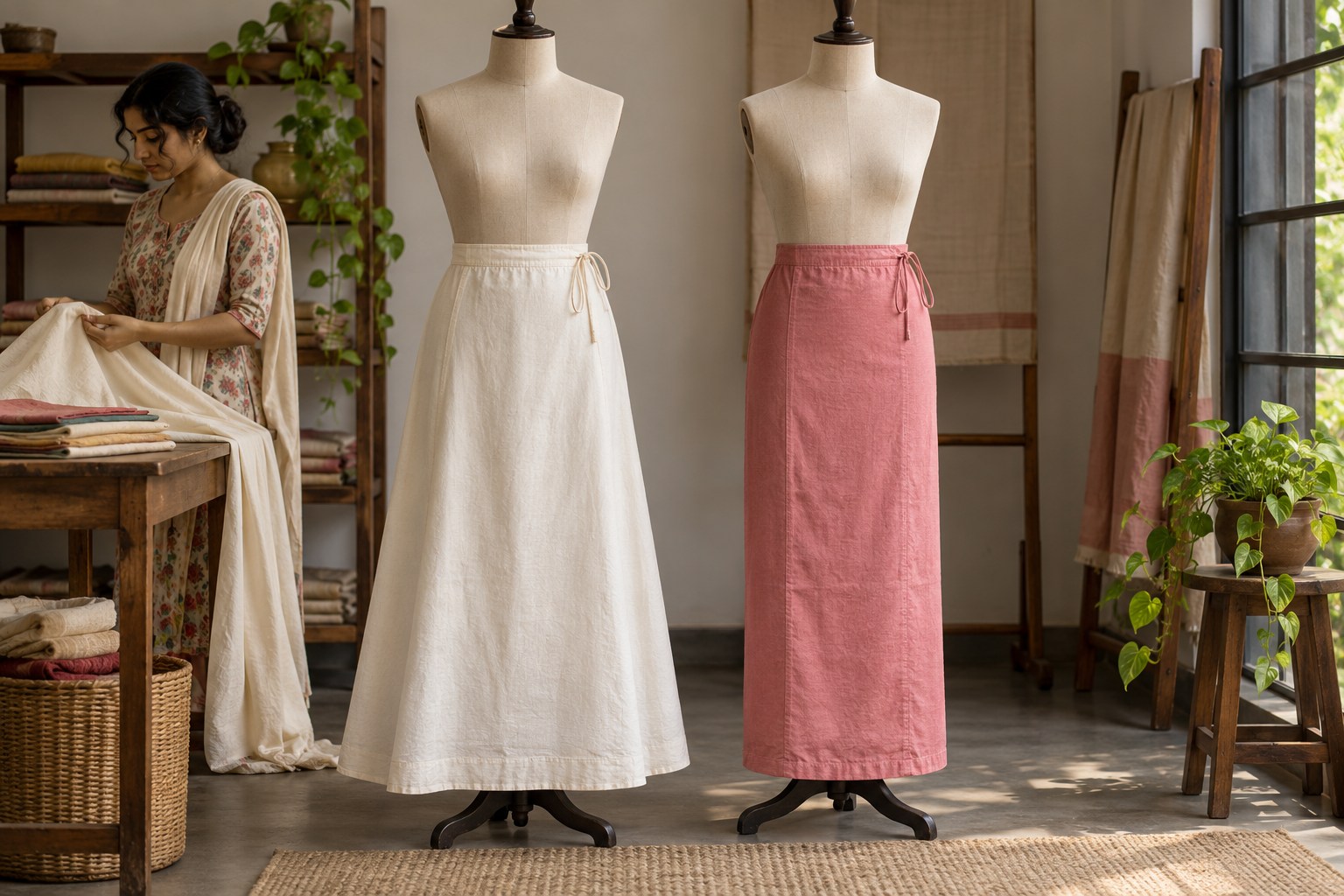
Choose the saree underlayer around the drape, movement and fastening you want, rather than one supposedly universal shape.
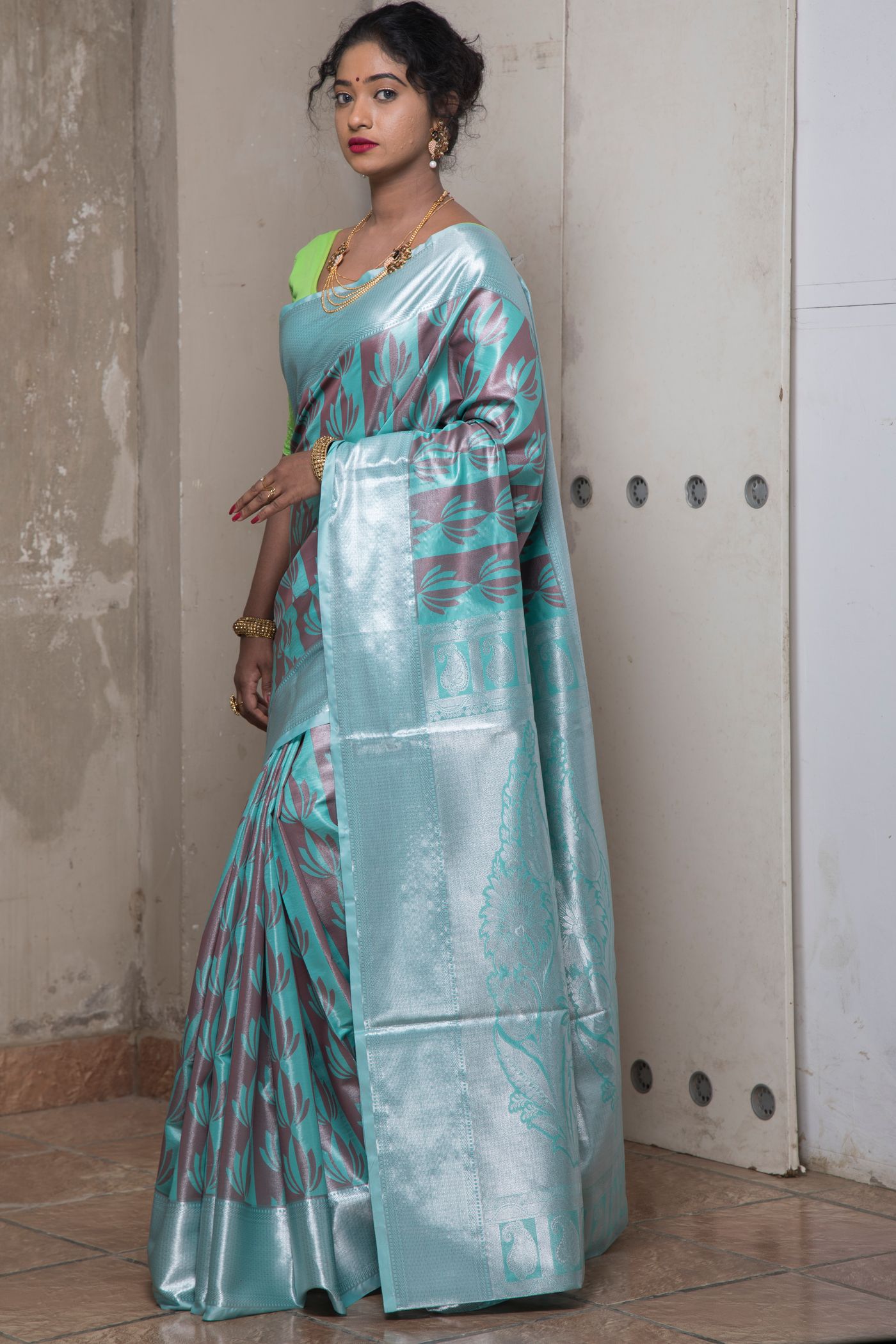
Distinguish a glossy surface from fibre content, then decide how much additional shine the outfit needs.
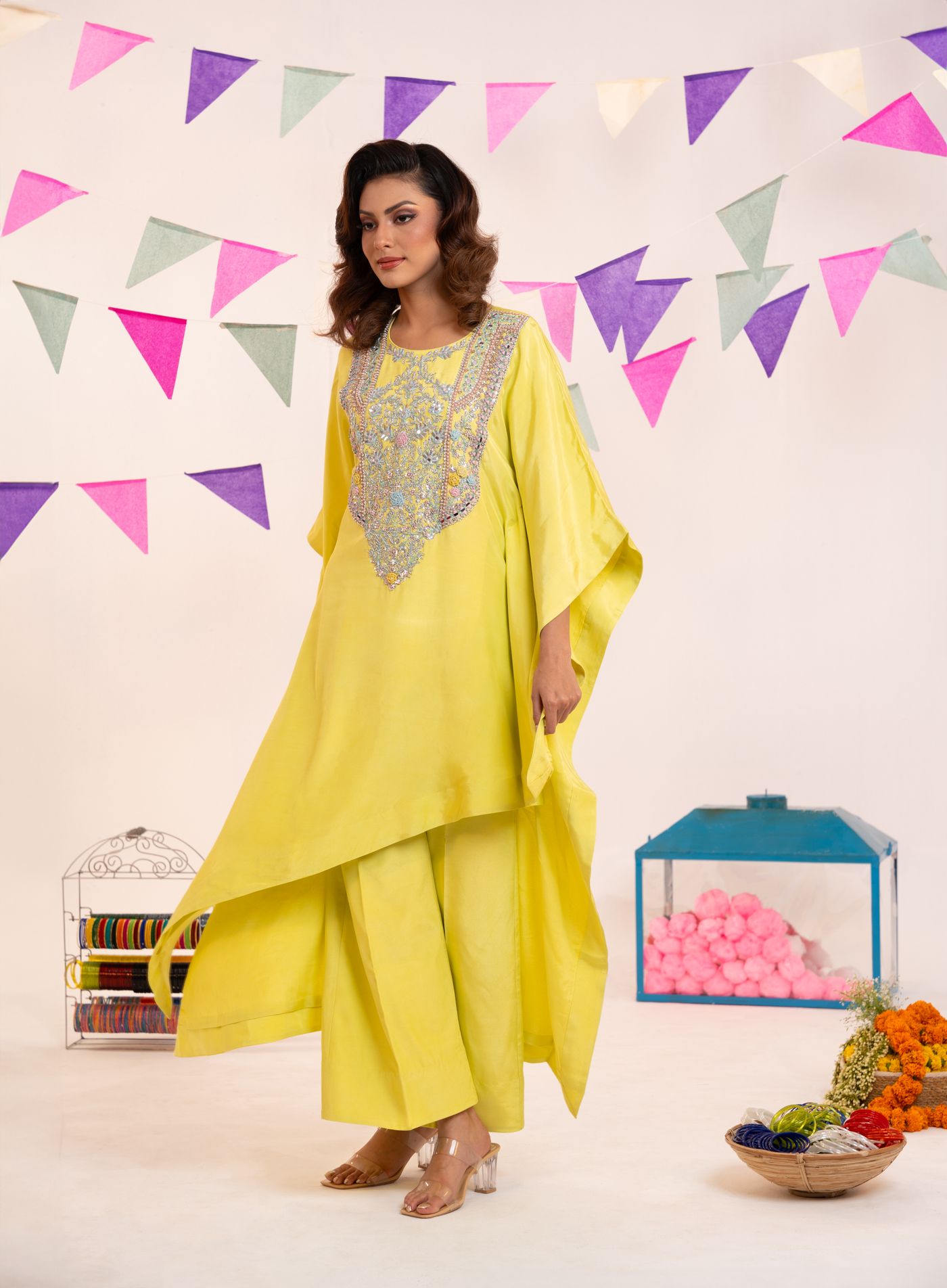
Compare kurta hem, side openings and palazzo fullness as a complete moving silhouette.
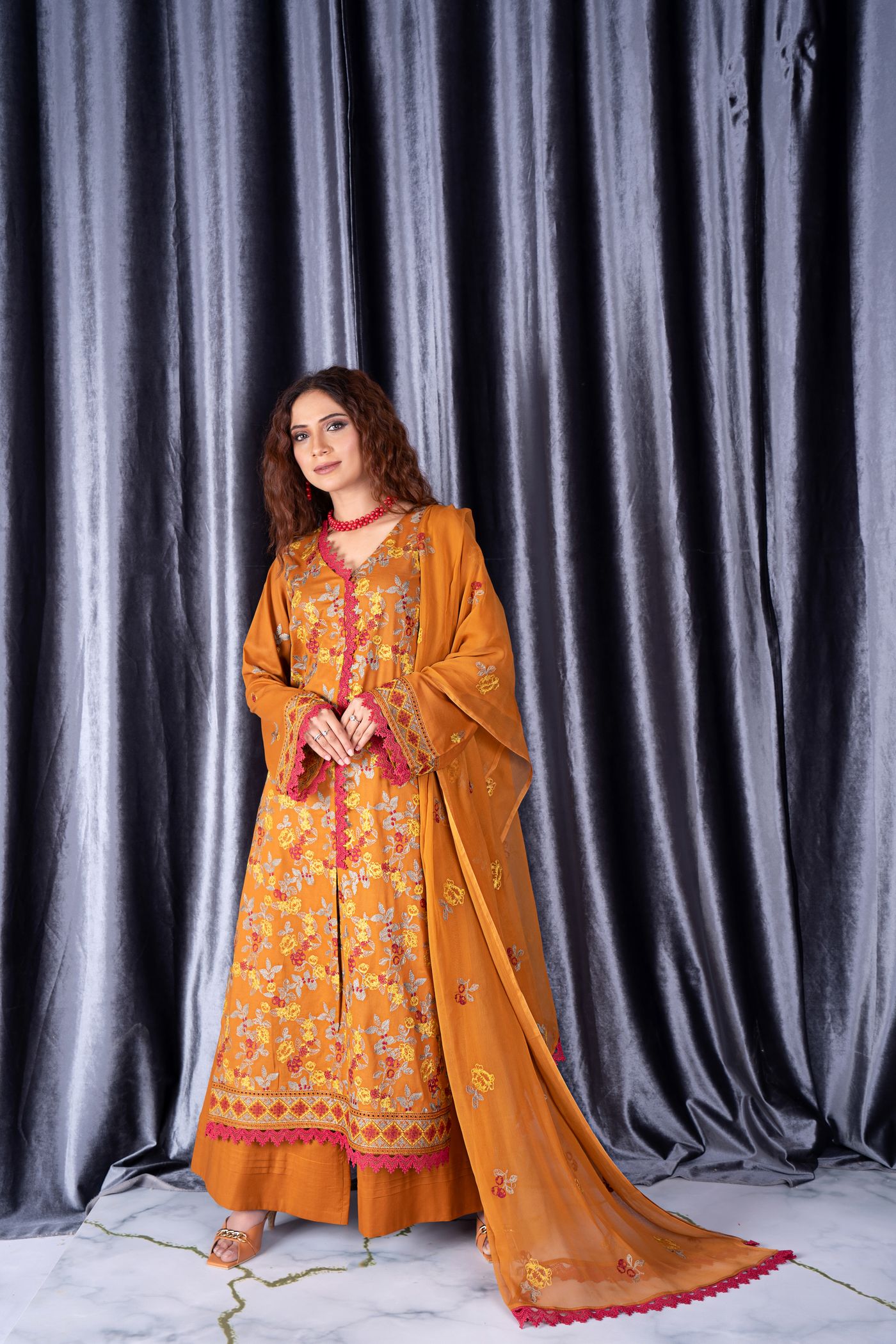
Give embroidery enough space to be seen, while checking the places where jewellery, straps and cuffs might catch it.
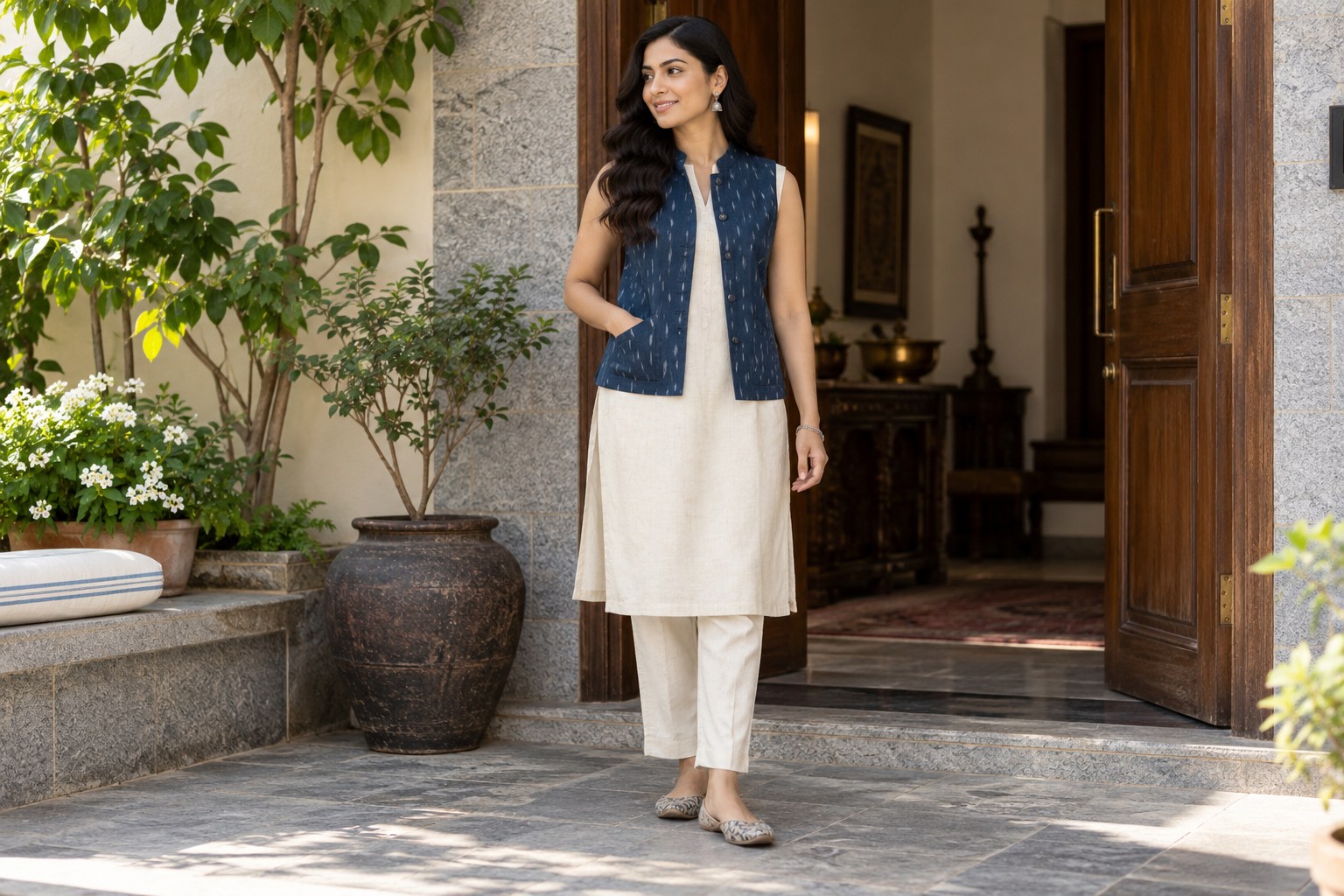
A waistcoat can change a kurta's outline; its armholes, closure and hem need to work with the layer underneath.
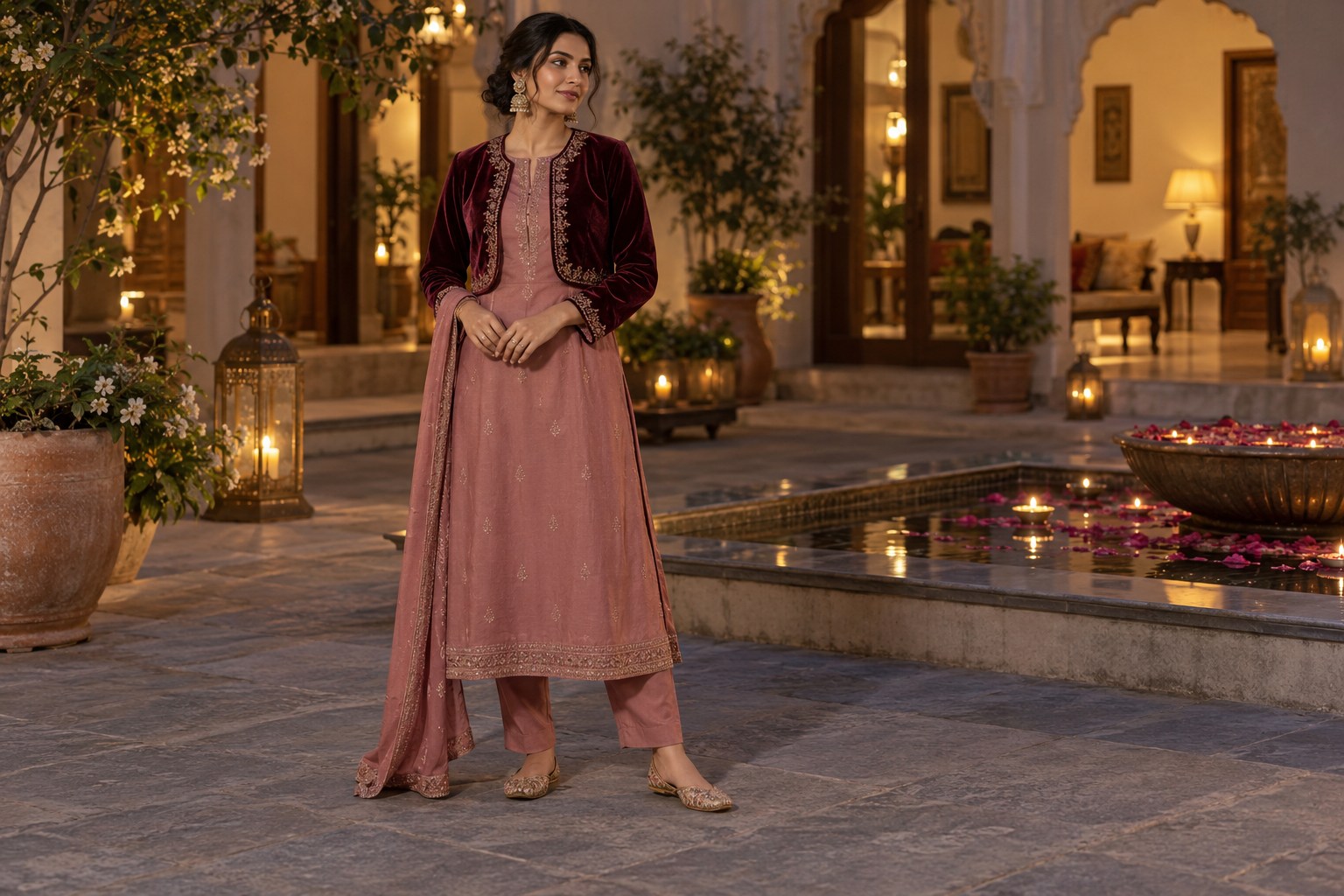
Choose an evening jacket by its sleeve space, hem and closure rather than colour alone.
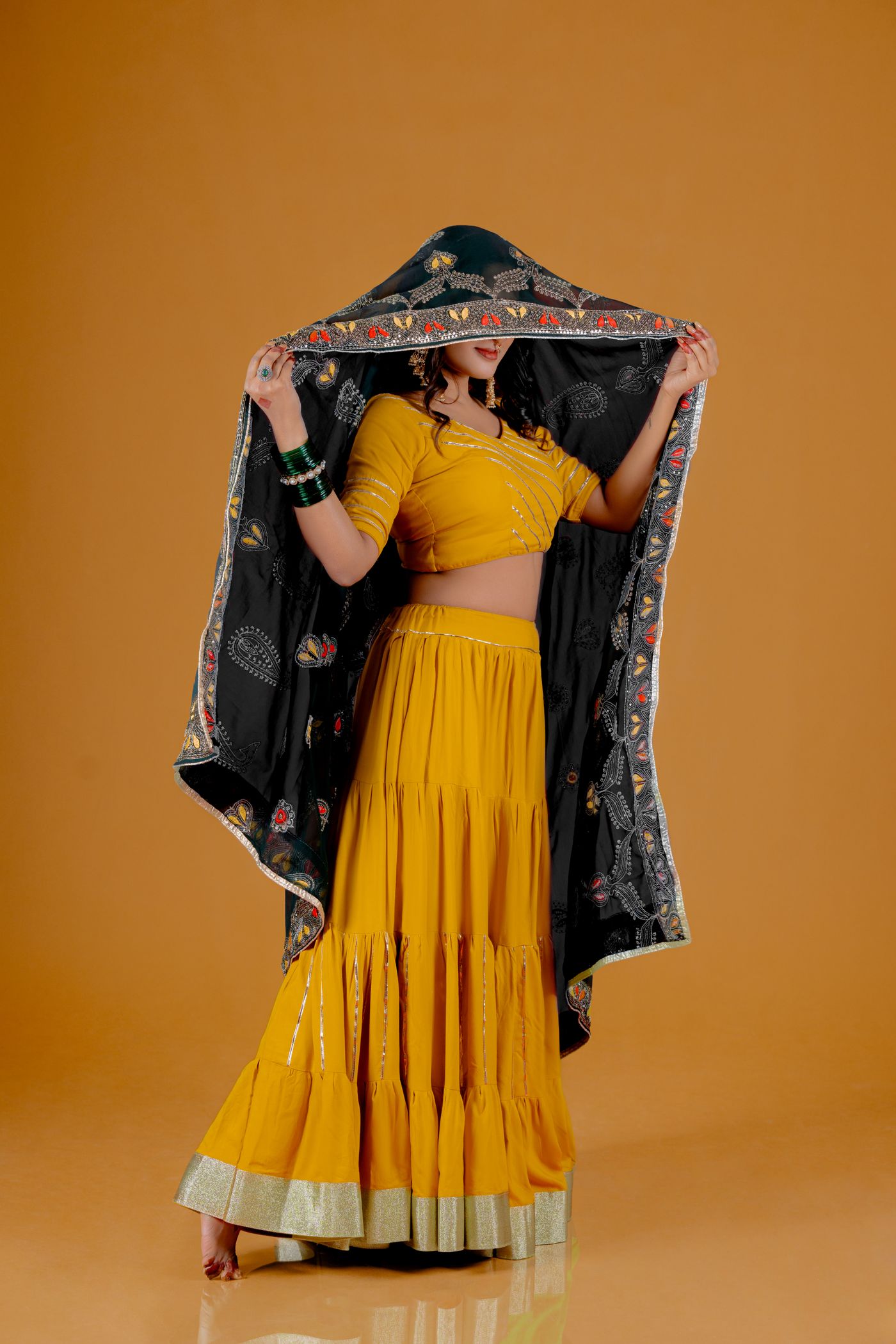
Use the skirt's waistband, pattern and weight to decide what a plain blouse needs to do.
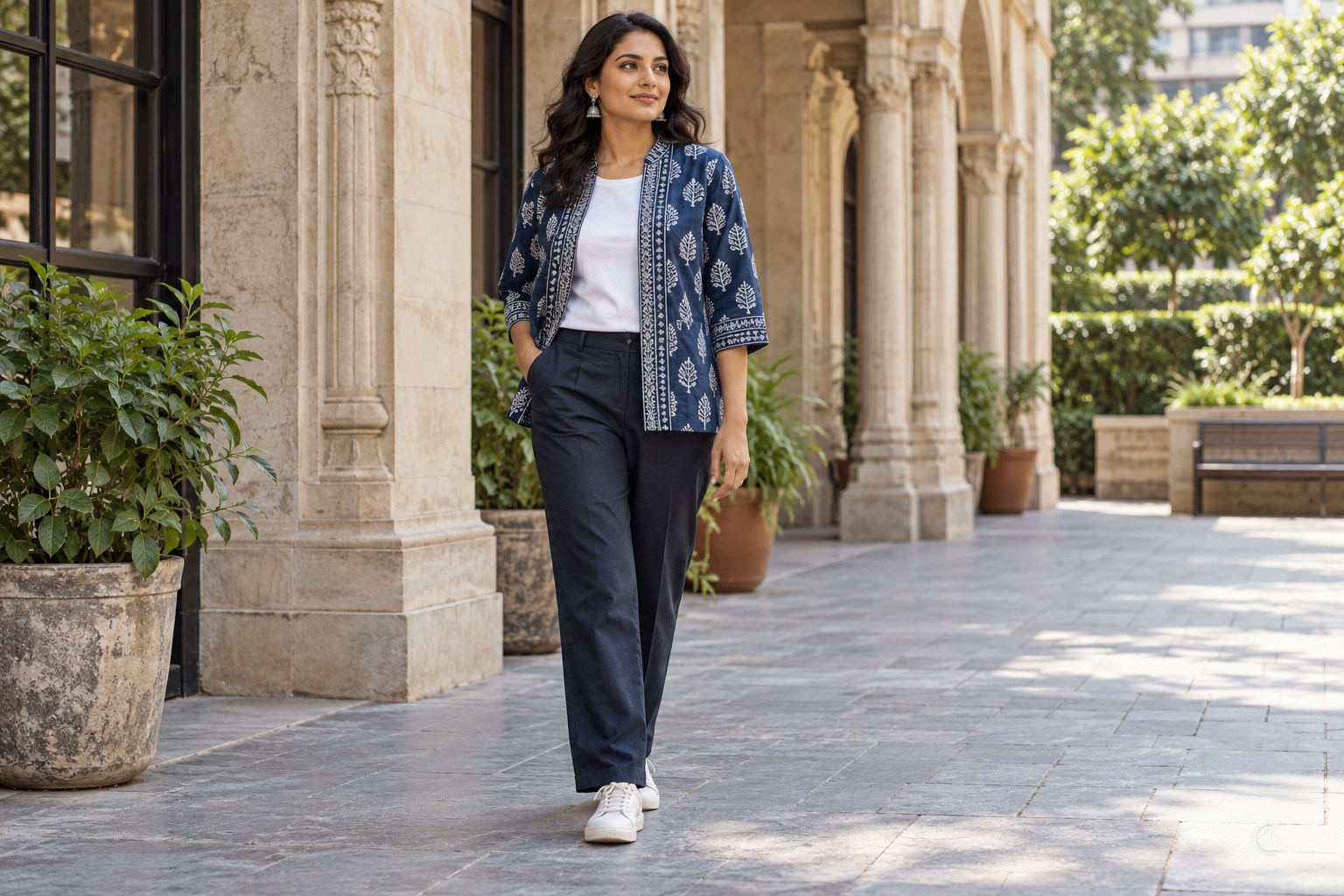
Bring a traditional textile into a contemporary outfit without losing sight of its scale, construction and care needs.
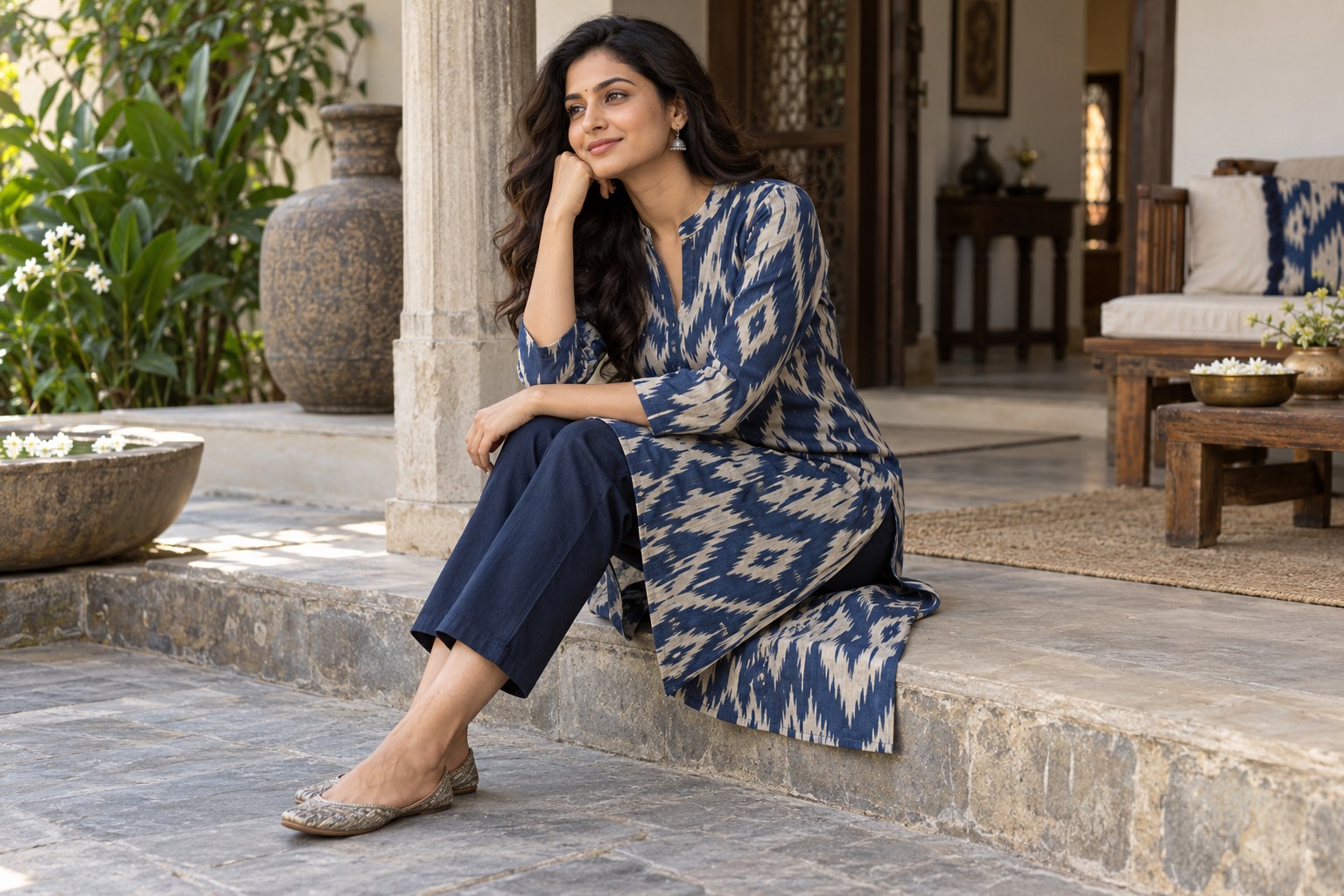
Let the scale and placement of an ikat pattern guide the rest of the outfit.
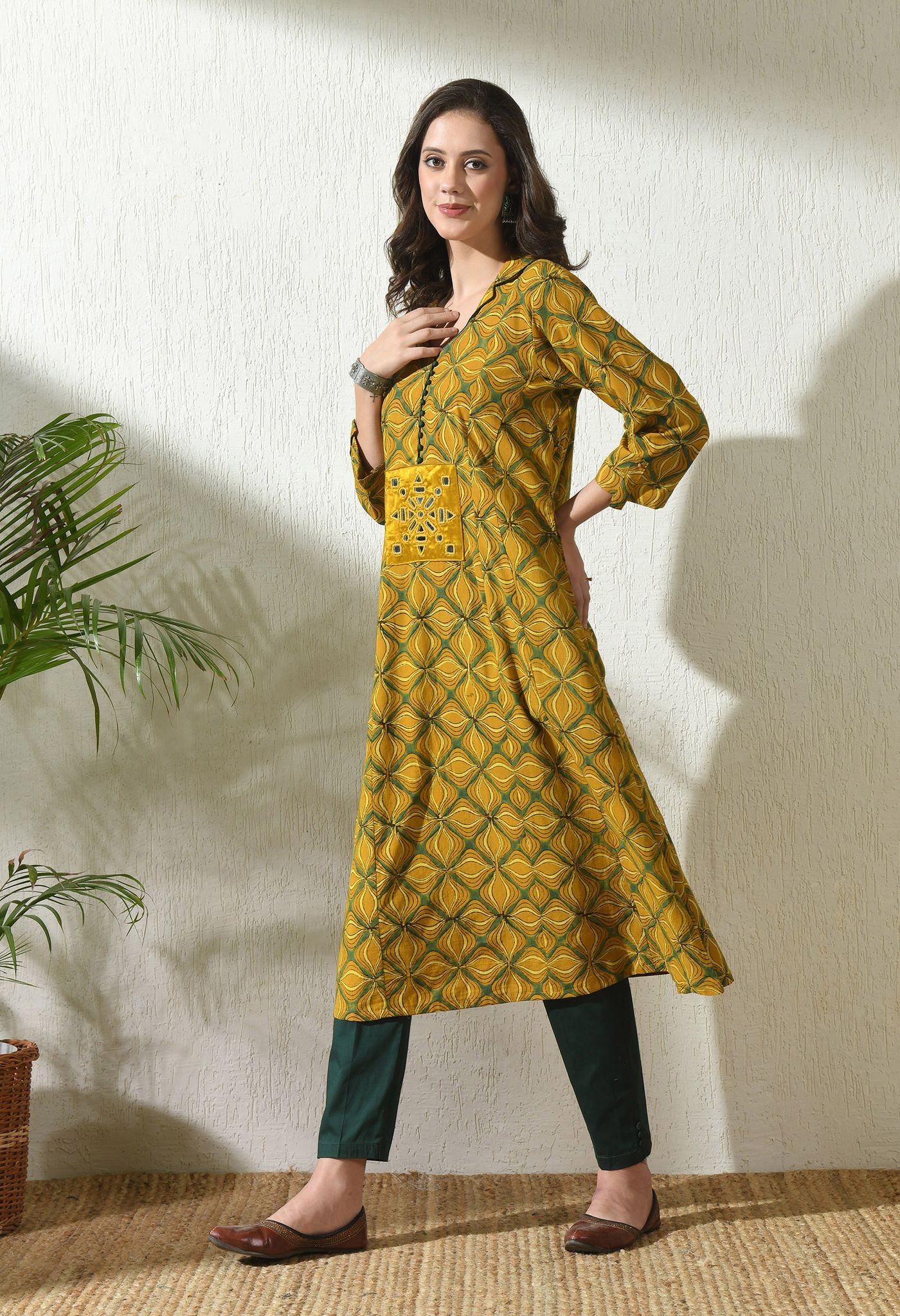
Choose accessories that relate to a block print's colour and spacing without copying every motif.
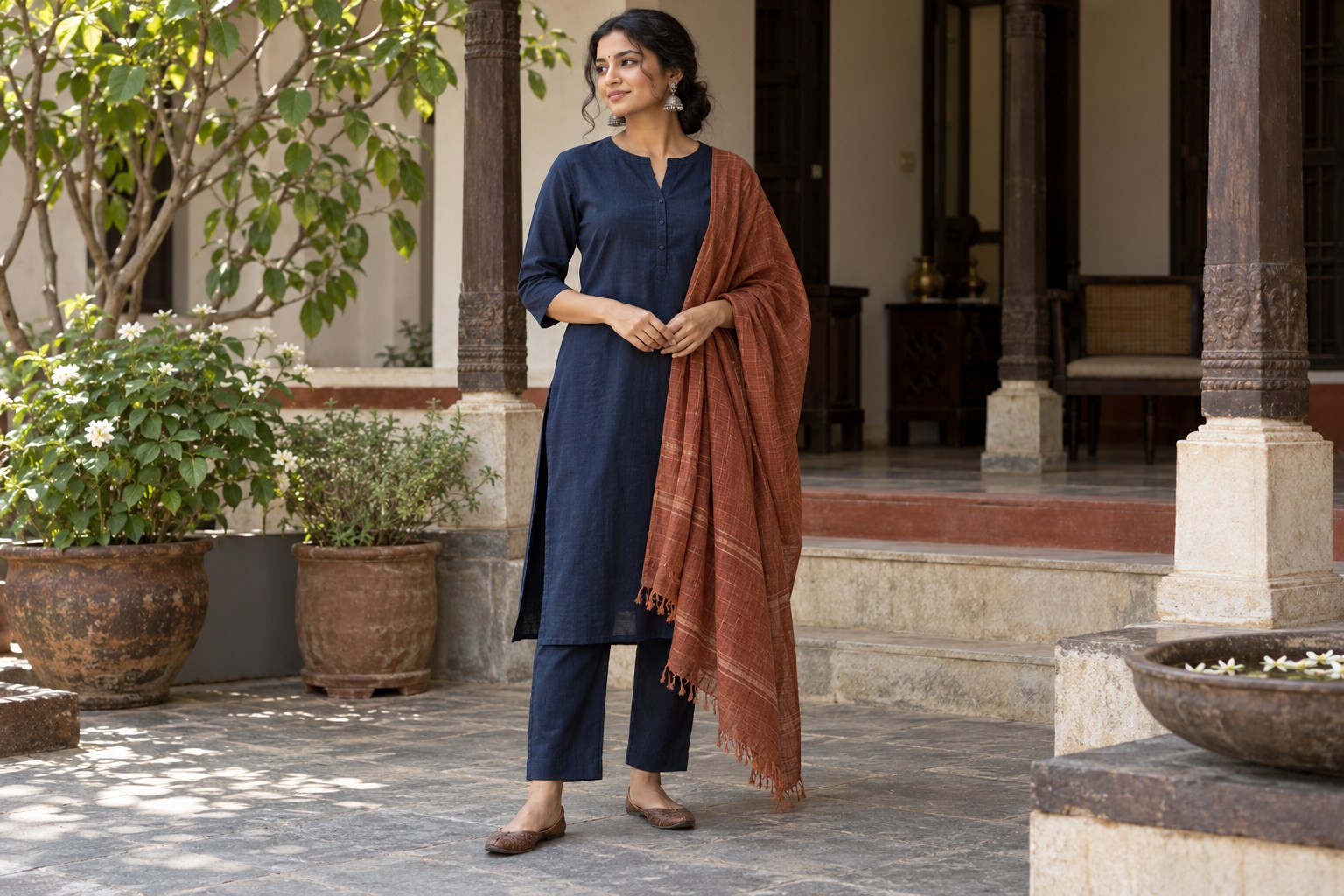
Use a handloom cotton dupatta's width, border and texture to shape the outfit around it.